Whether Anxiety Medication Helps a Chihuahua
It's absolutely heartbreaking to watch your tiny Chihuahua tremble, pace, or lash out in fear, often dismissed by others as just "being a Chihuahua." You know deep down this isn't normal shyness, it's anxiety making their world feel unsafe. This guide will explore whether anxiety medication can truly offer your little companion the relief they deserve and how to safely navigate that path with your vet.
Recognizing Anxiety in Your Chihuahua: It's More Than Just Shyness
So many Chihuahua owners tell me they feel like their dog's big personality, their sass and their bark, are endearing, but underneath, they worry about the constant trembling or the way their little one reacts to everything. It's a common misconception that all Chihuahuas are just naturally nervous or "yappy." While they are a sensitive breed, persistent fear, reactivity, or distress isn't just a quirk; it's often a sign of underlying anxiety that needs addressing.
Common Signs You Might Be Missing
Sometimes, the signs of anxiety in a Chihuahua are subtle, or we've just gotten so used to them we don't even see them as anxiety anymore. Does your Chihuahua always shiver, even when it's warm indoors? Is that constant alert barking actually a sign they're feeling overwhelmed by every sound outside?
Here are some common indicators that your Chihuahua might be struggling with anxiety:
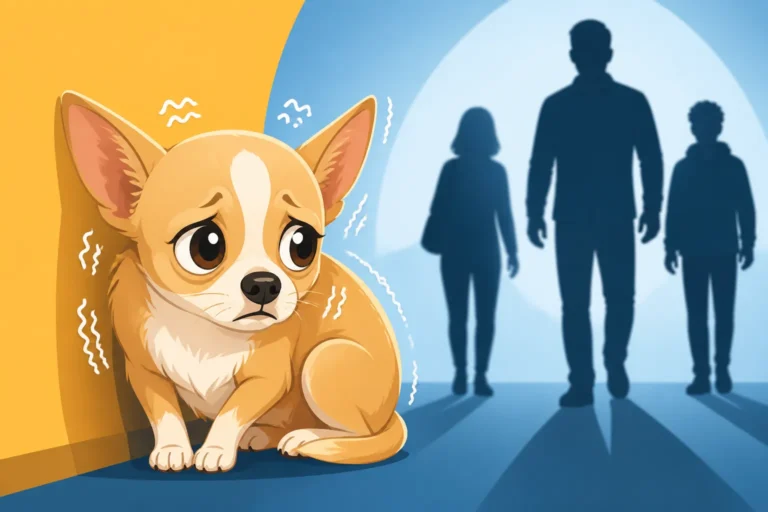
- Excessive Trembling or Shaking: Beyond cold or excitement, this can be a constant state for an anxious Chihuahua. They might tremble even when relaxed on your lap.
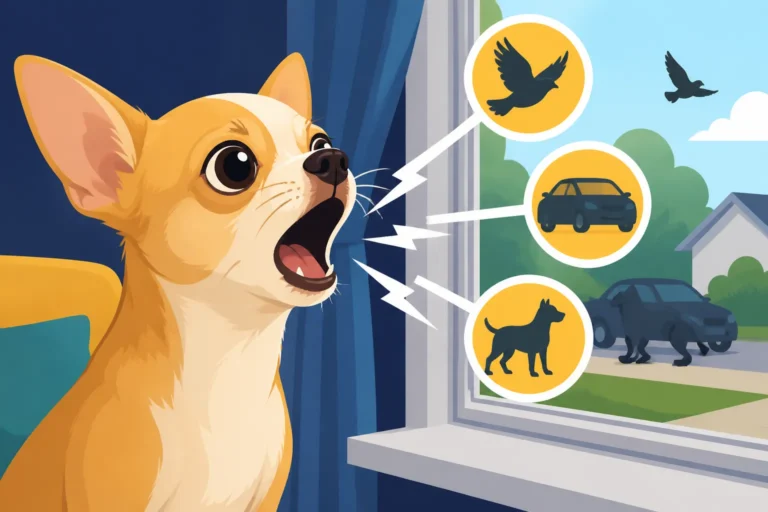
- Persistent Barking, Whining, or Howling: While Chihuahuas are known to be vocal, incessant barking at sounds, strangers, or when left alone points to distress. Chihuahua Barking and What Sets a Six Pound Dog Off delves deeper into these triggers.
- Hiding or Escaping: Constantly seeking refuge under furniture, in closets, or trying to escape a situation (like guests arriving) is a clear sign they feel unsafe.
- Destructive Chewing or Digging: Especially when left alone, this isn't naughtiness; it's often a coping mechanism for separation anxiety. They might chew on doorframes, furniture, or their own paws.
- Inappropriate Urination or Defecation: If your otherwise house-trained Chihuahua suddenly has accidents, particularly when you're gone, it could be anxiety-related, not a bladder problem.
- Pacing or Restlessness: They can't settle, constantly walking back and forth, even in a small space.
- Lethargy or Depression: Some anxious Chihuahuas might become withdrawn, lose interest in play, and sleep excessively.
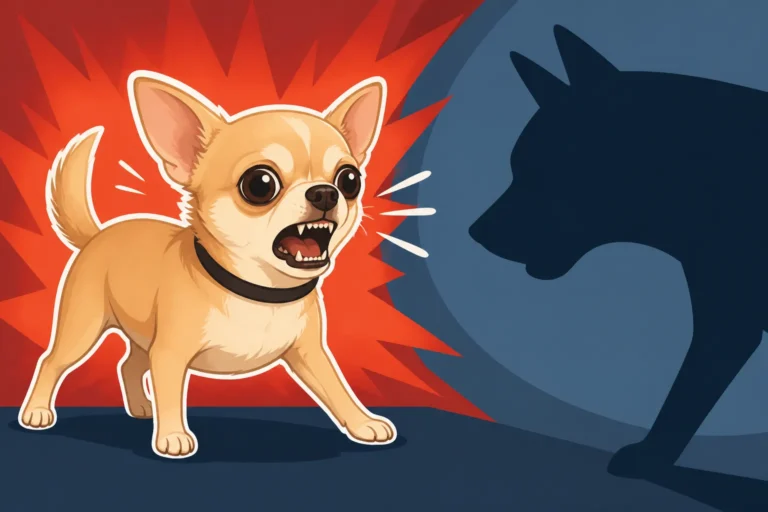
- Increased Reactivity or Aggression: A frightened Chihuahua might lunge, snap, or growl at people, other dogs, or unfamiliar objects. This isn't aggression for the sake of it, but fear-based self-preservation. Chihuahua Fear Reactivity, the Breed's Real Problem explains this more thoroughly.
If you recognize several of these behaviors in your tiny friend, it's worth considering anxiety as a root cause.
When Behavior Becomes a Medical Concern
There's a fine line between a dog having a nervous moment and living in a constant state of low-grade panic. For Chihuahuas, this line can often be blurred because their small size and perceived fragility sometimes lead owners to excuse behaviors they wouldn't in a larger dog. We pick them up when they growl at a stranger instead of teaching them appropriate responses. We let them bark incessantly at the window because "that's just how Chihuahuas are." This can inadvertently enable and even worsen anxiety.
When does it cross over? When their anxiety starts to significantly impact their quality of life, your quality of life, or the safety of others. If your Chihuahua can't enjoy walks, constantly trembles at home, has frequent accidents due to stress, or acts aggressively out of fear, it's gone beyond a minor personality trait.
Before even considering medication, it's paramount to rule out any underlying medical conditions that could be causing or exacerbating anxiety-like symptoms. Pain, for instance, can manifest as irritability or fear. A Chihuahua with a slipping kneecap might become reactive to touch, leading to what looks like behavioral issues. A Chihuahua Snapping Because Its Knee Hurts offers insights into how pain can drive behavior. It’s important to remember that physical discomfort can drastically alter a dog's temperament, making them more prone to anxiety or aggression.
The Role of Anxiety Medication: Not a "Magic Pill"
If you've reached the point where anxiety is severely impacting your Chihuahua, and you've explored behavioral modifications without sufficient progress, you might be considering medication. It’s crucial to understand that anti-anxiety medication for dogs is rarely a standalone solution. Think of it less as a "magic pill" that makes all problems disappear, and more as a helpful tool that can lower your dog's anxiety levels enough for them to be receptive to learning new, calmer behaviors through training.
How Anti-Anxiety Medications Work in Tiny Dogs
Just like in humans, anxiety in dogs often involves imbalances in brain chemistry, particularly neurotransmitters like serotonin, dopamine, and norepinephrine. These chemicals are responsible for mood regulation, fear responses, and overall emotional stability.
Anti-anxiety medications aim to correct these imbalances. They fall into several categories:
- SSRIs (Selective Serotonin Reuptake Inhibitors): These medications increase the amount of serotonin available in the brain, which helps improve mood and reduce anxiety over time. They typically take several weeks to build up in the system and show full effects.
- TCAs (Tricyclic Antidepressants): These drugs affect several neurotransmitters, including serotonin and norepinephrine, to alleviate anxiety and improve mood. Like SSRIs, they require a consistent daily dose and several weeks to become fully effective.
- Benzodiazepines: These are fast-acting medications that can provide immediate relief from acute anxiety (e.g., during a thunderstorm or vet visit). They work by enhancing the effect of GABA, a calming neurotransmitter, but are generally used for situational anxiety due to potential side effects and the risk of dependence with long-term daily use.
For tiny Chihuahuas, the dosage is incredibly precise. Vets will start with the lowest effective dose and gradually increase it if needed, carefully monitoring for side effects. It’s not simply scaling down a larger dog’s dose; the metabolism of small dogs can be different.
Situations Where Medication Might Be Considered
While not every anxious Chihuahua needs medication, there are specific scenarios where it can be profoundly beneficial, often in conjunction with a robust behavior modification plan.
- Severe Separation Anxiety: If your Chihuahua panics, vocalizes incessantly, soils the house, or becomes destructive every time you leave, medication can help reduce the overwhelming panic, allowing them to learn to cope with being alone. Chihuahua Separation Anxiety and Time Alone explores this common issue.
- Generalized Anxiety Disorder: For Chihuahuas who seem constantly worried about everything – new people, novel objects, changes in routine – medication can help temper that pervasive unease, making them more relaxed in their daily lives.
- Severe Noise Phobias: Thunderstorms, fireworks, or even loud city noises can be terrifying for some Chihuahuas. Fast-acting medications can be administered before or during these events to prevent extreme distress.
- Fear Aggression: When fear is so intense that it consistently leads to aggressive displays (growling, snapping, biting), medication can help lower the baseline anxiety, making your Chihuahua less reactive and more open to positive reinforcement training.
- Chronic Stress and Hypervigilance: If your Chihuahua is constantly on high alert, unable to truly relax, always watching, always barking at every perceived threat, medication can help break that cycle of hypervigilance.
- Vet Visit Anxiety: Some Chihuahuas become absolutely terrified at the vet, making examinations and treatments incredibly stressful. Short-term medication can help them cope better with these necessary visits.
It's about reaching a point where your Chihuahua can actually learn and respond to positive training techniques, rather than being too consumed by fear to process anything.
Combining Medication with Behavioral Modification: The Holistic Approach
Thinking of anxiety medication as a solitary answer is like trying to fix a leaky faucet with just a bucket – it might manage the symptoms, but it won't address the underlying problem. For true, lasting change in your Chihuahua's anxiety, medication needs to be part of a larger, holistic strategy that heavily relies on consistent behavioral modification. The two work hand-in-hand, creating an environment where your tiny friend can truly thrive.
Why Training is Still Paramount
Medication’s role is to turn down the volume on your Chihuahua's anxiety, not switch it off entirely. It creates a "window of opportunity" where your dog is less overwhelmed by their fears and therefore more capable of learning new coping mechanisms and responses. Without concurrent training, once the medication is potentially tapered off, the underlying anxious behaviors are likely to resurface.
Positive reinforcement training, rooted in kindness and understanding, is essential. This involves:
- Desensitization: Gradually exposing your Chihuahua to their triggers at a low intensity, so they become accustomed to them without fear. For example, if they're scared of strangers, you'd start with a stranger very far away, then slowly decrease the distance as your Chihuahua remains calm.
- Counter-Conditioning: Changing your Chihuahua’s emotional response to a trigger from negative (fear, anxiety) to positive. This often involves pairing the trigger with something wonderful, like high-value treats or praise. If your Chihuahua barks at every dog on a walk, you might give them a tiny, delicious piece of chicken every time another dog passes calmly. This teaches them that "other dogs = yummy treats" instead of "other dogs = danger." Counter-Conditioning a Fearful Chihuahua offers more practical steps.
- Building Confidence: Engaging in activities that build your Chihuahua's self-assurance, like short, fun training sessions where they master simple commands, or puzzle toys that challenge them mentally.
- Consistent Routine: Predictability can be incredibly calming for an anxious dog. A regular schedule for meals, walks, and playtime helps them feel more secure.
Many excellent online resources and trainers, like BAXTER & Bella, offer comprehensive puppy and adult dog training programs that emphasize positive methods suitable for small breeds. These programs often provide structured lessons that can be adapted to help anxious Chihuahuas learn coping skills in a safe, controlled environment.
Creating a Calming Home Environment
Beyond formal training, the everyday environment you create for your Chihuahua plays a massive role in their anxiety levels. Your home should be a sanctuary, a place where they feel safe, secure, and understood.
Consider these elements:
- Safe Spaces: Every Chihuahua needs a retreat. This might be a cozy crate covered with a blanket, a special dog bed tucked away in a quiet corner, or even a soft carrier they can escape to. This space should always be positive, never used for punishment.
- Enrichment: Boredom can exacerbate anxiety. Provide a variety of puzzle toys, chew toys, and interactive feeders to keep their minds engaged. Foraging for their food can be a deeply satisfying activity.
- Pheromone Diffusers and Collars: Products like Adaptil release synthetic dog-appeasing pheromones, which mimic the calming pheromone released by a mother dog. These can create a more serene atmosphere in the home and help reduce general anxiety. You can often find these readily available on Amazon.
- Calming Treats and Supplements: While not as potent as prescription medication, some over-the-counter supplements contain ingredients like L-Theanine, Tryptophan, or various herbal extracts that can have a mild calming effect. Discuss these with your vet before introducing them, as even supplements can interact with other medications or have their own side effects.
- Minimizing Triggers: While full avoidance isn't the goal for long-term management, temporarily reducing exposure to known triggers can help stabilize an anxious Chihuahua while you work on training and medication. This might mean using window film if they bark constantly at passersby or playing classical music to mask outdoor noises.
By thoughtfully combining veterinary treatment, consistent positive reinforcement training, and a calming home environment, you're giving your Chihuahua the best possible chance at a peaceful, happy life.
Types of Anxiety Medication and What to Expect
When it comes to medication for your Chihuahua’s anxiety, there isn't a one-size-fits-all solution. Your veterinarian will consider several factors, including the type and severity of anxiety, your dog's overall health, and potential side effects, to determine the most appropriate course of action. It's a journey of careful observation and adjustment, not an instant fix.
Common Prescription Options for Chihuahuas
These medications are typically prescribed for ongoing, chronic anxiety, and they need time to build up in your dog's system. Consistency is key with these daily medications.
- Fluoxetine (Prozac): An SSRI, Fluoxetine is widely used in veterinary medicine for separation anxiety, generalized anxiety, and certain types of aggression. It works by increasing serotonin levels, leading to a more stable mood. You'll usually start seeing effects after 4-6 weeks, with full benefits potentially taking 8-12 weeks. Side effects can include lethargy, decreased appetite, or gastrointestinal upset, though many Chihuahuas tolerate it well.
- Clomipramine (Clomicalm): This is a TCA often prescribed for separation anxiety and obsessive-compulsive disorders in dogs. It affects serotonin and norepinephrine. Similar to Fluoxetine, it requires several weeks for full therapeutic effects to be observed. Potential side effects are similar to SSRIs, including changes in appetite or sedation.
- Trazodone: While technically an antidepressant in humans, Trazodone is often used in dogs for situational anxiety (like vet visits, thunderstorms, or fireworks) or to help manage severe chronic anxiety alongside an SSRI/TCA. It works by affecting serotonin receptors and usually has a faster onset of action, often within an hour or two. Side effects can include sedation, gastrointestinal upset, or ataxia (wobbliness). It's incredibly useful for reducing stress in situations like post-surgical recovery or crate rest.
Your vet will carefully calculate the dosage for your Chihuahua's small body weight. It's common to start with a very low dose and increase it gradually, monitoring your dog's response and any potential side effects. Never adjust the dosage or stop medication without your vet's guidance.
Over-the-Counter Supplements and Pheromones
For milder anxiety or as a complementary approach to prescription medication and training, several over-the-counter options can be helpful. These generally have a less potent effect than prescription drugs.
- L-Theanine: An amino acid found in green tea, L-Theanine promotes relaxation without causing drowsiness. It's often found in calming chews or supplements.
- Zylkene: This supplement contains alpha-casozepine, a protein derived from milk that has calming properties. It's gentle and well-tolerated, often used for situational stress or mild generalized anxiety.
- CBD (Cannabidiol): This is a rapidly growing area of interest. While many owners report positive effects for anxiety, the research specifically for dogs is still developing, and quality control of products can vary. If you consider CBD, ensure it's a reputable brand with third-party testing, and always discuss it with your vet, especially if your Chihuahua is on other medications, as it can interact.
- Pheromone Products (e.g., Adaptil): These come as diffusers, collars, or sprays and release synthetic dog-appeasing pheromones. These pheromones signal safety and comfort to dogs and can be very effective in reducing general anxiety and stress in the environment. Many pet stores and online retailers like Amazon carry a variety of these products.
It's important to remember that these supplements and pheromones are generally less potent than prescription medications. They might be a good starting point for very mild anxiety or as an adjunct, but for moderate to severe cases, professional veterinary guidance on prescription options is crucial.
Here's a quick comparison of common anxiety approaches:
| Approach | Primary Mechanism | Speed of Effect | Best For | Owner Commitment (Beyond Administering) |
|---|---|---|---|---|
| Prescription Meds | Modifies brain chemistry (serotonin, norepinephrine) | Weeks (for daily meds), Hours (for situational) | Moderate to severe chronic/situational anxiety | High (vet follow-ups, consistency, training) |
| Behavioral Training | Teaches new coping skills, changes emotional response | Weeks to Months (ongoing) | All types of anxiety, essential alongside medication | Very High (consistent daily practice) |
| Calming Supplements | Mildly impacts neurotransmitters, general relaxation | Days to Weeks | Mild anxiety, complementary to other methods | Moderate (daily administration, monitor effect) |
| Pheromone Products | Mimics natural calming dog pheromones | Hours to Days | Environmental stress, general mild anxiety | Low (set up diffuser, put on collar) |
Working with Your Veterinarian: The Only Safe Path
Deciding to explore anxiety medication for your Chihuahua is a significant step, and it's one that must be taken hand-in-hand with your veterinarian. Self-diagnosing or self-medicating your tiny companion can be dangerous and ineffective. Your vet is the only one equipped to accurately assess your Chihuahua's needs, rule out other issues, and safely guide you through the process.
The Importance of a Thorough Diagnosis
Before any medication is considered, your vet will conduct a thorough physical examination and likely recommend diagnostics. This isn't just a formality; it's critical for ruling out other health problems that could be mimicking or contributing to anxiety.
- Pain: Chronic pain, even subtle, can make a Chihuahua irritable, fearful, and anxious. Conditions like Patellar Luxation, the Chihuahua's Commonest Joint Problem or Chihuahua Arthritis in the Teenage Years can cause discomfort that leads to behavioral changes. Your vet will check for signs of orthopedic issues, dental disease (Chihuahua Dental Disease in a Crowded Small Jaw), or other sources of pain.
- Thyroid Issues: Hypothyroidism can sometimes cause behavioral changes, including anxiety, although it's less common in Chihuahuas than some larger breeds.
- Neurological Conditions: Certain neurological issues could manifest as anxiety or altered behavior.
- Other Medical Conditions: Kidney disease or other internal ailments can make a dog feel unwell, leading to behavioral shifts that mimic anxiety.
Your vet will also take a detailed history of your Chihuahua's behavior, asking about triggers, frequency, severity, and any changes you've observed. They might ask you to keep a behavior journal to get a clearer picture of the patterns. This comprehensive approach ensures that you're treating the right problem and not just masking symptoms of an underlying medical issue.
Starting and Adjusting Medication Safely
Once a medical cause for anxiety has been ruled out and anxiety is definitively diagnosed, your vet will discuss medication options. This process is highly individualized for Chihuahuas due to their small size and unique metabolisms.
- Starting Low and Going Slow: Your vet will almost always start your Chihuahua on the lowest possible dose. This allows their body to adjust and minimizes the risk of side effects.
- Careful Monitoring: You'll be asked to closely monitor your Chihuahua for both positive changes and any adverse reactions. Side effects can include lethargy, changes in appetite, vomiting, diarrhea, or increased anxiety in rare cases. It's crucial to report all observations to your vet.
- Gradual Adjustments: If the initial dose isn't providing enough relief, your vet will gradually increase it. This isn't a race; finding the optimal dose can take time and patience. It's a collaborative effort between you and your vet.
- Regular Check-ups: Expect regular follow-up appointments. These might involve physical exams, bloodwork to ensure the medication isn't affecting organ function, and discussions about your Chihuahua's behavioral progress.
- Never Self-Medicate: Never give your Chihuahua human anxiety medication, and never adjust their prescribed dose without explicit veterinary instruction. Human medications can be toxic to dogs, and incorrect dosing can be dangerous, especially for a tiny Chihuahua.
By partnering with your vet, you ensure that your Chihuahua receives the safest, most effective anxiety management plan tailored specifically to their needs, allowing them to live a calmer, happier life.
Disclaimer
This article is for general informational purposes only and does not constitute professional advice. Laws, prices and regulations vary by location and change over time. Consult a qualified professional for guidance on your specific situation.