Reading a Chihuahua With Its Tail Tucked
It's incredibly frustrating when your tiny Chihuahua is clearly upset, but you just can't quite pinpoint why. One of the most common, and often misunderstood, signals they give us is a tucked tail. Many people think a tucked tail just means "scared," but it's a nuanced piece of communication that tells a much richer story about your little companion's emotional state. This guide will help you decode what your Chihuahua is truly trying to tell you when that tail disappears between their legs, and what you can do to help them feel safer.
The Nuances of a Tucked Tail in Chihuahuas
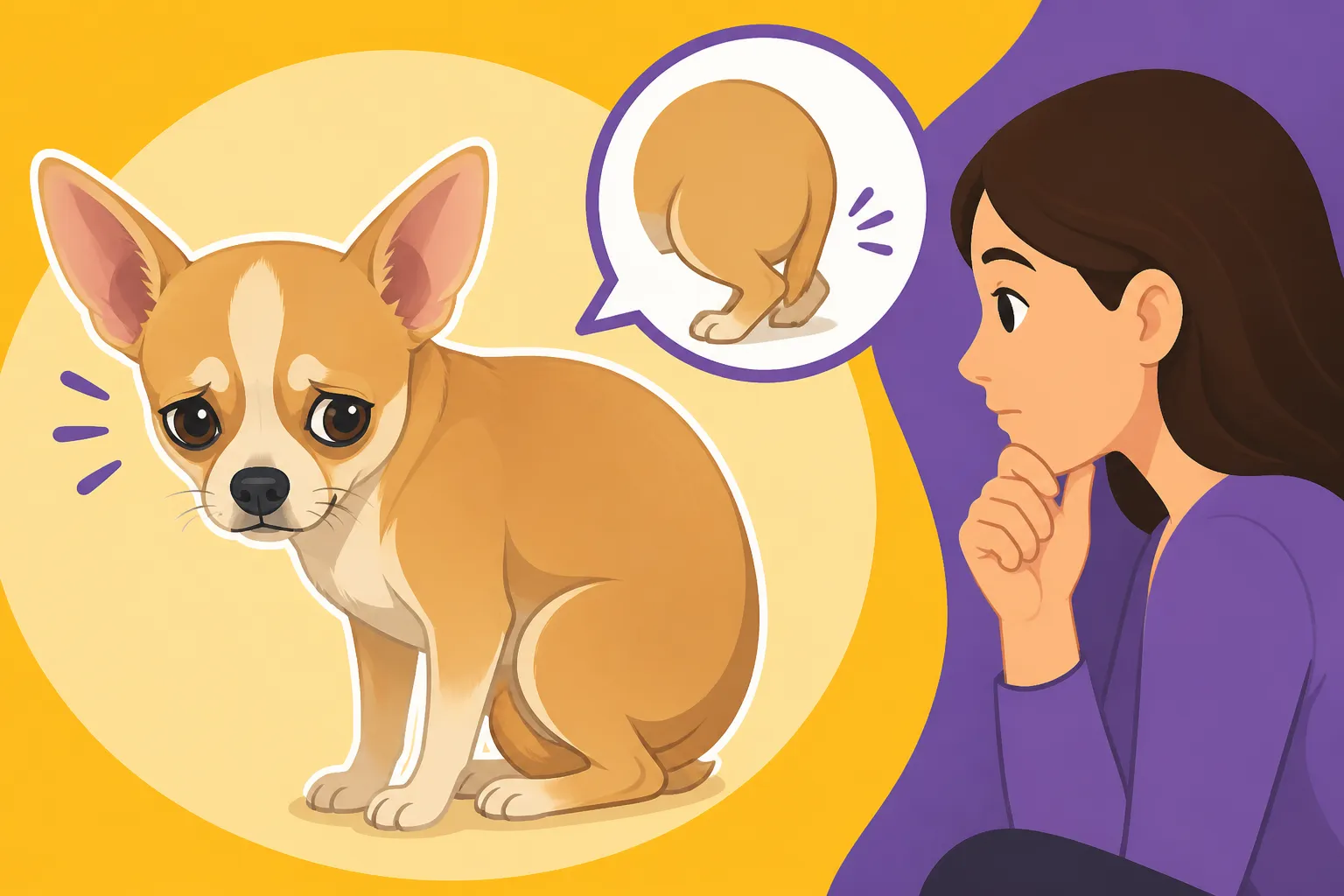
When you see your Chihuahua's tail tucked firmly between their legs, it's a clear signal, but it's rarely just one emotion. It's an umbrella term for a range of feelings that are all rooted in discomfort or apprehension. This isn't just a physical position; it's a significant part of their overall body language, which, for a tiny dog, is often overlooked or misinterpreted. Understanding these subtleties is crucial for building trust and ensuring your Chihuahua feels secure.
Beyond Simple Fear: Anxiety and Submission
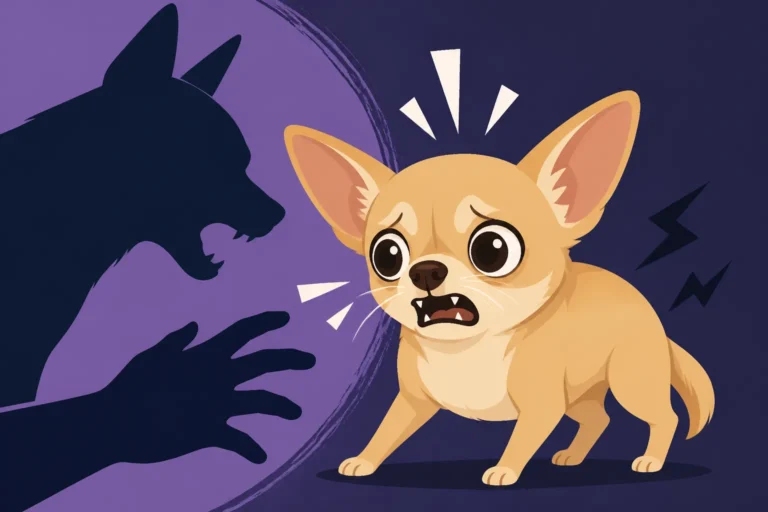
While fear is certainly a primary reason for a tucked tail, it's important to differentiate it from anxiety and submission. Imagine your Chihuahua at a dog park, overwhelmed by larger dogs bounding around. Their tail might be tucked low, practically glued to their belly, because they are genuinely terrified of being stepped on or bowled over. This is acute fear. Now, consider your Chihuahua when you're preparing to leave the house, and they know they'll be alone for a few hours. Their tail might be tucked, their ears slightly back, not because they're afraid of you, but because they're anticipating the stressful experience of being left behind. This leans more into anxiety. And what about when a larger, more confident dog approaches them at home, and your Chihuahua drops low, possibly even rolling onto their back with a tucked tail? This is a clear sign of submission, trying to communicate, "I'm no threat, please don't hurt me." All these scenarios involve a tucked tail, but the underlying emotional drivers are distinct, and require different responses from you. Recognizing the difference helps you respond appropriately, whether it's removing them from a frightening situation or providing comfort for their separation struggles.
The Role of Physical Discomfort
Sometimes, a tucked tail isn't about emotion at all, but about physical pain or discomfort. Chihuahuas, despite their robust personalities, are delicate little creatures. They are prone to certain orthopedic issues, like Patellar Luxation, the Chihuahua's Commonest Joint Problem, where their kneecap slips out of place. If your Chihuahua has a bad knee or an aching back, they might tuck their tail as a protective measure, trying to guard a sensitive area, or simply because the movement required to hold it high is painful. I've heard stories from so many owners who thought their Chihuahua was "just being grumpy" only to find out later it was a slipped disc or an arthritic hip causing immense pain. A tucked tail, especially if it's accompanied by a reluctance to move, whimpering, or changes in their normal posture or gait, warrants a closer look from your vet. This is why watching their whole body is so vital, not just one part.
Interpreting Other Body Language Cues
A tucked tail is never an isolated signal. Your Chihuahua's entire body works together to communicate their internal state. To truly understand what they're feeling, you need to become a detective of their complete body language. Ignoring these other cues is like reading only one word in a sentence and thinking you understand the whole story – it simply won't work, especially for a breed as expressive as the Chihuahua.
The Eyes and Ears Tell a Story
The eyes are often called the windows to the soul, and for Chihuahuas, this couldn't be truer. When a Chihuahua is fearful or anxious, their eyes might appear wide, showing the whites (often called "whale eye"). Their gaze might dart around frantically, avoiding direct eye contact, or they might stare intently at the source of their fear, frozen in place. The ears are another key indicator. Instead of their usual alert, upright position, a fearful Chihuahua's ears will often be pinned back against their head, or flattened slightly. This makes them appear smaller and less threatening, a classic defensive posture. When combined with a tucked tail, these eye and ear signals paint a very clear picture of distress. If you see their tail tucked, their eyes wide and flicking, and their ears back, it's not just "a little worried"—it's a full-blown "I am deeply uncomfortable and need help" message. Sometimes, they might even try to make themselves seem smaller, slinking low to the ground, which further emphasizes their desire to be unseen. This whole package of body language is critical for you to acknowledge.
Posture and Movement: The Whole Picture
Beyond the tail, eyes, and ears, your Chihuahua's entire posture and movement patterns provide crucial context. A fearful or submissive Chihuahua might lower their body, almost crawling along the ground, especially when approaching something or someone they perceive as threatening. They might tremble uncontrollably, which can sometimes be confused with being cold, but in conjunction with other cues, clearly indicates stress. Why a Chihuahua Shivers and What It Means covers this in more detail. They might also exhibit a stiff, hunched posture, or a slow, hesitant gait, as if every step is an effort. Some Chihuahuas will try to hide behind your legs, or duck under furniture, trying to make themselves invisible. If you try to reach for them when they're displaying these signs, they might flinch or even snap, not out of aggression, but out of a desperate need for space and a plea for the perceived threat to retreat. Chihuahua Body Language Before a Snap can offer more insight into these critical pre-bite signals.
Here's a quick reference for combining body language cues:
| Tail Position | Ear Position | Eye Appearance | Overall Posture | Likely Emotion(s) |
|---|---|---|---|---|
| High & Wagging | Forward/Relaxed | Soft, blinking | Relaxed, loose | Happy, confident, playful |
| Mid-level | Relaxed/Forward | Normal | Curious, alert | Interested, watchful |
| Low & Tucked | Pinned back | Wide, whale eye | Low, hunched, trembling | Fear, anxiety, submission |
| Low & Still | Slightly back | Staring | Stiff, ready to bolt | Alert, cautious, wary |
Common Triggers for Tail Tucking in Chihuahuas
Chihuahuas are sensitive souls, and their small size often makes the world feel like a much scarier place than it does to a larger dog. What might seem like a minor inconvenience to us can be a major source of stress for them, leading to that tell-tale tucked tail. Identifying these triggers is the first step toward helping your little friend navigate their world with more confidence.
Loud Noises and Unfamiliar Environments
Think about how overwhelming a busy street or a noisy household can be for a dog whose ears are disproportionately large and sensitive, and whose perspective is from ankle-height. Sudden loud noises like thunder, fireworks, vacuums, or even a dropped pot in the kitchen can send a Chihuahua's tail plummeting. For them, these sounds aren't just loud; they can be perceived as direct threats. Similarly, new places, especially those with unfamiliar smells, sounds, and people, can be incredibly daunting. A trip to the vet, a visit to a friend's house, or even a walk in a new park can be overwhelming. Instead of pushing them to "get over it," acknowledge their fear. They're not being stubborn; they're genuinely frightened. Creating a safe, quiet space they can retreat to, perhaps a comfy bed from Amazon in a quiet corner, can make a huge difference.
Unfamiliar People and Other Animals
This is a big one for Chihuahuas, who often bond very strongly with their primary caregivers and can be wary of strangers. A new person entering the home, especially if they are tall, loud, or try to interact too quickly, can cause a Chihuahua to tuck their tail and seek refuge. They might growl or bark, which often gets labeled as "aggression," but it's actually Fear-Based Reactivity in a Chihuahua – a desperate attempt to create distance and protect themselves. Similarly, interactions with other animals, particularly larger dogs, can be terrifying. A friendly Golden Retriever who just wants to sniff might seem like a towering predator to a four-pound Chihuahua. Responsible socialization, which you can learn about through programs like BAXTER & Bella, focuses on positive, controlled introductions to prevent fear from escalating. Remember, their small size means they genuinely feel vulnerable, and it's our job to be their protector.
Handling and Rough Play
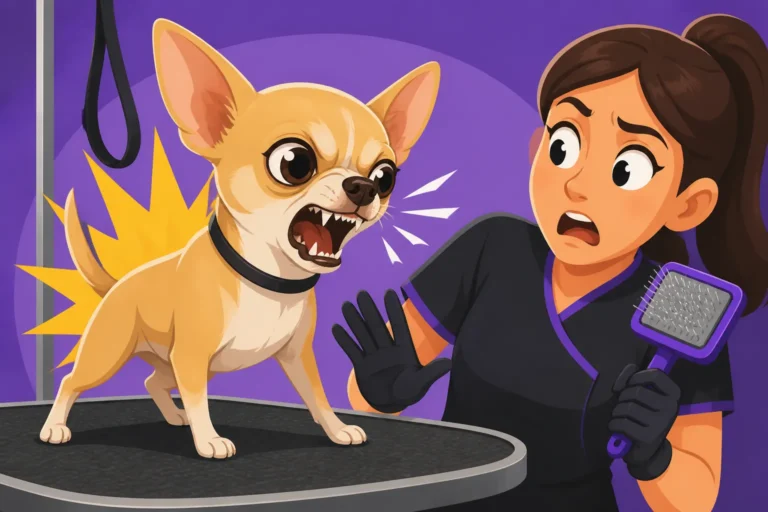
Many Chihuahuas have an aversion to being picked up or handled unexpectedly, especially by people they don't know or trust. Their tiny bones are fragile, and a bad experience can leave a lasting impression. Asking Before You Lift a Chihuahua is crucial. If a child, or even an adult, swoops down and grabs them without warning, or tries to engage in rough play, their tail will almost certainly tuck, and they might try to escape or even snap. They are communicating that they feel trapped, unsupported, or in danger. Teaching gentle handling, ensuring children understand how to interact respectfully, and advocating for your Chihuahua's space are vital. It’s not about them being "spoiled"; it's about respecting their physical and emotional boundaries.
Helping Your Chihuahua When Their Tail Is Tucked
When you see that tail tucked, your immediate goal should be to alleviate your Chihuahua's distress and help them feel safe. This isn't about coddling; it's about compassionate communication and proactive management of their environment. Every time you successfully help them through a scary situation, you build trust and reinforce that you are their reliable protector.
Creating a Safe Space and Reducing Triggers
The first step is often the simplest: remove them from the stressful situation or create a sanctuary for them. If the vacuum cleaner is out, let them retreat to their crate in another room with a cozy blanket. If visitors are over, give them a quiet bedroom where they can relax until they feel brave enough to rejoin the group on their own terms. Pay attention to what triggers their tail-tucking, and try to minimize exposure or prepare them for it. For instance, if you know fireworks are coming, create a den for them, play calming music, and offer a special chew toy. You can find calming diffusers and specialized calming treats on Amazon that might offer some support in these situations. The key is to be proactive, not just reactive, to their fear.
Positive Reinforcement and Gentle Reassurance
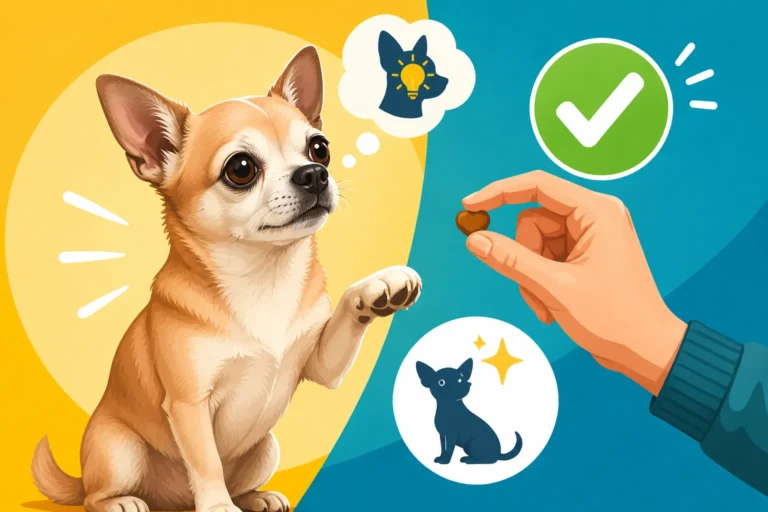
When your Chihuahua is tucked and scared, avoid harsh commands or punishment. This will only amplify their fear and damage your bond. Instead, speak in a soft, calm voice. Offer gentle reassurance, but avoid overly exuberant petting or attempts to force interaction if they are clearly trying to retreat. Sometimes, just sitting quietly near them, letting them initiate contact, is the most powerful reassurance you can offer. If they do show a moment of bravery—perhaps they peep out from behind your legs, or take a treat from your hand—mark that moment with calm praise and a tiny, high-value treat. This positive reinforcement helps them associate the previously scary situation with something good, gradually building their confidence. Think of it as slowly widening their comfort zone, one tiny step at a time.
Training and Confidence Building
For Chihuahuas prone to anxiety and fear, training is a powerful tool for building confidence and teaching them how to cope. Programs like those offered by BAXTER & Bella can teach you how to use positive reinforcement to build your Chihuahua's self-esteem and give them predictable ways to navigate their world. Focusing on basic obedience, even simple commands like "sit" or "stay," in a low-stress environment can empower them. When they understand what you expect and know they can earn rewards, it reduces their overall anxiety. You can also work on desensitization and counter-conditioning for specific triggers. For example, if they tuck their tail at the sight of other dogs, start by observing other dogs from a safe distance, rewarding your Chihuahua for remaining calm, and slowly reducing the distance over many sessions. This helps them form a new, positive association rather than just reacting out of fear. Consistent, kind training is the foundation for a confident Chihuahua.
Disclaimer
This article is for general informational purposes only and does not constitute professional advice. Laws, prices and regulations vary by location and change over time. Consult a qualified professional for guidance on your specific situation.