A Chihuahua That Turns Sharp Overnight
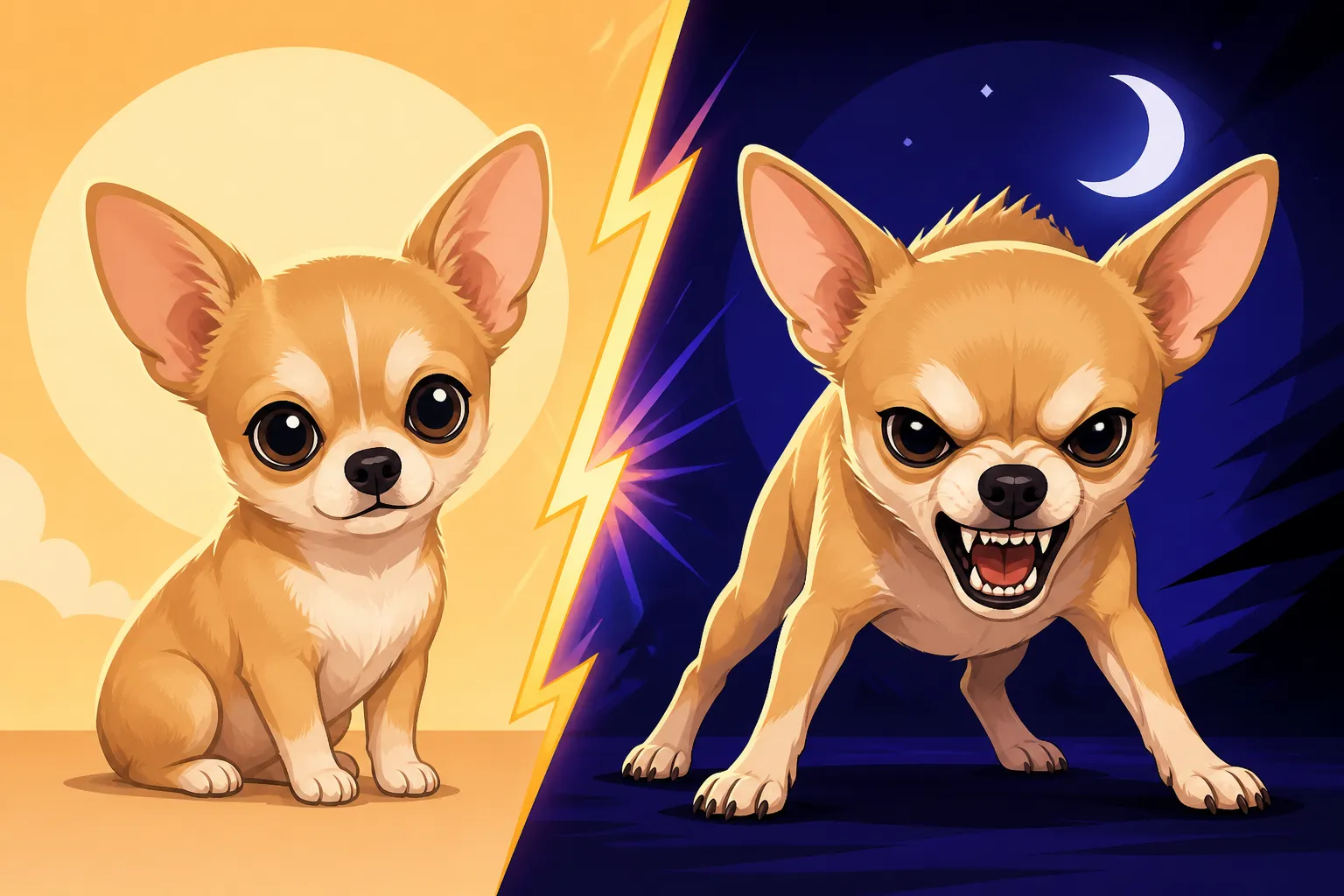
It’s incredibly unsettling when your usually sweet, cuddly Chihuahua suddenly starts acting… well, sharp. One day they're your affectionate little shadow, and the next they're growling when you reach for them, snapping at an innocent pat, or cowering in a corner. This sudden shift in temperament isn't just baffling; it's genuinely worrying and can leave you feeling hurt, confused, and even a little afraid of your own beloved tiny dog. This comprehensive guide will walk you through the most common reasons why a Chihuahua might experience such a dramatic personality change overnight, and, more importantly, what actionable steps you can take to understand and help your furry friend.
Understanding Sudden Behavioral Shifts in Chihuahuas
When we talk about a Chihuahua "turning sharp overnight," we're not talking about a puppy's typical nippy phase or a grumpy old dog who just wants to be left alone sometimes. This refers to a noticeable and often abrupt change in their baseline behavior, manifesting as new or intensified aggressive or extremely fearful reactions. It's a clear signal that something is amiss, and it requires careful investigation rather than just brushing it off as a quirk.
What "Turning Sharp" Looks Like
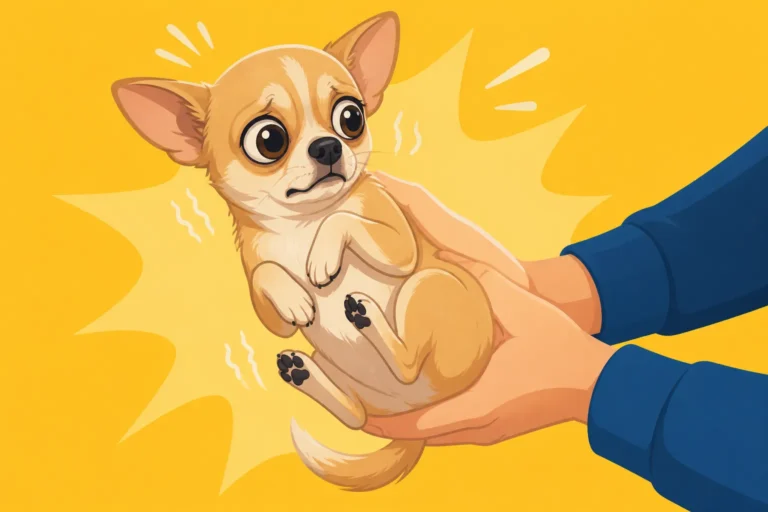
The signs of a Chihuahua turning sharp can vary, but they generally involve behaviors that are out of character and indicate distress or a perceived threat. You might notice them suddenly growling or snapping at family members, including children or other pets, in situations where they used to be perfectly fine. Perhaps they’ll now lunge and bark furiously at the mail carrier, whereas before they’d just give a polite "woof." Increased fearfulness is another common manifestation; your Chihuahua might start hiding more, trembling excessively, or shying away aggressively from touch, even from people they've always trusted.
Another concerning development can be resource guarding, where they become suddenly possessive of their food, toys, a favorite sleeping spot, or even a particular person, responding with growls or snaps if anyone approaches their "treasure." This isn't just cute bossiness; it's a genuine defensive reaction. For instance, your little one might suddenly start growling anytime you come near the sofa if they're napping there, or snap if you try to take away a cherished chew toy. This kind of shift is a far cry from the usual charming, spirited nature of the breed; it indicates a deeper underlying issue rather than a new "attitude."
Why Sudden Changes Are Alarming
Chihuahuas, despite their small size, tend to be quite consistent in their home environment once they're settled and well-adjusted. They form deep bonds and often have predictable routines and reactions. Because of this, a sudden onset of aggression or extreme fear is almost never just a "Chihuahua being a Chihuahua." It’s a significant red flag, suggesting an underlying problem that your dog is trying desperately to communicate. It's their way of saying, "I'm not okay."
This shift is incredibly distressing for owners who are used to their affectionate companion. It can erode trust, make interactions tense, and, despite their size, can pose a genuine safety concern, especially in homes with children or other vulnerable pets. Ignoring these sudden changes or attributing them to "small dog syndrome"—a concept often unfairly applied to Chihuahuas, which we discuss more in Small Dog Syndrome and Why It Is Not Genetic—does a disservice to your dog and prevents you from addressing the root cause. This isn't a minor annoyance; it’s a critical message from your dog that needs to be heard and acted upon promptly and compassionately.
Medical Reasons for a Chihuahua's Sudden Aggression
When a Chihuahua suddenly turns sharp, the very first place your mind should go—and your first call should be—is to your veterinarian. More often than not, a dramatic behavioral change like this is rooted in a physical problem, especially pain or discomfort. Our tiny companions are often stoic, and sometimes their only way to communicate they're hurting is through a defensive growl or a snap.
Pain or Discomfort
Pain is, without a doubt, the leading cause of sudden aggression in dogs, and Chihuahuas are no exception. Imagine having a constant toothache, a throbbing joint, or a stiff back, and then someone unexpectedly tries to pick you up or pat you. Your instinct might be to flinch, cry out, or even lash out to protect yourself. Dogs do the same. Common health issues in Chihuahuas that can lead to pain-induced aggression include:
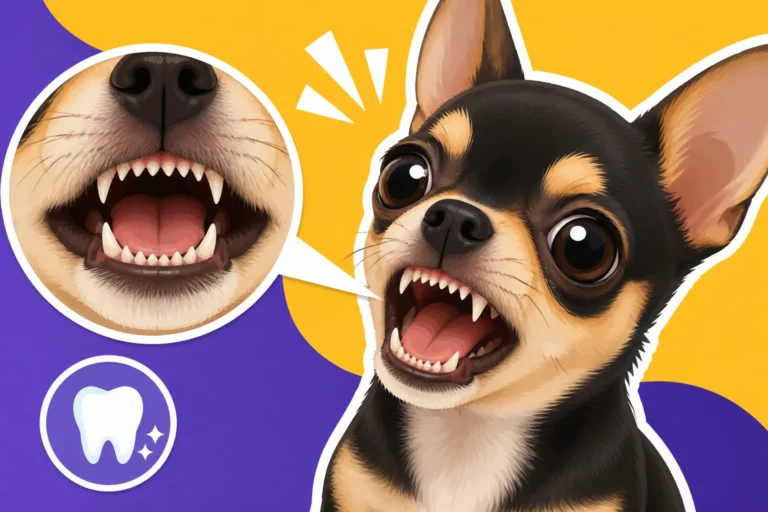
- Dental Disease: Chihuahuas are notoriously prone to dental issues. Their tiny mouths are crowded, leading to plaque buildup, gum disease, and painful tooth infections. A severely aching tooth can make them incredibly sensitive around their face and mouth, leading to snaps if you try to touch them or even when they're eating. If your Chihuahua has Chihuahua Dental Disease in a Crowded Small Jaw, any contact could be agonizing.
- Joint and Skeletal Problems: Conditions like Patellar Luxation, the Chihuahua's Commonest Joint Problem (slipping kneecaps), Chihuahua Arthritis in the Teenage Years in older dogs, or even intervertebral disc disease (back or neck pain, discussed further in Chihuahua Back and Neck Pain) can cause chronic or acute pain. A dog with a bad knee might snap if their leg is accidentally bumped, or if you try to pick them up, putting pressure on a sore joint. Their reluctance to move or a yelp when touched can be tell-tale signs.
- Ear Infections: A deep, painful ear infection, especially if it’s chronic or severe, can make a Chihuahua extremely head-shy. Any attempt to touch their head or ears could elicit a growl or snap because they anticipate pain. Chihuahua Ear Infections and Big Open Ears are common due to their large, open ear canals.
- Other Injuries: Even a seemingly minor injury, like a strained muscle from a jump off the sofa or a thorn embedded in a paw, can make a Chihuahua unusually irritable and defensive. Because they are so small, even a minor bump can have outsized impact on their delicate frame.
If your Chihuahua cries out when touched, is reluctant to move, or guards a specific body part, pain should be at the top of your list of concerns.
Sensory Decline (Vision/Hearing Loss)
As Chihuahuas age, they can experience a decline in their senses, particularly vision and hearing. Vision and Hearing Loss in an Old Chihuahua can profoundly impact their behavior and confidence. A dog who can't see or hear an approaching person or pet is easily startled. Imagine being in a quiet room, and suddenly a hand reaches out, or a shadow falls over you – it's a natural reaction to jump, flinch, or even defend yourself from what feels like a sudden, unseen threat.
This often presents as fear-aggression, where the dog reacts defensively because they are genuinely surprised and feel vulnerable. They might snap at someone who approaches them from behind, or lunge at a person they didn't see enter the room. This isn't malice; it's a dog trying to protect itself from a perceived ambush. For an older Chihuahua, these changes can be gradual, but a threshold might be crossed suddenly, leading to what appears to be an overnight personality shift.
Neurological Issues or Other Illnesses
Beyond obvious pain or sensory loss, other medical conditions, particularly neurological ones, can directly impact a Chihuahua's temperament. Conditions like Chihuahua Epilepsy and Seizure Onset can sometimes have pre-seizure (prodromal) or post-seizure (post-ictal) behavioral changes, including irritability, confusion, or aggression. While Hydrocephalus in an Apple-Head Chihuahua is usually diagnosed in puppies, some neurological conditions can worsen over time or manifest with age.
Other illnesses, such as thyroid imbalances, liver shunts, or even undiagnosed tumors, can cause systemic changes that affect brain function or overall well-being, leading to mood swings, increased anxiety, confusion, or a general feeling of malaise that makes a dog unusually irritable. For instance, a dog with an endocrine disorder might feel constantly unwell, leading to a shorter fuse. For senior Chihuahuas, Cognitive Decline in an Aging Chihuahua can also lead to confusion, anxiety, and irritability, making them lash out when startled or disoriented. These conditions often require specific diagnostics like blood work or advanced imaging (like an MRI) to identify, emphasizing why a thorough veterinary check-up is absolutely critical when your Chihuahua’s personality takes a sudden turn.
Environmental and Training Factors Contributing to Sharp Behavior
Once medical reasons have been thoroughly investigated and, ideally, ruled out or managed, it’s time to look at environmental and training factors. Sometimes, what seems like an "overnight" change is actually a tipping point after a period of escalating stress, fear, or a breakdown in consistent boundaries. Chihuahuas are sensitive souls, and their environment and experiences deeply shape their behavior.
Increased Fear and Anxiety
Fear and anxiety are powerful drivers of aggressive behavior, and a sudden increase in either can make a Chihuahua "sharp." Our little friends, despite their bravado, can be prone to nervousness, and certain events can push them over the edge.
- Traumatic Events: A single traumatic event can trigger a significant behavioral change. This could be something as obvious as being stepped on, attacked by a larger dog, or a frightening, painful experience at the vet. It could also be a less obvious event, like a loud, unexpected noise that genuinely terrified them, or a rough encounter with a child or stranger who didn't understand how to interact gently with a small dog.
- Environmental Changes: Chihuahuas thrive on routine and stability. A new baby, a new pet (especially a much larger or more boisterous one), moving to a new home, frequent houseguests, or even ongoing construction noise can be incredibly stressful. These changes can make a previously confident dog feel insecure and anxious, leading them to act defensively as a coping mechanism. Their "sharpness" becomes a desperate attempt to create distance or control what they perceive as an overwhelming threat.
- Lack of Proper Socialization: While you might think of socialization as a puppy-only thing, a lack of appropriate Chihuahua Socialization Without Overwhelming It in early life, or a series of negative experiences, can surface as fear-based aggression later on. If a Chihuahua wasn't exposed safely to a variety of sights, sounds, people, and other dogs during their critical developmental window, new or novel situations can become profoundly frightening, leading to defensive aggression. Many owners, with good intentions, over-protect their tiny Chihuahuas, carrying them everywhere and preventing them from experiencing the world safely on their own four paws. This can actually worsen fear and reactivity, as discussed in Chihuahua Handling and Why Carrying Backfires.
Resource Guarding Escalation
Resource guarding, where a dog protects items they value, can appear suddenly or intensify dramatically. While some Chihuahuas may show subtle signs of guarding from puppyhood (Chihuahua Resource Guarding and Snapping), stress, insecurity, or changes in the environment can cause it to escalate into outright aggression. This is not about being "mean"; it's a dog feeling threatened about losing something important to them.
Examples include:
- Guarding a Person: Your Chihuahua might suddenly growl or snap if someone (or another pet) approaches you while they are sitting on your lap or cuddling next to you. They may see you as their most valuable resource.
- Guarding Space: The bed, a favorite dog bed, or even a specific spot on the sofa can become a guarded territory. If your Chihuahua snaps when moved off the bed, for instance, it's a clear sign of this.
- Guarding Objects: This could be their food bowl (Chihuahua Food and Toy Guarding), a high-value chew, or even a favorite toy. The sudden appearance of new pets or even changes in feeding routines can sometimes trigger or worsen resource guarding as the dog perceives scarcity or increased competition.
The key to understanding resource guarding is recognizing that the dog is attempting to control their environment and protect what they consider theirs. It's often linked to an underlying sense of anxiety or insecurity.
Lack of Consistent Training or Boundaries
Sometimes, what appears to be a sudden shift might be the culmination of unaddressed behavioral issues or a lack of clear boundaries. Because Chihuahuas are small, owners might unintentionally allow behaviors that they would never tolerate in a larger dog. For example, a tiny growl from a Chihuahua might be dismissed or even found "cute," whereas a growl from a Labrador would immediately be addressed. This can inadvertently reinforce the undesirable behavior. As we explore in Letting a Chihuahua Growl at Guests, ignoring early warning signs can lead to escalation.
- Reinforced Undesirable Behaviors: If a Chihuahua learns that growling or snapping makes an unpleasant situation go away (e.g., someone backing off, a perceived threat disappearing), the behavior is reinforced and becomes more likely to occur. What seems sudden might be the dog simply becoming more confident in using this strategy.
- Insufficient Mental and Physical Stimulation: Despite their size, Chihuahuas are intelligent and energetic. A lack of appropriate mental stimulation (e.g., puzzle toys, short training sessions) and physical exercise (even small indoor games or short walks, as explored in Chihuahua Exercise for a Dog That Fits in a Bag) can lead to frustration, boredom, and pent-up energy. This can manifest as irritability, reactivity, or a shorter fuse, leading to "sharp" behavior.
- Missed Communication Signals: Chihuahuas, like all dogs, communicate through a complex array of body language signals before resorting to a bite. If subtle signals (lip licks, yawning, averting gaze, stiff body, whale eye, low growls) are consistently missed by owners or others, the dog may feel it has no choice but to escalate to a more overt warning like a snap or a bite to get its message across. This isn't turning sharp overnight; it's the dog finally being pushed past its limits.
Steps to Take When Your Chihuahua's Temperament Changes
When your Chihuahua’s personality suddenly shifts, it’s a critical moment that requires a methodical and calm approach. Your immediate actions can make a huge difference in understanding and resolving the issue, and crucially, keeping everyone safe.
Immediate Veterinary Consultation
As mentioned, this is your absolute first and most important step. Do not delay. Book an appointment with your veterinarian as soon as possible and clearly explain the sudden behavioral changes. Be prepared to provide as much detail as you can.
- What to Tell Your Vet: Explain precisely when the "sharpness" began, what specific behaviors you're observing (growling, snapping, lunging, hiding, trembling), what seems to trigger these behaviors, and if there are any other accompanying changes in your Chihuahua's appetite, water intake, bathroom habits, energy levels, or mobility. Mention any recent changes in the home environment, even seemingly minor ones.
- Diagnostic Tests: Your vet will perform a thorough physical examination, checking for signs of pain, tenderness, or neurological issues. They may recommend diagnostic tests such as blood work (to check organ function, blood counts, and hormone levels), urinalysis, X-rays (to check for joint issues, back pain, or internal problems), or even more advanced imaging depending on their initial findings. Sometimes, a simple course of pain medication can entirely resolve the behavioral issue if pain was the root cause. It's truly amazing how a dog's demeanor can transform once they are no longer suffering in silence.
Observe and Document Behavior
While waiting for your vet appointment or once medical issues are ruled out, start meticulously observing and documenting your Chihuahua's behavior. This journal will be an invaluable tool for your vet and any future behavior professional you consult.
- What to Document: For every incident of undesirable behavior, jot down the date and time, the specific behavior you observed (e.g., "growled at child," "snapped at owner's hand," "lunged at dog on walk"), what happened immediately before the behavior (the trigger – who was there, what was happening, what sound was made), and what happened immediately after (the consequence – did the person back off, did the dog get what it wanted, did the situation de-escalate?). Also note any subtle body language cues your Chihuahua exhibited beforehand, like lip-licking, yawning, head turns, or a stiff body.
- Identify Patterns: Over a few days or weeks, you might start to see patterns emerging. Is the aggression only directed at certain people or other animals? Does it only occur in specific locations (e.g., near their food bowl, on the sofa)? Is it always at a certain time of day? Is it linked to specific resources (food, toys, your lap)? These patterns will help pinpoint the exact triggers and the function of the behavior (e.g., is it fear-based, pain-based, resource guarding, or territorial?).
Here's a simple table you can use to start documenting your Chihuahua's behavior:
| Date/Time | Behavior Observed (e.g., growl, snap) | Trigger (What happened just before?) | Consequence (What happened after?) | Notes (Body language, location, people involved) |
|---|---|---|---|---|
| MM/DD HH:MM AM | Growl, air snap | Owner reached for chew toy on bed | Owner withdrew hand, dog chewed faster | Stiff body, whale eye, low growl |
| MM/DD HH:MM PM | Barking, lunging | Large dog walked past window | Owner pulled dog away, closed blinds | Hackles up, high-pitched barks |
| MM/DD HH:MM AM | Trembling, hiding | Stranger entered home | Stranger ignored dog, dog stayed hidden | Tail tucked, ears back |
Implement Management Strategies
While you're investigating the cause, your top priority is safety and preventing further incidents. This often means temporarily managing your Chihuahua's environment to avoid known triggers.
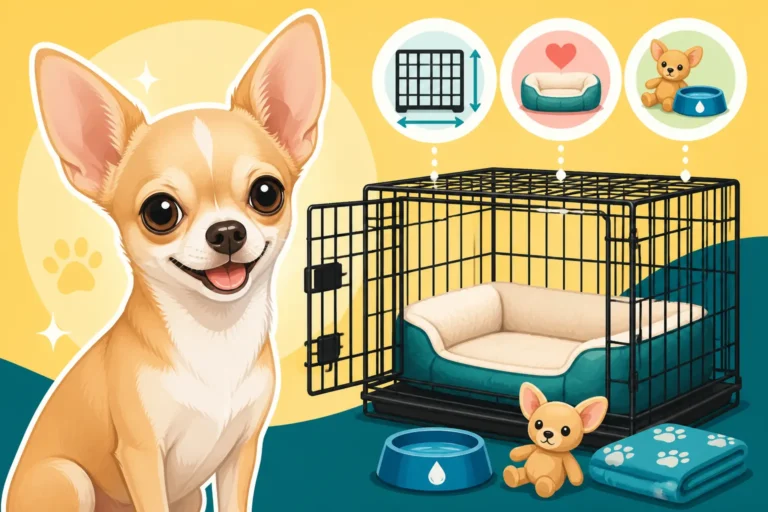
- Safety First: If you've identified specific triggers, do everything you can to avoid them. For instance, if your Chihuahua is guarding a chew, remove it when people are around or offer it only when they are in their crate. If it's fear-based, create safe, quiet spaces where your dog can retreat without being bothered. You might need to use baby gates or keep your Chihuahua on a leash indoors to manage interactions. Many versatile baby gates and pet-safe barriers are available through retailers like Amazon that can help you create these safe zones.
- No Punishment: Never punish your Chihuahua for growling or snapping. Punishment might suppress the warning signs, meaning your dog could go straight to biting without any vocal or visual cues next time. Instead, focus on understanding why they are reacting and changing the underlying emotion.
- Supervision with Children: If there are children in the home, strict supervision is paramount. Teach children how to interact respectfully with dogs, giving them space and never approaching them when they are eating, sleeping, or in their designated safe space. More on this in Chihuahuas Around Toddlers and Rough Hands.
- Appropriate Gear: If your Chihuahua shows reactivity on walks, ensure they are wearing a well-fitted harness, not a collar. A harness distributes pressure across their chest and shoulders, avoiding strain on their delicate neck and trachea, which can be particularly important if they have a sensitive windpipe. Why a Harness Matters for a Chihuahua Windpipe explains this in more detail.
Seek Professional Behavior Help
Once medical issues are ruled out or being managed, and if behavioral issues persist, it's time to call in a professional dog trainer or a veterinary behaviorist. Do not try to tackle complex aggression or severe fear issues alone.
- Find the Right Professional: Look for someone who specializes in positive reinforcement, fear-free methods, and has experience with small dog behavior. A Certified Professional Dog Trainer (CPDT-KA), a Certified Dog Behavior Consultant (CDBC), or a Veterinary Behaviorist (DACVB) are excellent credentials to look for. They understand that aggression is often fear-driven, not dominance, and will help you address the root cause, not just the symptoms. Finding a trainer who takes a Chihuahua seriously, rather than dismissing their issues due to size, is key, as discussed in Finding a Trainer Who Takes a Chihuahua Seriously.
- Behavior Modification Plan: A good professional will help you develop a tailored behavior modification plan. This might involve counter-conditioning (changing your dog's emotional response to a trigger) and desensitization (gradually exposing them to triggers in a controlled, positive way). For example, if your Chihuahua lunges at other dogs, they might teach you to reward calm behavior from a distance, slowly decreasing that distance over time, as explored in Counter-Conditioning a Fearful Chihuahua.
- Consistency and Patience: Behavior modification takes time, consistency, and patience. There are no quick fixes for deep-seated fear or aggression. An online training platform like BAXTER & Bella can be a great resource for structured guidance and support, providing tools and lessons you can implement at home, often with personalized feedback options. Remember, you're not just training your dog; you're often retraining yourself and your family to interact in ways that build your Chihuahua's confidence and reduce their need to react sharply.
When your Chihuahua turns sharp overnight, it's a profound moment that demands your attention and empathy. It’s a distress signal, a plea for help that, when answered with professional veterinary and behavioral support, can lead to a deeper understanding of your little companion and ultimately, a safer, happier home for everyone.
Disclaimer
This article is for general informational purposes only and does not constitute professional advice. Laws, prices and regulations vary by location and change over time. Consult a qualified professional for guidance on your specific situation.