Letting a Chihuahua Growl at Guests
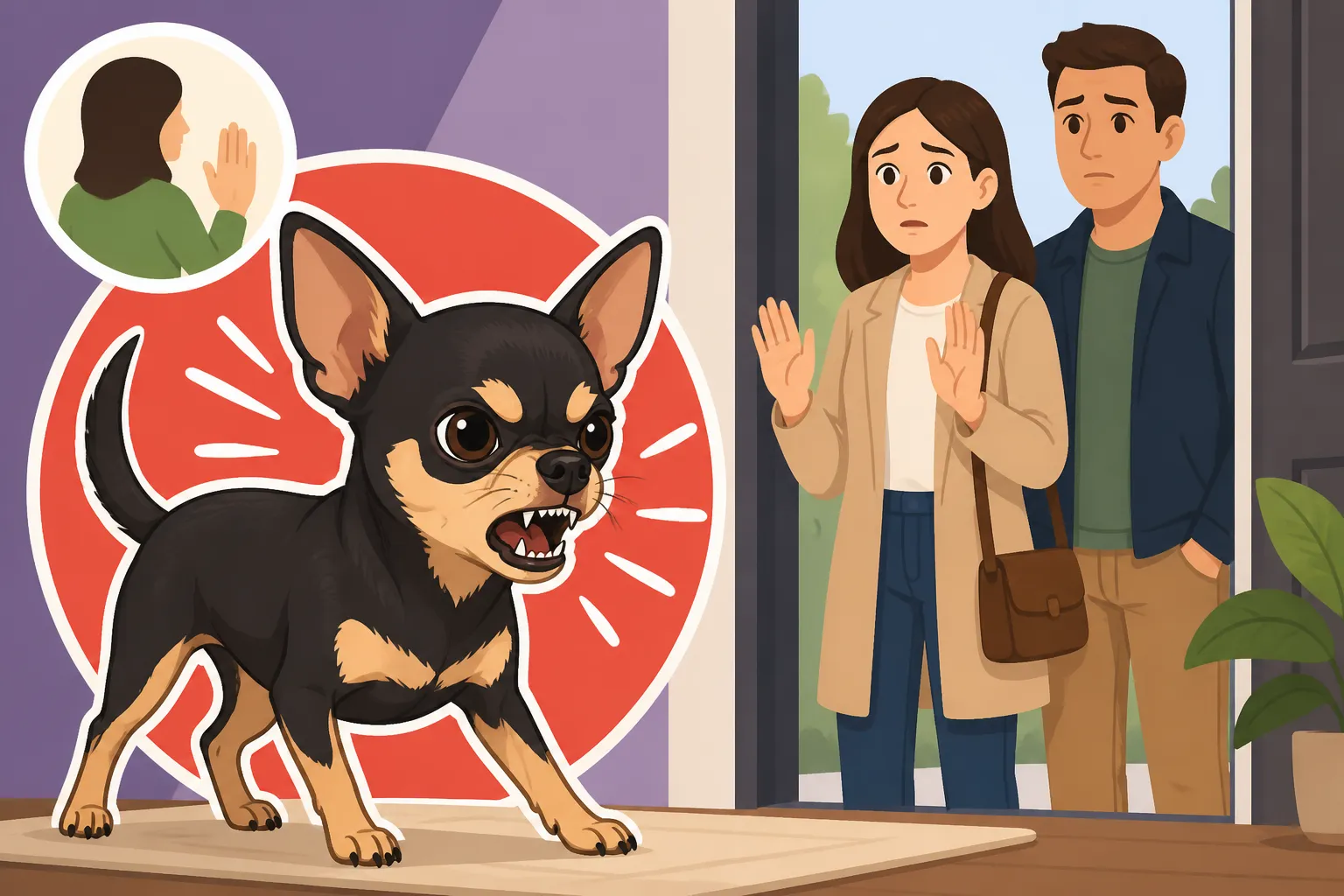
It's a common scenario: you have guests over, and your tiny Chihuahua, rather than greeting them with wags and kisses, retreats behind your legs, letting out a series of sharp, low growls. Many owners, perhaps out of affection or misunderstanding, chuckle and dismiss it as "just being protective" or "typical Chihuahua behavior." However, allowing your Chihuahua to growl at guests isn't cute or protective; it’s a clear red flag signaling fear and discomfort, and it can quickly escalate into a bite. This guide will walk you through why this behavior happens and, more importantly, how to address it safely and effectively, creating a more harmonious home for everyone.
Why a Growl is a Warning, Not a Greeting
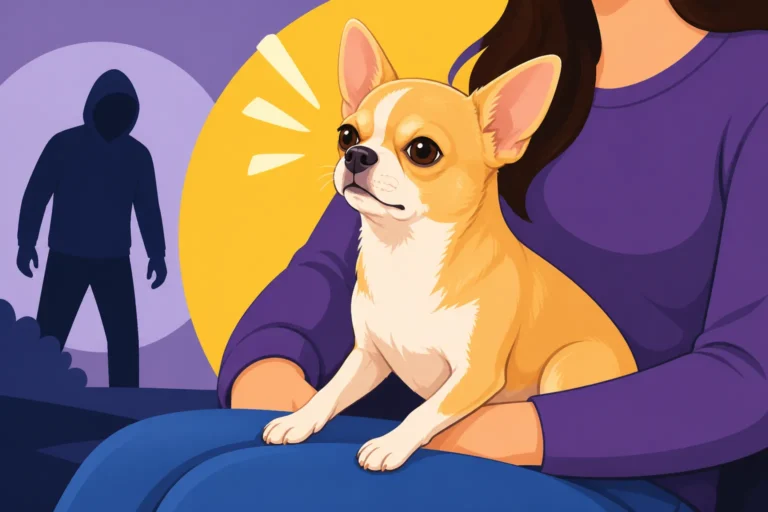
When your Chihuahua growls at guests, it’s not making a statement of dominance or being "fierce." It's actually a desperate plea, a clear communication that it feels threatened, overwhelmed, or anxious in the presence of unfamiliar people. Ignoring or even enabling this behavior teaches your dog that growling is an effective way to make scary things go away, setting a dangerous precedent and increasing the risk of a bite.
The Misconception of "Protectiveness"
Many people mistakenly believe their small dog is "protecting" them when it growls at strangers. They might even feel a surge of pride that their tiny companion is so brave. But consider the reality: a six-pound Chihuahua is not protecting you from a full-grown adult. What it is doing is trying to protect itself. It's an act of self-preservation, stemming from deep-seated fear or a lack of proper socialization. This "protective" label often allows owners to overlook the underlying anxiety their dog is experiencing, rather than addressing it constructively. It’s crucial to recognize that a truly confident dog, one that feels secure, rarely needs to resort to growling to manage new situations or people.
The Escalation Ladder: From Growl to Bite
Think of a growl as the first rung on a ladder of canine communication, meant to de-escalate a situation. If that warning isn't heeded, a dog will often escalate to clearer signals: a tense body, a hard stare, showing teeth, snapping in the air, or even a direct bite. When we allow a Chihuahua to growl at guests without intervention, we are essentially telling them that their initial, milder warning is ineffective. This forces them to climb higher on that ladder, potentially skipping steps like a snarl or a snap, and going straight to a bite in an attempt to make the perceived threat disappear. Understanding Chihuahua Body Language Before a Snap is vital here; a growl is just one piece of the puzzle. Every time a growl is ignored, the dog learns that more drastic measures might be necessary next time.
The Impact on Guests and Your Dog
Let’s be honest: no one enjoys visiting a home where they feel unwelcome by the family pet, no matter how small. Guests might find it uncomfortable, stressful, or even alarming. They might avoid interacting with your dog altogether, or worse, avoid coming over. More importantly, this situation is incredibly stressful for your Chihuahua. Imagine constantly being on edge, feeling the need to warn off every new person who enters your home. That's no way for a dog to live. A dog that is constantly growling is a dog that is constantly stressed. It erodes their sense of security in their own home and can lead to broader anxiety issues, impacting their overall well-being and happiness.
Understanding the Fear Behind the Growl
Chihuahuas, despite their mighty personalities, are incredibly vulnerable due to their small size. This inherent vulnerability often fuels their fear and can lead to reactive behaviors like growling. It's not about being "mean"; it's about feeling overwhelmed and needing to create distance.
Size and Vulnerability
Picture yourself as a tiny creature, perhaps the size of a squirrel, navigating a world of giants. That's often how a Chihuahua perceives its environment and the people in it. A human bending down to pet them can feel like a towering predator. Their small size makes them feel inherently vulnerable, and this feeling is amplified around new, large, and potentially unpredictable guests. It's a natural instinct to want to protect oneself when feeling small and defenseless. This sense of vulnerability often contributes to Chihuahua Fear Reactivity, the Breed's Real Problem, as they feel the need to create space and ward off perceived threats through vocalizations.
Lack of Proper Socialization
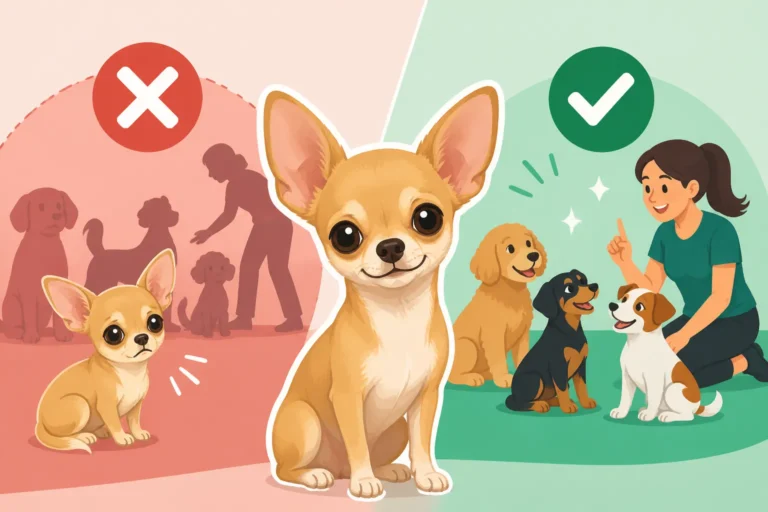
One of the biggest culprits behind growling at guests is inadequate or improper socialization. Socialization isn't just about exposing a puppy to lots of things; it's about creating positive, safe experiences. If a Chihuahua puppy wasn't properly introduced to a variety of people (different ages, sizes, genders, with hats, glasses, etc.), sounds, and environments during its critical socialization window (roughly 3-16 weeks), it may grow up to view anything new as potentially threatening. Often, owners of small dogs inadvertently hinder this by carrying their puppies everywhere, preventing them from experiencing the world on their own four paws and learning appropriate social cues. Socializing a Chihuahua Without Overwhelming It is a delicate balance, requiring careful, controlled introductions rather than forced encounters.
Past Negative Experiences or Overwhelm
Even with good intentions, a Chihuahua might have had a negative experience that contributes to their fear. Perhaps a well-meaning but clumsy child once startled them, or an adult grabbed them too roughly. Small dogs are often scooped up without warning, which can be terrifying, leading them to associate approaching hands with discomfort or a loss of control. If a dog feels trapped or cornered, growling becomes their only option to try and escape. Additionally, simply being in a bustling environment with many unfamiliar people can be overwhelmingly stimulating for a tiny dog, triggering their fear response even if no one is directly interacting with them. It’s also important to consider if their discomfort stems from physical pain; a hidden injury or Chihuahua Arthritis in the Teenage Years can make them less tolerant of handling or sudden movements.
Inadvertent Reinforcement by Owners
Sometimes, owners accidentally reinforce the growling behavior. This can happen in a few ways:
- Comforting the Fear: When your Chihuahua growls, you might instinctively pick them up, cuddle them, or offer soothing words. While your intention is to comfort, the dog interprets this as, "Good job! You growled, and now I'm making the scary thing go away and giving you attention." This teaches them that growling works.
- Removing the Dog: If you consistently remove your dog from the situation every time they growl, they learn that growling is the key to making the "threat" (the guest) disappear. Again, the behavior is reinforced.
- Laughing it off: As mentioned, laughing or making light of the growl sends a confusing message, implicitly condoning the behavior rather than addressing it seriously.
It's a tricky balance, but understanding these dynamics is the first step in breaking the cycle.
Practical Steps to Manage Guest Interactions
Addressing growling at guests requires a proactive, consistent approach focused on changing your Chihuahua's emotional response to new people from fear to comfort and confidence.
Creating a Safe Space for Your Chihuahua
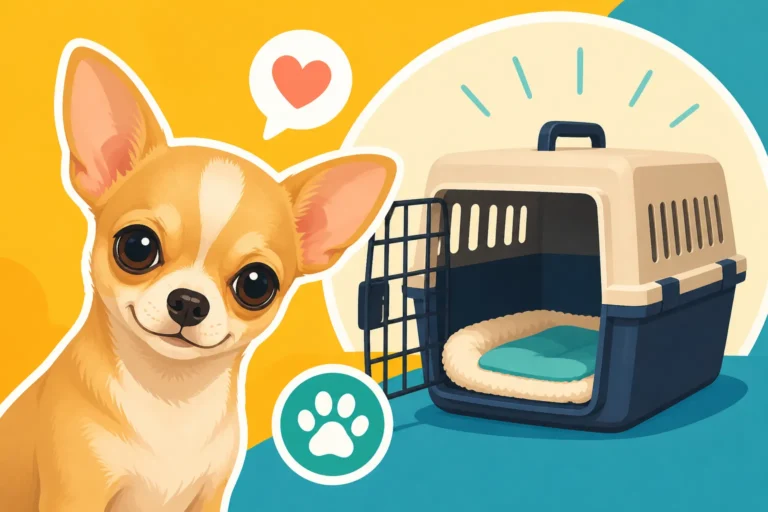
Before any guest arrives, ensure your Chihuahua has a designated "safe space" where they can retreat and feel secure. This might be a cozy crate covered with a blanket, a bed in a quiet room, or a playpen. This isn't a punishment; it's a sanctuary. Teach your dog that this space is theirs, and when they are in it, no one will bother them. You can stock it with high-value chews, puzzle toys from Amazon, or a favorite blanket. This gives them agency – the ability to opt out of interaction when they feel overwhelmed. Having a safe retreat is particularly important for managing Chihuahua Separation Anxiety and Time Alone or simply providing a quiet break from household activity.
Managing Guest Arrivals
The moment guests walk through the door is often the most stressful. This is where management is key.
- Confinement before greeting: Before guests arrive, put your Chihuahua in their safe space, behind a baby gate, or in a separate room. This prevents them from practicing the growling behavior at the most chaotic moment.
- Controlled introduction (if appropriate): Once guests have settled and the initial excitement has died down, you can consider a controlled introduction, if your Chihuahua is typically open to it. Keep your Chihuahua on a leash, ideally with a harness to avoid neck pressure. Have your guest ignore your dog, sit down, and maybe toss some high-value treats (small, pea-sized pieces of chicken or cheese) in your dog's direction, without making eye contact or trying to pet. The goal is to create positive associations.
- The "Ignore" Rule: Instruct your guests to completely ignore your Chihuahua initially. No bending down, no cooing, no reaching out. This reduces pressure on your dog and allows them to approach on their own terms, if they choose to. Many Chihuahuas feel much more comfortable when they are not the center of attention.
Desensitization and Counter-Conditioning
This is the long-term work that changes your dog's emotional response.
- Desensitization: Gradually expose your Chihuahua to the presence of guests in a way that doesn't trigger fear. Start with a friend or family member who understands the training process. Have them stand outside your house, then just inside the door, then further into the living room, moving closer only when your dog remains calm. The goal is to keep the exposure below the "growl threshold."
- Counter-Conditioning: Pair the presence of guests with something your Chihuahua absolutely loves – super high-value treats or a favorite game. Every time a guest appears, good things happen. As soon as your dog notices the guest, offer a treat. The moment the guest leaves, the treats stop. Over time, the dog starts to associate guests with positive things. This is a common strategy discussed in Counter-Conditioning a Fearful Chihuahua.
Teaching Calm Alternative Behaviors
Instead of growling, teach your Chihuahua what to do when guests arrive.
- "Go to your mat/place": Teach your Chihuahua to go to a specific spot (like a dog bed) and stay there calmly when asked. Reward heavily for success. This gives them a job during guest interactions.
- "Look at me": Teach a "look at me" cue to redirect their attention from the guest to you, earning a reward. This can be a useful tool for regaining focus.
- Positive Reinforcement: When your Chihuahua is calm and quiet around a guest, even if they're just resting in their safe space, reward them. Celebrate the absence of the unwanted behavior. You can find excellent resources for positive reinforcement training on platforms like BAXTER & Bella, which often offer comprehensive online puppy programs or specific modules for reactivity.
| Strategy | Description | Why it Helps |
|---|---|---|
| Safe Space | Provide a comfortable, quiet retreat (crate, bed) where the dog can go voluntarily and won't be bothered. | Offers control, reduces stress, and prevents forced interactions. |
| Managed Arrivals | Confine the dog before guests enter. Introduce only after guests are settled, if at all, keeping the dog on a leash and having guests ignore it. | Avoids overwhelming stimuli at peak chaos, prevents practice of growling, and allows the dog to observe safely. |
| Desensitization | Gradual, controlled exposure to guests at a distance or intensity that doesn't trigger a growl. | Slowly builds tolerance and reduces the perceived threat of new people. |
| Counter-Conditioning | Pair guest presence with high-value treats or positive experiences (e.g., favorite toy appears only when a guest is there). | Changes the dog's emotional association with guests from negative (fear) to positive (reward). |
| Alternative Behaviors | Teach cues like "Go to your mat" or "Look at me," rewarding heavily for calm execution during guest visits. | Gives the dog a specific, acceptable job to do instead of growling, promoting self-control and focus on the owner. |
Consistency and Patience
This isn't a quick fix. Changing a fear-based behavior takes time, patience, and absolute consistency. Every member of the household, and even regular guests, need to be on board with the training plan. One inconsistent interaction can undo weeks of progress. Remember that you are working to change your dog's emotional response, which is much deeper than just teaching a command. It's about building trust and confidence. For comprehensive guidance on consistent training, resources like BAXTER & Bella's online courses can be incredibly helpful, providing structured lesson plans that cover a range of behavioral challenges.
When to Seek Professional Help
Sometimes, despite your best efforts, the growling behavior persists or even intensifies. This is not a failure on your part, but a sign that you might need a specialized approach.
Recognizing the Limits of DIY Training
As dedicated as you might be, there are limits to what you can achieve on your own. If your Chihuahua's growling is accompanied by other severe fear or aggression signals—like lunging, snapping, or biting—or if the behavior is escalating, it's time to call in the professionals. Attempting to manage severe fear reactivity without expert guidance can inadvertently worsen the problem, put your dog and guests at risk, or cause you immense frustration. It's about knowing when the problem is beyond basic behavioral modification and requires a deeper understanding of canine psychology and behavior. A professional can also help you determine if there's an underlying medical issue, such as pain, contributing to the reactivity. Sometimes A Chihuahua Snapping Because Its Knee Hurts or other physical discomfort can manifest as behavioral issues.
Consulting a Certified Professional Dog Trainer or Behaviorist
Don't just grab the first name off Google. Look for a Certified Professional Dog Trainer (CPDT-KA) or a Certified Dog Behavior Consultant (CDBC), or even a Veterinary Behaviorist (Dip. ACVB). These professionals have specific education, experience, and certifications that ensure they use humane, evidence-based training methods. Avoid anyone who suggests punitive methods like shock collars, alpha rolls, or harsh corrections, especially with a fearful Chihuahua, as these tactics will only increase fear and potentially worsen aggression. A good professional will assess your dog in its home environment, understand the triggers, and develop a tailored plan. They can help you implement The Commands Every Chihuahua Should Know in a way that builds confidence, and guide you through complex protocols like specific desensitization plans.
What a Professional Can Offer
A qualified trainer or behaviorist can offer several invaluable services:
- Accurate Assessment: They can pinpoint the precise triggers for your Chihuahua's growling and assess the severity of its fear or anxiety. They might identify nuances in Reading a Chihuahua's Whale Eye or subtle body language you've missed.
- Tailored Training Plan: Based on their assessment, they will create a customized training and management plan for your specific situation, factoring in your lifestyle, home environment, and your dog's personality.
- Hands-On Guidance: They can demonstrate techniques, observe your interactions, and provide real-time feedback, ensuring you're executing the plan correctly. This is particularly helpful for complex exercises like Desensitising a Chihuahua to the Doorbell if that's a trigger.
- Behavioral Modification Techniques: They are skilled in advanced techniques like classical and operant conditioning, systematic desensitization, and counter-conditioning, which are essential for changing deep-seated emotional responses.
- Addressing Underlying Issues: A veterinary behaviorist can also prescribe medication if anxiety or fear is severe and impacting your Chihuahua's quality of life, alongside behavioral therapy. This might be explored if Whether Anxiety Medication Helps a Chihuahua becomes a consideration.
Investing in professional help for a growling Chihuahua isn't just about managing a behavior; it's about giving your beloved companion the tools to feel safe, confident, and happy in their own home. It truly transforms their quality of life and ensures that your home remains a welcoming place for both two-legged and four-legged family members.
Disclaimer
This article is for general informational purposes only and does not constitute professional advice. Laws, prices and regulations vary by location and change over time. Consult a qualified professional for guidance on your specific situation.