Chihuahua Ear Infections and Big Open Ears
It's incredibly frustrating when your tiny Chihuahua, with those adorable big ears, keeps battling ear infections. You might think those upright, open ears would mean fewer problems, but sometimes it feels like they’re a magnet for gunk and irritation, leading to endless head shaking, scratching, and trips to the vet. This comprehensive guide will walk you through why Chihuahuas are so prone to these pesky ear issues, how to spot the early warning signs, and most importantly, how to treat and prevent them so your little companion can finally find some relief.
Understanding Why Chihuahuas Get Ear Infections
It's easy to look at a Chihuahua's prominent, upright ears and assume they're immune to the ear problems common in breeds with floppy ears that trap moisture and air. But the truth is, Chihuahuas have their own unique anatomical quirks and lifestyle factors that make them just as susceptible, if not more so, to uncomfortable ear infections. It’s not just about what you see on the outside; a lot is going on inside that small head.
The Unique Anatomy of a Chihuahua's Ear
While their large, erect ears allow for excellent air circulation compared to, say, a Basset Hound's long, droopy lobes, the internal structure can still pose challenges. Chihuahuas often have surprisingly narrow ear canals. This narrowness means that even with good external airflow, debris, wax, or inflammatory exudates can become trapped more easily deep within the canal, creating a perfect breeding ground for bacteria and yeast. Imagine trying to clean a tiny, winding tunnel; it's much harder than a wide-open hallway.
Their small head size also means everything is just a bit more compact, and any swelling or inflammation in the ear canal can quickly become excruciating. The skin lining a Chihuahua's ear canal can be quite delicate, making it more prone to irritation from allergens or harsh cleaning agents. It’s a delicate balance trying to keep them clean without causing further irritation.
Common Causes and Contributing Factors
Beyond anatomy, several factors contribute to a Chihuahua's susceptibility to ear infections (otitis externa). One of the most common culprits, often overlooked, is allergies. Just like people, Chihuahuas can suffer from environmental allergies (pollen, dust mites, mold) or food allergies. When a Chihuahua has an allergic reaction, it doesn't always manifest as typical skin itchiness all over their body. Often, the ears are the primary target, becoming inflamed, red, and itchy, leading to an overgrowth of yeast or bacteria that are normally present in small, harmless amounts. If you notice your Chihuahua also struggling with Chihuahua Skin Allergies and Hair Loss, their ears might just be another symptom of a broader allergic picture.
Moisture entrapment is another big one. Even with upright ears, water can still get into the ear canal during baths or if your Chihuahua enjoys playing in sprinklers or getting wet. If this moisture isn't thoroughly dried out, it creates a warm, damp environment ideal for bacterial and yeast growth. It’s why you always hear vets stress drying ears.
Ear mites can also be a problem, especially in puppies or Chihuahuas who spend time outdoors or interact with other animals. These microscopic parasites cause intense itching and produce a dark, crumbly discharge that resembles coffee grounds. Left unchecked, the constant scratching can lead to secondary bacterial or yeast infections.
Finally, simply excessive wax buildup or foreign bodies (like a blade of grass) can irritate the ear canal, block airflow, and set the stage for an infection. Because their canals are so narrow, even a normal amount of wax can sometimes become problematic if it's not naturally cleared or regularly cleaned.
Recognizing the Subtle Signs of Ear Trouble
Chihuahuas are little masters of stoicism, sometimes hiding their discomfort until an issue is quite advanced. This makes it crucial for owners to be vigilant and know what to look for, especially with something as painful as an ear infection. You might not see dramatic limping, but subtle changes can be big indicators.
Visual Cues and Odors
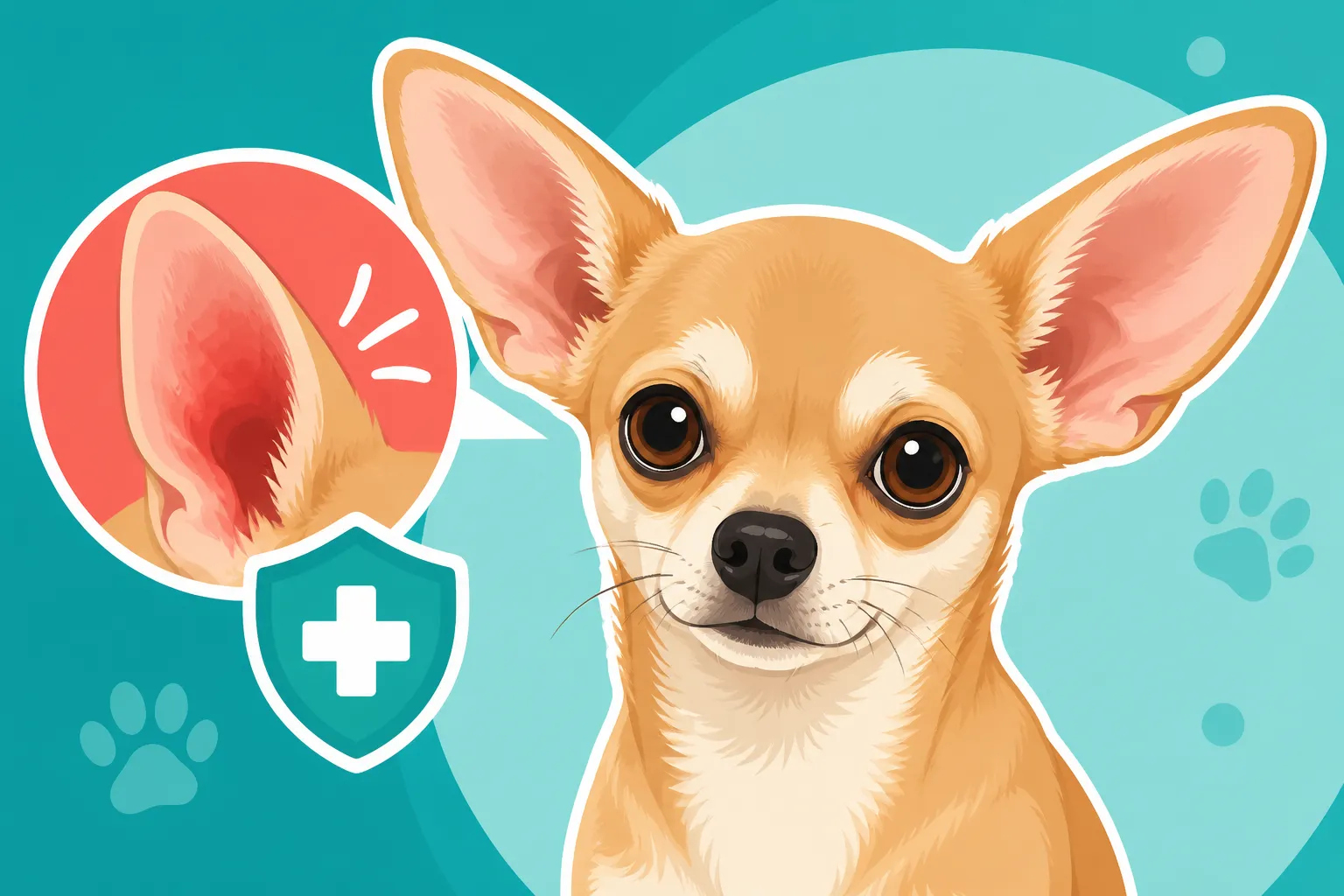
The earliest signs of an ear infection often reveal themselves visually or through smell. Start by simply taking a good look into your Chihuahua's ears regularly. Healthy ears should be pale pink, clean, and free of strong odor.
Here’s what to watch for:
- Redness and Swelling: The skin inside the ear flap and the entrance to the ear canal might appear unusually red or inflamed.
- Discharge: This is a major giveaway. Pay attention to the color and consistency.
- Brown, waxy discharge: Often indicates a yeast infection, but can also be ear mites.
- Yellow or green pus-like discharge: Typically points to a bacterial infection.
- Dark, crumbly, coffee-ground-like discharge: Almost always ear mites.
- Unpleasant Odor: Infected ears often emit a distinct, pungent smell, which can range from yeasty to deeply foul, depending on the type of infection. Trust your nose on this one; it’s a strong diagnostic tool!
- Hair Loss or Scabbing: Constant scratching or rubbing can lead to hair loss around the ear, and the skin might become raw, scabbed, or thickened. You might even notice secondary skin infections on the ear flap itself.
Behavioral Changes to Watch For
Sometimes, the first hint of an ear infection comes not from looking in the ear, but from observing your Chihuahua's behavior. Their actions can speak volumes about their discomfort.
- Excessive Head Shaking: This is probably the most common and obvious sign. They’re trying to dislodge whatever is irritating them.
- Frequent Ear Scratching: Your Chihuahua might be constantly pawing at their ear with a back foot, or rubbing their head along furniture, the carpet, or even your leg. This intense itching is a huge red flag.
- Pain Response: If your Chihuahua yelps, flinches, or pulls away when you try to touch their head or ears, it’s a clear sign of pain. They might become unusually withdrawn or even grumpy, reluctant to play or be handled. This can sometimes be confused with other pain responses, like A Chihuahua That Cries Out and Then Walks On if they’re also experiencing joint discomfort, but targeting the ear area can help differentiate.
- Tilting their Head: Some Chihuahuas will habitually tilt their head to one side, favoring the unaffected ear or trying to ease pressure on the painful one.
- Lethargy or Changes in Appetite: If your lively Chihuahua suddenly seems quiet, less playful, or isn't eating with their usual gusto, it could be due to the persistent discomfort of an ear infection. Pain can definitely impact their overall well-being.
It’s important to remember that these signs, even subtle ones, warrant investigation. Don’t wait until the infection is severe, as early intervention makes treatment much easier and prevents chronic issues.
| Symptom Category | Healthy Ear | Infected Ear |
|---|---|---|
| Appearance | Pale pink, clean | Red, swollen, discharge (brown/yellow/green), hair loss |
| Smell | Odorless | Yeasty, foul, pungent |
| Behavior | Normal, comfortable | Head shaking, scratching, rubbing ears, pain when touched, head tilting |
| Discharge | None | Waxy, pus-like, "coffee grounds" |
| Pain | None | Sensitivity, yelping, withdrawal |
Effective Treatment and Proactive Prevention Strategies
Once you suspect an ear infection, your best course of action is always a trip to the veterinarian. While it might be tempting to try home remedies, a proper diagnosis is critical to ensure you're treating the right underlying cause. Moreover, prevention is truly the best medicine when it comes to recurrent ear problems in Chihuahuas.
Veterinary Diagnosis and Treatment Plans
When you visit your vet, they will perform a thorough examination. This typically includes:
- Otoscopic Exam: Using an otoscope, the vet will look deep into your Chihuahua's ear canal to assess the severity of the inflammation, identify any foreign bodies, and check the integrity of the eardrum. This is particularly important for Chihuahuas with their narrow canals, as ruptures can happen.
- Ear Cytology: This is perhaps the most crucial diagnostic step. Your vet will take a swab of the ear discharge and examine it under a microscope. This allows them to determine whether the infection is caused by bacteria, yeast, or ear mites. Without this, treatment is just a guess.
- Culture and Sensitivity (if needed): For chronic or stubborn bacterial infections, your vet might send a sample to a lab to identify the specific type of bacteria and which antibiotics will be most effective against it.
Based on the diagnosis, your vet will prescribe an appropriate treatment. This usually involves:
- Prescription Ear Drops: These drops typically contain a combination of antibiotics (for bacterial infections), antifungals (for yeast infections), and sometimes steroids (to reduce inflammation and pain). Brands like Otomax, Posatex, or Claro are common. It's vital to administer these exactly as prescribed and for the full duration, even if the ear looks better after a few days. Stopping early can lead to a relapse and resistant infections.
- Oral Medications: For severe infections, deep-seated issues, or cases where the Chihuahua is in a lot of pain, oral antibiotics or anti-inflammatory drugs might be prescribed.
- Addressing Underlying Allergies: If allergies are suspected, your vet might recommend dietary changes, allergy testing, or medications to manage the allergic response. This could involve trying a novel protein diet or specialized allergy medications. Treating the root cause is key to preventing recurrence.
It’s worth noting that vet bills for diagnosing and treating recurrent ear infections can add up. Many Chihuahua owners find that pet insurance, such as a policy from Healthy Paws, can be a huge help in managing these costs, especially if allergies are a long-term issue requiring ongoing care. Chihuahua Pet Insurance and Its Low Premium often covers these types of recurring health concerns once the initial waiting period is over.
Daily Home Care and Preventative Measures
Once the acute infection is under control, consistent home care is essential for preventing future flare-ups. This is where you, as the Chihuahua owner, play the biggest role.
- Regular Ear Cleaning: Your vet will likely recommend a specific ear cleaning solution, like Epiotic or Zymox Ear Cleanser, and show you how to use it. The general technique involves filling the ear canal with the solution, gently massaging the base of the ear to break up debris, and then allowing your Chihuahua to shake their head. After they shake, wipe away any loosened wax or dirt from the visible parts of the ear with a cotton ball or gauze. Never use cotton swabs deep inside the ear canal, as this can push debris further in or damage the eardrum. For a more detailed guide, check out Cleaning Chihuahua Ears.
- Thorough Drying After Wetness: After baths, swimming, or even walks in the rain, make sure to gently dry your Chihuahua’s ears with a soft towel or cotton ball. A little bit of the prescribed ear cleaning solution can also help dry out the canal.
- Allergy Management: If allergies are identified as a trigger, work with your vet to manage them. This might mean an elimination diet for food allergies, using air purifiers, or frequent vacuuming for environmental allergens. Consider specific omega-3 supplements, like fish oil, which can support skin and ear health. Addressing issues like Chihuahua Skin Allergies and Bald Patches can often concurrently improve ear health.
- Routine Inspection: Make it a habit to check your Chihuahua’s ears several times a week. Look for redness, discharge, or any unusual odors. Early detection means quicker, easier treatment.
- Preventative Medications: Some Chihuahuas prone to chronic infections might benefit from a prophylactic ear cleaner or even a very low dose of certain ear drops applied once a week, but only under veterinary guidance.
- Mindful Grooming: Even during routine grooming, pay attention to the hair growing around the ear canal. Sometimes, particularly in long-haired Chihuahuas, excessive hair can trap moisture and debris. Gently trimming this hair can help improve airflow, but be extremely careful not to injure your dog's delicate ear. Your groomer can also assist with this. For general care, this ties into Smooth Coat and Long Coat Chihuahua Grooming.
By being proactive and diligent with both vet-prescribed treatments and consistent home care, you can significantly reduce the frequency and severity of ear infections, giving your Chihuahua a much more comfortable life.
When Ear Infections Become Chronic or Complicated
For some Chihuahuas, ear infections aren't just an occasional nuisance; they become a chronic, frustrating battle. When infections keep coming back, or are particularly severe, they can lead to more serious complications that require advanced intervention. It’s a tough situation for both the dog and the owner, often bringing with it a hefty financial and emotional toll.
Addressing Chronic Ear Issues
If your Chihuahua seems to constantly be fighting an ear infection, or if treatments aren't working as effectively as they should, it’s a sign that you need to dig deeper. Chronic ear issues are usually a symptom of an unresolved underlying problem.
Here are common approaches for persistent cases:
- Re-evaluation of Allergies: This is often the first step. If initial allergy treatments weren't conclusive, your vet might recommend a more rigorous approach, perhaps a strict elimination diet under veterinary supervision for 8-12 weeks, or a referral to a veterinary dermatologist for advanced allergy testing and immunotherapy. Allergies are a leading cause of chronic ear inflammation.
- Deep Ear Cleaning Under Sedation: Sometimes, debris and infection can be so deep and impacted in a Chihuahua's narrow ear canal that it's impossible to clean thoroughly while they're awake. Your vet might recommend a professional deep ear flush performed under light sedation. This allows them to visualize the entire canal, remove all debris, and ensure medications can penetrate effectively. This procedure often includes a full physical exam and pre-anesthetic bloodwork, similar to what might be done for Anesthesia Risk During a Chihuahua Dental.
- Specialist Referrals: For truly stubborn cases, a referral to a veterinary dermatologist or internal medicine specialist might be necessary. These specialists have advanced diagnostic tools and a deeper understanding of complex ear diseases and allergies, offering solutions that a general practitioner might not.
- Long-Term Medication Strategies: In some cases, a chronic ear condition might require long-term, low-dose medications to manage inflammation or prevent secondary infections. This is always a carefully considered decision by your vet to balance benefits against potential side effects.
The cumulative cost of managing chronic ear infections – repeated vet visits, specialized medications, sedated cleanings, and specialist consultations – can be substantial. This is another area where a robust pet insurance plan, like one from Healthy Paws, can really alleviate the financial stress, allowing you to prioritize your Chihuahua's health without constantly worrying about the bills. Understanding The Monthly Cost of Keeping a Chihuahua can help owners budget for such unexpected, yet common, expenses.
Potential Long-Term Complications
Ignoring or inadequately treating chronic ear infections can lead to serious, irreversible damage and complications for your Chihuahua.
- Hearing Loss: Persistent inflammation and infection can damage the delicate structures within the ear, leading to partial or even complete hearing loss in the affected ear(s).
- Aural Hematomas: Constant head shaking and vigorous scratching can cause blood vessels within the ear flap to rupture, leading to a blood-filled swelling known as an aural hematoma. These are painful and often require surgical drainage and repair.
- Middle and Inner Ear Infections (Otitis Media/Interna): If an outer ear infection is severe or left untreated, it can spread deeper into the middle and even inner ear. These deeper infections are much more serious, potentially causing neurological signs like loss of balance, head tilt, nystagmus (involuntary eye movements), and severe pain.
- Permanent Narrowing of the Ear Canal: Chronic inflammation and scarring can cause the ear canal to thicken and narrow permanently, a condition called stenois. This makes future infections even harder to treat and can trap debris more easily.
- Total Ear Canal Ablation (TECA): In the most severe and chronic cases, especially when the ear canal is permanently damaged and painful, a specialist might recommend a TECA surgery. This is a radical procedure where the entire diseased ear canal is surgically removed, offering permanent relief from infection but resulting in hearing loss in that ear. While effective, it's a major surgery with significant recovery, and costs can be high, often making pet insurance a critical resource.
Dealing with ear infections in Chihuahuas can be a long and winding road, but with diligence, veterinary partnership, and a proactive approach, you can keep your tiny companion comfortable and healthy.
Disclaimer
Please remember that the information provided in this guide is for educational purposes only and should not replace professional veterinary advice. Always consult with your veterinarian for any health concerns or before making any decisions about your Chihuahua's care.