Hydrocephalus in an Apple-Head Chihuahua
It's incredibly worrying when you notice something isn't quite right with your tiny Chihuahua, especially when it comes to something as serious as their brain. Many owners of apple-head Chihuahuas carry a quiet fear about hydrocephalus, often called "water on the brain," and the unique risks that this distinct skull shape might bring. This comprehensive guide aims to demystify hydrocephalus, helping you understand what it is, how to spot the signs, and what steps you can take to manage this challenging condition, giving your beloved companion the best possible quality of life.
Understanding Hydrocephalus in Chihuahuas
When you bring home an adorable Chihuahua, especially one with that classic apple-head dome, there's so much joy and excitement. But with that distinct head shape can come specific health considerations, and hydrocephalus is often at the forefront of many Chihuahua owners' minds. It's a condition that sounds intimidating, and frankly, it can be, but understanding what you're dealing with is the first step toward effective management.
What Exactly is Hydrocephalus?
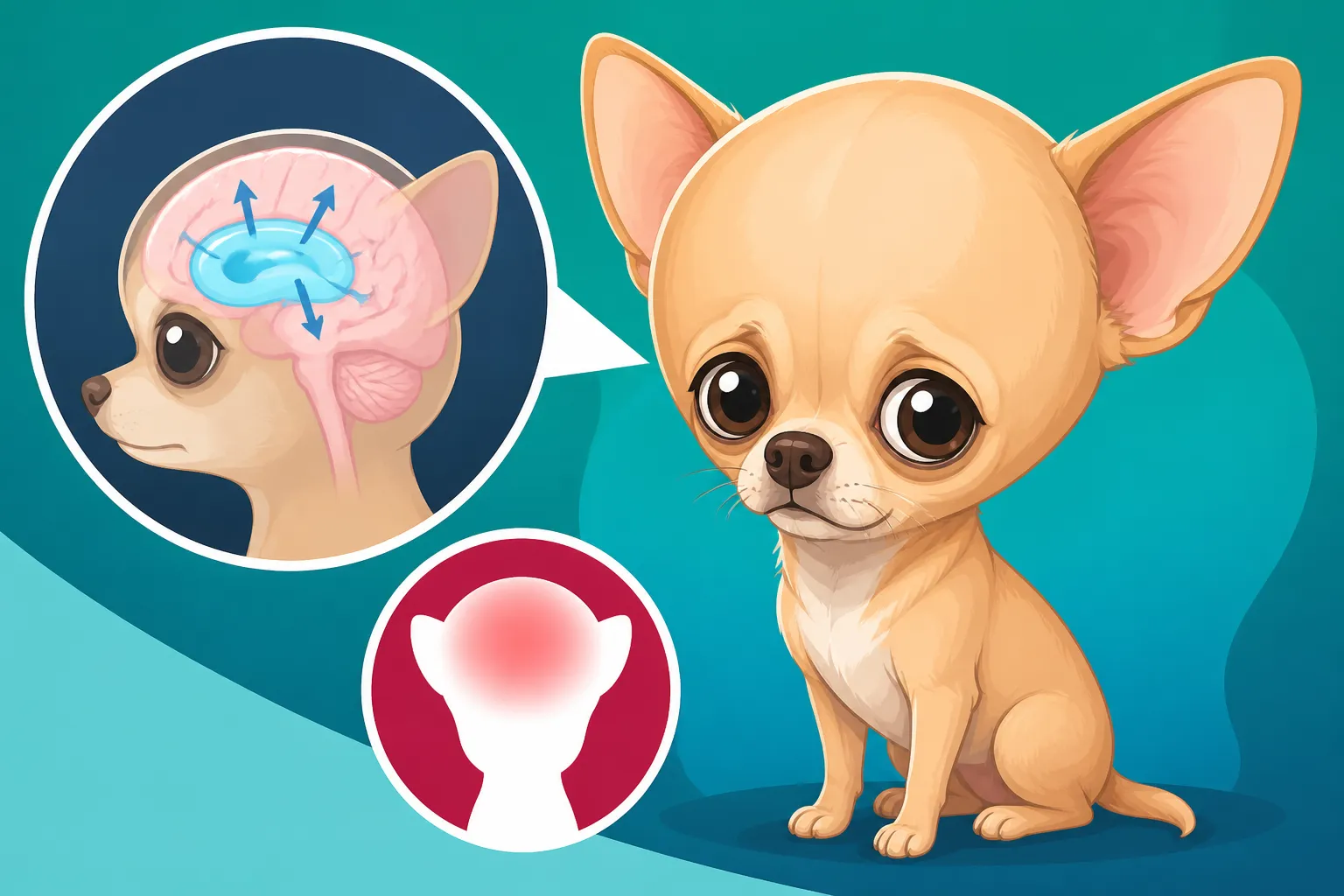
At its core, hydrocephalus is a neurological condition characterized by an excessive accumulation of cerebrospinal fluid (CSF) within the brain's ventricles. Imagine your dog's brain as a delicate organ nestled inside the skull, cushioned and nourished by this clear fluid. CSF is constantly produced, circulates around the brain and spinal cord, and is then reabsorbed into the bloodstream. It's a perfectly balanced system. However, when there's an imbalance – either too much fluid is produced, or more commonly, the fluid can't drain properly – it starts to build up.
This buildup causes the ventricles, which are natural fluid-filled spaces deep within the brain, to enlarge. As they swell, they exert pressure on the surrounding brain tissue. This pressure is what leads to the wide array of neurological symptoms we see in affected Chihuahuas. Think of it like a balloon inflating inside a small, rigid box; the balloon expands, and everything else gets squeezed. In the case of a Chihuahua's tiny skull, there's simply not much room for error or extra fluid, making the effects of this pressure potentially severe and debilitating. It's not just "water on the brain" in a simple sense; it's a critical disruption to brain function caused by excess fluid and pressure.
Why Apple-Heads Face a Higher Risk
Now, why is it that our beloved apple-head Chihuahuas seem to be disproportionately affected by hydrocephalus? It largely comes down to genetics and the very distinct physical characteristics that define the apple-head type. The breed standard, especially for show Chihuahuas, calls for a distinctively rounded, domed skull, often referred to as an "apple head." This feature, while endearing and characteristic, is also genetically linked to certain structural anomalies that can predispose them to hydrocephalus.
One of the primary reasons is the presence of an open fontanelle, commonly known as a molera. You might know this as the "soft spot" on a puppy's head, similar to a human baby's. While many Chihuahuas, particularly apple-heads, are born with a molera, and it can be a normal The Chihuahua Molera and What a Soft Spot Means trait for the breed, it becomes a concern when it fails to close properly or is excessively large. In Chihuahuas predisposed to hydrocephalus, the molera might not only remain open but also coincide with an underdeveloped or malformed brain structure that impairs the normal flow and absorption of CSF. The very shape of the skull, which is so desired in the breed, can sometimes mean there's less space for the brain and potential for abnormal development of the structures involved in CSF drainage. This structural predisposition means that while not every apple-head Chihuahua will develop hydrocephalus, statistically, they are at a higher risk compared to other breeds or even the deer-head Chihuahua variety, which typically has a flatter skull. Understanding Whether an Apple Head Raises Chihuahua Risk is crucial for any owner.
Congenital vs. Acquired Hydrocephalus
It's important to distinguish between the two main types of hydrocephalus: congenital and acquired. This distinction often tells us a lot about the likely cause and potential progression.
Congenital Hydrocephalus is by far the most common form seen in Chihuahuas. "Congenital" simply means it's present at birth. In these cases, the problem arises from a birth defect or genetic predisposition that interferes with the normal development of the brain's ventricular system or the pathways that allow CSF to flow and be absorbed. This could be a narrowing of the aqueduct (the channel connecting two ventricles), or a defect in the structures responsible for absorbing CSF. Puppies with congenital hydrocephalus often begin showing signs relatively early in life, typically within the first few weeks or months. This is especially pertinent to apple-head Chihuahuas, where the genetic link to skull development and CSF dynamics is strongest. A puppy with congenital hydrocephalus might seem a bit "off" from the start, or symptoms may become increasingly obvious as they grow.
Acquired Hydrocephalus, while less common in Chihuahuas, can occur at any age. This form develops later in life due to an injury or illness that disrupts the normal CSF flow. Common causes include brain tumors, infections (like meningitis), trauma to the head, or severe inflammation. For example, if a Chihuahua suffers a significant head injury, the swelling or bleeding could block CSF pathways. Similarly, a tumor growing near the ventricular system could obstruct fluid flow, leading to a buildup. The onset of acquired hydrocephalus tends to be more sudden, appearing in a dog that was previously healthy and without any previous neurological issues. While Chihuahuas are robust little dogs, they are still susceptible to accidents and illnesses, so it's always good to be aware that even an adult Chihuahua could potentially develop hydrocephalus, though it's much rarer than the congenital form we usually associate with the breed.
Recognizing the Early Signs and Symptoms
Spotting the early signs of hydrocephalus in your Chihuahua can be incredibly challenging, especially since Chihuahuas are known for their unique quirks and sometimes dramatic personalities. What might seem like a "cute" or "silly" behavior could, in fact, be an early indicator of a serious underlying neurological issue. It requires keen observation and a willingness to see beyond the usual Chihuahua antics to identify when something is truly amiss.
Behavioral Changes to Watch For
The brain, being the control center of everything, means that disruptions can manifest in a myriad of ways through your Chihuahua's behavior. One of the most heartbreaking changes to witness is a shift in your dog's usual happy-go-lucky or feisty demeanor. You might notice they become unusually lethargic or less interactive than they used to be, preferring to sleep more or seeming less interested in playtime or walks. This isn't just a tired puppy; it's a consistent, unexplained lack of energy.
Another hallmark sign is circling or head pressing. A Chihuahua with hydrocephalus might repeatedly walk in tight circles, often to one side, indicating a neurological imbalance. Head pressing, where your Chihuahua compulsively presses its head against a wall, furniture, or your leg, is a very concerning sign. It's not a request for affection; it's often a desperate attempt to alleviate pressure or pain within their skull. You might also observe disorientation, where they seem confused about their surroundings, get lost in familiar rooms, or stumble into objects. This can be particularly distressing if your dog usually navigates your home with confidence. Some Chihuahuas might exhibit changes in house training habits, even if they were previously perfectly reliable. This isn't necessarily defiance, but rather a loss of cognitive control over bladder and bowel functions. They might suddenly start having accidents indoors, even if you’re consistent with their potty schedule. For more detailed insights into puppy symptoms, you can look into Hydrocephalus Signs in a Chihuahua Puppy.
Physical Indicators and Neurological Deficits
Beyond behavioral shifts, hydrocephalus can present with distinct physical and neurological symptoms that are often more overt. Perhaps the most obvious, especially in apple-head puppies, is an abnormally large or bulging dome-shaped head. While an apple head is characteristic, an unusually pronounced dome that continues to expand, sometimes accompanied by a prominent open fontanelle or molera, can be a major red flag. This bulging indicates the internal pressure of the accumulated fluid.
You might also notice issues with your Chihuahua's gait or coordination. They might appear ataxic, which means their movements are uncoordinated, wobbly, or they have difficulty maintaining balance. They could stumble, fall frequently, or struggle with stairs they once navigated with ease. Vision problems are also common, ranging from dull, fixed stares to complete blindness, as the optic nerve can be affected by the intracranial pressure. Their eyes might dart back and forth involuntarily (nystagmus) or appear to be looking upwards constantly ("sunsetting eyes").
Perhaps one of the most alarming symptoms is the onset of seizures. These can range from subtle tremors or twitching to full-blown grand mal seizures where the dog loses consciousness, paddles its legs, and may vocalize. It's terrifying to witness, and knowing what to do during a seizure is critical. While seizures can have other causes, like Chihuahua Epilepsy and Seizure Onset or A Chihuahua Seizure Caused by Low Blood Sugar, in the context of other hydrocephalus signs, it strongly points to neurological dysfunction. Additionally, some Chihuahuas may exhibit difficulty sucking or swallowing in severe cases, especially as puppies, leading to failure to thrive and stunted growth. These physical and neurological deficits are clear indicators that immediate veterinary attention is required.
When to Seek Veterinary Attention
This isn't a situation where you can "wait and see." If you observe any of the behavioral changes or physical indicators mentioned above, especially if they are new, worsening, or occur in combination, it's absolutely crucial to contact your veterinarian immediately. Time is often of the essence with neurological conditions.
Don't dismiss subtle changes as just "Chihuahua quirks." If your normally energetic companion is suddenly lethargic for days, if they start pressing their head into furniture, or if their coordination seems off, these are not things to ignore. A sudden onset of seizures, disorientation, or significant changes in appetite or water intake also warrant an urgent vet visit. The sooner hydrocephalus is diagnosed, the better the chances of successful management and preserving your Chihuahua's quality of life. Even if it turns out to be something else entirely, ruling out serious conditions like hydrocephalus, Chihuahua Hypoglycemia and the Puppy Emergency, or a liver shunt is always the safest course of action. Be prepared to describe all symptoms in detail, including when they started, how frequently they occur, and any potential triggers you've noticed. This information will be invaluable to your vet in making an accurate diagnosis and starting an appropriate treatment plan.
The Diagnostic Process for Hydrocephalus
When your beloved Chihuahua starts showing concerning neurological signs, the path to understanding what's truly going on can feel daunting and even a little scary. You want answers, and you want them quickly, but diagnosing a complex condition like hydrocephalus requires a systematic approach from your veterinary team. It’s not just about confirming "water on the brain," but ruling out other possibilities and understanding the extent of the condition.
Initial Veterinary Examination
The first step in the diagnostic journey will always be a thorough physical examination by your veterinarian. They'll start by taking a complete medical history, asking you about all the symptoms you've observed, when they began, their frequency, and any potential progression. Don't hold back; every detail, no matter how small, can be a clue. Your vet will then perform a general physical exam, paying close attention to your Chihuahua's overall body condition, vital signs, and looking for any obvious external abnormalities, such as an unusually large or domed head, or an open molera.
The most critical part of this initial visit, however, will be a comprehensive neurological assessment. This isn't just about checking reflexes, though that's part of it. Your vet will evaluate your Chihuahua's gait, balance, coordination, and proprioception (their sense of where their body parts are in space). They'll test their menace response (blinking when something approaches their eye), pupil responses, and general awareness. They might observe if your dog is circling, head pressing, or exhibiting any abnormal movements. These clinical signs, when observed together, can strongly point towards a neurological issue, prompting the need for more advanced diagnostic tools. Blood tests and urinalysis might also be run to rule out metabolic conditions or infections that could mimic neurological symptoms. This initial exam lays the groundwork and helps your vet decide the next best steps.
Advanced Imaging: MRI and CT Scans
While the initial examination provides strong indicators, definitive diagnosis of hydrocephalus absolutely requires advanced imaging of the brain. You can't see fluid buildup and brain compression with the naked eye or even a standard X-ray. This is where Magnetic Resonance Imaging (MRI) and Computed Tomography (CT) scans come in.
MRI is widely considered the gold standard for diagnosing hydrocephalus. It provides exceptionally detailed images of soft tissues, including the brain and the cerebrospinal fluid. An MRI can clearly show enlarged ventricles, the extent of the fluid buildup, and any associated brain tissue compression or structural abnormalities. It can also help identify potential causes like tumors or cysts if they are present. The detail an MRI offers is unparalleled, allowing veterinarians to see exactly which parts of the brain are affected and the severity of the condition. For specific confirmation, an MRI Diagnosis of Chihuahua Hydrocephalus is the most reliable method.
CT scans also provide cross-sectional images of the brain but use X-rays. While not as detailed for soft tissues as an MRI, a CT scan can still effectively visualize enlarged ventricles and is often quicker to perform, which can be a factor in emergency situations. Both procedures require your Chihuahua to be completely still, meaning they will need to be sedated or placed under general anesthesia. This is a significant consideration, especially for tiny Chihuahuas, and your vet will assess the risks versus benefits carefully. These advanced imaging techniques are crucial not just for diagnosis, but also for guiding treatment decisions, as they reveal the precise anatomical changes that need to be addressed. It's an investment, but it's the only way to get a clear picture of what's happening inside your Chihuahua's skull.
Differentiating from Other Conditions
One of the biggest challenges in diagnosing hydrocephalus is that many of its symptoms can overlap with other serious health issues common in Chihuahuas. Your vet will meticulously work to differentiate hydrocephalus from these other conditions to ensure the correct treatment path.
Hypoglycemia (low blood sugar) is a prime example. Chihuahuas, particularly puppies, are prone to Chihuahua Hypoglycemia and the Puppy Emergency because of their tiny size and rapid metabolism. Symptoms like lethargy, weakness, disorientation, and even seizures can be shared with hydrocephalus. The key difference is often rapid response to sugar supplementation in hypoglycemia cases, and blood tests confirming low glucose levels. If your Chihuahua has a sudden "sugar crash," they usually perk up quickly after rubbing a little corn syrup on their gums. Hydrocephalus symptoms, however, will persist or worsen.
Portosystemic shunts (liver shunts) are another condition that can present with neurological signs. These are abnormal blood vessels that bypass the liver, preventing toxins from being filtered out of the blood. The buildup of toxins can affect brain function, leading to symptoms like circling, disorientation, seizures, and stunted growth. Blood tests (specifically bile acid tests) are essential for diagnosing liver shunts, and treatment involves dietary changes or surgery.
Epilepsy, or seizure disorder, also needs to be ruled out. While seizures can be a symptom of hydrocephalus, some Chihuahuas develop primary epilepsy without any underlying structural brain abnormalities. Diagnosis of epilepsy is often one of exclusion, meaning other causes for seizures (like hydrocephalus, liver shunts, or metabolic issues) must first be ruled out.
Lastly, severe ear infections can sometimes cause balance issues, head tilting, and disorientation, mimicking some neurological problems. A thorough ear examination will easily rule this out. Because the symptoms can be so similar across various conditions, your vet will employ a comprehensive diagnostic approach, combining physical exams, blood work, and advanced imaging to pinpoint the exact problem your Chihuahua is facing. This diligent process ensures that your Chihuahua receives the most accurate diagnosis and, consequently, the most effective treatment.
Treatment Options and Management Strategies
Receiving a diagnosis of hydrocephalus for your Chihuahua can feel overwhelming, but it's crucial to remember that a diagnosis is the first step toward finding solutions. While there's no "cure" in the traditional sense for many cases of congenital hydrocephalus, there are effective treatment and management strategies available that can significantly improve your Chihuahua's quality of life and even extend their lifespan. The approach taken will depend on the severity of the condition, its cause, and your Chihuahua's overall health.
Medical Management with Medications
For many Chihuahuas diagnosed with hydrocephalus, particularly those with mild to moderate symptoms, medical management is the first line of treatment. The goal of medication is primarily to reduce the production of cerebrospinal fluid or to decrease the inflammation and swelling within the brain, thereby alleviating the pressure on brain tissue.
One of the most commonly used medications is corticosteroids, such as prednisone. These powerful anti-inflammatory drugs help to reduce inflammation and swelling within the brain, which can contribute to the pressure. They can also decrease the production of CSF. While effective, long-term use of corticosteroids needs to be carefully monitored due to potential side effects like increased thirst and urination, weight gain, and susceptibility to infections. Another class of drugs used are diuretics, such specifically mannitol or furosemide, which aim to reduce overall fluid volume in the body, including CSF. They can be particularly useful in acute situations to quickly decrease intracranial pressure.
Additionally, if your Chihuahua is experiencing seizures as a symptom of hydrocephalus, anti-seizure medications (anticonvulsants) will be prescribed. Drugs like phenobarbital or levetiracetam can help control or reduce the frequency and severity of seizures, drastically improving your dog's comfort and safety. The dosage for these medications needs to be meticulously calculated for tiny Chihuahuas, and blood levels often need monitoring to ensure they are effective without causing toxicity. Medical management often requires a delicate balance and regular adjustments based on your Chihuahua's response and any side effects observed. It's a continuous partnership between you and your vet to find the optimal regimen.
Surgical Intervention: Shunt Placement
When medical management isn't sufficient to control symptoms or if the condition is severe and rapidly progressing, surgical intervention may be considered. The most common and effective surgical procedure for hydrocephalus is the placement of a ventriculoperitoneal (VP) shunt.
This delicate surgery involves implanting a small, flexible tube (the shunt) into one of the brain's enlarged ventricles. The other end of the tube is then tunneled under the skin and placed into the abdominal cavity (peritoneum). A one-way valve within the shunt regulates the flow, allowing excess CSF to drain from the brain, through the tube, and into the abdomen, where it is safely reabsorbed by the body. This effectively bypasses the blockage or absorption issue in the brain, relieving the dangerous pressure.
VP shunt surgery is typically performed by a veterinary neurologist or a highly experienced veterinary surgeon. While it can be a life-changing procedure for many Chihuahuas, it's not without risks. Anesthesia for such a tiny dog is always a concern, and potential complications include infection, shunt blockage, or mechanical failure of the shunt, which might require revision surgery. However, for Chihuahuas who are good surgical candidates and whose owners are committed to the post-operative care, the success rates can be quite encouraging, leading to a dramatic improvement in neurological function and quality of life. The decision for surgery is a serious one, weighed carefully with your vet based on your Chihuahua's specific condition and prognosis.
Supportive Care and Environmental Adjustments
Regardless of whether your Chihuahua is on medical management or has undergone surgery, providing ongoing supportive care and making thoughtful environmental adjustments at home are absolutely vital for their well-being. This is where your daily dedication truly shines.
Firstly, your Chihuahua will likely need a very consistent daily routine, especially regarding medication schedules and feeding times. Consistency helps minimize stress and ensures they receive their vital treatments on time. For Chihuahuas prone to hypoglycemia alongside their hydrocephalus, knowing How Often a Chihuahua Puppy Must Eat or an adult needs meals is crucial to prevent sugar crashes.
Creating a safe home environment is paramount. Chihuahuas with neurological deficits might have poor coordination, vision impairments, or be prone to seizures. This means removing potential hazards: block off stairs, pad sharp furniture corners, and ensure there are no small objects they could choke on or bump into. Using soft, comfortable bedding can prevent pressure sores, especially if they are less mobile. Consider ramps or steps for beds and sofas if your Chihuahua enjoys being on furniture, as jumping can be dangerous for their delicate head and potentially worsen symptoms.
Mental stimulation is still important, even if physical activity is limited. Gentle puzzle toys (supervised), soft chews, and quiet interaction can provide enrichment without overstimulation. Protecting a Chihuahua puppy with a soft spot is also vital, requiring careful handling and ensuring they don't fall or bump their head. Remember, patience, empathy, and vigilance are your greatest tools in providing comprehensive care for a Chihuahua living with hydrocephalus. This ongoing care makes a huge difference in their comfort and happiness.
Living with a Chihuahua Diagnosed with Hydrocephalus
A diagnosis of hydrocephalus isn't the end of the road; it's the beginning of a new chapter in your life with your Chihuahua. Living with a dog with a chronic neurological condition presents unique challenges, but it also brings immense rewards as you witness their resilience and provide them with a life full of love and comfort. It means becoming their steadfast advocate and caregiver, understanding their needs, and adapting your life to support theirs.
Daily Care and Monitoring at Home
Your role as a caregiver becomes even more critical once your Chihuahua has been diagnosed with hydrocephalus. Daily care and diligent monitoring at home are the cornerstones of successful management. This isn't just about giving pills; it's about a holistic approach to their well-being.
First and foremost, adhering strictly to the medication schedule prescribed by your veterinarian is non-negotiable. Whether it's corticosteroids to reduce inflammation, diuretics to manage fluid, or anti-seizure medications, consistency is key to maintaining stable intracranial pressure and controlling symptoms. Missing doses or giving them late can lead to a rebound in symptoms, potentially causing a crisis. Keep a clear record of when medications are given, and if you struggle with remembering, set alarms on your phone or use a pill organizer.
Beyond medication, you'll become an expert in symptom tracking. Pay close attention to any subtle changes in your Chihuahua's behavior, appetite, thirst, urination, or energy levels. Are they more lethargic today? Is their coordination worse? Have they had a minor head tilt you haven't seen before? Are they showing signs of Cognitive Decline in an Aging Chihuahua prematurely? Keeping a journal of these observations can be incredibly helpful. Note the date, time, specific symptom, and how long it lasted. This detailed record will be invaluable during vet check-ups, helping your vet understand the effectiveness of the current treatment plan and make necessary adjustments. Also, be mindful of their eating habits. If they suddenly stop eating breakfast, it could be a sign of discomfort or a shift in their condition, requiring immediate attention.
Creating a Safe and Stimulating Environment
Chihuahuas with hydrocephalus often have varying degrees of neurological impairment, which can affect their mobility, vision, and cognitive function. Therefore, creating a safe and stimulating environment is absolutely essential to prevent injury and promote their overall well-being.
Safety first: This means puppy-proofing your home on an entirely new level. Block off access to stairs with baby gates to prevent falls, as even a small tumble can be catastrophic for a dog with increased intracranial pressure. Pad sharp furniture corners with child-safety bumpers. If your Chihuahua has vision issues, try to keep furniture in consistent locations to help them learn their way around. Soft, low-pile carpeting or rugs can provide better traction than slick hardwood or tile floors, reducing the risk of slips and falls. Consider using a playpen or a designated safe room when you can't supervise them directly, especially for younger Chihuahuas who are still exploring.
While safety is paramount, don't forget the importance of mental and gentle physical stimulation. Even with neurological challenges, Chihuahuas still need engagement. Provide soft, safe toys that are easy for them to manipulate, perhaps a snuffle mat for gentle food puzzles, or slow feeders to make meal times more engaging. Interactive play should be calm and supervised, focusing on gentle tugs or rolling balls rather than high-impact games. Short, supervised walks on a harness (never a collar, due to potential pressure on the neck and head) can be beneficial for muscle tone and mental enrichment, but be mindful of their stamina and any signs of discomfort. Avoid crowded or overstimulating environments that could trigger stress or anxiety, which can worsen neurological symptoms. The goal is to provide a rich, safe life, adapting activities to their capabilities rather than limiting their world unnecessarily.
The Importance of Regular Veterinary Check-ups
Just as critical as daily home care are regular and timely veterinary check-ups. These appointments are not just routine visits; they are essential for monitoring the progression of hydrocephalus, assessing the effectiveness of treatment, and making proactive adjustments to their care plan.
Your veterinarian will want to see your Chihuahua frequently, especially in the initial stages of diagnosis and treatment, to establish a stable regimen. During these visits, they will perform thorough neurological re-evaluations, compare your current observations with previous ones, and assess any changes in symptoms or overall condition. They might also recommend blood work to monitor the levels of any medications in their system, ensuring they are therapeutic without causing liver or kidney damage, especially for long-term use of drugs like phenobarbital. This also helps to monitor overall health and catch any other potential issues early, such as Chihuahua Heart Disease as the Breed Ages which can complicate management.
These check-ups are also your opportunity to discuss any concerns you have, no matter how small. Your vet can provide guidance on nutrition, exercise modifications, and behavioral challenges that might arise. They might recommend consulting with a veterinary neurologist for specialized opinions, especially if surgical options are being considered or if the condition is particularly complex. The goal is to maintain open communication with your veterinary team and to adjust the care plan as your Chihuahua's needs evolve over time. This proactive approach helps to catch potential complications early, preventing them from escalating and ensuring your beloved companion continues to receive the best possible care for their condition. Having a good pet insurance plan, like one from Healthy Paws, can certainly help alleviate the financial stress of these frequent and specialized visits, allowing you to prioritize your Chihuahua's health without undue burden.
Prognosis, Quality of Life, and Long-Term Outlook
When facing a diagnosis like hydrocephalus, one of the most natural and pressing questions on any loving owner's mind is, "What does this mean for my Chihuahua's future?" It's a question without a simple answer, as the prognosis and long-term outlook can vary widely. However, understanding the factors that influence these outcomes can help you prepare and make informed decisions, always with your Chihuahua's best interest at heart.
Factors Influencing Prognosis
The prognosis for a Chihuahua with hydrocephalus is highly individual and depends on several key factors. It's not a one-size-fits-all situation, and what might be a dire outlook for one dog could be a manageable challenge for another.
Firstly, the severity of the condition at diagnosis plays a huge role. Chihuahuas diagnosed with mild hydrocephalus, exhibiting only subtle symptoms or detected incidentally, generally have a better prognosis than those presenting with severe neurological deficits, frequent seizures, or profound brain damage. The amount of CSF accumulation and the resulting pressure on the brain tissue are critical indicators.
Early intervention is another major factor. The sooner hydrocephalus is diagnosed and treatment (either medical or surgical) is initiated, the better the chances of preserving brain function and preventing further damage. Delaying treatment can lead to irreversible neurological damage, making it much harder to achieve a good outcome. This highlights why being vigilant about Hydrocephalus Signs in a Chihuahua Puppy and seeking immediate veterinary care is so crucial.
The type of hydrocephalus (congenital vs. acquired) can also influence the prognosis. Congenital cases, especially those linked to severe structural abnormalities, might be more challenging to manage long-term. Acquired cases, if the underlying cause (e.g., a treatable infection or a benign tumor) can be resolved, might have a more favorable outcome once the obstruction is removed.
Lastly, the response to treatment is paramount. Some Chihuahuas respond remarkably well to medical management, maintaining a good quality of life for many years. Others might require shunt surgery and thrive post-operatively. Unfortunately, some may not respond to either, or may experience complications that limit their long-term prognosis. This means continuous monitoring and flexibility in adapting the treatment plan are essential.
Ensuring a Good Quality of Life
Regardless of the prognosis, your ultimate goal is to ensure your Chihuahua has the best possible quality of life for as long as they can. This isn't just about managing symptoms; it's about fostering their joy, comfort, and dignity.
Pain management is a critical component. While hydrocephalus isn't always overtly painful, the increased intracranial pressure can cause discomfort, and seizures are certainly distressing. Your vet will ensure any pain or discomfort is appropriately managed, often through anti-inflammatory medications or other pain relievers.
Enrichment and engagement are vital for mental well-being. Even if your Chihuahua has limited mobility or vision, they can still enjoy their lives. Gentle playtime with soft toys, quiet cuddle sessions, or short, supervised excursions to a peaceful outdoor space can provide mental stimulation and affection. Adapt activities to their capabilities. For instance, if they can't walk far, a wagon ride around the park might be a delightful alternative.
Maintaining a stable environment is equally important. Chihuahuas with neurological conditions can be sensitive to stress, loud noises, or sudden changes. A calm, predictable home environment, consistent routines, and plenty of quiet resting places contribute significantly to their sense of security and well-being. It’s about creating a safe haven where they can thrive within their limitations. Remember to give them choices when possible, allowing them to retreat if they feel overwhelmed, and always approaching them gently to avoid startling them.
End-of-Life Decisions and Support
For Chihuahuas with hydrocephalus, especially those with severe or progressive forms, there may come a time when their quality of life significantly diminishes despite all efforts. This is perhaps the hardest aspect of caring for any long-lived companion, and it requires immense courage and selflessness.
Making end-of-life decisions is a deeply personal and emotionally taxing process. It involves objectively assessing your Chihuahua's current condition and forecasting their future comfort. Questions to consider include: Are they experiencing more bad days than good? Is their pain adequately controlled? Can they still enjoy basic activities like eating, drinking, or interacting with you? Are they suffering from conditions that impact Senior Chihuahua Care Past the Age of Twelve, or accelerating general decline? Your veterinarian will be your most important resource during this time, helping you evaluate your Chihuahua's quality of life without judgment. They can provide an honest assessment of their medical prognosis and help you understand when further interventions might cause more stress than benefit.
There are many support resources available for owners facing these difficult choices. Pet bereavement counselors, online support groups, and compassionate veterinary teams can provide emotional support and guidance. Many vets also offer in-home euthanasia services, allowing your Chihuahua to pass peacefully in the familiar comfort of their own home, surrounded by their loved ones. It’s a final act of love to spare them suffering, and it’s okay to grieve profoundly. The bond you share is strong, and making this decision, however painful, is a testament to that love. Planning for End-of-Life Decisions for a Long-Lived Chihuahua is never easy, but it’s a vital part of responsible pet ownership.
Prevention and Responsible Breeding Practices
While dealing with hydrocephalus in a beloved Chihuahua can be an incredibly challenging journey, understanding its roots in breeding can help prevent future cases. Responsible breeding practices are the cornerstone of reducing the incidence of hereditary conditions like hydrocephalus, ensuring healthier generations of Chihuahuas. For those looking to bring a Chihuahua into their lives, knowing what questions to ask and what to look for can make all the difference.
The Role of Ethical Breeding
The very characteristics that make an apple-head Chihuahua so appealing – that distinctively rounded skull and large, expressive eyes – are often the same genetic traits linked to the predisposition for hydrocephalus. This puts a huge responsibility on breeders. Ethical breeding is not just about producing cute puppies; it's about meticulously striving for health, temperament, and adherence to breed standards while actively working to minimize hereditary health issues.
An ethical breeder will prioritize the health of their breeding stock above all else. This means they will not breed dogs who have produced puppies with hydrocephalus, or dogs from lines known to carry the genetic predisposition. They understand that continuing to breed dogs with these genetic traits, simply to maintain a certain "look" (like an exaggerated apple head), ultimately does a disservice to the breed and causes immense heartache for future owners. Responsible breeders are committed to improving the breed's health over generations, and this often means making difficult decisions about which dogs to include in a breeding program.
They will also be transparent with potential puppy buyers, openly discussing the health history of the parents and previous litters. They should be able to provide detailed information about the sire and dam, including any health clearances. They won't shy away from discussing potential health issues common to the breed, but rather educate prospective owners on what to watch for. It's about being proactive and honest, rather than reactive and secretive. This commitment to ethical practices is crucial for chipping away at the prevalence of inherited conditions like hydrocephalus.
Understanding the Molera Connection
We've talked about the molera, or soft spot, on a Chihuahua's head. While it's a common and often normal feature in the breed, its presence and size are intimately connected to the risk of hydrocephalus, particularly in apple-head Chihuahuas. It's not the molera itself that causes hydrocephalus, but rather its association with the underlying skull and brain development.
Many Chihuahua puppies are born with an open fontanelle, and in some, it closes fully within a few months. In others, particularly apple-heads, it may remain open throughout their lives without causing any problems. However, a significantly large or expanding molera in a puppy can be a warning sign of increased intracranial pressure due to hydrocephalus. The molera essentially acts as a "vent" for the swelling brain, and its prominence can indicate the severity of the fluid buildup inside. While The Molera as a Normal Chihuahua Trait is accepted, an abnormally large or bulging molera is a red flag.
Ethical breeders pay very close attention to the size and closure of moleras in their puppies. They will be vigilant for any signs that suggest it's more than just a normal soft spot, such as excessive doming of the skull, neurological symptoms, or a molera that grows larger instead of shrinking. They are less likely to breed Chihuahuas with exceptionally large or non-closing moleras, or those who have produced offspring with severe molera issues or confirmed hydrocephalus. For new owners, knowing how to feel a molera and what to watch for, and being extra cautious about protecting a Chihuahua puppy with a soft spot, is invaluable. It’s about recognizing the difference between a characteristic breed trait and a potential indicator of a serious health problem.
Advocating for Health Testing
For prospective Chihuahua owners, advocating for and understanding the importance of health testing is one of the most powerful tools you have to choose a healthy puppy and support responsible breeding. A reputable breeder will actively engage in health testing their breeding stock.
While there isn't a specific genetic test for hydrocephalus itself in Chihuahuas (as it's often a complex structural issue rather than a single gene mutation), breeders should still be doing general health screenings to ensure they are producing the healthiest puppies possible. This includes, at a minimum, patellar luxation screening (knee caps), cardiac examinations to check for heart conditions common in Chihuahuas like mitral valve disease, and eye certifications through a veterinary ophthalmologist to rule out inherited eye diseases. These general health tests indicate a breeder's commitment to producing sound, healthy dogs. You can learn more about The Health Tests a Chihuahua Breeder Should Run to understand what to look for.
When you're speaking with a breeder, don't be shy about asking for documentation of these health clearances for both parents. They should be transparent and willing to show you certificates from organizations like the Orthopedic Foundation for Animals (OFA) or the Canine Eye Registry Foundation (CERF). If a breeder is evasive, makes excuses, or claims their dogs don't need health testing because they've "never had a problem," that should be a major red flag. They might even have insurance partners, such as Healthy Paws, which is a good indicator of their seriousness about preventative care and the health of their dogs, as well as an important aspect for owners to consider. This commitment to health testing, even for conditions not directly related to hydrocephalus, demonstrates a breeder's dedication to the overall well-being of the breed, which often extends to minimizing the risk of conditions like hydrocephalus as well. By choosing a breeder who actively tests and prioritizes health, you're not only giving your future Chihuahua the best start in life, but you're also supporting the future health and longevity of the entire breed.
Disclaimer
The information provided in this article is for educational and informational purposes only and does not constitute veterinary advice. Always consult with a qualified veterinarian for any health concerns or before making any decisions related to your Chihuahua's health and treatment.