Chihuahua Epilepsy and Seizure Onset
It’s truly terrifying to witness your tiny Chihuahua suddenly begin convulsing, trembling uncontrollably, or even just staring blankly into space. In those moments, your heart races as you grapple with fear, confusion, and a desperate need to understand what's happening and how to help your beloved companion. This guide will walk you through the complex world of Chihuahua epilepsy and other seizure disorders, helping you recognize the signs, understand the potential causes, navigate diagnosis, and learn how to manage these challenging episodes so you can provide the best possible care for your little one.
Understanding Epilepsy in Chihuahuas: What It Really Means
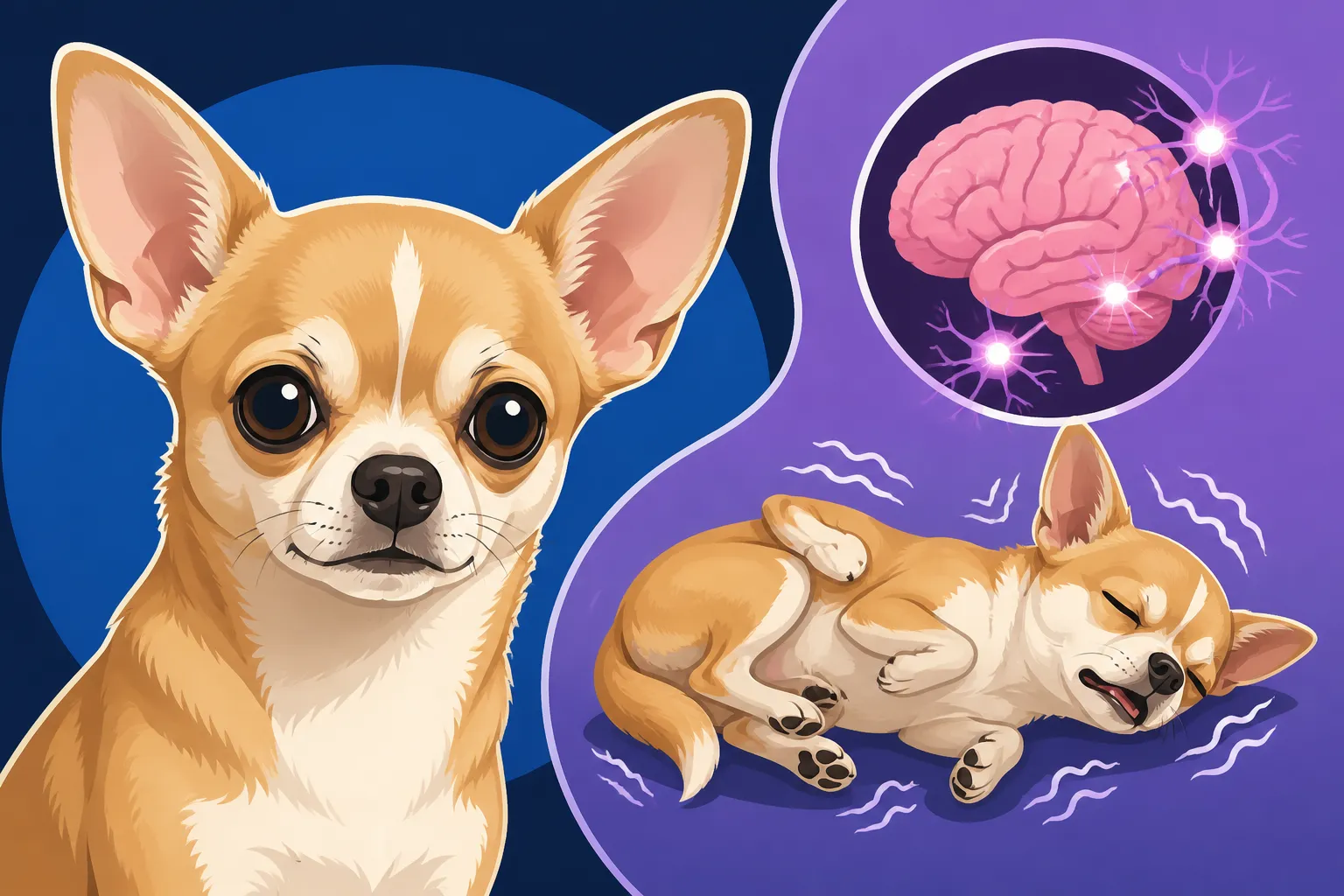
When we talk about seizures in Chihuahuas, it’s important to understand that not all seizures mean epilepsy. A seizure is a symptom, a sudden, uncontrolled electrical disturbance in the brain, and it can be caused by many different things. Epilepsy, on the other hand, is a brain disorder characterized by recurrent, unprovoked seizures. It's a bit like saying a cough is a symptom, but bronchitis is a condition. Getting to the root cause of your Chihuahua's seizures is the first, crucial step toward effective management.
Defining Idiopathic Epilepsy vs. Symptomatic Seizures
This distinction is probably one of the most frustrating aspects for any owner whose dog experiences seizures. Idiopathic epilepsy means that despite a thorough workup, no underlying cause for the seizures can be identified. It's often diagnosed by exclusion – ruling out all other possibilities. This can feel incredibly disheartening because there’s no specific "thing" to fix, only symptoms to manage. It means the brain itself has a lower seizure threshold, making it prone to these electrical storms.
Conversely, symptomatic seizures occur when there's an identifiable structural or metabolic problem in the brain or body that triggers them. This could be anything from a brain tumor or inflammation to an issue with organs like the liver or kidneys. While terrifying, finding a specific cause can sometimes offer a more targeted treatment path, which, for many owners, brings a degree of relief in knowing exactly what they're up against. It’s a detective mission, and your vet will be leading the charge.
The Genetic Component and Breed Predisposition
It’s a tough truth, but certain breeds, including Chihuahuas, do seem to have a genetic predisposition to epilepsy. While not as high on the list as some larger breeds like Beagles or German Shepherds, Chihuahuas can inherit a tendency for idiopathic epilepsy. This is why responsible breeders, if they are breeding, will carefully screen their lines and never breed a dog with a history of seizures. Unfortunately, with such a popular breed, not all breeders are diligent, and this can perpetuate genetic conditions.
The genetic link highlights the importance of asking detailed health questions if you're considering a puppy. Knowing the health history of the parents and their lineage can give you a better idea of potential risks down the road. Even with genetic predispositions, environmental factors and other health issues can still play a role, making diagnosis a multi-faceted challenge. For a breed already prone to issues like Chihuahua Hypoglycemia and the Puppy Emergency, understanding other potential genetic pitfalls is paramount.
When Seizures Typically Start in Chihuahuas
The age of onset can provide important clues about the type of seizure disorder your Chihuahua might have. For idiopathic epilepsy, seizures often begin between six months and five years of age. If your Chihuahua starts having seizures earlier or much later than this window, your veterinarian will likely be even more keen to investigate an underlying cause beyond idiopathic epilepsy.
Puppies, especially very tiny ones, can experience seizure-like episodes due to severe hypoglycemia (low blood sugar), which is a completely different issue from epilepsy. This is why understanding Telling a Chihuahua Seizure From a Sugar Crash is crucial for puppy owners. If your adult Chihuahua suddenly starts having seizures past the age of five, it often raises a red flag for structural brain issues or metabolic diseases that have developed over time, rather than a primary epileptic condition. This makes detailed record-keeping of the onset and frequency of events incredibly important.
Recognizing the Signs: What a Chihuahua Seizure Looks Like
Witnessing a seizure can be one of the most frightening experiences for a pet owner. Your little companion, usually so full of personality, can suddenly transform into a shaking, unresponsive, or disoriented animal. It's crucial to understand that seizures manifest in various ways, and not all of them fit the dramatic "grand mal" image you might have in your head. Learning to identify both subtle and overt signs can help you provide vital information to your vet and ensure prompt intervention when needed.
Pre-Seizure (Aural) Behavior Changes
Sometimes, a Chihuahua might give you a subtle heads-up before a seizure even begins. This pre-seizure phase, known as the "aura," can last anywhere from a few seconds to several hours. These aren't always easy to spot, especially if you're not constantly observing your dog, but they are meaningful indicators. Your Chihuahua might suddenly become unusually clingy, seeking out your attention more than usual, or conversely, they might hide away in a quiet corner.
Other signs can include restlessness, pacing, trembling, excessive drooling, anxious whining, or dilated pupils. Some Chihuahuas might seem disoriented or exhibit repetitive behaviors like licking the air or a specific object. It’s their brain giving off early signals that something is amiss. Keeping a diary of these subtle changes can be incredibly helpful for your vet in establishing a pattern, as recognizing the aura can sometimes give you a moment to prepare for the main event and ensure your Chihuahua's safety.
The Main Event: Grand Mal vs. Focal Seizures
The "main event" is what most people picture when they think of a seizure. There are two primary types you might observe:
Grand Mal (Generalized) Seizures: These are the dramatic, full-body events. Your Chihuahua will lose consciousness, fall to its side, and its limbs will stiffen and then paddle uncontrollably. They might chew their tongue, drool excessively, vocalize, and often lose bladder and bowel control. This is a truly terrifying sight in such a small dog, and it can feel like it lasts forever, though most grand mal seizures typically resolve within one to three minutes. During this time, it's vital to protect your Chihuahua from injury but never attempt to restrain them or put your hands in their mouth.
Focal (Partial) Seizures: These are often much harder to identify because they affect only a specific part of the brain and thus manifest in localized or more subtle ways. Your Chihuahua might exhibit twitching in one specific limb or side of the face, incessant blinking, repetitive licking of the lips, "fly-biting" (snapping at imaginary flies), or unusual, focused staring. They might remain conscious or have an altered awareness, appearing confused or unresponsive. Because these can be so subtle, owners sometimes mistake them for behavioral quirks or just an odd moment, but they are just as serious as grand mal seizures and indicate the same underlying brain activity.
Post-Seizure (Post-Ictal) Confusion and Recovery
After the seizure itself has passed, your Chihuahua will enter the post-ictal phase, which is often characterized by confusion and disorientation. This period can range from a few minutes to several hours, sometimes even longer depending on the severity and duration of the seizure. Your Chihuahua might pace aimlessly, bump into furniture, appear temporarily blind, or seem unresponsive to their name or commands.
Other common post-ictal signs include excessive thirst or hunger, increased urination, and profound exhaustion. They might also appear anxious or distressed. It's heartbreaking to see your usually vibrant Chihuahua in such a state. During this time, it's essential to keep them in a safe, quiet, and comfortable environment, away from stairs or sharp objects. Offer them water and a small amount of food if they seem interested, but don't force it. Recovery is a gradual process, and patience, along with gentle reassurance, is key. If you're wondering What to Do During a Chihuahua Seizure and the immediate aftermath, prioritizing their safety and comfort is paramount.
Triggers and Underlying Causes of Seizures in Chihuahuas
Identifying the potential causes or triggers for seizures in your Chihuahua is critical for effective management. Sometimes, the seizure itself is a symptom of a larger underlying health problem that needs to be addressed. It’s a wide and varied list, from metabolic imbalances to structural brain issues, and your vet will need to perform a comprehensive investigation to narrow down the possibilities.
Metabolic Issues: Hypoglycemia and Liver Disease
One of the most common non-epileptic reasons for seizure-like activity in Chihuahuas, especially puppies, is hypoglycemia, or dangerously low blood sugar. Chihuahuas, particularly those under six months of age or those who are very small, have limited glucose reserves and can quickly run out of energy if they don't eat regularly or if they experience stress or cold. A sudden crash in blood sugar can mimic a seizure almost perfectly, leading to trembling, weakness, disorientation, and even collapse. This is why always having emergency sugar, like Karo syrup or a glucose gel, on hand for a young or fragile Chihuahua is a must, as explained in Emergency Sugar for a Collapsing Chihuahua Puppy.
Another significant metabolic cause can be liver disease, particularly a portosystemic shunt. This is a condition where blood bypasses the liver, preventing it from filtering toxins properly. These toxins then build up in the bloodstream and can affect the brain, leading to neurological symptoms, including seizures. Symptoms can also include poor growth, vomiting, diarrhea, and behavioral changes. Blood tests, specifically bile acid tests, are crucial for diagnosing liver shunts, and sometimes surgery is an option to correct the shunt.
Toxins, Head Trauma, and Other External Factors
Chihuahuas, being so small and close to the ground, are unfortunately highly susceptible to accidental exposure to toxins that might barely faze a larger dog. Common household items like pesticides, certain plants, lead, or even human medications can be incredibly dangerous. One of the most insidious toxins is xylitol, an artificial sweetener found in many sugar-free products like gum, candies, and even some peanut butters. Even a tiny amount can cause a rapid drop in blood sugar and liver failure, leading to severe seizures. Always check labels before sharing anything with your Chihuahua.
Accidental head trauma can also lead to seizures. A fall from furniture, being stepped on, or a rough interaction with another animal can cause brain swelling or injury, which may manifest as seizures immediately or even weeks later. Even seemingly minor bumps should be monitored closely. Furthermore, reactions to certain medications, vaccine reactions (though rare), or severe electrolyte imbalances can also act as seizure triggers. It’s important to share any recent changes in diet, environment, or medication with your vet.
Brain-Related Conditions: Tumors and Hydrocephalus
Sometimes, the cause of seizures lies directly within the brain itself. Brain tumors, both benign and malignant, can grow and put pressure on brain tissue, disrupting normal electrical activity and causing seizures. These are more common in older Chihuahuas, but they can occur at any age. Symptoms might also include behavioral changes, vision problems, and circling. Advanced imaging, such as an MRI or CT scan, is usually required to diagnose brain tumors.
Another brain-related condition of particular concern for Chihuahuas, especially those with the distinctive "apple head" skull, is hydrocephalus. This is a condition where there's an abnormal accumulation of cerebrospinal fluid (CSF) within the brain's ventricles, leading to increased pressure on brain tissue. While some Chihuahuas may have a mild form with no symptoms, severe cases can cause seizures, behavioral abnormalities, poor coordination, and a domed skull. You can learn more about this in Hydrocephalus in an Apple-Head Chihuahua. Other brain conditions like encephalitis (inflammation of the brain) or congenital malformations can also be behind seizure activity, necessitating a thorough neurological workup.
Diagnosing Epilepsy and Seizure Disorders in Chihuahuas
When your Chihuahua has a seizure, the first thing on your mind is stopping it and preventing another. But before any treatment can begin, your veterinarian needs to figure out why the seizures are happening. This diagnostic process can be extensive and, at times, frustrating, but it’s absolutely essential for accurate diagnosis and effective management.
The Vet Visit: What to Expect and How to Prepare
Your trip to the vet after a seizure needs to be as informative as possible. The more details you can provide, the better your vet can understand the situation. Before your appointment, try to write down everything you remember:
- Date and Time of the Seizure: Exact timing, if possible.
- Duration: How long the seizure lasted (from start to finish, including the post-ictal phase).
- Description: What exactly happened? Was it full-body convulsing (grand mal) or more localized (focal)? Did your Chihuahua lose consciousness? Did they urinate or defecate? Did they drool?
- Pre-seizure signs: Did you notice anything unusual before it started (anxiety, hiding, restlessness)?
- Post-seizure behavior: How did they act afterwards (disoriented, pacing, tired)?
- Potential triggers: Any new foods, medications, changes in routine, stress, or exposure to toxins?
- Frequency: Is this the first seizure, or have there been others? How often?
If you managed to video record an episode, bring it! This is invaluable to a vet who hasn't witnessed the seizure firsthand. The vet will perform a complete physical examination, including a thorough neurological exam, checking reflexes, gait, and coordination. They’ll be looking for any clues that point to systemic illness or neurological deficits.
Diagnostic Tests: Blood Work, Urinalysis, and Imaging
To rule out metabolic and systemic causes, your vet will likely recommend a battery of tests:
- Complete Blood Count (CBC) and Chemistry Panel: These tests check organ function (kidneys, liver), blood sugar levels, electrolyte balance, and can detect inflammation or infection. They are crucial for identifying conditions like hypoglycemia, liver disease, or kidney failure that could cause seizures.
- Urinalysis: This can provide further information about kidney function and metabolic health.
- Bile Acids Test: Often recommended if liver dysfunction is suspected, especially if routine blood work shows elevated liver enzymes, to check for conditions like a portosystemic shunt.
- Infectious Disease Screening: Depending on your location and your Chihuahua's lifestyle, your vet might test for certain infectious diseases that can affect the brain, such as distemper or certain tick-borne illnesses.
If these initial tests come back normal, and especially if your Chihuahua is over five years old or has neurological deficits, your vet might suggest advanced imaging:
- MRI (Magnetic Resonance Imaging) or CT (Computed Tomography) Scan: These are the gold standards for visualizing the brain. They can detect structural abnormalities like brain tumors, inflammation, hydrocephalus, or previous brain injuries. An MRI offers more detailed soft tissue images and is generally preferred for brain scans. These procedures require general anesthesia.
The Role of a Neurologist and Advanced Diagnostics
Sometimes, a general practitioner might refer you to a veterinary neurologist, especially if the initial diagnostic workup is inconclusive, if seizures are frequent and severe, or if advanced procedures are needed. A neurologist specializes in brain and nervous system disorders and has expertise in interpreting complex neurological signs and advanced imaging.
Further diagnostics a neurologist might perform include:
- Cerebrospinal Fluid (CSF) Analysis: A sample of the fluid surrounding the brain and spinal cord is collected (under anesthesia) and analyzed for signs of inflammation, infection, or abnormal cells.
- Electroencephalogram (EEG): While less commonly performed in veterinary medicine compared to humans, an EEG measures electrical activity in the brain and can sometimes help identify seizure foci, though it requires specialized equipment and expertise.
Working with a specialist can be invaluable for pinpointing the exact cause of your Chihuahua's seizures and developing the most effective treatment plan. While the costs can add up for these advanced diagnostics, knowing the cause can save you money and worry in the long run, and pet insurance like Healthy Paws can be a real lifeline for these unexpected expenses.
Managing Chihuahua Epilepsy: Treatment and Support
Once a diagnosis of epilepsy or a seizure disorder is made, the focus shifts to managing the condition. This usually involves medication, but also includes emergency protocols and lifestyle adjustments to help your Chihuahua live the fullest, happiest life possible. Remember, management is often a marathon, not a sprint, and requires close collaboration with your veterinary team.
Anti-Seizure Medication for a Six Pound Dog
Medication is the cornerstone of epilepsy management, especially for idiopathic epilepsy. The goal isn't necessarily to eliminate seizures entirely, but to reduce their frequency, severity, and duration, improving your Chihuahua's quality of life. Administering Anti-Seizure Medication for a Six Pound Dog comes with its own unique considerations due to their tiny size. Dosing must be incredibly precise, often requiring compounding pharmacies to create liquid formulations or very small tablets.
Common anti-seizure medications include:
- Phenobarbital: This is one of the oldest and most commonly used anti-epileptic drugs. It's effective but can have significant side effects, especially initially, such as sedation, increased thirst, and increased appetite. Long-term use requires regular blood monitoring to check liver function and drug levels.
- Potassium Bromide (KBr): Often used in conjunction with phenobarbital or for Chihuahuas who can't tolerate phenobarbital. It also has side effects like increased thirst and appetite, and it can take several months to reach therapeutic levels.
- Levetiracetam (Keppra): This drug is generally well-tolerated with fewer side effects than phenobarbital or KBr, making it a popular choice, especially as an add-on therapy or for emergency situations. It often needs to be given every 8 hours.
- Zonisamide: Another newer anti-seizure medication that can be used alone or with other drugs. It generally has fewer side effects.
Your vet will typically start with one medication and adjust the dose based on seizure control and side effects. If seizures aren't well-controlled, they might add a second or even third medication. Consistency is key; never skip a dose or change the medication without consulting your vet.
Emergency Protocols and At-Home Care During a Seizure
Even with medication, your Chihuahua might still experience breakthrough seizures. Knowing how to react calmly and effectively during an episode is crucial.
- Stay Calm: Panicking won't help your Chihuahua. Take a deep breath.
- Protect from Injury: Gently move any furniture or objects your Chihuahua might hit. If they are near stairs, carefully block access. Do NOT try to move your Chihuahua unless absolutely necessary and safely possible.
- Time the Seizure: Use a stopwatch or your phone to accurately time the duration of the seizure. This information is vital for your vet.
- Do NOT Put Your Hands in Their Mouth: They cannot swallow their tongue. You risk being accidentally bitten.
- Keep Cool: If the seizure lasts longer than a few minutes, your Chihuahua's body temperature can rise. Place a cool, damp cloth on their paws or neck.
- Administer Emergency Medication (if prescribed): Your vet might provide a fast-acting rectal diazepam (Diastat) or intranasal midazolam to administer if a seizure lasts longer than 3-5 minutes, or if they have multiple seizures in a short period (cluster seizures). Always have this on hand if prescribed.
After the seizure, let your Chihuahua recover in a quiet, safe space. Speak to them gently and reassuringly. Offer water and a small amount of food once they are more alert. Contact your vet immediately if a seizure lasts longer than 5 minutes, if they have multiple seizures without fully recovering in between, or if it's their first seizure.
Lifestyle Adjustments and Holistic Support
While medication is paramount, there are several lifestyle adjustments and supportive measures you can implement to help manage your Chihuahua's epilepsy.
- Consistent Routine: Dogs thrive on routine, and a predictable schedule can reduce stress, which can sometimes be a seizure trigger. Consistent meal times, walks, and bedtimes are beneficial.
- Stress Reduction: Identify and minimize potential stressors. Loud noises, unfamiliar people, or changes in environment can sometimes trigger seizures in susceptible individuals. Create a calm, predictable home environment.
- Dietary Considerations: While diet isn't a cure, some research suggests that diets rich in medium-chain triglycerides (MCTs) can have neuroprotective effects and potentially reduce seizure frequency in some dogs. Consult your vet before making significant dietary changes. Avoid artificial colors, flavors, and preservatives that some believe can exacerbate neurological issues. Ensure your Chihuahua isn't going too long without food, especially if they are prone to hypoglycemia.
- Avoid Known Triggers: If you've identified specific triggers (e.g., certain sounds, strong smells, specific cleaning products), do your best to avoid them.
- Regular Vet Check-ups: Ongoing monitoring with your vet is crucial. This includes regular blood tests to check medication levels and organ function, especially with drugs like phenobarbital. These visits also allow your vet to assess the effectiveness of the treatment plan and make adjustments as needed.
- Pet Insurance: The long-term costs of managing epilepsy, from specialist visits to ongoing medication and potential emergency care, can be substantial. Investing in a pet insurance plan early, like those offered by Healthy Paws, can provide immense financial relief, ensuring you can always make decisions based on your Chihuahua's health, not your wallet.
Living with an Epileptic Chihuahua: Long-Term Outlook
Living with a Chihuahua diagnosed with epilepsy is a journey that requires patience, vigilance, and a deep well of love. It’s a chronic condition, meaning it’s typically managed throughout your dog's life rather than cured. However, with proper care and support, many Chihuahuas with epilepsy can still lead full, happy lives.
Monitoring Seizure Frequency and Severity
One of the most valuable tools for managing epilepsy is a detailed seizure diary. This isn't just for your vet; it helps you track patterns, identify potential triggers, and assess the effectiveness of medication. Include the date, time, duration, and a brief description of each seizure. Note any pre-seizure or post-seizure behaviors, and any changes in diet, medication, or environment that occurred around the time of the seizure.
Your vet will use this information to determine if the medication is working and if adjustments are needed. They will look for trends: are the seizures becoming more frequent? More severe? Are they occurring in clusters? Communication with your veterinary team is essential. Don't hesitate to call them with questions or concerns, especially if there's a significant change in seizure activity. This consistent monitoring is crucial, especially as your Chihuahua ages and might develop other conditions, requiring adjustments to their overall health plan, much like managing Senior Chihuahua Care Past the Age of Twelve.
The Emotional Toll on Owners and Finding Support
It's absolutely normal for owners of epileptic Chihuahuas to experience a wide range of emotions: fear, anxiety, guilt, sadness, and even exhaustion. Witnessing a seizure is profoundly distressing, and the constant worry about when the next one might strike can be emotionally draining. You might feel isolated, but you are not alone.
Finding a support network can be incredibly helpful. This could be an online community of owners with epileptic dogs, local pet owner groups, or simply having open conversations with trusted friends and family who understand your bond with your Chihuahua. Don't underestimate the importance of your own well-being. Talking through your concerns with your vet can also provide reassurance and practical advice. Remember, you're doing an amazing job advocating for your little one.
Considering Pet Insurance for Ongoing Care
The reality of managing a chronic condition like epilepsy is that it often comes with significant financial costs. From initial diagnostic tests like blood work, MRIs, and specialist consultations, to ongoing medication, emergency vet visits, and regular monitoring, the expenses can quickly add up over your Chihuahua's potentially long lifespan. This is where pet insurance can truly be a game-changer.
Plans from providers like Healthy Paws, for instance, can help cover a substantial portion of these veterinary bills, easing the financial burden and allowing you to focus on providing the best possible care for your Chihuahua without the added stress of cost. Many owners find that enrolling their Chihuahua in pet insurance when they are young and healthy provides the most comprehensive coverage, often including chronic conditions that manifest later. Having that safety net in place means you won't have to make difficult choices between your pet's health and your budget, ensuring your beloved companion receives all the necessary support throughout their life.
Disclaimer
This article is intended for informational purposes only and does not constitute medical advice. Always consult with a qualified veterinarian for any health concerns or before making any decisions about your Chihuahua's health and treatment plan.