Vision and Hearing Loss in an Old Chihuahua
It's tough to watch our beloved Chihuahuas slow down as they age, and perhaps one of the most heartbreaking changes is when their keen senses of sight and hearing start to fade. This can feel overwhelming, as you want to ensure your loyal companion continues to live a happy, secure life even as their world shifts. This guide is here to walk you through understanding, identifying, and managing vision and hearing loss in your senior Chihuahua, helping you provide the best possible quality of life for your aging companion and navigate these often-challenging transitions together.
Understanding Age-Related Sensory Decline in Chihuahuas
Just like humans, Chihuahuas experience a natural decline in their senses as they gracefully enter their golden years. This isn't a sign of neglect or poor care; it's simply a part of the aging process that affects many breeds, especially those known for their long lifespans. For Chihuahuas, who often live well into their teens, these changes can become quite pronounced.
The Natural Progression of Vision Loss
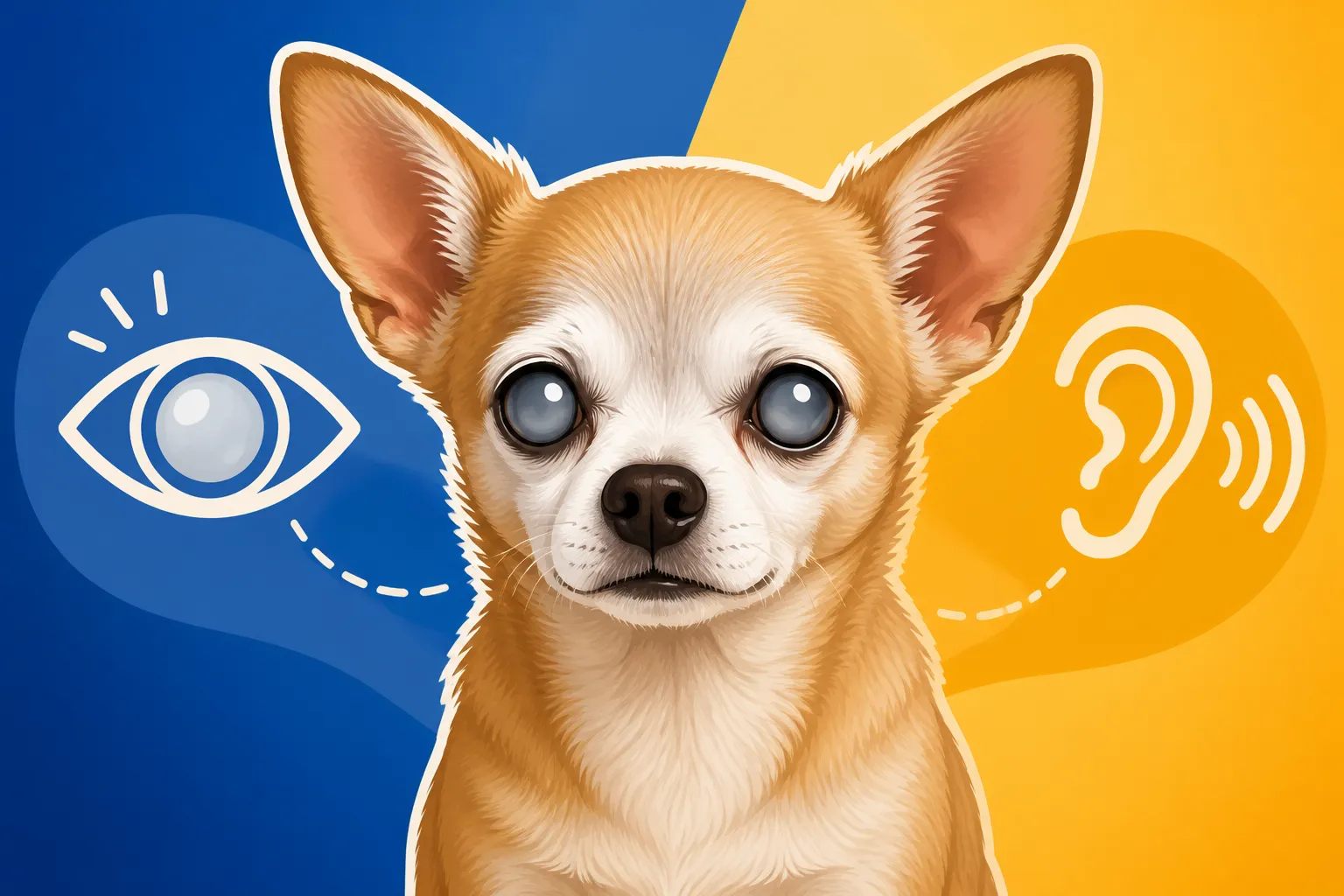
One of the most common age-related eye changes you might notice in your senior Chihuahua is a clouding of the lens, often mistaken entirely for cataracts. This condition is called lenticular sclerosis, or nuclear sclerosis, and it's essentially the hardening of the lens fibers. Unlike cataracts, which involve opaque protein buildup that significantly blocks light, lenticular sclerosis typically causes a bluish-grey haze that doesn't severely impair vision in its early stages. Your Chihuahua might still be able to see quite well, especially in bright light, even if their eyes look a bit foggy. It’s crucial to have your vet differentiate between the two, as their impact on vision and potential treatments vary greatly.
True cataracts, however, can also develop as Chihuahuas age, and these do progressively block light from reaching the retina, leading to more significant vision impairment or even blindness. These can appear as dense white or cloudy spots within the lens. Initially, a Chihuahua might adjust remarkably well to diminishing sight by relying more on their memory, smell, and hearing. They’ll remember the layout of your home, the path to their food bowl, and the feel of the carpet under their paws. Owners often don't even realize how much vision has been lost until the dog is in an unfamiliar environment or a piece of furniture has been moved. This adaptation is a testament to their resilience, but it also means we need to be vigilant in watching for more subtle signs. For more details on eye health, check out our guide on Chihuahua Eye Problems in a Shallow Socket.
The Gradual Onset of Hearing Loss
Hearing loss in Chihuahuas, medically termed presbycusis, is also a common and often insidious part of aging. It’s a slow, progressive degeneration of the structures within the inner ear responsible for transmitting sound. Because it happens gradually, it's easy for owners to miss the early indicators. Your Chihuahua might selectively ignore you at first, leading you to wonder if they're just being stubborn. In reality, they might genuinely not be hearing you as clearly as they once did, especially if there's background noise.
This gradual loss impacts their ability to respond to their name, the doorbell, or even familiar commands. Since Chihuahuas are intelligent and often very attuned to their owners' body language and routines, they can compensate for a significant amount of hearing loss through visual cues. They might watch your face more intently, follow your hand gestures, or simply anticipate events based on routines. However, as the hearing loss advances, it can lead to increased anxiety, frustration, or even startling easily when approached unexpectedly. Think about it: suddenly being touched without hearing someone approach can be quite jarring for anyone, let alone a tiny dog with an already heightened sense of alert. These changes can subtly erode their confidence and change their interaction with the world around them.
Recognizing the Signs: What to Look For
Spotting sensory loss in your Chihuahua early allows you to make adjustments that improve their quality of life. It’s about being observant and understanding that what might seem like a personality change could actually be a sensory challenge.
Visual Cues of Impaired Sight
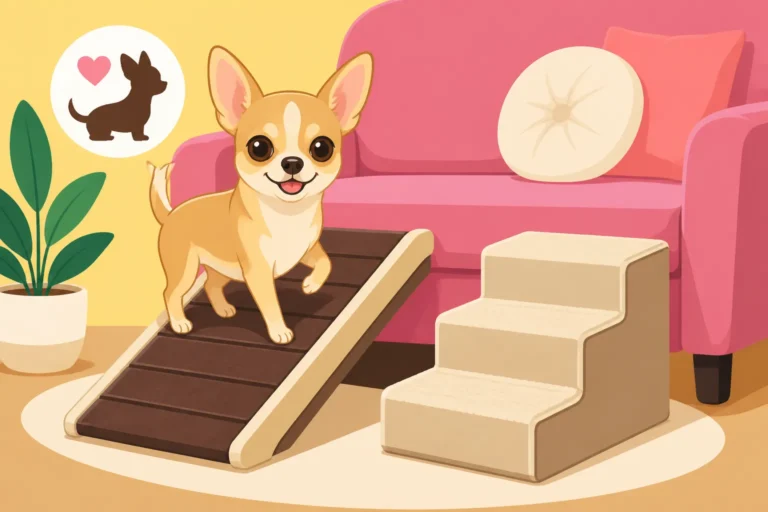
As your Chihuahua's vision declines, you'll start to notice more tangible signs beyond just the clouding of their eyes. One of the most common and concerning indicators is bumping into familiar objects. This might be a favorite chair that's always been there, or the corner of a table they've navigated a thousand times. They might hesitate before jumping off the sofa or bed, or even misjudge a step, leading to a stumble. This hesitancy is their way of trying to assess their environment more carefully before committing to a movement.
You might also observe that your Chihuahua becomes more disoriented in low light conditions or at night. They might cling closer to you on evening walks or seem more anxious when moving from a brightly lit room to a darker hallway. Their eyes might appear dilated more often, attempting to let in as much light as possible to compensate. You may notice them tracking things with their nose more, or relying heavily on their sense of smell to identify people or objects rather than visual recognition. Sometimes, a visually impaired Chihuahua might also have altered eye movement, such as rapid, involuntary eye movements (nystagmus) or one eye that seems to wander. Keep an eye out for changes in the physical appearance of the eye itself, beyond just clouding. Issues like redness, discharge, or squinting could indicate pain or an underlying issue like glaucoma, which requires immediate veterinary attention.
Auditory Indicators of Reduced Hearing
Detecting hearing loss can be tricky because Chihuahuas are masters of adaptation. However, there are several key indicators that your dog isn't hearing as well as they used to. The most obvious sign is a lack of response to their name or familiar sounds. If the doorbell rings and they don't stir, or if you call them from another room and they don't look up, it's a strong clue. This is especially telling if they were once highly responsive to such noises. They might also sleep more soundly and not wake up to noises that would have previously roused them.
Another common sign is that your Chihuahua startles easily, particularly if you approach them from behind or touch them without them seeing you first. This isn't aggression; it's a natural fear response to being surprised. They might also begin to bark more excessively or vocalize differently. This isn't necessarily because they're being "naughty," but rather out of frustration, confusion, or an inability to properly gauge their own volume since they can't hear themselves as well. Sometimes, they might seem to ignore commands they once knew perfectly, not out of defiance, but simply because the sound isn't registering clearly. If you find yourself having to clap your hands loudly, stomp your foot, or get directly in front of them to get their attention, it’s a good indication their hearing is fading. You can also explore options for Cognitive Decline in an Aging Chihuahua if you notice other behavioral shifts.
Here's a quick comparison of common signs:
| Sensory Loss Type | Early Signs | Advanced Signs |
|---|---|---|
| Vision Loss | Hesitancy to jump or descend, slight cloudiness in eyes (lenticular sclerosis), increased reliance on smell | Bumping into furniture, disoriented in unfamiliar places, difficulty finding food/water, reluctance to move |
| Hearing Loss | Not responding to soft calls, "selective hearing," deep sleeping through minor noises | Not responding to doorbell/loud noises, startling easily when touched, increased or altered vocalization |
Making Your Home Chihuahua-Friendly for Sensory Loss
Once you suspect or confirm that your Chihuahua is experiencing sensory loss, the next step is to adapt their environment to keep them safe, comfortable, and confident. A few thoughtful changes can make a world of difference.
Navigating a Visually Impaired World
For Chihuahuas with declining vision, consistency is key. Try to avoid rearranging furniture as much as possible. Their mental map of your home becomes incredibly important, and moving things around can be disorienting and stressful. If you absolutely must move something, guide them around the new layout several times, praising and treating them as they explore. Creating clear, unobstructed pathways, especially to essential areas like their food, water, and potty spots, is also crucial.
Consider using scent markers or textured mats to help them navigate. A rug with a distinct texture placed before a set of stairs, or a few drops of a pet-safe essential oil (like lavender or chamomile, highly diluted) near their bed, can serve as guiding beacons. Gates or child barriers can be incredibly useful to block off dangerous areas like staircases or rooms where they might get lost or hurt. Ensure their favorite bed, blankets, and toys are always in the same spot, providing a predictable comfort zone. Adequate lighting is also vital; keep rooms well-lit, especially in areas where they spend a lot of time, and consider nightlights in hallways or near their sleeping area to aid with any remaining low-light vision they might have. For more advice on caring for an older dog, read our guide on Senior Chihuahua Care Past the Age of Twelve.
Communicating with a Hard-of-Hearing Chihuahua
Communicating with a Chihuahua who can't hear you clearly requires a shift in your approach. Relying on visual cues and hand signals becomes paramount. If you haven't already, start teaching them hand signals for basic commands like "sit," "stay," "come," and "potty." Pair them with verbal cues now, and as their hearing diminishes, the visual will become their primary understanding. Always approach your Chihuahua from the front so they can see you coming, avoiding sudden touches or movements that might startle them. A gentle tap on the floor near them, or waving your hand to get their attention, can be helpful.
Some owners find vibrating collars useful, particularly for getting their dog's attention from a distance. These collars deliver a gentle vibration (not a shock) that can alert your Chihuahua to your presence or a command, but they require careful introduction and training to ensure your dog associates the vibration positively with good things. Never use a vibrating collar punitively. Always remember to make physical contact gently and deliberately, perhaps placing a hand on their back to let them know you’re there before picking them up or moving them. This greatly reduces the chances of them being startled and reacting defensively. As they age, these adjustments in communication are just as important as managing physical ailments like Chihuahua Arthritis in the Teenage Years.
Safety Outside the Home
While your home environment can be carefully controlled, the outside world presents a different set of challenges for a Chihuahua with sensory loss. Always keep your Chihuahua on a leash when outside, even in a fenced yard, if their hearing or vision is significantly impaired. They won't hear an approaching car or see a hazard as readily, and their sense of direction can be compromised. A sturdy, well-fitting harness is always preferable to a collar for Chihuahuas, especially since it avoids pressure on their delicate trachea.
Try to stick to familiar walking routes where they already know the smells and terrain. Avoid crowded or overly stimulating environments that can overwhelm their remaining senses and increase anxiety. Ensure they wear up-to-date ID tags with your contact information, and that their microchip details are current. In case they do get disoriented and wander, these safeguards significantly increase the chances of their safe return. Many companies, including Healthy Paws, offer pet insurance that can help cover emergency vet bills if an accident were to occur due to sensory impairment, providing peace of mind.
Veterinary Care and Management Options
Regular veterinary check-ups are even more important for senior Chihuahuas, especially when managing sensory decline. Your vet is your best partner in assessing the extent of the loss and exploring available options.
Diagnosing Vision and Hearing Changes
A thorough senior wellness exam should always include a detailed assessment of your Chihuahua’s eyes and ears. Your veterinarian will use an ophthalmoscope to examine the internal structures of the eye, looking for signs of lenticular sclerosis, cataracts, glaucoma, or retinal diseases. They might perform a Schirmer tear test to check for dry eye, or measure intraocular pressure to screen for glaucoma. If vision problems are severe, they may refer you to a veterinary ophthalmologist for specialized diagnostics and potential treatments.
For hearing, diagnosis can be a bit more subjective initially, relying on your observations and the vet's assessment of your dog's responses to sounds. However, for a definitive diagnosis, especially to differentiate between conductive hearing loss (problems with sound transmission to the inner ear) and sensorineural hearing loss (damage to the inner ear or nerve pathways), a BAER (Brainstem Auditory Evoked Response) test can be performed. This specialized test measures the electrical activity in the brain in response to auditory stimuli and can pinpoint the exact nature and extent of hearing loss. While not all vets offer BAER testing, they can certainly refer you to a specialist who does. Regular exams can also help detect other common senior issues like Chihuahua Heart Disease as the Breed Ages or Chihuahua Dental Disease in a Crowded Small Jaw, which can impact their overall well-being.
Medical Interventions and Support
While age-related hearing loss generally has no cure, treatments for vision loss vary. If your Chihuahua has significant cataracts that are severely impacting their vision, cataract surgery is an option. This procedure involves removing the cloudy lens and sometimes replacing it with an artificial one. It can be very successful in restoring sight, but it's a specialized surgery with a recovery period, and it's not suitable for all dogs, particularly those with other serious health conditions. The cost can be substantial, so it's worth discussing with your vet and considering pet insurance providers like Healthy Paws for potential coverage. Understanding the Anesthesia Risk During a Chihuahua Dental can also give you insight into surgical considerations for small dogs.
For conditions like glaucoma, medications are available to manage the intraocular pressure and preserve remaining vision. Your vet might also suggest nutritional supplements containing antioxidants like lutein and zeaxanthin, which are believed to support eye health, although their efficacy in preventing or reversing age-related vision loss is not fully established. While there’s no specific medication for age-related hearing loss, ensuring good ear hygiene and treating any ear infections promptly can help prevent further issues. Your veterinarian can guide you on the best course of action based on your Chihuahua's specific condition and overall health.
Emotional Support for Your Aging Companion
Living with sensory loss can be confusing and frightening for your Chihuahua, and they need your patience and emotional support more than ever. Maintaining a consistent daily routine can be incredibly comforting, as predictability helps them feel secure in a world that might seem less certain. Speak to them gently, even if they can't hear you, as your tone and facial expressions can still convey reassurance. Extra cuddles and physical affection can help reinforce your bond and provide comfort.
Be aware that frustration or anxiety due to their sensory limitations can sometimes manifest as changes in behavior, such as increased vocalization, irritability, or withdrawal. It's crucial not to scold them for these behaviors, but rather to understand their root cause and provide comfort and reassurance. Your calm presence and consistent love will be the most valuable assets as you help your beloved Chihuahua navigate their senior years with dignity and peace. Remember, a Chihuahua is considered senior around The Age a Chihuahua Counts as Senior, and their needs will continue to evolve.
Disclaimer
This article is intended for informational purposes only and does not constitute veterinary advice. Always consult with a qualified veterinarian for any health concerns or before making any decisions about your Chihuahua's care, diet, or treatment. Individual results may vary.