Needle Teeth on a Chihuahua Puppy
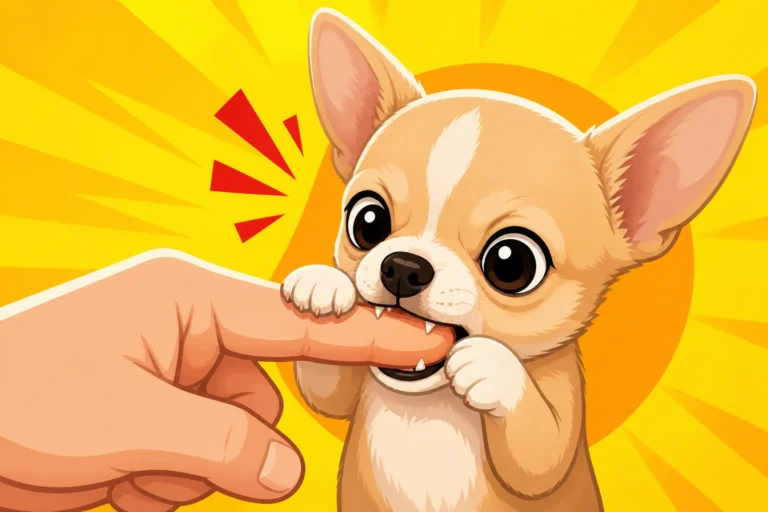
Oh, those adorable, tiny Chihuahua puppies! They steal your heart with their big eyes and wobbly gaits, but then you feel them gnawing on your fingers or ankles, and suddenly you understand why puppy teeth are often called "needles." It's a phase every new puppy parent faces, and honestly, it can be a bit painful and certainly frustrating. This guide is here to walk you through everything you need to know about your Chihuahua puppy's sharp little teeth, how to manage the nipping, and how to set them up for a lifetime of good dental health.
The Biology Behind Those Tiny, Sharp Teeth
Before you feel like your sweet little Chihuahua puppy is purposely trying to turn your hands into pincushions, it helps to understand why their teeth are so incredibly sharp. It's not personal, it's just puppy biology!
Why Puppy Teeth Are So Pointy
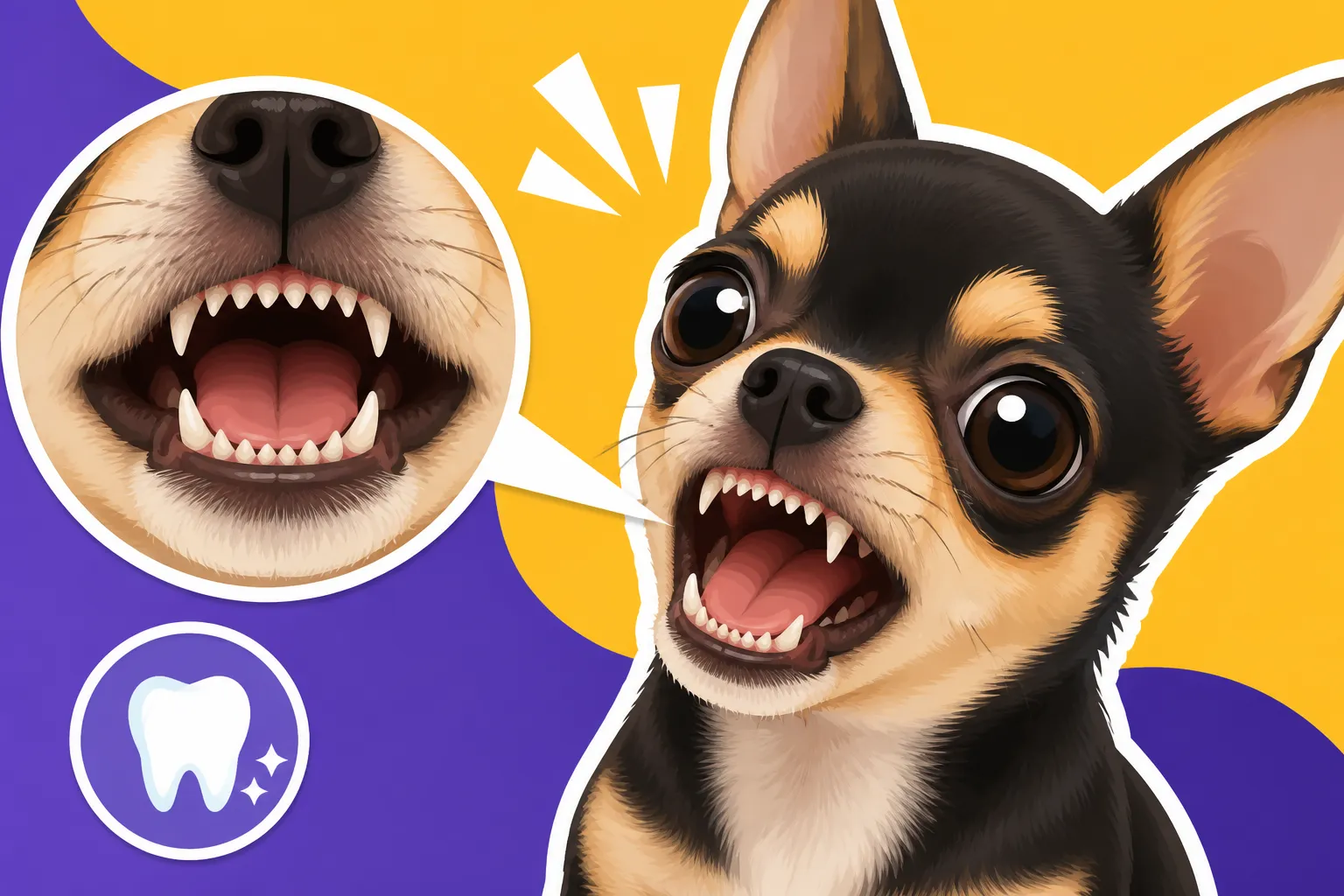
When you look at a Chihuahua puppy's mouth, you'll notice how incredibly fine and pointed their teeth are, especially those little canines. This sharpness is actually an evolutionary adaptation. In the wild, young canids use these teeth to tear at meat, grip onto prey, and explore their environment. They're designed for precision and piercing, which is exactly what makes them feel like tiny needles when they make contact with human skin. For a creature as small as a Chihuahua, this sensation can feel even more intense, as their entire mouth is concentrated into such a small area, making every nip particularly potent. They're basically tiny little explorers, and their mouths are their primary tools for understanding the world around them, from the texture of your fingers to the crunch of a new toy.
The Full Set of Puppy Teeth
Like human babies, puppies are born without teeth. Their first set, known as deciduous teeth or "milk teeth," begin to erupt around 3 to 4 weeks of age. By the time your Chihuahua puppy comes home to you, typically between 8 and 12 weeks old, they will likely have a full set of 28 puppy teeth. These include incisors (the tiny teeth at the front for nipping), canines (the long, pointy ones for gripping), and premolars (further back for chewing). What's interesting is that puppies don't have molars in their first set; those only come in with their adult teeth. This full set of sharp teeth is exactly what makes puppyhood such a challenging, albeit temporary, period for your hands and furniture. Knowing this timeline helps you anticipate when the nipping will be at its peak and when to expect the transition to adult teeth.
The Difference Between Puppy and Adult Teeth
The most obvious difference between puppy and adult teeth is their number and size. Your Chihuahua puppy starts with 28 deciduous teeth, but they will eventually replace these with 42 permanent adult teeth. The adult teeth are much larger, stronger, and have deeper roots. They are also less needle-like and more designed for grinding and crushing. The transition from these delicate, sharp puppy teeth to robust adult teeth is a significant developmental milestone. Puppy teeth have relatively short roots that are designed to resorb (dissolve) as the adult teeth push through, allowing them to fall out easily. This whole process is crucial for making space for the larger, permanent teeth that will serve your Chihuahua for the rest of their long life, but it can also be a source of discomfort for your pup and, let's be honest, for you too!
Surviving the Nipping and Chewing Stage
The moment your sweet little Chihuahua puppy latches onto your finger with those sharp teeth, it's easy to wonder if you've made a terrible mistake. But rest assured, this nipping and chewing stage is a completely normal, and temporary, part of puppy development. It's all about learning, not malice.
Understanding Puppy Biting Behavior
Puppies, especially Chihuahuas who use their mouths to explore everything, naturally use their teeth to interact with the world and with each other. When they play with their littermates, they nip and mouth. This is how they learn bite inhibition – how much pressure they can exert before causing pain. If one puppy bites another too hard, the bitten puppy will yelp, and play will stop. This teaches the offender to be softer next time. When your Chihuahua puppy nips at you, they are essentially trying to play and communicate in the only way they know how. It's not a sign of aggression, but rather a normal, instinctual behavior that needs to be guided and shaped. It’s important to understand this distinction, as treating playful nipping as aggression can be counterproductive and even damaging to your puppy’s confidence.
Redirecting Nipping to Appropriate Chews
The key to surviving the "needle teeth" phase is redirection, redirection, redirection! Your Chihuahua puppy needs to chew and mouth; it's how they relieve teething discomfort and explore. The goal isn't to stop them from chewing, but to teach them what is appropriate to chew on. Always have a variety of safe, appealing chew toys readily available. When your puppy starts to nip at your fingers or clothes, immediately withdraw the part of your body they are mouthing and offer them an appropriate chew toy instead. Praise them enthusiastically when they take the toy.
Think about different textures and sizes for your tiny pup. Some Chihuahuas love soft, plush toys, while others prefer harder rubber or nylon options. You can find a huge variety of options on platforms like Amazon, from tiny Kong toys designed for small mouths to durable Nylabones. A quick search will reveal countless safe and appealing options. Having these toys within arm's reach at all times will make it easier for you to be consistent with redirection. You might even find success with puzzle toys that dispense treats, keeping their tiny mouths busy and engaged with something other than your skin. Remember, consistency is your best friend here; every family member needs to follow the same redirection protocol.
Teaching Bite Inhibition
Beyond simply redirecting, you also need to teach your Chihuahua puppy how to control the pressure of their bite, even during play. This is called bite inhibition. When your puppy nips you too hard, let out a sharp, high-pitched "yelp!" – just like a littermate would. Immediately withdraw your hand or stop playing for a few seconds. This signals to your puppy that their bite was too strong and that fun stops when they use too much pressure. After a brief pause, you can re-engage with a toy, but not your skin.
If the nipping continues and your puppy seems overly excited, a short "time-out" might be necessary. Gently place them in their crate or a puppy-proofed playpen for a minute or two until they calm down. This isn't punishment, but rather a way to de-escalate their excitement and teach them that rough play ends quickly. The ultimate goal isn't to have a Chihuahua that never puts their mouth on you (which is unrealistic), but one that, if they do, does so with a soft, gentle mouth. This skill is invaluable for their safety and yours as they grow, and it can save a lot of pain and stress down the line. For more tips on this crucial stage, check out Chihuahua Puppy Biting at Fingers.
Managing the Teething Process
The period of teething, when your Chihuahua puppy's baby teeth fall out and their adult teeth come in, can be a particularly uncomfortable time for them. Just like human babies, puppies experience soreness and irritation in their gums, which often leads to an increased urge to chew.
Signs Your Chihuahua Puppy Is Teething
Around 3-4 months of age, your Chihuahua puppy will start to shed their 28 baby teeth and grow in their 42 adult teeth. This process can last until they are about 6-7 months old. During this time, you might notice several signs that they are teething. Increased chewing, often on anything they can get their tiny mouths on, is the most obvious. You might also observe drooling, a slight decrease in appetite (because eating can be painful), or a reluctance to eat harder kibble. Some puppies might have mildly swollen or red gums. You might even find tiny, rice-grain-sized puppy teeth around the house, although it's common for puppies to simply swallow their lost teeth. Gently checking your puppy's mouth regularly can help you monitor the process and ensure there are no issues, like retained baby teeth.
Soothing Sore Gums During Teething
Just like a baby, a teething Chihuahua puppy will appreciate anything that helps soothe their sore gums. Cold items are often a big hit. You can freeze certain puppy-safe chew toys, or even a wet washcloth that you've twisted and frozen. The cold provides numbing relief. Small, soft rubber toys are also great, as they allow your pup to apply pressure without further irritating their gums. Some owners find success with puppy-specific teething gels, which contain mild numbing agents, but always consult your vet before using any over-the-counter products.
Another simple yet effective method is gentle gum massage. With clean fingers, gently rub your puppy's gums for a minute or two. This can help relieve pressure and encourage stubborn baby teeth to fall out. Remember, this is a temporary phase, and providing comfort can make a huge difference in your puppy's disposition and prevent them from developing destructive chewing habits out of frustration.
What to Expect During Tooth Loss
The timeline for tooth loss varies slightly, but generally, incisors are lost first, followed by canines, and then premolars. You might see two rows of teeth in your Chihuahua's mouth for a short period – the puppy tooth still in place, and the adult tooth erupting right next to it. This is a common occurrence in small breeds and is often the first sign of a potential issue with retained puppy teeth. Most puppies will shed their teeth without any intervention, often swallowing them unnoticed.
However, it's crucial to keep an eye on your Chihuahua's mouth because small breeds, including Chihuahuas, are particularly prone to Chihuahua Tooth Crowding and Retained Baby Teeth. If a baby tooth doesn't fall out on its own, the adult tooth can emerge in the wrong position, leading to crowding. This crowding creates pockets where food debris and bacteria can accumulate, significantly increasing the risk of early onset dental disease. If you notice any puppy teeth still firmly in place when the adult tooth has already started to emerge, it's time for a vet visit.
Training for a Gentle Mouth
Training your Chihuahua puppy to have a gentle mouth is about more than just surviving the teething phase; it's about building a foundation for good behavior and a safe relationship for years to come. Consistency and patience are absolutely paramount here.
Consistent Training Across the Household
The biggest mistake people make during puppyhood is inconsistent training. If one person allows mouthing while another scolds it, your Chihuahua puppy will be utterly confused. Every single person who interacts with your puppy, from family members to regular guests, needs to be on the same page regarding bite inhibition and redirection. This means using the same cues, the same redirection techniques, and the same rules. For instance, if you're using the "yelp and ignore" method, everyone needs to do it.
Positive reinforcement is key. Reward your puppy heavily when they choose to chew on an appropriate toy instead of your hand. Keep training sessions short, fun, and frequent – Chihuahuas have tiny attention spans! Consider enrolling in a puppy class or using online resources like BAXTER & Bella. Their online puppy school provides a structured curriculum that can guide you through these crucial early training stages, offering consistent methods that everyone in your household can follow. A unified approach ensures your puppy understands what's expected of them and helps them learn quickly and confidently.
Handling Exercises for Mouth Sensitivity
One of the most valuable things you can do for your Chihuahua is to get them comfortable with being handled, especially around their mouth. This isn't just for puppy biting, but for future vet visits, dental cleanings, and even just simple inspections. Start early and make it a positive experience. Gently touch your puppy's muzzle, lift their lips, and briefly touch their gums. Do this for just a few seconds at a time, followed immediately by a tasty treat and calm praise.
Gradually increase the duration and intensity. The goal is for your puppy to associate having their mouth touched with good things, rather than something scary or invasive. This proactive approach can prevent a lot of stress down the line when it's time for routine veterinary care or when you need to perform daily dental care, such as brushing their teeth. A Chihuahua who is comfortable with mouth handling is a huge gift, both to you and to their veterinary team. For more information on daily dental routines, consider reading The Two Minute Daily Chihuahua Tooth Routine.
When to Seek Professional Help
While playful puppy nipping is normal, there are times when a Chihuahua puppy's biting behavior might warrant professional intervention. If your puppy's bites are consistently hard, breaking skin, or if they seem genuinely aggressive (growling, snapping with stiff body language) rather than playful, it's a red flag. Similarly, if your puppy guards resources (toys, food, your lap) with growls or bites, that's something to address immediately.
Another concern is if your puppy doesn't respond to redirection or bite inhibition techniques after consistent effort over several weeks. A qualified professional, such as a certified professional dog trainer or a veterinary behaviorist, can assess the situation, identify underlying causes (which could sometimes be pain-related, so always rule out health issues with your vet first), and provide a tailored training plan. They can help you understand your Chihuahua's body language better and teach you more advanced techniques to manage and modify challenging behaviors, ensuring your tiny companion grows into a well-adjusted adult. For information on seeking professional training guidance, look into resources from BAXTER & Bella or local certified trainers.
Long-Term Dental Health Considerations for Chihuahuas
While dealing with needle teeth is a temporary challenge, it's also an excellent opportunity to lay the groundwork for a lifetime of good oral hygiene for your Chihuahua. Chihuahuas are notoriously prone to dental issues, making proactive care absolutely essential.
The Unique Challenges of a Chihuahua's Mouth
Chihuahuas have tiny mouths, but they need to fit a full set of 42 adult teeth – the same number as a Labrador! This often leads to significant overcrowding. When teeth are crowded, they don't have enough space to sit properly in the jaw. This misalignment creates tight spaces and crevices where food particles, plaque, and tartar can easily accumulate, making them extremely difficult to clean effectively, even with regular brushing.
The breed is also predisposed to Chihuahua Dental Disease in a Crowded Small Jaw starting at a very young age. It's not uncommon to see Chihuahuas needing their first dental cleaning and extractions by age three or four, sometimes even younger. Because of their tiny size, general anesthesia for dental procedures carries specific considerations, so preventing severe disease through daily care is paramount. Understanding these unique challenges from puppyhood motivates owners to be extra diligent about oral hygiene, knowing that early intervention can save a lot of pain and expense later.
Transitioning to Adult Dental Care
As your Chihuahua puppy finishes teething and their adult teeth settle in, it's time to solidify their adult dental care routine. Daily tooth brushing is truly the gold standard for preventing plaque and tartar buildup. If you've been doing the handling exercises we discussed earlier, your Chihuahua should already be comfortable with having their mouth touched. Start with a soft, finger-brush or a tiny toothbrush specifically designed for small dogs, along with veterinary-approved canine toothpaste.
In addition to brushing, incorporate other dental aids as recommended by your vet. These might include certain dental chews designed to scrape plaque, or water additives that help inhibit bacterial growth. Regular veterinary check-ups are critical. Your vet will examine your Chihuahua's mouth, assess the health of their gums and teeth, and recommend professional dental cleanings under anesthesia when necessary. The earlier you start this routine, the more accustomed your Chihuahua will become, making it a stress-free part of your daily life. It’s also important to remember that this comprehensive care contributes to their overall health and longevity, especially given that many Chihuahuas live Chihuahua Lifespan and Why the Breed Reaches Sixteen years or more.
Recognizing and Preventing Retained Puppy Teeth
One of the most common dental issues in Chihuahuas, as mentioned, is retained puppy teeth. This happens when a baby tooth fails to fall out on its own, even after the adult tooth has begun to erupt. The canine teeth are particularly prone to this. When you see two teeth trying to occupy the same space, it’s a clear sign of a problem. This double-dentition creates a trap for food and bacteria, leading to accelerated plaque and tartar formation, gum inflammation, and eventually periodontal disease.
It's crucial to have your vet check your Chihuahua's mouth during every puppy visit. If retained teeth are present, they will usually recommend Extracting Retained Chihuahua Canines during your puppy's spay or neuter surgery, as this is an ideal time to do it under one anesthetic event. Removing these retained teeth is vital for the proper alignment of the adult teeth and for preventing long-term dental problems. Ignoring retained puppy teeth can lead to significant pain, infection, and premature loss of adult teeth down the road.
Here's a quick overview of the teething stages and how to manage them:
| Age Range (Approx.) | Developmental Stage | Common Behaviors | Management Strategies | Key Focus Areas |
|---|---|---|---|---|
| 3-4 Weeks | First puppy teeth emerge | Mild chewing on littermates/mom, exploration. | Minimal intervention; focus on proper nutrition for mom. | Observing early tooth eruption. |
| 8-16 Weeks | Full set of puppy teeth; peak nipping | Nipping, mouthing, chewing everything (fingers, furniture, clothes). | Consistent redirection to toys, "yelp" method for bite inhibition, short time-outs. | Bite Inhibition, Redirection, Household Consistency. Chihuahua Puppy Biting at Fingers |
| 16 Weeks – 6 Months | Teething (losing puppy teeth, growing adult teeth) | Increased chewing, drooling, potential discomfort, finding shed teeth. | Provide frozen toys/washcloths, soft rubber chews, gentle gum massage. Monitor for retained teeth. | Comfort & Soothing, Monitoring for Chihuahua Tooth Crowding and Retained Baby Teeth. |
| 6 Months + | Full set of adult teeth | Chewing habits should be established on appropriate items. | Daily tooth brushing, dental chews, regular vet checks. | Proactive Dental Care, Preventative measures for Chihuahua Dental Disease in a Crowded Small Jaw. |
Remember, your Chihuahua's journey through puppyhood and into adulthood is a team effort. With patience, consistent training, and proactive dental care, you can help your little one navigate the "needle teeth" phase and enjoy excellent oral health for their many years by your side.
Disclaimer
This article is for general informational purposes only and does not constitute professional advice. Laws, prices and regulations vary by location and change over time. Consult a qualified professional for guidance on your specific situation.