Whether a Chihuahua Suits Someone New to Dogs
So, you're thinking about welcoming a furry friend into your life, and the adorable, tiny Chihuahua has caught your eye? It's easy to look at these pint-sized pups and imagine them as the perfect, low-maintenance companion for a first-time dog owner. After all, they’re so small, how much trouble could they possibly be? This guide is here to give you a realistic, empathetic look at whether a Chihuahua truly suits someone embarking on their very first dog ownership journey, dispelling some common myths and offering practical insights into their unique needs and personalities.
The Myth of the "Easy" Small Dog
One of the biggest misconceptions new dog owners fall for is believing that a small dog automatically equals an "easy" dog. It’s a natural assumption, really. Less dog, less work, right? You picture a tiny lap dog, quiet and content, easily tucked into a bag for errands. The reality, especially with Chihuahuas, can be quite different. Their diminutive size often masks a huge personality and a distinct set of needs that can be surprising for someone who hasn't navigated dog ownership before.
Why Small Doesn't Mean Simple
Many first-time owners gravitate towards Chihuahuas because they seem less intimidating than a larger breed. There's no fear of being pulled down the street on a leash, or needing a huge backyard for exercise. However, what they lack in physical size, they often make up for in intensity of character. A Chihuahua isn't just a miniature version of a golden retriever; they have their own unique breed traits, sensitivities, and potential behavioral quirks that require just as much, if not more, dedicated attention and understanding. Ignoring these needs because of their size can lead to significant behavioral challenges down the line.
Overlooking Training Needs
Because they're small, many new owners feel they can skip formal training. "He's just a little guy, he doesn't need to sit or stay," they might think, or "It's cute when she barks at the mailman, she's protecting me!" This is a classic trap that leads directly to issues like Small Dog Syndrome and Why It Is Not Genetic. Chihuahuas are intelligent and capable of learning complex commands, just like any other dog. Neglecting their training can result in a dog that is undersocialized, prone to excessive barking, or even nippy due to fear or insecurity. A Chihuahua benefits immensely from positive reinforcement training, and it's essential to approach it with the same seriousness you would a much larger breed.
Understanding the Chihuahua Temperament
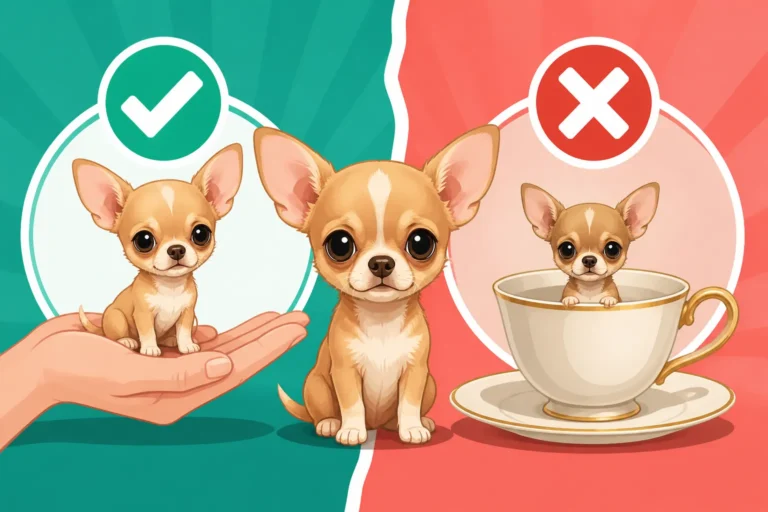
Chihuahuas are renowned for their spirited, often feisty, personalities. They are often described as having a "big dog" attitude in a tiny package. This can be absolutely charming and endearing to experienced owners who understand how to channel it, but it can be overwhelming for someone who isn't prepared for such a strong will in a four-pound package. They bond intensely with their chosen person and can be quite discerning about strangers and other animals.
Fierce Loyalty and Wariness
A Chihuahua's loyalty knows no bounds. Once they choose their person, they are devoted companions, often wanting to be by your side, on your lap, or under the covers with you constantly. This deep bond is a beautiful thing, but it can also manifest as wariness or even aggression towards outsiders if not properly managed. They can become fiercely protective of their human, their space, or even their toys. For a first-time owner, recognizing the subtle signs of discomfort or anxiety in a Chihuahua and knowing how to respond calmly and effectively is crucial to prevent these protective instincts from escalating into undesirable behaviors like snapping or biting.
The Potential for Reactivity
Their strong personality and sometimes insecure nature can make Chihuahuas prone to reactivity, especially if they haven't been adequately socialized. Chihuahua Fear Reactivity, the Breed's Real Problem is a common issue. They might bark frantically at every new sight, sound, or person, or lunge at larger dogs out of fear. This isn't aggression for aggression's sake; it's often a defense mechanism from a dog that feels vulnerable in a big, overwhelming world. A new owner needs to be ready to commit to consistent, positive socialization experiences from puppyhood, carefully introducing their Chihuahua to new environments, people, and other calm, appropriate dogs. This isn't about exposing them to everything at once, but rather controlled, positive exposures that build confidence.
Training and Socialization Are Non-Negotiable
If you're new to dogs, you might assume that since a Chihuahua is small, they won't need as much training or socialization as a larger breed. This couldn't be further from the truth. In fact, their small size and often sensitive nature mean that consistent, thoughtful training and socialization are even more important. Without it, you can easily end up with a dog that is anxious, yappy, and difficult to manage in public.
House Training Challenges
Let's be real, a Chihuahua has a tiny bladder. This is a physiological fact, not a training flaw. House Training a Chihuahua With a Tiny Bladder can be a significant hurdle for new owners who might expect a quick, easy process. They simply can't hold it as long as a Labrador. This means frequent potty breaks, diligence, and patience are paramount. You might be taking your Chihuahua out every hour or two as a puppy, and still finding accidents. It requires a level of consistency and immediate reward that can be exhausting for someone who's never done it before. Many owners turn to indoor potty solutions like puppy pads, especially in bad weather, but even those require careful training to ensure your dog understands the designated spot.
Crucial Socialization from a Young Age
Socialization is the process of gently exposing your puppy to new sights, sounds, people, and experiences in a positive way to help them grow into a confident, well-adjusted adult. For a Chihuahua, this is vital. Because they can be prone to fear and anxiety, early and ongoing positive experiences are key. Simply carrying them everywhere, while tempting and adorable, can actually hinder their development, as it prevents them from learning how to navigate the world on their own four paws. You need to be thoughtful about introductions – a calm, friendly adult dog of similar size is a much better first playmate than a boisterous large puppy. Attending puppy classes designed for toy breeds can be incredibly beneficial, providing a safe and controlled environment for learning and exposure. Socializing a Chihuahua Without Overwhelming It is a delicate balance, but one a new owner must prioritize.
Handling and Boundaries
New owners, out of love, often fall into the habit of constantly picking up their small dog. While well-intentioned, Chihuahua Handling and Why Carrying Backfires can actually contribute to fear-based reactivity and prevent your dog from developing confidence on the ground. A Chihuahua needs to learn to walk on a leash, interact politely with the environment, and feel secure without constantly being in your arms. Setting clear boundaries from day one, like teaching a "place" command or having them settle in their bed, is just as important for a Chihuahua as it is for a German Shepherd. This provides structure and helps them understand their role in the household, reducing anxiety and promoting a calm demeanor.
| Feature | Common New Owner Expectation | Chihuahua Reality (for new owners) |
|---|---|---|
| Size & Effort | Small = Easy, Low Maintenance | Small dogs have big personalities and specific, often intense, needs |
| Training | Not really needed for a small dog | Crucial for behavior, confidence, and safety |
| Potty Training | Quick, like a bigger dog | Tiny bladder means frequent breaks, high diligence required |
| Temperament | Cuddly, quiet lap dog | Fiercely loyal, can be wary/reactive if not socialized |
| Exercise | Just a quick walk | Needs regular mental & physical activity; indoor games are key |
| Fragility | Not a major concern | Highly fragile; prone to injuries, needs constant vigilance |
Unique Care Needs of the Chihuahua Breed
Beyond temperament and training, Chihuahuas come with specific care requirements that can catch a first-time dog owner off guard. Their tiny stature makes them susceptible to cold, certain health issues, and even dietary considerations that differ significantly from larger breeds.
Keeping Them Warm
Chihuahuas have very little body fat and can get cold easily, even indoors. You'll often find them shivering or burrowing under blankets. Keeping a Chihuahua Warm Through Winter isn't just about comfort; it's a health necessity. A new owner needs to be prepared to invest in sweaters, coats, and cozy bedding. Regulating your home's temperature, especially if you live in a colder climate, becomes a consideration for your tiny companion. Many Chihuahuas will refuse to go outside for potty breaks if it's too chilly, which only adds to house training challenges. You can find a fantastic selection of adorable and functional sweaters on Chewy that will help keep your little one toasty.
Dietary Precision and Hypoglycemia Risk
A Chihuahua's small size also means their calorie needs are incredibly precise. Feeding a Chihuahua on Two Hundred Calories a Day requires careful measurement. They are prone to hypoglycemia (low blood sugar), especially as puppies or if they miss meals. This can be a scary emergency for a new owner. Regular, small meals are essential, and having a plan for emergency sugar, like corn syrup or glucose gel, is a must. You can easily find appropriately sized kibble and treats on Chewy that fit their small mouths and calorie budgets. Understanding Chihuahua Hypoglycemia and the Puppy Emergency is critical for any new owner.
Dental Health Challenges
One of the most common and often expensive health issues for Chihuahuas is dental disease. Their tiny mouths are often crowded, leading to plaque and tartar buildup at an alarming rate. Chihuahua Dental Disease in a Crowded Small Jaw often means they require professional dental cleanings more frequently than larger breeds, sometimes starting as early as two or three years old. This isn't just about bad breath; severe dental disease can lead to painful infections, tooth loss, and even impact organ health. A new owner needs to be prepared for regular veterinary dental care and commit to daily tooth brushing from a young age, which can be a challenging habit to establish for novices.
Fragility and Safety Concerns
A Chihuahua's small size makes them inherently more fragile than larger breeds. A playful tumble from a sofa, a misstep off a bed, or even being stepped on accidentally can result in serious injury, like broken bones. The Six Pound Limit in the Chihuahua Standard isn't just about aesthetics; it speaks to their delicate build. This means a new owner needs to be constantly vigilant about their environment, using ramps or steps for furniture, and ensuring they are always supervised, especially around children or larger animals. Their prominent eyes are also vulnerable to injury, as discussed in Chihuahua Eye Problems in a Shallow Socket.
Are You Ready for a Chihuahua?
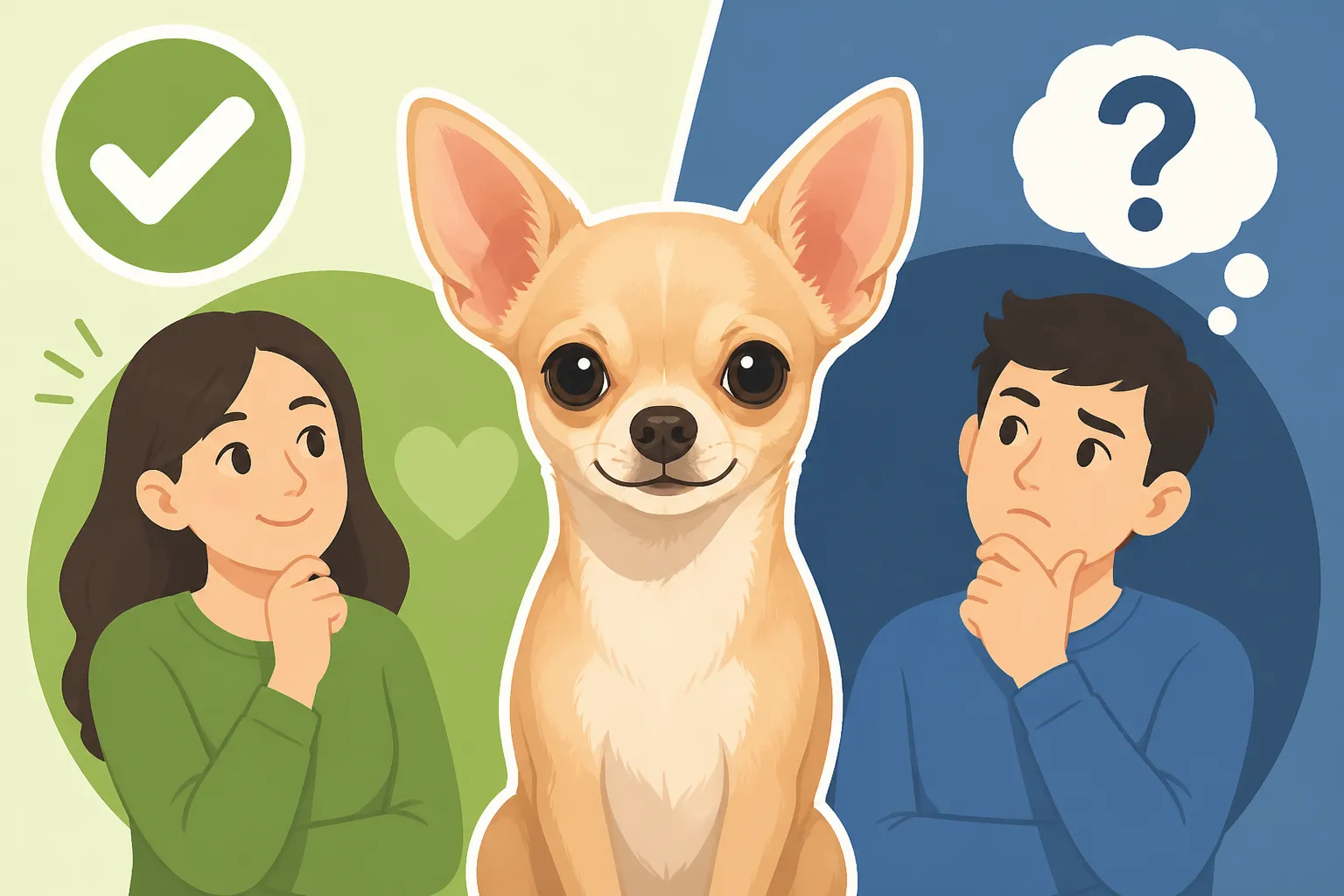
So, after all this, is a Chihuahua truly suitable for a first-time dog owner? The honest answer is: it depends on you. If you are willing to approach dog ownership with dedication, patience, and an open mind, understanding that a small dog still requires substantial commitment, then yes, a Chihuahua can be a wonderfully rewarding companion.
If you are looking for a truly "easy" dog that requires minimal effort in terms of training, socialization, or specific care, a Chihuahua might not be the right fit. They are not simply accessories; they are complex, sensitive, and spirited little beings who deserve the same level of commitment and respect as any other dog.
Self-Assessment for New Owners
Before bringing a Chihuahua home, ask yourself these questions:
- Am I prepared for consistent, positive training? This includes house training, basic obedience, and addressing potential reactivity. Remember, Training a Chihuahua Exactly Like a Big Dog is the golden rule.
- Can I commit to thorough and ongoing socialization? Will you expose your Chihuahua to new experiences gently and positively, ensuring they build confidence rather than fear?
- Are you ready for their unique health and care needs? This means understanding things like their need for warmth, precise feeding, and proactive dental care.
- Do you have a calm, secure environment? Are there young children or large, boisterous pets who might accidentally harm a tiny Chihuahua?
- Are you ready for intense loyalty? Chihuahuas bond deeply. Are you prepared for a constant shadow, a dog that wants to be with you almost every moment?
- Will you respect their boundaries and teach them independence? This means avoiding over-carrying and ensuring they learn to navigate the world on their own four feet.
Bringing a Chihuahua into your home can be an incredibly enriching experience. They offer immense love, endless entertainment, and a bond unlike any other. However, they are not a beginner dog for the faint of heart or those seeking a truly hands-off pet. They are for the dedicated, the patient, and those ready to embrace all the charming, challenging, and utterly unique aspects of this incredible toy breed.
Disclaimer
This article is for general informational purposes only and does not constitute professional advice. Laws, prices and regulations vary by location and change over time. Consult a qualified professional for guidance on your specific situation.