Why a Chihuahua Suits a Quiet Retired Household
When you reach a certain point in life, perhaps after years of raising a family or working a demanding career, the idea of a quiet, peaceful home filled with the companionship of a beloved pet becomes incredibly appealing. While many might picture a larger, more traditional family dog, I’m here to tell you that a Chihuahua can be an absolutely perfect fit for a retired household, bringing immense joy and a surprisingly low-key presence that complements a calmer lifestyle. This guide will walk you through exactly why these pint-sized pups are such wonderful companions for your golden years.
The Ideal Companion for a Calm Lifestyle
Retirement often ushers in a new rhythm of life, one that emphasizes comfort, consistency, and the simple pleasures. Chihuahuas, with their unique needs and personalities, tend to thrive in just such an environment. They aren't always the boisterous, demanding dogs you might associate with younger, more active families; instead, they often prefer a serene existence right by your side.
Matching Energy Levels and Exercise Needs
One of the most appealing aspects of a Chihuahua for a retired individual or couple is their manageable exercise requirements. Let's be honest, not everyone in retirement is looking to run marathons or hike rugged trails with their dog every day. And that’s perfectly okay! Chihuahuas are not built for extreme endurance. Their tiny legs and small lung capacity mean that a couple of short, leisurely walks around the block each day, combined with some spirited indoor playtime, are usually more than enough to keep them happy and healthy.
Think about it: a brisk 15-20 minute stroll in the morning and another in the evening can be a lovely way to get some fresh air for both of you, without being overly taxing. On days when the weather isn't cooperating – perhaps it’s too hot, too cold, or rainy – your Chihuahua will be perfectly content with a game of fetch down the hallway or a rousing session with a squeaky toy in the living room. They truly are adaptable to an indoor-centric lifestyle, which can be a huge relief for those with limited mobility or who simply prefer the comfort of their home. You won't feel guilty if you can't hit the dog park every day, because your little companion just wants to be wherever you are.
A Consistent, Predictable Routine
Chihuahuas are creatures of habit. They adore routine and consistency, and that's precisely what many retired households offer. Gone are the days of erratic work schedules, school pickups, and constant coming and going that can make a dog anxious. In a retired home, meal times, potty breaks, and even cuddle sessions tend to happen at predictable intervals. This stability is like a warm, comforting blanket for a Chihuahua.
When a Chihuahua knows when to expect their breakfast, when their next potty break will be, and when they can look forward to some lap time, it significantly reduces stress and can even aid in better behavior. They learn the rhythm of your day and settle into it beautifully. This predictability means fewer anxious behaviors, less uncertainty, and a generally happier, more settled dog. For instance, if you always have your morning coffee on the patio, your Chihuahua will likely snooze contentedly at your feet, soaking up the sun with you, knowing exactly what’s next on the agenda. It's a peaceful co-existence built on mutual understanding of the daily flow.
Deep Bonds and Affection
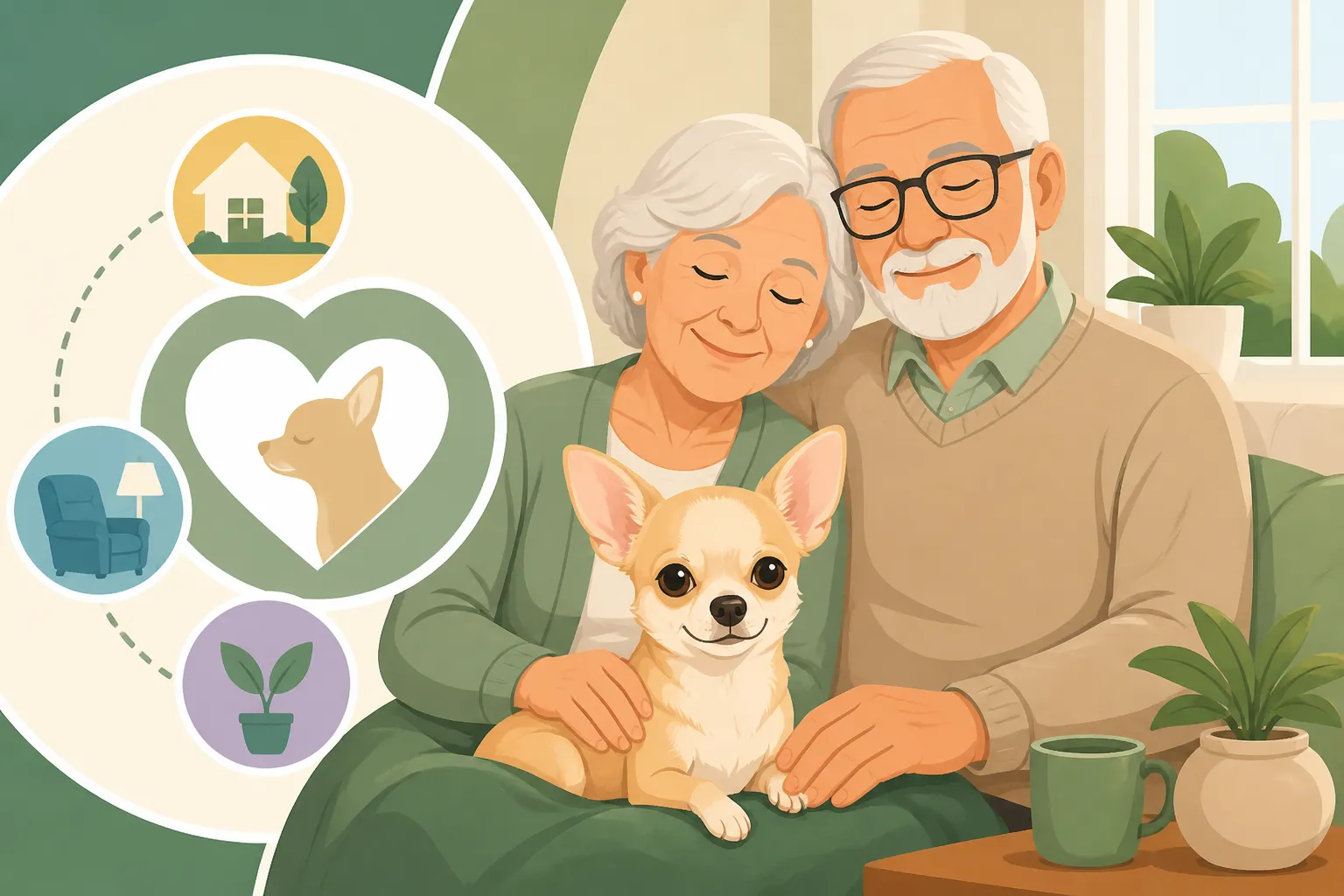
If you're looking for a devoted, loyal companion who wants nothing more than to be by your side, a Chihuahua fits the bill perfectly. These little dogs are renowned for forming incredibly deep, almost singular bonds with one or two people. They thrive on affection and closeness, often preferring to be a lap dog or nestled under a blanket right next to their favorite human. This intense level of devotion is often exactly what individuals in retired households are seeking – a constant presence, a warm body, and an unwavering source of comfort and love.
Imagine settling down for an evening of reading or watching television, and your Chihuahua is instantly there, snuggled into your side, perhaps even burrowing under a throw blanket. Their small size makes them perfect for this kind of constant contact without being overwhelming. They live for that connection, that gentle touch, and the quiet companionship you provide. This isn't just a dog that lives in your house; it's a dog that lives with you, sharing every moment. It’s a joy that truly fills the home, making it feel less empty and more alive. In many ways, their intense loyalty mirrors the kind of loving bond that can truly enrich retirement years. If you've been looking for that special connection, a Chihuahua might just be your soulmate in dog form.
Low Maintenance in a Small Package (Mostly)
Beyond their perfect temperament match for a quiet lifestyle, Chihuahuas also present several practical advantages due to their diminutive size, making daily care surprisingly straightforward for many retired owners. They don't demand massive amounts of space or complicated grooming routines, which simplifies life considerably.
Manageable Size and Living Spaces
One of the most undeniable benefits of a Chihuahua is their size. At typically under six pounds, they are incredibly compact, making them ideal for living situations often favored by retirees. Whether you reside in a cozy apartment, a condominium, or a smaller house, a Chihuahua won't feel cramped. They don't require sprawling backyards to be happy; their exercise needs can easily be met indoors or with short walks around the neighborhood. This means less yard work, less space needed for elaborate setups, and more freedom to enjoy your living area without feeling overwhelmed by a dog's demands.
Their small stature also makes them highly portable. If you enjoy visiting family or friends, or even traveling, your Chihuahua can often come along. They fit comfortably in a carrier designed for airline travel and are generally welcome in many pet-friendly hotels and establishments. This portability means you don't have to worry as much about finding pet sitters or boarding facilities, allowing for greater spontaneity in your plans. Imagine bringing your little companion along for a weekend getaway – it's entirely feasible with a Chihuahua! For more on this, check out Chihuahuas in Studios and Small Apartments.
Grooming Needs Across Coat Types
Chihuahuas come in two main coat varieties: smooth coat and long coat. Regardless of which you choose, their grooming needs are generally manageable, especially compared to breeds with dense double coats or elaborate trims.
- Smooth Coat Chihuahuas: These pups are incredibly low maintenance. A quick brush a few times a week with a soft brush or a grooming mitt is usually all it takes to keep their coat shiny and to minimize shedding. They don't typically get matted or tangled, making their routine straightforward and quick.
- Long Coat Chihuahuas: While they require a bit more attention, it's still far from onerous. Brushing a long coat Chihuahua a few times a week, or even daily during shedding seasons, helps prevent mats and tangles, particularly behind the ears and on their "feathering." A fine-toothed comb can help get through any tricky spots. They benefit from occasional baths, but generally, their grooming is more about consistency than complexity.
You won't be spending hours at the groomer or struggling with complicated stripping techniques. Simple tools and a gentle routine are all that's typically required. Many retired owners find the grooming time a pleasant, bonding activity. You can easily find a good selection of Chihuahua-sized brushes and combs on Chewy to make this routine even easier.
Portioned Meals and Cost-Effectiveness
Considering a fixed income is often a reality in retirement, the cost of keeping a pet is a significant factor. Here, Chihuahuas shine again. Their tiny bodies require surprisingly few calories. A typical adult Chihuahua needs only around 200 calories per day, which translates to a very modest amount of food. This means your monthly food bill will be significantly lower than with a larger breed, easing the financial burden of pet ownership.
It's crucial, however, to measure their food precisely. Because they are so small, even a few extra kibbles can lead to weight gain, which can exacerbate health issues like Patellar Luxation, the Chihuahua's Commonest Joint Problem. Using a kitchen scale to measure their daily ration to the gram is highly recommended to ensure they stay at a healthy weight. Feeding a Chihuahua on Two Hundred Calories a Day offers an in-depth look at this. You'll find that a single bag of high-quality small-breed dog food lasts a surprisingly long time. This cost-effectiveness, combined with their modest exercise needs, makes them a budget-friendly choice for retirees.
Navigating Potential Challenges (with patience)
While Chihuahuas are fantastic companions for quiet households, it's important to approach pet ownership realistically. Like any dog, they come with their own set of potential challenges, but these are often manageable with the dedication and time that retirees often have.
House Training a Tiny Bladder
Let's address the elephant in the room – or rather, the tiny bladder in the Chihuahua. House training a Chihuahua can sometimes be more challenging than with larger breeds. Their bladders are, indeed, very small, and they simply can't hold it for extended periods. This means frequent potty breaks are essential, especially for puppies. Furthermore, Chihuahuas are notoriously sensitive to cold weather, which can make outdoor potty training a struggle during winter months or in cooler climates. They might genuinely resist going outside if it's chilly or wet.
However, this is where the retired lifestyle often becomes an advantage. Retirees are typically home more often and have a flexible schedule, allowing for the consistent, frequent trips outside (or to an indoor potty area) that a Chihuahua puppy or even an adult might need. You have the time to establish a strict schedule and patiently reinforce good habits. Indoor potty solutions, like puppy pads or small indoor litter boxes, can be a godsend, especially for cold or rainy days. This means your little one can relieve themselves indoors without fuss. Many owners successfully use a combination of indoor and outdoor training. For a detailed guide on this, explore How Many Weeks Chihuahua Potty Training Takes or Indoor Toilets for a Chihuahua That Hates Rain. Patience and consistency are your greatest tools here, and those are often abundant in a retired home.
Early Socialization and Confidence Building
Chihuahuas have a reputation, sometimes deserved, for being a bit yappy or nervous around strangers and other dogs. Much of this can be attributed to a lack of proper, gentle socialization during their crucial puppyhood, or even later in life. They can easily become overwhelmed if exposed to too many new experiences too quickly, or if they're constantly picked up and shielded from the world. While a quiet home is wonderful, it doesn't mean your Chihuahua should live in a bubble.
Retirees have the perfect opportunity to provide thoughtful, positive socialization at a manageable pace. Instead of being thrown into a chaotic dog park, your Chihuahua can be gently introduced to new people and calm dogs in controlled settings. Small, positive interactions, consistently reinforced, can build immense confidence. Taking them for short car rides to new places, letting them observe the world from a safe distance, or having calm friends visit can all contribute to a well-adjusted dog. This unhurried approach to socialization can help prevent the fear-based reactivity that sometimes plagues the breed. Learning more about Socialization That Does Not Flood a Chihuahua can be incredibly helpful in this regard, ensuring your Chihuahua grows into a confident, friendly companion.
Health Considerations in a Long-Lived Breed
One of the most wonderful things about Chihuahuas is their impressive lifespan; they are known for living 12 to 20 years, sometimes even longer! Chihuahua Lifespan and Why the Breed Reaches Sixteen explains more about this. While this means many years of companionship, it also means that, like any long-lived breed, they can be prone to certain age-related health issues. Dental disease is extremely common due to their crowded small jaws, and other concerns like patellar luxation (slipping kneecaps) and heart disease (especially mitral valve disease as they age) are not uncommon.
Retired owners often have the flexibility and time to be vigilant about preventative care and to manage chronic conditions as they arise. Regular vet check-ups become easier to schedule, and adhering to daily medication routines for conditions like Chihuahua Heart Disease as the Breed Ages is more feasible. Dental care, which is absolutely vital for Chihuahuas, can be a daily commitment. Brushing their teeth daily and scheduling routine professional cleanings will extend their life and improve their comfort. For extensive information on this, read Chihuahua Dental Disease in a Crowded Small Jaw and Senior Chihuahua Care Past the Age of Twelve. Being able to monitor your dog closely and react quickly to any changes in health is a tremendous advantage that retired individuals can offer, contributing to a truly long and healthy life for their Chihuahua.
Practical Considerations for Daily Living
Beyond the philosophical match, there are practical aspects of living with a Chihuahua that make them uniquely suited for a retired household. Their physical characteristics and needs integrate seamlessly into a calmer daily routine.
Managing Cold Sensitivity
You'll quickly notice that Chihuahuas shiver. A lot. Part of this can be anxiety or excitement, but a significant factor is their predisposition to feeling cold. They have very little body fat and often fine coats, making them highly susceptible to drops in temperature. This means that keeping your Chihuahua warm isn't just a luxury; it's a necessity for their comfort and health.
For retirees who spend a lot of time at home, maintaining a comfortable indoor temperature is usually a given. You'll likely find yourself investing in a collection of adorable sweaters and coats for your little friend, which they often adore wearing. Snuggly blankets, heated beds (used safely, of course), and warm, burrowing spots become cherished items in a Chihuahua's life. When going out for walks in cooler weather, a good quality coat is essential to protect them. This attention to their comfort is something retired owners are often keen to provide, turning it into another bonding opportunity. For more tips on keeping them toasty, refer to Keeping a Chihuahua Warm Through Winter and Sweaters and Coats a Chihuahua Actually Needs. You can find a huge selection of cozy beds and warm apparel on Chewy to ensure your Chihuahua is always comfortable.
Handling and Safety at Small Size
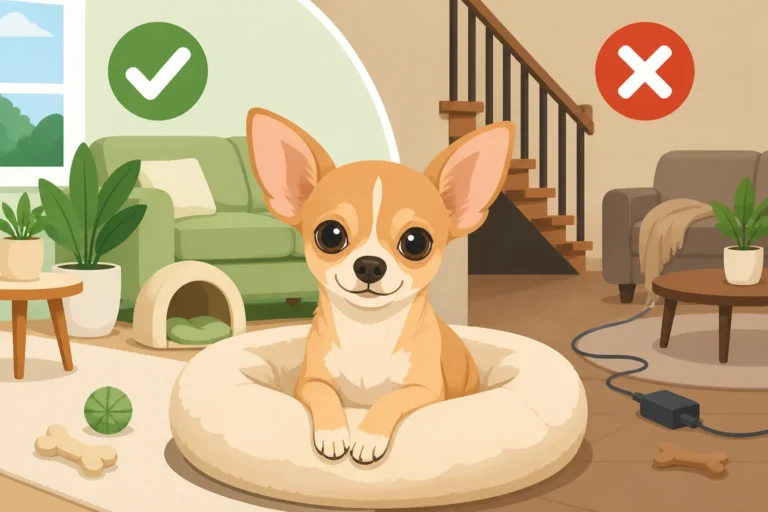
Due to their delicate build, Chihuahuas are more prone to injury from falls, jumps, or accidental roughhousing. A fall from a sofa or bed can result in a serious injury, like a broken leg. In a household with young children or large, boisterous dogs, this can be a constant concern. However, in a quiet, retired household, these risks are significantly reduced.
The slower pace of life means less chaotic movement and a greater awareness of where your small dog is at all times. Retirees are typically more conscious of safe handling, making sure to support their Chihuahua properly when picking them up or setting them down. Providing ramps or steps for access to furniture can virtually eliminate the risk of jump-related injuries. Ramps for a Chihuahua Bed and Sofa can be a lifesaver. This careful, gentle approach to living with a tiny dog is something that perfectly aligns with the sensibilities of many retired individuals, allowing both owner and dog to enjoy a safer, calmer environment.
Travel and Portability
Many retirees relish the opportunity to travel, whether it's visiting grandchildren, taking road trips, or seeing new places. The good news is that a Chihuahua can be an excellent travel companion, often making trips easier and more enjoyable. Their small size means they can typically fly in-cabin with you on an airplane, nestled comfortably under the seat in a soft-sided carrier. This eliminates the stress and worry of cargo travel.
For road trips, a Chihuahua can easily sit safely secured in a car seat or carrier, taking up minimal space. Their adaptability to different environments, as long as they are with their beloved human, means they can settle into new hotel rooms or temporary accommodations with relative ease. This portability allows for greater freedom and flexibility in travel plans, ensuring your furry friend can accompany you on many adventures, enhancing your retirement experiences rather than limiting them.
Here's a quick overview of why a Chihuahua fits so well into a quiet, retired household:
| Feature | Ideal for Retired Households | Less Ideal for Active, Bustling Households |
|---|---|---|
| Energy Needs | Low to moderate; enjoys short walks and indoor play. | May be overlooked or overwhelmed by high-energy activities. |
| Routine | Thrives on consistent schedules for meals, potty, and attention. | Can become anxious with unpredictable, chaotic routines. |
| Affection | Forms deep, singular bonds; loves constant companionship and lap time. | May struggle to connect deeply if constantly left alone or overlooked. |
| Size/Space | Perfect for apartments, condos, small homes; easily portable. | Delicate; easily injured in busy homes with large pets/children. |
| Grooming | Simple routines; enjoyable bonding time. | May be seen as another chore in a busy schedule. |
| Food Costs | Very low calorie needs; budget-friendly. | Minimal impact on budget, but small portions require attention. |
| House Training | Requires patience & consistency; time for frequent breaks. | Difficult to manage with long work hours or less flexible schedules. |
| Socialization | Can be gently and consistently introduced to new experiences. | Risks over-stimulation or under-socialization if not carefully managed. |
| Health Care | Time for vigilant daily care, vet visits, and managing age-related issues. | May be challenging to fit in extensive daily care/vet trips. |
| Cold Sensitivity | Owners often home to ensure warmth; enjoy providing clothes/blankets. | Can be an added stressor if owner is out frequently in cold weather. |
Chihuahuas bring a unique blend of devotion, portability, and manageable care requirements that align wonderfully with the lifestyle many people seek in their retirement years. They offer unwavering companionship, a constant source of affection, and just enough personality to keep life interesting, without demanding more than you're ready to give. Choosing a Chihuahua means welcoming a loving, pint-sized partner ready to share every quiet moment and gentle adventure your golden years have to offer.
Disclaimer
This article is for general informational purposes only and does not constitute professional advice. Laws, prices and regulations vary by location and change over time. Consult a qualified professional for guidance on your specific situation.