Whether a Runt Chihuahua Is Sold as Teacup
It's a heartbreaking reality for many aspiring Chihuahua owners: you see a tiny, adorable puppy advertised as a 'Teacup' and think you've found something special, but the truth behind that label can be far more complex and often tragic, especially if that puppy is actually a runt. This guide will help you understand the critical differences between naturally small Chihuahuas, vulnerable runts, and the often-misleading "Teacup" designation, ensuring you can make an informed decision for a healthy companion.
Understanding the "Teacup" Chihuahua Myth and the Runt Reality
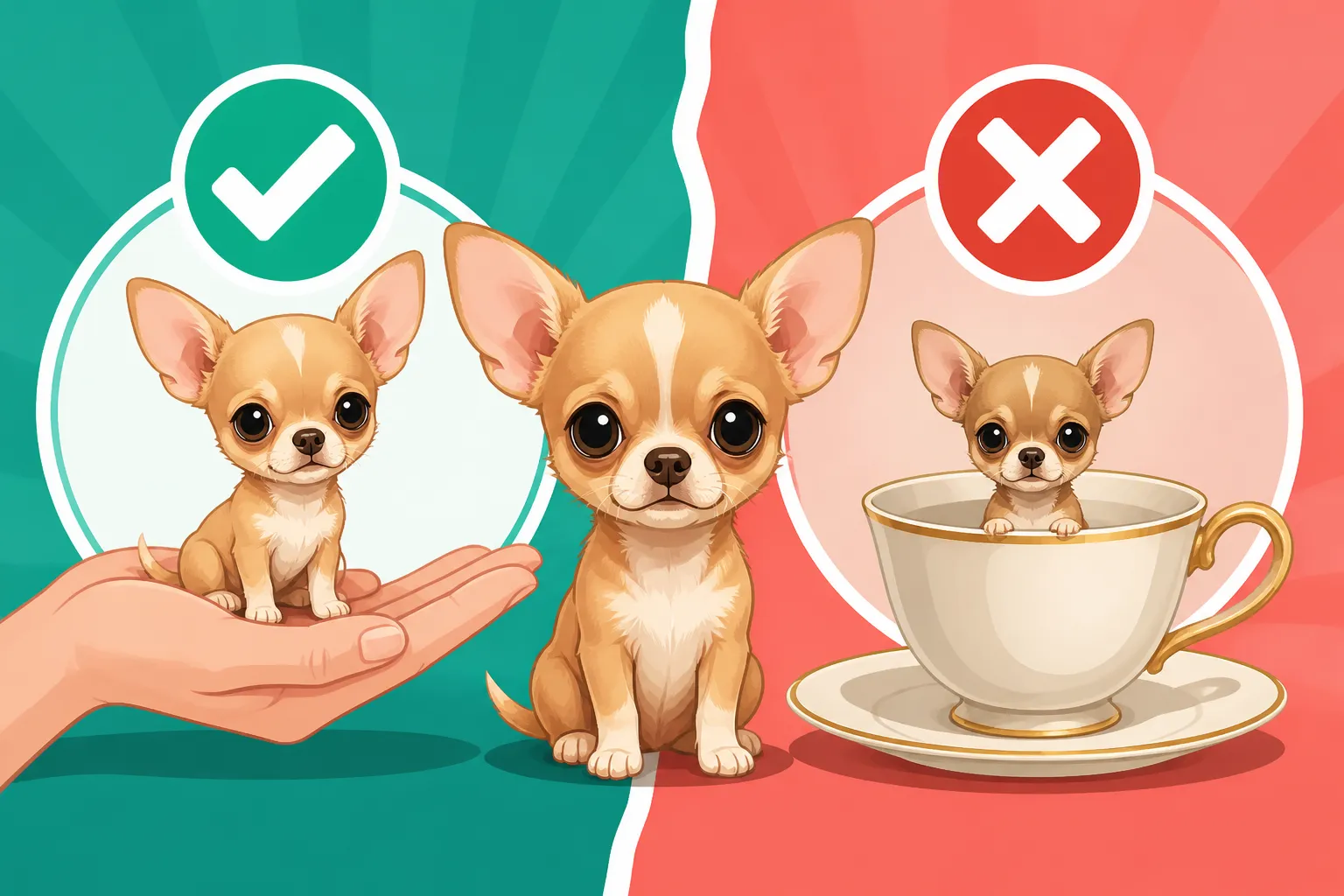
The term "Teacup Chihuahua" is probably one of the most persistent and misleading labels you'll encounter when looking for a tiny companion. It paints a picture of extreme daintiness, a dog so small it can fit into a teacup – an image that unfortunately often hides a much darker truth about breeding practices and puppy health. When you see a Chihuahua puppy advertised as "Teacup," it's crucial to understand that this isn't an officially recognized size category by any major kennel club, like the American Kennel Club (AKC), nor is it a separate breed. It's purely a marketing term, designed to fetch higher prices for exceptionally small dogs, regardless of how that size was achieved.
Often, what gets marketed as a "Teacup" is simply the smallest puppy from a litter, a runt, or a puppy bred from two undersized parents who may themselves be unhealthy. While some Chihuahuas are naturally on the smaller side of the breed standard – which itself already dictates a tiny dog, generally under six pounds – there's a world of difference between a healthy, small Chihuahua and a fragile, undersized runt. The former comes from generations of sound breeding, with parents who meet the breed standard for health and temperament. The latter is often a product of chance or, more concerningly, deliberate breeding for extreme smallness without regard for the severe health implications. Understanding this distinction is the first step in protecting yourself and welcoming a truly healthy dog into your home. You can read more about Why Teacup Chihuahua Is Not a Real Size for a deeper dive into this phenomenon.
The Chihuahua Breed Standard vs. "Teacup" Marketing
Let's talk about the actual breed standard for Chihuahuas. According to the AKC, a Chihuahua should not exceed six pounds in weight. That's it. There are no distinctions for "mini," "toy," or "teacup" within this standard. A Chihuahua can range from a little over two pounds up to six pounds, and still be considered perfectly within the breed's ideal. These dogs are already toy-sized, compact, and delicate. When someone insists on adding "Teacup" to the description, they are almost always trying to set their puppy apart as something rarer or more exclusive, justifying a premium price.
This marketing strategy preys on the desire for extreme cuteness and rarity, without educating buyers on the genetic lottery they might be buying into. A reputable breeder will always refer to their puppies by their registered breed name – Chihuahua – and describe their expected adult size within the accepted six-pound range. They'll emphasize health, temperament, and adherence to the breed standard, not a sensationalized, unofficial size designation. It's a key red flag if a breeder's primary selling point is the puppy's "teacup" status rather than its lineage, health clearances, or sound structure.
What is a Runt, and How Does it Relate?
A runt is simply the smallest, weakest, or least developed individual in a litter. While it's common for any litter of puppies to have some size variation, a true "runt" often struggles from birth. They might be unable to compete with their siblings for nursing, have a lower birth weight, or exhibit slower development. They often face an uphill battle for survival, needing extra care, supplemental feeding, and constant monitoring. In Chihuahua litters, which are typically small to begin with, a significant size disparity can be a real concern.
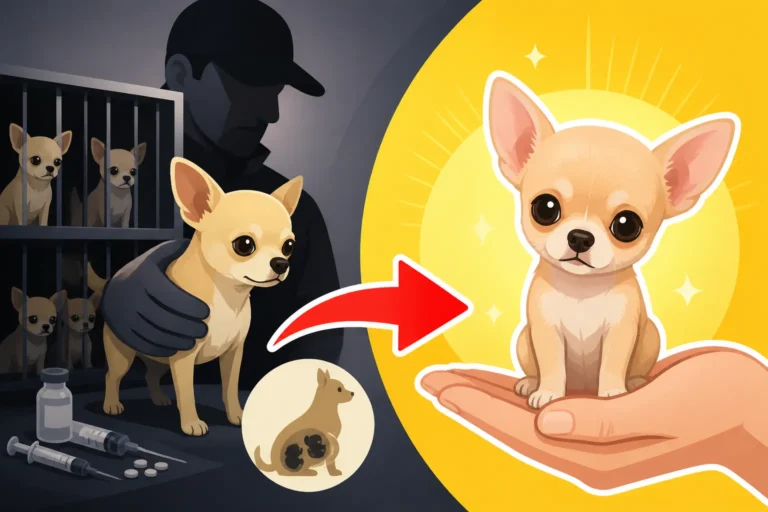
The connection to "Teacup" marketing is insidious: unscrupulous breeders or puppy mills will often take these naturally struggling runts, whose small size is due to developmental challenges or poor health, and deliberately market them as "Teacup" Chihuahuas. This allows them to capitalize on the puppy's extreme smallness, turning a vulnerability into a lucrative selling point. These puppies are often sold at a younger age than is healthy, sometimes before they are even fully weaned or stable, pushing the inherent health risks onto the unsuspecting new owner.
The Health Dangers of Undersized Chihuahuas and Runts
The fascination with exceptionally small Chihuahuas, particularly those marketed as "Teacups" or true runts, comes with a severe downside: a significantly higher risk of serious health problems. These aren't just minor inconveniences; they can be life-threatening and require extensive, costly veterinary care. The smaller a Chihuahua is, especially if it's below a healthy two to three pounds as an adult, the more fragile its entire system becomes.
Responsible breeding aims for robust, healthy dogs within the breed standard, recognizing that going to the extreme ends of smallness often means compromising vitality. When you consider a Chihuahua advertised as "Teacup," or notice a puppy that seems unusually tiny even for its age, it's vital to prioritize understanding these health risks. This is where researching reputable breeders and knowing what questions to ask becomes paramount. We also have an article on The Health Risk Behind a Two Pound Chihuahua that expands on these specific dangers.
Hypoglycemia: A Constant Threat
One of the most immediate and dangerous risks for undersized and runt Chihuahuas, especially as puppies, is hypoglycemia, or dangerously low blood sugar. Chihuahuas, with their tiny bodies, have very little fat reserves and a fast metabolism. This means they can burn through their energy stores incredibly quickly, leading to a sudden and drastic drop in blood glucose. For a healthy Chihuahua puppy, regular, small meals and warmth usually prevent this. But for a runt or an excessively tiny "Teacup," their systems are even less equipped to regulate blood sugar.
Signs of hypoglycemia can come on rapidly: trembling, weakness, disorientation, stumbling, and even seizures or collapse. It's a true emergency. Puppies who are runts, or those bred for extreme smallness, may not have the robust liver function or sufficient muscle mass to store glycogen effectively. This makes them incredibly susceptible to stress, cold, or even slightly delayed meals. Owners of such tiny dogs must be hyper-vigilant, often needing to feed small, frequent meals throughout the day and even in the middle of the night. Having emergency sugar like Karo syrup or a glucose gel on hand is non-negotiable, often recommended by reputable sources like Chewy articles on puppy care, because a sugar crash can escalate to a life-threatening crisis in minutes. You can learn more about Chihuahua Hypoglycemia and the Puppy Emergency.
Fragile Bones and Organs
An extremely tiny Chihuahua often has bones that are not just small, but also more fragile and susceptible to injury. A simple jump off a sofa, a fall, or even rough handling can lead to broken bones that would typically only bruise a slightly larger dog. Their skulls, too, can be more delicate, sometimes retaining an open fontanelle (molera) into adulthood, which is a soft spot on the head where the skull bones haven't fully fused. While a molera is common in Chihuahuas, an unusually large or slow-closing one in an undersized dog can increase the risk of head injury.
Beyond bones, their internal organs can also be compromised. Their hearts, lungs, and kidneys may not have developed as robustly as in a standard-sized Chihuahua, leading to higher risks of congenital defects or premature organ failure. Respiratory issues, like a collapsing trachea, can be exacerbated in a dog with a weaker, more delicate throat structure, making every cough or gasp a serious concern. These dogs often struggle to maintain a stable body temperature, making them prone to hypothermia in even mildly cool environments. All these factors contribute to a pet that requires constant vigilance and specialized care, often far beyond what a new owner anticipates.
Genetic Predispositions and Breeding Practices
When breeders prioritize extreme smallness above all else, they often inadvertently (or knowingly) perpetuate genetic predispositions to illness. Breeding two very small Chihuahuas together, especially if those dogs were runts themselves or have underlying health issues, can concentrate undesirable genes in their offspring. This isn't just about size; it can mean a higher incidence of Patellar Luxation, the Chihuahua's Commonest Joint Problem, heart conditions like mitral valve disease, or even neurological issues like hydrocephalus.
Responsible breeders understand that genetic health testing is paramount. They screen parent dogs for common breed-specific ailments to minimize the risk of passing them on. When a breeder is focused solely on producing the smallest possible "Teacup" Chihuahua, these crucial health screenings are often overlooked. They might be breeding from dogs with poor conformation or inherited conditions just because they are tiny, creating a cycle of increasingly unhealthy generations. This lack of due diligence results in puppies with built-in health challenges that will manifest throughout their lives, leading to a lifetime of vet visits, medication, and heartache for their owners.
Identifying Reputable Breeders and Avoiding Pitfalls
The allure of a tiny "Teacup" Chihuahua can be incredibly strong, but arming yourself with knowledge is your best defense against inadvertently supporting unethical breeding practices and bringing home a puppy destined for a lifetime of health struggles. A reputable Chihuahua breeder prioritizes the health, temperament, and longevity of their dogs, adhering to the breed standard and carefully selecting breeding pairs. They are transparent, eager to educate, and focused on finding the right homes for their puppies.
Conversely, there are warning signs that should make you pause, particularly when "Teacup" or excessively small Chihuahuas are involved. These red flags often point towards puppy mills, backyard breeders, or individuals more interested in profit than the welfare of their animals. It's not about being suspicious, but about being discerning and advocating for the health of your future companion. Understanding Questions Worth Asking a Chihuahua Breeder will be an invaluable tool in this process.
What a Responsible Breeder Offers
When you find a truly responsible Chihuahua breeder, their approach to "size" will be vastly different from someone selling "Teacups." They will emphasize that their puppies are Chihuahuas, and their adult weight will fall within the AKC standard of generally under six pounds. They won't promise you an exact adult weight down to the ounce, because puppies, like human babies, grow at their own pace and genetic destiny. Instead, they'll give you an estimated adult weight range based on the size of the parents and previous litters, explaining that nature has its own plans.
Here's what else a good breeder will provide:
- Health Clearances: They will openly share health testing results for the parent dogs, not just anecdotal "they're healthy." This includes patella certifications (OFA or similar) and cardiac clearances. They understand that Chihuahua Dental Disease in a Crowded Small Jaw is common and will still screen parents for overall genetic soundness.
- Transparency and Education: They will welcome your questions, invite you to meet the puppy's parents (at least the mother), and show you where the puppies are raised. They'll ask you many questions about your lifestyle to ensure a good match.
- Appropriate Age for Placement: Puppies are typically not ready for new homes before 10-12 weeks of age. This allows them crucial time with their mother and littermates for socialization and to build their immune system and blood sugar regulation. A breeder pushing a tiny puppy out at 6-8 weeks is a massive red flag, especially given the risk of Chihuahua Hypoglycemia in the First Twelve Weeks.
- Vaccination and Worming Records: Comprehensive, verifiable vet records will be provided, detailing initial vaccinations, worming schedules, and any vet checks the puppy has had.
- Support After Purchase: A good breeder will offer lifetime support and be available to answer questions as your puppy grows. They often have a clause in their contract requiring the puppy to be returned to them if you can no longer care for it, showing their commitment to their dogs throughout their lives.
- Written Contract: A detailed contract outlining health guarantees, spay/neuter agreements (if applicable), and responsibilities of both parties.
Warning Signs of Irresponsible Breeding
Conversely, there are clear indicators that you might be dealing with a breeder who is prioritizing profit over puppy welfare, often using the "Teacup" label as bait. These are the situations where runts are most likely to be misrepresented and sold as something they are not.
Look out for these red flags:
- "Teacup" or "Micro" Labels: Any breeder heavily marketing puppies with these unofficial terms, especially without explaining the breed standard, should raise suspicion. They are often selling exaggerated smallness as a feature, not a breed characteristic.
- No Health Clearances: If a breeder claims their dogs are healthy but can't provide official documentation of health testing for the parents (patella, heart, eyes), walk away. "Vet checked" for a puppy is not the same as genetic screening for parents.
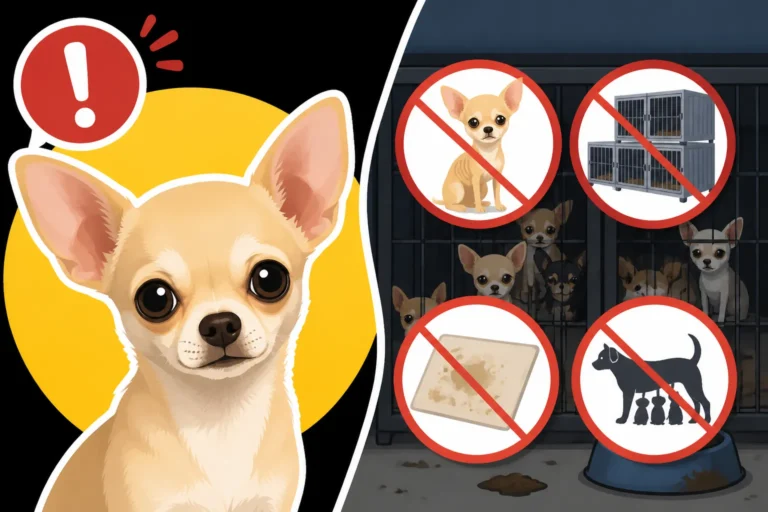
- Multiple Breeds or Puppies Available Year-Round: This is a hallmark of a puppy mill or large-scale commercial operation. Responsible breeders typically focus on one or two breeds and have limited litters.
- Inability to See Parents or Living Conditions: If you can't meet the puppy's mother or see where the puppies are raised, it's a huge warning sign. Often, puppies from mills are kept in unsanitary conditions and mothers are overbred.
- Pushing for Quick Sale/Cash Only: Breeders who pressure you to buy immediately, refuse to answer questions thoroughly, or insist on cash-only transactions are often trying to avoid scrutiny and traceability.
- Shipping Puppies Without Question: Reputable breeders want to meet prospective owners and often have strict policies about flying puppies, especially tiny Chihuahuas, due to their fragility and susceptibility to stress and temperature changes. If they offer to ship a tiny "Teacup" without much inquiry, be wary.
- Puppies Sold Too Young: As mentioned, selling puppies under 10-12 weeks, especially very small ones, is highly irresponsible and dangerous for the puppy's long-term health and development.
- Poorly Socialized Puppies: Puppies that appear fearful, withdrawn, or overly hyper in an unhealthy way often indicate they haven't been properly socialized or raised in a stimulating environment. This is especially critical for Chihuahuas, who can be prone to Chihuahua Fear Reactivity, the Breed's Real Problem if not well-socialized.
By being diligent and informed, you can avoid the heartbreak and expense that often comes with an unethically bred "Teacup" Chihuahua and instead find a healthy, happy companion that brings joy for years to come. Remember to check out reputable online resources and stores like Chewy for all your new puppy's needs once you've found your healthy companion.
Caring for a Tiny Chihuahua Puppy Safely
Bringing home any Chihuahua puppy is an exciting time, but if you do end up with a very small puppy – whether intentionally or because your chosen dog happens to be on the lower end of the breed standard – it requires an elevated level of vigilance and specialized care. These tiny bundles are incredibly delicate, and their small stature amplifies many common puppy challenges. It's not about treating them like a fragile doll, but rather understanding their unique physiological needs to ensure they grow into strong, healthy adults.
You're essentially becoming a round-the-clock caretaker for a miniature being who relies entirely on you for survival. This means everything from their diet and environment to their interactions needs careful consideration. If you've ever thought about how much attention a newborn baby needs, a tiny Chihuahua puppy isn't far off! The goal is always to minimize stress, maintain stable body functions, and protect them from accidental harm.
Specialized Feeding Schedules and Environment
For very small Chihuahua puppies, particularly those around or under two pounds, maintaining stable blood sugar is a constant battle. This often means implementing a feeding schedule that goes beyond the typical three meals a day for a larger puppy. Many tiny Chihuahuas might need four, five, or even six small meals spaced throughout the day, and sometimes even a late-night snack right before bed to carry them through until morning. They simply don't have the metabolic reserves to go long periods without food. Discussing a precise feeding plan with your veterinarian is crucial. When purchasing food, look for high-quality kibble specifically formulated for small breed puppies, available from trusted retailers like Chewy, ensuring the kibble size is appropriate for their tiny mouths.
Beyond food, their environment needs to be warm and secure. Chihuahuas are notorious for shivering, and very small puppies lack the body fat and mass to regulate their temperature effectively. Keep your home comfortably warm, and provide cozy, burrow-friendly beds or blankets. A heating pad set on low (with safety auto-shutoff) under half their sleeping area can be a lifesaver, allowing them to move on or off it as needed. Drafts are their enemy, so consider where their bed is placed. Additionally, prevent unsupervised access to high furniture like sofas or beds, as a fall from even a small height can be devastating for fragile bones. Ramps or steps can be invaluable to give them safe access to cherished spots. You can also explore Low Body Temperature in a Chihuahua Puppy for more tips on keeping them warm.
Protecting from Injury and Overwhelm
A tiny Chihuahua puppy is not just susceptible to internal health issues; they are also at high risk of accidental injury. Their diminutive size makes them vulnerable to being stepped on, dropped, or injured by larger pets or even enthusiastic children. It's not about being overprotective, but being realistic about the physical dangers in a typical household. Supervised interactions are paramount. If you have other pets, especially larger dogs, introductions must be carefully managed and supervised, and the puppy should always have a safe, private space they can retreat to.
Carrying a tiny puppy can be risky if not done correctly and consistently. Always use two hands, supporting their chest and hindquarters, and avoid allowing young children to carry them unsupervised. Leash training should always involve a well-fitting harness, never a collar, to protect their delicate neck and trachea. For excursions outside the home, a secure carrier is often safer than walking on a leash, especially in crowded areas where they could easily be overlooked or startled. Socialization is still important, but it should be done carefully, in controlled environments, ensuring the puppy isn't overwhelmed or put in a situation where they might be injured by a larger, less considerate dog.
Regular Vet Care and Emergency Preparedness
Regular veterinary check-ups are essential for any puppy, but even more so for a tiny Chihuahua. Your vet can monitor their growth, check for developmental issues, and help you establish a proper health management plan. They can advise on the best feeding schedule, discuss any concerns about hypoglycemia, and help you understand the signs of potential problems like Hydrocephalus Signs in a Chihuahua Puppy or other congenital issues.
Beyond routine care, it's vital to be prepared for emergencies. As discussed, hypoglycemia can strike quickly. Always have an emergency sugar source (like glucose gel or light Karo syrup) readily available at home and even when traveling. Know the location and contact information for your nearest 24-hour emergency veterinary clinic. Because of their small size, a tiny Chihuahua can dehydrate or become critically ill much faster than a larger dog, so prompt veterinary attention is always crucial if something seems amiss. Being prepared can make all the difference in a crisis situation.
Conclusion: Prioritizing Health Over Hype
The allure of an impossibly small "Teacup" Chihuahua is undeniable, but it's essential to remember that this term is a marketing tool, not a recognized size or breed. The drive for extreme smallness often comes at a significant cost to the animal's health and well-being, frequently resulting in fragile runts with a lifetime of medical challenges. Responsible Chihuahua ownership begins with informed choices and a commitment to prioritizing health over hype.
By seeking out reputable breeders who adhere to breed standards, provide transparent health clearances, and focus on temperament and longevity, you dramatically increase your chances of bringing home a truly healthy and happy Chihuahua. Remember, a Chihuahua, even one within the recognized small size range, is already a wonderfully tiny and charming companion. Let's celebrate their natural, robust smallness, and reject breeding practices that endanger these precious dogs for the sake of a trend.
Disclaimer
This article is for general informational purposes only and does not constitute professional advice. Laws, prices and regulations vary by location and change over time. Consult a qualified professional for guidance on your specific situation.