The Six Pound Limit in the Chihuahua Standard
It’s a common moment for Chihuahua owners: you’re at the vet, or perhaps chatting with another dog lover, and the conversation turns to breed standards. Suddenly, someone mentions the "six-pound limit," and you might find yourself wondering what that really means for your perfectly healthy, happy Chihuahua who tips the scales a bit higher. Or maybe you're thinking of getting a Chihuahua and are trying to decipher the sometimes confusing world of breed definitions. This guide is here to unravel the mystery of the Chihuahua breed standard, particularly focusing on that often-discussed six-pound weight limit, and what it truly signifies for your furry companion's health and well-being. We'll explore why this standard exists, its implications, and how to navigate the information to ensure your Chihuahua thrives, regardless of whether they fit the exact show ring specifications.
Understanding the Chihuahua Breed Standard
When you hear about a "breed standard," it's easy to picture a rigid set of rules that only applies to show dogs. But in reality, it's so much more than that. It's a blueprint, a description of the ideal specimen of a breed, developed by parent clubs to preserve the breed's distinct characteristics, temperament, and health. For Chihuahuas, this means a detailed outline covering everything from head shape to tail set, and yes, even weight.
What is a Breed Standard, Anyway?
Think of a breed standard as the official job description for a dog breed. It's a written document, carefully crafted by the breed's national parent club – for Chihuahuas in the United States, that's the Chihuahua Club of America – and then approved by organizations like the American Kennel Club (AKC). This description details the characteristics that make a Chihuahua a Chihuahua: their physical appearance, their movement, and even their temperament. It’s about more than just looks; it's about defining the essence of the breed, ensuring that future generations maintain these specific traits that have been cherished for centuries. The standard helps guide breeders in making informed decisions about which dogs to breed, aiming to produce offspring that embody the best qualities of the breed. It's a way to maintain predictability and consistency within the breed line, so when someone says "Chihuahua," there's a shared understanding of what that dog should be like, right down to their spirited personality.
The American Kennel Club's Role in Chihuahua Standards
The AKC doesn't create breed standards, but they are the governing body that approves and maintains them for all recognized breeds in the United States. This means they uphold the standards set by the breed's parent club, ensuring that these guidelines are followed in conformation shows, where dogs are judged on how well they adhere to their breed's ideal description. For the Chihuahua, the AKC's endorsement of the standard lends it official weight and widespread recognition. It’s this stamp of approval that makes the six-pound limit, and other specific traits like the "apple head" skull, widely known and discussed among breeders, judges, and enthusiasts alike. The AKC's role is crucial in ensuring that breed integrity is maintained, and it provides a framework for evaluating Chihuahuas, whether for competition or simply understanding what makes a well-bred example of the breed. You can often find the full, detailed standard on their website, offering a fascinating deep dive into the historical and desired traits of the breed.
Why Standards Exist Beyond the Show Ring
While breed standards are certainly the rulebook for the show ring, their purpose extends far beyond trophies and ribbons. Primarily, they serve as a guide for responsible breeding. A good standard helps breeders select dogs that will produce healthy, typy offspring with good temperaments, minimizing the risk of passing on undesirable traits or health problems that might arise from extreme deviations. It helps preserve the unique heritage of a breed, ensuring that the characteristics developed over generations, sometimes centuries, continue. For the Chihuahua, tracing their lineage back through The Chihuahua From Techichi to American Lapdog, the standard acts as a living document of their history. Furthermore, for prospective owners, understanding the standard provides valuable insight into what to expect from a well-bred Chihuahua. It can help you distinguish between a responsibly bred puppy and one from a less scrupulous source, where health and temperament might be secondary to quick sales. It also gives owners a deeper appreciation for the unique traits that define their beloved pet, even if Fido prefers the sofa to the show ring.
The Six-Pound Weight Limit: What It Actually Means
This is perhaps the most talked-about aspect of the Chihuahua breed standard, and it's frequently misunderstood. Many owners worry if their Chihuahua exceeds this weight, or breeders push for tiny puppies, sometimes at the expense of health. Let’s clear up what the standard actually dictates about weight and its real-world implications.
The 'Not Exceeding' Clause
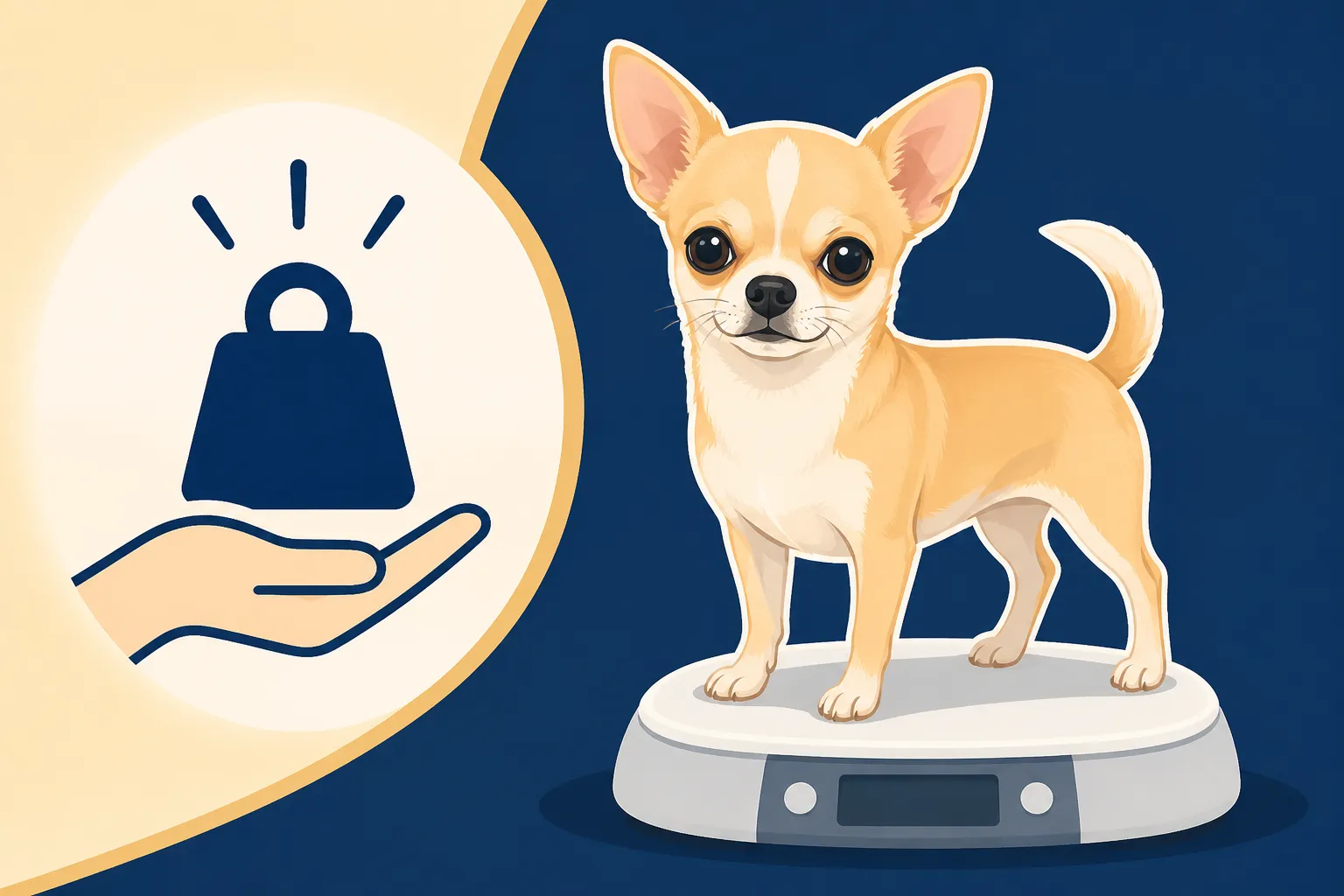
The Chihuahua breed standard, as set by the American Kennel Club, famously states that "any dog over 6 pounds in weight is disqualified." This "not exceeding" clause is very specific. It means that for a Chihuahua to compete in conformation shows and earn championship points, it absolutely cannot weigh more than six pounds. This isn't a recommendation for optimum health or a suggestion for pet Chihuahuas; it is a hard and fast rule for the show ring. A dog weighing 6 pounds and 1 ounce cannot be shown. It's a benchmark for judges, designed to ensure that the dogs being evaluated fit the breed's intended small, compact form. This emphasis on small size is a historical characteristic of the breed, reflecting their ancient origins where small stature was a defining trait. It’s not meant to imply that a Chihuahua over six pounds is somehow "unhealthy" or "not a real Chihuahua" in the pet sense, but simply that it falls outside the criteria for the ideal show specimen.
Weight as a Factor in the Show Ring
In the world of dog shows, every detail matters, and weight is a definitive one for the Chihuahua. When a Chihuahua enters the show ring, its weight is taken seriously. Judges will often have scales on hand, or they will certainly be trained to gauge weight accurately by hand. A dog that is otherwise magnificent but weighs over six pounds will be disqualified, no matter how perfect its The Rounded Skull of an Apple Head Chihuahua or its gait. This strict rule serves to maintain the uniformity of the breed's size within the show community. Breeders who aim for show quality specifically select for lines that consistently produce dogs within this weight range, alongside other critical features like structure, movement, and temperament. It shapes breeding programs and the perception of the "ideal" Chihuahua for many. However, it’s important to remember that this is a highly specialized context. The vast majority of Chihuahuas in loving homes are cherished companions, and their weight—as long as it's healthy—is not dictated by this show ring rule.
Misconceptions About the Six-Pound Limit
The six-pound weight limit often leads to a lot of confusion and even some harmful practices. One of the biggest misconceptions is that all Chihuahuas should weigh six pounds or less. This isn't true for many reasons. Firstly, the standard specifies "not exceeding," implying that under six pounds is acceptable for the show ring. Secondly, and more importantly for pet owners, many healthy Chihuahuas naturally weigh between 7 and 10 pounds. These dogs are perfectly within a healthy weight range for their frame and build, yet they would be disqualified from the show ring. Another harmful misconception is the idea of a "teacup Chihuahua," a term that often capitalizes on the desire for extremely tiny dogs. As we'll discuss later, Why Teacup Chihuahua Is Not a Real Size, these are often dogs bred for extreme smallness, frequently leading to significant health issues. A Chihuahua's ideal healthy weight should be determined by its body condition, not a number on a scale derived from show standards. A veterinarian can assess if your dog is at a healthy weight, regardless of whether it’s above or below the six-pound show limit.
Health Implications of the Standard's Weight Guide
While the six-pound limit is a show-ring standard, it indirectly highlights a crucial aspect of Chihuahua health: their size makes them uniquely susceptible to certain issues when they are either too small or become overweight. Understanding these health implications is far more important than adhering strictly to a show weight.
The Dangers of Undersized Chihuahuas
On the flip side of the ideal six-pound range, there’s a real danger in dogs bred to be extremely small, often marketed as "teacups." These tiny Chihuahuas, sometimes weighing as little as two or three pounds, often face a multitude of serious health challenges. Their delicate bones are incredibly fragile, making them prone to fractures from even a small jump or fall. They are at a much higher risk for Chihuahua Hypoglycemia and the Puppy Emergency, a dangerous drop in blood sugar, because their tiny bodies have less fat and muscle reserves. This can lead to lethargy, seizures, and even death if not managed carefully. These dogs often have underdeveloped organs, weaker immune systems, and a harder time regulating their body temperature, making them perpetually susceptible to illness. The Health Risk Behind a Two Pound Chihuahua extends to issues like open fontanelles (soft spots on the skull that never fully close), heart defects, and respiratory problems. Responsible breeders prioritize robust health and sturdy construction over extreme smallness, understanding that a slightly larger but healthy Chihuahua is a far better outcome.
Overweight Chihuahuas and Their Risks
While being too small has its dangers, allowing a Chihuahua to become overweight, even by a small amount, can also have serious health consequences. Given their diminutive size, even half a pound of extra weight on a six-pound Chihuahua is like a person carrying an extra ten or twenty pounds—it's a significant burden. Chihuahua Obesity on a Six Pound Frame puts undue stress on their delicate joints, especially their knees, increasing the risk or worsening conditions like Patellar Luxation, the Chihuahua's Commonest Joint Problem. It can also exacerbate respiratory issues like Collapsing Trachea and the Chihuahua Honking Cough, making it harder for them to breathe. Overweight Chihuahuas are more prone to developing diabetes, heart disease, and liver problems, all of which can significantly shorten their already long lifespan. Plus, the extra fat can make anesthesia riskier during necessary dental procedures, which Chihuahuas need frequently. Maintaining a lean body condition is paramount for a Chihuahua's long-term health and mobility, and this often means meticulously measuring their food and treats. Quality food and appropriate portions, easily found on platforms like Chewy, are key.
Balancing the Standard with Real-World Health
For the average Chihuahua owner, the breed standard's six-pound limit should be viewed as a guideline for show dogs, not a strict health imperative for your pet. The goal should always be to maintain your Chihuahua at a healthy, lean body weight that suits their individual frame and build, rather than trying to force them into an arbitrary number. A veterinarian can help you determine your dog's ideal weight and body condition score, which is a much more accurate measure of health than a static number. For instance, a Chihuahua with a slightly larger bone structure might be perfectly healthy at seven or eight pounds, while a very fine-boned Chihuahua might thrive at five pounds. The key is to see their ribs easily but not protruding, feel a defined waist, and ensure they have good muscle tone. Regular check-ups, appropriate Daily Calories for a Three to Seven Pound Chihuahua, and consistent, gentle exercise are far more beneficial than stressing over a show-ring specific weight. Prioritize vitality and comfort over conformity to a number.
Beyond Weight: Other Key Chihuahua Standard Features
While the weight limit often steals the spotlight, the Chihuahua breed standard delves into many other fascinating physical characteristics that define this unique breed. These traits contribute to their iconic look and distinct presence, reinforcing what makes a Chihuahua instantly recognizable.
The Rounded Skull of an Apple Head Chihuahua
One of the most defining and admired features in the Chihuahua breed standard is the "apple head." This refers to the distinctively rounded, dome-shaped skull that gives the breed its characteristic silhouette. The standard calls for a "well-rounded 'apple' dome" to the skull. This isn't just a preference; it’s a specific anatomical structure that sets the apple head apart from the flatter, more elongated skull of a "deer head" Chihuahua, which, while common, is not favored in the show ring. The apple head is often accompanied by large, round, expressive eyes that are set rather far apart, giving the Chihuahua an alert and intelligent gaze. This particular head shape is so integral to the breed's identity that Apple Head Against Deer Head Chihuahuas is a topic of constant discussion among enthusiasts. It’s part of the historical blueprint of the breed and contributes to the overall compact and dainty appearance that judges look for in the show ring.
Ear Set, Eye Shape, and Expression
Beyond the apple head, the standard meticulously describes other facial features that contribute to the Chihuahua's unique expression. The ears are a crucial element: they should be large, erect, and widely set, giving the dog an alert, almost bat-like appearance. When the dog is at rest, the ears might naturally flare slightly to the sides, but in attention, they should stand straight up. The eyes are described as full, round, and dark, though lighter eyes are permitted in lighter-colored dogs. They should not be protruding, which is an important health consideration for a breed known for Chihuahua Eye Problems in a Shallow Socket. The overall expression is typically described as "saucy" or "full of personality," reflecting their bold and confident Chihuahua Temperament and What the Standard Asks For. These features combine to create the quintessential Chihuahua look that melts hearts and stands out in a crowd. It's a combination of dainty refinement and spirited alertness that defines their presence.
Tail Carriage and Movement
The breed standard also pays close attention to how a Chihuahua carries itself, from its tail to its gait. The tail is often described as a "sickle" or "semicircle" tail, meaning it should be carried up and over the back, with the tip just touching the back or loins. A tail that is tucked between the legs or curled tightly over the back is generally considered a fault. This high, proud tail carriage adds to the Chihuahua's confident and self-important demeanor. As for movement, the standard looks for a brisk, forceful, and free-swinging gait. The dog should move with good reach in the front and strong drive from the rear, giving the impression of effortless motion. There shouldn't be any choppiness or stiffness, which can sometimes be indicative of underlying structural or health issues like Patellar Luxation, the Chihuahua's Commonest Joint Problem. Every element, from the way they hold their head to the way their paws meet the ground, contributes to the overall picture of the ideal Chihuahua as envisioned by the breed standard.
The Impact on Chihuahua Breeding and Ownership
The breed standard, particularly the weight limit, significantly influences how Chihuahuas are bred and impacts the experiences of everyday owners. It shapes everything from the initial selection of breeding pairs to the perceived value and even the daily care of pet Chihuahuas.
Responsible Breeding Practices and the Standard
For dedicated and ethical breeders, the breed standard serves as a guiding star. They meticulously select breeding stock not just for health clearances—like those for patellar luxation, heart conditions, and eye problems—but also for how closely they conform to the physical characteristics outlined in the standard. This means looking for the correct apple head, ear set, body proportions, and, of course, dogs that are likely to produce offspring within the six-pound weight limit. These breeders invest heavily in health testing, genetic screening, and careful pedigree analysis to ensure they're producing sound, healthy puppies that embody the best of the breed. This is why Chihuahua Patella Certification Before Breeding and other health screenings are paramount. They prioritize the long-term health and temperament of their puppies over simply producing the smallest dogs. When looking for a puppy, asking a breeder about their adherence to the standard and their health testing protocols is crucial; Questions Worth Asking a Chihuahua Breeder should always include inquiries about their breeding philosophy regarding size and health.
How the Standard Influences Puppy Prices
The perceived value of a Chihuahua puppy can often be directly linked to how closely it's expected to conform to the breed standard, including the six-pound weight limit. Puppies from champion lines, or those that have parents consistently producing dogs within the show standard, often command higher prices. This is because significant time, effort, and financial investment go into breeding such dogs, including health testing, show entries, and extensive care. Breeders who aim for the show ring are not just selling a pet; they are selling the potential for a show champion, or at least a highly typey representative of the breed. On the other hand, puppies that are expected to exceed the six-pound limit, or those with slight variations from other standard traits, might be priced lower, even if they are perfectly healthy and wonderful companions. Understanding What You Pay for a Chihuahua and What Sets It involves recognizing the role the breed standard plays in pricing structures, distinguishing between a pet-quality dog and one intended for competitive exhibition. It's important to remember that a higher price doesn't automatically guarantee health, but it often reflects the breeder's dedication to meeting breed ideals.
The Everyday Life of a Non-Standard Chihuahua
The reality for most Chihuahuas, especially those not destined for the show ring, is that they might not perfectly fit every aspect of the breed standard, and that's absolutely fine! A Chihuahua that weighs eight pounds, has a slightly flatter "deer head," or ears that don't quite stand as erect as the standard dictates can still be a vibrant, loving, and healthy family member. For these dogs, their daily lives are enriched by their owners' love and care, not by how they measure up against a judge's checklist. Owners of non-standard Chihuahuas often discover that their dogs are just as intelligent, trainable, and affectionate as any show-quality dog. What truly matters is providing a stimulating environment, consistent training—because Why a Chihuahua Deserves Real Obedience Training is true for all sizes—and proper veterinary care. A Chihuahua's happiness and well-being are far more dependent on good nutrition, exercise, socialization, and a secure home than on conforming to a specific weight or head shape.
Navigating the Realities: Your Chihuahua's Health and Happiness
For the vast majority of Chihuahua owners, focusing on the breed standard's specific weight limit is far less important than ensuring their dog's overall health and happiness. It’s about understanding their unique needs and providing the best possible care, regardless of whether they’d win a ribbon in the show ring.
Prioritizing Health Over "Show Ring" Aesthetics
While the breed standard describes an ideal, a dog's health should always take precedence over aesthetic conformity. This means making choices that support longevity and quality of life, even if it means your Chihuahua won't perfectly fit the "six-pound limit." For example, some Chihuahuas with a slightly sturdier build might naturally weigh 7-8 pounds and be perfectly lean and healthy at that weight, while trying to force them to be 5.5 pounds could lead to malnourishment or an unhealthy body condition. Responsible pet ownership involves regular veterinary check-ups, ensuring a balanced diet, and recognizing that health is a spectrum, not a single target weight. Don't let the pressure of an arbitrary number overshadow common sense and veterinary advice. Your vet is your best resource for determining a healthy weight range and body condition for your individual Chihuahua, taking into account their unique genetics and lifestyle.
Diet and Exercise for a Healthy Chihuahua
Maintaining a healthy weight and overall well-being for your Chihuahua comes down to two key factors: diet and exercise. Chihuahuas have small stomachs and high metabolisms, but they also require careful portion control to prevent obesity. Their daily calorie needs are surprisingly low, typically ranging from 40-50 calories per pound of body weight, but this can vary depending on age, activity level, and spay/neuter status. This is why paying close attention to Daily Calories for a Three to Seven Pound Chihuahua is so crucial. Using a kitchen scale to measure food accurately, rather than just a scoop, can make a huge difference. High-quality dog food, like options available from Chewy, should be fed in small, regular meals to help prevent blood sugar drops.
Exercise, though it might not seem like much for such a tiny dog, is equally important. Even a short 20-30 minute walk or indoor play session can help keep their muscles toned, their minds engaged, and their weight in check. For more tips on keeping them active, look into Chihuahua Exercise Needs Every Day. Remember, stairs and jumping can put strain on their delicate joints, so consider ramps for furniture if your Chihuahua is prone to leaping. Consistency in both diet and exercise is the secret to a long, healthy life for your pint-sized companion.
Finding a Vet Who Understands Toy Breeds
It's absolutely vital to have a veterinarian who truly understands the unique physiological and behavioral quirks of toy breeds like the Chihuahua. Not all vets have extensive experience with dogs weighing under ten pounds, and this can lead to different approaches to anesthesia, medication dosages, and even diagnostics. For instance, tiny Chihuahuas are much more susceptible to hypothermia during surgery, requiring extra warming protocols, and their reactions to certain medications can be more pronounced.
A vet experienced with Chihuahuas will be adept at recognizing subtle signs of common breed-specific issues like Chihuahua Hypoglycemia Signs in a Young Puppy or the early stages of Chihuahua Dental Disease in a Crowded Small Jaw. They'll know to pay close attention to the patellas during exams and be mindful of their delicate tracheas. Don't hesitate to ask prospective vets about their experience with small breeds, their protocols for anesthesia in tiny dogs, and their general philosophy on toy dog care. A good vet will be a partner in keeping your Chihuahua happy and healthy for their many years, even into their senior life, which can stretch well past The Age a Chihuahua Counts as Senior.
Debunking the "Teacup" Myth
The term "teacup Chihuahua" is a common one, often used in online ads and casual conversation, but it's important to understand that it's a marketing term, not a recognized size or breed. This distinction is crucial for understanding the health and ethical implications of seeking out such tiny dogs.
Where the Word Teacup Actually Came From
The term "teacup" as applied to dogs really began as a marketing ploy, gaining traction when breeders and sellers wanted to emphasize the extreme smallness of certain puppies. It painted a picture of a dog so tiny it could literally fit into a teacup – a compelling, almost irresistible image for many prospective owners. This trend wasn't exclusive to Chihuahuas; you'd see "teacup" poodles, yorkies, and other small breeds touted similarly. It preyed on the desire for something unique, undeniably cute, and manageable in small living spaces. However, the term itself is utterly unregulated. There's no specific weight limit, no breed standard, and no official designation behind it. It's purely descriptive, and unfortunately, it often hints at puppies that are either natural runts, bred from undersized parents who may have underlying health issues, or are simply malnourished to keep them small. It's a buzzword designed to sell, not to describe a healthy or officially recognized category of dog.
Why No Registry Recognizes a Teacup Chihuahua
This might come as a surprise to some, but no major kennel club or reputable breed registry in the world recognizes "teacup" as an official size or variety of Chihuahua. The American Kennel Club (AKC), the Canadian Kennel Club (CKC), The Kennel Club (UK), and others strictly adhere to their established breed standards, which, as we've discussed, define the Chihuahua as a single breed with a weight limit of "not exceeding 6 pounds" for show purposes. They do not have a separate category for "teacup." The simple reason is that extreme smallness, especially when pursued beyond the healthy limits of the breed standard, is often associated with significant health problems rather than desirable traits. Reputable registries prioritize health, temperament, and adherence to historical breed type. Introducing a "teacup" classification would endorse the breeding of dogs for dangerous extremes of size, which goes against the core principles of preserving breed integrity and well-being. This is why you will never find a purebred Chihuahua registered as a "teacup" with these organizations.
The Health Risks of Artificially Small Chihuahuas
The pursuit of "teacup" Chihuahuas, bred to be unnaturally tiny, comes with a host of severe health risks that far outweigh any perceived cuteness. These miniature dogs are often the product of irresponsible breeding practices, where genetic health is sacrificed for extreme smallness. As mentioned before, they are highly susceptible to Chihuahua Hypoglycemia and the Puppy Emergency due to their inability to store sufficient fat and glycogen. Their bones are incredibly fragile, making them prone to fractures from minor falls or even being stepped on. They may have open fontanelles, or soft spots on their skulls, that never close, leaving their brains vulnerable. Organ systems can be underdeveloped, leading to heart defects, respiratory issues, and liver shunts. Furthermore, their tiny bladders can make house training a nightmare, and their immune systems are often compromised, making them susceptible to illnesses. A Chihuahua weighing only two or three pounds has a much higher risk of congenital defects, chronic health problems, and a significantly shortened lifespan. This is why any reputable breeder will steer clear of breeding for "teacup" sizes and instead focus on producing healthy, robust Chihuahuas within the established breed standard, knowing that a few extra pounds often mean a much healthier dog.
Disclaimer
This article is for general informational purposes only and does not constitute professional advice. Laws, prices and regulations vary by location and change over time. Consult a qualified professional for guidance on your specific situation.