Why a Chihuahua Shivers and What It Means
If you've ever owned a Chihuahua, you've probably witnessed that distinctive tremble. Sometimes it's a subtle quiver, almost imperceptible, while other times it's a full-body shake that can send a wave of worry through you as a dedicated pet parent. It's a common observation, but it often leaves owners wondering: is my Chihuahua cold? Scared? Sick? This comprehensive guide will delve deep into the many reasons behind why Chihuahuas shiver, helping you understand their unique physiology, recognize environmental and emotional triggers, and identify when a tremble might signal a more serious underlying health issue, so you can provide the best care for your tiny companion.
The Chihuahua's Unique Physiology and Its Impact on Shivering
Chihuahuas are undeniably special little dogs, and their compact size, while part of their undeniable charm, also comes with some distinct physiological quirks that make them more prone to shivering than many larger breeds. It's not just a stereotype; there are very real biological reasons why your Chihuahua might be a little more trembly than, say, a Labrador.
Tiny Size and Low Body Fat: A Natural Insulation Challenge
Think about it: a Chihuahua is one of the smallest dog breeds in the world. This adorable miniature package means they have a much larger surface area-to-volume ratio compared to a bigger dog. In simple terms, they lose heat to their surroundings far more quickly. There's just not as much "stuff" to hold onto warmth. Couple that with their naturally lean build, and you have a recipe for shivers. Chihuahuas typically have very little body fat, which is your body's natural insulation. They don't have that thick layer of blubber or a dense, double coat like many northern breeds to keep them toasty.
Imagine stepping outside on a chilly day in just a t-shirt versus a heavy winter coat. Your Chihuahua often feels like they're in a t-shirt, even if you don't feel particularly cold yourself. This lack of natural padding means they rely heavily on external warmth and their own internal heat generation to maintain a comfortable body temperature. When those sources aren't quite enough, shivering kicks in as a physiological response. It's their body's way of generating heat through rapid muscle contractions, trying desperately to warm themselves up. This is a crucial point many new Chihuahua owners often miss, leading them to underestimate how quickly their little ones can get chilled. Indeed, understanding Why a Chihuahua Has Almost No Body Fat helps clarify this vulnerability.
High Metabolism and Rapid Heat Regulation
Another factor at play in the Chihuahua's tendency to shiver is their exceptionally high metabolism. Small dogs generally have faster metabolisms than large dogs, and Chihuahuas are no exception. A high metabolism means their internal engines are constantly running at a faster pace, burning through calories more quickly to produce energy. This also contributes to their heat regulation. On the one hand, this rapid energy conversion can help them generate heat effectively. On the other hand, it also means they can burn through their energy reserves and lose heat very quickly if they are exposed to cold or are under stress.
Think of it like a tiny, high-performance sports car; it can accelerate quickly and run hot, but it also consumes fuel rapidly and cools down fast when turned off. For a Chihuahua, this fast-paced internal system means that their body is always working to maintain equilibrium. If they're in a slightly cool environment, their metabolism kicks into high gear, and if that's not enough, the shivers start. It's a delicate balance, and any slight deviation can trigger their thermoregulatory response. This is also why they need frequent, small meals to keep that energy supply steady.
Environmental Triggers That Make a Chihuahua Shiver
Beyond their inherent physical characteristics, the world around your Chihuahua plays a huge role in whether they're shivering. What might feel like a refreshing breeze to you could be an arctic blast to your tiny companion. Understanding these environmental factors is key to preventing unnecessary shivers and ensuring your Chihuahua's comfort.
Cold Weather Exposure: When a Breeze Becomes a Blizzard
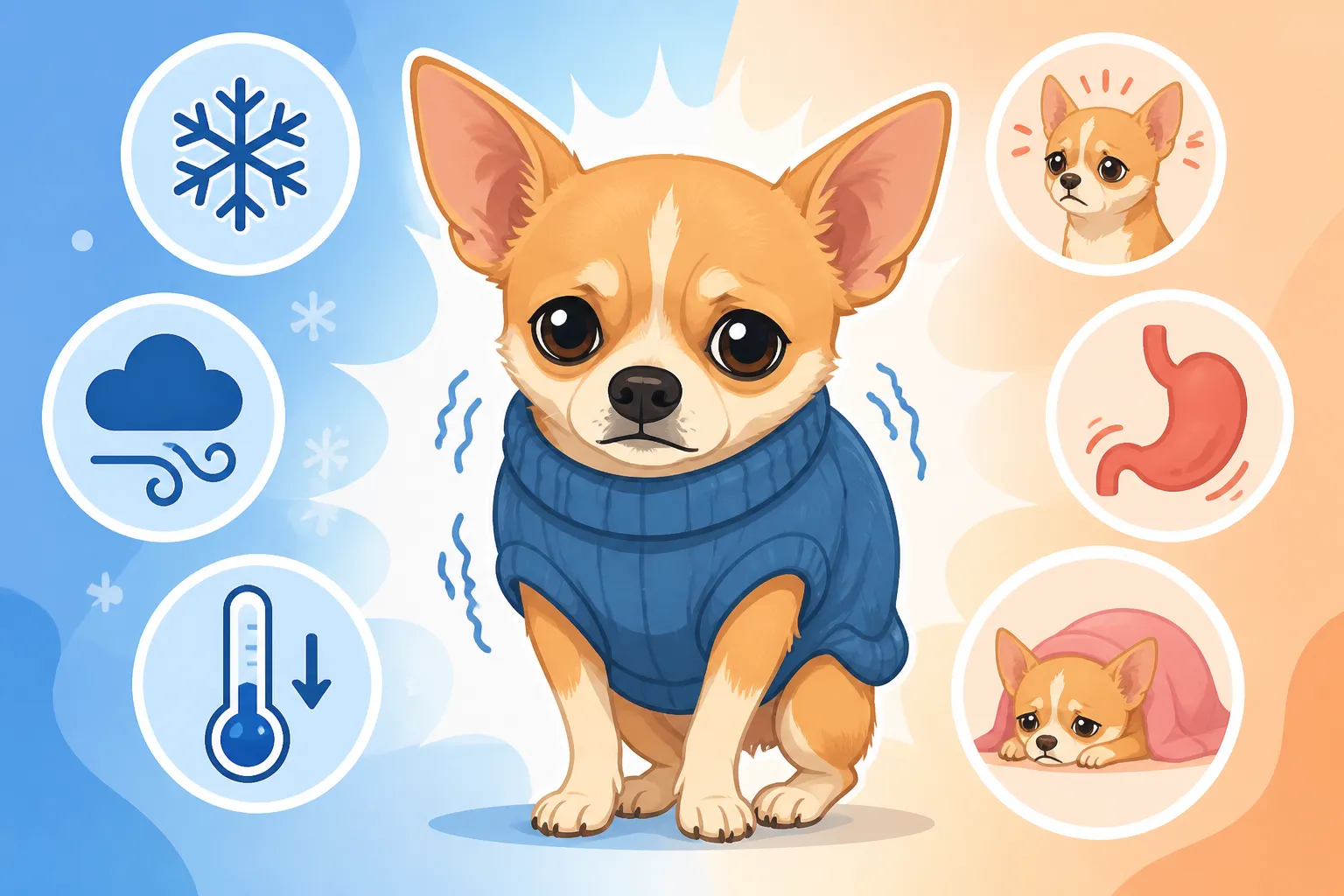
This is probably the most obvious and common reason for a Chihuahua to shiver. Their small size and minimal body fat mean they are incredibly susceptible to cold temperatures. What you perceive as "mildly cool" might feel genuinely freezing to them. A quick dash outside in the autumn air, a walk on a crisp winter morning, or even sitting by a slightly open window can trigger those unmistakable trembles. They simply cannot retain body heat as effectively as larger, more insulated breeds.
During colder months, it's not just the outdoor temperature you need to consider. Drafts in your home, a chilly floor, or even the air conditioning set a bit too low in summer can send a shiver through them. You might be comfortable, but your Chihuahua, being so much closer to the ground and lacking insulation, could be feeling a significant chill. This is why many Chihuahua owners embrace doggie sweaters and coats. It's not just a fashion statement; it's a practical necessity for their health and comfort. Even a short walk around the block in winter can be a real struggle for them without adequate protection. Keeping an eye on The Coldest Temperature to Walk a Chihuahua is crucial for their well-being.
Wetness and Humidity: Double Trouble for Tiny Dogs
Getting wet exacerbates the cold significantly, turning a simple chill into a more intense shivering fit. Whether it's rain, snow, or even just a post-bath dampness, moisture saps a Chihuahua's body heat rapidly. Water conducts heat away from the body much faster than air, making them feel colder quicker. Imagine getting caught in a sudden downpour – you'd probably start shivering pretty fast too, even if the air temperature wasn't extremely low.
For Chihuahuas, a brief moment of being damp can lead to prolonged shivering as their tiny bodies work hard to dry off and reheat. This is particularly important after baths. Ensuring they are thoroughly dried, ideally with a towel and a gentle blow-dryer on a low, cool setting, and kept warm immediately afterward is paramount. A wet Chihuahua outside in cool weather is at a much higher risk of becoming dangerously cold. Even high humidity without direct wetness can sometimes make them feel cooler if the air isn't warm enough to begin with, as it affects how sweat (or in dogs, panting and skin evaporation) cools or warms the body.
Sudden Temperature Changes: The Shock to the System
Chihuahuas are surprisingly sensitive to rapid shifts in temperature. Moving from a warm, cozy home directly into a much cooler outdoor environment, or vice-versa, can cause their delicate systems to react with shivers. It's like a sudden shock to their internal thermostat. Their bodies need a moment to adjust, and shivering is often the immediate response to this environmental change.
This can happen when you take them from a heated car into a cold grocery store, or even from a sunny spot on the rug into a shaded, cooler area of the room. Their small size means their bodies react quickly and sometimes dramatically to these changes. Providing a gradual transition, if possible, or ensuring they are appropriately dressed for the colder environment can help mitigate this. For example, if you know you're heading out to a chilly park, put their sweater on inside before you leave the house, giving them a moment to acclimatize to the clothing before hitting the cold air. This thoughtful approach can prevent those sudden, alarming shivers.
Emotional and Behavioral Reasons for Shivering
It's easy to assume all shivering is related to cold, but for Chihuahuas, their emotions play an enormous role in their body's physical responses. These little dogs are incredibly sensitive, and their internal world often manifests as outward trembles. Understanding their emotional language is crucial for their well-being.
Fear and Anxiety: A Common Chihuahua Expression
Perhaps one of the most common reasons a Chihuahua might shiver, even when it's warm, is due to fear or anxiety. These tiny dogs, with their strong personalities, are often misunderstood as "nervous" by nature. While some may have a more anxious disposition, often their fear is a direct response to their environment and how they perceive it. Being so small, the world can seem like a very big, scary place. Loud noises, unfamiliar people, large dogs, new environments, or even sudden movements can trigger a profound sense of apprehension. When they feel threatened or insecure, shivering is a physiological manifestation of their stress response, similar to how humans might tremble when scared.
This isn't "small dog syndrome" where they think they're bigger than they are; it's a genuine fear response to feeling vulnerable. They may tuck their tail, try to hide, or even bark excessively while shaking. A Chihuahua might shiver at the vet's office, during a thunderstorm, when guests arrive, or if another, larger dog approaches them unexpectedly on a walk. Recognizing these triggers and working to counter-condition their fear with positive experiences is vital. Often, a fearful Chihuahua is a misunderstood Chihuahua. Many owners find their Chihuahuas exhibit Fear Reactivity as the Top Chihuahua Complaint precisely because of these deep-seated anxieties. Observing their body language alongside the shivers can tell you a lot about their emotional state. If your Chihuahua is prone to A Chihuahua That Trembles Around Strangers, it's a clear sign of their discomfort.
Excitement and Anticipation: Happy Wiggles and Jitters
On the flip side of the emotional coin, Chihuahuas can also shiver out of sheer joy and excitement! This kind of trembling is often accompanied by other "happy" body language cues: a wagging tail (sometimes the whole butt wiggles!), darting eyes, a relaxed mouth, and an eagerness to engage. It's a manifestation of their high energy and enthusiasm bubbling over.
Think about when you're preparing to go for a walk, or you're about to give them their favorite treat, or perhaps a beloved family member they haven't seen in a while walks through the door. The anticipation and delight can be so intense that their little bodies literally vibrate with happiness. This type of shivering is usually short-lived, stopping once the exciting event begins or the initial burst of joy subsides. It's a completely normal and endearing part of their spirited personality and nothing to be concerned about.
Stress and Overstimulation: Too Much, Too Fast
Beyond distinct fear or excitement, general stress and overstimulation can also lead to shivering in Chihuahuas. These dogs thrive on routine and often prefer a calm, predictable environment. A sudden change in routine, a chaotic household with a lot of noise and activity, traveling, or even being handled roughly or unexpectedly can push them past their comfort zone. Their tiny nervous systems can become overwhelmed quickly.
For example, a busy party at home with many unfamiliar faces, loud music, and a lot of movement could be incredibly stressful for a Chihuahua, even if no one is directly interacting with them in a negative way. The sheer sensory overload can trigger their stress response, leading to shivering. Similarly, extended periods in a new place without a familiar comfort item or a safe retreat can cause chronic low-grade stress that manifests as intermittent trembling. Providing a quiet, secure space where they can retreat and decompress is essential for managing their stress levels. A soft, familiar bed or blanket from Chewy, placed in a low-traffic area, can make a world of difference.
Medical Conditions That Cause Shivering
While often benign, shivering can sometimes be a red flag for an underlying medical condition. It's crucial for Chihuahua owners to be aware of these possibilities, as some require immediate veterinary attention. Don't ever hesitate to consult your vet if you suspect a medical cause for your Chihuahua's shivers.
Hypoglycemia (Low Blood Sugar): A Critical Concern for Chihuahuas
This is one of the most serious medical causes of shivering, especially in Chihuahua puppies or very small adults. Hypoglycemia, or low blood sugar, occurs when the body's glucose levels drop too low. Chihuahuas, particularly puppies, have very little fat reserves to convert into energy, and their fast metabolism burns through calories quickly. If they don't eat regularly or miss a meal, their blood sugar can plummet rapidly.
Signs of hypoglycemia often begin with trembling or shivering, which can progress to weakness, wobbliness, disorientation, listlessness, and in severe cases, seizures and loss of consciousness. If you suspect hypoglycemia, especially in a puppy, immediate action is needed. Rubbing a little Karo syrup, honey, or a glucose gel (like those found on Amazon) on their gums can provide a quick boost, but veterinary attention is still advised to stabilize them and determine the underlying cause. Catching Chihuahua Hypoglycemia and the Puppy Emergency early is vital. Understanding Trembling and Weakness in a Chihuahua Puppy is the first step to saving their life. Always have emergency sugar on hand for a tiny puppy.
Pain or Discomfort: Subtle Cues from a Small Body
Dogs are incredibly stoic creatures, often hiding pain until it becomes severe. Shivering can be a subtle sign that your Chihuahua is experiencing pain or discomfort. This could be due to a recent injury, muscle strain, arthritis, or even internal discomfort like an upset stomach. Because they can't tell us what hurts, shivering might be their only outward indicator that something is wrong.
Watch for other accompanying signs such as limping, reluctance to move, guarding a particular body part, yelping when touched, changes in appetite or mood, or unusual vocalizations. A common issue like Chihuahua Dental Disease in a Crowded Small Jaw can cause significant pain, and while it might not always manifest as shivering, chronic discomfort from an infected tooth could contribute to general malaise and trembling. Similarly, if your Chihuahua has joint issues like patellar luxation, chronic pain can lead to increased shivering, especially after exertion or in cold weather. Sometimes, What a Chihuahua Snaps Because Its Knee Hurts is the eventual sign of prolonged discomfort.
Illness and Fever: A General Symptom of Being Unwell
Just like humans, when a Chihuahua is unwell, they might shiver. A fever, for example, can cause shivering as the body attempts to raise its core temperature. This type of shivering is usually accompanied by other symptoms of illness, such as lethargy, loss of appetite, vomiting, diarrhea, coughing, sneezing, or a general lack of energy.
Any infection, inflammation, or internal organ issue can make your Chihuahua feel miserable enough to shiver. If the shivering is persistent, seems unusual, or is coupled with any other signs of illness, a trip to the veterinarian is definitely warranted. They can perform a physical exam, run diagnostic tests, and pinpoint what's making your little one feel poorly. Early diagnosis and treatment are always best for these small, delicate dogs.
Neurological Issues and Seizures: Less Common, But Possible
While less common than environmental or emotional causes, certain neurological conditions can manifest as tremors or shivering. Conditions like certain types of seizures, even mild ones, or neurological disorders affecting muscle control can cause involuntary shaking. In some cases, a seizure might appear as a generalized tremor rather than the dramatic thrashing many people associate with epilepsy.
If you notice the shivering seems uncontrolled, disoriented, or is accompanied by other neurological signs like circling, head pressing, loss of balance, or changes in consciousness, it's crucial to seek veterinary attention immediately. These can be serious conditions that require specific diagnosis and management. If you suspect Chihuahua Epilepsy and Seizure Onset, your vet will likely want to conduct a thorough examination.
How to Differentiate the Shivers: When to Worry and When to Relax
With so many potential reasons for a Chihuahua to shiver, it can feel overwhelming to know when to simply offer a blanket and when to call the vet. Learning to "read" your Chihuahua and assess the context of their shivering is a crucial skill for any owner.
Observing Context and Accompanying Symptoms
The key to understanding your Chihuahua's shivers lies in observation. Don't just focus on the tremble itself; look at the whole picture. Ask yourself:
- What's the environment like? Is it cold in the room? Are we outside in chilly weather? Have we just come inside from the cold? If so, cold is the most likely culprit.
- What just happened? Did a loud noise occur? Did a stranger enter the room? Is it feeding time or walk time? Did they just see their favorite person? If so, fear, anxiety, or excitement are strong possibilities.
- Are there other symptoms? This is critical. Is your Chihuahua otherwise acting normally – alert, playful, eating, drinking, going to the bathroom? Or are they lethargic, hiding, refusing food, vomiting, limping, or showing signs of pain or distress?
- Benign Shivering: Often short-lived, stops once the stimulus (cold, excitement, mild fear) is removed or addressed, and is not accompanied by other concerning symptoms. They still seem like themselves, just a little shaky.
- Concerning Shivering: Persistent, intense, accompanied by lethargy, weakness, disorientation, pain, vomiting, diarrhea, difficulty breathing, or any other signs of illness. This warrants a call to your vet.
Keep a mental log, or even a literal one, of when the shivering occurs, what might have triggered it, and any other behaviors you notice. This information will be invaluable if you do need to consult your veterinarian.
Practical Assessment and Home Remedies for Comfort
If your Chihuahua is shivering, and you've assessed the situation to be non-urgent, there are immediate steps you can take to provide comfort and see if the trembling subsides.
For Cold-Related Shivers:
- Warmth: Offer a soft, warm blanket. Many Chihuahuas love to burrow. Turn up the thermostat a degree or two, especially in colder months. A heated dog bed can be a wonderful investment, particularly for senior Chihuahuas or those prone to chilling. You can find many options for safe heated beds on Amazon or Chewy.
- Clothing: If heading outdoors or if your home is habitually cool, dress them in a sweater or coat. Sweaters and Coats a Chihuahua Actually Needs are not just for style, but truly functional for their tiny frames. This external layer of warmth can make a huge difference. You'd be amazed how quickly a tiny knit jumper can stop the shivers.
- Shelter: Keep them away from drafts from windows or doors. Provide a cozy, enclosed bed where they can feel secure and retain body heat. Don't forget that Setting a Thermostat Around a Chihuahua might mean a slightly higher temperature than you personally prefer.
For Anxiety/Fear-Related Shivers (non-emergency):
- Reassurance: Speak to them in a calm, soothing voice. Gentle petting, if they solicit it, can be comforting.
- Safe Space: Guide them to their quiet, safe spot – their crate with a blanket, under a favorite chair, or their bed. This allows them to decompress away from the perceived threat.
- Distraction: Sometimes a favorite toy or a small, high-value treat can help redirect their focus from the anxiety. Make sure any treats fit within their tiny calorie budget; brands like Ollie can offer small, digestible options.
- Remove the Trigger: If possible, remove them from the source of their fear or anxiety, even if temporarily. This might mean moving to a quieter room during a party or waiting for a large, boisterous dog to pass by.
For Suspected Hypoglycemia (Immediate Action – Call Vet After):
- Immediate Sugar: Rub a small amount of corn syrup, honey, or commercial glucose gel on their gums.
- Warmth: Wrap them in a blanket.
- Contact Vet: Even if they seem to recover, a vet visit is crucial to determine why their blood sugar dropped and to prevent recurrence. Keep a Keeping Glucose Gel for a Chihuahua at Home handy, especially if you have a young puppy.
Remember, if the shivering is severe, persistent, or accompanied by any concerning symptoms, it's always best to err on the side of caution and contact your veterinarian immediately. They are the best resource for diagnosing and treating any underlying health issues.
When to Be Concerned and Seek Veterinary Help
Knowing when a Chihuahua's shiver is a quirky breed trait or a signal of distress is vital. While we've covered many scenarios, sometimes it's simply beyond the scope of a home assessment. These are the situations where you absolutely should pick up the phone and call your veterinarian.
Red Flags Indicating a Need for Professional Attention
It’s crucial to distinguish between a casual shiver and one that signals a potential health crisis. Here are the red flags that should prompt you to contact your vet without delay:
- Persistent Shivering: If the shivering doesn't stop even after you've provided warmth, comfort, and removed any obvious environmental or emotional triggers. A continuous tremor, especially if it doesn't abate, can indicate pain, illness, or a neurological issue.
- Accompanying Symptoms of Illness: Shivering combined with any of the following is a strong indicator of a problem:
- Lethargy or Weakness: Your Chihuahua is unusually tired, sluggish, or has difficulty standing or moving.
- Vomiting or Diarrhea: Digestive upset often accompanies systemic illness.
- Loss of Appetite or Thirst: Refusal to eat or drink can lead to dehydration and worsen other conditions, especially hypoglycemia.
- Pain Signals: Whining, crying, yelping when touched, guarding a specific body part, or restlessness.
- Difficulty Breathing: Panting excessively without exertion, labored breathing, or blue gums.
- Disorientation or Balance Issues: Stumbling, circling, bumping into objects, or a dazed expression.
- Changes in Gum Color: Pale, bluish, or very dark red gums can indicate serious circulatory problems or shock.
- Seizure-like Activity: Involuntary jerking, foaming at the mouth, or loss of consciousness. This is an emergency.
- Sudden Onset of Severe Shivering: If your Chihuahua suddenly starts shaking violently or non-stop, without a clear, immediate cause like a sudden cold snap or loud bang, it's a cause for concern.
- Known Health Issues: If your Chihuahua has a pre-existing condition, such as heart disease, kidney issues, or diabetes, and begins to shiver, it could signify a complication or worsening of their condition. For example, if your dog is on medication, shivering could be a side effect or a sign that their condition is not well-controlled.
Preparing for Your Vet Visit: What Information Helps
When you call your vet, having specific information ready can greatly assist them in understanding the situation and advising you on the best course of action.
- When did the shivering start? Was it sudden or gradual?
- How long does it last? Is it continuous, or does it come and go?
- What was happening just before it started? (e.g., just ate, went outside, loud noise, woke up)
- What other symptoms are you noticing? Be detailed about changes in appetite, energy, bathroom habits, breathing, and any signs of pain.
- What have you tried to do to stop it? (e.g., offered warmth, food, quiet space) and did it help?
- Has your Chihuahua had any recent changes? (e.g., new food, new medication, recent injury, visitors)
- What is your Chihuahua's usual behavior like? This helps the vet establish a baseline.
If possible, take a short video of your Chihuahua shivering. Sometimes, seeing the specific type of tremor can give your vet valuable diagnostic clues that are hard to describe over the phone. Being prepared with this information ensures your vet can act quickly and efficiently to help your tiny companion.
| Shivering Type | Common Causes | Accompanying Symptoms | Recommended Action | When to Seek Vet Care |
|---|---|---|---|---|
| Cold | Low room temperature, drafts, outdoor chill | Huddling, seeking warmth, cold to touch | Provide warmth (blanket, sweater), adjust thermostat | Shivering persists despite warmth, lethargy sets in |
| Fear/Anxiety | Loud noises, strangers, new places, vet visit | Tail tuck, hiding, panting, yawning, lip licking | Reassurance, quiet space, remove trigger, gentle petting | Shivering is extreme, constant, leads to aggression/panic |
| Excitement | Anticipation of walk/food, happy greetings | Tail wagging, panting, playful body language | Enjoy their joy! Often resolves once activity starts | Never a concern on its own |
| Hypoglycemia | Missed meals, overexertion, young puppy | Weakness, lethargy, wobbling, disorientation | Rub sugar/honey on gums, offer food | IMMEDIATELY, even if they recover |
| Pain/Illness | Injury, arthritis, fever, internal issues | Limping, guarding, lethargy, loss of appetite, vomiting | Do not administer meds without vet advice, gentle comfort | IMMEDIATELY, especially if acute pain or severe illness |
| Neurological | Seizure, disorder | Disorientation, loss of balance, involuntary movements | Protect from injury, note duration and symptoms, do not restrain | IMMEDIATELY (emergency) |
Disclaimer
This article is for general informational purposes only and does not constitute professional advice. Laws, prices and regulations vary by location and change over time. Consult a qualified professional for guidance on your specific situation.