Feeding a Chihuahua Puppy Against Sugar Crashes
Few things are scarier for a new Chihuahua puppy parent than witnessing your tiny charge suddenly become weak, wobbly, or unresponsive. This terrifying phenomenon, often a "sugar crash" or hypoglycemia, is a very real and present danger for these little bundles of joy. This comprehensive guide is here to walk you through exactly how to feed your Chihuahua puppy to prevent these distressing sugar crashes, offering peace of mind and ensuring your little one thrives.
Understanding Hypoglycemia in Chihuahua Puppies
It’s easy to look at a tiny Chihuahua puppy and just see cuteness, but their small size comes with some unique physiological challenges. One of the biggest is their predisposition to hypoglycemia, which is simply a fancy word for low blood sugar. This isn't just about being a little sluggish; severe hypoglycemia can lead to seizures, coma, and even be fatal if not addressed quickly. Knowing why it happens and what to look for is your first line of defense.
Why Small Breed Puppies Are Prone to Sugar Crashes
Imagine a tiny, energetic creature, no bigger than your hand, running on a fuel tank that's barely the size of a thimble. That's essentially a Chihuahua puppy! Their bodies are miniature powerhouses, burning through calories at an incredible rate to fuel their rapid growth, maintain their body temperature, and simply explore their world. Unlike larger breed puppies, who have more robust glycogen (stored sugar) reserves in their livers, tiny Chihuahuas have very limited stores. Their livers are also not fully mature, meaning they aren't as efficient at producing glucose when blood sugar levels start to dip. This combination of high energy demand and low reserves makes them incredibly vulnerable to sudden drops in blood sugar.
Think about it: just staying warm requires a surprising amount of energy for a puppy with so little body mass and very little insulating fat. A playful romp across the living room can deplete their energy reserves faster than you might imagine. A slightly longer nap between meals, a moment of stress, or a slight chill in the air can quickly push them into a low blood sugar state. It's not a reflection of your care, but a biological reality of their small stature. They are like tiny, high-performance engines that need constant, small refills, not big, infrequent ones. This is why understanding Chihuahua Hypoglycemia and the Puppy Emergency is so crucial from day one.
Recognizing the Early Signs of Low Blood Sugar
Catching hypoglycemia early is absolutely vital. The sooner you recognize the signs, the faster you can intervene and prevent a more severe crisis. Often, the first signs are subtle and can easily be mistaken for a sleepy or just "off" puppy. You might notice your puppy becoming unusually quiet, withdrawing from play, or simply lying down more than usual. This lethargy can progress to weakness, making them appear wobbly or unsteady on their feet.
As the blood sugar continues to drop, you might see trembling or shivering, even if the room temperature is comfortable. They might stumble or stagger when they try to walk, and their gums might appear pale rather than a healthy pink. In more advanced stages, they can become disoriented, stare blankly, or even have seizures. Imagine your lively little companion, who was just zooming around, suddenly looking vacant or unable to stand. It's heartbreaking to witness, but knowing these Chihuahua Hypoglycemia Signs in a Young Puppy means you can act fast. Never dismiss these symptoms, especially in a young puppy; always assume the worst and take action.
The Critical Role of Frequent, Scheduled Meals
Because of their unique physiology, simply putting food down for your Chihuahua puppy and hoping for the best isn't enough. A strategic approach to meal timing is the most powerful tool you have in preventing sugar crashes. It's all about providing a steady, consistent supply of energy to their tiny, fast-burning furnaces.
Establishing a Consistent Feeding Schedule
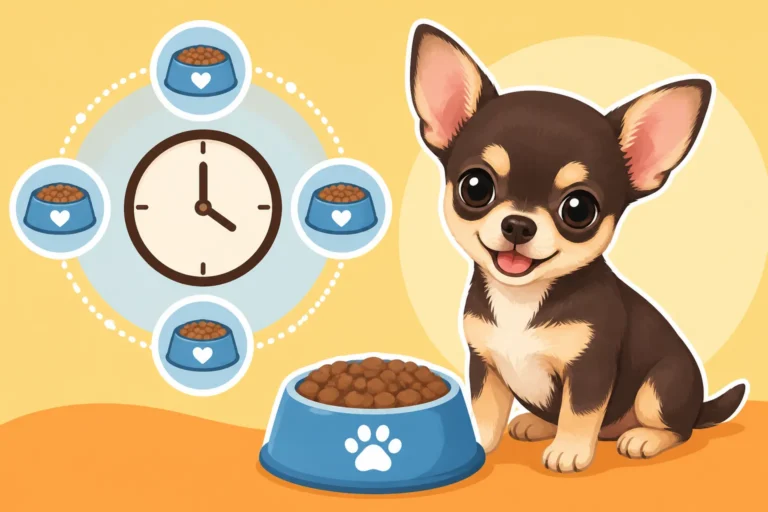
For very young Chihuahua puppies, especially those under three or four months old, "small and often" is the golden rule. We're talking about meals every 2-4 hours during the day, sometimes even requiring a late-night check-in or feeding. This might sound like a lot, and honestly, it is! But it's absolutely non-negotiable for their health and safety. The goal is to keep their blood sugar levels from ever dipping too low. As they grow and their bodies mature, you can gradually extend the time between meals, but always do so cautiously and with your vet's guidance.
Think about managing your own busy household schedule while ensuring a puppy gets fed every few hours. It requires planning, perhaps setting alarms, and definitely a commitment. If you're coming home with a new puppy, ask the breeder exactly what their feeding schedule was and try to replicate it as closely as possible for the first few days to minimize stress and maintain continuity. Gradually, you can adjust to a schedule that works for you, but the frequency itself should remain the priority. This consistent pattern ensures that even if one meal is a little smaller, another isn't far behind. For more details on this, check out How Often a Chihuahua Puppy Must Eat.
Avoiding Free Feeding and Its Dangers
While some dog owners advocate for "free feeding" – leaving food out all day for their dog to graze – this approach is extremely risky for a young Chihuahua puppy. There are a couple of major reasons why this just doesn't work for preventing hypoglycemia. First, a puppy might only eat small amounts sporadically throughout the day, leaving long gaps where their blood sugar can plummet. They might get distracted by play, forget to eat, or simply not feel hungry at that exact moment, despite needing calories.
Second, if your puppy does eat a large amount at once, they might then go a very long time without eating again, leading to the same crash risk. Free feeding also makes it incredibly difficult to monitor how much your puppy is actually consuming, which is crucial for identifying appetite changes that could signal an impending issue. Imagine if you couldn't tell if your tiny puppy ate a teaspoon or a tablespoon of food all day – that difference can be significant for their caloric needs. This is why scheduled meals are non-negotiable. We want to actively manage their caloric intake, ensuring they get sufficient energy at regular intervals, preventing those dangerous dips. Leaving food out often leads to obesity in adult Chihuahuas, but for puppies, it leads to sugar crashes. You can read more about this in Why a Chihuahua Should Never Graze All Day.
Choosing the Right Food for Your Growing Chihuahua Puppy
The type of food you offer your Chihuahua puppy is just as important as how often you offer it. Not all puppy foods are created equal, and for a breed so prone to hypoglycemia, optimizing their diet is key. You need something that provides dense nutrition without being too difficult for their tiny mouths and developing digestive systems to handle.
Selecting a High-Quality Puppy Formula
When you're standing in the pet store aisle, surrounded by bags of all shapes and sizes, it can be overwhelming to pick the right one. For a Chihuahua puppy, you're looking for a high-quality, reputable brand specifically formulated for small breed puppies. These formulas are generally more calorie-dense, meaning your puppy gets more energy from a smaller volume of food, which is perfect for their tiny stomachs. They also contain the right balance of proteins, fats, and carbohydrates to support rapid growth and energy needs. Look for easily digestible ingredients, as a puppy's digestive system is still developing.
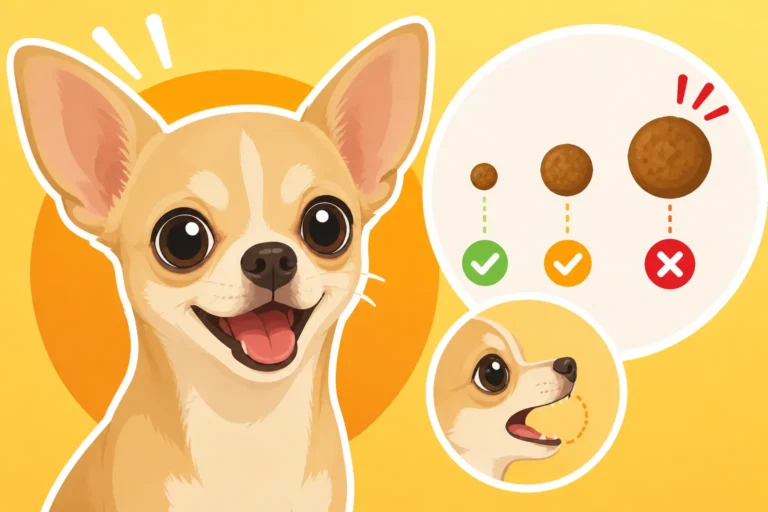
Beyond the nutritional profile, consider the kibble size. A tiny Chihuahua puppy needs kibble that's small enough for their little mouths to chew comfortably, reducing the risk of choking and making mealtime more enjoyable. Many excellent brands are available, and you can find a wide selection of suitable small-breed puppy foods from retailers like Chewy, which often have detailed descriptions and ingredient lists to help you compare. Don't be swayed by marketing gimmicks; focus on real, wholesome ingredients. If you're ever in doubt, your veterinarian can offer specific brand recommendations tailored to your puppy's individual needs.
The Benefits of Wet or Softened Food
For very young or particularly tiny Chihuahua puppies, or those who might be finicky eaters, wet food or kibble softened with warm water can be a game-changer. Wet food is often more palatable, meaning it's more enticing for a puppy to eat, which is crucial when every calorie counts. It's also easier to digest, which can be beneficial for puppies with sensitive stomachs. The higher moisture content is an added bonus for hydration, especially if your puppy isn't drinking as much water as they should.
If you opt for dry kibble, consider soaking it in a little warm water for 10-15 minutes before serving. This softens the pieces, making them easier to chew and swallow, and can also release aromas that encourage eating. Imagine a tiny puppy struggling to crunch hard kibble – softened food makes the meal less of a chore and more of a pleasure. Just be sure to prepare only what your puppy will eat immediately, as softened food can spoil quickly if left out. This simple step can significantly improve your puppy's food intake and, by extension, their blood sugar stability.
Homemade Diets and the Need for Nutritional Balance
While the idea of cooking fresh meals for your beloved Chihuahua puppy might sound appealing, embarking on a homemade diet for such a small, vulnerable animal without expert guidance is incredibly risky. Puppies, especially small breeds, have very specific and high nutritional requirements for proper growth and development. It is exceptionally difficult to meet these needs consistently with homemade meals, and even small imbalances or deficiencies can have serious, long-lasting health consequences. For instance, getting the calcium-to-phosphorus ratio wrong can lead to skeletal deformities in a rapidly growing puppy.
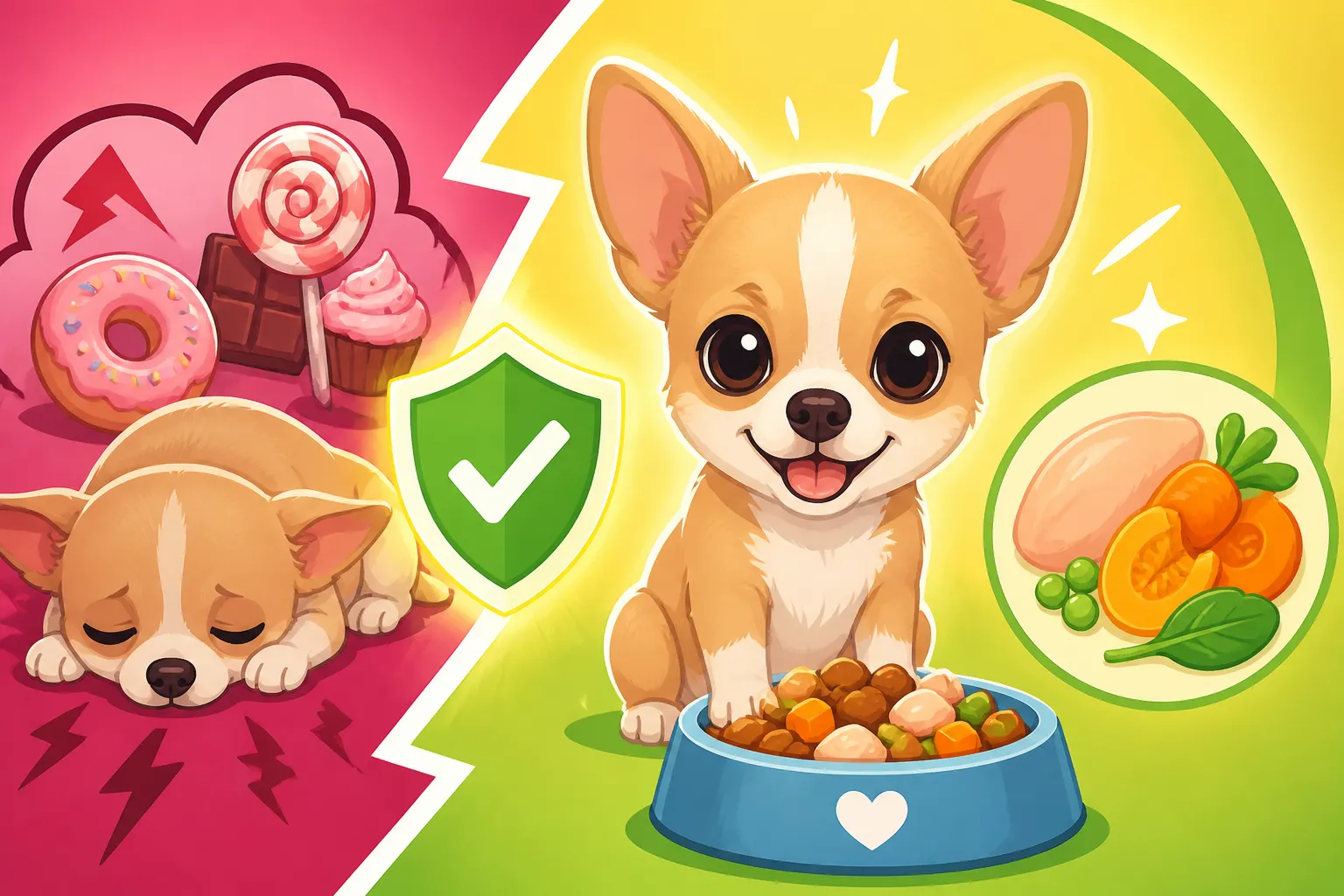
If you are committed to a fresh food diet, it is absolutely imperative to work closely with a board-certified veterinary nutritionist. They can formulate a balanced, complete, and appropriate recipe tailored to your puppy's age, weight, and activity level. Without this professional guidance, you risk causing nutrient deficiencies or excesses that could be more detrimental than any potential benefits. Companies like Ollie offer pre-portioned, human-grade fresh food options, but even with these, you'd want to ensure they are specifically designed for puppies and meet their stringent growth requirements. For a Chihuahua puppy, where hypoglycemia is a constant concern, leaving their diet to chance with an unproven homemade recipe is simply not worth the gamble.
Portion Control and Monitoring Intake
With such a tiny dog, every single calorie matters. Too few, and you risk a sugar crash. Too many, and you risk obesity later in life, which comes with its own set of health problems. Precision in feeding your Chihuahua puppy isn't just a suggestion; it's a necessity.
Accurate Measuring for Tiny Portions
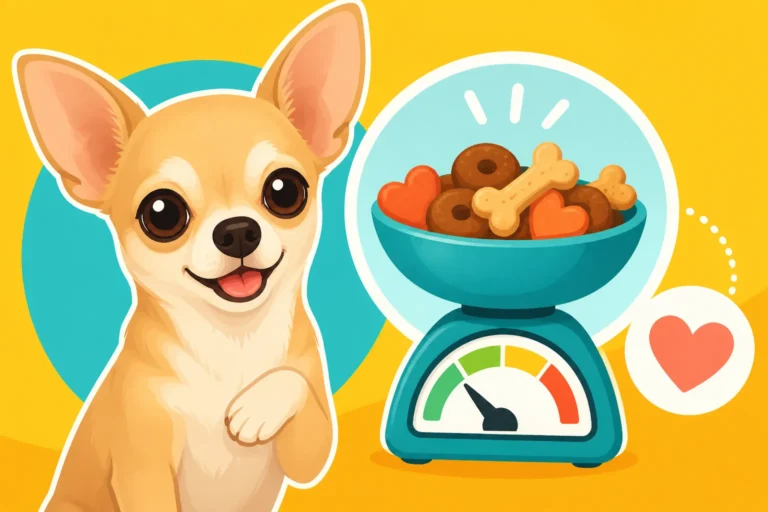
You know those little measuring cups that come with dog food bags? For a Chihuahua puppy, they are pretty much useless. The difference between 1/4 cup and 1/3 cup might seem small to us, but for a dog that weighs just a few pounds, that slight variance can represent a significant percentage of their daily caloric intake. This is why I wholeheartedly recommend investing in a small digital kitchen scale. These are inexpensive and allow you to measure your puppy's food in grams, offering far greater accuracy.
Imagine your vet tells you your 2-pound Chihuahua puppy needs 80 calories a day. Trying to hit that target with a scooper is like trying to fill a thimble with a garden hose – you'll either wildly overfill or underfill. But with a scale, you can weigh out precise portions for each meal, ensuring your puppy gets exactly what they need. This level of precision helps prevent both hypoglycemia from underfeeding and unwanted weight gain from overfeeding. It takes a little more effort, but the peace of mind knowing your puppy is getting consistently appropriate nutrition is invaluable. Understanding Fifty Calories a Pound for a Chihuahua Puppy gives you a guideline, but precise measurement ensures you meet it. For more on this, check out Weighing Chihuahua Food on a Kitchen Scale.
Tracking Your Puppy's Eating Habits
Beyond just measuring the food, it's incredibly helpful, especially in the early weeks, to keep a simple log of your puppy's eating habits. This doesn't have to be anything fancy – a notepad on the fridge or a note on your phone. Jot down the time of each meal, how much you offered, and how much they actually ate. Did they clear the bowl? Or did they leave half of it? This habit allows you to quickly spot any changes in appetite, which can be an early indicator of a problem.
Let's say your puppy usually gobbles down their breakfast, but today they just pick at it. If you're tracking, you'll immediately notice this deviation. Is it a sign they're feeling unwell, or perhaps their blood sugar is already starting to dip? This proactive monitoring allows you to intervene before a situation escalates into a full-blown emergency. It also helps you understand their natural hunger rhythms and adjust your schedule slightly if needed. For instance, if they consistently leave food at one meal but are ravenous at the next, you might need to adjust the portioning or timing. It’s a simple step that provides invaluable insight into your puppy's delicate health.
Emergency Preparedness: What to Do in a Sugar Crash
Despite your best efforts, sometimes a Chihuahua puppy can still experience a sugar crash. Maybe they had an unusually stressful day, played a little too hard, or simply missed a meal for a longer period than planned. Whatever the reason, knowing exactly what to do in that terrifying moment can literally save their life. This isn't a time for panic; it's a time for swift, confident action.
Immediate Action Steps for a Hypoglycemic Puppy
If you notice your Chihuahua puppy exhibiting any signs of hypoglycemia – lethargy, trembling, weakness, or worse – the absolute first step is to administer a fast-acting sugar source. The easiest and most common solution kept in many Chihuahua homes is Karo syrup or a similar simple sugar syrup. Do not try to force your puppy to eat solid food, as they might choke if they are too weak or disoriented. Instead, gently rub a small amount of the syrup (about 1/4 to 1/2 teaspoon, depending on your puppy's size) onto their gums. The sugar will absorb directly into their bloodstream through the mucous membranes in their mouth, providing a quick energy boost.
You should see an improvement within 10-15 minutes, with your puppy becoming more alert and starting to regain their footing. Once they are more stable and responsive, you can offer a very small, appealing meal to help stabilize their blood sugar further. The key here is not to overdo it; a small amount of sugar, followed by a small, balanced meal. This initial intervention can buy you crucial time and often reverse the crash. It's a lifesaver for situations like those described in Emergency Sugar for a Collapsing Chihuahua Puppy.
When to Seek Veterinary Care
While administering sugar can often reverse a mild sugar crash, it's absolutely vital to know when to escalate to professional veterinary care. If your puppy doesn't show significant improvement within 15-20 minutes of receiving sugar, or if their condition worsens, you need to get to an emergency vet immediately. Don't wait. Hypoglycemia can quickly become life-threatening, and these tiny puppies can go downhill very fast. Additionally, if your puppy has a seizure or becomes unconscious, bypass home remedies and head straight to the clinic.
Even if your puppy seems to recover fully after a sugar dose, it's often a good idea to contact your veterinarian, especially if this is a recurring issue. They may want to examine your puppy to rule out any underlying medical conditions that could be contributing to the sugar crashes. They can also offer guidance on adjusting feeding schedules or provide specific products, like prescription recovery pastes, that can be helpful. Always have your emergency vet's number programmed into your phone and know the fastest route to their clinic. The costs for after-hours care can be significant, as mentioned in The After-Hours Bill for a Hypoglycemic Chihuahua, but your puppy's life is priceless.
Maintaining an Emergency Kit
Being prepared is truly your best defense against the unexpected. I recommend every Chihuahua puppy owner assemble a small "hypoglycemia emergency kit" and keep it readily accessible, both at home and when traveling with your puppy. This kit should include a small bottle of Karo syrup (or a similar corn syrup), a tube of a veterinary-grade glucose gel or high-calorie nutritional supplement like Nutri-Cal (available on Amazon or through your vet), and your vet's contact information, including the emergency clinic's number.
The difference between Karo syrup and a glucose gel is primarily concentration and additional nutrients. Karo is a quick sugar fix. Glucose gels are often more concentrated and sometimes contain vitamins and minerals, providing a more sustained boost. Having both gives you options. The key is to have something fast-acting on hand. Make sure to check the expiration dates on these products periodically. Keeping this kit handy means you won't be scrambling in a moment of panic. It's about empowering yourself to act quickly and confidently when your tiny puppy needs you most, and having specific products like those discussed in Keeping Glucose Gel for a Chihuahua at Home within reach is invaluable.
| Action Item | Description | When to Use | Key Considerations |
|---|---|---|---|
| Karo Syrup (Corn Syrup) | Simple sugar, absorbs quickly through gums. | First sign of lethargy, trembling, weakness. | Rub on gums, do not force into mouth. Repeat if needed after 15 mins. |
| Glucose Gel / Nutri-Cal | Concentrated glucose with added vitamins/minerals. | Same as Karo syrup, offers a more sustained boost. | Administer to gums. Often comes in easy-to-use tube. |
| Small, Appealing Meal | Wet food, softened kibble, or cooked chicken (plain). | After puppy responds to sugar, to stabilize blood sugar long-term. | Only offer once puppy is alert and can swallow safely. Small portions are key. |
| Emergency Vet Contact Info | Numbers for your regular vet and local emergency animal hospital. | If no improvement after 15-20 mins, seizure, unconsciousness. | Keep programmed in phone, visible on fridge. Know fastest route. |
| Warm Blanket / Heating Pad | Helps maintain body temperature, reduces energy expenditure. | During recovery from a sugar crash, or if puppy is chilled. | Ensure heating pad is on low, with a barrier to prevent burns. Monitor puppy closely. |
Beyond Food: Other Factors Affecting Blood Sugar
While proper feeding is paramount, it's not the only piece of the puzzle when it comes to preventing hypoglycemia in your Chihuahua puppy. Their environment, activity levels, and overall health all play a significant role in how efficiently their tiny bodies manage blood sugar. Taking a holistic approach to their care will offer the best protection.
Managing Stress and Cold Exposure
Stress, even what seems like minor stress to us, can significantly impact a Chihuahua puppy's blood sugar levels. A new environment, a loud noise, an unfamiliar person, or even a vigorous play session can trigger a "fight or flight" response, burning through their limited glucose reserves at an accelerated rate. Similarly, cold exposure is a major energy drain. Tiny Chihuahuas have very little body fat to insulate them, and they burn calories rapidly just trying to stay warm. A chilly room, a drafty spot, or even a cold car ride can quickly lead to a drop in blood sugar.
Imagine your puppy shivering after a bath, or after a slightly scary encounter with a new, larger dog. Their little bodies are working overtime. Providing a warm, quiet, and predictable environment is crucial. Ensure they have cozy, draft-free beds – maybe even a heated pet bed on a low setting, always with a protective layer – and consider small sweaters or shirts if your home is on the cooler side. Reducing unnecessary stressors and keeping them comfortable and warm goes a long way in conserving their precious energy and preventing sugar crashes. For more on this, check out Why Cold and Stress Drop Chihuahua Blood Sugar and Chihuahua Bedding That Holds Body Heat.
The Importance of Regular Vet Check-ups
Never underestimate the power of routine veterinary care, especially for a tiny puppy. Regular check-ups are not just about vaccinations; they are an opportunity for your vet to assess your puppy's overall health, growth, and development. During these visits, your vet can identify any potential underlying health issues that might make your puppy more susceptible to hypoglycemia, such as parasites, infections, or congenital abnormalities. Early detection and treatment of these conditions can prevent them from triggering a sugar crash.
Your vet will also be able to advise you on the appropriate vaccination schedule for your tiny pup. Sometimes, they might adjust the timing or combination of vaccines to minimize stress on a very small puppy, as discussed in Chihuahua Vaccination and Anesthesia at Toy Size. Building a strong relationship with your veterinarian is crucial. They are your most valuable resource for personalized advice, dietary recommendations, and emergency guidance. Don't hesitate to call them with any concerns, big or small; they understand the unique vulnerabilities of Chihuahua puppies.
Preventing Over-Exertion
Chihuahua puppies are bursts of boundless energy, zipping around with surprising speed. It's adorable to watch, but it's important to remember that these short bursts of intense play can quickly deplete their energy stores. While exercise is vital for their development and mental stimulation, over-exertion is a real risk for hypoglycemia. A puppy that plays too hard for too long without a break can easily burn through their glucose reserves.
Instead of long, continuous play sessions, encourage shorter, more frequent playtimes. Break up their activity throughout the day with plenty of opportunities for naps and quiet time. Supervise their play carefully, especially if they're interacting with other dogs, and encourage them to take breaks. A sudden collapse after a vigorous play session might not just be exhaustion; it could be a sugar crash. Providing them with stimulating but controlled activities, like puzzle toys or short indoor fetch games, can satisfy their need for activity without pushing their tiny bodies past their limits. Understanding Chihuahua Exercise Needs Every Day helps you balance activity with safety.
Disclaimer
This article is for general informational purposes only and does not constitute professional advice. Laws, prices and regulations vary by location and change over time. Consult a qualified professional for guidance on your specific situation.