Taking a Chihuahua From Nine Pounds to Six
It can be incredibly disheartening to realize your beloved Chihuahua has packed on a few too many pounds, especially when every ounce makes such a difference on their tiny frame. Seeing them struggle with stairs, move a little slower, or just look less spry can tug at your heartstrings, and the concern for their long-term health is real. This guide is here to walk you through a realistic, compassionate approach to help your Chihuahua safely and effectively shed those extra pounds, aiming for that healthy six-pound mark that helps ensure they live their fullest, happiest life.
Understanding Why Nine Pounds Is Too Much (and Six is Just Right)
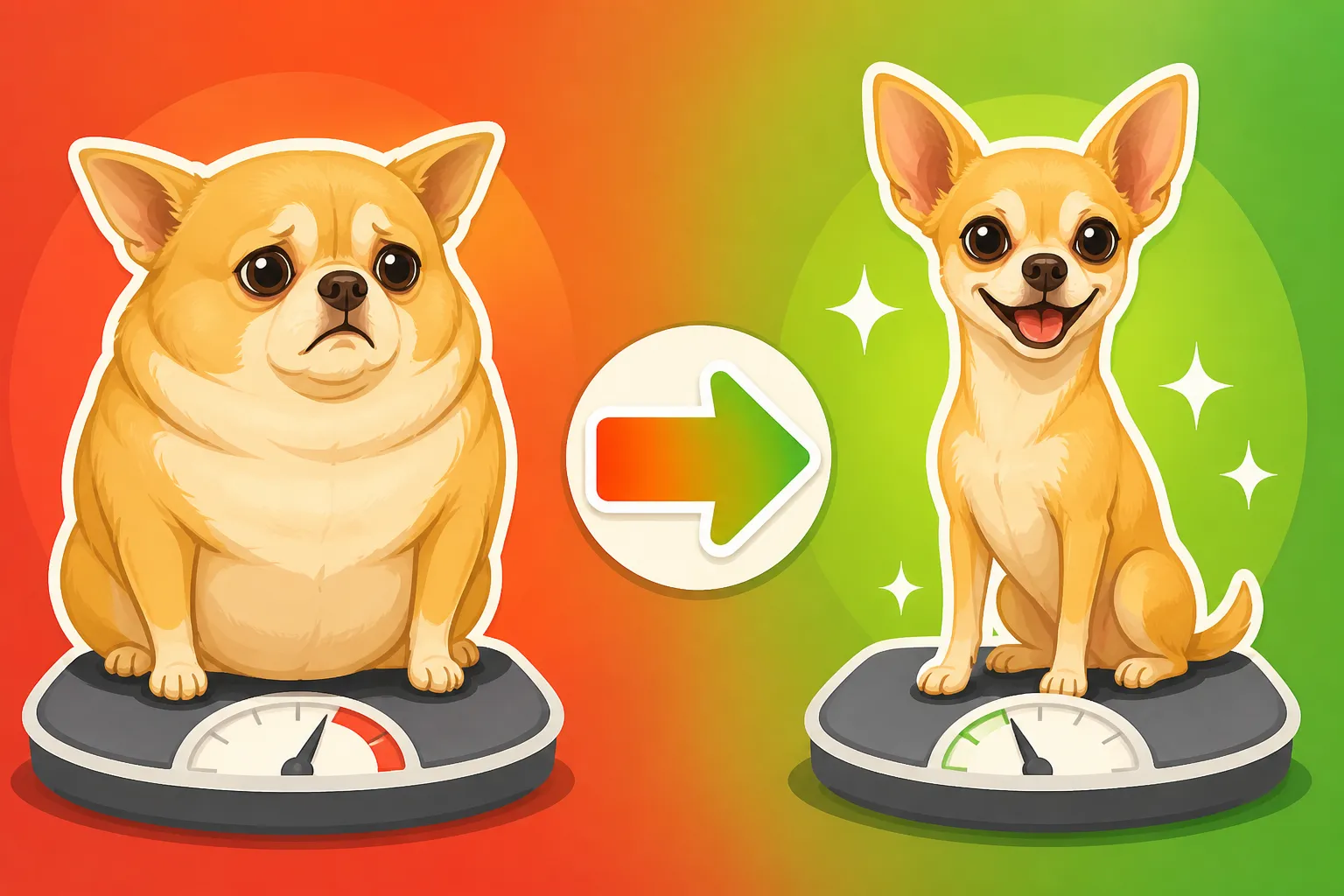
When you look at a Chihuahua, you're looking at one of the smallest dog breeds on the planet. Their delicate bone structure and compact size mean that even a few extra ounces can significantly impact their well-being, let alone three whole pounds. A nine-pound Chihuahua is often carrying 50% more weight than their ideal, healthy body mass, which puts immense strain on their tiny body systems. It's not about vanity; it's about vitality.
The Health Risks of Obesity in Chihuahuas
Those extra pounds aren't just cosmetic; they come with a hefty list of potential health complications for a Chihuahua. For a breed already prone to certain conditions, excess weight can exacerbate existing issues or trigger new ones.
First and foremost, think about their joints. Chihuahuas are notoriously susceptible to Patellar Luxation, the Chihuahua's Commonest Joint Problem, where the kneecap slips out of place. Carrying an additional three pounds on those little legs means constant, undue stress on those knee joints, making luxation more likely or worsening an existing condition. Imagine trying to walk around all day with a heavy backpack that's 50% of your own body weight – that's what a nine-pound Chihuahua feels like compared to a healthy six-pounder. This added pressure can lead to premature arthritis, chronic pain, and even the need for costly surgeries down the line.
Beyond joints, an overweight Chihuahua can experience significant respiratory stress. The extra fat around their chest and throat can make it harder for them to breathe, especially for those already predisposed to Collapsing Trachea and the Chihuahua Honking Cough. You might notice them panting more, having less stamina, or even having more frequent coughing fits. Their cardiovascular system also takes a hit. Extra weight means their heart has to work harder to pump blood throughout their body, increasing the risk of Chihuahua Heart Disease as the Breed Ages. Metabolic diseases like diabetes, while not as common in Chihuahuas as some larger breeds, become a very real possibility when they're consistently overweight. Even simple things like overheating in warmer weather become more dangerous when they're carrying extra insulation.
Finding Your Chihuahua's Ideal Weight
Determining your Chihuahua's ideal weight isn't a one-size-fits-all answer, as some Chihuahuas are naturally a little stockier or leaner than others. However, the general breed standard typically suggests a weight under six pounds. The best way to assess your Chihuahua's current condition and target an ideal weight is through a body condition score (BCS). This isn't just about the number on the scale; it's about how they feel and look.
A healthy Chihuahua should have a noticeable waist when viewed from above, like an hourglass figure, and their abdomen should tuck up when viewed from the side. You should be able to easily feel their ribs with minimal fat covering, almost like feeling the knuckles on your hand when your palm is flat. You should also be able to feel their hip bones without them being sharply protruding or buried under layers of fat. If you have to press hard to feel ribs, or if they look round or barrel-chested, they are likely overweight. A veterinarian can give you a precise body condition score (usually on a 5-point or 9-point scale) and recommend a healthy target weight for your specific dog. This professional assessment is crucial because they can rule out any underlying medical conditions that might contribute to weight gain or make weight loss more complicated. This often involves a good physical exam and sometimes even bloodwork, especially for older Chihuahuas.
Crafting a Diet Plan for Weight Loss
The most significant factor in your Chihuahua's weight loss journey will undoubtedly be their diet. It's often said that weight loss is 80% diet and 20% exercise, and for a tiny dog with a minuscule calorie budget, this couldn't be more true. It's not about drastic cuts, but smart, consistent choices.
Calorie Calculation and Portion Control
This is where the rubber meets the road. For an adult Chihuahua, their daily caloric needs are surprisingly low, often falling in the range of Daily Calories for a Three to Seven Pound Chihuahua. A six-pound Chihuahua might only need around 200-240 calories a day, depending on their activity level, age, and metabolism. When they're nine pounds, they're likely consuming significantly more than this, and even a slight overestimation can lead to weight gain on such a small scale.
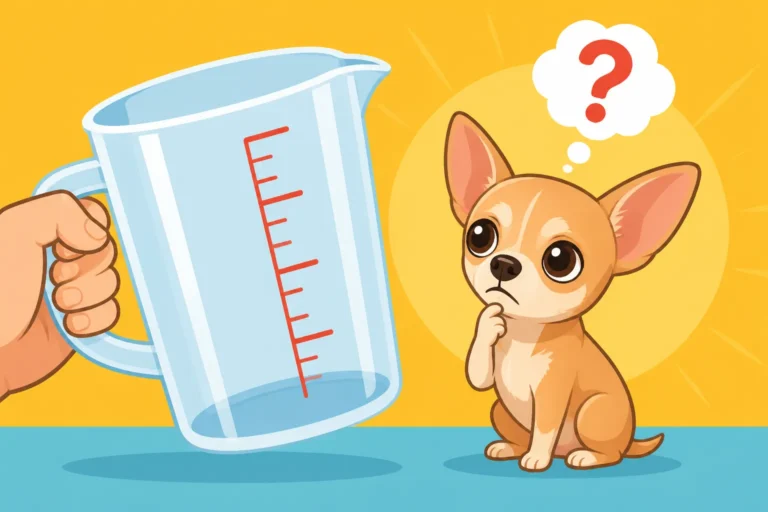
The first step is to accurately determine how many calories your Chihuahua is currently consuming. Read the back of your dog food bag – it will usually list calories per cup or per gram. Then, for the love of all things tiny, ditch the measuring cup! Those are notoriously inaccurate for small portions. You absolutely must invest in a small digital kitchen scale to weigh your Chihuahua's food to the gram. This might sound extreme, but for a dog whose daily intake is measured in handfuls, not cups, precision is paramount. You can find reliable scales easily on Amazon or Chewy. Once you know their current intake, your vet can help you calculate a safe reduction. Typically, a 10-20% reduction in their current calorie intake is a good starting point for gradual weight loss. Remember, slow and steady wins the race when it comes to healthy weight loss for dogs. Aim for a loss of about 0.5-1% of their body weight per week.
Choosing the Right Food
When it comes to the type of food, quality matters. Look for dog foods that are nutritionally complete and balanced, with real meat as the first ingredient. While there are "weight management" formulas available, often simply reducing the portion of their current high-quality food is sufficient. Some owners opt for wet food or fresh food diets because they tend to have higher moisture content and can be more filling for fewer calories.
If you're considering a fresh food diet, services like Ollie deliver pre-portioned, human-grade meals that can be precisely tailored to your Chihuahua's specific caloric needs for weight loss. This level of customization can be incredibly helpful for managing weight. If you stick with kibble, ensure the kibble size is appropriate for their tiny mouths to prevent choking and encourage proper chewing. Some Chihuahuas struggle with larger kibble pieces, leading them to swallow whole and feel less satisfied.
Smart Snacking and Treats
Treats are often the hidden culprits of excess calories. While we all love to spoil our pups, those little nibbles add up fast for a Chihuahua. When trying to help your Chihuahua lose weight, every treat needs to be factored into their daily calorie budget.
Instead of traditional dog biscuits, consider using low-calorie, healthy alternatives. Small pieces of plain cooked chicken breast, green beans, carrots, or apple slices (without seeds) can be excellent choices. Break them into pea-sized bits – a Chihuahua doesn't need a whole carrot stick! Keep a close eye on the quantity. If you're using treats for training, which you absolutely should be doing, ensure they are tiny and very low calorie. I like to prep a small baggie of dehydrated liver treats or small training treats (many brands like Zukes or Stella & Chewy offer very small, low-calorie options) that I break even smaller. For more ideas, check out Chihuahua Treats Inside a Tiny Calorie Budget. Always remember that anything beyond their main meals is an extra, and those extras need to be accounted for.
| Healthy Low-Calorie Chihuahua Treats | Approximate Calories (per small piece) | Notes |
|---|---|---|
| Plain Cooked Chicken Breast | 3-5 | Boil or bake unseasoned chicken, cut into tiny bits. A fantastic motivator. |
| Green Beans (steamed or raw) | 1-2 | Crunchy and satisfying. Ensure they are plain, no salt or butter. |
| Baby Carrots (raw, pea-sized piece) | 2-3 | Good for dental health. Cut into very small pieces to prevent choking. |
| Apple Slices (no seeds) | 2-4 | A sweet treat in moderation. Remove all seeds as they contain cyanide. |
| Cucumber Slices | 1 | High water content, very low calorie. Refreshing. |
| Blueberries (1-2 berries) | 1-2 | Packed with antioxidants. Offer sparingly. |
| Pumpkin Puree (canned, plain) | 5-10 (per teaspoon) | Good for digestion, can be frozen in tiny drops for a longer-lasting treat. Ensure it's not pie filling. |
Incorporating Safe and Effective Exercise
While diet is paramount, increasing your Chihuahua's activity level plays a vital role in burning calories, building lean muscle, and improving overall fitness. However, exercise for a tiny dog needs to be approached thoughtfully to prevent injury.
Daily Walks and Structured Play
Even a Chihuahua, small as they are, needs regular physical activity. A good starting point is two to three short walks a day, perhaps 15-20 minutes each. This doesn't mean power-walking miles, but a consistent, brisk pace that gets their heart rate up without overexertion. Remember, their little legs take many more steps than ours do! If your Chihuahua is very out of shape, start with shorter walks and gradually increase the duration. Pay close attention to their breathing and stamina. A harness is absolutely essential for Chihuahuas to protect their delicate necks and tracheas – a collar can put dangerous pressure on their windpipe. Look for a harness that fits snugly but comfortably around their chest, not just their neck. For tips on fitting, see Harness Fitting on a Chihuahua Chest.
Structured play sessions indoors or in a securely fenced yard are also fantastic. Games like fetch, gentle tug-of-war (with appropriate-sized toys), or hide-and-seek with their favorite toy can be great calorie burners. Instead of letting them just wander, make these play times active and engaging. A consistent routine helps, so your Chihuahua comes to expect and enjoy their active time. This can also be a wonderful bonding experience for you both. Consider a nice 15-minute walk in the morning, another at midday, and a final one in the evening, along with a couple of short play sessions throughout the day. For more on getting them moving, take a look at Walking a Chihuahua Twenty Minutes a Day.
Indoor Activities and Mental Stimulation
Sometimes, the weather just doesn't cooperate, or your Chihuahua might have limitations that make outdoor exercise difficult. This is where indoor activities come into play. Mental stimulation is just as important as physical exercise; it burns calories, tires them out, and keeps their brains active, preventing boredom-related behaviors.
Puzzle toys are excellent for this. They require your Chihuahua to use their brain to figure out how to get a treat, making them work for their food (or a low-calorie treat). Snuffle mats, treat-dispensing balls, or even simple games of "find it" where you hide small pieces of kibble around the house can be incredibly engaging. You can also practice obedience commands for short bursts. Even just a few minutes of "sit," "stay," "come," and "down" can be a mini-workout. Teach them new tricks! Learning something new challenges their mind and uses energy. For some great ideas, read Indoor Games for a Chihuahua. These types of activities are particularly good for Chihuahuas because they can be done in small spaces and don't require the same impact as running or jumping.
Protecting Joints During Exercise
Given their predisposition to joint issues like patellar luxation and arthritis, protecting your Chihuahua's joints during exercise is critical. Avoid activities that involve high-impact jumping from furniture or repetitive stair climbing, especially if they are still overweight. Each jarring landing puts stress on those tiny knees and hips.
Consider using ramps or steps to help your Chihuahua get on and off furniture safely. This simple change can significantly reduce the wear and tear on their joints over time. You can find pet-specific ramps at Chewy or Amazon that are designed for small dogs. Even if your Chihuahua can jump on and off the couch, teaching them to use a ramp or steps is a proactive measure that will benefit them immensely in the long run. If your Chihuahua enjoys running, ensure the surfaces they run on are soft, like grass, rather than hard pavement, which can be tough on joints. Always be mindful of their energy levels and stop if you see any signs of limping, pain, or excessive panting. A little care now can prevent a lot of pain and expense later. For more information, check out Ramps for a Chihuahua Bed and Sofa.
Monitoring Progress and Adjusting the Plan
Weight loss is rarely a straight line, and it requires consistency, patience, and often, adjustments along the way. Your Chihuahua's journey from nine pounds to six will involve careful monitoring and a willingness to adapt your strategy.
Regular Weigh-Ins and Body Condition Checks
Consistency is key here. Weigh your Chihuahua regularly, perhaps once a week, on a reliable digital pet scale. Many human baby scales work perfectly for Chihuahuas! Keep a log of their weight so you can track progress over time. Don't be discouraged by small fluctuations; what you're looking for is a general downward trend.
More important than just the number, continue to assess their body condition score by physically feeling their ribs, waist, and hip bones. You want to feel those ribs more easily over time without seeing them stick out dramatically. You want to see that subtle waistline emerge. If you're not seeing any progress after a few weeks, or if the loss is too rapid, it's time to re-evaluate with your vet. Sometimes, their metabolism might be slower than anticipated, or they might be getting hidden calories you haven't accounted for. Regularly checking their Feeling a Chihuahua's Ribs and Waist can help you track progress even between vet visits.
Working with Your Veterinarian
Your veterinarian is your most valuable partner in this weight loss journey. They can help you set realistic goals, calculate precise calorie targets, and monitor your Chihuahua's health throughout the process. Regular check-ups are essential. During these visits, your vet can check for any underlying medical conditions that might be hindering weight loss or that could be impacted by the changes you're making. They can also offer guidance on appropriate exercise levels for your specific dog, especially if they have any joint or respiratory issues.
Don't hesitate to ask questions or voice concerns. They can help adjust food types, portion sizes, and even recommend supplements for joint health if needed. For an older Chihuahua, these regular vet visits become even more critical. You might even want to ask about specific weight loss supplements or medications, though these are typically a last resort and often not necessary for a three-pound weight loss on a Chihuahua. Their expertise ensures that your Chihuahua loses weight safely and effectively, improving their quality of life without compromising their health.
Celebrating Small Victories (and Staying Patient)
Helping your Chihuahua lose weight is a marathon, not a sprint. It takes dedication, consistency, and a lot of patience. There will be weeks where the scale doesn't budge, or even a slight gain. Don't get discouraged! Focus on the positive changes you're seeing: more energy, better mobility, improved breathing, and a happier dog. Celebrate those small victories, like when they run further on their walk or show more interest in playtime.
The ultimate goal is to get your Chihuahua back to a healthy weight, typically around six pounds, where they can thrive and enjoy their long life free from the extra burdens of obesity. It's a commitment to their well-being, and every effort you make contributes to their health and happiness. With consistent effort, accurate measurements, and your vet's guidance, your nine-pound Chihuahua can absolutely become a vibrant, healthy six-pounder.
Disclaimer
This article is for general informational purposes only and does not constitute professional advice. Laws, prices and regulations vary by location and change over time. Consult a qualified professional for guidance on your specific situation.