Chihuahua Cough Medication and Long-Term Care
It's incredibly distressing when your little Chihuahua starts coughing. That distinctive honking sound or a persistent hacking can immediately send a wave of worry through you, making you wonder what's going on inside that tiny body and how you can possibly help them feel better. This guide is dedicated to breaking down the common causes of Chihuahua coughs, exploring the medications available, and outlining a comprehensive long-term care plan to ensure your beloved companion can breathe easier and live their best life.
Understanding Your Chihuahua's Cough
A cough is often a reflex, an attempt by the body to clear something irritating from the airways. But with Chihuahuas, their delicate size and specific predispositions mean a cough can signal something more serious than just a common cold. Knowing what to listen for and what could be behind it is the first step in getting them the right help.
Common Causes of Chihuahua Coughs
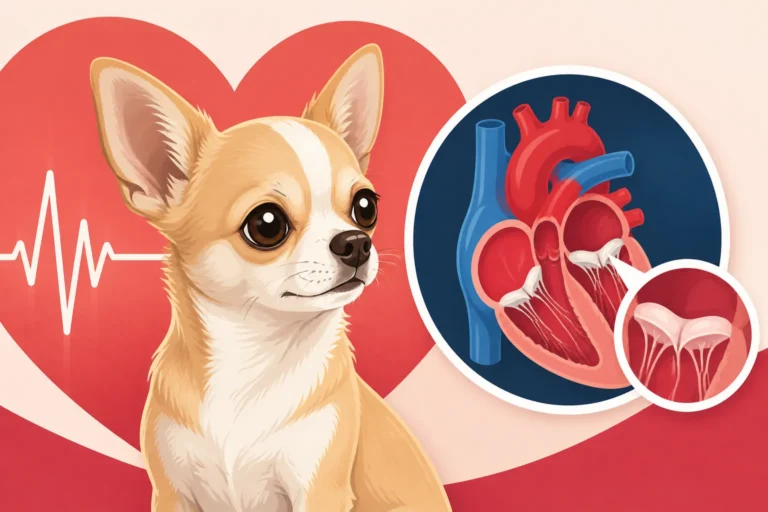
When a Chihuahua coughs, several conditions frequently come to mind for veterinarians and seasoned owners alike. The most common culprit, especially in toy breeds, is often a collapsing trachea. Imagine a straw that's just a little too soft; every time your Chihuahua gets excited, pulls on their leash, or even drinks water too quickly, that soft cartilage can temporarily flatten, making it hard to breathe and triggering a distinct honking cough. Another significant concern, particularly as Chihuahuas get older, is heart disease. Conditions like mitral valve disease can lead to fluid buildup around the lungs, which then causes a chronic cough. Of course, just like any dog, Chihuahuas can also get kennel cough (a highly contagious respiratory infection) or experience allergies that irritate their airways, leading to bouts of coughing and sneezing. Sometimes, even something as simple as excitement can bring on a cough if they have a sensitive windpipe.
Differentiating Cough Sounds
The sound of your Chihuahua's cough can actually provide important clues about its origin. A classic "goose honk" or "seal bark" sound is almost always associated with tracheal collapse, especially if it happens when they're excited, pulling on their leash, or drinking water too fast. This cough is often dry and ends with a gagging sound, as if they're trying to clear something from their throat. On the other hand, a "wet" cough, one that sounds like there might be fluid or phlegm, could point towards heart-related issues, where fluid is accumulating in the lungs. If the cough is persistent, deep, and sounds more like a prolonged hacking or retching, it might be kennel cough, which can sometimes be mistaken for something stuck in their throat. Observing when your Chihuahua coughs – only when they wake up, after exercise, or intermittently throughout the day – also adds crucial pieces to the puzzle for your vet. Learning to differentiate between these sounds can genuinely help your vet narrow down the possibilities. If you're struggling to identify it, try taking a video on your phone to show them.
When a Cough Becomes an Emergency
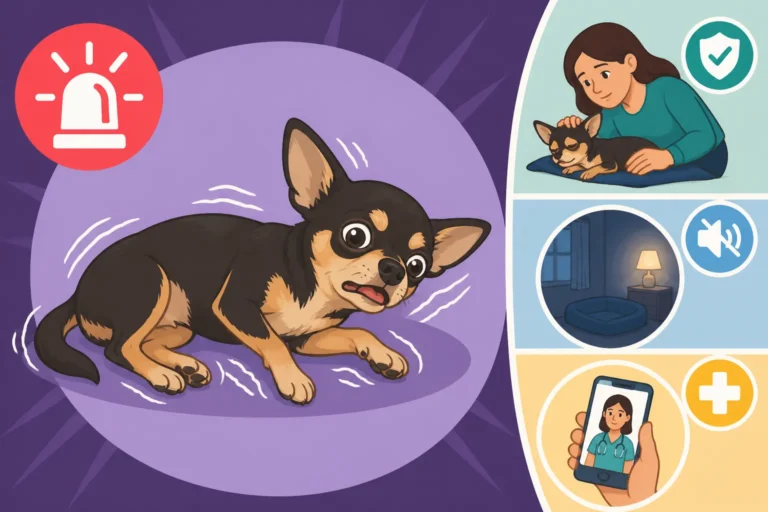
While many coughs might resolve with simple care, there are definite red flags that indicate an emergency. If your Chihuahua's coughing is severe, continuous, and seems to be preventing them from breathing properly, that's a serious sign. Look for other symptoms like blue-tinged gums or tongue (cyanosis), extreme lethargy, sudden collapse, or any struggle for breath beyond the cough itself. If your little one is making frantic efforts to inhale, or if their chest is heaving, don't wait. These are all signs that oxygen isn't reaching their body effectively, and they need immediate veterinary attention. Rapid intervention can be life-saving, especially for a tiny dog whose respiratory system is already working hard. For conditions like severe Chihuahua Hypoglycemia and the Puppy Emergency or advanced Chihuahua Heart Disease as the Breed Ages, a cough can quickly escalate to a critical state.
Diagnosing the Underlying Cause
You might be thinking, "It's just a cough, why can't the vet just give them some cough syrup?" And believe me, many owners feel that way. But for Chihuahuas, due to their small size and propensity for specific health issues, a proper diagnosis isn't just helpful, it's absolutely crucial. Without it, you could be treating the symptom and completely missing the serious underlying problem.
The Importance of a Vet Visit
When your Chihuahua starts coughing, a prompt visit to the veterinarian isn't just a suggestion; it's a necessity. Unlike a human who can tell you if their throat hurts or if they feel congested, your Chihuahua relies on you and your vet to figure out what's wrong. Self-diagnosing or trying home remedies without professional advice can delay critical treatment and potentially worsen serious conditions. Your vet will conduct a thorough physical examination, listening to their heart and lungs, and observing their breathing pattern. They'll ask you detailed questions about the nature of the cough, when it started, what makes it better or worse, and any other symptoms you've noticed. This initial assessment is vital for guiding the next steps and ensuring your little one gets the specific care they need. It’s a good idea to keep a journal of cough episodes or even take videos to show your vet, as dogs don’t always perform on cue in the clinic!
Diagnostic Tools
Once your vet has a good idea of what they might be dealing with, they’ll likely recommend some diagnostic tests. X-rays are incredibly valuable for viewing the trachea, lungs, and heart silhouette. They can show signs of a collapsing trachea, fluid in the lungs (a strong indicator of heart disease), or changes consistent with bronchitis or pneumonia. For heart-related coughs, an echocardiogram (an ultrasound of the heart) is the gold standard. This allows the vet to visualize the heart's chambers, valves, and blood flow in real-time, confirming issues like Mitral Valve Disease in an Older Chihuahua and assessing its severity. Bloodwork can also provide insights into general health, rule out infections, and check organ function, which is especially important if medication is to be prescribed long-term. Sometimes, your vet might suggest a tracheal wash or bronchoscopy if they suspect deep-seated lung infections or specific airway abnormalities, though these are more invasive.
Pinpointing Collapsing Trachea vs. Heart Issues
This is often the million-dollar question for Chihuahua owners and their vets, because the treatment approaches are quite different. While X-rays can show a narrowed trachea or an enlarged heart, sometimes the signs can be subtle or overlap. Vets often look for specific patterns: if the cough is predominantly a dry, honking sound, especially exacerbated by excitement or collar pressure, and X-rays show tracheal narrowing, Collapsing Trachea in a Chihuahua and Its Triggers is a very strong suspect. However, if the cough is wetter, more persistent, and worse at night or when resting, and X-rays reveal fluid in the lungs or a very enlarged heart, then an echocardiogram to confirm heart disease becomes paramount. It's not uncommon for senior Chihuahuas to have both conditions, which complicates treatment. This is why it's essential for your vet to carefully evaluate all symptoms and diagnostic results to correctly determine whether you're dealing with Telling a Heart Cough From a Trachea Cough or both.
Common Cough Medications for Chihuahuas
Once a diagnosis is made, your vet will discuss the best course of action. This often involves medication, and it's important to understand that what works for one type of cough might not work for another. The specific medication and its dosage will be carefully tailored to your Chihuahua's condition and tiny body weight.
Cough Suppressants and Bronchodilators
For a dry, non-productive cough, especially those caused by tracheal collapse or irritation, cough suppressants can provide much-needed relief. These medications, such as hydrocodone or butorphanol, work by reducing the reflex that causes the cough. They don't treat the underlying cause but can significantly improve your Chihuahua's quality of life by reducing the frequency and severity of coughing fits. Bronchodilators, like theophylline or terbutaline, are often used in conjunction with cough suppressants, particularly if there's any component of airway constriction or spasm. These medications help to relax and widen the airways, making it easier for your Chihuahua to breathe and potentially reducing the effort that triggers a cough. It's important to note that these medications require precise dosing, and your vet will calculate them carefully for your tiny companion.
Anti-Inflammatories and Steroids
When inflammation is a major component of the cough – which it often is with tracheal irritation, chronic bronchitis, or even some allergic reactions – anti-inflammatory medications can be very beneficial. Non-steroidal anti-inflammatory drugs (NSAIDs) might be used for milder cases, but often, corticosteroids like prednisone are prescribed. Steroids are powerful anti-inflammatories that can quickly reduce swelling and irritation in the airways, helping to alleviate the cough. However, steroids come with potential side effects, including increased thirst and urination, increased appetite, and in the long term, more serious issues like diabetes or Cushing's disease. Therefore, they are typically prescribed at the lowest effective dose for the shortest possible time, or on an alternating-day schedule for chronic conditions. Your vet will weigh the benefits against the risks very carefully, especially for a small dog.
Antibiotics and Antihistamines
If your vet suspects a bacterial infection is contributing to the cough, either as the primary cause (like kennel cough that has progressed) or as a secondary infection in compromised airways, antibiotics will be prescribed. It's crucial to complete the entire course of antibiotics, even if your Chihuahua seems to be feeling better, to ensure the infection is fully cleared and to prevent antibiotic resistance. For coughs linked to environmental allergies, antihistamines such as diphenhydramine (Benadryl) or cetirizine (Zyrtec) might be recommended. These can help reduce the allergic response that leads to irritation and coughing. However, antihistamines can cause drowsiness and their effectiveness varies from dog to dog, so it’s something to discuss with your vet. Sometimes, a combination of these medications, along with other supportive therapies, provides the best outcome for your Chihuahua.
Dosing Challenges in Small Dogs
One of the biggest challenges with medicating Chihuahuas is their minuscule size. A drug that’s perfectly safe for a Golden Retriever can be lethal for a two-pound Chihuahua if the dosage isn’t absolutely precise. This means veterinarians often have to prescribe medications in very low concentrations, sometimes requiring specialized compounding pharmacies to create the exact dose needed. Owners often receive liquid medications or tiny pills that need to be split into even smaller fractions. It's incredibly important to follow your vet's dosing instructions to the letter and to use accurate measuring tools, like oral syringes, to prevent accidental under or overdosing. Never try to adjust the dose yourself or give human medications without explicit veterinary guidance. A simple mistake could have dire consequences for your tiny friend. When considering the long-term costs of managing chronic conditions, many owners find peace of mind with pet insurance providers like Healthy Paws, which can help cover the expenses of specialized medications and vet visits.
Holistic and Supportive Care
Beyond medication, there's so much you can do at home to support your Chihuahua and ease their coughing. Holistic and supportive care focuses on creating an optimal environment and lifestyle that minimizes triggers and strengthens their overall health.
Environmental Modifications
Your home environment plays a significant role in your Chihuahua's respiratory health. Dust, allergens, and dry air can all irritate delicate airways. Investing in a good quality air purifier can help remove airborne irritants, while a humidifier, especially in dry winter months, can keep the air moist, which is soothing for a scratchy throat or irritated trachea. Avoid using strong air fresheners, scented candles, or chemical cleaners that produce strong fumes, as these can easily trigger a coughing fit. Smoking indoors is also a huge no-no. Perhaps one of the most crucial modifications, especially if your Chihuahua has a collapsing trachea, is switching from a neck collar to a comfortable, well-fitting harness. A harness distributes pressure across the chest and shoulders, completely eliminating any direct pressure on the delicate windpipe. This simple change can make a world of difference. You can find more specific advice on Why a Harness Matters for a Chihuahua Windpipe to protect your pup.
Weight Management and Diet Adjustments
Maintaining a healthy weight is paramount for a Chihuahua with a cough, especially if it's linked to tracheal collapse or heart disease. Extra weight puts added strain on their respiratory and cardiovascular systems, making breathing harder and potentially worsening the cough. If your Chihuahua is overweight, your vet will help you create a safe and gradual weight loss plan. This often involves carefully measuring their food to ensure they're receiving the correct amount of calories and increasing their gentle exercise. For specifics on healthy weight, consider reading Chihuahua Obesity on a Six Pound Frame. Additionally, ensure their food and water bowls are at a comfortable height – not too low, which can cause them to strain their neck and potentially trigger a cough. Some Chihuahuas with heart conditions might benefit from specific prescription diets designed to support cardiac health, often lower in sodium, which helps manage fluid retention. Discuss this with your vet to see if a special diet is right for your dog.
Stress Reduction and Routine
Stress and excitement can trigger or worsen coughing in Chihuahuas, particularly those with tracheal collapse. Creating a calm, predictable environment can be incredibly beneficial. Stick to a consistent daily routine for feeding, walks, and playtime. Minimize sudden loud noises or chaotic situations that might over-excite or frighten your dog. If you have guests over, provide your Chihuahua with a safe, quiet space to retreat to if they feel overwhelmed. Gentle, consistent positive reinforcement training can also build confidence and reduce anxiety. For Chihuahuas, sometimes even the smallest changes can cause anxiety, so maintaining a stable home life is key. If your Chihuahua tends to get overly excited before walks, try to calm them down with a quiet activity or a treat before putting on their harness to prevent an immediate coughing episode.
| Cough Type | Common Sound | Associated Conditions | Typical Management |
|---|---|---|---|
| Tracheal Collapse | "Goose Honk," dry, gagging | Weakened windpipe cartilage | Harness, cough suppressants, bronchodilators, weight management, environmental control |
| Heart Disease | Wet, deep, persistent | Mitral valve disease, congestive heart failure | Diuretics, heart medications, low-sodium diet, oxygen therapy |
| Kennel Cough | Hacking, retching | Viral/bacterial infection (Bordetella) | Cough suppressants, antibiotics (if bacterial), rest, humidifiers |
| Allergies | Dry, intermittent | Environmental allergens, irritants | Antihistamines, air purifiers, allergen avoidance |
| Chronic Bronchitis | Harsh, wheezing | Chronic airway inflammation | Steroids, bronchodilators, environmental control |
Long-Term Management Strategies
Managing a chronic cough in a Chihuahua, whether it's due to tracheal collapse, heart disease, or another ongoing condition, isn't a one-time fix. It requires a dedicated, long-term approach with consistent monitoring and a commitment to their specific needs.
Regular Vet Check-ups and Monitoring
Once your Chihuahua has been diagnosed with a chronic condition causing their cough, regular veterinary check-ups become an integral part of their care plan. These aren't just routine visits; they are essential for monitoring the progression of the disease, assessing the effectiveness of current medications, and making any necessary adjustments. Your vet might recommend check-ups every three to six months, depending on the severity of the condition. During these visits, they'll listen to your dog's heart and lungs, check their weight, and discuss any changes in symptoms you've observed. Blood tests might be performed periodically to monitor organ function, especially if your Chihuahua is on long-term medications that could affect the liver or kidneys. Staying on top of these appointments is crucial for proactive management and can significantly improve your Chihuahua's quality of life and longevity. Owners often find that pet insurance, like policies from Healthy Paws, can be incredibly helpful in budgeting for these frequent and often specialized vet visits.
Lifestyle Adjustments for a Coughing Chihuahua
Living with a Chihuahua who has a chronic cough often means making certain lifestyle adjustments, both for them and for you. This includes being mindful of their energy levels and avoiding strenuous exercise that could trigger a coughing fit. Short, gentle walks are usually preferable to long, intense play sessions. Always use a harness, not a collar, even for quick potty breaks outside. Keep their environment calm and avoid excessive excitement. If your Chihuahua tends to be a burrower, ensure they have plenty of soft blankets and beds that help them stay warm and comfortable without getting overly chilled, which can exacerbate some coughs. Protecting them from extreme temperatures, both hot and cold, is also important. For example, in very cold weather, a warm sweater might be necessary to help them maintain body heat and prevent shivering, which can strain their system. Remember, consistency in these adjustments will provide the most stability for your little one.
Preparing for Worsening Symptoms
It's a tough reality to face, but with chronic conditions, there's always a possibility of symptoms worsening over time. Being prepared for this can reduce panic and allow you to act quickly. Discuss with your vet what signs to look for that might indicate an exacerbation of their condition, such as increased coughing frequency, labored breathing, lethargy, or a change in gum color. Ask your vet if there are any "emergency" medications you should keep on hand, such as fast-acting bronchodilators or diuretics, and how to administer them if advised. Knowing who to call outside of regular clinic hours is also vital. Having an emergency vet clinic's number programmed into your phone and knowing their location can save precious time. Keeping a detailed health record, including medication names, dosages, and recent vet visit summaries, can also be invaluable, especially if you need to see an unfamiliar emergency vet. While we never want to imagine our little ones struggling, being prepared is the kindest thing we can do for them. For conditions like Senior Chihuahua Care Past the Age of Twelve, this planning becomes even more critical.
Disclaimer
This article is intended for informational purposes only and does not constitute medical advice. Always consult with a qualified veterinarian for any health concerns or before making any decisions about your Chihuahua's medical care.