Chihuahua Obesity on a Six Pound Frame
It’s an all too common scenario: you look down at your adorable Chihuahua, and suddenly you notice that their once trim waistline has started to disappear. On a dog that might only weigh five or six pounds, even a small amount of extra weight – say, half a pound or a single pound – can have a massive impact on their health and quality of life. This guide is here to walk you through understanding why Chihuahua obesity is such a serious concern, how to accurately assess your little one's body condition, and most importantly, how to implement a safe, effective weight loss and maintenance plan tailored to their unique needs.
Understanding Chihuahua Body Condition
When you have such a tiny dog, it can be really tough to judge what "healthy weight" actually looks like. Many owners, out of pure love, tend to see a slightly plump Chihuahua as cute or well-fed, not realizing the significant health implications even a small amount of excess weight can carry for their delicate frames.
Recognizing a Healthy Weight on a Small Frame
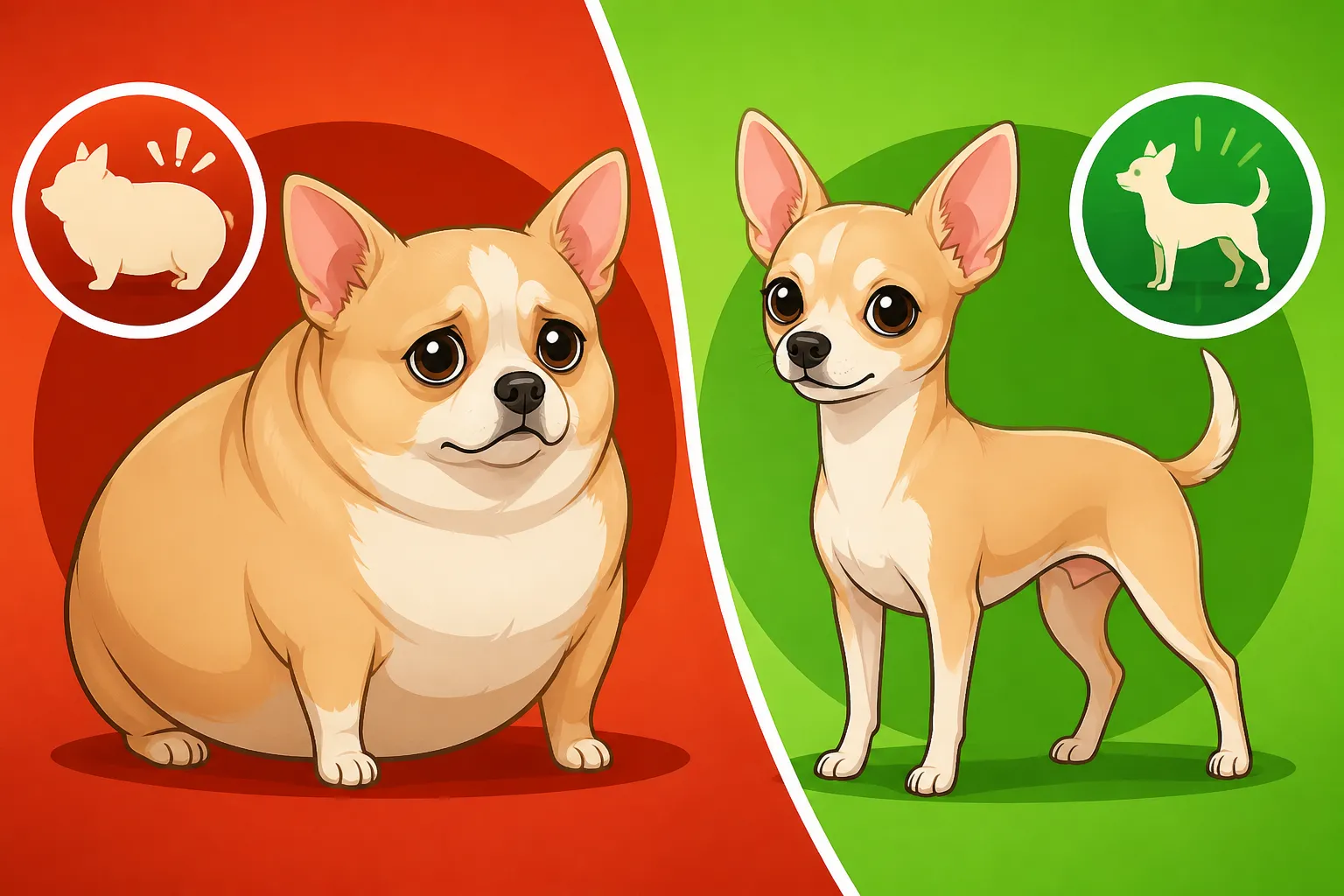
A healthy Chihuahua, regardless of whether they are a three-pound dynamo or a sturdy seven-pound companion, should have a noticeable waist when viewed from above. When you run your hands along their sides, you should be able to easily feel their ribs without pressing hard, much like feeling the knuckles on your hand when your palm is open. Their belly should tuck up slightly when viewed from the side, not sag or hang low. It’s a common misconception that feeling ribs means a dog is too thin, but for a Chihuahua, it’s actually a key indicator of a good body condition. A dog that is too muscular or too lean might have ribs that are visible without touch, but a healthy weight means they are felt, not necessarily seen, with a fine layer of muscle and fat over them.
Why the "Teacup" Ideal is Misleading and Dangerous
The term "teacup Chihuahua" gets thrown around a lot, often implying an exceptionally tiny, delicate dog. While undeniably cute, the pursuit of an unnaturally small size can often lead to severe health issues, and it certainly shouldn't be the standard for ideal weight. Many Chihuahuas marketed as "teacups" are actually runts of a litter or suffer from health problems that stunt their growth. A truly healthy Chihuahua might be small, but they should be sturdy for their size, with good bone structure and muscle tone. The ideal body condition focuses on proportion and lean mass, not just a low number on the scale. Trying to keep a naturally five-pound Chihuahua at three pounds to fit a "teacup" ideal is detrimental and can lead to malnourishment and a host of other health problems. Owners often read about the Six Pound Limit in the Chihuahua Standard and think their dog must be at the very bottom of that scale to be healthy, when in fact, a range of weights is perfectly normal as long as their body condition is appropriate.
Assessing Body Condition Score BCS Accurately
The most reliable way to assess your Chihuahua's weight isn't just the number on the scale; it's their Body Condition Score (BCS). Vets use a BCS scale, typically from 1 to 9 (with 5 being ideal) or 1 to 5 (with 3 being ideal), to evaluate a dog's fat reserves. This goes beyond just weight by considering their overall build.
To assess your Chihuahua at home, try these steps:
- Rib Check: Gently feel along your Chihuahua's sides. You should be able to feel their ribs easily, like the back of your hand, with a thin layer of fat covering them. If you can see prominent ribs without feeling, they might be too thin. If you have to press firmly to feel them, they're likely overweight.
- Waistline View: Look at your Chihuahua from above. They should have a distinct waist, an hourglass shape, between their ribcage and hips. If they look like a straight line or bulge out, they're carrying too much weight.
- Abdominal Tuck: Look at them from the side. Their abdomen should tuck up slightly from their ribcage to their hind legs, not hang low or be straight.
- Tail Base: Feel the base of their tail. There should be a smooth contour, with no obvious fat deposits.
Here’s a simplified guide to what you’re looking for:
| BCS (on a 9-point scale) | Description | Appearance/Feel |
|---|---|---|
| 1-3 (Underweight) | Emaciated to Thin | Ribs, spine, pelvic bones easily visible; no fat felt. Severe abdominal tuck. Loss of muscle mass. |
| 4 (Underweight) | Slightly Underweight | Ribs easily palpable and sometimes visible; waist easily noted. Abdominal tuck present. |
| 5 (Ideal) | Ideal Body Condition | Ribs easily palpable with minimal fat covering; waist observed behind ribs; abdominal tuck evident. This is what you're aiming for. |
| 6 (Overweight) | Slightly Overweight | Ribs palpable with slight excess fat covering; waist discernible but not prominent; abdominal tuck still present. This is the first stage where you might notice What One Extra Pound Does to a Chihuahua. |
| 7 (Overweight) | Moderate Overweight | Ribs difficult to palpate due to moderate fat covering; waist absent or barely visible; abdominal tuck minimal to absent. |
| 8-9 (Obese) | Heavily Overweight to Obese | Ribs covered by heavy fat; no waist; no abdominal tuck; significant fat deposits over lumbar area, tail base, and potentially on limbs and neck. This level of obesity has severe health implications, as discussed in Two Extra Pounds on a Chihuahua Explained. |
Don't be shy about asking your vet for an objective BCS assessment at your next visit. They can offer invaluable guidance and help you set realistic goals for your little one.
The Dangers of Extra Weight for a Chihuahua
It’s easy to think that a little extra cushioning won’t hurt such a small dog, but nothing could be further from the truth. For Chihuahuas, whose bodies are already quite delicate, even a slight increase in weight can drastically increase their risk of developing serious health problems or worsening existing conditions.
Increased Strain on Fragile Joints
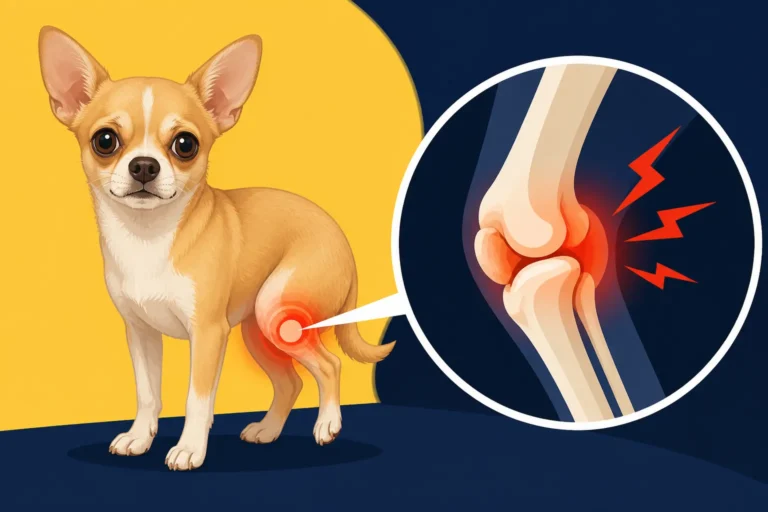
Chihuahuas are notoriously prone to certain orthopedic issues, and carrying extra weight puts immense additional strain on their already delicate joints. The most common joint problem we see in Chihuahuas is patellar luxation, where the kneecap slips out of place. If you've ever watched a Chihuahua skip a step, it might be a sign of a slipping kneecap, or The Skipping Step That Means a Chihuahua Knee. Even a few ounces of extra weight can significantly worsen the severity of this condition, accelerating cartilage degeneration and leading to painful arthritis much earlier in life. Imagine walking around with a weighted vest all day, every day – that's what carrying extra weight feels like to your Chihuahua's small joints. This added stress can also lead to other issues like hip problems or intervertebral disc disease (IVDD) in their tiny spines, which can cause immense pain and even paralysis. Maintaining an ideal weight is one of the most proactive steps you can take to protect your Chihuahua's joint health for their entire Chihuahua Lifespan and Why the Breed Reaches Sixteen.
Exacerbated Respiratory Issues and Heart Strain
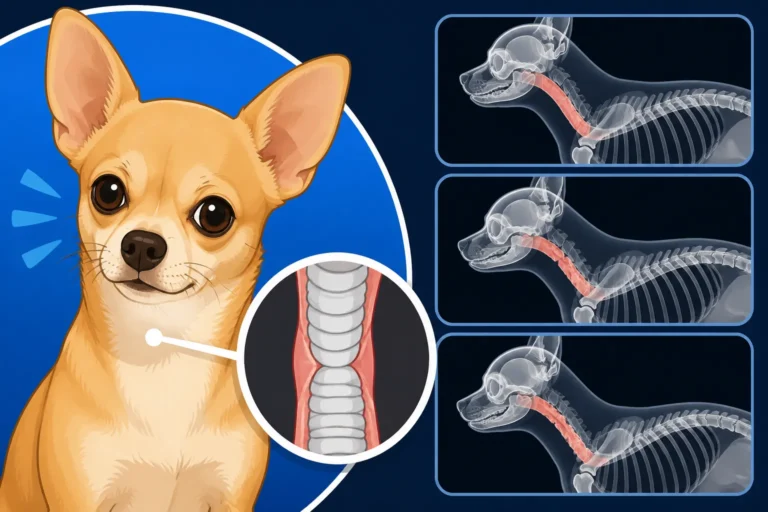
Chihuahuas often have proportionally smaller tracheas compared to larger breeds, making them predisposed to conditions like collapsing trachea. This condition causes their windpipe to narrow, leading to a characteristic honking cough, especially when excited or pulling on a collar. If you've heard The Honking Cough of Chihuahua Tracheal Collapse, you know how distressing it can be. Carrying extra weight significantly worsens tracheal collapse because the excess fat in the neck and chest region puts additional pressure on the already compromised airway. This can make breathing much more difficult, especially during exercise or in warm weather.
Beyond respiratory issues, obesity also places an undue burden on their little hearts. Chihuahuas are also susceptible to heart conditions as they age, with mitral valve disease being quite common. An overweight heart has to work harder to pump blood throughout the body, accelerating the progression of existing heart disease and potentially leading to congestive heart failure. This strain can lead to higher blood pressure, further complicating cardiovascular health. Keeping your Chihuahua at a healthy weight is absolutely crucial for protecting their delicate respiratory system and supporting their heart function throughout their life. It's a key part of long-term health, and something pet insurance providers like Healthy Paws often look at when assessing a pet's overall risk profile.
Higher Risk for Diabetes and Other Metabolic Problems
Just like in humans, obesity in Chihuahuas dramatically increases their risk of developing serious metabolic disorders, particularly Type 2 diabetes. When a dog carries too much fat, their body's cells can become resistant to insulin, the hormone that regulates blood sugar. This means the pancreas has to work overtime to produce more insulin, eventually leading to burnout and a lack of insulin to control blood glucose levels. Diabetes requires lifelong management with daily insulin injections, special diets, and frequent veterinary visits, which can be both emotionally and financially draining.
Beyond diabetes, obesity can also contribute to pancreatitis, a painful inflammation of the pancreas, often triggered by fatty foods or a sudden increase in fat intake. Overweight Chihuahuas are also more prone to liver issues, including hepatic lipidosis (fatty liver disease), which can be life-threatening. The chronic inflammation associated with excess fat can also suppress the immune system, making your Chihuahua more susceptible to infections and slower to recover from illnesses or injuries. Even conditions like bladder stones can be more prevalent in overweight dogs dueated to changes in metabolism and urine composition. Clearly, maintaining a healthy weight isn't just about aesthetics; it's about safeguarding your Chihuahua from a cascade of serious, often life-threatening, health complications.
Calculating and Managing a Chihuahua's Calorie Intake
One of the biggest challenges for Chihuahua owners is understanding just how tiny their dog's calorie budget truly is. What seems like a harmless nibble or a small treat to us can be a significant portion of their daily intake, quickly leading to weight gain.
The Tiny Calorie Budget of a Chihuahua
A typical adult Chihuahua, weighing around 5-6 pounds and moderately active, might only need between 150 to 250 calories per day to maintain a healthy weight. For weight loss, this number needs to be even lower, perhaps 120-180 calories, depending on their current weight and activity level. To put this into perspective, a single small piece of cheese (about half an ounce) can be 50 calories, and a small dental chew could be 30-70 calories. It's incredibly easy to exceed their daily needs without even realizing it. This is why understanding Daily Calories for a Three to Seven Pound Chihuahua is absolutely critical.
Many commercial dog foods list calorie content per cup, but for a Chihuahua, a "cup" is far too large a unit of measurement. You need to be thinking in grams or even single kibble pieces. If your Chihuahua needs to lose weight, your veterinarian will help you determine an appropriate target weight and calculate a precise daily caloric intake. This isn't a "guesstimate" situation; every calorie truly counts for these little guys.
Precision in Measuring Food Portions
Gone are the days of eyeballing portions or using a standard measuring cup, which can be wildly inaccurate for such small amounts. To ensure your Chihuahua is getting precisely the right number of calories, a digital kitchen scale is your new best friend. Seriously, it's a game-changer. You need to be Measuring Chihuahua Food to the Gram.
Here’s how to do it:
- Find Calorie Content: Look at your dog food bag for the "kcal/kg" or "kcal/cup" information. Convert this to "kcal/gram" (e.g., if it's 3,500 kcal/kg, it's 3.5 kcal/gram).
- Weigh Food: Place your Chihuahua's bowl on the digital scale and zero it out. Measure out the exact gram amount of kibble that corresponds to their daily caloric target. For example, if your dog needs 150 calories and the kibble is 3.5 kcal/gram, they need about 43 grams of kibble per day (150 / 3.5 = 42.8).
- Divide Meals: Divide that total daily amount into two or three small meals. For instance, if it's 43 grams, you might give 14-15 grams per meal. This helps with satiety and can prevent dangerous drops in blood sugar for small dogs.
This level of precision might seem excessive, but it’s the most effective way to manage their intake and achieve healthy weight loss. Consistency is key, so make this a daily habit.
Smart Treat Choices and Meal Timing
Treats are often the silent calorie culprits in a Chihuahua's diet. While we love to spoil our furry friends, those tiny bites add up fast. The good news is, you don't have to eliminate treats entirely; you just need to be smarter about them.
Consider these strategies:
- Low-Calorie Options: Opt for truly low-calorie treats. Small pieces of plain, cooked chicken breast, green beans, carrots, or even small bits of unseasoned apple are excellent choices. Many commercial "training treats" are designed to be very small and low-calorie, perfect for Chihuahuas.
- Portion Control: Break treats into even smaller pieces. A single training treat meant for a medium dog can be broken into four or five tiny Chihuahua-sized rewards.
- Use Kibble as Treats: Take a portion of your Chihuahua’s daily kibble ration and set it aside to use for training or rewards throughout the day. This way, you’re not adding extra calories, just redistributing their existing allowance.
- Non-Food Rewards: Sometimes, a treat doesn't have to be food. A quick game of fetch, a moment of praise, or a gentle belly rub can be just as rewarding for your Chihuahua.
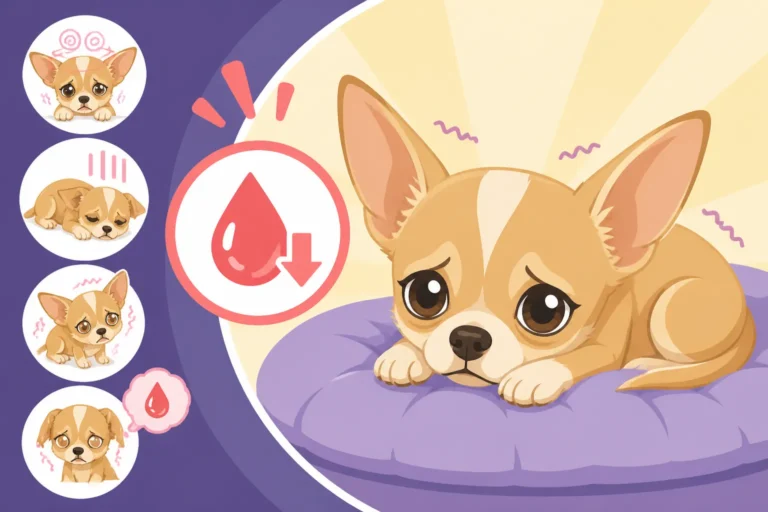
- Strategic Meal Timing: Divide your Chihuahua's daily food into at least two, preferably three, small meals. Feeding smaller meals throughout the day can help keep their metabolism humming and prevent them from feeling overly hungry. A small meal before bed can also help prevent issues like Chihuahua Hypoglycemia and the Puppy Emergency, which can sometimes affect adult Chihuahuas if they go too long without food, especially if they are also ill or stressed. Avoid leaving food out all day ("free-feeding"), as this makes it impossible to monitor intake and almost always leads to overconsumption.
Exercise Strategies for Weight Loss in Chihuahuas
Just like with humans, diet is only half the battle when it comes to weight loss. Regular, appropriate exercise is crucial for burning calories, building lean muscle, and supporting overall health in your Chihuahua. But what constitutes "appropriate" exercise for such a tiny dog?
Appropriate Exercise for a Small Dog
It's a common misconception that Chihuahuas don't need much exercise because they're so small. While they won't be running marathons, regular physical activity is essential. For an overweight Chihuahua, the key is consistency and starting slow to avoid overexertion or injury.
- Daily Walks: Aim for two to three short walks totaling 20-30 minutes each day. Start with shorter durations (5-10 minutes) if your Chihuahua is very overweight or out of shape, gradually increasing as their stamina improves. Focus on a brisk pace that gets their heart rate up without leaving them panting excessively. Always use a well-fitting harness rather than a collar to protect their delicate neck and trachea, especially if they are prone to Collapsing Trachea and the Chihuahua Honking Cough.
- Indoor Play: Chihuahuas are excellent indoor exercisers! Games of fetch with soft toys, chasing a laser pointer (with a physical "catch" reward at the end to prevent frustration), or even hide-and-seek can provide great bursts of activity. Set up a mini obstacle course with pillows or blankets for them to navigate.
- Structured Playtime: Dedicate specific times each day for interactive play. This isn't just about burning calories; it also strengthens your bond and provides mental stimulation. Even a game of tug-of-war with an appropriate toy for their size can get their muscles working.
- Stair Climbing (with caution): If your Chihuahua is otherwise healthy and not too overweight, carefully supervised stair climbing can be a good workout. However, if they have any joint issues like Patellar Luxation, the Chihuahua's Commonest Joint Problem, stairs should be avoided or used only with ramps to prevent further injury.
Remember, the goal is consistent, low-impact activity. Listen to your Chihuahua – if they’re panting heavily, lagging behind, or showing signs of discomfort, it’s time for a break.
Making Exercise Fun and Engaging
If exercise feels like a chore for your Chihuahua, they're less likely to participate enthusiastically, and you're less likely to stick with it. Making it enjoyable is key to long-term success.
- Variety is the Spice of Life: Change up your walking routes, explore new parks (ensure they're safe for small dogs and properly fenced), or introduce new indoor games. Novelty keeps things interesting and mentally stimulating.
- Interactive Toys: Invest in puzzle toys that require movement or thought to dispense treats (using their kibble allowance, of course!). This combines mental enrichment with physical activity.
- Positive Reinforcement: Shower your Chihuahua with praise and affection during and after exercise. Make it a positive experience! You can even use very tiny, low-calorie training treats as rewards for effort during walks, but ensure these are factored into their daily calorie budget.
- Socialization: If your Chihuahua enjoys the company of other small, friendly dogs, supervised playdates can be a fantastic way to burn energy. Just ensure the other dogs are appropriate in size and temperament to avoid any accidental injury to your little one. However, avoid dog parks where larger dogs could unintentionally harm them. This kind of appropriate Chihuahua Play With Dogs Its Own Size is ideal.
Sometimes, a lack of enthusiasm for exercise can stem from discomfort. If your Chihuahua seems reluctant to move, especially on walks, it's worth a vet check to rule out underlying pain, such as from arthritis or a joint issue.
Monitoring Progress and Adjusting Routines
Weight loss is rarely a linear journey. There will be good weeks and weeks where progress seems to stall. Consistent monitoring and flexibility in your approach are crucial.
- Weekly Weigh-Ins: Weigh your Chihuahua at the same time each week, using a reliable digital scale. Many vets have infant scales that are perfect for accurately weighing small dogs. Track their weight in a journal or on your phone. Even losing 0.1 to 0.2 pounds a week is excellent progress for a Chihuahua.
- Re-evaluating BCS: Regularly perform the body condition score check described earlier. Sometimes, even if the scale hasn't moved much, you might notice positive changes in their body shape or muscle tone.
- Adjusting Intake/Exercise: If your Chihuahua isn't losing weight after 2-4 weeks, or if the loss has plateaued, it's time to re-evaluate. You might need to slightly decrease their daily caloric intake (only by small increments, and always consult your vet) or increase their exercise duration or intensity. Conversely, if they're losing weight too rapidly, you might need to slightly increase their food. Rapid weight loss can be unhealthy and lead to muscle mass loss.
- Patience and Persistence: Weight loss takes time, especially for small dogs where every gram matters. Don't get discouraged by slow progress. Celebrate small victories and focus on consistency. It might take several months to reach their ideal weight, but the long-term health benefits are immeasurable. Consistent tracking can also help your veterinarian and pet insurance provider, like Healthy Paws, understand your efforts in managing your Chihuahua's well-being.
Addressing Underlying Health Issues and Plateaus
Sometimes, despite your best efforts with diet and exercise, a Chihuahua's weight loss can stall, or they may even struggle to lose weight at all. This can be incredibly frustrating and often signals that there might be something more complex at play than just too many calories.
When Weight Loss Stalls: Medical Causes
If you’ve been diligently following a weight loss plan and your Chihuahua isn’t showing progress, it’s time to consider potential underlying medical conditions. Just like people, dogs can have hormonal imbalances or other health issues that make weight loss extremely difficult.
- Hypothyroidism: While less common in Chihuahuas than some other breeds, an underactive thyroid can slow metabolism, leading to weight gain and difficulty losing weight. A simple blood test can diagnose this, and it’s usually easily managed with daily medication.
- Cushing's Disease: This condition involves the overproduction of cortisol, which can cause increased appetite, a pot-bellied appearance, and weight gain. Diagnosis can be complex, involving multiple tests, but treatment can help manage symptoms, including weight.
- Pain: Chronic pain, especially from orthopedic issues like severe Patellar Luxation, the Chihuahua's Commonest Joint Problem or Chihuahua Arthritis in the Teenage Years, can significantly reduce a dog's activity level. If moving hurts, they won't want to exercise, making weight loss nearly impossible. Addressing the pain with medication, physical therapy, or even surgery can often kickstart their ability to be more active. Sometimes, a Chihuahua that suddenly becomes grumpy or bites when touched might be in pain, and A Chihuahua That Snaps Because Its Knee Hurts is trying to tell you something important.
- Heart Disease: As discussed, obesity can exacerbate heart conditions, but sometimes the heart disease itself can impact activity and even metabolism. If your Chihuahua has Chihuahua Heart Disease as the Breed Ages, your vet will need to tailor their exercise and diet plan very carefully.
- Medications: Certain medications, particularly corticosteroids, can lead to increased appetite and weight gain. If your Chihuahua is on long-term medication, discuss potential side effects with your vet.
It’s easy to feel defeated when your efforts aren't yielding results, but these medical reasons are why it's so important to partner with your vet. They can rule out these conditions and help you get back on track. This is where having comprehensive pet insurance, like a plan from Healthy Paws, can be incredibly beneficial. Diagnosing and treating these underlying conditions can be costly, and a good policy can help cover unexpected veterinary bills, allowing you to prioritize your Chihuahua's health without financial stress.
The Role of Your Vet in a Weight Loss Plan
Your veterinarian is your most important ally in your Chihuahua's weight loss journey. They bring a wealth of medical knowledge and an objective perspective that’s hard to maintain when it’s your beloved pet.
- Diagnosis and Assessment: As mentioned, your vet can diagnose underlying health conditions, accurately assess your Chihuahua's current BCS, and help set a realistic target weight.
- Personalized Diet Plan: They can calculate a precise daily caloric intake, recommend specific therapeutic weight loss diets if necessary, and advise on appropriate feeding schedules. Commercial weight loss diets are often formulated to be lower in calories but higher in fiber and protein to help dogs feel full and retain muscle mass while losing fat.
- Safe Exercise Recommendations: Your vet can advise on safe exercise routines tailored to your Chihuahua's age, current fitness level, and any existing health issues (like joint problems or heart conditions).
- Regular Monitoring: Scheduled weigh-ins and re-checks with your vet are crucial. They can monitor your Chihuahua’s progress, make necessary adjustments to the plan, and provide encouragement. They can also ensure that weight loss is happening at a healthy pace and that your dog isn't losing muscle mass.
- Support and Education: Your vet team can offer guidance, answer your questions, and provide resources to help you stay motivated and informed. Don't hesitate to reach out if you're struggling or have concerns.
Think of your vet as the coach for your Chihuahua's health. Their expertise is invaluable, and working together significantly increases the chances of successful, healthy weight loss.
Avoiding Crash Diets and Unsafe Practices
The temptation to get quick results can lead some owners to drastic measures, but crash diets and unsafe weight loss practices are incredibly dangerous for Chihuahuas, potentially causing more harm than good.
- Don't Drastically Cut Calories: Suddenly slashing your Chihuahua's food intake can lead to nutritional deficiencies, muscle loss, and even metabolic disturbances. For small dogs, particularly, rapid or extreme calorie restriction can also increase the risk of hypoglycemia ( dangerously low blood sugar), which can be an emergency situation. Always follow your vet’s precise calorie recommendations.
- No Human Diet Foods: Never feed your Chihuahua "diet" foods meant for humans, or try to implement human-centric diets. Many human foods are toxic to dogs, and even "healthy" options can lack the balanced nutrients a dog needs, or contain hidden ingredients like xylitol that are deadly.
- Avoid Over-Exercising: While exercise is crucial, pushing an overweight, out-of-shape Chihuahua too hard can lead to injury, heatstroke, or respiratory distress, especially if they have pre-existing conditions like Chihuahua Heart Disease as the Breed Ages or Collapsing Trachea and the Chihuahua Honking Cough. Gradual increases in activity are key.
- Don't Use Unapproved Supplements/Medications: Never give your Chihuahua weight loss supplements or medications not specifically prescribed by your veterinarian. Many human supplements can be toxic to dogs, and even dog-specific ones should only be used under veterinary guidance.
- Be Patient: Healthy weight loss is a marathon, not a sprint. Aim for a slow, steady loss of 1-2% of their body weight per week. For a 6-pound Chihuahua, that’s just 0.1 to 0.15 pounds per week! This might seem tiny, but it's the safest and most sustainable approach. Patience will prevent unhealthy shortcuts and ensure your Chihuahua's long-term well-being.
Preventing Future Weight Gain and Maintaining Health
Reaching your Chihuahua's ideal weight is a huge accomplishment, but the journey doesn't end there. Maintaining that healthy weight and ensuring their long-term well-being requires ongoing commitment to proper nutrition and an active lifestyle.
Long-Term Dietary Management
Once your Chihuahua has reached their target weight, the goal shifts from weight loss to weight maintenance. This typically involves a slight increase in their daily caloric intake from the weight loss diet, but still requires careful monitoring and precision.
- Transitioning Food: If you used a prescription weight loss diet, your vet will guide you on how to slowly transition back to a maintenance food, or if the weight loss food is suitable for long-term use at a slightly higher portion. Choose a high-quality, nutritionally complete dog food appropriate for their age and activity level.
- Continued Precision: Don't abandon the digital kitchen scale! Continue to weigh out your Chihuahua's food portions daily. It’s too easy for those ounces to creep back up if you become lax with measuring.
- Calorie Awareness: Remain vigilant about treats and table scraps. Keep them minimal, low-calorie, and always factored into their daily allowance. Remember, one small human snack can be equivalent to an entire meal for a Chihuahua.
- Regular BCS Checks: Make it a habit to perform the Body Condition Score check every few weeks. This tactile and visual assessment is often the first indicator that your Chihuahua might be starting to gain a little weight, allowing you to intervene before it becomes a significant problem.
- Supplements: Discuss with your vet if any supplements would be beneficial for long-term health, especially if your Chihuahua has had joint issues. Joint Supplements for a Chihuahua With Bad Knees can be a great proactive step.
Sustaining an Active Lifestyle
Maintaining a healthy weight is as much about consistent activity as it is about diet. Make exercise a non-negotiable part of your Chihuahua's daily routine.
- Daily Routine: Stick to a consistent schedule for walks and playtime. Dogs thrive on routine, and knowing when to expect their activity will encourage participation.
- Engaging Activities: Keep exercise fun and varied to prevent boredom. Continue to explore new walking paths, introduce new toys, or teach them new tricks that involve movement. Mental stimulation through training can also burn energy and keep them engaged.
- Weather Adaptations: Be prepared to adapt your exercise routine to the weather. On very hot or cold days, shorten outdoor walks and increase indoor play. Invest in appropriate Chihuahua Sweaters, Coats and Boots to ensure they stay warm and safe during colder months.
- Mindful Play: Encourage natural dog behaviors like sniffing, exploring, and gentle play. These activities, even if not high-intensity, contribute to their overall calorie expenditure and mental well-being.
- Incorporate Movement: Instead of carrying your Chihuahua everywhere, encourage them to walk whenever it’s safe and appropriate. Use ramps or steps to help them access furniture safely, reducing the impact on their joints while still allowing them independence.
Regular Vet Check-ups and Monitoring
Even after reaching their ideal weight, consistent veterinary care is paramount for maintaining your Chihuahua’s health and longevity, particularly as they enter their golden years.
- Annual Wellness Exams: Continue with annual (or semi-annual for senior Chihuahuas) wellness check-ups. These visits allow your vet to monitor their weight, assess their overall health, perform blood work to check for any changes in organ function or metabolism, and catch any potential health issues early. This becomes especially important as they reach The Age a Chihuahua Counts as Senior and you shift to Senior Chihuahua Care Past the Age of Twelve.
- Open Communication: Be honest with your vet about your Chihuahua's diet, exercise, and any concerns you might have. They are there to support you, not to judge.
- Addressing New Challenges: As Chihuahuas age, new health challenges may arise that could impact their weight or activity level. Your vet can help you navigate these, adjusting their diet or exercise plan as needed to accommodate conditions like arthritis or heart disease.
- Proactive Health Management: Regular vet visits are also an opportunity to discuss preventive care, such as dental cleanings, which are incredibly important for Chihuahuas prone to Chihuahua Dental Disease in a Crowded Small Jaw, and ongoing parasite prevention. Maintaining good overall health makes it easier to manage weight and prevent other obesity-related complications.
- Pet Insurance Benefits: Remember, having pet insurance like Healthy Paws can continue to be a valuable asset throughout your Chihuahua's life, helping to cover costs for routine check-ups, unexpected illnesses, or age-related conditions, allowing you to focus on providing the best possible care.
By staying committed to precise nutrition, a consistent exercise routine, and regular veterinary oversight, you can ensure your beloved Chihuahua lives a long, healthy, and happy life at their ideal weight.
Disclaimer
The information provided in this guide is for general educational purposes only and should not be considered a substitute for professional veterinary advice. Always consult with your veterinarian for any health concerns or before making any decisions related to your Chihuahua's medical care, diet, or exercise regimen.