A Chihuahua That Will Not Walk on a Leash
You brought your precious Chihuahua home, dreaming of delightful little walks through the park, that tiny tail wagging happily as they trotted beside you. Instead, you might be facing a tiny statue glued to the sidewalk, a dog who trembles at the sight of the leash, or one who simply melts into a pancake of protest the moment their paws hit the pavement. It's incredibly frustrating when your small companion refuses to embrace the simple joy of a stroll, leaving you feeling helpless and confused. This guide is here to unravel the mystery of why your Chihuahua might be a reluctant walker and provide actionable strategies to turn those frustrating standstills into enjoyable adventures.
Understanding Why Your Chihuahua Refuses to Walk on a Leash
When a Chihuahua digs their heels in and refuses to move, it's rarely out of pure stubbornness. These tiny dogs, for all their big personalities, are often highly sensitive creatures. Their refusal usually stems from a deeper reason, be it fear, discomfort, or simply a lack of understanding about what's expected of them. Diving into these root causes is the first step toward finding a solution that actually works for your little friend.
The Overwhelming World Through Small Eyes
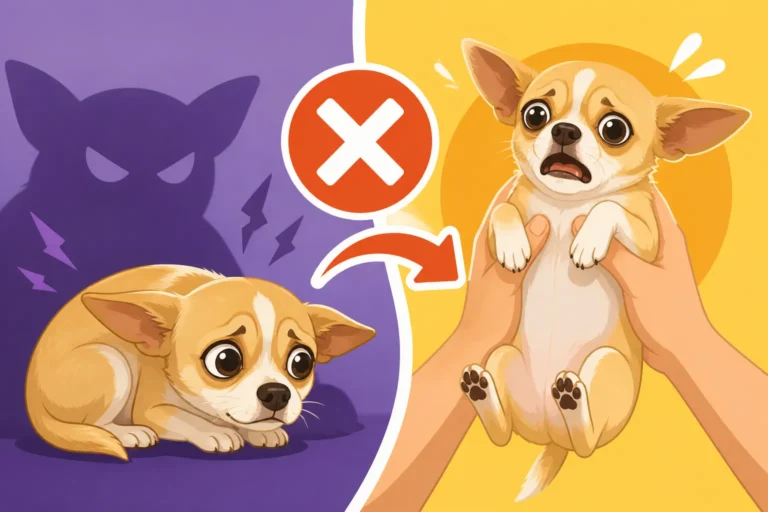
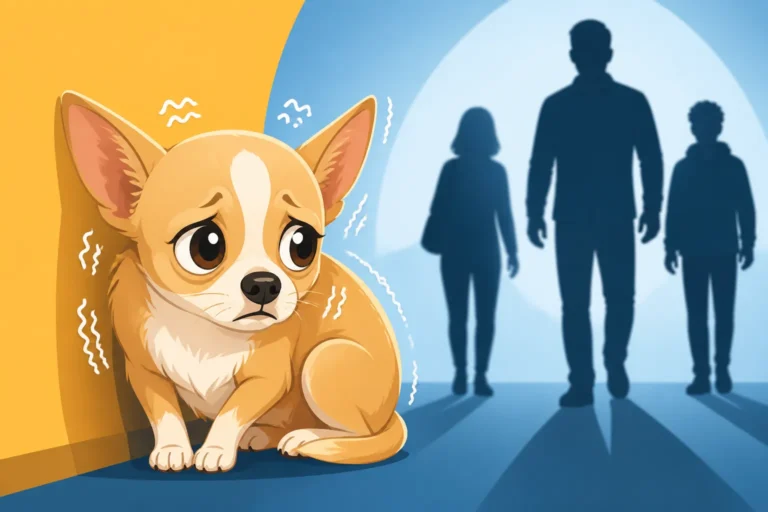
Imagine experiencing the world from a few inches off the ground. Every car is a roaring giant, every large dog a looming predator, and every unexpected sound a terrifying explosion. For a Chihuahua, the outside world can be an incredibly intimidating place. Their small size makes them feel vulnerable, and their finely tuned senses pick up on every vibration, scent, and distant siren. What might seem like a calm walk to you can be a sensory overload for them, triggering a freeze response or a frantic desire to be picked up and carried to safety.
This inherent vulnerability often manifests as fear reactivity, where they might bark, lunge, or cower at perceived threats. Without proper socialization and gentle exposure, these fears can become ingrained, making leash walks a source of constant stress rather than enjoyment. It's vital to recognize that this isn't defiance; it's a genuine fear response that needs patient and empathetic handling.
Discomfort, Pain, or Unsuitable Gear
Sometimes, the simplest explanation is the right one: your Chihuahua might just be uncomfortable. A poorly fitting harness can pinch, rub, or restrict movement, especially around their delicate throat and chest. Collars, even flat ones, can put undue pressure on their tiny windpipe, which for many Chihuahuas, especially those prone to Collapsing Trachea and the Chihuahua Honking Cough, can be outright painful and even dangerous. If their gear is irritating them, why would they want to move?
Beyond the fit, the type of gear matters. A heavy leash can feel like an anchor to a two-pound dog. Even the act of putting on the gear can be distressing if it's a tight squeeze or a battle. Before you even step outside, assessing their comfort with their harness and leash is crucial. We often overlook how much these small details impact a tiny dog's willingness to engage.
Lack of Positive Leash Training and Socialization
Many Chihuahuas are carried frequently or given extensive indoor potty access, which, while convenient, can unintentionally hinder their leash training. If a puppy isn't gradually introduced to a harness and leash with positive reinforcement from a young age, they simply won't understand its purpose. They haven't had the chance to associate it with exciting adventures or yummy treats.
Furthermore, a lack of early, gentle socialization to different sights, sounds, and textures during their critical The Chihuahua Socialization Window and Its Deadline can contribute to their reluctance. If their first few experiences on a leash outside were frightening or overwhelming, they'll quickly form a negative association. It’s hard to overcome those first impressions, and building positive new ones takes time and consistency. Without that foundation, the leash just becomes another thing to avoid.
Setting Up for Success: The Right Gear and First Steps
Once you understand why your Chihuahua might be hesitant, you can start building a foundation for successful walks. This begins with ensuring they have comfortable, appropriate gear and introducing it in a way that feels safe and fun, rather than forced. Remember, patience is your best friend here.
Choosing the Perfect, Comfortable Harness
Forget collars for walks – for Chihuahuas, a harness is non-negotiable. It distributes pressure safely across their chest and shoulders, protecting their fragile neck and trachea. But not all harnesses are created equal for these pint-sized pups. Look for a lightweight, soft, and well-fitting "Y-front" or "H-back" style harness. These designs avoid pressure points on the throat and allow for a full range of shoulder movement. Step-in harnesses can sometimes be too bulky or cut into their delicate armpits.
When selecting a harness, prioritize fit above all else. It should be snug enough that your Chihuahua can't back out of it, but loose enough that it doesn't chafe. You should be able to comfortably slide two fingers under any strap. Many excellent options are available online, and checking reviews for small dog breeds on sites like Amazon can give you a good idea of what works for other Chihuahua owners. Harness Fitting on a Chihuahua Chest is paramount to preventing discomfort and potential injury, especially for a breed known for tracheal issues.
Introducing the Harness and Leash Positively
Before you even think about stepping outside, make the harness and leash a source of good feelings. Start by simply showing your Chihuahua the harness, letting them sniff it. When they do, offer a high-value treat. Repeat this a few times a day. Next, gently drape the harness over their back for a second or two, treat, then remove it. Gradually increase the time the harness stays on, always pairing it with treats, praise, or a favorite toy.
Once they're comfortable wearing the harness around the house, clip the lightweight leash to it. Let them drag the leash for a few minutes while you supervise, tossing treats as they move. The goal is to make the gear feel like a normal, non-threatening part of their day. Never force it, and if they show signs of stress, take a step back. Remember, short, positive interactions are far more effective than long, stressful ones.
First Indoor "Walks" and Leash Training
After your Chihuahua is happy wearing their gear, it's time for some indoor leash practice. Start in a quiet room with minimal distractions. Hold the leash loosely and encourage them to move a few steps by luring them with a treat held near their nose. As they take a step forward, say "Yes!" or use a clicker, then give them the treat. This helps them understand that walking forward on the leash earns them good things.
Practice short bursts – literally just a few steps at a time – and keep sessions brief and fun. Three Minute Training Sessions With a Chihuahua are perfect. You're teaching them the basic concept of following the leash. Avoid pulling on the leash; if they stop, try to get their attention with a treat, or simply stand still and wait for them to move towards you. The moment they take a step, reward them. The idea is to make them choose to move with you, associating the leash with positive experiences, not being dragged.
Building Confidence and Consistency on Outdoor Walks
Once your Chihuahua is comfortable with their gear and the idea of moving on a leash indoors, it's time to tackle the great outdoors. This transition needs to be handled with care, prioritizing their comfort and slowly exposing them to the sights and sounds that might initially overwhelm them.
Gentle Desensitization to the Outdoor World
The world can be a loud, scary place for a small dog. Instead of immediately taking your Chihuahua to a busy park, start small. Begin by simply taking them outside, in their harness and leash, and sitting in your yard or on your porch. Don't expect them to walk. Just let them observe, sniff, and get used to the sounds and smells from a safe distance. Offer treats and praise whenever they seem relaxed. This process is called desensitization and counter-conditioning. You're changing their emotional response to the environment by pairing scary things with good things.
Gradually, move to slightly more stimulating but still calm environments, like a quiet cul-de-sac during off-peak hours. Keep sessions short – literally just a few minutes if that's all they can handle. The goal is to build their confidence one tiny step at a time. Building a Chihuahua's Confidence Outdoors is a gradual process, not a sudden immersion. Always be their advocate, protecting them from overly boisterous dogs or loud, sudden noises.
Short, Positive, and Successful Outdoor Adventures
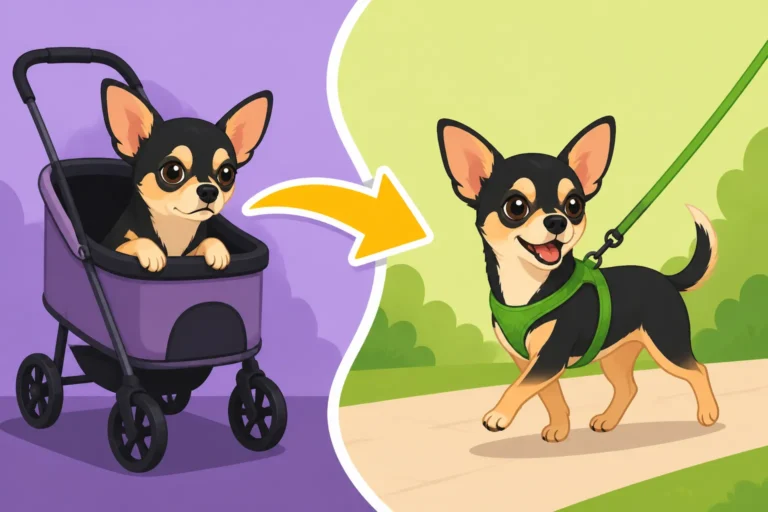
When you do start attempting walks, keep them incredibly short and focused on positive experiences. A "successful walk" isn't measured by distance, but by how your Chihuahua felt. Even a ten-foot walk to the mailbox and back can be a huge victory if they do it happily and without fear. Always end the walk on a high note, even if it means picking them up and carrying them the last few feet if they start to get overwhelmed.
High-value treats are essential for outdoor walks. Every time your Chihuahua takes a step forward willingly, looks at you, or investigates a new smell calmly, reward them. This reinforces that walking on a leash is rewarding. If they freeze or try to bolt, avoid pulling. Instead, crouch down, offer a treat, and try to lure them forward. If they're completely shut down, a gentle pick-up and carry back inside is better than a prolonged struggle. Remember, we want them to associate the leash and outdoors with good things.
Consistency, Routine, and Avoiding Backsliding
Consistency is key when teaching a Chihuahua to love their walks. Try to establish a regular routine for going outside, even if it's just for five minutes in the beginning. This helps them anticipate and get used to the activity. Make sure everyone in the household is on the same page with training methods and expectations. Inconsistent signals can confuse a small dog and make progress much slower.
It's tempting to pick up your Chihuahua whenever they seem hesitant or scared, but doing so too often can inadvertently teach them that freezing or resisting will get them carried. While it's sometimes necessary for their safety or comfort, try to encourage them to walk independently as much as possible. What a Chihuahua Loses by Never Touching the Ground is the opportunity to explore, build confidence, and engage with the world on their own terms. If you find yourself constantly battling resistance or feeling stuck, consider enrolling in a positive reinforcement online training program, like those offered by BAXTER & Bella, or seeking a certified professional trainer who specializes in small dog behavior. Sometimes an outside perspective and tailored guidance can make all the difference. Finding a Trainer Who Takes a Chihuahua Seriously is crucial for effective results.
Troubleshooting Common Leash Walking Problems
Even with the best intentions and consistent effort, you might encounter specific challenges on your Chihuahua's leash walking journey. These tiny dogs have their own unique quirks and anxieties, but most problems can be addressed with patience and the right techniques.
The Frozen Statue or Reluctant Mover
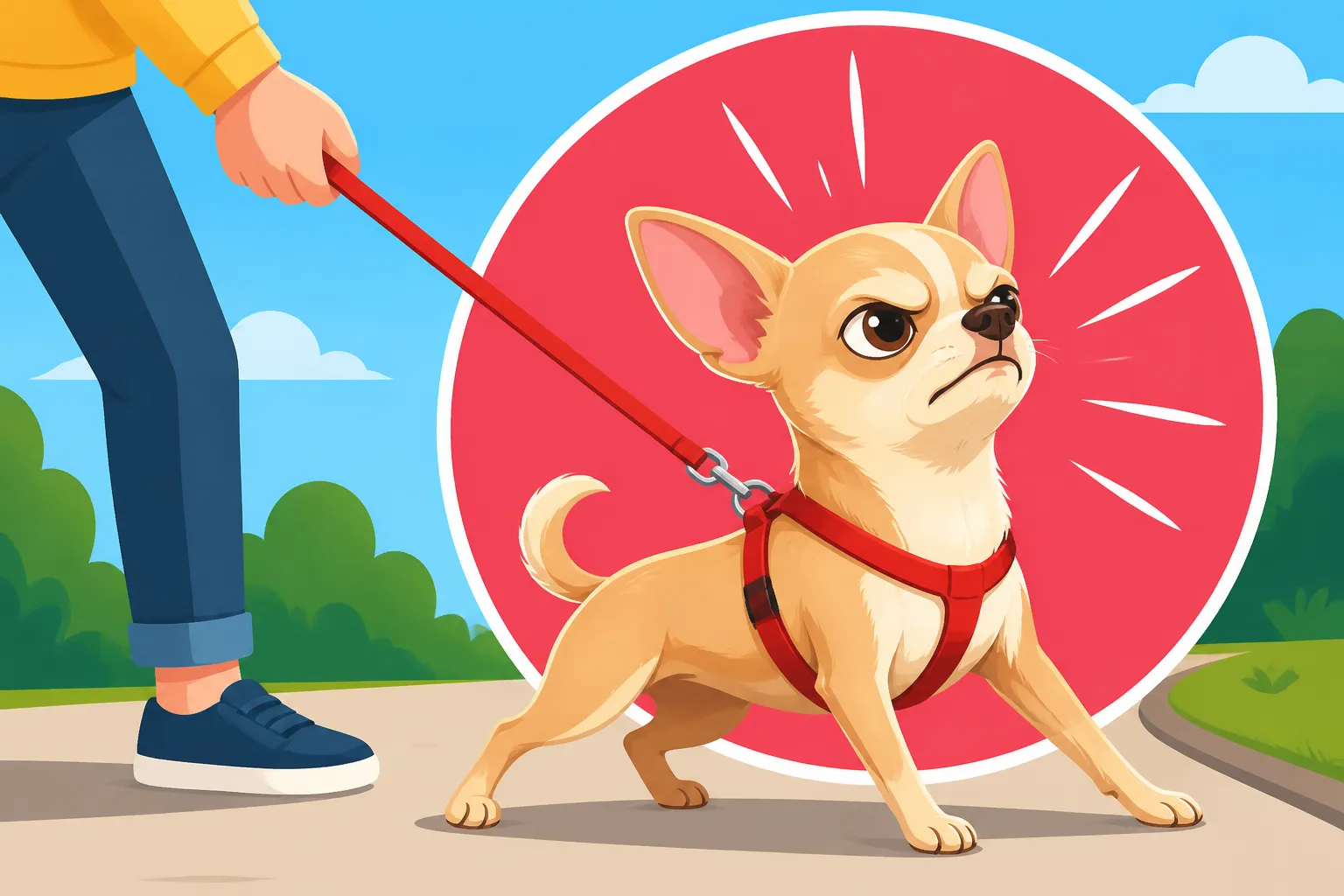
This is perhaps the most common frustration: your Chihuahua just stops dead in their tracks, refusing to budge, or perhaps even lying down. This often signals overwhelm or fear. Your first instinct might be to pull on the leash, but this only creates a negative association and can injure their delicate neck. Instead, try these approaches:
- Be a cheerleader: Get down to their level, use an encouraging voice, and offer high-value treats to lure them forward. Make yourself exciting!
- Change direction: Sometimes a new route, even just turning around, can break the spell.
- Pick a "safe spot": If they consistently freeze at a certain point, make that spot a positive experience. Sit there, give treats, let them observe, then try to move on. If they freeze, return to the safe spot.
- Wait it out (patiently): If you're in a safe, quiet area, sometimes simply waiting without pulling will encourage them to eventually move. The moment they take a step, reward enthusiastically.
- Carry for short distances: If they are truly terrified and shut down, it's okay to pick them up and carry them past the scary zone, then put them down to try again in a calmer area. Just ensure this isn't their primary mode of transport.
Dealing with Leash Reactivity and Fear
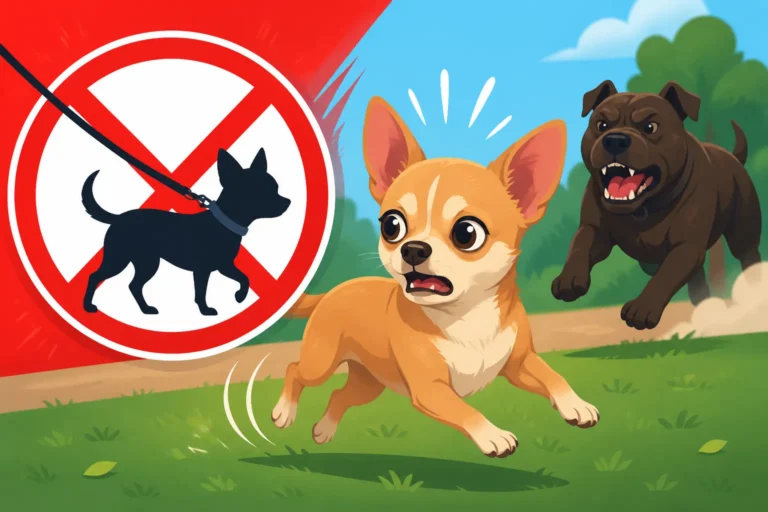
Many Chihuahuas develop reactivity on leash, barking or lunging at other dogs, people, or objects. This is almost always rooted in fear, not aggression. They feel vulnerable and believe the best defense is a good offense. A Chihuahua That Lunges at Every Passing Dog is trying to create distance and protect themselves.
- Increase distance: The easiest way to manage reactivity is to keep a safe distance from triggers. If you see another dog approaching, cross the street or turn a corner.
- Desensitize and counter-condition: When you spot a trigger (like another dog) at a distance where your Chihuahua notices but doesn't react, immediately start giving them treats. The moment the trigger is gone, stop the treats. You're teaching them that other dogs predict good things.
- "Look at that!": A simple game where you point out the trigger (e.g., "Look, a dog!") and immediately reward them for looking at it without reacting.
- Avoid dog parks: Dog parks are often overwhelming and dangerous for Chihuahuas due to their size difference. Stick to controlled, calm interactions. Why Dog Parks Are Dangerous for a Chihuahua is a topic often discussed for good reason.
- Seek professional help: If reactivity is severe, a certified professional dog trainer or veterinary behaviorist can provide a tailored plan. They can help you understand Chihuahua Body Language Before a Snap and guide you through more advanced techniques.
Understanding and Addressing Pulling on Leash
Yes, even Chihuahuas can pull! While it might not be as physically demanding as a large dog pulling, it can still be irritating and teach your Chihuahua that tension on the leash gets them where they want to go. Getting a Chihuahua Used to Walking on Leash means teaching them to walk politely.
- Loose leash means reward: The moment there's slack in the leash, reward them. If the leash tightens, stop walking. Only resume when the leash is loose again. This teaches them that a loose leash keeps the walk going.
- Change direction: If they pull, simply change direction. This disorients them slightly and teaches them to pay attention to where you're going, rather than charging ahead.
- Lure and reward: Use a treat to lure them into the correct position beside you, reward, and take a few steps. Repeat.
- Consistent starting: Before you even leave the house, practice starting and stopping at the door on a loose leash.
Managing Distractions and Maintaining Focus
The world is full of fascinating smells and sounds, and a Chihuahua's nose and ears are powerful. Distractions can derail a well-intended walk.
- High-value treats: Bring the best treats they love. These are your secret weapon against distractions.
- Engage with them: Periodically call their name, ask for a "sit," or do a quick "touch" command (where they touch their nose to your hand), then reward. This keeps their focus on you.
- Short bursts of focus: Don't expect continuous focus. Ask for attention for a few seconds, reward, then let them sniff. It's about balance.
- Practice in quiet areas first: Build up their ability to focus in increasingly distracting environments. Don't expect them to ignore squirrels at a busy park if they can't focus on your quiet street.
Building a strong, positive relationship with leash walking takes time and understanding, especially for a Chihuahua. Remember, every step forward, no matter how small, is a victory!
| Problem | Common Causes | Solutions |
|---|---|---|
| Refusal to Move (Frozen/Stops) | Fear, overwhelm, sensory overload, discomfort, lack of training | Lure with treats, change direction, find a safe observation spot, patient waiting, gentle carrying past triggers |
| Leash Reactivity (Barking/Lunging) | Fear, perceived threat, lack of socialization | Increase distance from triggers, desensitization/counter-conditioning, "Look at that!" game, avoid dog parks |
| Pulling on Leash | Lack of loose-leash training, excitement, wanting to lead | Reward loose leash, stop when tight, change direction, lure into position, consistent starting practice |
| Distraction/Lack of Focus | Overwhelming environment, exciting smells/sights | Use high-value treats, regular check-ins, engage with commands, gradually increase distraction levels |
| Gear Discomfort | Poorly fitting harness/collar, chafing, pressure | Switch to a Y-front harness, ensure proper fit (two fingers rule), use lightweight leash |
Disclaimer
This article is for general informational purposes only and does not constitute professional advice. Laws, prices and regulations vary by location and change over time. Consult a qualified professional for guidance on your specific situation.