A Chihuahua That Lunges at Every Passing Dog
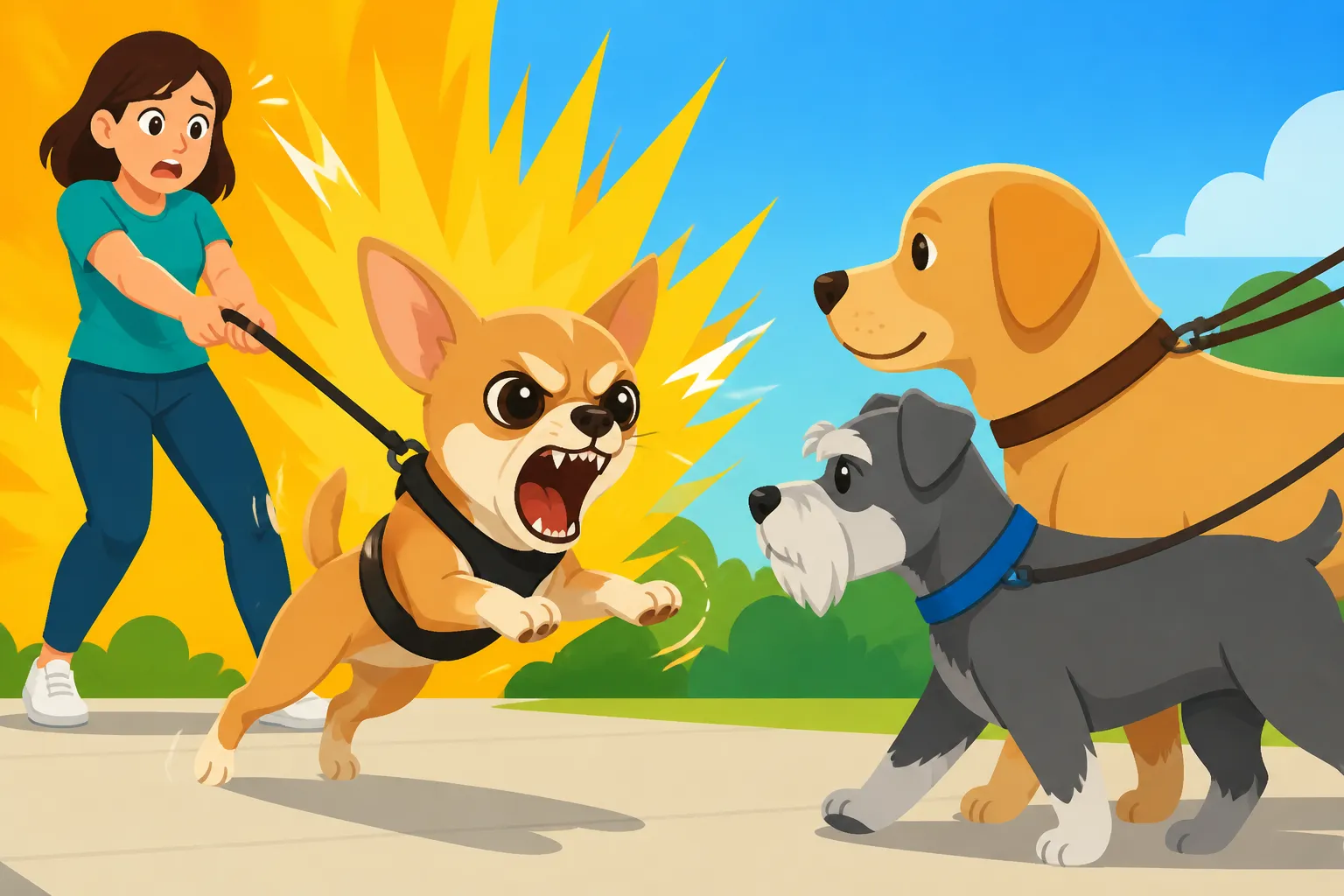
It's a common, often embarrassing, and sometimes frightening situation: you're out walking your beloved Chihuahua, and suddenly, they transform into a barking, lunging terror at the sight of another dog. This isn't just a minor inconvenience; it can make walks stressful and make you feel like you're doing something wrong. This guide will delve into why your tiny companion might be reacting this way and offer practical, empathetic strategies to help calm these outbursts, making your walks more enjoyable for both of you.
Understanding Why Your Chihuahua Lunges at Other Dogs
When your little Chihuahua explodes into a frenzy of barks and lunges at another dog, it can feel like you have an aggressive monster on the end of the leash. However, for most Chihuahuas, this dramatic display isn't about aggression at all. It's almost always rooted in a much more vulnerable emotion: fear. Understanding this distinction is the first crucial step in helping your tiny friend.
The Root Cause: Fear, Not Aggression
Imagine being tiny in a world full of giants. That's often how a Chihuahua experiences the world, especially when encountering larger, unfamiliar dogs. Their small size makes them feel inherently vulnerable, and this feeling can manifest as fear. When they see another dog approaching, especially one much larger than them, their instinct often isn't to befriend it, but to protect themselves. They might feel threatened, exposed, or simply overwhelmed by the sheer presence of a bigger animal. This fear isn't a character flaw; it's a natural survival mechanism for a small creature. We dive deeper into this topic in Fear-Based Reactivity in a Chihuahua.
Often, owners unintentionally reinforce this fear by picking up their Chihuahua every time another dog approaches. While this might seem like protection, it actually teaches the Chihuahua that other dogs are something to be feared, and that their owner will remove them from the "danger." This can escalate the problem over time, as the Chihuahua learns that its panicked reaction gets it out of scary situations. This isn't to say you should put your Chihuahua in harm's way, but rather to highlight how our natural protective instincts can inadvertently strengthen their reactive behaviors.
What a Lunge and Bark Really Communicate
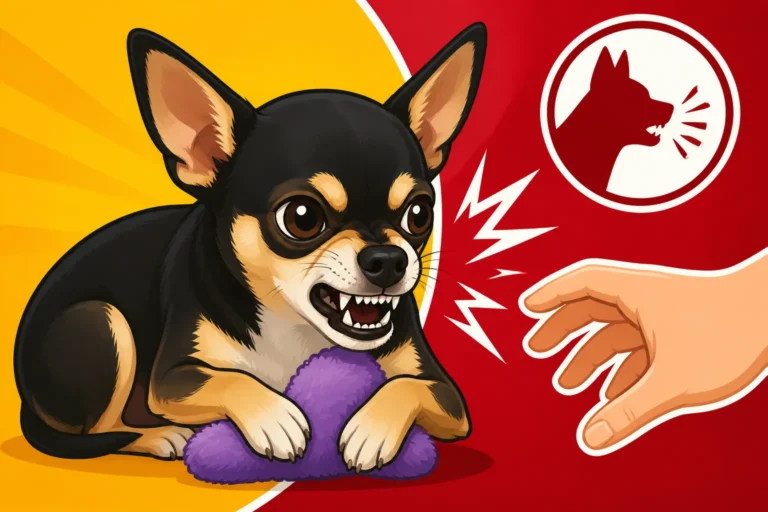
A Chihuahua's lunge and bark are not typically an invitation to fight. Instead, they're a desperate plea for space and a clear message: "Stay away!" Think of it as a tiny dog shouting its loudest, most intimidating warning to deter what it perceives as a threat. They're trying to make themselves seem bigger, scarier, and less approachable, hoping the other dog will simply keep its distance. It's a defense mechanism, pure and simple.
This defensive barking and lunging can sometimes be misinterpreted as "small dog syndrome," but it's important to remember that this isn't a genetic trait. It's a learned behavior, often a result of their environment and how their human companions interact with them. A frightened Chihuahua might get louder and more agitated the closer another dog gets, a clear signal that their fear is mounting. If you pay close attention, you might even notice subtle signs of stress before the explosion: a stiff posture, wide eyes, a tucked tail, or lip licking. These are all part of Chihuahua Body Language Before a Snap, and recognizing them early can help you intervene before the full-blown reaction. Understanding this allows us to approach the problem with empathy and a training plan, rather than frustration.
Strategies to Manage and Reduce Leash Reactivity
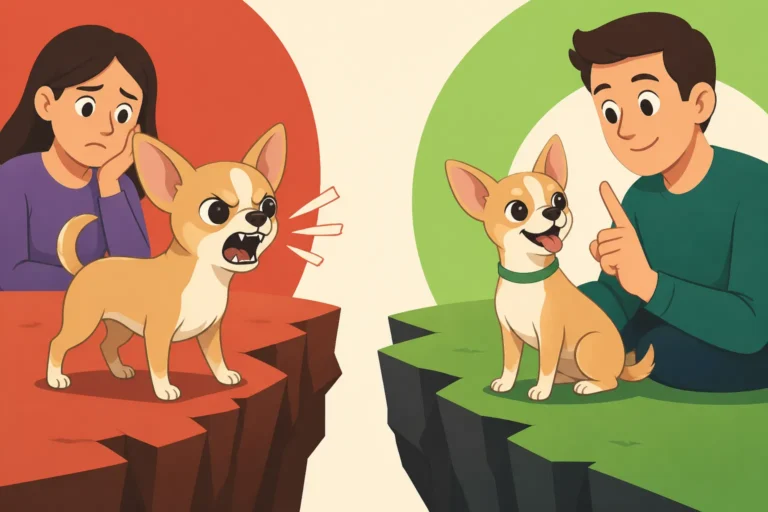
Addressing leash reactivity in your Chihuahua requires patience, consistency, and a multi-faceted approach. It's about changing your dog's emotional response to other dogs, not just suppressing the behavior. This means focusing on prevention and positive reinforcement to build their confidence and create positive associations.
Equipment That Helps You Stay Safe and in Control
Having the right gear is fundamental for managing a reactive Chihuahua. A good harness, specifically designed for small dogs, is crucial. Avoid neck collars for leash walking, especially with Chihuahuas, as they can put dangerous pressure on their delicate tracheas, which are prone to collapsing. A front-clip harness or a well-fitting Y-front harness can provide better control without causing discomfort or potential injury. When looking for a harness, make sure it allows for proper Harness Fitting on a Chihuahua Chest so it doesn't chafe or restrict movement, but also prevents them from backing out of it during a sudden lunge. Many excellent options are available on Amazon that cater specifically to toy breeds.
| Harness Type | Pros | Cons | Best For |
|---|---|---|---|
| Y-Front (Back-Clip) | Comfortable, less pressure on throat | Less steering control on lungers | Dogs that don't pull or lunge aggressively |
| Front-Clip | Excellent steering control, discourages pulling | Can twist on dog if not fitted correctly | Reactive dogs, pullers, better control needed |
| Vest/Step-In | Easy to put on, good for sensitive dogs | Can be easier to back out of if not secure | Dogs needing comfort, minimal reactivity |
For some Chihuahuas with severe reactivity, a muzzle can be a vital safety tool, not just for preventing bites, but for giving both you and your dog peace of mind during training. It's important to introduce a muzzle slowly and positively, making it a comfortable experience rather than a punishment. A basket muzzle is ideal as it allows your dog to pant, drink, and take treats. Muzzle Training a Small Chihuahua is an excellent skill to develop, even if you only use it occasionally for vet visits or high-stress environments.
Counter-Conditioning: Changing Your Chihuahua's Emotional Response
The core of helping a reactive Chihuahua is counter-conditioning. This means changing your dog's negative emotional response to other dogs into a positive one. Instead of seeing another dog and feeling fear, we want them to associate other dogs with good things, like delicious treats. The goal isn't just to stop the barking, but to shift their underlying feelings.
Here’s how it works: Find your Chihuahua's "threshold"—the distance at which they notice another dog but haven't yet reacted. This might be across the street, or even further away. When another dog comes into view at or beyond that threshold, immediately start feeding your Chihuahua high-value treats (think tiny pieces of chicken or cheese, something they rarely get). The moment the other dog disappears, stop the treats. The key is that the treats only appear when the "trigger" (the other dog) is present. This teaches your Chihuahua: "Other dog = yummy food." Over time, they start to associate the sight of another dog with something positive. This process is fully explained in Counter-Conditioning a Fearful Chihuahua.
Start with very short sessions and low-intensity encounters. Don't push your dog too close too fast. The goal is to always stay under their threshold. If your Chihuahua starts barking or lunging, you've gone too far, too fast. Retreat to a greater distance and try again. Consistency is key, and every positive interaction, no matter how brief, builds towards a calmer future.
Managing the Environment to Prevent Overwhelm
While you're working on counter-conditioning, environmental management is your best friend. This means actively avoiding situations that trigger your Chihuahua's reactivity. It's not about hiding your dog away, but about setting them up for success. Choose quiet times and locations for walks. If you know a particular park is busy with off-leash dogs, find an alternative route or time that is less crowded.
If you see another dog approaching, don't be afraid to cross the street, turn around, or step behind a car or bush to create more distance. Your priority is to prevent your Chihuahua from going over their threshold and practicing the reactive behavior. Each time they react, the behavior gets stronger. Each time you prevent a reaction, you are giving them an opportunity to experience calm. This includes practicing Walking a Chihuahua Past a Barking Dog if necessary, but ideally, you want to avoid that situation in the early stages of training. Utilizing strategies like Building a Chihuahua's Confidence Outdoors through positive experiences in low-stress environments can also be incredibly beneficial.
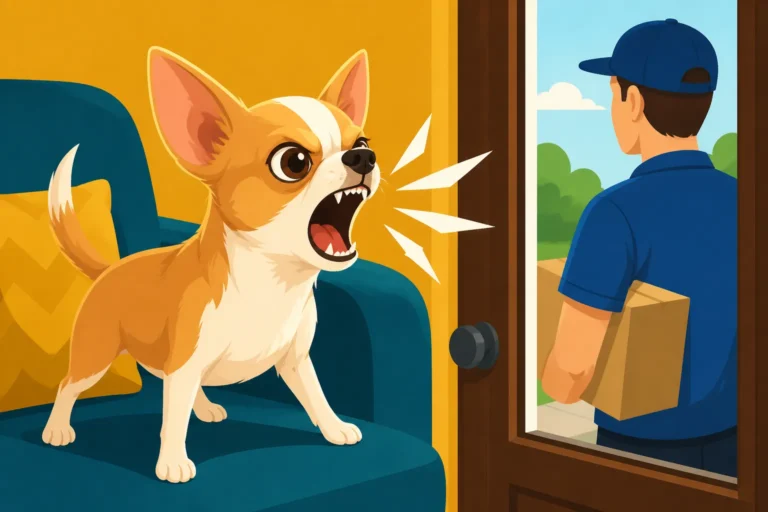
Consider using management tools like window film or baby gates at home if your Chihuahua barks excessively at dogs passing by your window or door. For those who travel or need reliable management at home, an online dog training program can offer structured guidance and support. Many owners find programs like those offered by BAXTER & Bella helpful for consistent at-home training and managing challenging behaviors. These resources can provide ongoing lessons and support, which is invaluable when dealing with long-term behavioral changes.
The Importance of Consistent, Positive Reinforcement Training
Reactive behaviors don't just disappear overnight. They require dedicated, consistent effort using positive reinforcement methods. This means rewarding the behaviors you want to see, rather than punishing the ones you don't. Punishment, especially for a fearful dog, will only increase their anxiety and erode the trust between you.
Building Confidence Through Obedience
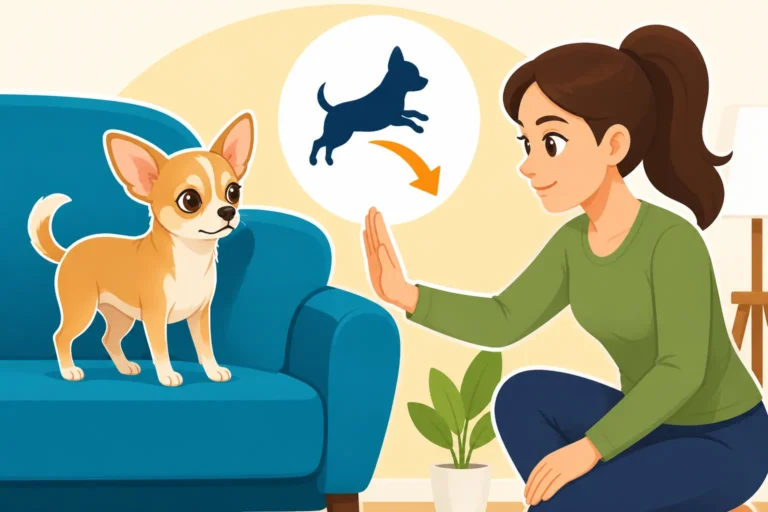
Basic obedience training is more than just teaching commands; it's about building a strong communication channel and boosting your Chihuahua's confidence. A dog that understands what's expected of them and feels a sense of control is often a less anxious dog. Teaching cues like "watch me" (for eye contact), "leave it," and "sit" can be invaluable tools when you encounter another dog on a walk. For instance, asking your Chihuahua to "watch me" can redirect their focus from the approaching dog to you, allowing you to reward that engagement with a high-value treat before they even have a chance to react.
Even short, daily training sessions of just a few minutes can make a huge difference. Three Minute Training Sessions With a Chihuahua are perfect for their attention span and help solidify these crucial skills. Remember, Why a Chihuahua Deserves Real Obedience Training is not just about tricks; it's about life skills that make them feel safer and more secure in their world. When your Chihuahua looks to you for guidance, rather than panicking at every trigger, you've made incredible progress.
Professional Help When You Need It
Sometimes, despite your best efforts, your Chihuahua's reactivity can feel overwhelming or even dangerous. This is when professional help becomes invaluable. A certified professional dog trainer or a veterinary behaviorist can assess your dog's specific situation, identify the underlying causes of their reactivity, and develop a tailored training plan. They can also help you understand subtle nuances in your Chihuahua's body language that you might be missing.
Look for trainers who specialize in positive reinforcement and fear-based aggression. Avoid any trainer who suggests using punishment, corrections, or tools like shock collars, especially for a fearful Chihuahua, as these methods can exacerbate the problem. When Vetting a Trainer Before You Book a Chihuahua, ask about their methodology, experience with small, reactive dogs, and certifications. A good professional can offer group classes for reactive dogs (often called "feisty Fido" or "control unleashed" classes, where dogs train at a distance from each other) or one-on-one sessions, providing hands-on guidance and support that can be hard to replicate on your own. Remember, seeking help is a sign of a responsible owner, not a failure.
Disclaimer
This article is for general informational purposes only and does not constitute professional advice. Laws, prices and regulations vary by location and change over time. Consult a qualified professional for guidance on your specific situation.