Teaching a Chihuahua to Enter Its Carrier
Getting your tiny Chihuahua into their carrier can feel like a wrestling match, especially when they know it means a trip to the vet or a stressful journey. Many of us have experienced that frustrating dance where our little one becomes a limp noodle or a squirming escape artist the moment the carrier comes out. This guide is all about turning that anxiety-ridden experience into a calm, even pleasant routine, helping your Chihuahua willingly and happily enter their carrier.
Why Chihuahuas Often Dread Their Carrier
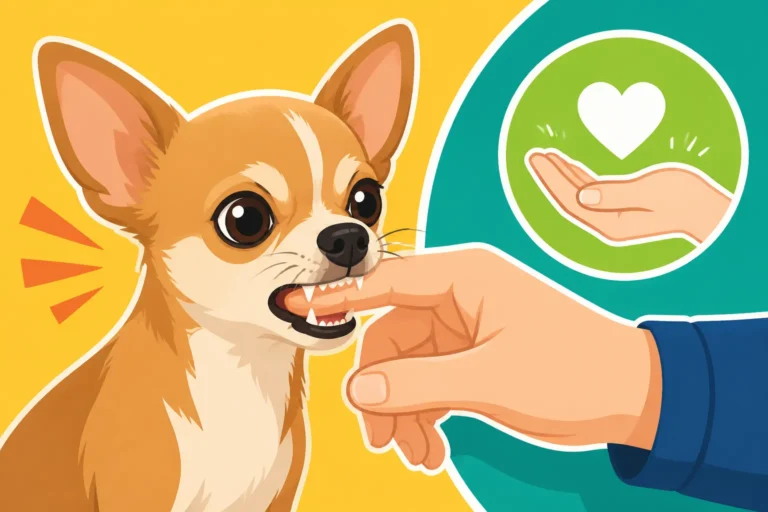
It's easy to think your Chihuahua is just being stubborn when they bolt at the sight of their carrier. But the truth is, their reluctance usually stems from a place of fear, anxiety, or simply negative associations. Understanding these root causes is the first step in helping them overcome their apprehension.
The Association with Negative Experiences
For many Chihuahuas, the carrier is like a signal flag for something unpleasant. Think about it: when does the carrier most often make an appearance? Probably for that yearly vet check-up, an unexpected emergency visit, or maybe a long car ride to an unfamiliar place. These experiences, while necessary, can be stressful for a sensitive little dog. The poking, the prodding, the unfamiliar smells and sounds of the vet's office – it all gets linked to the carrier itself.
Imagine being scooped up and placed into a small, enclosed space, only for it to lead to something you don't enjoy. Your Chihuahua remembers this. Their excellent memory, combined with their naturally cautious and sometimes fearful temperament, means they quickly learn to associate the carrier with these less-than-ideal outcomes. This isn't stubbornness; it's a perfectly logical canine response to what they perceive as a precursor to stress or discomfort. Because they are so small, they can feel incredibly vulnerable when removed from their safe space (your arms or lap) and put into an enclosed box.
Lack of Familiarity and Control
Another huge factor is that for many Chihuahuas, the carrier isn't a regular part of their home environment. It's often tucked away in a closet, only to be dragged out when needed. This means it appears suddenly, unfamiliar and foreboding. There's no opportunity for your Chihuahua to explore it on their own terms, to sniff it, or to realize it's not a threat. It just appears and then they're forced into it.
This lack of control over their environment can be particularly unsettling for Chihuahuas, who thrive on feeling secure. When they don't have a choice in the matter, the experience becomes even more daunting. They haven't been given the chance to investigate and decide that the carrier is safe, let alone a good place to be. Furthermore, many small dogs are carried almost everywhere, which, while well-intentioned, can inadvertently reinforce a lack of control and confidence in navigating new spaces. This constant carrying can also prevent them from developing independence and positive associations with things like their carrier, as explored in articles like Chihuahua Handling and Why Carrying Backfires. They never learn to interact with these objects on their own terms.
Making the Carrier a Happy Place: Positive Association Training
The key to a willing Chihuahua is making the carrier a truly wonderful, safe, and desirable spot. This requires a bit of patience and consistency, but the payoff of stress-free travel is absolutely worth it. We're going to transform the carrier from a scary box into their personal den, a place they want to be.
Introduction to the Carrier as Everyday Furniture
The first, and arguably most important, step is to integrate the carrier into your home environment. Don't hide it away! Bring it out, open the door, and place it in a common area where your Chihuahua spends a lot of time – maybe the living room, next to their bed, or near your favorite armchair.
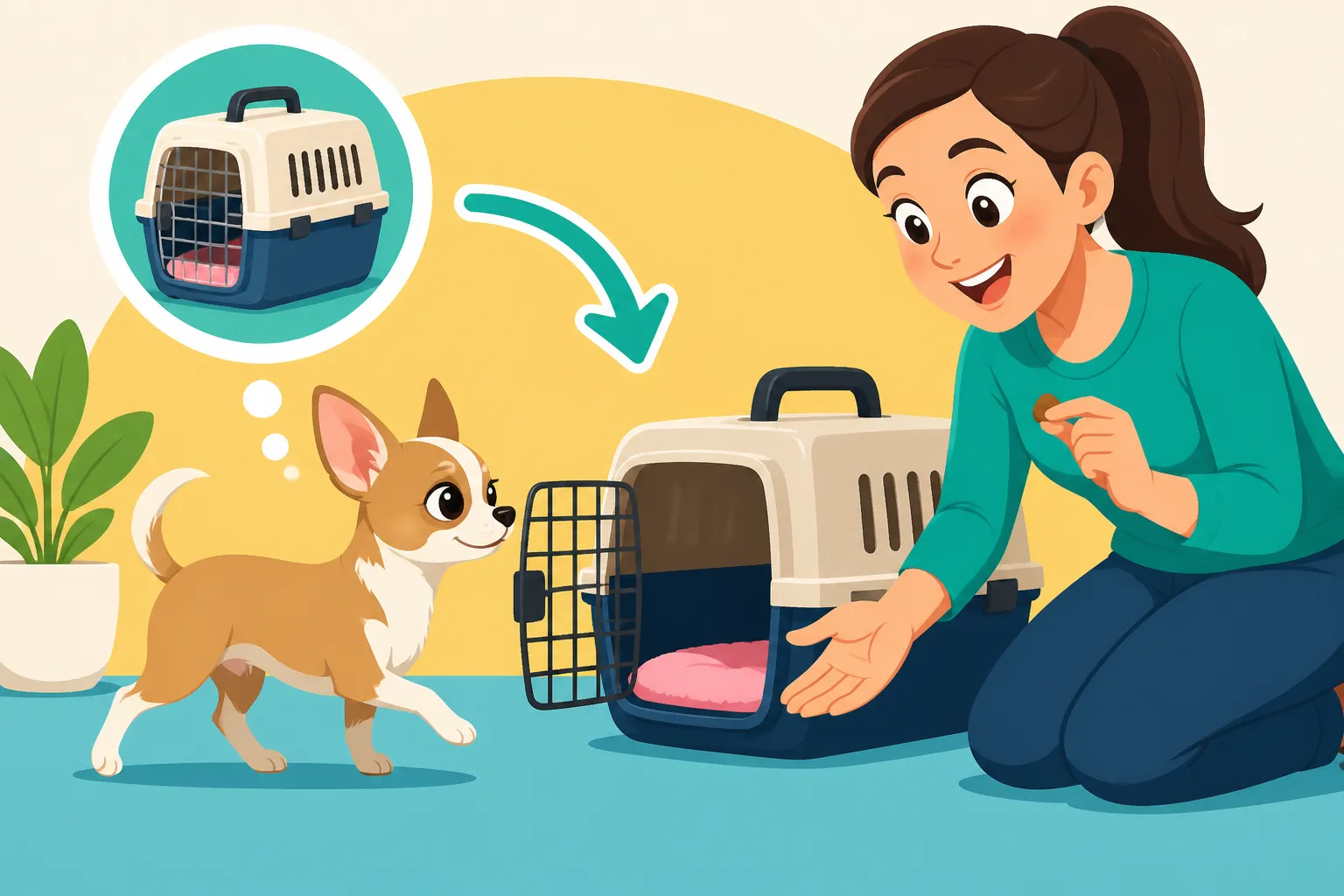
Make it incredibly inviting. Put a soft, familiar blanket inside – perhaps one that already smells like them or you. Toss in a few of their favorite toys. Periodically, walk by and drop a high-value treat just inside or right next to the opening. The goal here is purely passive exposure and positive association. Let them approach it on their own terms, sniff it, even ignore it if they want. The carrier should simply be there, a non-threatening part of their daily landscape, slowly building a mental bridge to comfort and safety. Think of it as just another piece of furniture, like their dog bed, but one that happens to have a door.
Step-by-Step Desensitization and Counter-Conditioning
Once the carrier is a neutral object in their environment, we can start actively building positive associations through a process called desensitization and counter-conditioning. This is a gradual process that pairs the carrier with something good, reducing fear and replacing it with pleasant feelings.
-
Phase 1: Approaching the Carrier.
- Start by simply rewarding your Chihuahua for looking at the carrier, then for taking a step towards it.
- Toss a tiny, irresistible treat (like a piece of cooked chicken, cheese, or a high-quality soft training treat you can find on Amazon) near the carrier's opening. As they eat it, praise them gently.
- Repeat this several times a day, in short, upbeat sessions. Don't push them. The moment they look away or show any signs of discomfort, stop the session and try again later. We're building confidence, not forcing compliance.
- Focus on tiny, pea-sized rewards, especially when training a Chihuahua, as their calorie budget is small. You can learn more about appropriate treats in Treats Small Enough for Chihuahua Training.
-
Phase 2: Entering the Carrier.
- Once they're happy to approach, start luring them in. Place a treat just inside the carrier, then further in. Let them step in to get it.
- Reward for one paw in, then two paws, then for all four paws inside.
- Don't close the door yet! Let them go in, get the treat, and come right back out. This teaches them that entering isn't a trap; it's a choice rewarded with deliciousness.
- Use a happy, encouraging voice throughout. This should feel like a fun game.
-
Phase 3: Staying in the Carrier.
- Once they're comfortable entering and exiting, start increasing the duration they spend inside.
- Lure them in, give a treat, and then give another treat while they are still inside. Count to one second, then open the door if it was closed, or let them exit.
- Gradually increase the time: 3 seconds, 5 seconds, 10 seconds, then 30 seconds. Always reward them while they are still inside for staying calm, and then let them out.
- Practice closing the door for very brief moments, then opening it immediately. Again, slowly increase the duration. Don't forget to reward them for calm behavior after the door closes, and before it opens again.
-
Phase 4: Moving the Carrier.
- Once your Chihuahua is happily relaxing inside with the door closed for a few minutes, try lifting the carrier a tiny bit, then setting it back down. Reward heavily.
- Gradually increase the movement: lift and move a few inches, then a few feet, then across the room.
- Eventually, try picking it up and walking a short distance, then setting it down. Always reward their calm demeanor during the movement. The goal is for them to feel secure, not jostled or frightened.
-
Phase 5: Practice "Goes for a Ride" But Ends Up Back Home.
- To break the association with only going to the vet, put your Chihuahua in the carrier, take a short drive around the block, and then bring them right back home.
- When you arrive home, give them a high-value treat and lots of praise. Repeat this several times, making sure some carrier trips lead to fun places like a park (if you take the carrier into the park for a moment) or simply back to the comfort of their own house. This teaches them that the carrier doesn't always mean something scary.
Using High-Value Rewards
For tiny Chihuahuas, the right motivation is critical. Kibble often isn't exciting enough to overcome deeply ingrained fear. You need high-value treats that are small, soft, and easy for them to chew quickly. Think tiny pieces of:
- Cooked chicken breast
- Low-fat cheese
- Peanut butter (xylitol-free, of course!) on a spoon they can lick
- Store-bought training treats specifically designed for small dogs, often available on Amazon, which can be broken into even smaller pieces.
The treats should be so enticing that your Chihuahua is willing to overcome their initial hesitation. Remember to factor these treats into their daily calorie intake to prevent unintended weight gain, as discussed in Daily Calories for a Three to Seven Pound Chihuahua. Make these training sessions short and sweet, ending before your Chihuahua gets bored or frustrated.
Practical Tips for Stress-Free Carrier Use
Beyond the initial training, there are ongoing practices that can significantly improve your Chihuahua's comfort and willingness to use their carrier. Consistency and thoughtful preparation are your best friends here.
Choosing the Right Carrier
The carrier itself plays a huge role in your Chihuahua's comfort. It's not just a box; it's their safe space on the go. Consider these factors:
- Size: It needs to be large enough for them to stand up, turn around, and lie down comfortably, but not so large that they slide around excessively during transport. For airline travel, always check the specific dimensions required by the airline for in-cabin carriers. Chihuahua Carriers and Travel Bags often details options.
- Ventilation: Good airflow is essential. Mesh windows or ample openings ensure they don't get too hot or feel claustrophobic.
- Comfort: A soft bottom or a cozy bed/blanket inside makes a huge difference. Think about how much more appealing a plush bed is compared to a bare plastic crate.
- Type:
- Soft-sided carriers are often preferred for Chihuahuas due to their light weight, flexibility, and den-like feel. They can be squishy, which sometimes provides a sense of security. They're also usually approved for in-cabin airline travel.
- Hard-sided carriers offer more rigid protection and are easier to clean. They're great for general car travel or if you need something very sturdy, but can feel more exposed or less cozy for a sensitive Chihuahua.
Here's a quick comparison of popular carrier types for Chihuahuas:
| Carrier Type | Pros | Cons | Best For |
|---|---|---|---|
| Soft-Sided | Lightweight, flexible, cozy, airline-approved | Less rigid protection, harder to deep clean | Air travel, car rides, short vet visits |
| Hard-Sided | Durable, easy to clean, excellent protection | Heavier, bulkier, can feel less cozy, not always airline-approved | Long car trips, crate training, home base |
| Backpack | Hands-free for owner, good for hiking/walking | Can feel less stable for dog, limited visibility | Adventure outings, crowded spaces |
Comfort and Security Inside
Once you've chosen a carrier, make the interior as inviting as possible. This isn't just about initial training; it's about making every single trip as comfortable and secure as it can be.
- Familiar Scents: Place a blanket or towel that your Chihuahua regularly sleeps on inside the carrier. Your scent on a piece of clothing can also provide comfort.
- Favorite Toy: A small, beloved toy can offer a sense of familiarity and distraction. Just make sure it's not something they can choke on or destroy easily.
- Covering the Carrier: For many Chihuahuas, covering the carrier with a light blanket can reduce visual stimulation and create a den-like, secure environment, which can be very calming, especially in busy vet waiting rooms or during travel. Just ensure good air circulation.
Incorporating Cues and Practice
Just like any other command, teaching your Chihuahua a cue to "go in" their carrier can be incredibly useful.
- Verbal Cue: As you're luring them in during training, say "carrier!" or "kennel!" in a happy tone. With enough repetition, they'll associate the word with the action and the reward.
- Regular Practice: Don't only use the carrier when you're going somewhere stressful. Once a week, practice the routine:
- Bring out the carrier.
- Give the cue.
- Reward them for going in.
- Close the door for a few minutes (while you supervise).
- Then, let them out with praise.
- This keeps the positive association fresh and ensures they don't only connect the carrier with high-stakes trips. Think of it like Chihuahua Crate Training, where the crate becomes a regular, positive space.
Some online training platforms, such as those from BAXTER & Bella, offer comprehensive courses that include carrier training, walking you through these steps with video demonstrations and expert guidance, which can be invaluable for consistent training.
Maintaining the Positive Vibe
The most critical aspect of carrier training is consistency in maintaining positive associations. Never, ever use the carrier as punishment. That will immediately undo all your hard work.
- Always Reward: Every time your Chihuahua willingly enters, stays calm, or exits the carrier without fuss, acknowledge it with praise and a small treat.
- Never Force: If your Chihuahua is truly resistant, go back a step in your training. Forcing them in will only increase their fear and make future attempts harder.
- Vary Destinations: As mentioned, make some carrier trips lead to fun outcomes. A short car ride to the park, a visit to a friend's house (if they enjoy it), or simply a quick trip around the block before coming home to their favorite toy and a special treat. This helps them understand that the carrier isn't just for scary places. This proactive approach helps reduce the kind of Chihuahua Fear Reactivity, the Breed's Real Problem that can often manifest in stressful situations.
Troubleshooting Common Carrier Problems
Even with the best intentions, you might hit some snags. Chihuahuas are clever and can be quite adept at expressing their displeasure. Here are some common issues and how to approach them.
The Chihuahua That Refuses to Enter
You've tried the treats, you've left it out, but your little one just won't budge past the threshold. This usually means you've either moved too fast or the negative association is very strong.
- Go Back to Basics: If they won't go in, start by rewarding them for simply looking at the carrier, then for approaching it. Make the treats so high-value they can't resist.
- Make it Irresistible: Try putting a favorite chew toy or a lick mat smeared with peanut butter deep inside the carrier, so they have to go all the way in to enjoy it. Let them finish it in there with the door open.
- Consider a Different Carrier: Sometimes, the carrier itself is the problem. Is it too small? Does it smell strange? Is it too open, making them feel exposed? Experiment with a different type if possible. A cozier, soft-sided carrier might be more appealing than a hard plastic one for a nervous dog.
- Patience, Patience, Patience: This is not a race. Some Chihuahuas need weeks, even months, of gradual, positive exposure. Celebrate tiny victories – a sniff, a paw in, even just a calm gaze at the carrier.
Dealing with Anxiety Once Inside
Some Chihuahuas will go into the carrier but then start to whine, pace, or even try to chew their way out once the door is closed or they're moved. This is a sign of anxiety or discomfort.
- Cover the Carrier: As mentioned, covering the carrier with a light blanket can make it feel more secure and private, reducing visual stressors.
- Calming Aids: Talk to your vet about calming pheromone sprays or diffusers that can be used with carriers. Some dogs benefit from calming treats or supplements, but always consult your vet first, especially for a tiny Chihuahua, to ensure safety and appropriate dosing.
- Sound Masking: Play soft, calming music or white noise during car rides to help mask outside noises that might trigger anxiety.
- Gradual Exposure with Movement: If movement is the trigger, work on extremely short, gentle movements. Lift it an inch, set it down, reward. Then move it two feet, set it down, reward. Build up very slowly to car rides. This is similar to addressing Chihuahua Separation Anxiety and Time Alone, where gradual desensitization is key.
When a Carrier Is Non-Negotiable
There will be times, perhaps in an emergency, when you simply must get your Chihuahua into their carrier, even if they're not perfectly trained. In these situations, the goal is to minimize stress as much as possible, knowing it's not ideal.
- Stay Calm: Your stress will transfer to your Chihuahua. Take a deep breath.
- Gentle Containment: If you must pick them up, do so calmly and securely. Avoid chasing them. If they hide under furniture, try luring them out with an irresistible treat if time allows, rather than pulling them.
- Secure but Quick: Place them in the carrier as quickly and gently as possible. Secure the door immediately.
- Comfort After: Once the immediate crisis is over, load the carrier with extra cozy blankets and maybe a special treat to help them decompress. Follow up with positive training sessions to rebuild any trust that might have been lost.
- Rule Out Pain: If your Chihuahua suddenly develops a strong aversion to being picked up or put in the carrier, it's worth a vet visit. Sometimes, a sudden change in behavior can be a sign of pain or an underlying medical issue, such as a slipping kneecap, which is a common problem in the breed. Understanding Chihuahua Behavior Shifts That Mean a Knee Hurts can help you differentiate between behavioral resistance and physical discomfort.
Teaching your Chihuahua to enter their carrier willingly is an investment in their comfort and your peace of mind. It takes time, patience, and a whole lot of delicious treats, but the ability to travel safely and calmly with your tiny companion is truly invaluable.
Disclaimer
This article is for general informational purposes only and does not constitute professional advice. Laws, prices and regulations vary by location and change over time. Consult a qualified professional for guidance on your specific situation.