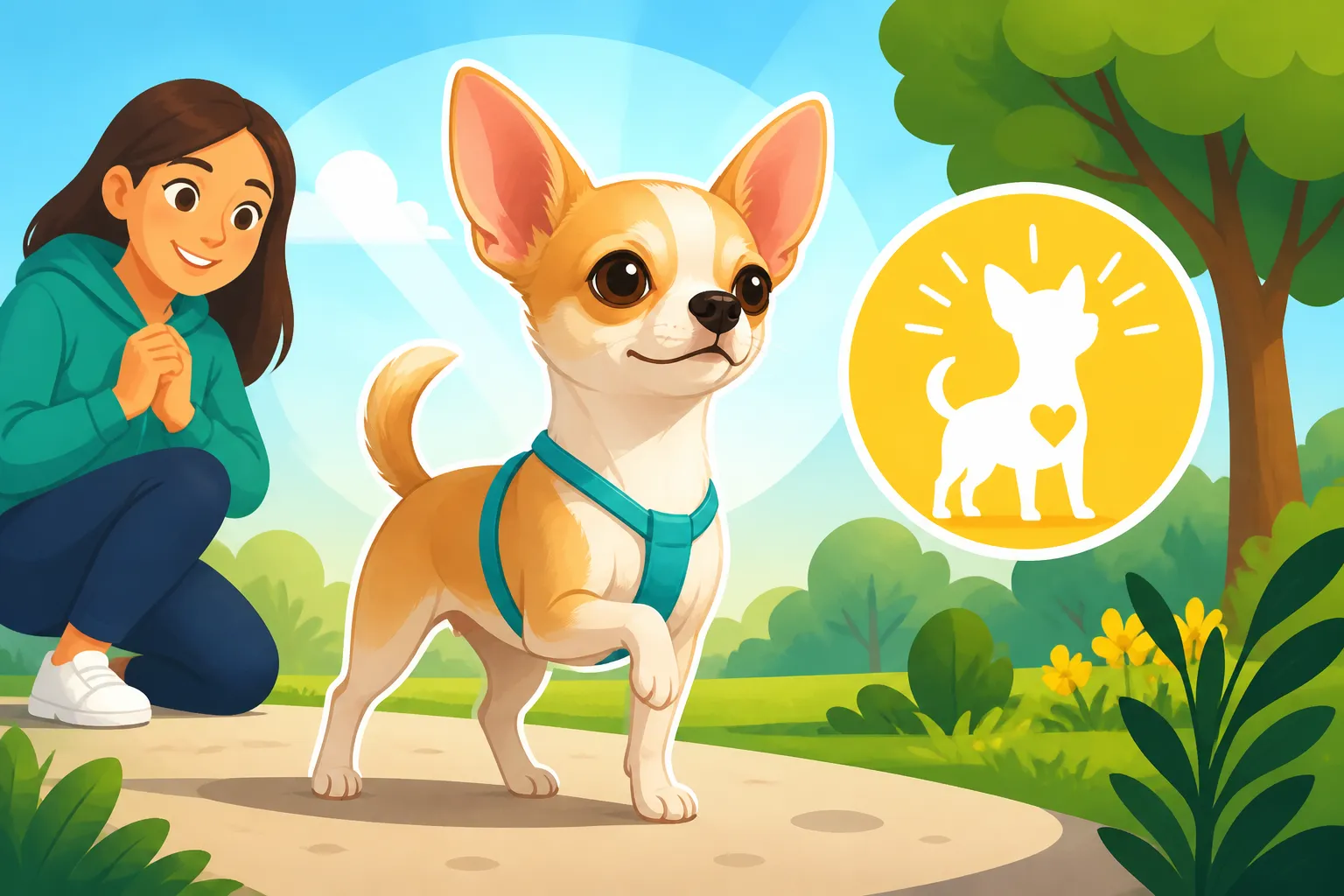
Building a Chihuahua’s Confidence Outdoors
Many Chihuahua owners find themselves in a heartbreaking dilemma: they want their tiny companion to experience the joys of the world outside, but the moment they step out, their little dog becomes a trembling, barking, or hiding bundle of nerves. It’s incredibly frustrating to witness their fear and feel powerless to help them navigate what seems like an overwhelming, giant world. This guide is designed to help you understand the deep-seated reasons behind your Chihuahua's outdoor anxiety and equip you with practical, compassionate strategies to slowly, steadily, and gently build their confidence, transforming fearful outings into genuinely happy and enriching adventures.
Understanding Why the Great Outdoors Can Be Terrifying for a Tiny Chihuahua
It’s easy for us, as humans, to forget just how different the world looks, sounds, and feels when you’re only six pounds and standing a few inches off the ground. For a Chihuahua, the world isn't just big; it can be downright menacing. Their natural instincts, combined with their physical vulnerability, often make them perceive outdoor environments as fraught with danger.
The World is Giant When You're Tiny
Imagine living in a world where everything towers over you. A car passing by isn't just a vehicle; it's a roaring, metal beast that vibrates the ground. A larger dog isn't just another canine; it's a potential predator. Even a bicycle can seem like a giant, silent monster approaching rapidly. Their small stature means they're eye-level with trash, strange textures, and potentially dangerous objects we wouldn't even notice. The sheer scale of everything can be inherently intimidating.
Their physical vulnerability is also a huge factor. Chihuahuas are not built for rough-and-tumble play with larger breeds, and they're certainly not equipped to defend themselves against potential threats from above. This instinctual understanding of their own fragility can manifest as intense fear or reactivity when they feel exposed. Stories of Hawks, Coyotes and the Off Leash Chihuahua are not just cautionary tales; they highlight a very real, primal fear for such a tiny creature. This inherent vulnerability can make them highly protective and often lead to them bonding incredibly intensely with one person, seeking that human as their primary source of safety and security, as explored in Why a Chihuahua Bonds Hard to One Person.
Lack of Early Socialization and Exposure
Another significant factor in outdoor fear is often a lack of proper early socialization. The critical socialization window for puppies typically closes around 12 to 16 weeks of age. During this time, puppies are like sponges, absorbing new experiences, sights, sounds, and smells and learning that the world is a generally safe and interesting place. If a Chihuahua puppy spent these crucial weeks in a sheltered environment, perhaps never leaving the house or only interacting with a very limited number of people and places, then later introductions to the bustling outside world can be terrifying.
Many Chihuahuas are purchased from breeders or adopted at an age where this window has already passed, meaning that the foundational experiences needed for a confident dog were missed. Everything new becomes a potential threat rather than an opportunity for exploration. Even if they had some exposure, it might not have been varied enough to prepare them for the sheer sensory overload of a busy park or a city street. Understanding The Chihuahua Socialization Window and Its Deadline is crucial, even if you’re working with an older dog, as it helps explain why these fears might be so deeply ingrained.
Reinforcing Fear Unintentionally
Sometimes, we, as loving Chihuahua owners, can inadvertently reinforce our dogs' fears, even with the best intentions. When your Chihuahua trembles or barks at something outside, your natural instinct might be to pick them up, cuddle them, or offer soothing words. While this comes from a place of care, from the dog's perspective, this can actually validate their fear. They learn, "Oh, I was right to be scared! My human picked me up, so that thing was dangerous, and they're praising me for being scared!"
Similarly, if you consistently avoid situations that trigger your Chihuahua's fear—walking them only at quiet times, avoiding other dogs, or carrying them whenever you encounter something new—you prevent them from learning that those things aren't actually harmful. They never get the chance to habituate or form new, positive associations. This can lead to what is known as "small dog syndrome" where owners enable certain behaviors because of the dog's size. While a cuddle might feel good to both of you in the moment, it can be a barrier to long-term confidence building. The phenomenon of Why Picking a Chihuahua Up Makes Fear Worse is a prime example of this well-meaning but ultimately counterproductive behavior.
Gentle Approaches to Building Outdoor Bravery
Building a fearful Chihuahua's confidence outdoors isn't about forcing them into scary situations. It's about creating tiny, positive exposures that gradually shift their perception of the world from threatening to interesting, or at least tolerable. Patience and consistency are your best friends here.
Starting Small and Safe: The Micro-Exposures
The key to success lies in starting incredibly small, even smaller than you might think necessary. Think of "micro-exposures." This means creating situations where your Chihuahua can observe the outdoor world from a safe, comfortable distance, gradually reducing that distance as their comfort grows.
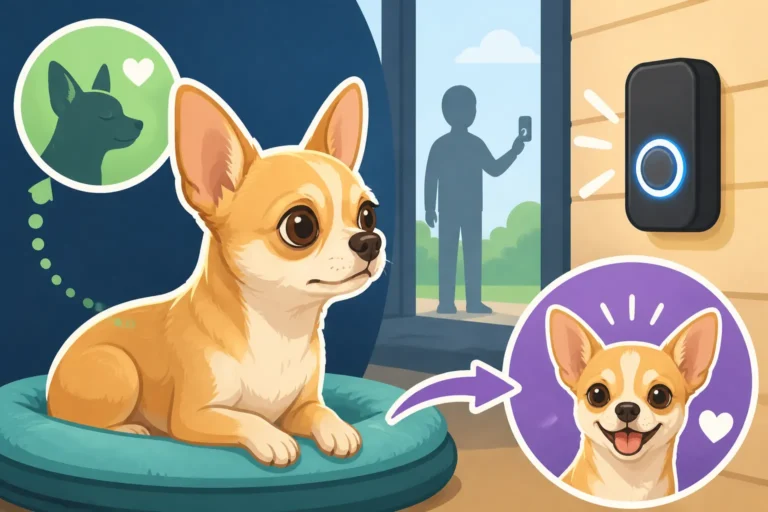
- Doorway Gazing: Begin by simply sitting with your Chihuahua near an open door or window, allowing them to watch the world outside without any pressure to go out. Reward any moments of calm or curiosity with a high-value treat.
- Yard Recon: If you have a fenced yard, let them explore it freely on a long leash (just in case) at their own pace. Don't force interaction; let them sniff and observe. Again, reward calm exploration.
- The Quiet Street Corner: Once they're comfortable in the yard, try sitting on a bench or in your car on a very quiet street. Just observe. Let them take in the sights and sounds from a safe distance, rewarding calm behavior. The goal is to build positive associations, so make sure you have plenty of Treats Small Enough for Chihuahua Training on hand. Small, pea-sized pieces of cheese, boiled chicken, or commercially available soft treats are perfect.
The idea is to keep these sessions extremely short—just a few minutes at first—and always end on a positive note, before your Chihuahua shows signs of stress. This ensures they associate the outdoors with good things happening.
Harnessing Positive Reinforcement and Choice
Positive reinforcement is the cornerstone of confidence building. Every time your Chihuahua shows a tiny flicker of bravery, curiosity, or even just calm neutrality in the face of a trigger, you want to mark that moment and reward it generously. This teaches them that good things happen when they are calm and engaged with the environment.
Consider incorporating marker training, such as using a clicker or a consistent verbal cue like "Yes!" when they offer the desired behavior. Marker Training a Chihuahua From Eight Weeks can establish a clear communication channel that is incredibly effective for fearful dogs. For example, if your Chihuahua usually barks at a distant dog, and today they only look and then look back at you, that's a "Yes!" and a treat. If they take one step forward toward something new, "Yes!" and a treat.
Crucially, always give your Chihuahua a choice whenever possible. Don't drag them towards something they're clearly afraid of. Instead, create scenarios where they can choose to approach or engage with a trigger at their own pace. If they decide to turn away, respect that. You can always try again from a greater distance next time. You can find a wide range of high-quality training treats and clickers on Amazon to support your positive reinforcement efforts.
Equipment Matters: Secure and Comfortable Gear
The right equipment can make a huge difference in your Chihuahua's comfort and safety outdoors. Forget neck collars for walks; for a Chihuahua, a well-fitting harness is absolutely essential. A collar can put dangerous pressure on their delicate trachea, leading to issues like Collapsing Trachea and the Chihuahua Honking Cough, which is extremely common in the breed. A harness distributes pressure across their chest and shoulders, allowing them to breathe freely and walk comfortably.
When choosing a harness, ensure it fits snugly but comfortably, without restricting their movement or rubbing their delicate skin. Look for harnesses designed specifically for small breeds. A poor fit can be uncomfortable, making them even more reluctant to walk. There are many excellent options available on Amazon that cater to tiny dogs. The importance of Harness Fitting on a Chihuahua Chest cannot be overstated, as a correctly fitted harness will prevent escapes and discomfort. It's a foundational piece of equipment that directly impacts their ability to engage with the outdoor world safely and happily. The fact that Why a Harness Matters for a Chihuahua Windpipe is such a crucial health consideration for Chihuahuas means this isn't just about comfort, but about preventing injury too.
Tackling Specific Outdoor Triggers
Once your Chihuahua is generally more comfortable with short, quiet outdoor excursions, you can start to address specific triggers. This requires careful planning and a commitment to working below their fear threshold.
Desensitizing to Loud Noises and Big Objects
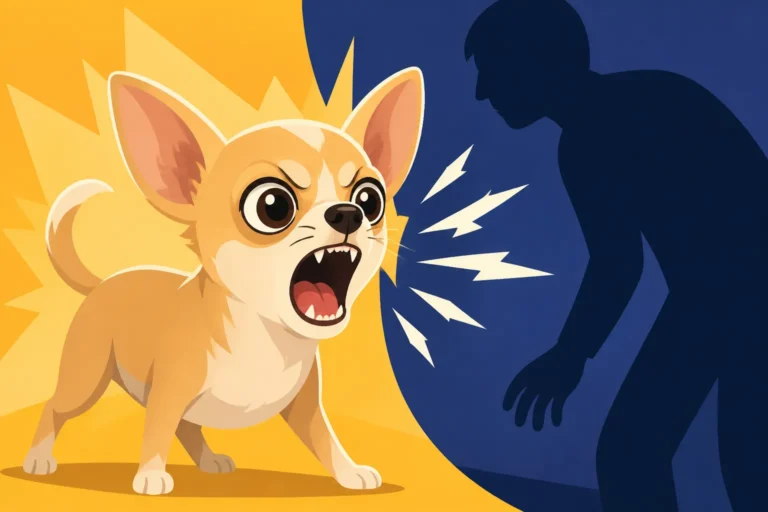
Loud noises (like traffic, construction, sirens) and large, moving objects (like cars, trucks, or even bicycles) are common fear triggers for Chihuahuas. The strategy here is gradual desensitization paired with counter-conditioning.
- Distance is Your Friend: Start by exposing your Chihuahua to these triggers from a distance where they notice them but don't react fearfully. For example, sit with your Chihuahua in a parked car on a quiet street, a block away from a busier road. As cars pass, reward calm behavior. Slowly, over days or weeks, decrease the distance.
- Sound Exposure: If they're particularly sensitive to certain sounds, you can try playing recordings of those sounds (traffic, city noises) at a very low volume indoors, pairing them with treats and playtime. Gradually increase the volume over time.
- Positive Associations: Whenever a car passes, or a loud noise occurs, immediately offer a high-value treat or engage in a quick, fun game. The goal is to change their emotional response from "danger!" to "treat time!" or "fun time!"
Encountering Other Dogs and People
Meeting new dogs and people can be overwhelming for a small, fearful Chihuahua. The key is to control the environment and ensure positive, non-threatening interactions.
- Parallel Walks: Instead of direct greetings, try parallel walks. Find a friend with a calm, friendly dog (or a human who understands the process) and walk parallel to them at a distance where your Chihuahua is comfortable. Gradually decrease the distance over multiple sessions, always rewarding calm behavior. This is a much safer approach than random dog park encounters, which can be terrifying for a tiny dog. You can learn more about safe introductions in Introducing a Chihuahua to Bigger Dogs Safely.
- Controlled Greetings: When introducing to people, ask them to ignore your Chihuahua initially, perhaps tossing a treat from a distance. Let your Chihuahua approach on their terms. No forced petting or picking up.
- Puppy Classes (for confident pups): If your Chihuahua is a puppy and you're starting early, look for Puppy Classes That Group Chihuahuas With Toys to ensure they're socializing with dogs their own size, which can prevent them from feeling intimidated. For older dogs, private lessons might be a better starting point.
- Structured Training Programs: If you're struggling with reactivity towards other dogs or people, consider an online training program like BAXTER & Bella. Their comprehensive resources and expert guidance can provide a structured plan for managing these specific triggers, offering step-by-step instructions and support.
Managing Overwhelm in New Environments
Going to a completely new place – a different park, a new neighborhood, or even a pet-friendly store – can be a sensory overload. Your Chihuahua might shut down, freeze, or become highly reactive.
- Short and Sweet: Keep initial visits to new places very brief. Five minutes might be enough. The goal is exposure, not extensive exploration.
- Observation Spots: Find a quiet bench or corner where your Chihuahua can simply observe the new environment from a distance. Reward calm observation.
- Sniffari: Allow your Chihuahua to sniff freely. Sniffing is a calming behavior for dogs and helps them process information about their surroundings. Let them dictate the pace of exploration through their nose. This slow, deliberate engagement is part of Socialization That Does Not Flood a Chihuahua.
Sustaining Confidence and Preventing Relapses
Building confidence is an ongoing journey, not a destination. There will be good days and challenging days. The goal is to equip your Chihuahua with the skills and positive associations to handle the world, and to keep reinforcing that bravery over their lifetime.
Consistency and Patience: It's a Marathon, Not a Sprint
Remember that behavioral change takes time, especially when dealing with deeply ingrained fears. Progress is rarely linear; you'll have breakthroughs, but you might also experience setbacks. On those days when your Chihuahua seems to regress, don't get discouraged. It's a normal part of the process. Simply go back to an easier step where they were successful and build up again slowly.
- Daily "Wins": Aim for at least one small, positive outdoor interaction every day, even if it's just a calm walk to the mailbox or a few minutes of quiet observation in the yard.
- Don't Rush: Never force your Chihuahua into a situation they're clearly uncomfortable with. Pushing them over their threshold will only reinforce their fear.
- Your Calm Demeanor: Your own calmness and confidence are contagious. If you're stressed or anxious, your Chihuahua will pick up on that. Practice deep breaths and stay positive.
Continuing Education and Professional Support
You don't have to navigate this journey alone. There are many resources available to help you and your Chihuahua.
- Online Training Platforms: For consistent, structured guidance, online platforms like BAXTER & Bella offer a wealth of training videos, live Q&A sessions, and personalized support that can be invaluable for owners working on behavior challenges, even specific ones like outdoor confidence. Their approach is often rooted in positive reinforcement, which is ideal for sensitive breeds like Chihuahuas.
- Certified Professional Dog Trainers (CPDT-KA): If you're struggling to make progress or if your Chihuahua's fear manifests as aggression, it's time to consult a professional. Look for a trainer certified in positive reinforcement methods. Avoid any trainer who suggests punitive tools or methods, as these will only exacerbate fear in a Chihuahua. Knowing Vetting a Trainer Before You Book a Chihuahua is critical to finding someone who truly understands small, fearful dogs.
- Veterinary Behaviorists (DACVB): For severe anxiety or phobias, a veterinary behaviorist can provide a comprehensive diagnosis and may recommend medication in conjunction with behavior modification. They are veterinarians who specialize in behavior and can offer the most holistic approach.
Celebrating Small Victories
It's so important to recognize and celebrate every tiny step forward. Did your Chihuahua walk an extra ten feet today without trembling? Did they sniff a new patch of grass instead of immediately wanting to be picked up? Did they look at a passing person and then look calmly back at you for a treat? These are huge wins!
Keep a mental (or even written) log of your progress. You might be surprised at how far you've come. The ultimate goal isn't to turn your Chihuahua into a fearless adventurer, but to help them feel safe, engaged, and comfortable enough to enjoy their time outdoors with you. A confident Chihuahua is a happier Chihuahua, and that's a goal well worth working towards.
Here's a quick look at the progression of outdoor exposure:
| Stage of Exposure | Environment Example | Owner Action | Chihuahua Reaction Goal |
|---|---|---|---|
| Indoor Warm-Up | Familiar home, near open door/window | Calm presence, quiet praise, high-value treats | Curious glances, no overt fear |
| Threshold Training | Just outside front door, fenced yard | Short visits, sniff & treat, calm voice | Relaxed body language, brief exploration |
| Quiet Street Side | Parked car on quiet street, or calm sidewalk | Observe from distance, reward calm focus, short walks | Alert but not reactive, some investigation |
| Low-Traffic Park | Perimeter of a park, distant from activity | Longer walks, explore safe areas, structured play | Engaged, sniffing, curious about surroundings |
| Moderate Activity | Slightly busier park, cafe patio, pet store | Continue positive reinforcement, increase duration | Confident exploration, tolerates nearby stimuli |
Remember, every Chihuahua is an individual, and their journey to outdoor confidence will be unique. Be patient, be kind, and celebrate every victory, no matter how small.
Disclaimer
This article is for general informational purposes only and does not constitute professional advice. Laws, prices and regulations vary by location and change over time. Consult a qualified professional for guidance on your specific situation.