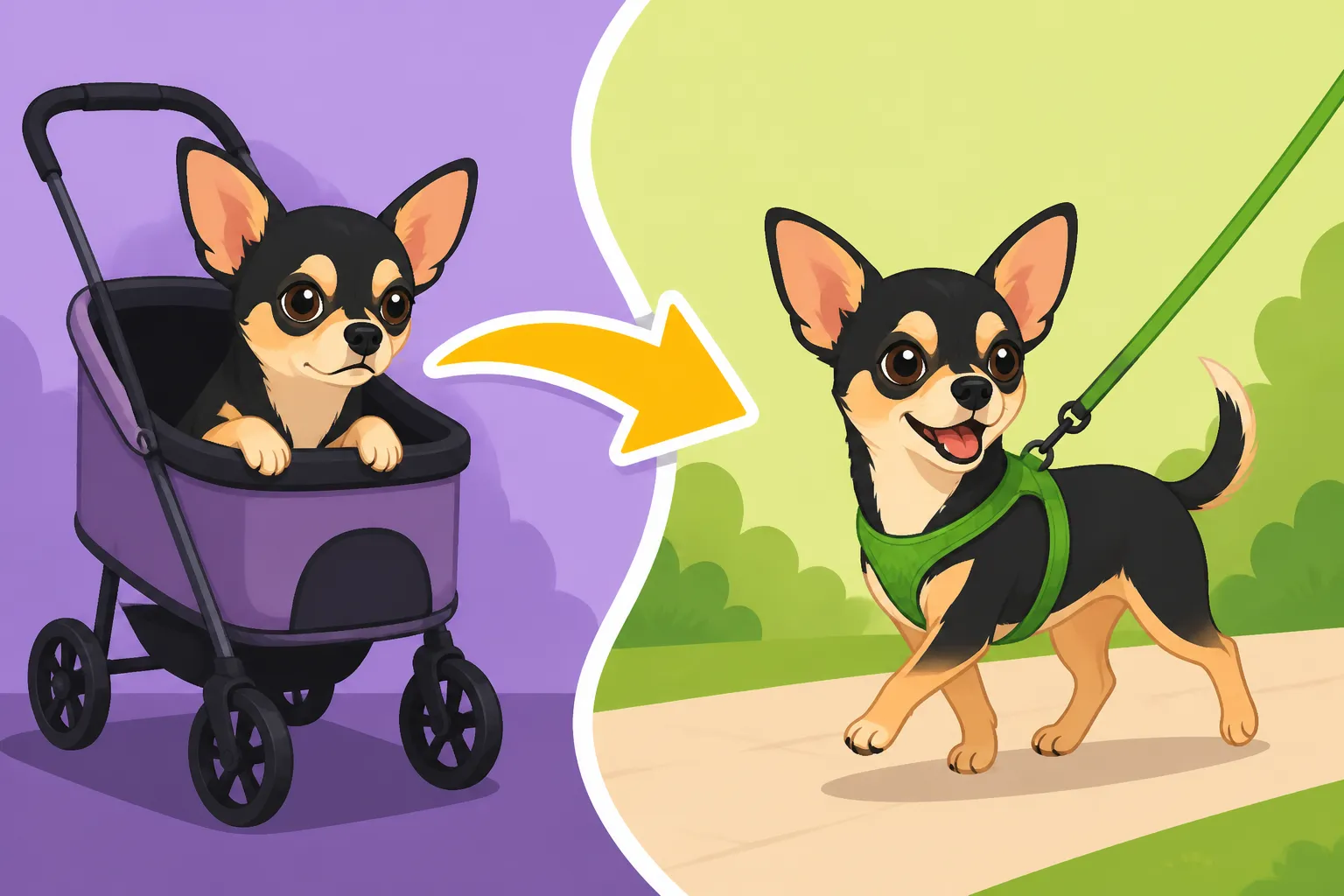
Teaching a Chihuahua to Walk Instead of Ride
One of the most common habits we fall into with our tiny Chihuahuas is carrying them everywhere. It feels natural, protective, and let's be honest, they're so small and cute! But this seemingly innocent act can actually hinder their development, confidence, and overall well-being. This guide is here to help you gently transition your beloved Chihuahua from being constantly carried to confidently walking on their own four paws, exploring the world around them with joy and independence.
The Allure and Downfalls of Carrying Your Tiny Companion
It’s completely understandable why so many of us scoop up our Chihuahuas at every opportunity. They’re miniature, often a bit fragile-looking, and the world can seem like a giant, overwhelming place for such a small creature. We want to protect them, to keep them safe from perceived threats like big dogs, clumsy feet, or even just the elements. But while our intentions are always good, this habit can unintentionally create a host of challenges for our little friends.
Why We Love Carrying Our Tiny Companions
There's a deep-seated instinct to cradle and protect something so small and vulnerable. When you look down at those big, expressive eyes, it’s hard not to want to hold them close. For many of us, our Chihuahuas are like our furry children, and carrying them feels like a natural extension of that bond. It’s convenient, too. If you’re in a crowded park or a busy city street, picking up your Chihuahua instantly removes them from potential hazards, giving you peace of mind. Plus, let's be honest, it’s incredibly endearing to have your little shadow nestled in your arms or a dedicated sling. They're often so light you barely notice them, making it easy to just keep them tucked away.
The Hidden Downsides for Your Chihuahua's Health and Behavior
While carrying your Chihuahua might feel protective, it inadvertently strips them of vital experiences and can lead to both physical and behavioral issues. Physically, dogs need to walk, run, and explore on their own to maintain healthy muscle tone, strong bones, and proper joint function. A Chihuahua that is constantly carried misses out on opportunities to build stamina and develop their proprioception – their sense of where their body is in space. Over time, this can contribute to weakness, making them more prone to injuries or exacerbating conditions like Patellar Luxation, the Chihuahua's Commonest Joint Problem later in life.
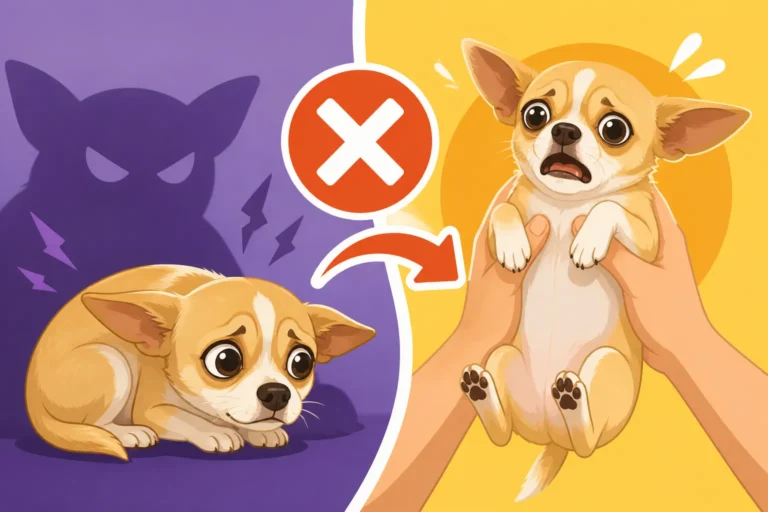
From a behavioral standpoint, constantly being carried can prevent your Chihuahua from learning crucial coping skills. They don't learn how to navigate different textures underfoot, how to encounter other dogs or people calmly, or how to process the myriad of sights, sounds, and smells of the world safely from the ground. Instead, they learn that the only safe place is in your arms, which can foster anxiety, fear, and even reactivity. When they do finally have to be on the ground, they might lunge, bark, or snap out of fear because they haven’t learned to handle those situations independently. This is a classic component of what many call "small dog syndrome," which is really more about owner behavior than breed inherent traits. What Small Dog Syndrome Means for a Chihuahua is something we often create for them, not something they're born with.
Understanding Why Your Chihuahua Prefers to Be Carried
If your Chihuahua instinctively seeks your arms or balks at walking, it's not always just "stubbornness." There are very real reasons rooted in their perception of the world and the habits we’ve inadvertently created. Understanding these reasons is the first step toward helping them become more confident walkers.
The World from a Chihuahua's Perspective: Big and Scary
Imagine navigating a world where everything is ten times your size. That’s what it’s like for a Chihuahua. A friendly Golden Retriever trotting by is a looming giant. A bustling street sounds like thunder. Even a harmless plastic bag blowing down the sidewalk can appear as a terrifying monster. Their small stature means they're literally looking up at everything, which can be inherently intimidating.
This constant sense of being overwhelmed often leads to fear-based behaviors. A Chihuahua who is scared might tremble, try to hide, or, perhaps most commonly, become reactive – barking, growling, or lunging at things that frighten them. Owners, witnessing this distress, often rush to pick them up, which, while well-intentioned, reinforces the idea that the ground is a scary place and that being carried is the only solution. It's a vicious cycle where their fear dictates our response, and our response confirms their fear.
Learned Behavior: How We Accidentally Encourage Riding
Dogs are incredibly intelligent and learn quickly what behaviors get them what they want. If your Chihuahua whines, stops, or even trembles, and you consistently pick them up, they've learned a powerful lesson: "If I act scared or reluctant, I get to ride in comfort." This isn't malice; it's smart dog logic. We've unintentionally created a pattern of reinforcement. Every time they're carried as a response to their unwillingness to walk, that behavior is strengthened.
Consider also the times you might put them down only in safe, controlled environments, then pick them up again as soon as a potential "threat" appears. This teaches them that the ground is only safe under very specific conditions and that they can't trust it when things get a little challenging. To truly foster independent walking, we need to show them that they can cope with various environments, and that you will support them through it, not just remove them from it. Why Picking a Chihuahua Up Makes Fear Worse elaborates on this.
Physical Limitations and Comfort Concerns
Beyond fear and learned behavior, there are genuine physical and comfort reasons why a Chihuahua might prefer to be carried. Their small paws are susceptible to extreme temperatures. Hot pavement in summer can burn their delicate paw pads, and icy sidewalks or cold rain in winter can make them shiver uncontrollably. The Coldest Temperature to Walk a Chihuahua is a real concern. Uneven terrain, sharp gravel, or even long grass can be uncomfortable or difficult for their tiny legs to navigate.
Furthermore, Chihuahuas have very little body fat, making them prone to getting cold easily. They'll often shiver not just from fear, but from being genuinely chilly. A good quality coat or sweater can make a huge difference in cooler weather, enabling them to enjoy walks more. Always consider if the environment is genuinely uncomfortable for them before assuming it's just a behavioral issue. Sometimes, it’s simply too hot, too cold, or too rough for their tiny bodies.
Building a Foundation for Confident Walking
Transforming your Chihuahua into a confident walker requires patience, consistency, and the right tools. It's not about forcing them, but about building their trust and confidence one small step at a time. The goal is to make walking a positive, rewarding, and safe experience.
The Right Gear Makes All the Difference
First things first: ditch the collar for walks. A collar puts direct pressure on your Chihuahua's delicate trachea, which is prone to collapse in this breed. Even gentle tugs can cause them to cough or even sustain injury. A well-fitting harness is absolutely essential. Look for a harness that distributes pressure evenly across their chest and shoulders, away from their neck and throat. Many excellent options are available, and you can often find a good range on sites like Amazon. Ensure it fits snugly enough that they can't slip out, but isn't so tight that it restricts movement or rubs. Harness Fitting on a Chihuahua Chest is crucial.
When choosing a leash, opt for a lightweight, fixed-length leash – typically four to six feet long is ideal. Avoid retractable leashes, as they don't provide consistent control, can teach your dog to pull, and can be dangerous if the leash suddenly retracts or snags. For training, a lighter leash won't feel as cumbersome to your tiny dog.
Short, Positive Exposure and Desensitization
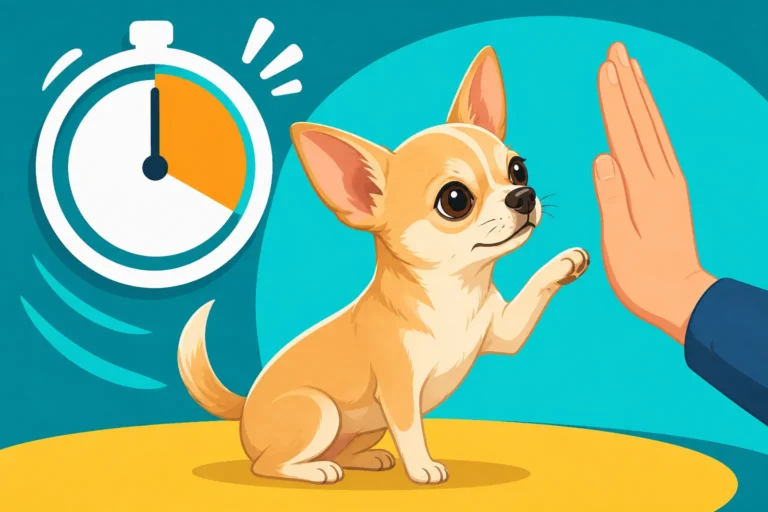
The key to building confidence is gradual exposure paired with positive reinforcement. Don't expect your Chihuahua to go from being carried everywhere to enjoying a mile-long stroll overnight. Start with very short "walks" indoors. Put on their harness and leash, let them wear it for a few minutes while giving treats and praise, then take it off. Gradually increase the time they wear it.
Once they're comfortable with the gear, introduce short walking sessions inside your home. Entice them with a high-value treat to take a few steps. Keep it light, fun, and always end on a positive note. The idea is to associate the harness, leash, and walking with good things. Slowly move to the backyard or a very quiet, low-distraction area. Even a minute or two of successful walking is a victory. The goal is desensitization – gradually getting them used to the sights, sounds, and sensations of walking on the ground in various environments.
Basic Obedience: More Than Just "Walkies"
While the goal is walking, integrating basic obedience commands will give your Chihuahua structure and confidence, making leash walking much smoother. Commands like "heel," "sit," "stay," and "leave it" are not just for big dogs; they are incredibly valuable for a small dog navigating a big world.
"Heel" teaches them to walk politely by your side, preventing pulling and keeping them close for safety. "Leave it" is vital for preventing them from investigating potentially dangerous items on the ground, or reacting to distractions. Training sessions should be short, frequent, and fun, using tiny, high-value treats that fit their caloric needs. BAXTER & Bella, for example, offers online puppy training programs that emphasize positive reinforcement and can be tailored to small breeds, helping you learn how to effectively communicate with your Chihuahua. Training a Chihuahua Exactly Like a Big Dog is a philosophy that truly empowers your little one.
Here’s a quick overview of essential walking gear:
| Item | Description | Benefits for Chihuahua |
|---|---|---|
| Well-Fitting Harness | Chest-clip or H-style harness, not a collar. | Prevents tracheal damage, comfortable pressure distribution, harder to slip out. |
| Lightweight Leash | 4-6 foot fixed-length leash (nylon or biothane). | Consistent control, easy for small dogs to manage, safer than retractables. |
| High-Value Treats | Tiny, soft, smelly treats (e.g., small pieces of cheese or cooked chicken). | Strong motivation for positive reinforcement, easily consumed without distraction. |
| Poop Bags | Biodegradable, easy to carry. | Responsible pet ownership. |
| Outdoor Coat/Sweater | Insulated, waterproof options for cold or wet weather. | Keeps them warm and comfortable, preventing shivering and reluctance to walk in unfavorable conditions. |
| Paw Protection | Dog booties or paw balm. | Protects delicate paw pads from hot pavement, ice melt, rough terrain, and sharp objects. |
Step-by-Step Training for a Leash-Confident Chihuahua
Once you have the right gear and your Chihuahua is comfortable wearing their harness, it's time to embark on the actual walking journey. This isn't a race; it's a series of small, incremental steps designed to build confidence and positive associations.
Starting Indoors: Mastering the Leash in a Safe Space
The living room or a long hallway is your first training ground. Put the harness and leash on your Chihuahua, making sure it's not too tight or loose. Don't pull them; instead, crouch down and call them gently, using an excited voice. As they take a step towards you, immediately offer a high-value treat and praise. Repeat this, taking just a few steps at a time. The goal here is to make them associate the leash with good things – treats, praise, and gentle movement with you.
Practice walking in different directions within the house. If they stop, don't drag them. Instead, try making a silly noise, waving a treat in front of their nose, or changing direction to re-engage them. Keep sessions extremely short, perhaps just a minute or two, several times a day. You want to leave them wanting more, not feeling overwhelmed. This indoor foundation builds a positive muscle memory for walking on a leash without the added stress of the outside world.
Graduating to the Backyard and Quiet Outdoors
Once your Chihuahua is confidently walking indoors, it’s time to expand their horizons. The backyard (if you have one) is the perfect next step. It offers new sights, sounds, and smells but within a relatively secure and familiar environment. Take them out on the leash for short bursts, just like you did indoors. Let them sniff around a bit, exploring the grass and new scents. Every time they take a few steps on the leash, reward them.
If you don't have a backyard, choose a very quiet time of day to venture just outside your front door or to a secluded patch of grass. The first few times, you might just stand there, letting them observe the world from the ground, rewarding them for calm behavior. Don't push them to walk far. The mere act of being outside on a leash and feeling safe is the win. This gradual exposure helps them process new stimuli without being overwhelmed. Remember, building Chihuahua's Confidence Outdoors is a journey.
Conquering Public Spaces: Managing Distractions and Fears
This is often the most challenging stage, but it's where all your foundational work pays off. Start with low-traffic public areas, like a quiet cul-de-sac, a less busy section of a park, or during off-peak hours. The key is to manage their environment so they are always "under threshold" – meaning they are aware of distractions but not so overwhelmed that they react negatively.
Walk in an arc around potential triggers (other dogs, people, loud noises), keeping a comfortable distance. Reward them heavily for looking at the trigger without reacting. This is called "look at that" and helps them associate scary things with good things (treats!). If they do get scared or reactive, calmly increase the distance from the trigger until they can relax, then try again from further away. Never punish fear; it only makes it worse. Instead, redirect their attention, use positive reinforcement, and build their confidence. Consistency is vital here, and remember that some Chihuahuas may benefit from specific Counter-Conditioning a Fearful Chihuahua techniques.
Addressing Common Challenges and Setbacks
Even with the best intentions and consistent training, you're bound to encounter some bumps in the road. It's crucial to approach these challenges with empathy, patience, and a problem-solving mindset rather than getting frustrated.
The Stubborn "Stop and Stare" or Refusal to Move
This is a classic Chihuahua move! They might plant their feet, sit down, or even flop onto their back, giving you "the look" that clearly says, "I'm not moving." This can be due to fear, discomfort (check the ground temperature, harness fit, or even if they have a minor ache like A Chihuahua Snapping Because Its Knee Hurts), or simply learned behavior.
When this happens, avoid dragging them. This will only create a negative association with the leash and can be physically harmful. Instead, try these strategies:
- Entice: Wave a high-value treat just in front of their nose, taking one step back. Reward them the moment they take a step forward.
- Change Direction: Sometimes, a new direction or a small detour around a perceived obstacle is all it takes to break their focus.
- Pick Them Up (Briefly): If they're genuinely stuck or overwhelmed, pick them up, carry them a short, predetermined distance past the "sticking point," put them down, and immediately reward them for walking. The trick is to do it briefly and deliberately, not as a permanent solution.
- Patience: Sometimes, you just need to stand there calmly, letting them process. Eventually, curiosity or the desire for a treat might win out.
Reactivity and Fear: When Your Chihuahua Barks or Lunges
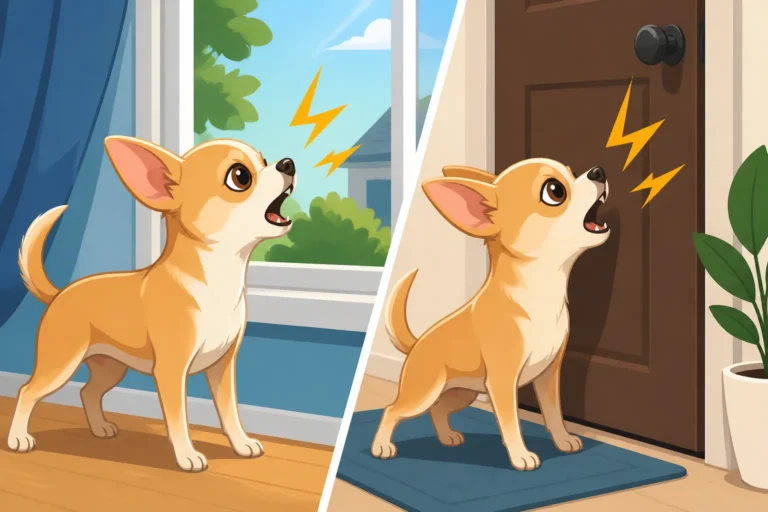
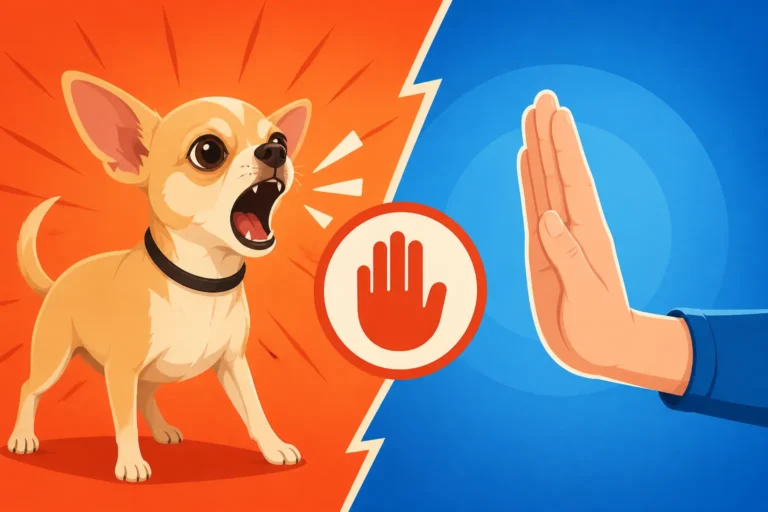
A frightened Chihuahua often barks, lunges, or growls because they feel vulnerable and are trying to scare away what they perceive as a threat. It’s their way of saying, "Stay away from me!" This isn't aggression; it's usually fear manifesting.
To address reactivity, you need to identify their triggers (other dogs, strangers, children, loud noises). Your goal is to keep them below their "threshold," meaning at a distance where they notice the trigger but don't react explosively.
- Distance is Your Friend: If another dog is approaching, move further away. The further they are, the less likely your Chihuahua is to react.
- Positive Association: The moment your Chihuahua notices a trigger (before they react), say "yes!" and give them a super high-value treat. Repeat this. You're teaching them that the presence of the scary thing predicts good things from you.
- Redirection: If they're about to react, redirect their attention to you with a treat or a quick command like "look at me."
- Avoidance: While training, it's okay to avoid situations that you know will trigger a big reaction. Set them up for success, not failure.
- Professional Help: If reactivity is severe, consider consulting a certified professional dog trainer or behaviorist. They can provide tailored guidance and techniques.
Weather and Environment Considerations
Chihuahuas are not built for extreme weather. Their tiny size and lack of body fat make them susceptible to both cold and heat.
- Cold Weather: A good, insulated coat or sweater is essential in chilly temperatures. If it's snowing or icy, consider booties to protect their paws from cold, ice, and road salt. Chihuahua Paw Protection on Ice and Salt is not just about comfort, it's about safety. Keep walks short, and if they're shivering uncontrollably, it's too cold for them to be outside.
- Hot Weather: Hot pavement can quickly burn their paw pads. Always check the pavement with the back of your hand; if it's too hot for your hand, it's too hot for their paws. Walk during cooler parts of the day (early morning, late evening), or stick to grassy, shaded areas. Carry water to prevent overheating.
- Rough Terrain: If your usual walking path is full of sharp gravel, thorns, or very uneven surfaces, find an alternative. Their little paws and joints are delicate.
Always put your Chihuahua's comfort and safety first. Making walks a pleasant experience is paramount to encouraging them to embrace them.
The Long-Term Benefits of an Independent Walker
While teaching your Chihuahua to walk might require effort and patience upfront, the rewards for both of you are immense and far-reaching, impacting their health, happiness, and your bond for years to come.
Enhancing Physical Health and Stamina
Regular walking on their own four paws is crucial for a Chihuahua's physical well-being. It's their primary form of exercise and contributes to:
- Stronger Muscles and Bones: Just like humans, dogs need physical activity to maintain muscle mass and bone density. Consistent walking helps build and maintain the strength in their legs, hips, and spine, which can be particularly beneficial as they age and face conditions like Chihuahua Arthritis in the Teenage Years.
- Healthy Weight Management: Chihuahuas can easily become overweight if they're not getting enough exercise and their tiny calorie intake isn't strictly managed. Walking burns calories, helps regulate metabolism, and contributes to a healthy body condition, which is vital for preventing other health issues like diabetes or joint strain.
- Improved Cardiovascular Health: Regular, moderate exercise keeps their heart and lungs healthy, contributing to a longer, more vibrant lifespan.
- Better Joint Health: Movement helps lubricate joints and strengthen the supporting muscles, which can be protective against common issues like patellar luxation, or at least help manage its progression.
Boosting Mental Well-being and Confidence
Beyond the physical benefits, allowing your Chihuahua to explore the world on their own terms has profound positive effects on their mental and emotional health:
- Reduced Anxiety and Fear: By safely navigating different environments, they learn that the world isn't always a scary place. They develop coping mechanisms for new sights, sounds, and smells, becoming more resilient and less prone to generalized anxiety.
- Increased Confidence: Each successful walk, each new smell explored, each calm encounter builds their self-assurance. A confident Chihuahua is a happier Chihuahua, less likely to resort to fear-based barking or reactivity. They learn to trust their own abilities and your guidance.
- Mental Stimulation: The outside world is a rich tapestry of sensory information. Sniffing around, watching people and other animals, and experiencing different textures underfoot provides invaluable mental enrichment that a carried dog simply doesn't get. This mental stimulation is just as important as physical exercise for a dog's overall well-being.
Deepening Your Bond Through Shared Experiences
Perhaps the most beautiful benefit of teaching your Chihuahua to walk independently is the deepening of your relationship. When you walk together, you become a team, navigating the world side-by-side.
- Mutual Respect and Trust: They learn to trust you to guide and protect them on the ground, and you learn to read their subtle cues and advocate for their needs. This shared experience fosters a stronger, more respectful bond than simply carrying them around.
- New Adventures Together: An independently walking Chihuahua opens up a world of new adventures for both of you. You can explore more parks, enjoy longer strolls, or even try dog-friendly hiking trails. These shared activities create lasting memories and enrich both your lives.
- Pride in Their Accomplishments: There's an immense sense of pride that comes with watching your once-hesitant Chihuahua confidently trot along beside you, tail wagging, nose to the ground. You've empowered them to experience life more fully, and that's a truly wonderful gift to give your tiny companion.
Remember, this journey is about patience, understanding, and celebrating every small victory. Your Chihuahua is capable of being a confident walker, and the effort you put in now will lead to a lifetime of shared joy and exploration.
Disclaimer
This article is for general informational purposes only and does not constitute professional advice. Laws, prices and regulations vary by location and change over time. Consult a qualified professional for guidance on your specific situation.