Why Most Chihuahua Behavior Cases Resolve
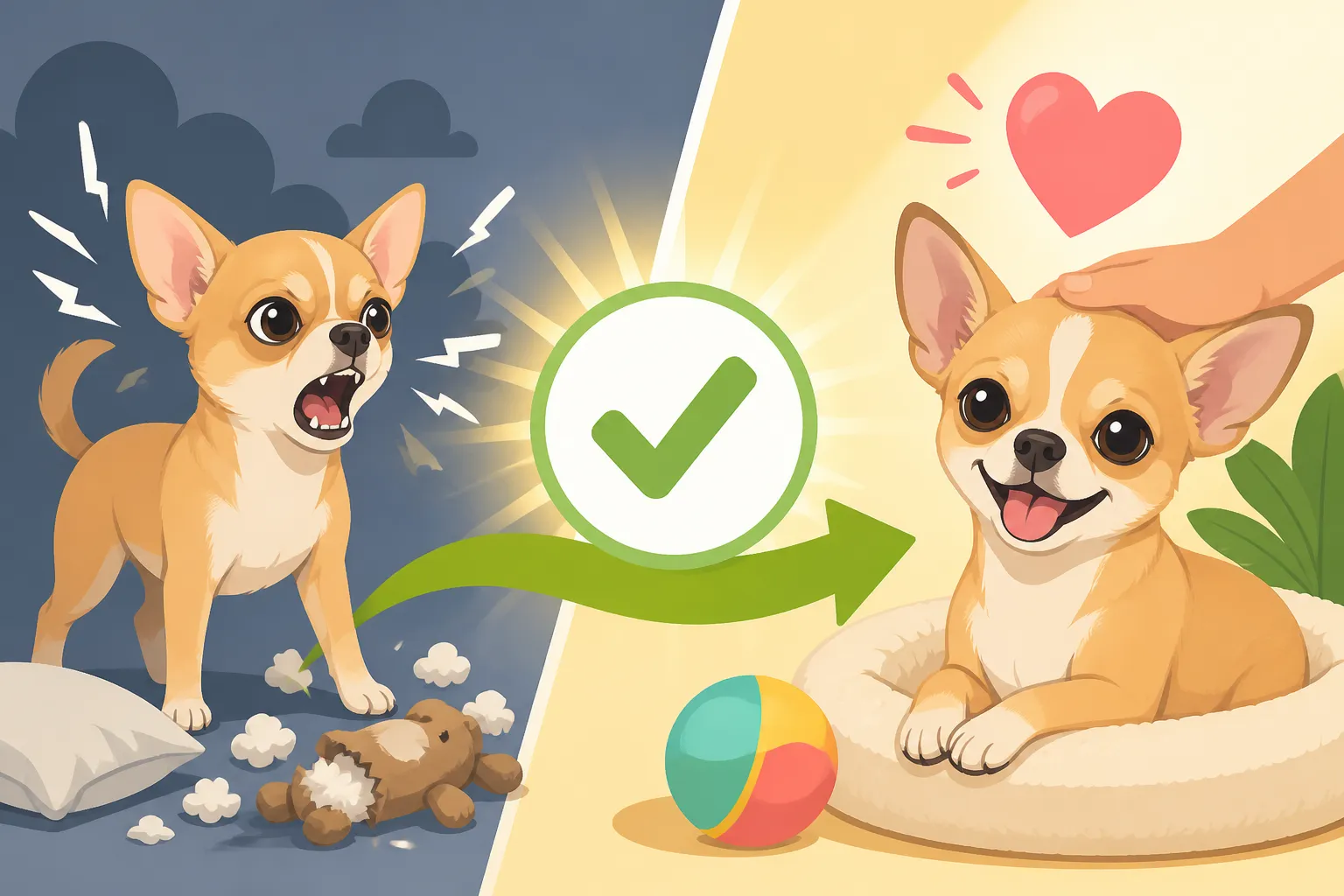
It's incredibly common for Chihuahua owners to feel overwhelmed by their dog's behavior, convinced that their tiny companion's big personality quirks – be it relentless barking, nipping at strangers, or persistent potty accidents – are simply unchangeable traits of the breed. But here's the reassuring truth: most Chihuahua behavior cases, even the ones that feel utterly hopeless, are incredibly resolvable. This guide is dedicated to shedding light on why these issues arise and, more importantly, how a tailored approach rooted in understanding and consistent training can lead to a calm, confident, and well-adjusted Chihuahua.
Deconstructing the Roots of Chihuahua Behavior Challenges
Before we can resolve any behavior, we first need to understand where it's coming from. With Chihuahuas, their small stature often plays a much larger role than many owners realize, influencing everything from their perception of the world to how they react to perceived threats.
Fear and Insecurity as Primary Drivers
Imagine living in a world where everything is at least ten times your size, where every human footfall could be a seismic event, and every large dog looms like a predator. This isn't an exaggeration for a Chihuahua, and this constant state of vulnerability can lead to deeply ingrained fear and insecurity. When a Chihuahua barks frantically at a new visitor or lunges on the leash at an approaching dog, it's rarely out of malice. More often, it's a desperate, almost primal attempt to create distance, to make the scary thing go away. They're trying to puff themselves up, using their voice as their primary defense mechanism, simply because they feel exposed and powerless.
This fear can manifest in various ways, from trembling uncontrollably around strangers to showing what appears to be outright aggression. They might snarl or snap if cornered or if someone reaches for them too quickly without warning. It's a classic "fight or flight" response, and for a tiny dog, fighting (through noise and threat displays) is often their only perceived option when flight isn't possible. Understanding this shifts our perspective from viewing them as "mean" or "aggressive" to seeing them as tiny beings trying to cope in a world that often feels threatening. Addressing this underlying fear through careful socialization and confidence-building is paramount to resolving these behaviors. Many owners find themselves grappling with Fear-Based Reactivity in a Chihuahua, which often stems directly from this sense of profound insecurity. If you notice A Chihuahua That Trembles Around Strangers, it’s a clear signal that fear is at play.
The Training Gap Chihuahua Owners Create
One of the biggest contributors to Chihuahua behavior problems isn't the dog's inherent temperament, but rather the way humans interact with them. This is where the concept of "small dog syndrome" truly comes into play – not as a genetic flaw, but as a direct result of how we, as owners, often inadvertently treat our tiny companions differently than we would a larger dog. We pick them up to "protect" them from bigger dogs, inadvertently teaching them that they can't handle situations on their own and that human hands are their only safe haven. We laugh off their growls or nips because they're "so small it doesn't really hurt," thus reinforcing the idea that these behaviors are acceptable or even effective for getting what they want.
This creates a significant "training gap" where fundamental obedience, boundaries, and consistent expectations are simply skipped. A Labrador owner wouldn't dream of letting their dog jump on guests, relieve themselves in the house, or bark incessantly without intervention. Yet, these behaviors are often excused in a Chihuahua due to their size. The truth is, a Chihuahua needs and deserves the same foundational training, structure, and clear communication as any other dog, regardless of its weight. When we fail to provide this, we essentially leave them to figure out the complex human world on their own, leading to anxiety, frustration, and a host of behavioral issues. This phenomenon is often dubbed What Small Dog Syndrome Means for a Chihuahua and directly relates to The Training Gap Chihuahua Owners Create.
Embracing Positive Reinforcement for Lasting Change
Once we understand that many Chihuahua behaviors are rooted in fear or a lack of proper guidance, the path to resolution becomes clear: consistent, positive reinforcement training. This isn't just about teaching tricks; it's about building confidence, clear communication, and a strong bond.
Why a Chihuahua Learns Everything a Big Dog Can
Let's dispel a common myth right away: Chihuahuas are incredibly intelligent and perfectly capable of learning complex commands, tricks, and even advanced dog sports. Their small size does not equate to a limited capacity for learning. In fact, many Chihuahuas excel in obedience, agility, and scent work when given the opportunity. The challenge often lies not in their ability, but in the owner's perception and commitment to training them seriously.
When you approach training with the same respect and dedication you would for a larger breed, you'll discover a highly intelligent and eager-to-please companion. They can learn to "sit," "stay," "come," and "leave it" with precision. They can master complex chains of behaviors and enjoy the mental stimulation just as much as any other dog. The key is recognizing their intelligence and investing the time and effort. This commitment proves Why a Chihuahua Deserves Real Obedience Training as much as any dog.
The Power of Marker Training From Eight Weeks
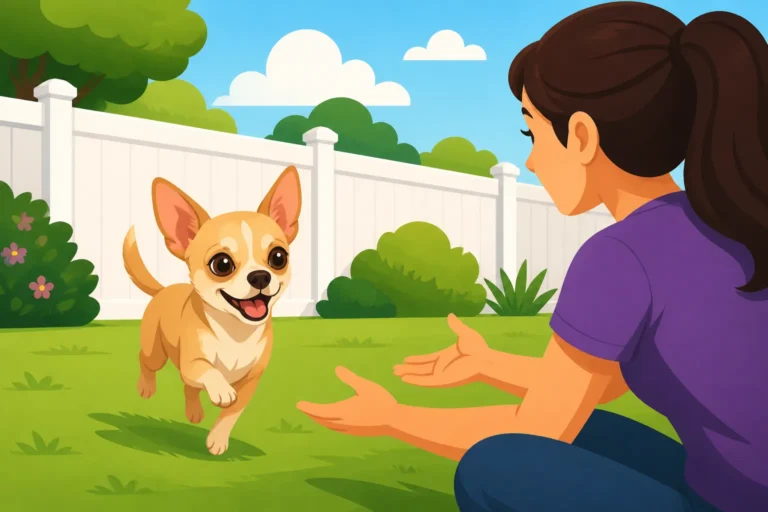
One of the most effective ways to communicate with your Chihuahua and accelerate their learning is through marker training. This involves using a precise "marker" – typically a clicker or a consistent verbal cue like "yes!" – at the exact moment your dog performs the desired behavior, followed immediately by a reward. This instant feedback helps your Chihuahua understand precisely what action earned them the treat, eliminating confusion and speeding up the learning process.
For a tiny Chihuahua, timing is everything, and the rewards need to be equally tiny and highly motivating. Think pea-sized bits of cooked chicken, cheese, or specialized training treats that can be found easily on Amazon. This ensures they stay motivated without overeating their small daily calorie allowance. Starting marker training as early as eight weeks, during their critical socialization window, can profoundly shape a confident and responsive dog. This early positive exposure, paired with clear communication, lays a fantastic foundation for all future learning. Mastering Marker Training a Chihuahua From Eight Weeks can transform your training approach, especially when combined with Three Minute Training Sessions With a Chihuahua to keep their focus.
Debunking Common Chihuahua Misconceptions
Many behavior issues persist because owners hold onto outdated or incorrect beliefs about Chihuahuas. By challenging these misconceptions, we can unlock their full potential.
"Small Dog Syndrome" is a Human-Made Problem
We've touched on this, but it bears repeating: "Small Dog Syndrome" isn't an inherent Chihuahua trait; it's a collection of behaviors that arise when small dogs aren't given the same rules, boundaries, and socialization as larger dogs. When a Chihuahua is constantly carried, never allowed to walk on a leash, or not corrected for growling at strangers, they learn that these behaviors are acceptable or even necessary for their survival. They become entitled, insecure, and often reactive because they haven't learned how to navigate the world confidently on their own four paws.
To resolve these behaviors, we must treat them like dogs, not fragile accessories. This means setting clear expectations, teaching them to walk politely on a leash, and requiring them to earn privileges. It means letting them explore safely on the ground and learn to interact with the world from their own perspective, rather than always from the safety of our arms. This builds resilience and self-confidence, drastically reducing the need for defensive behaviors. Establishing Rules a Chihuahua Should Follow Like Any Dog helps prevent issues like Letting a Chihuahua Growl at Guests.
House Training Challenges are Not a Life Sentence
Ah, the infamous Chihuahua house training saga! Many owners feel like they're in a never-ending battle with potty accidents, resigning themselves to a life of cleaning up messes. While it's true that Chihuahuas have incredibly tiny bladders and can't hold it for as long as a Great Dane, persistent house training problems are almost always resolvable with consistency, routine, and a bit of patience.
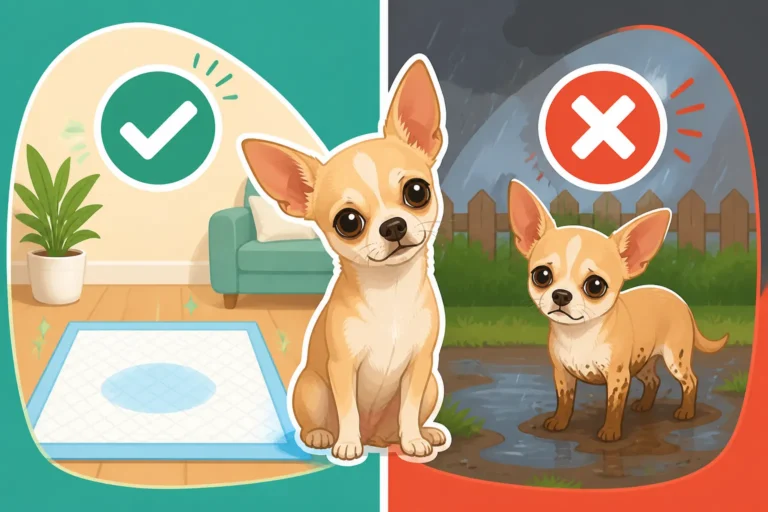
The key is to understand their physical limitations and set them up for success. This means very frequent potty breaks – often every 30 minutes to an hour for young puppies, and every 2-4 hours for adults. Establish a strict routine, taking them to the same designated potty spot every time. Reward heavily when they go in the right place, making it the most exciting thing they do all day. For Chihuahuas who despise cold, rain, or snow, providing an indoor potty option, like puppy pads or a small dog litter box (available on Amazon), can be a game-changer. Crucially, any accidents indoors must be cleaned thoroughly with an enzymatic cleaner to eliminate odors that attract them back to the same spot. It might seem like How Many Weeks Chihuahua Potty Training Takes is an eternity, but with dedication, even Litter Box Training a Chihuahua is achievable.
The Critical Role of Environment and Management
Beyond direct training, the environment you create for your Chihuahua and how you manage their daily interactions profoundly impacts their behavior and overall well-being.
Setting Up a Secure and Stimulating Home Environment
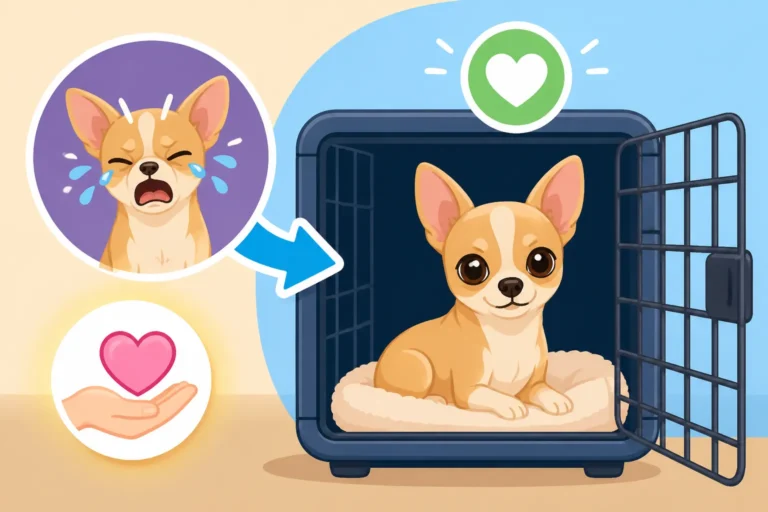
A well-structured home environment is vital for a Chihuahua's confidence and reduces the likelihood of behavioral issues. This starts with providing a safe, comfortable space that is theirs. A crate, when introduced positively, becomes a secure den where they can retreat and feel safe. This is not a punishment tool, but a personal sanctuary. Using a properly sized crate, as discussed in Chihuahua Crate Size and Setup, is essential. For puppies or when you can't actively supervise, a playpen can offer more space while still containing them safely.
Beyond safety, mental stimulation is crucial. Chihuahuas are intelligent and can get bored quickly, leading to destructive chewing or excessive barking. Incorporate puzzle toys, which can be found easily on Amazon, to challenge their minds during meal times. Engage in short, interactive play sessions with appropriate toys, and practice brief training sessions throughout the day. A predictable routine, with designated times for eating, playing, potty breaks, and rest, also helps reduce anxiety and provides a sense of security.
Managing Interactions for Safety and Confidence
How you manage your Chihuahua's interactions with the outside world, other animals, and people is critical, especially given their vulnerable size. Dog parks, for instance, are generally not safe or appropriate for Chihuahuas. The risk of injury from a larger, boisterous dog is simply too high. Instead, opt for supervised playdates with known, calm dogs of similar size, or focus on controlled, positive interactions where your Chihuahua feels secure. This guidance is key to Introducing a Chihuahua to Bigger Dogs Safely.
For walks, always use a well-fitting harness rather than a collar. A collar can put dangerous pressure on their delicate trachea, which is prone to collapse. A harness distributes pressure across their chest, protecting their windpipe and making walks more comfortable and safe. You can find many excellent harness options for Chihuahuas on Amazon. Why a Harness Matters for a Chihuahua Windpipe is a point every Chihuahua owner should take to heart. Additionally, teach your Chihuahua to walk politely on a leash, allowing them to explore scents and engage with their environment. When meeting new people, always advocate for your dog: ask people to crouch down, offer a hand for sniffing, and let your Chihuahua approach on their own terms. Teach consent – if your Chihuahua pulls away or shows signs of discomfort, respect that and give them space.
When Professional Help Makes All the Difference
Sometimes, despite our best efforts, certain behaviors can feel too complex or ingrained to tackle alone. That's when professional help becomes an invaluable resource.
Recognizing When You Need Professional Help
It's easy to feel like a failure if your Chihuahua's behavior problems persist, but recognizing when you need outside expertise is a sign of a responsible and loving owner. If your Chihuahua exhibits severe fear, aggression (like A Chihuahua That Snaps Because Its Knee Hurts due to underlying pain or anxiety, or A Chihuahua That Turns Sharp Overnight with sudden behavioral changes), debilitating separation anxiety, or house-training issues that haven't responded to consistent effort, it's time to call in a professional. Early intervention can often prevent problems from escalating and significantly shorten the time it takes to achieve resolution.
Don't wait until you're at your wit's end. A professional trainer or veterinary behaviorist can help identify the root cause of the behavior, rule out any underlying medical conditions (which can often contribute to sudden behavioral shifts), and develop a tailored, effective plan. They offer a fresh, objective perspective and have a toolkit of techniques you might not be aware of.
Finding the Right Professional for Your Chihuahua
Choosing the right professional is critical. Look for trainers and behaviorists who emphasize force-free, positive reinforcement methods. Avoid anyone who suggests harsh corrections, punitive tools (like shock collars), or outdated dominance theories, as these methods can exacerbate fear and aggression, especially in a sensitive breed like the Chihuahua. Ask about their experience working specifically with small breeds, as understanding the unique challenges of a toy dog is vital.
Seek out trainers with certifications from reputable organizations. Many excellent trainers offer online courses or virtual consultations, which can be incredibly convenient. For instance, platforms like BAXTER & Bella offer comprehensive online puppy and obedience training programs that can provide structured guidance and support from the comfort of your home. Always ask for references and make sure their philosophy aligns with your goal of building a trusting relationship with your Chihuahua. Finding a Trainer Who Takes a Chihuahua Seriously and Vetting a Trainer Before You Book a Chihuahua are crucial steps in this process.
Here's a quick look at common Chihuahua behavior issues and how understanding their roots can lead to effective solutions:
| Behavior Issue | Common Underlying Cause | Resolution Strategies |
|---|---|---|
| Excessive Barking | Fear, insecurity, boredom, lack of boundaries | Desensitization, counter-conditioning, enrichment (puzzle toys), "quiet" command training |
| House Training Issues | Small bladder, inconsistent routine, lack of positive reinforcement | Frequent, scheduled potty breaks, indoor potty options, enzymatic cleaners, high-value rewards |
| Fear-Based Reactivity | Insecurity, poor early socialization, negative experiences | Positive exposure at a distance, confidence-building games, safe spaces, desensitization |
| Resource Guarding | Insecurity, past negative experiences, perceived threat to valuable items | Management (separate feeding areas), trading games, positive association with approach |
| Separation Anxiety | Over-attachment, lack of alone time training, fear of being alone | Gradual desensitization to departures, structured alone time, crate training (positive) |
Ultimately, resolving Chihuahua behavior cases comes down to empathy, education, and consistency. These tiny dogs thrive when understood, given clear guidance, and treated with respect, transforming from anxious little bundles into confident, happy companions.
Disclaimer
This article is for general informational purposes only and does not constitute professional advice. Laws, prices and regulations vary by location and change over time. Consult a qualified professional for guidance on your specific situation.