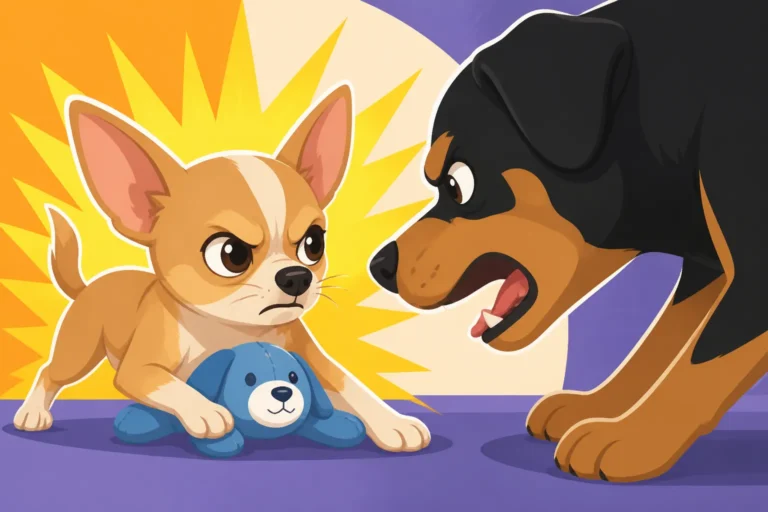
The Noise a Panicking Chihuahua Makes
It's absolutely heartbreaking to hear your tiny Chihuahua making noises that sound like pure panic. It's more than just a bark or a yip; it's a desperate cry for help that can churn your stomach and leave you feeling utterly helpless. These aren't just "being vocal" moments; they're expressions of genuine distress, fear, or anxiety, and understanding what triggers them and how to respond is key to helping your little companion find peace. This guide aims to shed light on those distressing sounds, help you decipher what your Chihuahua is trying to tell you, and equip you with practical strategies to soothe their panic.
Understanding the Roots of Chihuahua Panic Noises
When your Chihuahua begins to make those truly alarming noises, it’s not usually for no reason. These aren't casual barks or playful growls; they stem from deep-seated emotions like fear, anxiety, or even pain. Their small size makes them perceive the world differently than larger breeds, and what might be a minor inconvenience to a big dog can be an overwhelming threat to a Chihuahua.
The Overwhelm of a Small World
Imagine living in a world where everything is gigantic, most movements are sudden, and even a friendly pat can feel like a clumsy push. That's often the reality for a Chihuahua. Their small stature means they're easily startled and vulnerable. A sudden loud noise, a stranger approaching too quickly, or even an unexpected touch can trigger an acute fear response. They don't have the size to stand their ground or quickly escape perceived threats, so their primary defense mechanism often becomes vocalization – and a panicked one at that.
Without proper, gentle socialization, this natural fear can become exaggerated. If a Chihuahua isn't gradually introduced to different sights, sounds, people, and other animals in a positive, controlled way, they can develop a heightened sense of anxiety. What might be seen as "attitude" is often pure terror. Think about a Chihuahua who wasn't socialized properly as a puppy being thrust into a busy park; the cacophony of sounds, the looming figures, and the fast-moving feet can be utterly terrifying, leading to frantic yelping or crying. Providing Chihuahua Socialization That Does Not Flood a Chihuahua is crucial to prevent this kind of overwhelming distress.
Separation Anxiety vs. General Distress
One of the most common reasons for a Chihuahua to make truly panicked noises is when they are left alone. But it's important to distinguish between simple distress and true separation anxiety. General distress might manifest as whining or barking when you first leave, perhaps out of boredom or a need to go potty. It usually subsides relatively quickly once they realize you're gone and there's nothing immediately interesting happening.
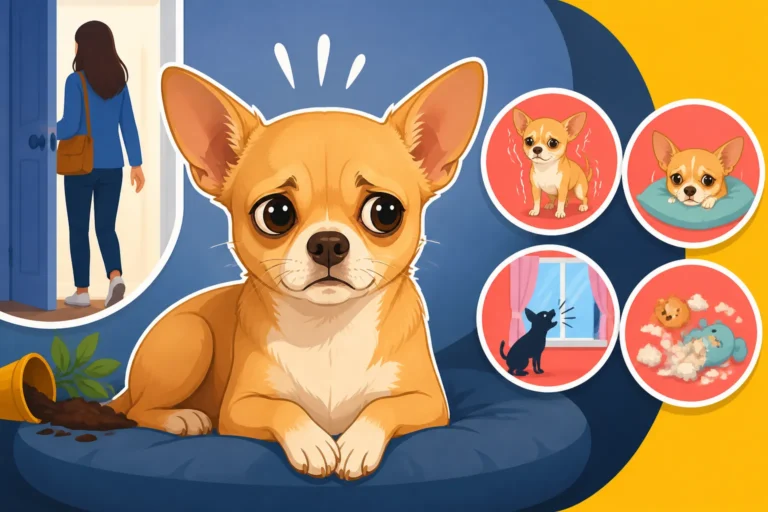
True separation anxiety, however, is a much more intense and heartbreaking experience for your Chihuahua. It's not just missing you; it's a full-blown panic attack, a genuine belief that they have been abandoned forever. This manifests in a specific cluster of behaviors that go beyond normal puppy angst or a little whining. When suffering from separation anxiety, a Chihuahua might engage in destructive chewing, frantic pacing, obsessive attempts to escape, and, most notably, sustained, high-pitched vocalizations that sound like genuine anguish. They might urinate or defecate indoors, even if perfectly house-trained, solely due to their overwhelming anxiety. Understanding Chihuahua Separation Anxiety and Time Alone is key to addressing these specific behaviors. These noises typically start immediately after you leave and persist for a significant duration, often only stopping when they're exhausted or you return.
Pain, Fear, and Medical Causes
Sometimes, the panic noises aren't purely behavioral; they can be a desperate reaction to physical discomfort or pain. Chihuahuas are notoriously stoic when it comes to showing pain, often hiding it until it becomes unbearable. A sudden yelp or scream could indicate they've been stepped on, fallen, or injured themselves, but sustained panicked whining might point to a deeper, underlying issue.
Conditions like patellar luxation (a slipping kneecap) can cause intermittent pain that might be expressed through sudden cries, especially if they make a wrong movement. For example, you might notice A Chihuahua Snapping Because Its Knee Hurts as a reaction to someone touching a painful joint, which can be accompanied by a yelp. Dental disease, which is rampant in Chihuahuas, can cause chronic pain that might lead to a Chihuahua crying out when trying to eat or when their mouth is inadvertently touched. Even conditions like back pain, neurological issues, or acute digestive upset can manifest as generalized distress and vocalizations that sound like panic. Always rule out a medical cause first if these noises start suddenly or seem unprovoked by an obvious environmental trigger. Your veterinarian can help identify if their panic is rooted in physical discomfort.
Decoding the Sounds of Chihuahua Panic
Not all vocalizations are created equal, especially when it comes to Chihuahuas. Learning to differentiate between a playful yip and a cry of genuine panic is crucial for their well-being. These small dogs have a surprisingly wide range of sounds, and when they're truly panicked, their noises take on a distinct, unmistakable quality.
The Piercing Yelp or Scream
This is perhaps the most alarming sound a Chihuahua can make: a sudden, sharp, high-pitched yelp or scream that stops you in your tracks. It's an involuntary, instinctual response to acute fear, sudden pain, or extreme surprise. If you've ever accidentally stepped on your Chihuahua's paw, or if they've suddenly encountered a large, unfamiliar dog, you've likely heard this sound.
The piercing yelp is typically short-lived but intense. It's like an immediate alarm bell, signaling an instant threat or injury. The context is usually obvious: a sudden fall from the couch, being startled by a dropped object, or a clumsy interaction with a child. While it's jarring, this type of vocalization usually indicates an immediate, momentary distress rather than prolonged anxiety. Your Chihuahua might then quickly recover, seeking comfort, or they might continue to tremble and hide if the fear was significant. Recognizing The Noise a Panicking Chihuahua Makes in this acute form means you need to assess for injury and provide immediate comfort.
Sustained Whining and Crying
This is the sound most commonly associated with separation anxiety or prolonged, profound distress. It's not a quick yelp, but a continuous, often escalating series of mournful cries, whines, and sometimes even howls. This type of vocalization can be truly heartbreaking to witness or hear, as it clearly communicates a state of deep unhappiness and panic.
These sounds might start as soft whimpers, almost begging for attention, but can quickly escalate to a louder, more desperate wail. When a Chihuahua is experiencing separation anxiety, this sustained crying will often be accompanied by other distress signals: frantic pacing, scratching at doors, trying to chew through crates, or having house-training accidents. The sound is often described by owners as sounding genuinely "sad" or "lonely," and it can persist for minutes or even hours after the owner has left. It signals that your Chihuahua feels truly abandoned and is in a state of profound emotional distress.
Shaking, Trembling, and Chattering Teeth
While not strictly a "noise," these physical manifestations are often accompanied by panicked vocalizations and are clear indicators of intense fear or stress. Chihuahuas are known for their shivering, which can be due to cold, but when it's linked to panic, it's a different beast entirely.
When a Chihuahua is trembling from fear or anxiety, it's usually more intense and less easily stopped than shivering from cold. Their entire body might shake uncontrollably, and their teeth might chatter audibly. This isn't just a slight shiver; it's a profound, physiological response to overwhelming stress. You might observe this when they're at the vet, encountering a new and scary situation, or when they're enduring a separation anxiety episode. This trembling is a clear sign that their nervous system is in overdrive, and they are not just "being dramatic." It's a visible representation of their internal panic, often preceding or accompanying the panicked vocalizations like yelps or sustained crying. Addressing Chihuahua Fear Reactivity, the Breed's Real Problem often involves understanding and mitigating these physical signs of distress.
| Type of Panic Noise | Common Triggers | Associated Behaviors | What it Communicates |
|---|---|---|---|
| Piercing Yelp/Scream | Sudden pain, loud noise, startling event | Immediate recoil, hiding, freezing | Acute fear, momentary intense pain, surprise |
| Sustained Whining/Crying | Being left alone, prolonged distress | Pacing, destructive chewing, potty accidents, scratching | Separation anxiety, deep emotional distress, loneliness |
| Shaking/Trembling/Chattering | Intense fear, severe anxiety, cold | Tucked tail, wide eyes, trying to hide, sometimes vocal | Overwhelmed nervous system, extreme stress |
Strategies to Address Panic Noises and Restore Calm
Hearing your Chihuahua in a state of panic is agonizing, but the good news is that there are many proactive steps you can take to help them feel more secure and reduce those distressing noises. It starts with a multi-faceted approach, combining training, environmental management, and sometimes professional intervention.
Building Confidence Through Structured Training
One of the most effective ways to combat panic-induced noises is to build your Chihuahua's confidence. This doesn't mean forcing them into situations they fear, but rather empowering them with predictable responses and positive experiences. Positive reinforcement training, using treats and praise, is paramount. Harsh handling or punishment will only exacerbate their fear and worsen the problem.
Focus on basic obedience commands like "sit," "stay," and "come" in calm environments, gradually introducing more distractions. This teaches them that you are a reliable leader and that good things happen when they follow your cues. Desensitization to triggers is another key component. If your Chihuahua panics at the sound of the doorbell, for instance, start by playing the sound at a very low volume, rewarding calm behavior, and slowly increasing the volume over many sessions. Online training platforms can be incredibly helpful for structured learning at home. BAXTER & Bella, for example, offers comprehensive virtual training programs that can guide you step-by-step through building confidence and addressing common behavioral issues, all from the comfort of your living room, which can be less overwhelming for a fearful Chihuahua than a busy group class. Remember, Training a Chihuahua Exactly Like a Big Dog is essential; they respond just as well as larger breeds to consistent, positive methods.
Creating a Safe Haven and Predictable Routine
A sense of security and predictability is incredibly calming for an anxious Chihuahua. Creating a designated "safe haven" where they can retreat when feeling overwhelmed is vital. This could be a crate, but it must be introduced positively, never used for punishment. Chihuahua Crate Size and Setup should be just large enough for them to stand, turn around, and lie down comfortably, with soft bedding and perhaps a familiar blanket that smells of you. This den becomes their personal sanctuary, a place where they feel safe and undisturbed.
A consistent daily routine also significantly reduces anxiety. Chihuahuas thrive on knowing what to expect. Regular meal times, consistent potty breaks, and scheduled walks or play sessions help them feel more in control of their environment. For example, if your Chihuahua knows that after your morning coffee, they'll go for a walk, that predictability can reduce early morning anxiety. This routine helps manage conditions like Chihuahua Hypoglycemia and the Puppy Emergency by ensuring regular food intake, which can sometimes be triggered by stress. For Chihuahuas prone to panic when left alone, a good routine might include a hearty play session before you leave, a puzzle toy to keep them occupied, and a calming ritual as you depart.
Seeking Professional Guidance and Support
While many issues can be managed at home, there are times when professional help is indispensable. If your Chihuahua's panic noises are severe, persistent, or accompanied by behaviors like self-mutilation or aggression, it's time to bring in the experts.
Your first step should always be a visit to your veterinarian to rule out any underlying medical conditions that could be causing or contributing to the panic. Pain, hormonal imbalances, or neurological issues can all manifest as anxiety. Once medical causes are ruled out, a certified professional dog trainer or a veterinary behaviorist can provide tailored strategies. A good trainer will use force-free, positive reinforcement methods and understand the unique nuances of toy breeds. They can help you identify triggers, implement behavior modification plans, and teach you how to respond effectively to your Chihuahua's panic. In some severe cases of anxiety, particularly separation anxiety, a veterinary behaviorist might recommend medication in conjunction with behavior modification. This isn't a quick fix, but it can help reduce your Chihuahua's anxiety to a level where they can actually learn from the training. To learn more about this, look into Whether Anxiety Medication Helps a Chihuahua.
Tools and Techniques for Managing Anxiety
Beyond structured training and professional help, there are numerous practical tools and techniques you can integrate into your daily life to help manage your Chihuahua's anxiety and reduce those distressing panic noises. These approaches focus on providing comfort, enrichment, and proactive prevention.
Calming Aids and Comfort Items
The market is filled with products designed to help ease canine anxiety, and some can be quite beneficial for Chihuahuas. Calming pheromone diffusers or sprays, which mimic the natural appeasing pheromones released by a mother dog, can create a more tranquil atmosphere. Brands like Adaptil are widely available and can be found on platforms like Amazon. ThunderShirts, or similar anxiety wraps, apply gentle, constant pressure, which many dogs find comforting, much like swaddling a baby.
Providing comfort items can also make a significant difference. A soft, plush bed that allows your Chihuahua to burrow, or a blanket that carries your scent, can offer a sense of security. Some Chihuahuas benefit from a weighted blanket if they are comfortable with it. Remember that some panic can be linked to physical vulnerability, so ensuring they are warm and cozy is also paramount. Keeping Glucose Gel for a Chihuahua at Home within reach is also a good preventative measure; intense stress and panic can sometimes cause their blood sugar to drop, especially in tiny puppies or very anxious individuals.
Environmental Management and Enrichment
Proactive environmental management is key to preventing panic episodes. This involves minimizing exposure to known triggers while simultaneously enriching your Chihuahua's daily life. If loud noises trigger panic, consider playing classical music or white noise to mask external sounds. Window film can block their view of outdoor triggers like mail carriers or other dogs if window barking is a problem.
Mental stimulation is just as important as physical exercise. Puzzle toys, snuffle mats, and slow feeders, many of which are available in small sizes on Amazon, can keep your Chihuahua's mind engaged and distract them from anxiety-inducing thoughts. Instead of free-feeding, which can lead to obesity and rapid eating, measured meals in a puzzle feeder can turn mealtime into a positive mental exercise. Remember that exercise is also crucial; even though they are small, Chihuahuas need regular walks and playtime. For a dog that fits in your bag, Indoor Games for a Chihuahua can provide excellent physical and mental outlets, especially on bad weather days. For house training, if outdoor potty breaks are stressful, consider Indoor Toilets for a Chihuahua That Hates Rain to remove that particular source of anxiety.
Addressing Resource Guarding and Other Triggers
Sometimes, panic noises can arise from specific behavioral challenges like resource guarding. A Chihuahua might growl, snap, or even cry out in panic if they perceive a threat to a valued resource, whether that's their food, a favorite toy, or even their human. Chihuahua Guarding a Person or a Lap is a common scenario, where they become anxious and vocal if someone approaches "their" person.
Addressing resource guarding requires a positive, non-confrontational approach, never punishing them for growling, as a growl is their warning. Instead, work on building trust and showing them that people approaching their resources means good things happen. For example, if they guard their food bowl, toss high-value treats into the bowl as you approach, teaching them that your presence is positive, not a threat. Learning to read their body language, like Chihuahua Body Language Before a Snap, is crucial to intervene before a panic response escalates. By understanding and gently redirecting these behaviors, you can prevent many panic-induced vocalizations before they even start.
Disclaimer
This article is for general informational purposes only and does not constitute professional advice. Laws, prices and regulations vary by location and change over time. Consult a qualified professional for guidance on your specific situation.