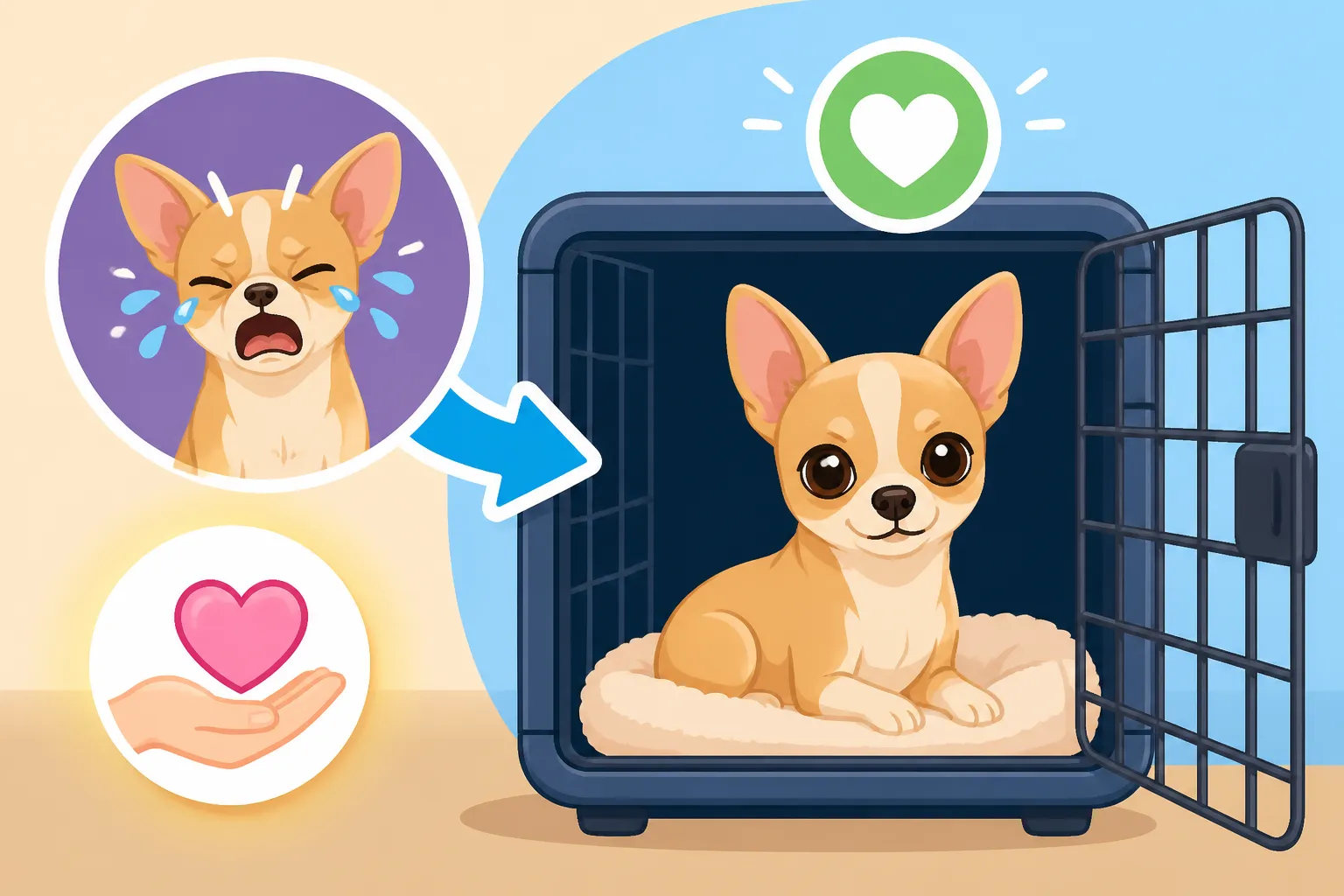
Crate Training a Chihuahua That Cries
It's incredibly frustrating, and honestly, heartbreaking, when you're trying to do something good for your tiny Chihuahua—like crate training—and all you're met with is persistent crying. You might feel like you're doing something wrong, or worse, that your little companion is just miserable and will never settle. This guide is here to walk you through why your Chihuahua might be crying in their crate and offer empathetic, practical solutions to turn that crate into a safe, comforting haven they actually enjoy.
Understanding Why Your Chihuahua Cries in the Crate
Before we can tackle the crying, we need to understand why it's happening. Chihuahuas are tiny dogs with big personalities, and sometimes, that big personality comes with an equally big set of anxieties or needs. Their small size makes them inherently more vulnerable, and this can play a huge role in their feelings about a crate.
The Root of Their Distress: Fear and Insecurity
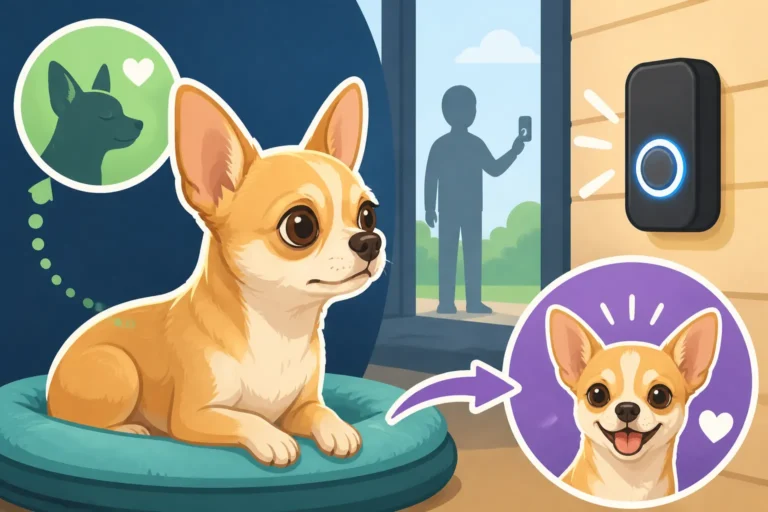
For many Chihuahuas, crying in the crate stems from a deep-seated feeling of fear or insecurity. Imagine being so small in a vast world; suddenly being confined to a new space, even a cozy one, can feel like a threat. This isn't always outright panic, but often a low hum of anxiety. They might feel exposed, isolated, or simply unable to reach you, their primary source of security.
It's easy to dismiss this as "just being dramatic," but for a dog who weighs only a few pounds, the world truly is a much larger and scarier place. If they haven't had a slow, positive introduction to the crate, or if they've had negative experiences in the past, their initial reaction is often alarm. This can sometimes be a precursor to Chihuahua Separation Anxiety and Time Alone, where their distress isn't just about the crate itself, but about being left alone inside it. They truly believe they're in danger when you're out of sight, and the crate, instead of feeling like a den, feels like a trap.
Is It a Potty Emergency or a Plea for Attention?
One of the biggest puzzles for a Chihuahua owner when their dog is crying in the crate is figuring out if it's a genuine need or a bid for attention. Chihuahuas have notoriously small bladders. A puppy, especially, can't hold it for long at all. If your Chihuahua is crying, especially after a period of sleep or several hours, their first thought might genuinely be, "I need to go now!" Ignoring a genuine potty plea can lead to accidents in the crate, which then makes the crate a messy, unpleasant place for them, hindering future training.
However, once you've ruled out a potty need and they're still crying, it's often a learned behavior for attention. They've discovered that crying gets your response—you let them out, you talk to them, you give them attention. While it feels cruel to ignore them, responding to every whine for attention inadvertently teaches them that crying is the most effective communication tool. We'll talk about how to differentiate and respond appropriately later, but understanding this distinction is crucial for effective crate training.
The Impact of Past Experiences or Inadequate Introduction
Sometimes, a Chihuahua's reluctance to embrace the crate isn't about their current situation, but about their history. If you've adopted a rescue Chihuahua, they might have come from a background where confinement was stressful or associated with negative experiences, such as being left alone for too long, or being crated improperly at a shelter or previous home. These past traumas can make them highly sensitive to being enclosed.
Even without a traumatic past, an inadequate introduction to the crate can set you back. Many owners, in their eagerness, might rush the process. They put the dog in, close the door, and expect them to settle immediately. This fast-track approach rarely works for any dog, let alone a sensitive Chihuahua. A proper introduction involves making the crate a consistently positive place, gradually increasing the time spent inside, and never using it for punishment. Without this foundation, the crate becomes a place of confusion and anxiety rather than a safe haven.
Setting Up the Perfect Crate Environment for Your Tiny Companion
Making the crate inviting is half the battle. Think of it not as a prison, but as your Chihuahua's personal, luxury suite. Every detail matters for a dog so small.
Choosing the Right Crate Size and Location
The "right" crate size for a Chihuahua is often misunderstood. Many owners buy a crate that's too big, thinking it gives their dog more room. However, for crate training, a crate should only be large enough for your Chihuahua to comfortably stand up, turn around, and lie down. If it's too big, they might designate one end as a "potty area" and the other as a "sleeping area," defeating the purpose of house training. Look for crates specifically designed for small dogs or adjustable crates with dividers. For example, you can find a good range of small dog crates on Amazon, often with dividers included.
Once you have the right size, consider its location. In the beginning, place the crate in an area where you spend a lot of time, like your living room or bedroom. This allows your Chihuahua to still feel connected to you, even when crated. For nighttime, especially with puppies, placing the crate right next to your bed can work wonders. This proximity provides immense comfort and allows you to hear if they genuinely need a potty break without them feeling completely abandoned. Remember the guidance in Chihuahua Crate Size and Setup for visual aids and more specific dimensions.
Making the Crate a Cozy, Secure Den
A crate should never feel like a wire cage. Instead, it should mimic a natural den—a safe, enclosed, dark space where your Chihuahua feels secure. Start with comfortable bedding. A soft blanket, a small dog bed, or even a pillow that smells like you can make a huge difference. Avoid anything that can be easily chewed and ingested, especially with young puppies.
Many Chihuahuas love to burrow, so providing extra soft blankets they can tunnel into can be incredibly comforting. Next, consider covering the crate. A dark blanket or a specially designed crate cover draped over the top and sides can create that den-like atmosphere, blocking out distractions and providing a sense of privacy and safety. This small step can significantly reduce crying because it helps them feel hidden and protected, mimicking a secure hiding spot.
Incorporating Comfort and Security Items
Beyond bedding, strategic use of comfort items can greatly enhance your Chihuahua's crate experience. Long-lasting chew toys, particularly those designed to be stuffed with treats, can keep them occupied and associate the crate with positive, rewarding experiences. You can find many appropriate small chew toys on Amazon. A Kong filled with a bit of peanut butter or cream cheese (check ingredients for xylitol!) and frozen can provide a good 20-30 minutes of quiet occupation.
Another powerful tool is scent. Place an old t-shirt or blanket that smells strongly of you in the crate. Your scent is incredibly reassuring to your dog, making them feel like you're still nearby. Some owners also find success with dog-specific pheromone diffusers, like Adaptil, which emit synthetic calming pheromones that can help reduce anxiety. A ticking clock wrapped in a towel can sometimes mimic a mother's heartbeat, which can be soothing for young puppies, helping them settle during A Chihuahua's First Nights Alone in a New House.
Step-by-Step Positive Crate Training for a Crying Chihuahua
Positive reinforcement is key when crate training, especially with a sensitive breed like a Chihuahua. Force and punishment will only make the crate a place of fear.
The Gentle Introduction: Building Positive Associations
The goal here is to make the crate the best place on earth. Start by simply having the crate open in a common area and letting your Chihuahua explore it at their leisure. Toss high-value treats (think tiny bits of cooked chicken or cheese) just inside the door, then further in. Let them go in and out freely. Never, ever force them inside.
Once they're comfortable going in, start feeding them their meals inside the crate. Place the food bowl at the back, so they have to go all the way in. While they're eating, gently close the door for a few seconds, then open it before they finish. Gradually increase the time the door stays closed, always opening it before they show any signs of distress. This builds trust. Programs like the BAXTER & Bella online puppy school often emphasize this step-by-step, positive approach, making sure your dog associates the crate with good things. Remember, Why Harsh Handling Damages a Chihuahua Fast applies to crate training too – gentle is always better.
Gradual Alone Time: From Seconds to Hours
Once your Chihuahua is comfortable eating and resting with the door closed for short periods while you're nearby, it's time to introduce alone time. Start with very brief periods. Put them in the crate with a special chew toy, say your goodbyes casually (no big emotional farewells!), and leave the room for just a minute or two. Come back before they start crying. The key is to return when they are calm, reinforcing that being quiet in the crate brings you back.
Slowly, incrementally increase the duration. If they cry, wait for a brief pause in the crying (even just a second) before returning. This teaches them that quiet behavior gets your attention, not crying. If the crying is incessant, you might have moved too fast. Go back to a shorter duration where they were successful. It's a dance of patience. For puppies, consistency with Three Minute Training Sessions With a Chihuahua can also include short crate sessions, making it just another part of their daily learning.
Nighttime Crate Training and Potty Breaks
Nighttime is often the biggest challenge. For puppies, their tiny bladders mean they simply cannot "hold it" through the night. Place the crate right next to your bed so you can hear them. When they whine, don't immediately assume it's attention-seeking. Take them directly outside on a leash for a quick potty break, keeping it boring and quiet—no play, no fuss. Once they've done their business, immediately return them to the crate. This teaches them that crying at night only gets them a potty break, not playtime or freedom.
For older Chihuahuas, or after a puppy has proven they can hold it longer, the routine is similar but the timing might stretch. A general rule of thumb is that a puppy can hold their bladder for one hour per month of age, plus one. So, a 3-month-old might manage 4 hours. You can refer to How Long a Chihuahua Can Hold Its Bladder for more detailed expectations. Gradually, you can move the crate further away from your bed as they become more confident and capable of sleeping through the night. Consistency here is paramount.
Addressing Common Crying Scenarios and Troubleshooting
Crate training isn't always a straight line; there will be setbacks. Knowing how to troubleshoot helps immensely.
When the Crying Is Genuine: Potty Needs and Discomfort
It's critical to distinguish between a "I need to pee RIGHT NOW!" cry and a "I want out because I'm bored/lonely" cry. Genuine potty cries are often insistent, urgent, and typically happen after waking up, eating, or drinking. A discomfort cry might also sound distressed, perhaps from being too hot or cold (remember, Chihuahuas shiver easily), or if they’re feeling unwell.
If you suspect it's a genuine need, take them out immediately. If they relieve themselves, you've done well! If they don't, and you know they don't have a full bladder, then the crying might be for attention. This is where you return them to the crate and try to wait out the crying. If you respond to genuine distress by letting them out to play or cuddle, you accidentally reinforce the crying for the wrong reasons. A good rule of thumb: if it's been less than an hour since their last potty break and they're not a very young puppy, it's less likely to be an emergency.
Managing Separation Anxiety and Fear-Based Crying
If your Chihuahua's crying is intense, prolonged, and accompanied by other signs of distress like drooling, destructive chewing (especially around the crate door), or frantic attempts to escape, you might be dealing with genuine separation anxiety. This is more than just not liking the crate; it's a panic response to being left alone. In these cases, simply "waiting it out" can be detrimental, actually worsening their anxiety.
For separation anxiety, professional help from a certified professional dog trainer or a veterinary behaviorist is often necessary. They can guide you through desensitization and counter-conditioning protocols. These methods slowly teach your Chihuahua that being alone isn't scary, often involving very short departures, positive reinforcement, and sometimes even anti-anxiety medication in conjunction with behavior modification. Reading Chihuahua Separation Anxiety and Time Alone can provide more context on these deeper issues, and it's important to understand the nuance between simple loneliness and true panic.
| Crying Reason | Common Indicators | Recommended Response |
|---|---|---|
| Potty Need | Urgent, insistent, happens after waking/eating, usually quiet before | Immediately take outside for a quick, business-only potty break. Return to crate. |
| Fear/Insecurity | Whining, howling, trembling, panting, attempts to escape. More common in new environments or with poor introductions. | Reassess crate setup for comfort and security. Reintroduce crate training more slowly. Consult trainer if severe. |
| Attention-Seeking | Crying starts shortly after you leave, stops briefly then resumes, no signs of potty or fear. Stops when you return. | Wait for a brief lull in crying (even a second of quiet) before returning. Do not reward crying with attention. |
| Discomfort | Whining, restlessness. Check temperature, bedding, presence of toys. | Ensure crate is warm/cool enough, add blankets for burrowing, provide appropriate chew toy. |
Maintaining Consistency and Patience
Crate training, especially with a Chihuahua who cries, demands a significant amount of patience and consistency. Everyone in the household needs to be on the same page regarding rules, routines, and how to respond to crying. Inconsistency can confuse your Chihuahua and prolong the training process. For example, if one person always lets them out when they cry, while another tries to wait it out, your Chihuahua will learn that crying sometimes works, making them more persistent.
Remember that progress isn't always linear. There will be good days and bad days. A sudden regression might signal an underlying issue, such as a physical discomfort (a hidden ache, an upset stomach) or a change in their routine that has caused stress. Always rule out medical reasons first with your vet. The goal is to build a positive, lifelong association with their crate. This is a crucial foundation for any small dog, offering them a safe retreat and helping with Chihuahua Training and Behavior Help Costs down the line, as it often prevents other behavioral issues. Give your little one time, be persistent with positive methods, and you'll eventually have a happy, quiet, crated Chihuahua.
Disclaimer
This article is for general informational purposes only and does not constitute professional advice. Laws, prices and regulations vary by location and change over time. Consult a qualified professional for guidance on your specific situation.