Chihuahua Resource Guarding and Snapping
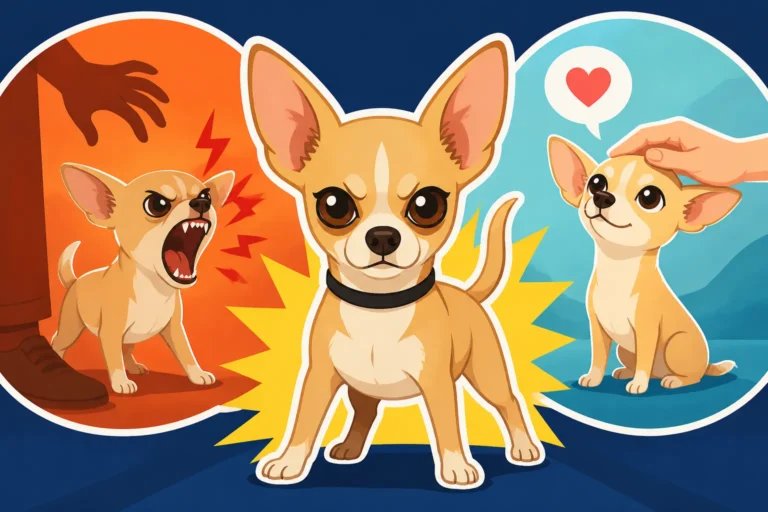
It’s incredibly frustrating, and often heartbreaking, when your sweet little Chihuahua starts growling, snapping, or even biting over a favorite toy, a yummy treat, or even when you simply try to move them off your lap. This behavior, known as resource guarding, isn't about being "mean" or "dominant" – it's a deeply ingrained instinct often exacerbated by a tiny dog's perceived vulnerability. This guide will walk you through understanding why Chihuahuas guard, recognizing their subtle signals, and implementing effective, positive strategies to manage and prevent this challenging behavior, helping you build a safer, more trusting relationship with your pint-sized companion.
Understanding Resource Guarding: What it is and why Chihuahuas do it
Resource guarding is one of those behaviors that can really catch owners off guard, especially with a dog as small and seemingly innocent as a Chihuahua. It’s not uncommon for owners to mistakenly believe their little dog is just being "spoiled" or "naughty," but in reality, it's a much more complex and instinctual behavior. When a Chihuahua guards a resource, they are communicating, in the only way they know how, that they feel threatened or insecure about losing something they value.
Defining Resource Guarding Beyond Aggression
At its core, resource guarding is a protective behavior. It’s when a dog displays behaviors intended to convince a perceived threat (human or animal) to stay away from an item or location that the dog values. This isn't necessarily aggression in the malicious sense, but rather a warning system. Imagine you're enjoying your favorite meal, and someone keeps reaching for your plate. Initially, you might just shield it, then you might give a verbal warning, and if pushed, you might even swat their hand away. Dogs operate similarly, but their "swat" can sometimes be a snap or a bite. For a Chihuahua, the resource could be anything from a piece of dropped food, a prized chew, a specific blanket, or even a preferred person's lap. The "aggression" is a symptom of their underlying anxiety about losing that resource.
The Instinctual Roots of Guarding
From an evolutionary standpoint, resource guarding makes perfect sense. In the wild, animals that successfully guarded their food, mates, or den sites were more likely to survive and pass on their genes. While our Chihuahuas live comfortable lives in our homes, these primal instincts are still deeply wired into their brains. They don't differentiate between a wild animal trying to steal their kill and a loving owner reaching for their chew toy. To them, the threat is real, and the response is automatic. This is why you might see a perfectly well-behaved Chihuahua suddenly transform into a growling, teeth-baring guard dog when you approach their food bowl. It’s not a personal affront; it’s instinct.
Why Small Dogs Guard So Fiercely
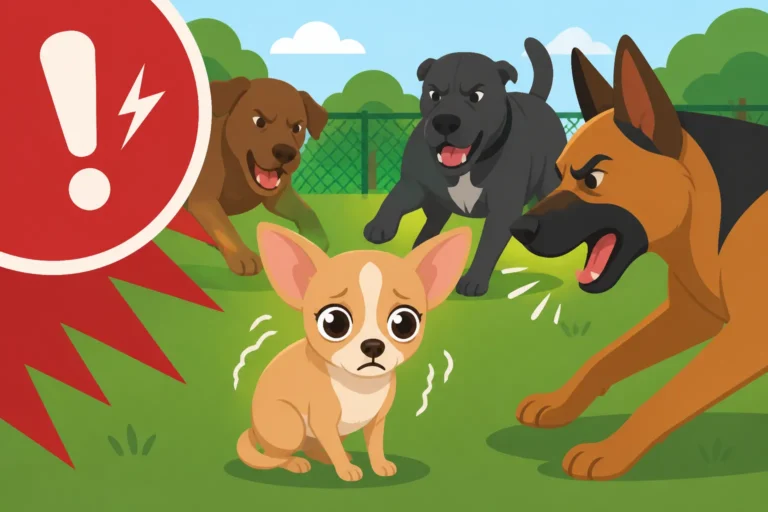
It might seem counterintuitive, but often, the smallest dogs can be the most intense resource guarders. This isn't because they are inherently more aggressive, but because their size makes them feel more vulnerable. A Great Dane probably doesn't worry much about another dog stealing its food, but a six-pound Chihuahua might constantly feel like its resources are at risk from larger housemates, or even from clumsy humans. Their small stature can amplify their feelings of insecurity, leading them to overcompensate with louder growls, more insistent snaps, and more dramatic displays. It's their way of saying, "I'm small, but I will defend what's mine!" Understanding this vulnerability is key to approaching the problem with empathy and effective strategies. You can learn more about why certain behaviors are common in smaller dogs in Small Dog Syndrome and Why It Is Not Genetic.
Common Triggers for Chihuahua Resource Guarding: What items/situations spark it
Recognizing what triggers your Chihuahua's guarding behavior is the first step toward managing it. It’s often not a blanket behavior; dogs typically guard specific items or in particular situations. Pinpointing these hot spots will allow you to create a safer environment and implement targeted training.
Food and High-Value Chews
The most common trigger for resource guarding is food, especially high-value items like bones, bully sticks, or even a particularly delicious meal. If your Chihuahua stiffens, growls, or snatches their food away when you approach their bowl, you're seeing food guarding in action. It can even extend to dropped crumbs on the floor, where a Chihuahua might suddenly become very possessive over a tiny morsel. This is particularly noticeable with chews that last a long time, as the dog has more time to become deeply engrossed and protective.
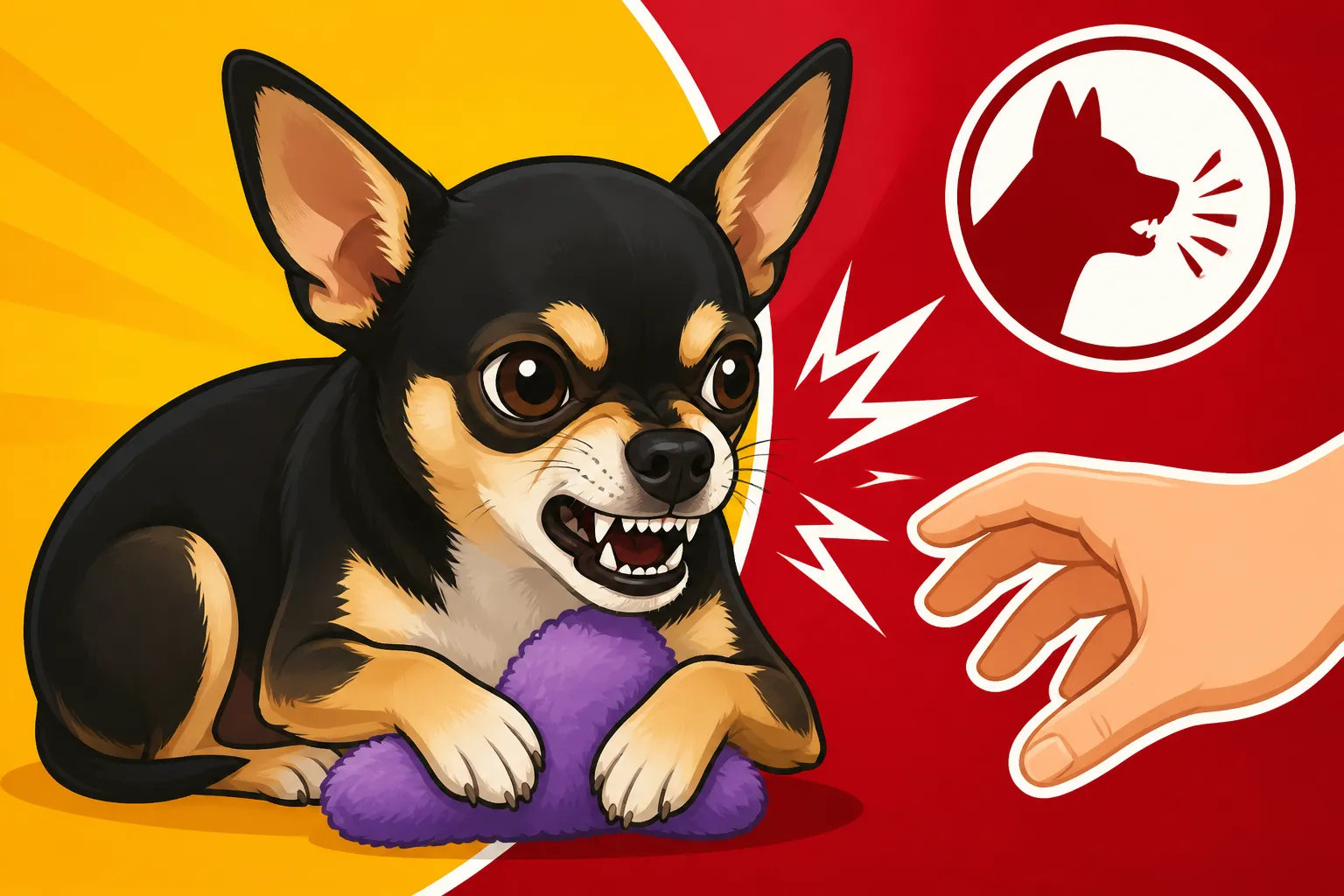
Imagine you've just given your Chihuahua a new dental chew, perhaps one you bought on Amazon, and they've settled down contentedly. You walk by, perhaps to refill your coffee cup, and without even thinking, you try to pet them. Suddenly, you're met with a low growl, a baring of teeth, or even a quick snap in the air. This isn't them being rude; it's a frantic declaration that this chew is theirs, and they perceive your approach as a threat to it. They might even try to eat it faster, gulping it down before you can "take" it.
Guarding Toys and Special Objects
Beyond food, many Chihuahuas will guard their favorite toys. This might be a specific squeaky plush, a tug toy, or even a discarded sock they've claimed as their treasure. The value a Chihuahua places on an object isn't always obvious to us; it's entirely up to them. What might seem like a generic ball to you could be their most prized possession. This can lead to awkward situations where you simply want to retrieve a toy for a game of fetch, but your Chihuahua reacts defensively. Some Chihuahuas will gather all their favorite toys into a pile and guard the entire stash, becoming agitated if anyone gets too close to their "hoard."
The Person, the Lap, or the Sleeping Spot
Perhaps one of the most challenging forms of resource guarding is when your Chihuahua guards you or a particular spot, like your lap or their bed. This is sometimes referred to as "person guarding" or "possession aggression towards people." Your Chihuahua might growl or snap at another person or pet that approaches you while they are sitting on your lap, sleeping next to you on the sofa, or even lying at your feet. This isn't a sign of deep affection in the way we usually think of it; rather, it’s a manifestation of their insecurity and their desire to maintain control over a highly valued resource – your attention and presence. This can be especially difficult in multi-pet households or homes with children, as it creates tension and potential conflict. Understanding Chihuahua Food and Toy Guarding is a helpful step in addressing these behaviors.
The Subtle Signs of Resource Guarding: How Chihuahuas communicate before a snap
One of the biggest mistakes owners make is missing the early warning signs of resource guarding, only noticing when their Chihuahua escalates to a full-blown snap or bite. Chihuahuas, like all dogs, communicate through a sophisticated language of body signals long before they resort to teeth. Learning to read these subtle cues can help you de-escalate situations and prevent escalation.
Subtle Warnings: Freezing and Whale Eye
Before any overt aggression, a Chihuahua will often display subtle signs of discomfort and an attempt to warn you off. "Freezing" is a common one: your dog might suddenly become very still, their muscles tense, and their breathing may become shallow. They might stop chewing or playing, holding their breath as you approach. Another classic sign is "whale eye," where the whites of their eyes become visible, usually on the sides, as they turn their head away slightly but keep their eyes fixed on you. Their body might be rigid, and their ears might be slightly flattened or pulled back. These are clear signals that your Chihuahua is uncomfortable and feels threatened by your presence, asking you to back off without making a sound. The internal link Reading a Chihuahua's Whale Eye delves deeper into this important communication signal.
Escalation: Growls, Snarls, and Nips
If the subtle warnings are ignored or not understood, your Chihuahua will likely escalate their communication. A low growl is often the next step – a clear vocalization that says, "I really don't want you closer to this." This growl might increase in intensity as you persist. Following a growl, you might see a snarl, where their lips lift, exposing their teeth. This is a very explicit warning. Finally, if all these signals fail to deter the perceived threat, a snap or a quick air-nip (biting at the air near you) might occur. It's crucial to remember that each of these steps is an attempt by your Chihuahua to avoid having to actually bite. They are trying to scare you away first. Punishing these warnings, like scolding a growl, only teaches your Chihuahua to skip the warnings and go straight to biting, making the situation much more dangerous.
The Danger of Ignored Signals
The real danger lies in ignoring or suppressing these warning signals. If a Chihuahua learns that their growls and snarls are punished, they may stop offering them altogether. This creates what's known as a "silent biter" – a dog who appears to go from zero to a bite without any discernible warning. This is incredibly dangerous because you lose all opportunity to intervene before an actual bite occurs. Instead of punishing, our goal should be to understand what our Chihuahua is telling us and teach them that they don't need to guard so fiercely because their resources are safe and secure with us. Learning Chihuahua Body Language Before a Snap can truly save you from painful surprises.
Why Chihuahuas Snap: Fear, insecurity, and learned behavior
When a Chihuahua snaps, it's a terrifying moment for any owner. It feels like a betrayal, or like your beloved pet has suddenly turned vicious. But it's vital to understand that this isn't usually an act of malice. Snapping is almost always a culmination of fear, insecurity, and often, an inadvertently learned behavior. They aren't trying to be "bad"; they are simply reacting based on their instincts and past experiences.
Fear as the Primary Motivator
At the heart of most snapping behavior, especially concerning resource guarding, is fear. A Chihuahua snaps because they genuinely believe that their valuable resource is about to be taken away. This fear might be deeply rooted in their small size and their historical vulnerability, or it could be a result of past negative experiences. Perhaps as a puppy, a larger dog or even a person repeatedly tried to take their toys or food, instilling a deep-seated apprehension. This fear-response is an attempt to create distance and safety, to protect what they perceive as theirs. They’re essentially saying, "Please back off; I'm scared I'm going to lose this!" For a deeper understanding of why fear drives many behaviors, consider Fear-Based Reactivity in a Chihuahua.
Lack of Confidence and Perceived Threat
Alongside fear, a lack of confidence plays a significant role. A truly confident dog might not feel the need to guard as fiercely; they trust that their resources are safe. A Chihuahua, however, often lives in a world where they are physically smaller than almost everything around them. This can lead to a pervasive sense of insecurity. Every approaching hand, every curious nose from another pet, can be perceived as a potential threat to their already limited resources. This perceived threat, even if it's completely innocent from our perspective, triggers their defensive instincts, leading to a snap. Their small stature, combined with this insecurity, creates a heightened state of alert around prized possessions.
Reinforcing the Behavior (Unintentionally)
Sometimes, we inadvertently reinforce resource guarding without even realizing it. Imagine your Chihuahua growls when you reach for their bone. You, naturally, recoil your hand, perhaps mumbling an apology. From your Chihuahua's perspective, they just successfully "told you off," and you listened! They learn that growling works to keep their resource safe. If you repeatedly back away or avoid them when they display guarding behavior, you are, in essence, teaching them that their aggressive displays are effective. This learned success strengthens the guarding behavior, making them more likely to snap in the future. Breaking this cycle requires a consistent, positive, and proactive approach to change their underlying emotional response. It takes effort to teach them that Taking a Chew From a Chihuahua Safely is possible and beneficial.
Addressing Resource Guarding: Management and Training Strategies
Tackling resource guarding requires a two-pronged approach: effective management to prevent the behavior from happening in the first place, and systematic training to change your Chihuahua's emotional response to perceived threats. Consistency is key, and patience is a virtue, especially with a behavior so deeply rooted in instinct.
Management: Preventing Opportunities for Guarding
The first and most immediate step is to manage the environment to prevent your Chihuahua from having opportunities to guard. This isn't a long-term solution, but it's crucial for safety and for stopping the behavior from being practiced and reinforced.
- Separate Feeding Areas: Feed your Chihuahua in a designated, quiet space where they won't feel threatened, such as their crate, a separate room, or behind a baby gate. Ensure no other pets or people can approach them while they eat.
- Supervised Chew Time: High-value chews (like bully sticks or dental chews from Amazon) should only be given when you can actively supervise. When they're done, or if you need to retrieve it, use a "trade" method (more on that below). If you can't supervise, don't offer the chew.
- Put Away Special Toys: If your Chihuahua guards certain toys, pick them up when not in use. Only bring them out for supervised play, and make sure to put them away afterwards. This prevents your Chihuahua from having to constantly "defend" them.
- Define Personal Space: If your Chihuahua guards your lap, politely ask others to give you and your dog space when your Chihuahua is with you. If they guard a specific sleeping spot, ensure they have their own comfortable, secure bed that is not challenged by others.
Training: Desensitization and Counter-Conditioning
This is where you actively work to change your Chihuahua's emotional response. The goal is to make them associate your approach with good things, rather than a threat.
- Start with Low-Value Items: Begin with something your Chihuahua isn't intensely protective of, or even just their regular food bowl before it has food in it.
- The "Pass By and Treat" Game: While your Chihuahua is eating their regular meal (or has a low-value chew), approach them just to the point where they don't show any guarding signals. This might be across the room at first. As you pass, drop a high-value treat (like a tiny piece of cheese or cooked chicken) near their bowl, then walk away. Do not try to take anything.
- Gradual Reduction of Distance: Over many, many sessions, slowly decrease the distance you approach, always dropping a high-value treat as you pass. The key is to keep the experience positive and never push them past their comfort level. If they show any sign of guarding, you've gone too fast. Back up to an easier distance.
- Repeat, Repeat, Repeat: The more positive associations your Chihuahua makes with you approaching their resources, the more their emotional response will shift from fear to anticipation of good things.
It's about creating a new pattern: "Human approaches while I have good stuff = even better stuff appears!" The online training resources available through platforms like BAXTER & Bella often provide structured programs for these types of behavioral modifications, guiding you step-by-step.
Trading Up: Teaching "Give" and "Drop It"
Teaching a reliable "give" or "drop it" command is invaluable for resource guarding, as it allows you to safely remove an item without a confrontation.
- Start with Low-Value Objects: Hold a low-value toy. Offer your Chihuahua a much higher-value treat. As they drop the toy to take the treat, say "Give" or "Drop It" and praise them lavishly. Immediately give them the high-value treat. Then, pick up the low-value toy and immediately give it back to them, or offer another, equally fun toy.
- Repeat and Generalize: Practice this many times with various low-value items.
- Gradually Increase Value: Slowly work your way up to higher-value toys, always ensuring the treat you offer in trade is more valuable than what they currently have.
- Never Steal: The critical rule is never to just snatch an item. Always trade up. This builds trust and teaches your Chihuahua that giving up an item leads to something even better, and that their original item might even be returned.
- Use it Proactively: If your Chihuahua has something they shouldn't (like a dropped pill or a dangerous object), offer an irresistible trade before they feel the need to guard it.
A well-taught "drop it" can be a lifesaver. This process can be lengthy, but it’s foundational to building trust and safety. Taking a Chew From a Chihuahua Safely offers more specific tips on this vital skill.
Working with a Professional: When to call for expert help
While many mild cases of resource guarding can be managed and improved with consistent owner intervention, there are times when the behavior is too severe, too dangerous, or simply not improving. Knowing when to call in the cavalry – a qualified professional – is crucial for both your safety and your Chihuahua's well-being.
Recognizing When You're Out of Your Depth
If your Chihuahua's resource guarding has resulted in actual bites (not just air-nips or growls), or if you feel genuinely afraid or intimidated by your dog during these episodes, it's time to seek professional help immediately. Similarly, if your attempts at management and positive reinforcement training aren't making a noticeable difference, or if the behavior is escalating despite your efforts, a professional can offer critical insight and a tailored plan. Living with a dog you can't trust around certain items or people is stressful and can severely impact your quality of life together. Don't feel guilty about needing help; this is a complex behavior, and professionals have specific expertise in addressing it safely and effectively. Finding a Trainer Who Takes a Chihuahua Seriously can guide you to the right professional.
Finding a Qualified Positive Reinforcement Trainer
When looking for a professional, it's absolutely vital to find someone who uses positive reinforcement, fear-free methods. Avoid any trainer who suggests using punishment, intimidation, or dominance-based techniques (like alpha rolls, leash corrections, or shock collars) for resource guarding. These methods will almost certainly worsen the guarding behavior, as they increase fear and destroy trust, potentially leading to more severe bites.
Look for trainers certified by reputable organizations, such as the Certification Council for Professional Dog Trainers (CCPDT) or the Karen Pryor Academy (KPA). These trainers understand animal behavior science and focus on changing your dog's emotional state, rather than just suppressing symptoms. They can help you create a personalized plan, teach you how to read your Chihuahua's subtle body language, and guide you through the desensitization and counter-conditioning process safely. Many offer in-home consultations, which are often best for resource guarding cases since the behavior occurs in the home environment. You might even find comprehensive online programs or one-on-one virtual coaching through organizations like BAXTER & Bella.
The Role of a Veterinary Behaviorist
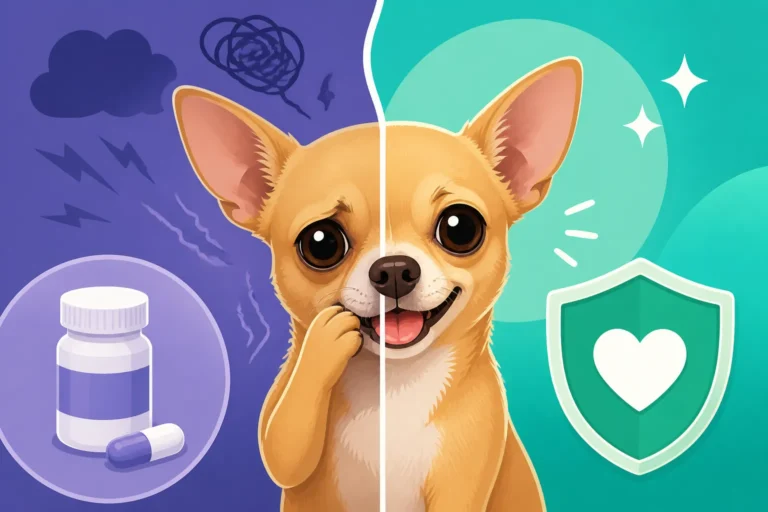
In more severe or complex cases, especially if your Chihuahua's guarding behavior seems sudden, extreme, or is accompanied by other anxiety-related issues, a Veterinary Behaviorist might be the most appropriate specialist. A Vet Behaviorist is a veterinarian who has completed extensive additional training and certification in animal behavior. They can diagnose underlying medical conditions that might be contributing to the behavior (pain can make a dog guard more), and they are qualified to prescribe medication if necessary. Just like humans with anxiety, some dogs can benefit from anti-anxiety medication to help them be more receptive to behavior modification training. They work in conjunction with positive reinforcement trainers to provide a comprehensive treatment plan that addresses both the behavioral and physiological aspects of resource guarding.
Preventing Resource Guarding in Chihuahua Puppies: Early socialization and training
The best way to deal with resource guarding is to prevent it from developing in the first place. For Chihuahua puppies, laying a strong foundation of trust, positive associations with handling, and early exposure to various stimuli can significantly reduce the likelihood of this behavior taking root. It’s all about creating an environment where your puppy feels secure and doesn't feel the need to guard.
Early Positive Experiences with Resources
From the moment you bring your Chihuahua puppy home, start creating positive associations around their resources.
- Approach and Reward: While your puppy is eating, occasionally walk by and drop an even tastier treat into their bowl. Do this casually, without trying to touch or take their food. The goal is for them to see you approaching their food as a good thing.
- "Trade Up" Games: Practice the "trade" game frequently with toys. Offer a higher-value treat for a toy, say "Give," and once they take the treat, immediately give their toy back. This teaches them that giving up an item means something better is coming and that they will get their item back. This builds immense trust.
- Multiple Resources: Provide plenty of toys and chews so there’s no scarcity. If they always have access to a variety of items, they are less likely to feel they need to guard a single one.
- Supervised Play with Other Dogs: If you have other dogs, ensure all play is supervised, especially around toys and food, to prevent any guarding from starting. Provide separate food bowls and feeding areas.
These early, consistent, positive interactions help mold a puppy's perception of resource sharing. The First Year Mistakes Chihuahua Owners Make often include inadvertently fostering guarding behaviors, so early prevention is key.
Gentle Handling and Cooperative Care
Another cornerstone of prevention is teaching your Chihuahua puppy that being handled, even around their resources, is a pleasant experience.
- Gentle Touch While Eating/Chewing: Very gently, and only for a second, touch your puppy near their food bowl or while they're chewing. Immediately follow with a super high-value treat. Gradually increase the duration or area of the touch, always pairing it with a reward. The aim is for them to associate your hands near their food with good things, not threats.
- "Check" and Reward: Practice taking items away briefly and immediately returning them with a reward. For example, if your puppy has a toy, say "Let me check it," gently take it, show it to them, give a treat, and then immediately return the toy. This teaches them that your hands aren't there to steal, but to temporarily examine and reward.
- Positive Body Handling: Get your puppy used to being handled all over their body – paws, ears, tail, mouth. This is part of cooperative care, making vet visits and grooming easier, and reducing the likelihood of them guarding their body space. Chihuahua Puppy Biting at Fingers can sometimes be an early sign of guarding personal space, so addressing it early is important.
Structured Training from a Young Age
Enrolling your Chihuahua puppy in a well-run, positive reinforcement puppy class can be incredibly beneficial. These classes provide structured socialization opportunities and teach basic obedience commands, which are foundational for preventing resource guarding.
- Basic Obedience: Commands like "sit," "stay," "come," "leave it," and "drop it" give you tools to manage your puppy's behavior in various situations. A strong "leave it" can be invaluable if your puppy fixates on a dropped item they might guard.
- Socialization with Respect: Proper socialization teaches your puppy how to interact appropriately with other dogs and people. This reduces fear and insecurity, which are primary drivers of guarding. Ensure interactions are positive and supervised, avoiding overwhelming your tiny Chihuahua. Many online training programs, like those offered by BAXTER & Bella, can guide you through a puppy curriculum right from your home, focusing on these essential skills. Remember, Training a Chihuahua Exactly Like a Big Dog means giving them the same respect and consistent guidance as any other breed.
Living with a Resource Guarder: Ongoing management for safety and peace
Even after intensive training, living with a Chihuahua who has a history of resource guarding requires ongoing vigilance and consistent management. It's often a behavior that you manage throughout their life, rather than one that completely disappears. The goal is to maintain a safe, predictable, and low-stress environment for both your Chihuahua and everyone else in the home.
Setting Clear Boundaries for Everyone
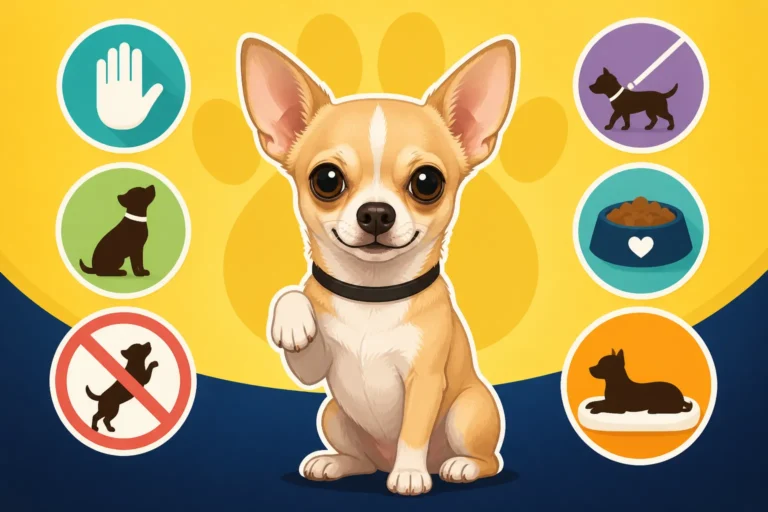
For a household with a resource-guarding Chihuahua, everyone needs to be on the same page. This means clearly communicating the rules to family members, guests, and especially children.
- "Leave My Dog Alone While Eating" Rule: Establish a strict rule that no one approaches your Chihuahua's food bowl or high-value chews while they are consuming them. If an item needs to be retrieved, only the designated adult trained in the "trade" method should do so.
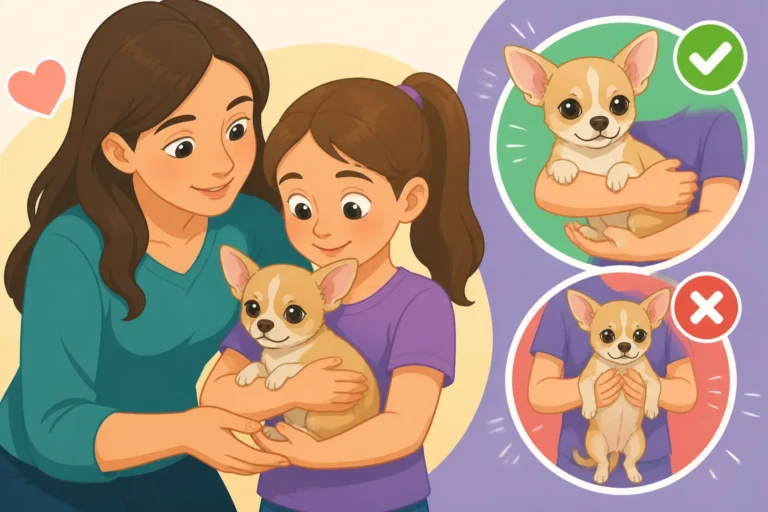
- Respecting Personal Space: Teach everyone to respect your Chihuahua's personal space, especially when they are resting or interacting with a guarded item. No sudden movements, no reaching over, no trying to pick them up without permission. This is a crucial lesson for children, who might not understand subtle dog body language.
- Designated Safe Zones: Ensure your Chihuahua has safe, undisturbed places where they can enjoy their resources without feeling threatened. This might be a crate, a bed in a quiet corner, or even a specific blanket in a secluded spot. These zones should be respected as their private sanctuary.
- Muzzle Training: For Chihuahuas with a strong bite history or those who are particularly unpredictable, muzzle training can be a responsible safety measure. It's not a punishment; it's a tool that allows your Chihuahua to participate in situations (like vet visits or training sessions) more safely while you continue to work on their behavior. Brands available on Amazon offer various types of comfortable, well-fitting basket muzzles suitable for small dogs. Muzzle Training a Small Chihuahua can provide detailed guidance.
Creating Predictable Routines
Dogs thrive on predictability, and for a resource guarder, a consistent routine can significantly reduce anxiety. When they know what to expect, they feel more secure and less likely to guard.
- Consistent Feeding Times: Feed your Chihuahua at the same times each day in their designated safe space. This reduces anxiety about when and where their next meal will come from.
- Scheduled Play and Chew Times: Introduce high-value chews or favorite toys at predictable times, always ensuring supervision. When the session is over, the item is put away until the next scheduled time. This helps your Chihuahua understand that resources aren't "gone forever" but will reappear.
- Regular Training Sessions: Continue with short, positive training sessions focused on "drop it," "leave it," and gentle handling exercises. Even if the guarding behavior is much improved, maintenance training helps reinforce good habits and builds ongoing trust.
- Environmental Stability: Try to keep your home environment as stable as possible. Sudden changes, new people, or new pets can sometimes trigger a resurgence of guarding behavior, so be extra vigilant during transitions.
Continuous Observation and Adjustment
Living with a resource guarder means you become a keen observer of your Chihuahua's behavior. Their body language will tell you everything you need to know.
- Watch for Early Warning Signs: Pay close attention to those subtle cues – the freeze, the whale eye, the stiff body. Intervene before the growl or snap, either by redirecting your dog, removing the perceived threat, or gently calling them away from the resource.
- Identify New Triggers: Resource guarding can sometimes shift or develop new triggers. A new visitor, a different type of chew, or even a change in your routine might spark guarding over something new. Stay observant and be ready to adjust your management plan accordingly.
- Consult Your Trainer: If you notice any regression or new challenges, don't hesitate to reach back out to your professional dog trainer or veterinary behaviorist. They can help you troubleshoot and refine your strategies.
- Empathy and Patience: Always approach the situation with empathy. Your Chihuahua isn't trying to be difficult; they are communicating fear. Your patience, understanding, and consistent positive reinforcement are the most powerful tools you have to help them feel safe and secure. Remember that A Chihuahua That Guards a Lap is showing an insecurity, not just affection.
| Trigger/Resource Guarded | Initial Management Steps | Long-Term Training Goal |
|---|---|---|
| Food Bowl | Separate feeding area, no approaching while eating. | Desensitize approach with high-value treats. |
| High-Value Chew | Supervised chew time only, "trade up" for retrieval. | Teach reliable "Give" for any item. |
| Favorite Toy | Pick up when not in use, use "trade up" to retrieve. | Teach "Drop It" and positive associations with sharing. |
| Owner's Lap / Sofa Spot | Define personal space, reward calm behavior near others. | Chihuahua relaxed when others approach, no need to guard. |
| Dropped Item | Teach a strong "Leave It" and redirect with a treat. | Chihuahua ignores dropped items unless given permission. |
Disclaimer
This article is for general informational purposes only and does not constitute professional advice. Laws, prices and regulations vary by location and change over time. Consult a qualified professional for guidance on your specific situation.