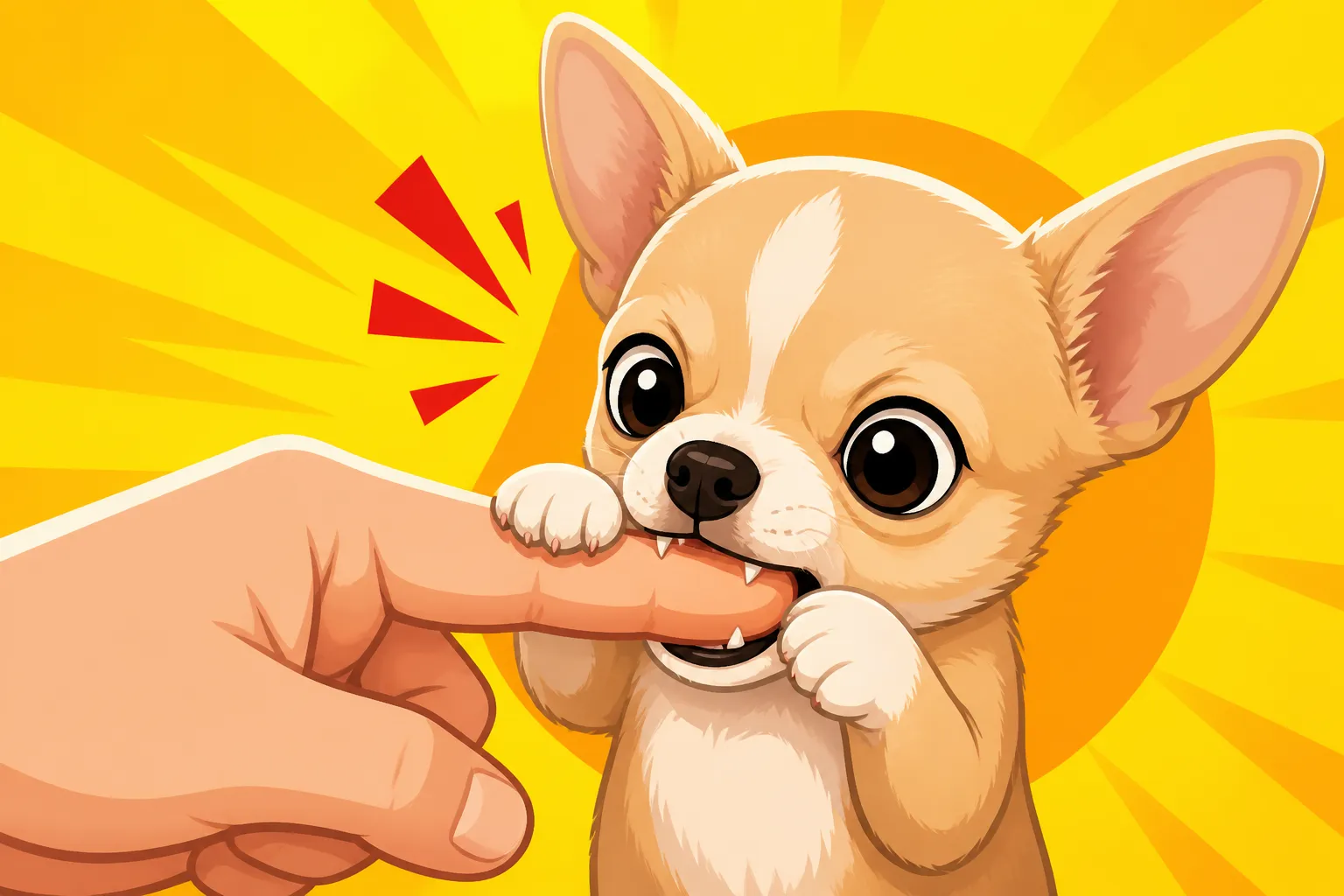
Chihuahua Puppy Biting at Fingers
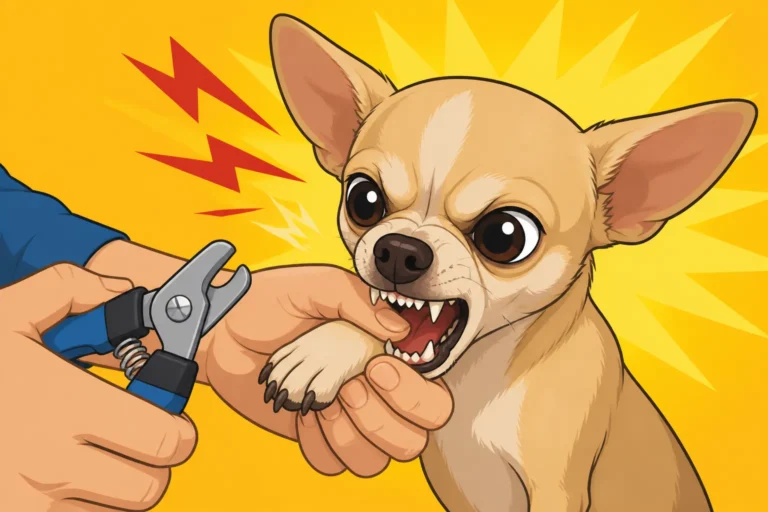
There’s almost nothing more jarring than the needle-sharp teeth of a Chihuahua puppy sinking into your finger when you just wanted to give them a gentle pat. That quick, surprisingly painful nip can leave you wondering if you've got a tiny piranha, not a sweet little companion. But don't worry, this guide is here to help you understand why your Chihuahua puppy bites at fingers and, more importantly, how to gently and effectively teach them better manners, transforming those sharp little nips into soft, playful nudges.
Understanding Why Your Chihuahua Puppy Bites
It’s easy to feel frustrated, maybe even a little hurt, when your tiny companion keeps sinking their teeth into you. But before you get upset, it’s crucial to understand that puppy biting, even from a little Chihuahua, is almost always a completely normal developmental stage. They aren't trying to be mean or aggressive; they're simply being puppies.
The Natural Instinct to Explore with Their Mouths
Think about a human baby – what’s one of the first things they do with anything they can get their hands on? Into the mouth it goes! Puppies are no different. They don't have hands that can manipulate objects with the same dexterity we do. Instead, their mouths are their primary tool for exploration. Every new texture, every interesting smell, every object in their environment gets investigated with a curious sniff and, you guessed it, a careful (or sometimes not-so-careful) chew or bite.
For a Chihuahua puppy, who is inherently small, the world can feel enormous and a bit overwhelming. Using their mouth helps them gather information about their surroundings. When they nip at your fingers or clothes, they're not trying to hurt you; they're learning about what you are, how you feel, and how you react. It’s a completely natural, instinctual behavior that they'd be practicing with their littermates if they were still with their mom and siblings. They are just trying to figure things out, one playful bite at a time.
Teething Discomfort and Those Needle-Sharp Teeth
If you’ve ever been around a Chihuahua puppy, you know their teeth feel like a thousand tiny needles. It’s startlingly sharp! This sharpness, combined with the discomfort of teething, is a major reason why puppies bite. Just like human babies, puppies go through a period where their baby teeth fall out and their adult teeth emerge. This process can be incredibly uncomfortable, even painful, for them. Their gums might be sore, swollen, and itchy, and the only relief they can find is by chewing and applying pressure.
Unfortunately for us, our fingers, hands, and even toes can become prime targets for this teething relief. They're warm, they're soft enough to provide some satisfaction, and they're readily available. A teething Chihuahua puppy isn't thinking, "Oh, I shouldn't bite my human's hand." They're thinking, "My gums hurt, and chewing on this feels good." It's a completely natural, albeit unpleasant, phase. If you're dealing with those tiny, razor-sharp points, you'll want to read more about Needle Teeth on a Chihuahua Puppy to fully grasp what's happening in their little mouths. Offering appropriate Frozen Chews for a Teething Chihuahua can make a huge difference in their comfort levels and in saving your hands!
Seeking Attention and Learning Boundaries
Puppies are masters of getting attention, and they quickly learn what behaviors elicit a reaction from you. If your Chihuahua puppy nips your finger, and you gasp, pull your hand away quickly, or even say "ouch!", that's a reaction. To a puppy, any reaction can be interpreted as attention, even if it's negative attention. They might think, "Oh, when I bite the squishy hand, the big human makes a fun noise and moves their hand!" This can inadvertently reinforce the biting behavior.
Beyond just seeking attention, puppies also need to learn about boundaries and "bite inhibition." In a litter, puppies learn this from their siblings and mother. If one puppy bites another too hard during play, the bitten puppy will yelp loudly and often stop playing. This teaches the biter that too much pressure ends the fun. When you bring a puppy home, you become the one to teach them this crucial lesson. They need to learn how much pressure is acceptable and that human skin is far more delicate than a littermate's fur. This isn't about aggression; it's about learning the rules of polite interaction in the human world.
Essential Strategies for Managing Puppy Biting
Successfully managing Chihuahua puppy biting is all about consistency, patience, and redirection. It's about teaching them what to do, rather than just punishing what they shouldn't. Remember, these are intelligent little dogs, and they want to please you once they understand what you're asking.
Redirecting to Appropriate Chew Toys and Outlets
This is hands-down the most effective tool in your puppy biting arsenal. The moment your Chihuahua puppy’s teeth make contact with your skin, immediately and calmly redirect them to an appropriate chew toy. Don't yell, don't shake your hand, just gently but firmly insert a toy into their mouth. The idea is to teach them, "Oh, this is what I'm supposed to chew on!" This concept of Swapping a Chihuahua Puppy's Teeth Onto a Toy is incredibly powerful.
Keep a variety of suitable chew toys readily available in every room your puppy spends time in. When you see your puppy even thinking about mouthing your hand, pre-emptively offer them a toy. Praise them warmly when they choose to chew the toy instead of you. You might find that some toys appeal more than others; experiment with different textures and shapes. My little Bella, for instance, adored soft rubber toys when her gums were really bothering her, but preferred a more durable chew for general play. Many companies, like those found on Amazon, offer a wide array of small dog-appropriate chew toys that are perfect for little Chihuahua mouths and their powerful chewing instincts.
Teaching Bite Inhibition with Consistent Responses
Since puppies learn bite inhibition from their littermates, you need to mimic that process. When your Chihuahua puppy bites too hard:
- Yelp! Let out a high-pitched, sharp "ouch!" or "yelp!" This mimics the sound a littermate would make.
- Withdraw. Immediately remove the part of your body they were biting. If it's your hand, pull it away and tuck it close to your body.
- End Play. Stop interacting with your puppy for 10-20 seconds. Turn your back, ignore them completely. This is the crucial part – it teaches them that biting too hard makes the fun stop.
- Resume Play (if appropriate). After the brief "time out," if your puppy is calm, you can resume playing. If they bite too hard again, repeat the process.
The key here is consistency. Everyone in the household needs to use the same technique, every single time. This teaches your Chihuahua puppy that human skin is fragile and not for hard biting. They’ll quickly learn to gauge their bite pressure. This is a foundational step in any puppy's education, and it's a huge part of the positive reinforcement techniques often taught by programs like BAXTER & Bella.
Providing Safe and Engaging Chewing Options
A bored or uncomfortable puppy is a destructive puppy, and that includes destructive chewing. Your Chihuahua puppy needs a steady supply of engaging and safe chew options to redirect their natural instincts. Variety is key here!
Consider:
- Rubber Puzzle Toys: KONG toys are fantastic because you can stuff them with peanut butter, plain yogurt, or kibble (remember their tiny calorie count!). Freezing them makes the treat last longer and can soothe sore gums.
- Soft but Durable Chews: Look for Nylabone products specifically designed for puppies or soft rubber chew toys that can withstand gentle chewing without posing a choking hazard. Always choose items appropriate for their tiny jaws.
- Rope Toys: Small, tightly woven rope toys can be great for supervised tug games. Just make sure they aren't fraying, as ingested strings can be dangerous.
- Edible Chews: Dental chews designed for puppies or small bully sticks (always supervised!) can provide a satisfying outlet. Be mindful of their caloric intake, though, as even small chews add up fast for a little Chihuahua.
Always supervise your puppy with new toys, especially edible ones, to ensure they don't break off pieces that could be swallowed. Regularly inspect toys for damage and replace them when necessary. A good selection of toys not only saves your fingers but also provides valuable mental stimulation for your pup.
When to Seek Extra Help and What to Avoid
While most puppy nipping is a normal developmental phase that can be managed with consistent training, there are times when a puppy's biting might signal something more, or when standard techniques just aren't cutting it. It's important to know the difference and when to reach out for professional guidance.
Recognizing Signs of Escalating Biting or Aggression
Most Chihuahua puppy nipping is playful – they might jump, wiggle, and have a loose, wiggly body. It's part of how they invite you to play. However, sometimes puppy biting can escalate or show signs that it's rooted in something other than play or teething discomfort.
Watch for these signs that might indicate a deeper issue:
- Stiff Body Language: Instead of loose and wiggly, your puppy's body might be rigid, with a stiff tail or a tense stance before biting.
- Growling or Snapping with Intent: While a playful growl during tug is fine, a deep, guttural growl accompanied by a snap that seems intended to harm, or that doesn't let up quickly, is a red flag. Pay attention to What a Chihuahua Growl Is Actually Telling You.
- Biting in Non-Play Contexts: If your puppy bites when you try to move them, touch their food bowl, or try to take something away, that's less about play and more about resource guarding or discomfort.
- Failure to Let Go: A puppy that latches on and won't release, even with a yelp and withdrawal, needs extra attention.
- Lack of Bite Inhibition: If, despite consistent training, your puppy continues to bite with full force and doesn't seem to learn to soften their mouth, professional help might be necessary.
These behaviors are rare for normal puppy nipping but can occur if a puppy is exceptionally fearful, anxious, or has other underlying issues. It's crucial not to ignore them.
Avoiding Counterproductive or Harsh Discipline
When dealing with a tiny, sensitive creature like a Chihuahua puppy, harsh discipline can do far more harm than good. It might seem intuitive to yell, hit, or punish a puppy for biting, but these methods are highly counterproductive and can lead to serious behavioral problems down the line.
What to absolutely avoid:
- Hitting or "Popping" their nose/mouth: This causes pain, fear, and breaks trust. It teaches your puppy to be afraid of your hands, which can lead to more biting (defensive biting) or fear-based aggression. A tiny Chihuahua is incredibly fragile, and even a light tap can cause physical injury.
- Yelling or Harshly Scolding: While a sharp "No!" or "Ouch!" is fine, prolonged yelling only frightens and confuses them. They don't understand the complex nuances of human anger, only the scary loud noise.
- "Alpha Rolling" or Forcing Them Down: These outdated, debunked methods are based on incorrect ideas about dog behavior. They instill fear, damage your bond, and can make a fearful puppy aggressive.
- Muzzle Grabbing or Shaking: Again, this is painful, frightening, and teaches your puppy to avoid your hands or retaliate.
For a small breed like a Chihuahua, harsh handling can have devastating effects. They are inherently more vulnerable and sensitive. Instead of teaching them what you want, these methods teach them to fear you, to hide their signals of discomfort, and to potentially escalate to more serious defensive behaviors. Always remember Why Harsh Handling Damages a Chihuahua Fast. Positive reinforcement is not just kinder; it's genuinely more effective for building a well-adjusted, confident dog.
Considering Professional Training or Behavior Consultation
If you've been consistent with redirection and bite inhibition techniques for several weeks, and your Chihuahua puppy's biting isn't improving, or if you're seeing any of the escalating signs mentioned above, it's time to reach out to a professional.
A good certified professional dog trainer or veterinary behaviorist can:
- Assess the situation: They can observe your puppy's behavior in context and help identify the root cause of the biting.
- Provide tailored advice: What works for one puppy might need tweaking for another. A professional can offer specific strategies suited to your Chihuahua's temperament and your household.
- Teach you new skills: They can demonstrate proper techniques and help you refine your timing and consistency.
- Rule out underlying issues: Sometimes, pain or a medical condition can contribute to nipping. A vet behaviorist can help explore this.
Don't hesitate to seek help! Many trainers specialize in small breeds or offer virtual consultations. Resources like BAXTER & Bella also provide extensive online training courses and support that can be invaluable, especially if local resources are limited. Investing in a trainer early can prevent much larger behavioral problems down the road.
Setting Your Chihuahua Puppy Up for Success
Bringing a Chihuahua puppy home is a journey, and setting them up for success involves creating an environment where they can thrive, learn, and develop into well-adjusted companions. It's about more than just stopping the biting; it's about nurturing their overall well-being.
Consistent Training and Positive Reinforcement
The bedrock of a well-behaved Chihuahua, or any dog for that matter, is consistent training built on positive reinforcement. Your Chihuahua puppy is a sponge, eager to learn, but they learn best through clear, kind communication and rewards, not punishment.
- Short, Frequent Sessions: Chihuahuas have tiny attention spans, especially as puppies. Aim for 3-5 minute training sessions multiple times a day. This keeps it fun and prevents them from getting overwhelmed. For more on this, check out Three Minute Training Sessions With a Chihuahua.
- Reward Good Behavior: When your puppy does something you like – whether it's chewing their toy, sitting quietly, or coming when called – immediately reward them with a tiny, high-value treat and enthusiastic praise. The smaller the treat, the better, as Chihuahuas have small tummies and caloric needs. You'll want to ensure you have Treats Small Enough for Chihuahua Training.
- Marker Training: Consider using marker training (like a clicker or a consistent verbal marker like "yes!") to pinpoint the exact moment your puppy performs the desired behavior. This makes learning incredibly clear for them. Marker Training a Chihuahua From Eight Weeks can be a game-changer.
- Patience is Key: Learning takes time and repetition. There will be days of progress and days of regression. Remain patient, calm, and consistent. Your puppy is doing their best to understand your world.
This consistent, positive approach helps build a strong, trusting bond between you and your Chihuahua, which is far more effective than trying to scare them into submission.
Creating a Safe and Stimulating Environment
A well-adjusted puppy is one that feels safe, has appropriate outlets for its energy and instincts, and isn't constantly bored or stressed. For a Chihuahua, this means puppy-proofing your home in a very specific way.
- Chihuahua-Proof Your Home: Get down on their level. Are there any small objects they could chew and swallow? Electrical cords? Toxic plants? Remember, they're tiny and can get into incredibly small spaces. Remove anything potentially dangerous.
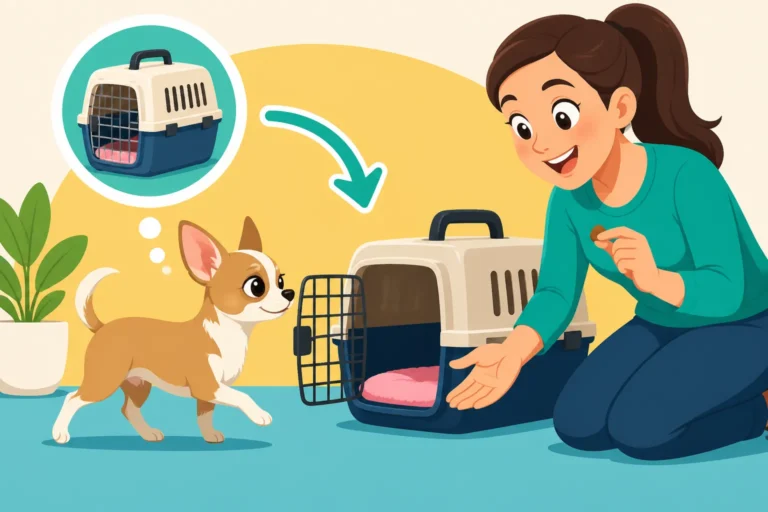
- Designated Safe Space: Provide a comfortable, secure crate or pen for your Chihuahua puppy. This is their den, a place where they can retreat, feel safe, and chew their toys undisturbed. Crate training can be incredibly beneficial for house-training and providing a safe haven. Learn more in Chihuahua Crate Training.
- Plenty of Appropriate Toys: As discussed, a variety of safe chew toys is crucial. Rotate them to keep things interesting. Mental stimulation is just as important as physical exercise for a smart little Chihuahua. Puzzle toys, snuffle mats, and interactive games can help burn mental energy and prevent boredom-induced nipping.
- Warmth and Comfort: Chihuahuas get cold easily due to their tiny size and low body fat. Ensure their resting and sleeping areas are warm and draft-free. A shivering puppy might be more prone to seeking comfort (and possibly mouthing) or simply being too uncomfortable to focus on training.
By creating an environment where your Chihuahua puppy feels secure, engaged, and understood, you minimize many of the stressors that can contribute to unwanted behaviors like excessive biting.
Socialization Beyond the Bite
While you're working on bite inhibition, don't forget the broader picture of socialization. A well-socialized Chihuahua puppy is generally more confident, less fearful, and therefore less likely to resort to fear-based nipping or aggression later in life.
Early, positive exposure to a variety of sights, sounds, people, and other calm, vaccinated, appropriate dogs (especially other small dogs) during their crucial The Chihuahua Socialization Window in Weeks is vital. This doesn't mean overwhelming your tiny pup, but rather carefully managed, positive experiences. A confident, happy Chihuahua puppy who has learned to interact politely with the world around them is less likely to feel the need to use their teeth defensively. Focus on positive experiences and always allow your Chihuahua to retreat if they feel overwhelmed.
By patiently applying these strategies, you'll not only curb the puppy biting but also lay the foundation for a confident, well-behaved, and cherished companion for years to come.
Disclaimer
This article is for general informational purposes only and does not constitute professional advice. Laws, prices and regulations vary by location and change over time. Consult a qualified professional for guidance on your specific situation.