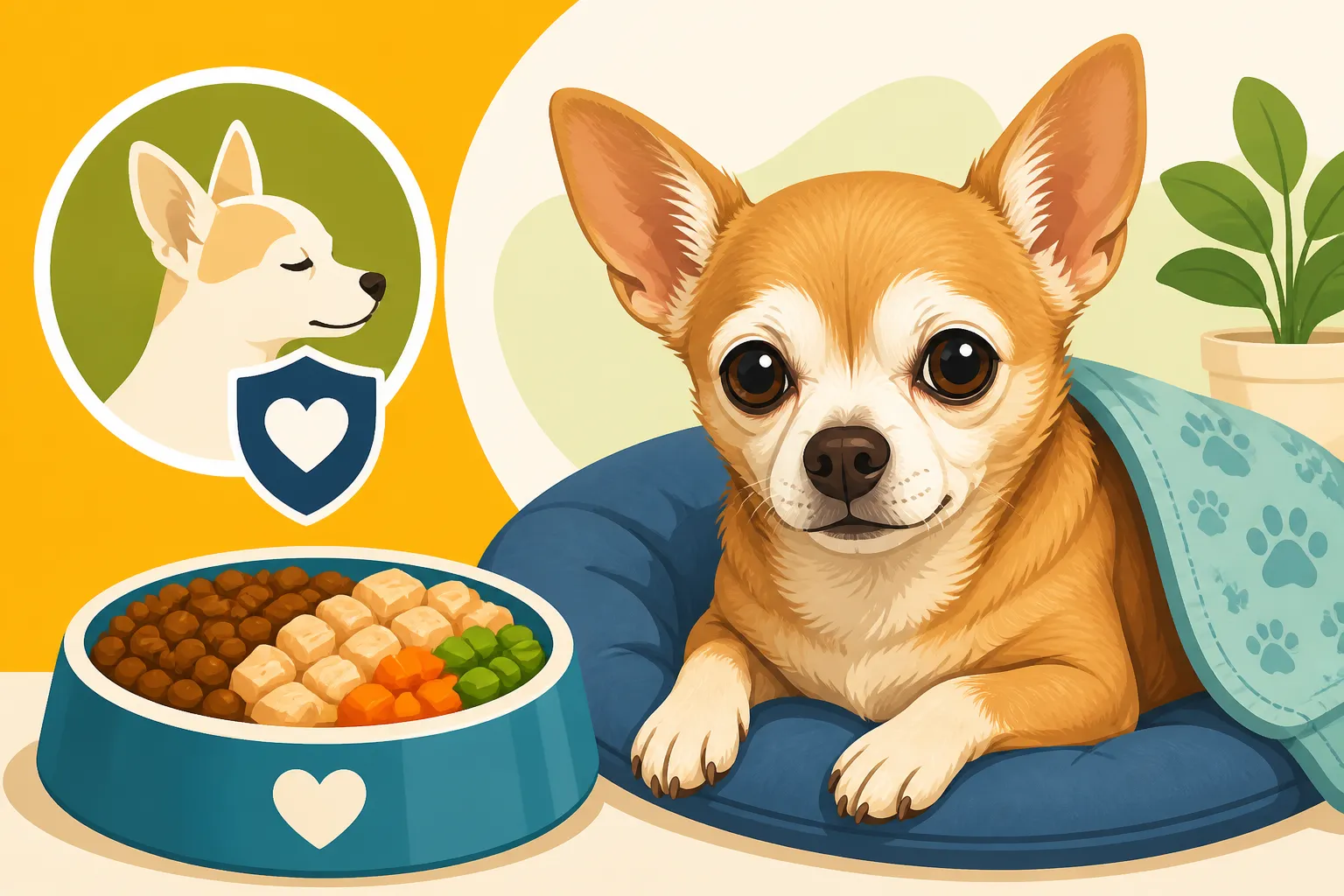
Feeding a Chihuahua Past the Age of Twelve
As your beloved Chihuahua enters its golden years, typically past the age of twelve, their once-robust appetite might dwindle, their energy levels dip, and their dietary needs undergo a significant transformation that can leave owners feeling bewildered and concerned. It's truly heartbreaking to see a once-enthusiastic eater turn away from their bowl, or to realize their changing body needs different fuel. This comprehensive guide aims to demystify feeding an aging Chihuahua, offering practical advice and strategies to ensure your senior companion receives the optimal nutrition to support their health, comfort, and vitality in their later life stages.
The Nutritional Shifts an Older Chihuahua Needs
It's easy to assume that what worked for your Chihuahua as a spry five-year-old will still work when they're a wise old thirteen. But just like humans, dogs experience significant metabolic and physiological changes as they age. Their bodies become less efficient at processing certain nutrients, their activity levels naturally decline, and they become more prone to specific health issues that diet can either exacerbate or alleviate. Understanding these shifts is the first step toward tailoring a diet that truly supports their senior years.
Why Calorie Needs Drop with Age
One of the most noticeable changes in an aging Chihuahua is a decrease in their overall activity level. They might sleep more, play less intensely, and generally move at a slower pace. This natural decline in physical exertion means their bodies simply don't burn as many calories as they used to. Continuing to feed them the same amount of food they ate in their prime can quickly lead to weight gain, and on a tiny Chihuahua frame, even half a pound can make a significant difference. Chihuahua Obesity on a Six Pound Frame is a very real and detrimental problem for older dogs, putting undue stress on their joints, heart, and other organs.
Beyond reduced activity, their metabolism itself slows down. This means their body requires less energy just to maintain basic functions. Overfeeding a senior Chihuahua, even slightly, can lead to fat accumulation rather than maintaining lean muscle mass. This isn't just about appearance; excess weight can worsen conditions like Chihuahua Arthritis in the Teenage Years or place additional strain on a heart already dealing with Mitral Valve Disease in an Older Chihuahua. It's crucial to adjust their caloric intake downward, often by 20-30%, but this should always be discussed with your veterinarian to get precise guidance tailored to your individual dog's health status and ideal body weight.
The Importance of Protein for Senior Muscles
While calorie needs generally decrease, the need for high-quality protein often remains stable or even increases slightly for older Chihuahuas. This might sound counterintuitive if you're thinking about kidney disease (which we'll address later), but adequate protein is vital for maintaining muscle mass. Older dogs, including Chihuahuas, are susceptible to sarcopenia, which is age-related muscle loss. This isn't just about looking frail; strong muscles support joints, aid mobility, and contribute to overall vitality.
Lean protein sources help to combat this muscle wastage without adding excess fat. Look for senior dog foods that prioritize easily digestible protein from sources like chicken, turkey, or fish. It's a delicate balance: enough protein to maintain strength, but not so much that it stresses aging kidneys if there are underlying issues. This is where your vet's expertise comes in, as they can recommend specific protein levels based on your Chihuahua's blood work and kidney function. Some fresh food diets, like those from Ollie, often focus on high-quality, easily digestible proteins, which can be beneficial, but always check their specific nutritional analysis for senior dogs.
Common Eating Challenges in Senior Chihuahuas
Just as their bodies change, so too do their behaviors and physical capabilities related to eating. What was once a simple, enjoyable act can become a frustrating struggle for both you and your senior Chihuahua. Recognizing these common hurdles is key to finding effective solutions and making mealtime a comfortable and positive experience again. It’s not about them being stubborn; it’s about genuine physical changes.
Decreased Appetite and Picky Eating
One of the most disheartening experiences for a Chihuahua owner is witnessing their once food-motivated companion turn their nose up at meals. Decreased appetite in senior Chihuahuas can stem from a multitude of factors. It could be as simple as a reduced sense of smell and taste, making their regular kibble less appealing. Imagine if your favorite meal suddenly tasted bland—you might not be as eager to eat it either. Sometimes, it’s a sign of underlying health issues, even subtle ones, which is why a vet check is always paramount when appetite changes suddenly.
Beyond physical reasons, a general slowdown or even early signs of Cognitive Decline in a Fifteen Year Old Chihuahua can sometimes impact routine and appetite. They might feel less enthusiastic about mealtime, or simply not be as driven by hunger cues. This pickiness can also be a learned behavior if they've had discomfort while eating in the past. It's a real challenge to ensure they get enough calories when they're so finicky, and it often requires a blend of patience, creativity, and close observation to discover what still tempts their palate. Many owners find themselves offering various options, feeling like a short-order cook.
Dental Disease and Chewing Difficulties
This is arguably one of the biggest and most overlooked culprits behind eating difficulties in older Chihuahuas. Chihuahua Dental Disease in a Crowded Small Jaw is incredibly prevalent in the breed, often starting much younger than owners realize. By the time a Chihuahua reaches its senior years, they might have significant tartar buildup, inflamed gums, loose teeth, or even painful infections. Trying to chew hard kibble with a mouth full of aching teeth is like trying to eat a steak with a severe toothache – it's simply too painful.
This pain often causes them to eat slowly, drop food, or avoid eating altogether. You might notice them favoring one side of their mouth, or simply refusing to crunch. It’s not that they don’t want to eat; it’s that it hurts. If left untreated, severe dental disease can lead to systemic infections and even jaw fractures in small breeds. This is why regular dental care throughout their life is so important, but for seniors, addressing any existing dental pain is crucial to getting them to eat comfortably again. Sometimes, this means Feeding a Chihuahua With Few Teeth Left after necessary extractions.
Strategies for Encouraging Eating in Senior Chihuahuas
When your senior Chihuahua isn't eating with their usual gusto, it's natural to feel worried. But there are many strategies you can employ to make mealtime more appealing and comfortable for them. These aren't just about tricking them into eating; they're about enhancing their experience and adapting to their changing needs.
Warming Food and Enhancing Aroma
One of the simplest yet most effective tricks for encouraging a senior Chihuahua to eat is to warm their food. As dogs age, their sense of smell can diminish, and aroma plays a huge role in a dog's appetite. Warming food gently releases its natural scent, making it far more enticing. Think about how a warm meal smells more appetizing to you than a cold one – it's similar for our furry friends. You can do this by adding a splash of warm, low-sodium chicken or beef broth, or even just a little warm water to their kibble. Microwaving wet food for a few seconds (always check for hot spots!) can also work wonders.
This technique is particularly useful for Chihuahuas who are a bit finicky or seem uninterested in their regular meals. The increased aroma can pique their curiosity and stimulate their appetite. Just be sure the food isn't too hot, as you don't want to burn their sensitive mouths. A good rule of thumb is "wrist temperature" – if it feels comfortable on your wrist, it's likely safe for them. This can turn a reluctant meal into a more engaging sensory experience, especially if they are An Old Chihuahua That Stops Eating Breakfast.
Texture and Consistency Modifications
Given the high incidence of dental issues in Chihuahuas, adjusting the texture of their food is often a non-negotiable step for seniors. Hard, dry kibble can be excruciating for a dog with loose or painful teeth. Switching to a softer diet can make a world of difference in their willingness and ability to eat. This doesn't always mean a complete diet overhaul; sometimes, just soaking their regular kibble in warm water or broth until it softens can be enough.
For Chihuahuas with more severe dental pain or very few teeth, moving to a canned wet food or a fresh, gently cooked diet is often the best solution. Brands like Ollie often offer softer, palatable textures that are easier to chew. If using canned food, look for pate-style rather than chunky varieties, as they are smoother and require less chewing effort. If you're considering a homemade diet, ensure it's balanced and approved by your vet, as getting the right nutrient profile is complex. You can even mash or blend foods to create a smoother consistency, making it easy to lap up rather than chew. Chihuahua Dental Cleaning at $300 to $700 is a recurring cost for a reason, but soft food helps with the discomfort between cleanings.
Addressing Specific Health Concerns Through Diet
As Chihuahuas age, they often become more susceptible to a range of health conditions. Thankfully, diet can play a significant role in managing many of these issues, often slowing their progression or alleviating symptoms. It’s about more than just calories; it’s about targeted nutrition.
Kidney and Liver Support Diets
Chronic kidney disease and liver issues are unfortunately common in older dogs, and Chihuahuas are no exception. These conditions often necessitate specific dietary changes to support organ function and improve your dog's quality of life. For kidney disease, veterinary therapeutic diets are specifically formulated to have lower levels of phosphorus and protein, as these nutrients can put extra strain on compromised kidneys. The protein that is included is typically of very high quality and digestibility to still maintain muscle mass without overworking the kidneys. Kidney Disease in a Long-Lived Chihuahua is something many owners face, and diet is a cornerstone of management.
Similarly, specific diets exist to support liver health. These might contain easily digestible carbohydrates, carefully controlled protein levels, and often include antioxidants to help the liver recover and function optimally. These specialized diets are typically available through your veterinarian and can often be ordered via online pet pharmacies or large retailers like Chewy with a prescription. It’s crucial not to guess with these conditions; always consult your vet for a proper diagnosis and dietary recommendation, as the wrong food could do more harm than good.
Joint and Cognitive Health Supplements
Beyond primary organ support, many senior Chihuahuas benefit greatly from dietary additions that target common age-related concerns like arthritis and cognitive decline. Joint supplements containing ingredients like glucosamine, chondroitin, and MSM can help support cartilage health and reduce inflammation, offering comfort to dogs experiencing Chihuahua Arthritis in the Teenage Years. Omega-3 fatty acids, often derived from fish oil, are powerful anti-inflammatories that benefit both joints and brain health. Many senior-specific dog foods will include these ingredients, but you can also add them as separate supplements.
For cognitive health, antioxidants and medium-chain triglycerides (MCTs) can be beneficial. Antioxidants help protect brain cells from damage, while MCTs can provide an alternative energy source for the brain. Some senior diets are fortified with these ingredients, and your vet might recommend specific supplements to help manage symptoms of cognitive dysfunction. Cognitive Decline in a Fifteen Year Old Chihuahua can manifest in various ways, and while diet isn't a cure, it can certainly help to maintain brain function and quality of life for longer. Companies like Amazon offer a wide array of these supplements, but always discuss dosages and suitability with your veterinarian.
Monitoring and Adjusting Your Senior Chihuahua's Diet
Feeding a senior Chihuahua isn't a "set it and forget it" task. Their needs can continue to evolve, sometimes rapidly, sometimes subtly. Continuous monitoring and a willingness to adapt are crucial to ensuring they remain healthy and comfortable throughout their golden years. This ongoing attention truly reflects the deep bond we have with our little companions.
Tracking Weight and Body Condition
One of the most important ways to monitor your senior Chihuahua's health is by regularly tracking their weight and assessing their body condition. As we discussed, weight gain can be detrimental, but unintentional weight loss can be equally concerning, often indicating an underlying health issue or insufficient caloric intake. A Chihuahua's small size means even minor fluctuations are significant. Aim to weigh your Chihuahua weekly or bi-weekly.
Beyond the number on the scale, regularly feel their ribs, spine, and waist. You should be able to easily feel their ribs without them being visibly protruding, and they should have a discernible waistline when viewed from above. If their ribs are too prominent, they might be underweight; if you can't feel them easily, they might be overweight. Keep a journal of their weight and body condition score. This objective data will be invaluable for your veterinarian during check-ups. What a Half Pound Means on a Chihuahua is substantial, so vigilance is key.
Regular Vet Check-ups and Dietary Adjustments
Perhaps the most critical component of senior Chihuahua care, and particularly their nutrition, is regular veterinary oversight. As your Chihuahua ages, they should be seeing the vet at least once, and preferably twice, a year. These visits aren't just for vaccinations; they're comprehensive health assessments. Your vet will perform blood tests to check organ function (especially kidneys and liver), assess their dental health, check for signs of Chihuahua Heart Disease as the Breed Ages, and evaluate their overall body condition.
Based on these findings, your veterinarian can provide tailored dietary recommendations. They might suggest a prescription diet, advise on specific supplements, or help you adjust portion sizes and food types. For example, if blood tests reveal early kidney issues, a switch to a renal-support diet will be vital. If dental pain is identified, addressing it will be the priority to get them eating comfortably again. Don't be afraid to discuss all your concerns and observations, including any changes in appetite or eating habits. Your vet is your best partner in navigating the unique dietary needs of your beloved senior Chihuahua. It's often during these visits that you'll also get advice on topics like Senior Chihuahua Care Past the Age of Twelve.
| Common Senior Eating Challenges | Potential Solutions | Brands/Products to Consider (Examples) |
|---|---|---|
| Decreased Appetite | Warm food to enhance aroma, try novel proteins, add broth. | Low-sodium broth (various brands on Chewy/Amazon), small batch fresh foods (Ollie) |
| Picky Eating | Offer small, frequent meals; vary textures; add toppers. | Wet food varieties (many brands on Chewy), human-grade food toppers, freeze-dried raw bits. |
| Dental Pain/Difficulty Chewing | Soften kibble with water/broth; switch to wet food; dental procedures. | Canned pate wet food (many brands), gently cooked fresh food (Ollie), soft chew dental treats. |
| Weight Loss/Muscle Wasting | Increase calorie density with easily digestible fats; ensure adequate protein. | High-quality senior specific diets (vet recommended), adding fish oil or small amounts of cooked chicken. |
| Underlying Health Conditions | Consult vet for prescription diets (kidney, liver, etc.). | Prescription diets (e.g., Hill's, Royal Canin, Purina, via Chewy with vet authorization). |
| Joint Stiffness | Add joint supplements (glucosamine, chondroitin, omega-3). | Glucosamine/Chondroitin supplements (e.g., Nutramax Cosequin, via Amazon), fish oil supplements. |
| Cognitive Decline | Antioxidant-rich foods, MCT oil, specific cognitive supplements. | Brain health supplements (e.g., containing SAMe, phosphatidylserine), foods rich in antioxidants. |
Disclaimer
This article is for general informational purposes only and does not constitute professional advice. Laws, prices and regulations vary by location and change over time. Consult a qualified professional for guidance on your specific situation.