Feeding a Chihuahua With Few Teeth Left
It's heartbreaking to watch your beloved Chihuahua, once a voracious eater, struggle at meal times because they simply don't have enough teeth left to chew. Many of us have been there, seeing our tiny companions gingerly approach their food, only to give up in frustration or discomfort. This guide is dedicated to helping you navigate the challenges of feeding a Chihuahua with a diminished dental capacity, ensuring they remain well-nourished, happy, and comfortable throughout their golden years.
Understanding Why Chihuahuas Lose Teeth So Young
Chihuahuas, despite their generally robust health and impressive lifespans, are notoriously prone to dental issues. It’s not just a senior dog problem; many Chihuahuas begin to experience significant tooth loss long before they reach their teenage years. Understanding the underlying reasons for this can help us better manage their care, especially when it comes to adapting their diet.
The Breed's Predisposition to Dental Disease
One of the primary culprits behind a Chihuahua's dental woes is simply their anatomy. Their adorable, tiny mouths are often crowded with teeth that are, proportionally, quite large. Imagine trying to fit a full set of adult teeth into a space half its intended size – it leads to overcrowding, rotation, and misalignment. This creates a labyrinth of nooks and crannies where food particles and bacteria can hide, making it incredibly difficult for owners to keep their teeth clean, even with diligent brushing. The thin enamel that sometimes accompanies small breeds can also contribute to earlier decay. This overcrowding often means that baby teeth, or "deciduous teeth," don't fall out naturally, leading to what veterinarians call "retained puppy canines." These stubborn baby teeth create even more tight spaces for debris and contribute to abnormal wear on the adult teeth. If you've ever dealt with a Chihuahua's crowded jaw, you know the struggle is real when it comes to oral hygiene. You can delve deeper into this common breed issue by reading about Chihuahua Dental Disease in a Crowded Small Jaw.
The Progression of Gum Disease and Tooth Loss
Dental disease in Chihuahuas typically starts subtly, often unnoticed by owners until it's quite advanced. It begins with plaque, a sticky film of bacteria that constantly forms on the teeth. If this isn't removed daily, it hardens into tartar, a calcified deposit that adheres firmly to the tooth surface. Tartar isn't just unsightly; it irritates the gums, leading to gingivitis, which is inflammation of the gums. You might notice redness, swelling, or even a little bleeding when you try to brush. If left unchecked, gingivitis progresses to periodontitis, a much more serious condition where the inflammation spreads beneath the gum line, affecting the supporting structures of the teeth. This is where the real damage occurs: the bone around the tooth roots starts to erode, ligaments holding the teeth in place weaken, and eventually, the teeth become loose and fall out, or become so painful they need to be extracted by a vet. This entire process can happen remarkably quickly in a Chihuahua, sometimes leading to significant tooth loss by age five or six. It’s a stark reminder of Why Chihuahuas Lose Teeth Younger Than Big Dogs. Early detection and regular professional dental cleanings under anesthesia are crucial in slowing this progression, but even with the best care, some Chihuahuas will still end up with few teeth remaining.
Adapting Your Chihuahua's Diet for Missing Teeth
Once your Chihuahua starts losing teeth, or has had several extracted, their ability to chew hard kibble becomes severely compromised. Watching them try to pick up and crunch a piece of kibble, only to drop it repeatedly, can be frustrating for both you and them. The good news is that there are many ways to adapt their diet to ensure they continue to get all the nutrition they need, without pain or struggle.
The Shift from Kibble to Softer Options
The most obvious first step is to transition away from dry, hard kibble. For a Chihuahua with few teeth, attempting to chew kibble can be outright painful, or simply impossible. They might swallow pieces whole, which isn't ideal for digestion, or they might just give up on eating altogether, leading to dangerous weight loss. Instead, you'll want to explore softer alternatives.
One popular approach is simply softening their existing kibble. You can do this by adding warm water, low-sodium chicken broth, or even goat's milk to their bowl and letting it soak for 10-15 minutes until it becomes mushy. This makes it much easier to lap up or gently gum. Another excellent option is a high-quality wet food. There's a vast array of wet foods formulated for small breeds, and they are naturally much softer and easier to consume. Many Chihuahuas absolutely adore wet food, and the increased moisture content is a bonus for hydration. For options, you can browse a wide selection of wet foods on Chewy. If you're looking for something even more palatable and often easier to digest, fresh food diets have become increasingly popular. Brands like Ollie offer pre-portioned, human-grade fresh food that's already soft and easy for a toothless Chihuahua to eat. This can be a game-changer for picky eaters or those with very sensitive mouths. Exploring Wet Food and Chihuahua Dental Disease can give you more insights into the benefits of moving away from purely dry food, and Fresh Food Delivery Portioned for a Chihuahua offers practical advice on these modern diet solutions.
Preparing Food for Easier Consumption
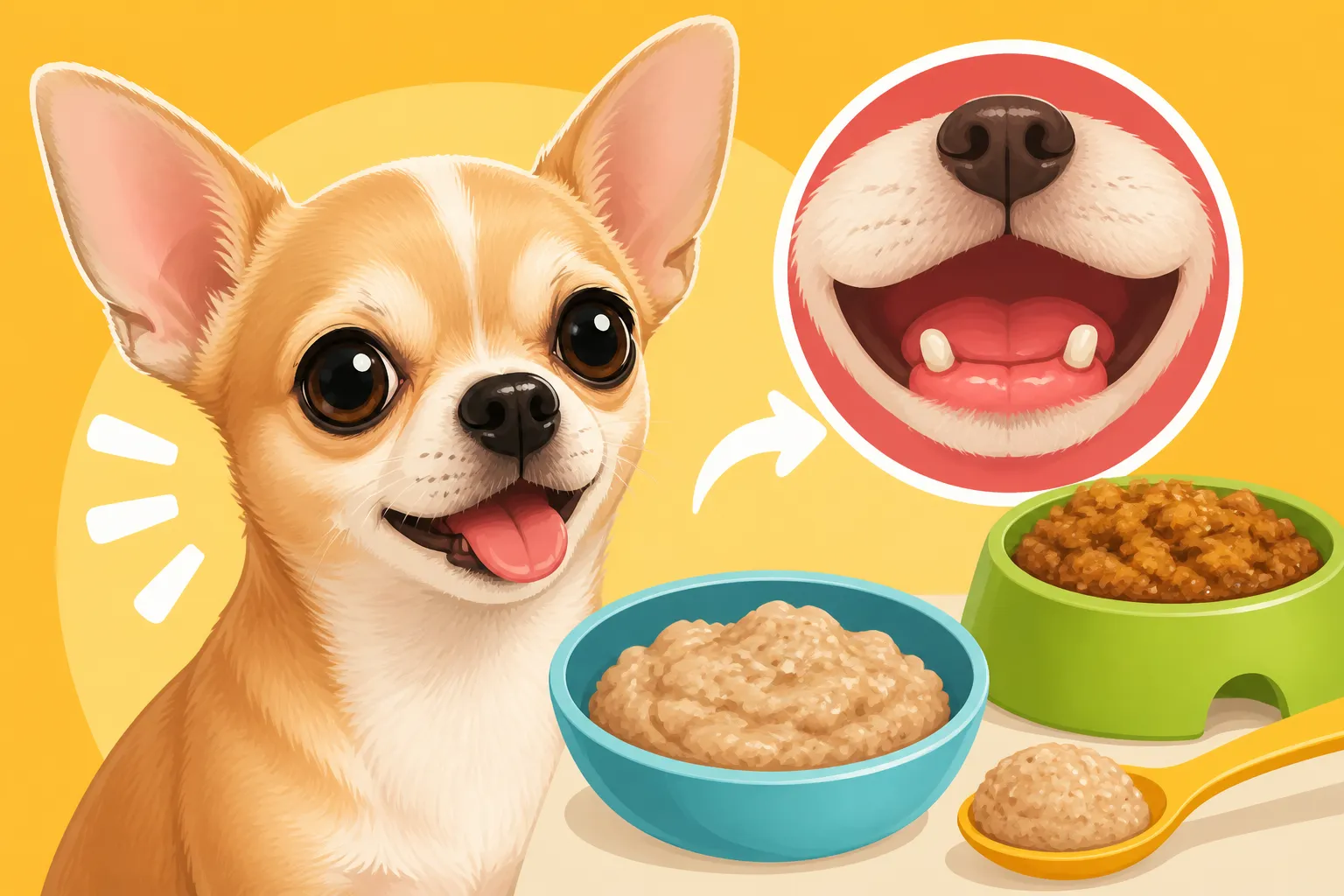
Beyond simply choosing softer foods, how you prepare and present the meal can make a huge difference for a Chihuahua with missing teeth. Think about consistency. If your dog struggles with even soft chunks, consider mashing wet food with a fork or, for a truly smooth texture, running it through a blender with a bit of water or broth. This creates a pâté-like consistency that requires no chewing at all, just gentle lapping. Warming their food slightly can also enhance its aroma and palatability, which is especially helpful for older dogs whose sense of smell might be diminishing, making mealtime more appealing.
Adding a little warm water or broth also serves a dual purpose: it softens the food and adds much-needed moisture. Dehydration can be a subtle issue in older dogs, and getting extra fluids through their food is a simple win. Just be sure any broth you use is low-sodium and free of onion or garlic, which are toxic to dogs. Some owners even create a "stew" by combining soft cooked vegetables (like pumpkin or sweet potato) with a little lean, cooked ground meat, mashed thoroughly into a gravy consistency. The goal is to make every bite easy and comfortable, eliminating any need for chewing that could cause pain or frustration.
Ensuring Nutritional Balance
When you start changing your Chihuahua's diet, it's crucial to ensure they're still getting all the nutrients and calories they need. Chihuahuas are tiny, and even a slight drop in caloric intake can lead to rapid weight loss, which can be dangerous for such a small frame. Pay close attention to their body condition; you should be able to feel their ribs easily without seeing them sharply protruding, and they should have a discernible waist. If you're switching to an entirely new food, always introduce it gradually over several days to avoid digestive upset.
Consulting with your veterinarian about specific dietary recommendations is always a good idea, as they can help you choose foods appropriate for your dog's age, activity level, and any other health conditions. They can also advise on calorie requirements, which can vary. For a detailed breakdown of caloric needs, refer to Daily Calories for a Three to Seven Pound Chihuahua or Calculating a Chihuahua Ration at Forty Calories a Pound. If you're cooking homemade food, it's particularly important to work with your vet or a veterinary nutritionist to ensure the diet is complete and balanced, as homemade diets can easily become deficient in essential vitamins and minerals if not formulated correctly. Remember, the goal is not just to make eating easier, but to make sure every meal is contributing positively to their overall health and well-being.
Practical Feeding Strategies for a Toothless Chihuahua
Beyond the food itself, the entire mealtime experience can be tailored to make it more comfortable and stress-free for your Chihuahua with missing teeth. Small changes in routine and equipment can make a big difference in their willingness to eat and their overall enjoyment.
Choosing the Right Bowls and Feeding Environment
The type of bowl you use might seem like a minor detail, but for a Chihuahua struggling with their mouth, it can be really important. Shallow, wide bowls are often best, as they allow your dog to lap up food without having to push their face too deeply into the bowl, which can be uncomfortable if their gums are sensitive. Ceramic or stainless steel bowls are generally preferred as they are easy to clean and don't harbor bacteria like some plastics can. For Chihuahuas who may also have a collapsing trachea, an elevated bowl might be beneficial, allowing them to eat without bending their neck too much and potentially compressing their windpipe. This can alleviate discomfort and make eating easier. You can learn more about bowl considerations by reading Bowl Height That Suits a Chihuahua's Trachea.
Just as important as the bowl is the feeding environment. Chihuahuas, especially older ones, can be easily startled or stressed. Provide a quiet, calm space where they can eat without interruption from other pets, loud noises, or busy foot traffic. This allows them to focus on their meal and feel secure. If you have multiple pets, consider feeding your Chihuahua separately to avoid any competition or anxiety that might make them less likely to eat.
Monitoring Eating Habits and Hydration
When your Chihuahua has few teeth, you have to be extra vigilant about monitoring their food and water intake. It's easy to assume they're eating enough, but sometimes they just push the food around. Watch them closely during meal times. Are they actually consuming the food, or are they just licking at it and then walking away? Are they eating with enthusiasm, or do they seem hesitant or in pain? Any sudden decrease in appetite or refusal to eat should be taken seriously and warrants a call to your vet. Keep a close eye on their weight; a kitchen scale can be invaluable for such small dogs to track subtle changes.
Hydration is also critical. If your Chihuahua is primarily eating wet food, they'll get some moisture from that, but always ensure fresh water is available. Sometimes, adding a little low-sodium chicken or beef broth to their water bowl can entice them to drink more, especially if their mouth is sore or dry. In cases where a Chihuahua completely refuses to eat or drink due to severe pain or illness, your vet might recommend temporary syringe feeding a liquid diet. This is usually a last resort and should always be done under veterinary guidance to prevent aspiration and ensure proper nutrition. For those difficult moments, understanding Syringe Feeding a Chihuahua That Will Not Eat can be helpful.
Safe Treats and Chews for Dental-Challenged Chihuahuas
Just because your Chihuahua has few teeth doesn't mean they can't enjoy treats! You just need to be mindful of the texture. Hard biscuits, dental chews, or anything that requires significant chewing is out. Instead, opt for soft, pliable treats that they can easily gum or swallow. Many brands offer soft, chewy training treats that are perfect for this. These often come in small sizes and can even be broken into smaller pieces. You can find a great variety of soft treats on Amazon or Chewy, specifically designed for small dogs.
Other safe options include small bits of cooked, unseasoned chicken or turkey, pureed pumpkin, or soft fruits like banana (in very small quantities). Some Chihuahuas enjoy licking peanut butter (xylitol-free, of course!) off a spoon or a soft toy. The key is to avoid anything that could splinter, cause choking, or create discomfort for their gums. Treats should still be factored into their daily calorie count to prevent unintentional weight gain, especially for small dogs.
Working with Your Veterinarian and Ongoing Care
Even if your Chihuahua has had most of their teeth extracted, the journey of dental care doesn't necessarily end. Ongoing communication with your veterinarian is vital to ensure their comfort, manage any residual issues, and maintain their overall quality of life as they age. This is especially true as you embark on Senior Chihuahua Care Past the Age of Twelve.
Regular Vet Check-ups and Dental Assessments
Even with few teeth left, regular veterinary check-ups remain incredibly important. Your vet will still need to monitor the health of any remaining teeth, check for any new gum inflammation, or spot issues like bone spurs or lesions in the mouth that could cause discomfort. Sometimes, a previously healthy tooth might start to cause problems, or a fractured root could become an abscess. These checks are typically part of their annual or bi-annual wellness exams.
Your vet can also assess for any signs of pain that might be subtle. Chihuahuas are incredibly stoic little creatures and might not overtly show discomfort, but a veterinarian can spot changes in their demeanor, appetite, or even breath that might indicate an underlying issue. These regular assessments are crucial for proactive care and ensuring your Chihuahua remains as comfortable as possible.
Pain Management and Quality of Life
If your Chihuahua lost many teeth due to severe periodontal disease, there's a chance they might experience some chronic pain or discomfort, even after extractions. The inflammation can sometimes linger, or nerve damage might contribute to sensitivity. Your veterinarian can discuss options for pain management, which might include anti-inflammatory medications, nerve pain medications, or even natural supplements. The goal is always to improve their comfort and thus their quality of life.
It's important to differentiate between a dog who has simply lost teeth and one who is still experiencing pain. A toothless Chihuahua should be able to eat soft foods happily and without hesitation. If they're still reluctant or show signs of discomfort, it's a clear signal that further investigation is needed. Sometimes, what seems like a dental issue might be linked to other health problems common in aging Chihuahuas, such as arthritis, or even a sensitive stomach. Maintaining open communication with your vet ensures you're addressing all aspects of their well-being, focusing on their comfort and enjoyment of life, no matter how many teeth they have left. This becomes paramount when considering Quality of Life in a Chihuahua's Final Year.
Here’s a helpful table summarizing food options and preparation for Chihuahuas with few teeth:
| Food Type | Description | Preparation for Missing Teeth | Benefits | Considerations |
|---|---|---|---|---|
| Dry Kibble | Standard crunchy dog food. | Add warm water or broth; soak until mushy. | Familiar taste, easy transition. | Not ideal if all teeth are gone; can be frustrating if not soaked thoroughly. |
| Wet Food | Canned or pouched food, typically pate or chunky texture. | Mash with a fork; blend with water/broth for smoother consistency. | Highly palatable, high moisture content, requires no chewing. | Can be more expensive; often higher in calories, so portion control is key. |
| Fresh/Cooked Food | Human-grade, gently cooked or raw ingredients. | Puree or finely mince cooked meats and vegetables. | Very palatable, easy to digest, high nutrient absorption. | Requires careful balancing of nutrients; can be more costly (e.g., Ollie, NomNomNow). |
| Pureed Baby Food | Meat-based baby food (e.g., chicken or turkey). | Serve as is, mixed with water if too thick. | Very smooth, easy to swallow, readily available (ensure no onion/garlic). | Not nutritionally complete for long-term feeding; for temporary use or as a treat. |
| Soft Chews/Treats | Soft, pliable dog treats. | Break into smaller pieces if needed. | Enjoyable reward, maintains positive association with food. | Must be truly soft; avoid anything hard or crumbly that could irritate gums or be choked on. |
Remember, every Chihuahua is an individual. What works perfectly for one might not be ideal for another. The key is patience, observation, and a willingness to adapt. By understanding their unique needs and working closely with your vet, you can ensure your toothless Chihuahua continues to enjoy meal times and thrive for years to come.
Disclaimer
This article is for general informational purposes only and does not constitute professional advice. Laws, prices and regulations vary by location and change over time. Consult a qualified professional for guidance on your specific situation.