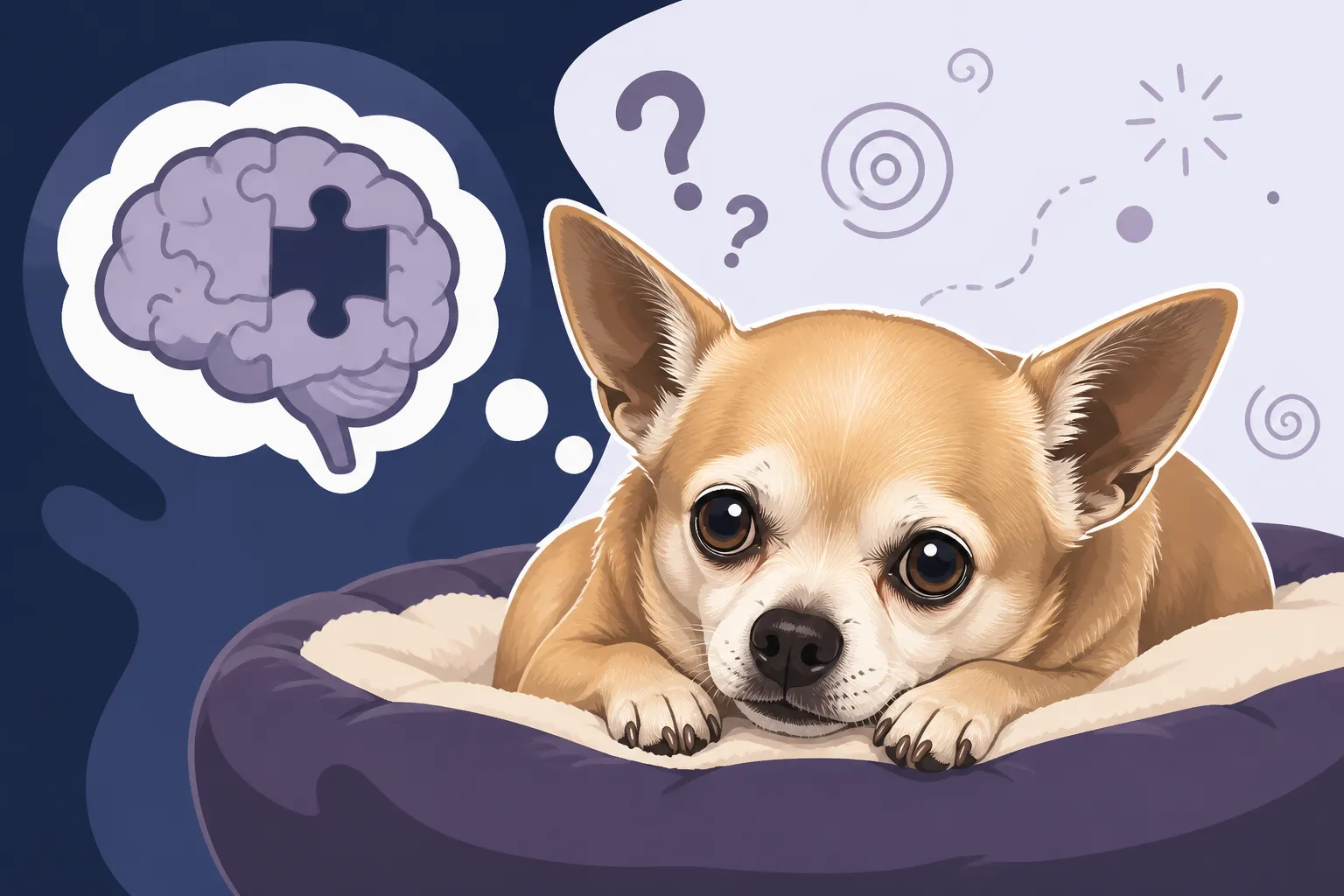
Cognitive Decline in a Fifteen Year Old Chihuahua
It’s truly heartbreaking to watch your once vibrant, alert Chihuahua start to show signs of slowing down, not just physically, but mentally. The confusion, the staring into space, the forgotten routines – it’s a difficult journey for any pet parent, especially when your little companion has been such a sharp, feisty presence for so many years. This guide is here to walk you through what cognitive decline in a senior Chihuahua looks like, how to support them, and how to navigate this challenging but often gradual transition.
What Cognitive Decline Looks Like in a Senior Chihuahua
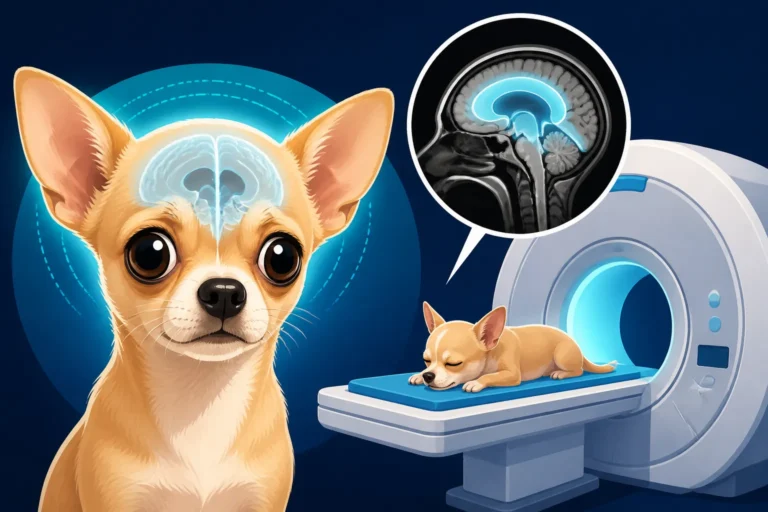
When your fifteen-year-old Chihuahua starts exhibiting new behaviors that just don't seem like "them," it's natural to worry. Canine Cognitive Dysfunction Syndrome (CDS) isn't just about an occasional senior moment; it's a progressive neurodegenerative disorder, akin to Alzheimer's in humans, that affects a significant number of older dogs. For our tiny Chihuahuas, who live such long lives, these changes can become increasingly apparent as they venture into their teen years.
Disorientation and Confusion
One of the most common and distressing signs of cognitive decline is when your Chihuahua seems lost in familiar surroundings. You might notice them standing in a corner, staring at a wall, or getting stuck behind furniture they used to navigate with ease. They might wander aimlessly, sometimes even bumping into objects. It's not uncommon for them to go to the wrong side of the door to be let out, or to stand by the hinge side rather than the opening. This disorientation can be particularly disheartening because it's a stark contrast to the sharp, observant nature we know and love in the breed. Imagine your little explorer suddenly unsure of which way to go to find their favorite sunny spot or their food bowl. It’s a profound shift that speaks volumes about what's happening internally.
Changes in Sleep-Wake Cycle
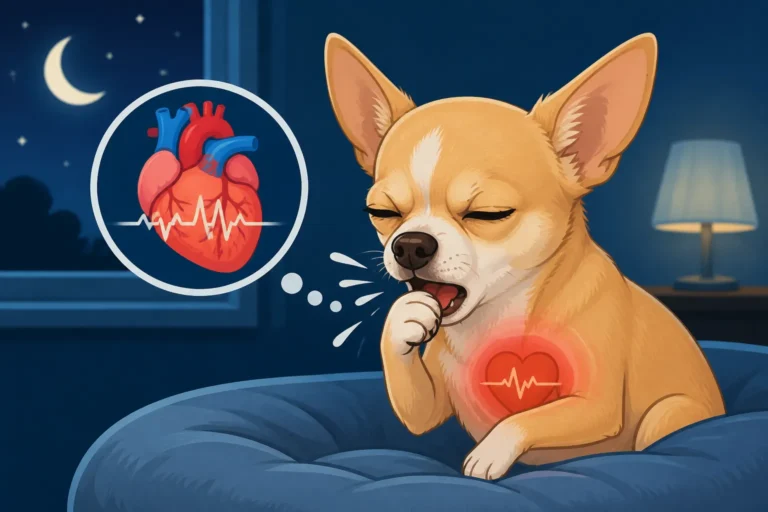
Another frequently reported symptom is a disruption in your Chihuahua's sleep patterns. You might find them sleeping more during the day, perhaps deeply and soundly, only to be restless and awake for much of the night. This can manifest as pacing, whining, or even barking at unusual hours, causing distress for both your Chihuahua and you. They might seem agitated in the dark, unable to settle, or perhaps wander from room to room, seemingly searching for something they can’t quite find. This inverted schedule can be incredibly disruptive to household life and is a clear indicator that their internal clock, which regulates so many bodily functions, is out of whack due to changes in their brain.
Alterations in Interaction and Temperament
Beyond confusion and sleep issues, cognitive decline can dramatically alter how your Chihuahua interacts with you, other pets, and their environment. Some Chihuahuas may become more withdrawn, showing less interest in play, greetings, or even being petted. They might ignore commands they once knew perfectly. Conversely, some may become clingier, demanding constant attention, or even anxious when left alone, a potential sign of evolving Chihuahua Separation Anxiety and Time Alone. You might also observe irritability or an uncharacteristic aggression, perhaps snapping when touched unexpectedly, especially if they are startled or confused. Their personality, which has been so distinct and endearing, can seem to fade or shift, leaving you wondering where your old friend has gone. It's not uncommon for owners to observe their Chihuahua exhibiting behaviors like Reading a Chihuahua With Its Tail Tucked more frequently, indicating heightened anxiety or unease in situations that never bothered them before.
Here's a quick checklist to help you track potential signs of cognitive decline:
| Symptom Category | Specific Behaviors to Observe | Severity (1-5, 1=mild, 5=severe) | Date Noticed | Notes (Frequency, Triggers) |
|---|---|---|---|---|
| Disorientation (D) | Stares blankly at walls/corners, gets stuck behind furniture, forgets where food/water/door is, wanders aimlessly, fails to respond to name/commands. | |||
| Interaction Changes (I) | Less seeking of attention/petting, increased irritability/aggression (e.g., Why a Chihuahua Snaps Before It Runs), doesn't greet family, increased clinginess, seems "lost" in interaction, less interest in play. | |||
| Sleep-Wake Cycle Changes (S) | Increased daytime sleeping, restless at night (pacing, whining, barking), confusion about night vs. day, unable to settle at night. | |||
| House Training (H) | Accidents inside the house despite being previously house-trained, forgets where to potty, eliminates indoors right after being outside. | |||
| Activity Level (A) | Decreased activity, less exploration, repetitive behaviors (licking, pacing), seems less engaged with environment. |
Why Cognitive Dysfunction Syndrome Happens
Understanding the "why" behind CDS can help us approach care with more empathy and focus. It’s not simply a matter of getting old; it’s a complex process involving multiple changes in the brain over time. Just like humans experience changes in memory and processing speed with age, so do our beloved Chihuahuas.
Brain Aging and Oxidative Stress
At its core, CDS is a result of the aging process itself, coupled with the accumulated damage of oxidative stress. Over years, cells in the brain are subjected to free radicals, unstable molecules that can damage cellular structures, including DNA, proteins, and lipids. In a Chihuahua living to a ripe old age, potentially reaching Chihuahua Lifespan and Why the Breed Reaches Sixteen, this oxidative damage builds up, slowly degrading the delicate neural networks. This damage interferes with the brain's ability to communicate efficiently, leading to the symptoms we observe. Think of it like a very old electrical system where the wires are frayed and connections are becoming unreliable – messages just don't get through as quickly or clearly as they used to.
Accumulation of Beta-Amyloid Plaques
A hallmark of both canine and human cognitive decline is the accumulation of abnormal protein deposits in the brain, particularly beta-amyloid plaques. These sticky protein fragments clump together, disrupting communication between neurons and potentially leading to their death. While not identical to human Alzheimer's, the presence of these plaques in older dogs is strongly correlated with the severity of cognitive symptoms. These plaques essentially gum up the works, interfering with the brain's delicate machinery and hindering its ability to function correctly. This is a critical area of research, and understanding its role helps us appreciate the biological basis of your Chihuahua's changing behavior.
Reduced Neurotransmitter Function
Neurotransmitters are the chemical messengers that allow brain cells to communicate with each other. As Chihuahuas age, there's often a decline in the production and function of several key neurotransmitters, such as dopamine, serotonin, and acetylcholine. Acetylcholine, in particular, is vital for memory and learning, and its reduction significantly impacts cognitive abilities. This reduction means the signals are weaker, slower, and less frequent, leading to lapses in memory, slower processing, and difficulty with learned behaviors. It's like having a phone signal that keeps cutting out – the information is there, but it's not being transmitted effectively. This contributes to the confusion and disorientation you might observe in your senior pet.
Diagnosing Cognitive Decline and Ruling Out Other Issues
When you start noticing these concerning changes in your fifteen-year-old Chihuahua, the first and most important step is a visit to your veterinarian. While it might seem obvious that an old dog is just "getting old," many other treatable conditions can mimic the signs of cognitive decline.
Observing Behavioral Changes at Home
Before your vet appointment, it's incredibly helpful to keep a detailed log of the behaviors you're observing. Note what your Chihuahua is doing, when it happens, and how often. Are they pacing more at night? Are they having more accidents inside? Do they seem less interested in their favorite toys or treats? Is there an unusual increase in Chihuahua Barking and What Sets a Six Pound Dog Off? Details like these will provide your vet with crucial information. For instance, sometimes a dog that seems disoriented might actually be experiencing vision or hearing loss, which can be managed. A pet insurance provider like Healthy Paws can be a real lifeline here, as diagnostic tests for these kinds of changes can add up, and having a policy in place can help ease the financial burden of comprehensive senior care.
Veterinary Examination and Rule-Outs
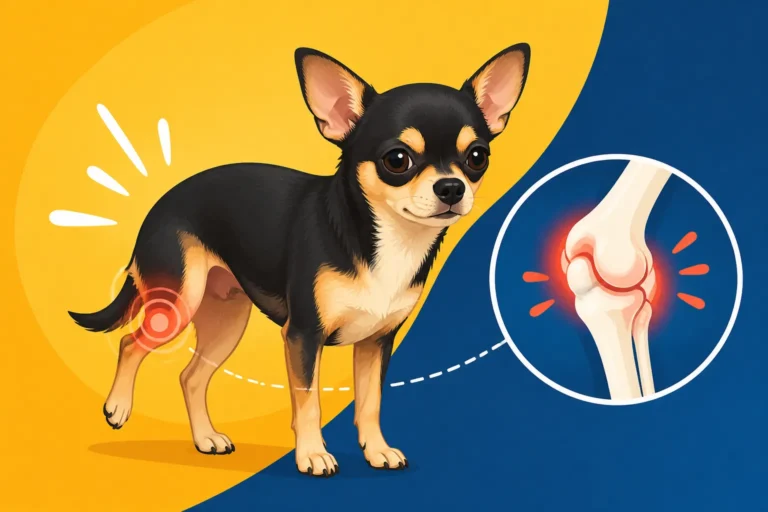
Your veterinarian will perform a thorough physical examination, including a neurological check. They'll also likely recommend a full blood panel and urinalysis. This is vital to rule out other medical conditions that can cause similar symptoms, such as thyroid disease, kidney disease, liver disease, chronic pain (like Chihuahua Arthritis in the Teenage Years), diabetes, or even brain tumors. For example, pain from arthritis might make a Chihuahua reluctant to move, which could be mistaken for lethargy or disinterest, rather than a cognitive issue. Similarly, untreated Chihuahua Dental Disease in a Crowded Small Jaw can cause chronic pain and irritability, affecting overall behavior. Only after ruling out these other treatable conditions can a diagnosis of CDS truly be made. This comprehensive approach ensures that your Chihuahua receives the correct treatment for whatever is actually ailing them.
The Importance of a Detailed History
Your observations as the primary caregiver are invaluable to the diagnostic process. The vet will ask you a series of questions about your Chihuahua's routine, temperament, and any changes you've noted. Be prepared to discuss specific examples of confusion, changes in sleep, alterations in interaction, and any house-training regressions. Your detailed history, combined with the physical exam and diagnostic tests, helps your vet paint a complete picture and accurately assess your Chihuahua's cognitive state. This partnership between you and your vet is critical, especially when dealing with the nuanced changes that come with aging. Regular Vet Visit Frequency for a Chihuahua Past Twelve becomes even more important during this stage of life.
Managing Cognitive Decline: Enhancing Quality of Life
While there isn't a "cure" for cognitive dysfunction, there's a great deal you can do to manage the symptoms and significantly enhance your Chihuahua's quality of life. The goal is to keep them comfortable, safe, and as engaged as possible.
Environmental Enrichment and Routine
Maintaining a consistent daily routine is paramount for a Chihuahua with cognitive decline. Predictability helps reduce anxiety and confusion. Try to feed them at the same times, go for walks at the same times, and stick to a familiar bedtime routine. Simple environmental modifications can also make a huge difference. Avoid rearranging furniture, ensure their food and water bowls are easily accessible and consistently placed, and provide multiple comfortable resting spots. Ramps or steps can help them access their favorite bed or sofa safely, especially if they also suffer from joint issues. Soft lighting at night can help with disorientation for those restless evenings. Making their world as stable and predictable as possible can ease their mental burden considerably.
Dietary Support and Supplements
Nutrition plays a vital role in supporting brain health. Some commercial dog foods are specifically formulated for senior dogs and contain ingredients known to support cognitive function, such as antioxidants, omega-3 fatty acids (DHA/EPA), and medium-chain triglycerides (MCTs). These ingredients can help reduce oxidative stress and provide an alternative energy source for the aging brain. If your Chihuahua is on a regular diet, your vet might recommend specific supplements. Options often include S-adenosylmethionine (SAMe), Cholodin (which contains phosphatidylserine and other brain-supporting nutrients), and various antioxidant blends. Always discuss any dietary changes or supplements with your veterinarian to ensure they are appropriate for your Chihuahua, especially considering their tiny size and potential interactions with other medications. Ensuring good nutrition is also key to preventing other issues like Chihuahua Obesity on a Six Pound Frame, which can exacerbate health problems.
Pharmaceutical Interventions
In some cases, your veterinarian might prescribe medication to help manage the symptoms of CDS. Selegiline (Anipryl) is an FDA-approved drug for canine cognitive dysfunction. It works by increasing dopamine levels in the brain and can improve alertness and activity. Other medications might be prescribed to address specific symptoms, such as anti-anxiety medications for severe nighttime restlessness or behavioral issues. Remember, finding the right medication and dosage for a small Chihuahua can take time and careful monitoring by your vet. While medication won't reverse the decline, it can often significantly improve your Chihuahua's comfort and function, making their senior years more manageable for everyone. This is another area where a comprehensive pet insurance plan from a provider like Healthy Paws can be incredibly helpful, as the long-term costs of prescription medications and regular vet check-ups can accumulate.
Supporting Your Senior Chihuahua's Brain Health
Even before significant signs of cognitive decline appear, or as part of a management plan, there are proactive steps you can take to support your Chihuahua's brain health.
Regular Mental Stimulation
Keeping your Chihuahua's mind active is just as important as keeping their body moving. Engage them in gentle, age-appropriate mental exercises. This could involve simple puzzle toys where they have to sniff out a treat, short training sessions reviewing commands they already know, or even just hiding a treat under a cup and letting them figure out where it is. Even a few minutes of mental engagement daily can help maintain neural pathways. Think about the joy they get from figuring something out; that mental workout is beneficial. Just ensure the activities aren't frustrating, but rather rewarding and low-stress. These activities can be integrated into your Senior Chihuahua Care Past the Age of Twelve routine, keeping them sharp.
Physical Activity Tailored for Seniors
While strenuous exercise might be out of the question for a senior Chihuahua, maintaining appropriate physical activity is crucial. Short, gentle walks around the block (weather permitting for their tiny frames), or even indoor play sessions, can help promote blood flow to the brain and maintain overall physical health. Regular movement helps prevent muscle atrophy and keeps joints flexible, which is important, especially for a breed prone to issues like Patellar Luxation, the Chihuahua's Commonest Joint Problem. Just ensure the activity is low-impact and doesn't cause pain or excessive fatigue. The goal is gentle engagement, not exhaustion. Remember, consistency is key, and adapting to their changing physical capabilities is a sign of loving care.
Nutrition and Antioxidant Intake
A high-quality diet rich in antioxidants is a powerful tool in combating oxidative stress and supporting cognitive function. Look for foods that list ingredients like blueberries, spinach, and other colorful fruits and vegetables (in safe, dog-appropriate amounts). Omega-3 fatty acids, found in fish oil, are renowned for their brain-boosting properties and anti-inflammatory effects. Discuss with your vet the best way to incorporate these into your Chihuahua's diet, either through specialized senior food or targeted supplements. Ensuring they receive a balanced diet tailored to their senior needs can make a real difference in maintaining their overall health and mental acuity. When considering long-term dietary changes and supplement costs, remember that a good pet insurance plan from Healthy Paws can contribute to making these options more accessible over your Chihuahua’s long life.
When Cognitive Decline Progresses: Making Difficult Decisions
As cognitive decline progresses, there may come a point where managing symptoms becomes increasingly difficult, and your Chihuahua’s quality of life diminishes. This is perhaps the hardest part of having a long-lived companion, and it requires immense courage and compassion.
Assessing Quality of Life
The concept of "quality of life" is deeply personal, but there are objective measures you can consider with your veterinarian. They might use a quality of life scale, which assesses factors like pain management, appetite, hydration, hygiene, happiness, mobility, and the presence of more good days than bad days. For a Chihuahua with advanced CDS, the inability to recognize family members, severe disorientation, constant anxiety, or persistent sleep disturbances can significantly impact their well-being. It’s about looking at the whole picture: are they still enjoying their favorite things, even if just for brief moments? Are they able to find comfort? What Quality of Life in a Chihuahua's Final Year looks like for your specific dog is crucial. It’s not about perfection, but about sufficient comfort and joy.
Navigating End-of-Life Decisions
Making end-of-life decisions for a beloved pet is agonizing, but it’s an act of ultimate love and responsibility. When the bad days consistently outweigh the good, and medical interventions are no longer effective at preserving a reasonable quality of life, it may be time to consider humane euthanasia. This decision is never made lightly and should always be discussed thoroughly with your veterinarian, who can offer professional guidance and support. They can help you understand your Chihuahua's suffering and help you recognize when it’s truly time to say goodbye. Knowing What Actually Ends a Chihuahua's Sixteen Years can help you prepare for this difficult time. Remember, your vet is there to help you make the most compassionate choice for your cherished companion.
Support for Caregivers
Watching your Chihuahua decline mentally and physically can take a heavy emotional toll. It's okay to feel sad, frustrated, or overwhelmed. You are not alone. Seek support from friends, family, online pet communities, or even pet bereavement counseling services. Caring for a senior pet with special needs is demanding, and it's important to acknowledge your own feelings and give yourself grace. Remember all the love and joy your Chihuahua has brought into your life, and take comfort in knowing you're providing them with the best care possible during their golden years, right up until the very end. Planning ahead, including understanding potential costs and how a provider like Healthy Paws might assist, can relieve some stress during these trying times. More information on this challenging topic can be found in resources like End-of-Life Decisions for a Long-Lived Chihuahua.
Disclaimer
This article is intended for informational purposes only and does not constitute veterinary advice. Always consult with a qualified veterinarian for any health concerns or before making any decisions about your Chihuahua's medical care or treatment plan.