Indoor Temperature for a Chihuahua
One of the biggest worries for Chihuahua owners, especially those of us in colder climates or living in drafty old houses, is making sure our little companions stay warm enough. It’s not just about comfort; a Chihuahua that gets too cold can face real health risks. This guide will walk you through everything you need to know about setting the perfect indoor temperature, understanding your Chihuahua’s unique needs, and creating a truly cozy environment for them year-round.
Why Chihuahuas Get Cold So Easily
It's not just their small size that makes Chihuahuas prone to feeling chilly; it's a combination of physiological factors that distinguish them from larger, more robust breeds. We often see them shivering, and while sometimes it’s nerves, a lot of the time, it's genuine cold. This isn't just a quirk; it's a fundamental aspect of their breed that we, as their caregivers, need to understand and accommodate. It's frustrating to constantly worry if they're comfortable, especially when you're bundled up yourself and they're still trembling.
The Lack of Body Fat and Double Coat
Unlike many breeds, Chihuahuas don't have a thick layer of insulating body fat. They are lean little athletes, often with very little padding between their skin and their muscles. Imagine trying to stay warm without any natural insulation! This means they lose heat much faster than dogs with more robust physiques. Think of a human trying to survive a winter storm in just a t-shirt – that's somewhat analogous to how a Chihuahua's thin frame handles cold temperatures. They simply don't have the natural reserves to generate or retain heat efficiently.
Furthermore, while some long-coat Chihuahuas have a bit more fluff, neither the long-coat nor the smooth-coat varieties possess the dense, double-layered coat found in cold-weather breeds like Huskies or Samoyeds. Those breeds have a soft, thick undercoat that traps air and acts as an incredible insulator. Chihuahuas? Not so much. Their fur, while beautiful, is primarily for protection against the elements in a warmer climate, not for deep insulation against chills. This is why you often hear people discussing Whether a Long Coat Chihuahua Stays Warmer, and while a long coat offers a little more protection, it's far from a true double coat.
Tiny Body Mass and Heat Loss
The sheer physics of their small body mass also plays a huge role. A smaller body has a larger surface area relative to its volume, meaning heat can escape more quickly into the surrounding air. It’s like boiling a tiny pot of water versus a huge cauldron – the tiny pot cools down much faster. Your Chihuahua, weighing in at just a few pounds, is constantly losing body heat to the environment. This constant battle against heat loss means they are far more susceptible to ambient temperature changes than a larger dog with more mass to hold onto warmth.
Their rapid metabolism, which helps them process food quickly, also means they burn through energy faster, producing heat. However, this heat production is often outpaced by the rate of heat loss from their small bodies, especially if they aren't actively moving. This is why Why a Chihuahua Has Almost No Body Fat is a critical factor – their body simply doesn't have the bulk to act as a thermal battery, storing heat for later. It's a constant, low-grade struggle to maintain their core temperature.
The Shivering Reflex: Cold vs. Fear
Chihuahuas are famous for their trembling, and it's something every owner sees regularly. It's easy to assume it's always fear or anxiety, but often, it's simply cold. Shivering is an involuntary muscular contraction designed to generate heat. When your Chihuahua is cold, their body's automatic response is to shiver, trying to warm itself up. It's their natural, built-in heater kicking in, but it expends energy and can be a sign that they are truly uncomfortable.
It can be hard to tell the difference sometimes. A Chihuahua might shiver when nervous, such as at the vet's office, or when excited, like anticipating a walk. However, if they are shivering when they are relaxed in what seems like a normal room temperature, or if they're curled up tightly, it's highly likely they're just cold. Learning to read their cues is vital; are their ears cold? Are they seeking out blankets or cuddles more than usual? Pay attention to these subtle signs. Understanding Why a Chihuahua Shivers and What It Means is key to addressing their needs correctly, whether it's comforting them from fear or warming them up.
Ideal Indoor Temperature Ranges for Your Chihuahua
So, what's the magic number on the thermostat? It's not always straightforward, but there's a general range that most Chihuahuas find comfortable, and understanding the signs of discomfort is crucial. Our houses are often set for human comfort, and a chilly 68°F (20°C) for us might feel like an icebox to our tiny companions. This is where the frustration really hits – how do you keep your house warm enough for them without overheating yourself and running up huge utility bills?
Finding the Sweet Spot: A Thermostat Guide
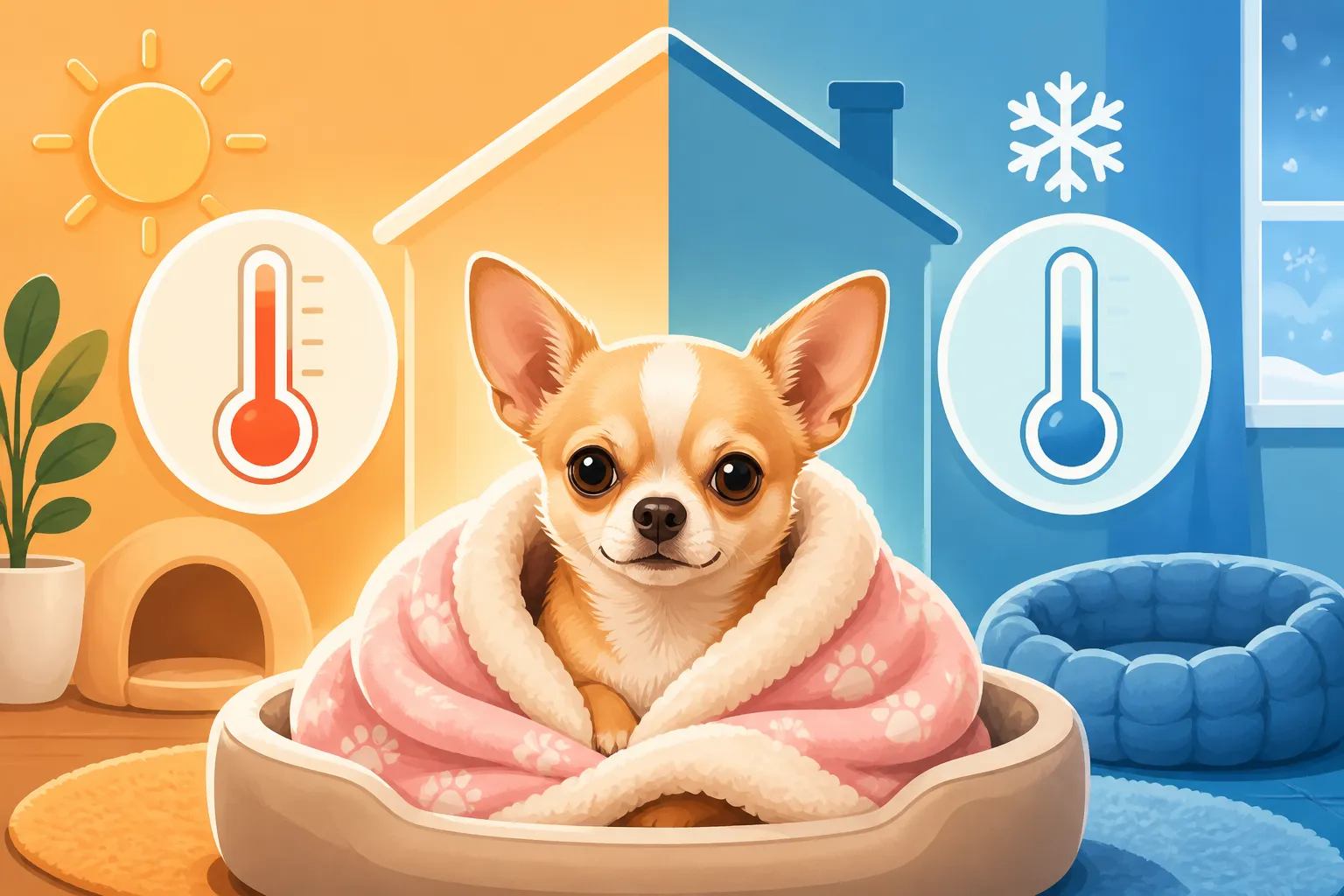
For most adult Chihuahuas, an indoor temperature range of 70-75°F (21-24°C) is generally considered ideal. This might feel a bit warm for some people, especially those who prefer cooler homes, but it's often the zone where a Chihuahua can relax without expending extra energy to stay warm or constantly searching for a sunbeam. Puppies, senior Chihuahuas, or those with underlying health conditions like Chihuahua Hypoglycemia and the Puppy Emergency or Chihuahua Heart Disease as the Breed Ages might even need it a degree or two warmer, or at least have access to supplemental heating.
Think of it as setting your thermostat for a comfortably warm, but not stifling, environment. You shouldn't feel like you're sweating, but you also shouldn't feel a chill. This range helps prevent the constant shivering and energy drain that comes with being cold. If you're consistently seeing your Chihuahua burrowing deep under blankets, seeking out warm laps, or shivering, it's a good sign that your indoor temperature needs to be adjusted upwards.
Signs Your Chihuahua is Too Cold
Your Chihuahua can't tell you in words that they're cold, but they'll definitely show you. Learning to recognize these cues is part of being a good Chihuahua parent. The most obvious sign, as we've discussed, is shivering, even when they seem relaxed or aren't otherwise stressed. This isn't just a little tremble; it can sometimes be a full-body shake.
Other signs include:
- Curling into a tight ball: They're trying to minimize their exposed surface area to conserve heat.
- Seeking out warm spots: This could be under a blanket, in a sunbeam, or burrowing into your clothes or lap.
- Hunching their back: A posture that indicates discomfort and trying to stay compact.
- Cold ears or paws: Gently feel their ears. If they're noticeably cool to the touch, they're probably feeling chilled.
- Lethargy or reduced activity: Being too cold drains their energy, making them less enthusiastic about play or walks.
- Reluctance to go outside: If they usually love walks but are hesitant or try to turn back quickly, it could be the cold.
If you observe these behaviors consistently, it’s a clear signal that the ambient temperature isn't adequate for their comfort, and it's time to make adjustments.
Balancing Comfort for Both Dog and Human
This is the eternal struggle for Chihuahua owners! You want your little one to be warm, but you don't want to live in a sauna. The good news is there are plenty of strategies to bridge this gap without breaking the bank or leaving you uncomfortable. It’s about creating micro-climates and providing options. You might keep your general house temperature at a lower, more comfortable level for yourself, say 68-70°F, but then focus on providing extra warmth for your Chihuahua in their favorite resting spots.
This could involve placing their bed away from drafts, providing a heated dog bed, or ensuring they have access to plenty of blankets. You might find that a good compromise is to maintain a slightly higher temperature during the day when they are more active and less likely to be under a blanket, and then allow it to dip slightly at night, knowing they'll be snuggled deep in their bed. The key is to observe your specific Chihuahua and their individual needs, as some are more sensitive to cold than others.
Creating a Warm Haven: Bedding and Sleeping Arrangements
Beyond simply turning up the thermostat, creating dedicated warm spaces for your Chihuahua is one of the most effective ways to ensure their comfort. This isn’t just about having a bed; it’s about strategically designing areas that cater to their natural instincts and physiological needs for warmth. It’s a relief to know you can make a real difference for them, even if you can’t heat your entire home to 75 degrees.
Heated Beds: Safety and Selection
Heated dog beds can be an absolute game-changer, especially for Chihuahuas who struggle with the cold, older dogs with Chihuahua Arthritis in the Teenage Years, or those recovering from illness. They provide consistent, gentle warmth that penetrates their small bodies and allows them to truly relax and conserve energy. When choosing a heated bed, safety is paramount. Look for beds specifically designed for pets, which usually have low wattage and safety features to prevent overheating. Avoid using human heating pads, which can get too hot and don't have the same safety cut-offs.
There are various types available: some are self-warming, using insulating materials to reflect body heat back to the dog; others are electrically heated. Electric beds can be thermostatically controlled, meaning they maintain a consistent temperature, or simply offer a low, steady warmth. Brands available on platforms like Chewy or Amazon often carry a range of options. Always check reviews for safety and durability. Ensure the cord is chew-proof or hidden to prevent accidents, and that the bed is easy to clean. You'll find many discussions about Heated Beds and Whether They Are Safe, and with proper selection, they absolutely can be.
Blankets, Nests, and Burrowing Instincts
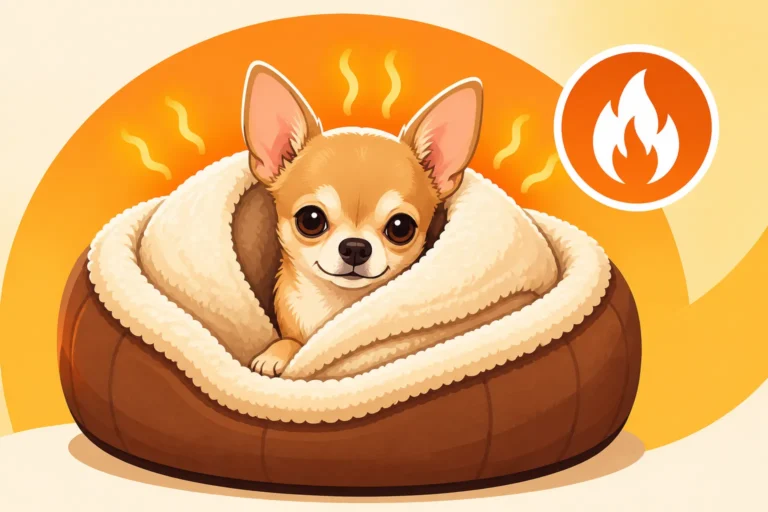
Chihuahuas are renowned burrowers. It's an instinct that goes back to their ancient roots, providing a sense of security and, crucially, warmth. Providing a variety of soft, warm blankets is essential. Think fleece, faux fur, or even old sweaters that smell like you. These aren't just for comfort; they're vital tools for self-regulation of their body temperature. They'll instinctively dig and tunnel, creating a warm, enclosed nest for themselves.
Don't be surprised if you find your Chihuahua completely disappeared under a pile of blankets! This is normal and healthy behavior. Offer them dedicated "nesting" beds that have high sides or a hood, giving them that enclosed, den-like feeling. Many Chihuahuas adore covered beds or "snuggle sacks" where they can fully bury themselves. You can find excellent selections of Chihuahua Beds and Blankets for Warmth on sites like Amazon, ensuring your little one has ample opportunity to indulge their natural burrowing instinct and stay toasty warm.
Location, Location, Location: Avoiding Drafts
Where you place your Chihuahua's bed and main hang-out spots makes a huge difference. Even in a generally warm room, a constant draft can negate all your efforts. Pay attention to cold spots in your home. Are there drafty windows or doors? Is their bed near an exterior wall that feels cold to the touch? A floor vent blowing cool air, or even just high ceilings, can create an uncomfortable chill for a dog lying on the floor.
Position their sleeping areas and favorite lounging spots away from these drafts. Consider placing their bed against an interior wall, perhaps near a heating vent (but not directly on top of it, which could be too hot). If you have hardwood or tile floors, consider adding a rug to their area for extra insulation. Small pet gates can even be used to block off drafty hallways. Remember, heat rises, so the floor can be significantly colder than the air at your eye level. Investing in good insulation for your home, like weatherstripping around doors and windows, benefits everyone, including your tiny Chihuahua, by minimizing these sneaky cold currents.
Beyond the Thermostat: Other Warming Strategies
While the thermostat and cozy bedding are crucial, keeping your Chihuahua warm is a multi-faceted approach. There are several other proactive steps you can take to supplement their comfort, ensuring they're warm from the inside out and well-prepared for any chill. It’s about being holistic in their care.
Chihuahua Clothing: When and What to Wear
Chihuahua clothing isn't just a fashion statement; for many, it's a necessity. A well-fitting sweater or coat provides an extra layer of insulation that their thin fur simply can't. This is especially true when going outside, even for a quick potty break, but can also be beneficial indoors if your home tends to be on the cooler side or if your Chihuahua is particularly sensitive to cold.
When choosing clothing, prioritize function over style. Look for soft, comfortable materials like fleece or wool blends that won't irritate their skin. Ensure the garment fits well – not too tight, which can restrict movement or circulation, and not too loose, which can get caught or simply not provide adequate warmth. A good rule of thumb is that if you're reaching for a sweater, your Chihuahua probably needs one too. For outdoor excursions, consider water-resistant or waterproof coats in colder, damp weather. There are specific guidelines for The Sweater Weight a Chihuahua Needs depending on their environment and activity.
Nutritional Support for Core Body Temperature
Believe it or not, what your Chihuahua eats can also play a role in their ability to stay warm. A healthy, balanced diet provides the energy their body needs to fuel its metabolism and generate internal heat. If your Chihuahua isn't getting adequate calories or nutrients, their body may struggle to maintain its core temperature efficiently. This is particularly important for active Chihuahuas or those who burn more energy.
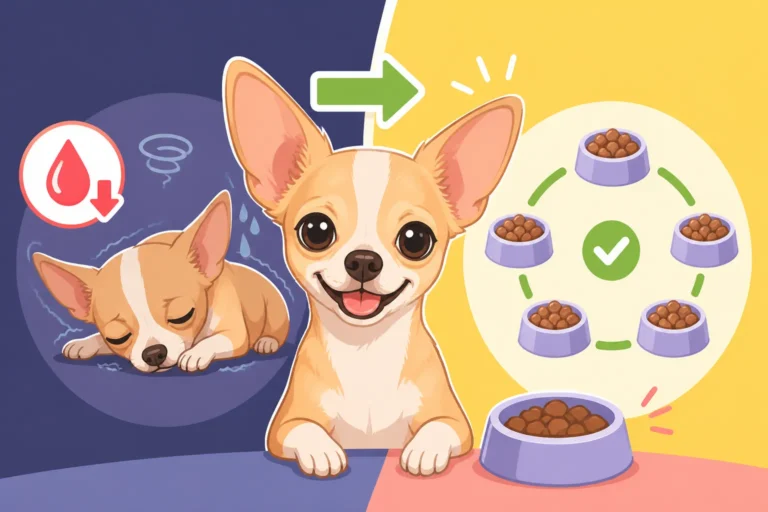
Ensure you're feeding a high-quality dog food appropriate for their life stage and activity level. If you're considering fresh food options, brands like Ollie offer pre-portioned, nutrient-dense meals that can contribute to overall health and energy. Discuss any dietary changes with your vet, especially if your Chihuahua has specific health concerns or is struggling with weight. Also, remember that Three Small Meals a Day for a Chihuahua can help keep their metabolism steady, preventing drastic drops in blood sugar that can make them feel colder. While food isn't a substitute for warmth, it's a foundational component of their overall well-being and ability to regulate body temperature.
Exercise and Activity for Internal Warmth
Just like humans, physical activity helps Chihuahuas generate internal heat. When they're running, playing, or even just trotting around, their muscles are working, and that process creates warmth. This is why you might notice your Chihuahua less prone to shivering after a brisk walk or an energetic play session. Regular, appropriate exercise is vital for their overall health, and a healthy, active dog is generally better equipped to handle cooler temperatures.
However, balance is key. You don't want to over-exercise a Chihuahua, especially if they have conditions like Collapsing Trachea and the Chihuahua Honking Cough or Exercise for a Chihuahua With a Bad Knee. Short, frequent bursts of activity are usually more beneficial than one long, strenuous session. Indoor games like fetch with a soft toy, hide-and-seek, or even just a good game of chase with you can provide plenty of warmth-generating movement, especially on days when it's too cold or wet to be outdoors for long. Remember, even a small amount of healthy movement contributes significantly to their internal thermostat.
Seasonal Considerations for Chihuahua Warmth
The seasons bring different challenges, and what works in summer definitely won't cut it in winter. As a Chihuahua owner, being adaptable and thinking ahead for seasonal changes is part of the job. It’s not just about staying warm; it’s about avoiding extremes in either direction.
Winter Woes: Keeping Cozy in the Coldest Months
Winter is arguably the toughest season for Chihuahuas. The combination of frigid outdoor temperatures, cold drafts seeping into homes, and often lower indoor thermostat settings creates a perfect storm for chills. This is when all your warming strategies need to be at their peak. Ensure their heated bed is plugged in, blankets are abundant, and their favorite nesting spots are draft-free. For outdoor bathroom breaks, a warm coat and even little booties to protect their delicate paws from ice and salt are essential. Chihuahua Paw Protection on Ice and Salt is not just a luxury; it's a necessity.
Consider using space heaters in specific rooms where your Chihuahua spends the most time, but always with extreme caution and supervision. Never leave a space heater unattended, and ensure it's placed safely away from flammable materials and out of reach of curious paws or tails. During the coldest snaps, you might even consider raising your home's ambient temperature a degree or two, especially overnight. Remember, a cold Chihuahua is a vulnerable Chihuahua, so extra vigilance is required in winter.
Summer Management: Avoiding Overheating
While this guide focuses on keeping Chihuahuas warm, it's equally important to address the other end of the spectrum. Yes, even Chihuahuas can overheat, especially if they are over-bundled in warm weather, left in a hot car, or simply in a room with poor air circulation and high humidity. Their small size means they can get dangerously hot just as quickly as they get cold. While we are thinking about Why a Chihuahua Sleeps Under the Covers in winter, summer calls for different considerations.
In summer, ensure they have access to cool, fresh water at all times. If they're wearing clothing, assess if it's still necessary or if it's contributing to overheating. Keep their activity levels appropriate for the temperature; avoid strenuous exercise during the hottest parts of the day. If your Chihuahua seems lethargic, is panting excessively, or has bright red gums, they could be overheating and need to be cooled down gently and immediately. Provide them with cool spots to rest, perhaps a cooling mat, and ensure good air circulation with fans or air conditioning.
Traveling with Your Chihuahua and Temperature Control
Taking your Chihuahua on the go means being mindful of temperature control outside the home. Whether it's a car trip, a visit to a friend's house, or a stay in a hotel, portable warmth solutions are a must. In the car, make sure they aren't directly in front of an air vent blasting cold air or in direct sunlight without shade. A travel carrier with a cozy blanket can provide a safe, warm haven.
If you're staying somewhere new, scope out their sleeping area for drafts and bring their familiar blankets and perhaps a small, portable heated pad (battery-operated options are available for short durations). Always remember to pack their sweater or coat. A Chihuahua's comfort and safety largely depend on your awareness and preparedness when away from their primary warm environment. A little forethought can make all the difference in ensuring their well-being, no matter where your adventures take you.
Summary of Chihuahua Warmth Needs
Chihuahuas are uniquely predisposed to feeling the cold due to their small body mass, lack of insulating fat, and thin coats. Recognizing the signs of cold, such as shivering or burrowing, is crucial for their well-being. Maintaining an indoor temperature between 70-75°F (21-24°C) is generally ideal, but supplementing this with heated beds, abundant blankets for burrowing, and draft-free sleeping areas is essential. Clothing, a nutritious diet, and appropriate exercise also contribute to their warmth. Seasonal adjustments are vital, ensuring protection in winter and avoiding overheating in summer, especially when traveling.
| Factor | Impact on Chihuahua Warmth | Recommended Action |
|---|---|---|
| Body Mass & Fat | Small size and low body fat leads to rapid heat loss. | Maintain indoor temps 70-75°F, use heated beds, provide layered bedding. |
| Coat Type | Thin coats (smooth or long) offer limited insulation. | Utilize sweaters/coats, especially outdoors or in cooler homes. |
| Shivering | Can indicate cold, fear, or excitement. | Rule out fear/excitement; if cold, increase warmth through environment, clothing, or bedding. |
| Indoor Temperature | Direct impact on comfort and health. | Aim for 70-75°F (21-24°C); adjust for puppies/seniors. |
| Bedding | Provides immediate warmth and security. | Offer heated beds, multiple soft blankets, covered beds for burrowing instinct. |
| Drafts | Can quickly negate warmth efforts. | Position beds away from windows/doors, use rugs on cold floors, check for air leaks. |
| Clothing | Adds an essential layer of insulation. | Choose functional, well-fitting sweaters/coats for indoor/outdoor use. |
| Nutrition | Fuels metabolism for internal heat generation. | Feed high-quality food, consider Chihuahua Body Condition on a Tiny Frame to avoid obesity or being too thin. |
| Exercise | Generates internal body heat. | Provide short, frequent indoor play sessions or appropriately dressed outdoor walks. |
| Winter Challenges | Extreme cold, drafts, icy surfaces. | Maximum warming efforts, paw protection, cautious use of space heaters. |
| Summer Risks | Overheating from over-bundling or hot environments. | Ensure hydration, shade, cooling mats, good air circulation, avoid clothing if not needed. |
| Travel | Exposure to variable temperatures. | Use cozy carriers, bring familiar blankets, be mindful of car vents and direct sunlight. |
Disclaimer
This article is for general informational purposes only and does not constitute professional advice. Laws, prices and regulations vary by location and change over time. Consult a qualified professional for guidance on your specific situation.