The Kitchen and Garden Dangers for a Chihuahua
It's incredibly frustrating, isn't it? Our tiny Chihuahuas, with their brave little hearts and endless curiosity, can sometimes feel like they're living in a giant, hazardous world built for much bigger beings. The very same kitchen or garden items that pose a minor inconvenience for a large dog can be life-threatening for a Chihuahua due to their minuscule size and rapid metabolism. This guide aims to thoroughly explore the often-overlooked dangers lurking in your home and yard, providing practical, empathetic advice to help you keep your precious pint-sized companion safe and sound.
The Disproportionate Danger: Why Size Matters So Much
When you share your home with a Chihuahua, you're not just living with a small dog; you're living with a dog whose biology makes it uniquely vulnerable. A tiny dose of something toxic that a Labrador might barely notice can be fatal for a three-pound Chihuahua. Their small body mass means toxins concentrate faster, their metabolism can sometimes process things differently, and their tendency to be ground-level explorers puts them right in the path of spilled drops or fallen crumbs. This isn't about being overprotective; it's about being realistic about the unique challenges of caring for such a compact breed. Understanding these fundamental differences is the first step toward creating a truly safe environment.
Rapid Absorption and Potent Effects
Imagine a drop of a potent chemical. For a human, it might be a mild skin irritant. For a Great Dane, a few drops ingested might cause an upset stomach. But for a Chihuahua, that same tiny amount can quickly overwhelm their small liver and kidneys, leading to severe illness or worse. Their smaller blood volume means toxins spread through their system much more rapidly, and their higher metabolic rate can sometimes accelerate the effects of poisons. This is why even seemingly innocuous items, like a forgotten piece of sugar-free gum, become critical emergencies for our little ones. There's simply less "buffer" in a Chihuahua's system to dilute or process harmful substances before they cause significant damage.
Low Tolerance for Gastrointestinal Upset
Another critical factor is their limited physiological reserve. A big dog might have a bout of vomiting and diarrhea after eating something questionable and bounce back with some bland food and rest. A Chihuahua, however, can quickly become dehydrated and develop Chihuahua Hypoglycemia and the Puppy Emergency from even a short period of gastrointestinal upset. Their small fat reserves mean they can't rely on stored energy for long, and their tiny bladders contribute to faster fluid loss. What might be an inconvenience for a larger dog can quickly escalate into a veterinary emergency requiring intravenous fluids and intensive care for a Chihuahua. Every calorie and every drop of fluid counts when you're only a few pounds.
Kitchen Hazards: More Than Just Food Scraps
Your kitchen, the heart of the home, can also be a minefield for a curious Chihuahua. It's not just about what falls on the floor; it's about what's accessible, what you're cooking with, and even your cleaning supplies. The sweet aroma of chocolate, the savory smell of garlic, or the inviting gleam of a freshly cleaned floor can all draw your tiny explorer into potential danger. We often focus on securing human food, but many other items in our kitchens pose significant threats that we might not immediately consider.
Toxic Foods and Ingredients
This is probably the most talked-about danger, but for a Chihuahua, the stakes are even higher. Even a small piece of a forbidden food can be extremely dangerous.
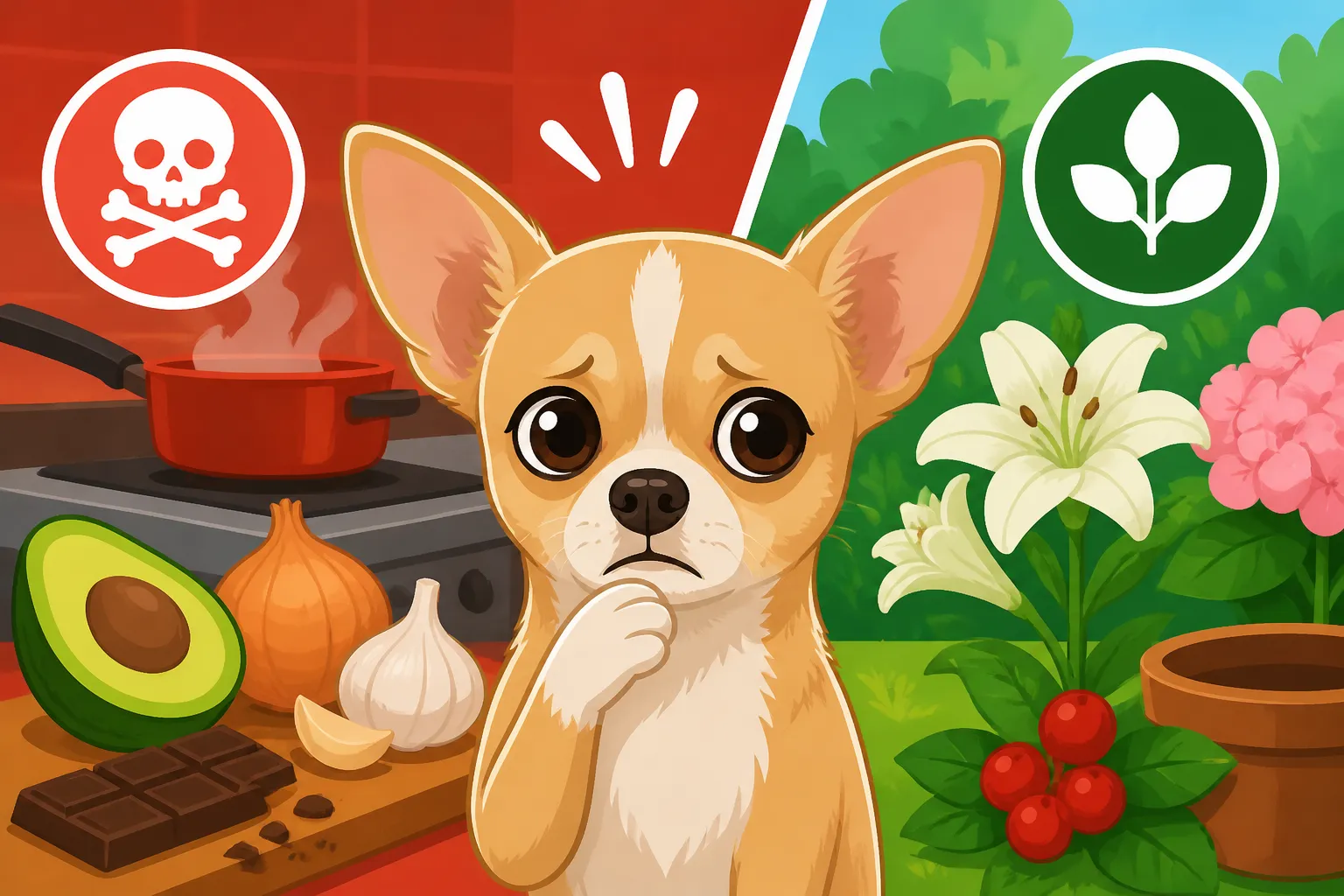
- Chocolate, Coffee, and Caffeine: Theobromine and caffeine are stimulants that can cause hyperactivity, tremors, seizures, heart problems, and even death in Chihuahuas. Darker chocolate contains more theobromine and is far more dangerous. Why Chocolate Doses Matter More at Six Pounds really highlights how critical even a small amount can be for such a tiny dog. Keep all forms of chocolate, coffee beans, grounds, and caffeinated drinks far out of reach. That forgotten piece of a chocolate chip cookie that rolled under the couch could be a serious incident for a curious Chihuahua.
- Xylitol (Birch Sugar): This artificial sweetener, found in many sugar-free gums, candies, peanut butters, and baked goods, is incredibly toxic to dogs. It causes a rapid and severe drop in blood sugar (hypoglycemia) and can lead to liver failure. For a Chihuahua, even a single piece of gum could be a fatal dose. Always check ingredient labels, especially for "sugar-free" items. I swear, the number of times I've heard stories about owners not realizing their specific brand of peanut butter contained xylitol until it was too late is heartbreaking. It's truly a silent killer for small dogs. You can learn more about this specific threat in Xylitol and the Danger to a Small Dog.
- Grapes and Raisins: The exact toxic agent in grapes and raisins is still unknown, but even small quantities can cause acute kidney failure in dogs. Some Chihuahuas might react severely, while others might not, but it's never worth the risk. A single dropped raisin while baking can be a serious emergency for a tiny pup.
- Onions, Garlic, Chives, and Leeks: These allium plants, whether raw, cooked, or powdered, can damage a dog's red blood cells, leading to anemia. While a large dog might need to eat a significant amount, a small portion of onion powder in a forgotten takeout container or a dropped garlic clove can be enough to cause problems for a Chihuahua. The effects can be delayed, sometimes taking days to manifest, making diagnosis tricky if you don't realize they've ingested it.
- Avocado: The pit, skin, and leaves of avocados contain a substance called persin, which can be toxic to some animals. While not always deadly for dogs, it can cause vomiting and diarrhea. The pit itself is also a choking hazard or can cause an intestinal blockage.
- Alcohol: Even a tiny amount of alcohol can cause significant intoxication, respiratory depression, and even death in a Chihuahua. Unattended alcoholic beverages, especially sweet cocktails, are a huge risk.
- Yeast Dough: Raw yeast dough can expand in a dog's stomach, causing painful bloating and potentially a life-threatening gastric dilatation-volvulus (GDV). The yeast also produces alcohol as it ferments, leading to alcohol poisoning.
- Nuts: Macadamia nuts can cause weakness, vomiting, tremors, and hyperthermia. Other nuts, while not always toxic, are high in fat and can lead to pancreatitis in a sensitive Chihuahua. The small size of some nuts can also pose a choking hazard.
Cleaning Products and Household Chemicals
Our drive for a clean home can inadvertently create hazards for our low-to-the-ground Chihuahuas. Sprays, liquids, and powders used for cleaning are often highly toxic and can be absorbed through paw pads, ingested when grooming, or inhaled.
- Floor Cleaners and Disinfectants: Many common floor cleaners contain strong chemicals that can cause chemical burns to paw pads, irritation if ingested, and respiratory issues if inhaled. Even residual wetness on the floor can be problematic. Always ensure floors are completely dry before letting your Chihuahua walk on them, and consider pet-safe cleaning alternatives. I know Chewy and Amazon both offer a decent selection of pet-friendly floor cleaners that might give you some peace of mind.
- Bleach and Ammonia-Based Cleaners: These are incredibly corrosive and can cause severe internal and external burns if ingested or contacted. They should always be stored in securely locked cabinets, well out of reach. The strong fumes can also irritate a Chihuahua's delicate respiratory system, which is already sensitive if they have conditions like Collapsing Trachea and the Chihuahua Honking Cough.
- Drain Cleaners and Oven Cleaners: These are among the most dangerous household chemicals. They are highly caustic and can cause immediate, severe tissue damage. If you use them, ensure your Chihuahua is securely confined in another room, and clean up thoroughly according to product directions, flushing surfaces with plenty of water.
- Pest Control Products: Mouse and rat poisons, ant baits, and roach traps are often designed to be attractive to pests, which unfortunately can also make them attractive to curious Chihuahuas. These products often contain potent toxins that can cause internal bleeding, neurological damage, or kidney failure. Always use pet-safe alternatives or ensure traditional baits are placed in areas absolutely inaccessible to your dog.
Garden and Outdoor Hazards: The Untamed Perils
While your garden offers a lovely space for your Chihuahua to explore and enjoy the fresh air, it also harbors a unique set of dangers. From seemingly innocent plants to the chemicals we use to maintain our lawns, the outdoor environment requires vigilance. What might be a harmless sniff for a large dog could lead to a serious medical emergency for a small Chihuahua who ingests a toxic leaf or a few granules of fertilizer.
Poisonous Plants and Fungi
Many common garden and houseplants are toxic to dogs, and Chihuahuas, being so small, are particularly susceptible to even tiny ingestions. Their tendency to mouth and chew on things, especially as puppies, means careful plant selection is crucial.
- Lilies: All parts of lily plants are highly toxic, especially to cats, but can also cause severe kidney failure in dogs. This includes Easter lilies, tiger lilies, and daylilies. Keep them out of your house and garden entirely if you have a Chihuahua.
- Sago Palm: This popular ornamental plant is extremely poisonous. Ingestion of any part, especially the seeds, can cause severe liver damage, neurological signs, and death. Even a small amount of sago palm can be fatal to a Chihuahua.
- Azaleas and Rhododendrons: These beautiful flowering shrubs contain grayanotoxins, which can cause vomiting, diarrhea, weakness, and heart problems. Even a few leaves can be dangerous for a small dog.
- Tulips and Hyacinths: The bulbs of these spring flowers are particularly toxic, causing severe gastrointestinal upset, lethargy, and sometimes heart problems. If you plant them, ensure they are deep enough that a digging Chihuahua (or other curious pet) can't unearth them.
- Mushrooms: While some wild mushrooms are harmless, many are highly toxic and can cause liver failure, neurological issues, or death. It's nearly impossible to distinguish safe from unsafe mushrooms without expert knowledge, so it's best to treat all wild mushrooms as poisonous and remove them from your yard immediately. This is especially true after rain when they pop up quickly.
- Other Common Toxic Plants: Foxglove, oleander, castor bean, daffodil, autumn crocus, yew, and jimsonweed are just a few more plants that can pose serious threats. It's a good idea to research every plant you bring into your home or garden. For a more comprehensive list, check out Toxic Garden Plants at Chihuahua Nose Height.
Pesticides, Herbicides, and Fertilizers
Our desire for a pristine lawn or a pest-free garden can introduce significant risks. These chemicals, designed to kill or deter, don't discriminate between pests and pets, and their small size makes Chihuahuas particularly vulnerable.
- Slug and Snail Baits: Many slug and snail baits contain metaldehyde, which is highly toxic and can cause severe muscle tremors, seizures, and death. These products are often formulated to be attractive to slugs, which unfortunately can also make them appealing to dogs. Opt for pet-safe alternatives or barriers.
- Insecticides and Herbicides: Weed killers, bug sprays, and lawn treatments can be dangerous if ingested or if your Chihuahua walks through a freshly treated area and then licks their paws. Always read product labels for pet safety warnings, keep your Chihuahua off treated areas for the recommended time, and store all products securely. Consider organic or natural pest control methods where possible.
- Fertilizers: While many fertilizers cause only mild gastrointestinal upset, some can contain ingredients like iron, which can be toxic in large doses, or even be combined with pesticides. The granular form can also be irritating to paw pads. Again, keep your Chihuahua away from freshly fertilized lawns.
Outdoor Critters and Hazards
The natural world itself can present hazards, particularly for a small, curious Chihuahua.
- Snakes and Insects: Venomous snake bites, while rare, are a significant emergency for any dog, and especially for a Chihuahua where the venom will spread more rapidly through their small body. Keeping your yard clear of tall grass and debris can help deter snakes. Bee and wasp stings can cause localized swelling and pain, but for some Chihuahuas, they can trigger a severe allergic reaction (anaphylaxis) that requires immediate veterinary attention.
- Toads and Frogs: Some toads, particularly the Colorado River toad (Sonoran Desert toad) and the Cane toad, secrete toxins from their skin that can be absorbed through a dog's mouth. This can cause drooling, vomiting, tremors, and heart problems. If you live in an area with these toads, supervise your Chihuahua closely in the evenings or after rain.
- Puddles and Standing Water: Stagnant water can harbor bacteria like leptospirosis, or parasites like giardia, both of which can cause serious illness. Always provide fresh, clean water for your Chihuahua and discourage them from drinking from puddles or natural water sources of unknown quality.
Common Household Items: Beyond the Kitchen and Garden
The dangers for a Chihuahua aren't confined to specific rooms; many everyday items we use around the house can pose unforeseen risks due to their small stature and tendency to explore with their mouths. It's a constant battle to remember that something mundane for us could be a serious threat to them.
Medications and Supplements
Perhaps one of the most common causes of accidental poisoning in pets is human medication. What might be a life-saving drug for you can be extremely toxic to your Chihuahua, even in small doses.
- Human Prescription and Over-the-Counter Medications: Painkillers (like ibuprofen, naproxen, acetaminophen), antidepressants, ADHD medications, heart medications, and even vitamins can be lethal. A single dropped pill can be a tempting "treat" for a tiny dog. Always keep all medications, both prescription and over-the-counter, in securely closed containers and locked cabinets. Be mindful of dropping pills on the floor during administration and clean up immediately. Remember, even a child-proof cap isn't always dog-proof.
- Pet Medications: While intended for pets, even canine-specific medications can be dangerous if given in incorrect doses or ingested accidentally by another pet. Store them safely away from curious noses.
- Supplements and Herbal Remedies: Just because something is "natural" doesn't mean it's safe for your Chihuahua. Many herbal supplements can have potent effects and should only be given under veterinary guidance.
Small Objects and Choking Hazards
Chihuahuas love to explore with their mouths, and their tiny size means many common household items become serious choking or obstruction risks.
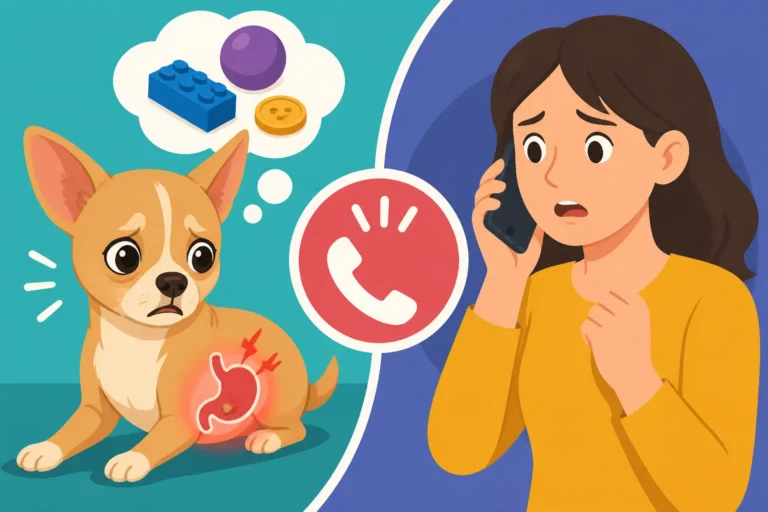
- Small Toys and Kids' Items: Lego bricks, small doll parts, marbles, bouncy balls, and even tiny toy cars can easily be swallowed by a Chihuahua. If you have children, teach them the importance of picking up their small toys. A dog-proof toy box can be a lifesaver.
- Buttons, Pennies, and Jewelry: Dropped coins (especially pennies, which contain zinc that can cause red blood cell damage), buttons, earrings, and other small pieces of jewelry are all ingestion risks. Not only can they cause choking or blockages, but some metals can be toxic.
- Hair Ties and Rubber Bands: These are incredibly appealing for some Chihuahuas to chew on and swallow, potentially causing intestinal blockages. Keep them off counters and out of reach.
- Dental Floss and String: While seemingly innocuous, ingesting string or dental floss can be incredibly dangerous. It can act like a saw as the intestines contract, leading to severe, life-threatening cuts and perforations. Never let your Chihuahua play with string, ribbon, or floss.
- Batteries: Whether a button battery from a watch or a larger AA/AAA battery, ingestion can cause chemical burns to the esophagus and stomach, or heavy metal poisoning.
- Plastic Bags and Wrappings: While not usually toxic, plastic bags, cling wrap, and snack baggies can pose a suffocation risk if a Chihuahua's head gets stuck inside. They can also cause blockages if swallowed.
Emergency Preparedness: When Accidents Happen
Despite our best efforts, accidents can and do happen. For a Chihuahua, time is often of the essence when it comes to poisoning or accidental ingestion. Being prepared can make a critical difference in the outcome. Knowing what to look for and what steps to take can quite literally save your dog's life.
Recognizing Poisoning Symptoms
The signs of poisoning in a Chihuahua can vary widely depending on the toxin, the amount ingested, and the individual dog. However, some common symptoms should always trigger an immediate call to your veterinarian.
- Gastrointestinal Issues: Vomiting, diarrhea (which may contain blood), excessive drooling, loss of appetite, abdominal pain, or bloating. Given their small size, any significant vomiting or diarrhea can quickly lead to Emergency Costs When a Chihuahua Goes Hypoglycemic and severe dehydration.
- Neurological Signs: Tremors, seizures, disorientation, weakness, stumbling, hyperactivity, lethargy, dilated pupils, or unusual behavior (e.g., aggression, extreme fear).
- Respiratory Problems: Difficulty breathing, excessive coughing, sneezing, or changes in breath sounds.
- Cardiac Symptoms: Changes in heart rate (too fast or too slow), irregular heartbeat, or collapse.
- Other General Signs: Excessive thirst or urination, changes in gum color (pale, blue, or bright red), swelling, skin irritation, or a sudden change in body temperature.
- Evidence of Ingestion: If you find chewed packaging, an open container, or discover remnants of a toxic substance, even if your Chihuahua isn't showing immediate symptoms, it's crucial to seek veterinary advice. The First Call After a Chihuahua Swallows Something should be to your vet or an emergency animal hospital.
Basic First Aid for Ingestion
It's tempting to try and help your dog yourself, but with poisoning, often the best first aid is to immediately call for professional help. However, there are a few things you can do while on the phone or on your way to the vet.
- Gather Information: If possible, identify what your Chihuahua ate or was exposed to, how much, and when. Bring the packaging, plant sample, or remaining substance with you to the vet. This information is invaluable for proper diagnosis and treatment.
- Do NOT Induce Vomiting Without Veterinary Advice: This is critical. For some toxins (like corrosives or petroleum products), inducing vomiting can cause more harm. For others, it might be too late, or your Chihuahua might be too weak. Only induce vomiting if specifically instructed by a veterinarian or a pet poison control center. If they tell you to, they will usually guide you on how much hydrogen peroxide to give (often a very small, precise amount for a Chihuahua).
- Rinse Mouth/Skin: If your Chihuahua has ingested a caustic substance or gotten something on their fur, carefully rinse their mouth or wash the affected skin with plenty of cool water. Be very careful not to let them inhale water or ingest more of the substance.
- Keep Your Chihuahua Warm and Calm: If they are in shock or very weak, wrap them in a blanket. Speak in a calm, reassuring voice.
Contacting Your Veterinarian or Poison Control
This cannot be stressed enough: act immediately. Do not wait to see if symptoms develop or worsen. Your regular veterinarian or an emergency animal hospital should be your first call.
- Your Primary Vet: Call them first. They know your Chihuahua's history and can often advise you quickly, or tell you to come in immediately.
- Emergency Veterinary Clinic: If it's after hours or your vet is unavailable, locate your nearest 24-hour emergency veterinary clinic and head there immediately. Call them on the way so they can be prepared for your arrival.
- Pet Poison Control Hotlines: Services like the ASPCA Animal Poison Control Center or the Pet Poison Helpline are invaluable resources. They have extensive databases on pet toxins and can provide immediate, expert advice, often consulting directly with your veterinarian. Be aware that these services usually charge a consultation fee, but it's a small price to pay for potentially life-saving information. Keep their numbers saved in your phone and posted visibly in your home.
Proactive Prevention: Chihuahua-Proofing Your World
The best defense against accidental poisoning or injury is prevention. Taking the time to Chihuahua-proof your home and yard significantly reduces the risks and provides immense peace of mind. It’s about creating an environment where your tiny friend can explore safely, without constant supervision being the only barrier to danger. This is part of the overall philosophy of What Six Pounds Means for Chihuahua Food Safety and Senior Chihuahua Care Past the Age of Twelve, ensuring their long-term well-being.
Secure Storage and Containment
Think like a Chihuahua. If it's within reach, they might try to get into it. Low cabinets, shelves, and unsecured trash cans are prime targets for their curious noses.
- Child-Proof Locks: Install child-proof locks on all lower cabinets, especially those under sinks, in pantries, and in laundry rooms, where cleaning supplies, chemicals, and potentially toxic foods are stored. You can find these easily on Amazon or at any hardware store.
- High Shelves and Secure Bins: Store all medications, supplements, and toxic chemicals on high shelves or in securely latched containers. Kitchen pantry items like flour, sugar, and baking supplies should be in sturdy containers that a Chihuahua can't chew through or knock over.
- Trash Cans with Lids: Invest in trash cans with secure, tight-fitting lids that your Chihuahua cannot knock over or open. This prevents access to discarded food, plastic wrappers, and other potentially dangerous waste.
- Pet-Specific Storage: Dedicate a secure cupboard or area for your Chihuahua's own food, treats, and toys. This ensures they only have access to items specifically meant for them. Companies like Ollie, with their portioned, fresh food, often come in sturdy packaging that naturally limits access.
Education and Awareness for the Whole Family
Everyone in the household, including children and guests, needs to be aware of the unique vulnerabilities of a Chihuahua. A simple spilled drink or dropped pill can have serious consequences.
- Communicate Risks: Clearly communicate the dangers of leaving food, medication, or small objects within your Chihuahua's reach. Explain why certain foods are toxic, rather than just saying "no."
- Establish Rules for Guests: Politely inform guests about your Chihuahua's safety rules, especially concerning feeding table scraps or leaving personal items (like handbags, which often contain medications or gum) on the floor.
- Teach Children: If you have children, teach them about sharing space safely with their Chihuahua. This includes picking up small toys, not leaving food unattended, and understanding that some human foods are dangerous for dogs. Emphasize that the Chihuahua's tiny size makes them extra vulnerable.
- Regular Home Safety Checks: Periodically walk through your home and yard from a Chihuahua's perspective. Get down on their level and look for anything that could be a potential hazard – loose wires, accessible outlets, tiny dropped items, or low-hanging plants.
Safe Outdoor Practices
Enjoying the outdoors safely with your Chihuahua requires vigilance and proactive management.
- Leash Walking: Always keep your Chihuahua on a leash when outdoors, especially in unfenced areas. This prevents them from running into traffic, encountering aggressive animals, or ingesting something dangerous off the ground. A good harness that doesn't put pressure on their delicate neck is key; you can find many options on Chewy that are specifically designed for toy breeds.
- Fenced Yard Security: If you have a fenced yard, regularly check for gaps, holes, or weak spots where a determined Chihuahua might escape or encounter outside dangers. Ensure your fence is high enough to prevent other animals from entering.
- Supervised Garden Time: Never leave your Chihuahua unsupervised in the garden, even if it's fenced. Watch them closely to prevent them from digging up bulbs, chewing on plants, or investigating wild mushrooms.
- Research Plants: Before planting anything new, do your research to ensure it's not toxic to pets. If you already have toxic plants, consider removing them or fencing them off completely.
| Category | Common Hazards (Chihuahua Risk) | Potential Effects | Prevention Strategy |
|---|---|---|---|
| Kitchen Foods | Xylitol (sugar-free gum, peanut butter), Chocolate, Grapes, Onions, Garlic | Hypoglycemia, liver failure, heart problems, kidney failure, anemia | Check labels meticulously, secure all human food in high/locked cabinets, use pet-safe alternatives |
| Cleaning Prods. | Bleach, Floor Cleaners, Drain Cleaners, Pest Baits | Chemical burns, internal organ damage, neurological issues, respiratory distress | Store in locked cabinets, use pet-safe products, ensure surfaces are dry before pet access |
| Garden Plants | Lilies, Sago Palm, Azaleas, Tulips (bulbs), Wild Mushrooms | Kidney failure, liver damage, heart problems, severe GI upset, neurological signs | Research all plants, remove toxic ones or fence off, immediately remove wild mushrooms, supervise outdoors |
| Garden Chem. | Slug bait (metaldehdye), Fertilizers, Pesticides, Herbicides | Seizures, muscle tremors, GI upset, chemical burns | Use pet-safe options, keep pets off treated areas (follow label times), store securely |
| Medications | Human painkillers, antidepressants, cold meds, pet meds (wrong dose) | Liver/kidney damage, neurological signs, internal bleeding, cardiac issues | Store all meds in secure, child/pet-proof containers, clean up dropped pills immediately, never self-medicate pet |
| Small Objects | Batteries, hair ties, coins, small toys, string, dental floss | Choking, intestinal obstruction, chemical burns, heavy metal poisoning | Clear floor of small items, use secure trash cans, supervise play with small toys, teach children to pick up items |
The world can be a big, sometimes scary place for our little Chihuahuas. By understanding the specific risks they face and implementing proactive safety measures, we can ensure they live long, happy, and healthy lives, full of joy and free from avoidable dangers.
Disclaimer
This article is for general informational purposes only and does not constitute professional advice. Laws, prices and regulations vary by location and change over time. Consult a qualified professional for guidance on your specific situation.