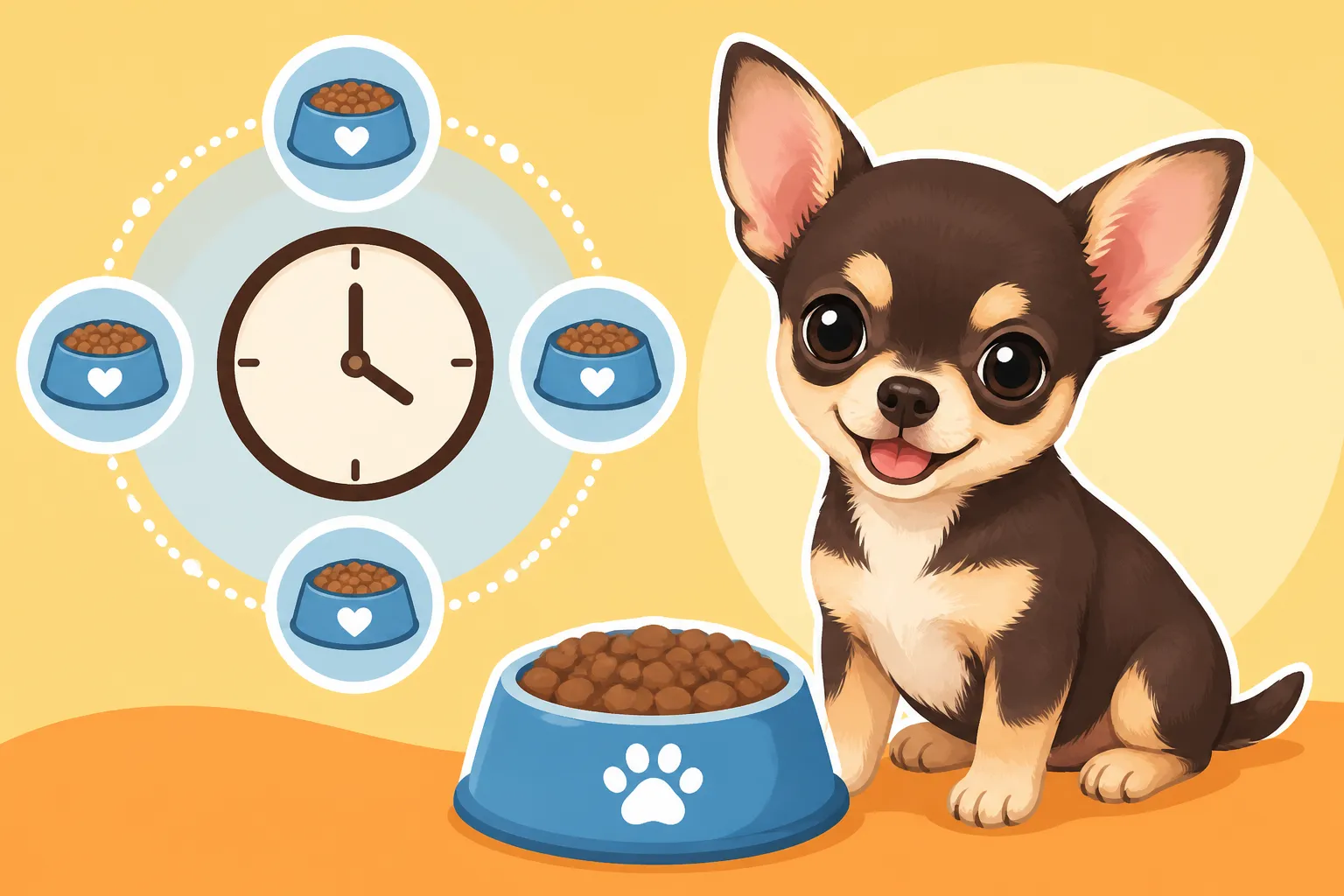
Feeding a Chihuahua Puppy Every Few Hours
Bringing home a tiny Chihuahua puppy is an absolute joy, but it often comes with a significant underlying worry: how to keep such a small, fragile creature healthy, especially when it comes to feeding. Many new owners, and even experienced ones, can feel overwhelmed by the sheer tininess of these puppies and the constant fear of them becoming too weak. This guide is here to walk you through the crucial steps of feeding your Chihuahua puppy every few hours to prevent dangerous blood sugar drops and ensure they thrive in their earliest, most vulnerable weeks.
The Unique Metabolic Needs of a Chihuahua Puppy
It's easy to look at a Chihuahua puppy, barely bigger than a teacup, and marvel at its miniature perfection. What's harder to grasp, however, are the intense metabolic demands of such a tiny body. These aren't just small dogs; they're small dogs with a disproportionately high surface-area-to-volume ratio, which means they lose heat quickly and burn through energy at an astonishing rate. Their internal systems are still developing, and they lack the energy reserves of larger breed puppies. This physiological reality is why a consistent feeding schedule isn't just a recommendation for Chihuahuas, it's a lifeline.
Why Their Tiny Bodies Burn Through Energy So Fast
Think of a Chihuahua puppy's body like a miniature, high-performance engine. It's constantly working hard to maintain body temperature, grow, play, and explore, all on a very limited fuel tank. Unlike larger puppies who have more fat reserves and larger organs capable of storing and regulating glucose, a Chihuahua puppy's liver is still immature and less efficient at producing glucose (sugar) from other sources or storing it as glycogen. This means they rely almost entirely on a steady, external supply of sugar from their food. If that supply runs out, their system quickly goes into distress.
This rapid energy expenditure isn't just about growth. Even simple activities like a short burst of zoomies, a sudden chill, or a stressful new environment can dramatically deplete their blood sugar levels. Their tiny stomachs also mean they can't eat a large volume of food at once, further emphasizing the need for frequent refueling. It’s a delicate balance, and understanding this biological reality helps us appreciate why their feeding schedule is so critical.
Understanding Hypoglycemia in Miniature Breeds
Hypoglycemia, or critically low blood sugar, is a terrifying reality for many Chihuahua puppy owners. It's not just a mild dip; it can rapidly escalate into a life-threatening emergency if not addressed immediately. When a Chihuahua puppy's blood sugar drops, their brain, which relies heavily on glucose for fuel, starts to malfunction. You might notice your energetic little companion suddenly becoming lethargic, stumbling, or even collapsing. This isn't just "being tired"; it's a sign that their body is in crisis.
The insidious part about Chihuahua Hypoglycemia and the Puppy Emergency is how quickly it can strike, often without much warning if you're not vigilant. A skipped meal, a prolonged period of play, or even a stressful vet visit can trigger it. It's a condition that disproportionately affects toy breeds, especially Chihuahuas, and it's why every new owner needs to be acutely aware of the symptoms and prepared to act. Preventing it through consistent feeding is always better than reacting to an emergency. You can learn more about Why a Chihuahua Runs Out of Blood Sugar So Fast in our detailed guide.
Establishing a Puppy Feeding Schedule: The First Few Weeks
The first few weeks with a Chihuahua puppy are often a blur of excitement, sleepless nights, and constant worry. When it comes to feeding, establishing a rigid, frequent schedule is perhaps the most important thing you can do for their survival and health. This isn't just about offering food; it's about proactively managing their energy levels to prevent the dreaded blood sugar crashes. Consistency is truly your best friend during this fragile period.
The Critical 'Every Two to Four Hours' Rule
For Chihuahua puppies, especially those under three or four months old, the "every two to four hours" rule is non-negotiable. This means literally setting a timer if you have to, even through the night. I know it sounds intense, and it absolutely is, but it's what these tiny babies need. Their small size dictates a rapid metabolism and minuscule glycogen reserves, making them highly susceptible to hypoglycemia if their blood sugar isn't topped up regularly. Missing even one meal can set them on a dangerous path.
During the day, plan for meals every 2-3 hours. If your puppy is particularly active, or very small (under 3 lbs), lean towards the shorter end of that spectrum. At night, you might be able to stretch it to 3-4 hours as their activity level decreases, but do not go longer. Some puppies will even need a small meal in the middle of the night. This isn't about letting them tell you when they're hungry, it's about ensuring their blood sugar never dips low enough for them to feel the effects of hunger. Think of it as preventative medicine. We cover How Often a Chihuahua Puppy Must Eat in more detail if you're curious.
Gradual Transitions and Monitoring Their Energy
As your Chihuahua puppy grows, typically past 12-16 weeks, you can gradually start to extend the time between meals. This isn't a sudden leap from every two hours to three meals a day. It's a slow, watchful process. For example, you might try adding an extra 30 minutes between two meals and closely observe your puppy for any signs of lethargy, trembling, or unusual behavior. If they seem perfectly fine, you can continue this gradual extension. If you notice any Trembling and Weakness in a Chihuahua Puppy, it’s a sign to revert to more frequent feeding.
The key here is monitoring their energy levels and overall demeanor. A healthy Chihuahua puppy should be bright, active, and playful between meals. If they start to seem listless or "off" before their next scheduled feeding, it's a clear signal that they're still not ready for longer stretches. Always err on the side of caution. Over time, usually by 4-6 months, most Chihuahuas can transition to three meals a day, but some might do better with four smaller meals well into adolescence. This is a journey, not a sprint, and your puppy's individual needs should always guide your decision. Our guide on Four Meals a Day for a Chihuahua Puppy offers a deeper dive into this transition.
| Puppy Age | Recommended Feeding Frequency | Key Considerations |
|---|---|---|
| 8-12 Weeks | Every 2-3 hours (day & night) | Highest risk of hypoglycemia. Monitor constantly. Small, frequent meals are crucial. |
| 12-16 Weeks | Every 3-4 hours (day), 4-5 hours (night) | Can gradually extend, but stay vigilant. Watch for signs of low energy or trembling before next meal. |
| 4-6 Months | 3-4 meals per day | Most can transition to 3 meals. Some tiny individuals may still benefit from 4. |
| 6-12 Months | 2-3 meals per day | Transitioning to adult feeding frequency. Monitor weight and energy. |
| Signs of Hypoglycemia | Lethargy, disorientation, trembling, weakness, stumbling, seizures, loss of consciousness | Always have glucose gel/syrup on hand and know how to administer it. Seek vet care immediately if severe. |
Choosing the Right Food and Portions for Your Chihuahua Puppy
Selecting the right food for your Chihuahua puppy isn't just about brand name recognition; it's about finding a formula that meets their very specific nutritional requirements and comes in a format they can actually eat. Their tiny mouths and rapid growth demand nutrient-dense, easily digestible options. Once you've chosen a food, precision in portioning is paramount to both prevent hypoglycemia and avoid overfeeding, which can lead to other health issues down the line.
Selecting a High-Quality Puppy Formula
When you're standing in the pet store aisle, or browsing online on platforms like Chewy, the sheer number of puppy food options can be daunting. For a Chihuahua puppy, you need to look for a high-quality food specifically formulated for small breed puppies. These formulas are typically more calorie-dense, providing the energy they need in smaller quantities, and often contain smaller kibble sizes that are easier for their tiny jaws to manage. Brands that focus on high-quality protein sources, balanced fats, and essential vitamins and minerals are key.
Avoid foods with excessive fillers, artificial colors, or by-products as the primary ingredients. Look for ingredients like real meat (chicken, lamb, beef) as the first item on the list. Some owners also opt for fresh food delivery services, such as Ollie, which can provide precisely portioned, human-grade meals tailored to your puppy's age and weight. Whatever you choose, ensure it's reputable and designed to support the intense growth phase of a small breed. If your puppy struggles with kibble size, you might consider softening it with warm water for a few minutes before serving, as discussed in our article, Kibble Small Enough for a Chihuahua Mouth.
Measuring Accurately to Avoid Over or Underfeeding
This is where many owners unintentionally go wrong. "A little scoop" for a tiny Chihuahua puppy can be a huge percentage of their daily caloric intake. Overfeeding can lead to rapid, unhealthy weight gain, putting stress on developing joints. Underfeeding, especially in a breed prone to hypoglycemia, is far more dangerous and can quickly lead to emergency situations. Therefore, precision is absolutely critical. Do not rely on measuring cups that are designed for larger dog breeds; a quarter cup might be too much or too little depending on the kibble density.
Instead, invest in a small digital kitchen scale, easily found on Amazon or at local kitchen stores. Weighing your puppy's food to the gram or ounce ensures you are providing the exact amount recommended by the food manufacturer or your veterinarian. Remember, the feeding guidelines on the bag are just a starting point; your vet can help you adjust based on your puppy's activity level and growth rate. It’s also important to remember that these are tiny portions, and sometimes just a few extra kibbles can make a difference. Our article, Weighing Chihuahua Food on a Kitchen Scale, delves deeper into this essential practice.
Recognizing the Signs of a Hunger Emergency
Despite your best efforts with frequent feeding, sometimes a Chihuahua puppy can still experience a blood sugar crash. Recognizing the early warning signs is paramount, as quick intervention can prevent a life-threatening situation. Being prepared means knowing what to look for and having immediate solutions at your fingertips. This isn't about inducing panic, but empowering you with knowledge and tools.
Early Indicators of Low Blood Sugar
A Chihuahua puppy experiencing early hypoglycemia will often show subtle changes before more dramatic symptoms appear. The first thing you might notice is a sudden drop in energy. Your playful, bouncy puppy might become unusually quiet, withdrawn, or unwilling to engage. They might start to appear a bit confused or disoriented, perhaps staring blankly or struggling with simple tasks like walking in a straight line. Trembling or shivering, even when they aren't cold, is another classic early sign of Chihuahua Hypoglycemia Signs in a Young Puppy.
Other indicators can include weakness in their legs, causing them to stumble or walk with a strange, uncoordinated gait. Their gums might become pale or their breathing might seem shallow. If you notice any of these signs, don't wait. Time is of the essence. It's much easier to correct a mild dip in blood sugar than a full-blown crisis. Trust your gut feeling; if something feels "off" with your puppy, it's worth investigating immediately. Also, keep an eye on their body temperature; Low Body Temperature in a Chihuahua Puppy can often coincide with low blood sugar.
Immediate Steps to Take When Your Puppy Crashes
If you suspect your Chihuahua puppy's blood sugar is dropping, you need to act fast. The absolute first step is to administer a source of fast-acting sugar. This could be corn syrup, maple syrup, honey, or a glucose gel specifically designed for pets. You don't need a lot—just a pea-sized dab rubbed directly onto their gums. The sugar is absorbed quickly through the mucous membranes into their bloodstream. Even if they're not fully conscious, this method can work. If they are able to swallow, a small amount of diluted syrup (half water, half syrup) can also be offered slowly. Our guide on Rubbing Syrup on a Chihuahua Puppy's Gums provides more detail.
After administering sugar, offer a small meal of their regular puppy food, perhaps softened with warm water, as soon as they show signs of improvement and are able to eat. This will provide a more sustained release of glucose. Even if they seem to recover quickly, contact your veterinarian. A hypoglycemic episode indicates an underlying issue that needs to be investigated, whether it's an insufficient feeding schedule, an infection, or another health concern. Always be prepared with an emergency sugar source.
Tools and Techniques for Consistent Puppy Feeding
Successful feeding of a Chihuahua puppy is as much about discipline and routine as it is about the food itself. With such tiny creatures, every detail matters. Having the right tools and establishing a calm, consistent feeding environment can make all the difference in preventing issues and fostering a happy, healthy eating habit.
The Importance of Accurate Weighing and Timers
We've already touched on the digital kitchen scale for food, but it's worth reiterating its critical role. Eyeballing amounts for a Chihuahua puppy is simply too risky. A small deviation can mean they're either not getting enough calories or are being overfed, both of which can lead to health problems. A scale that measures in grams or even 1/8th ounce increments is ideal. Place their feeding bowl on the scale, zero it out, and then add their kibble until you hit the precise amount. This ensures consistency meal after meal.
Equally important are timers. Whether it's the timer on your phone, a kitchen timer, or even a smart home device, use it religiously to remind you of every feeding. Especially during those intense first few weeks, when sleep is minimal and days blend together, a timer can be a lifesaver for ensuring you stick to that crucial every 2-4 hour schedule. Don't rely on memory; set those alarms! Having a detailed schedule written down can also help, listing the time and amount for each meal.
Making Mealtime a Positive, Predictable Experience
Beyond the mechanics of feeding, consider the environment. For such a small dog, the world can feel overwhelming. Mealtime should be a calm, predictable, and positive experience. Choose a quiet spot where your puppy won't be disturbed by other pets, loud noises, or busy foot traffic. Use a small, shallow bowl that's easy for them to access without stretching or straining their neck. Elevating the bowl slightly can also be beneficial for some, but ensure it's not so high that they're uncomfortable.
Establishing a routine around feeding helps your puppy feel secure and understand what to expect. Feed them at the same times in the same location. This predictability can reduce anxiety and encourage them to eat. Avoid forcing them to eat or making mealtime a stressful event. If your puppy seems hesitant to eat, try warming a little wet food, or mixing in a bit of canned pumpkin (make sure it's plain, not pie filling) to make it more enticing. Remember, a happy eater is a healthy eater, and a calm routine contributes significantly to their overall well-being.
Disclaimer
This article is for general informational purposes only and does not constitute professional advice. Laws, prices and regulations vary by location and change over time. Consult a qualified professional for guidance on your specific situation.