Syringe Feeding a Chihuahua That Will Not Eat
It’s absolutely heartbreaking to watch your tiny Chihuahua refuse to eat. One minute they’re their usual, enthusiastic selves, sniffing out every crumb, and the next, they’re turning their nose up at even their favorite treat, looking lethargic and distant. This can quickly spiral into panic, especially with such a small breed where a few missed meals can rapidly become a serious health crisis due to their fast metabolism and low body fat. This guide will walk you through the essential steps and compassionate techniques for syringe feeding your Chihuahua when they're not eating on their own, offering practical advice to help them get the nutrition they need and when it's time to involve your veterinarian.
Understanding Why Your Chihuahua Isn't Eating
Before you even think about syringe feeding, it’s crucial to understand that a Chihuahua refusing food is always a symptom, not a diagnosis. Your tiny companion isn't being stubborn or dramatic; there's an underlying reason for their lack of appetite, and identifying it (or having your vet identify it) is paramount. Syringe feeding is a temporary measure to keep them stable while the root cause is addressed.
The Hidden Health Concerns
Chihuahuas are known for being robust little dogs, but their small size makes them particularly vulnerable to certain health issues that can quickly impact their appetite and energy levels. One of the most common and urgent concerns, especially in puppies or very frail adults, is Chihuahua Hypoglycemia and the Puppy Emergency. Their small bodies simply don't have large glycogen reserves, meaning their blood sugar can drop dangerously low if they don't eat regularly. A Chihuahua experiencing hypoglycemia might become weak, disoriented, or even seize, and losing their appetite is often an early warning sign. You might also notice trembling or a general lack of coordination. This is why understanding Why a Chihuahua Runs Out of Blood Sugar So Fast is so critical for their owners.
Beyond blood sugar, pain can be a huge appetite suppressant. Think about how you feel when you’re not well – the last thing you want is a big meal. For Chihuahuas, dental pain is incredibly prevalent. Their tiny mouths are often crowded, leading to Chihuahua Dental Disease in a Crowded Small Jaw even at a young age. A loose, infected, or broken tooth can make eating kibble or even soft food incredibly painful. Imagine trying to chew with a toothache; it’s no wonder they might refuse food. Other sources of pain could be joint issues like patellar luxation, or even internal discomfort from gastrointestinal upset.
As Chihuahuas age, other health problems can also cause a decrease in appetite. Chihuahua Heart Disease as the Breed Ages, for example, can lead to fluid buildup and general malaise, making eating difficult. Kidney disease, liver issues, or even certain medications can also suppress a Chihuahua's desire to eat. It’s also worth considering if your senior Chihuahua has Cognitive Decline in an Aging Chihuahua, which can sometimes manifest as changes in routine, including feeding habits.
Environmental and Emotional Factors
Sometimes, the reason a Chihuahua isn't eating isn't purely medical, though stress can certainly exacerbate medical conditions. Chihuahuas are sensitive souls. A change in routine, a new environment, or even something as simple as a different food bowl can throw them off. If you’ve recently moved, brought a new pet home, or even rearranged the furniture, your Chihuahua might be feeling anxious or stressed. These little dogs often bond intensely with one person, and if that person is absent or their routine is disrupted, it can manifest as a loss of appetite. Loud noises, unfamiliar smells, or even an overly boisterous environment can make a Chihuahua feel unsafe, leading them to refuse food. They might hide, tremble, or act withdrawn. It’s important to create a calm, quiet, and predictable feeding environment for them, especially when they're feeling vulnerable.
Gathering Your Syringe Feeding Essentials
Once you’ve consulted with your vet (or are on your way to do so) and have determined that syringe feeding is a necessary temporary measure, having the right tools ready makes the process much smoother and less stressful for both you and your Chihuahua. Being prepared helps you stay calm, which in turn helps keep your little one calm.
The Right Syringes
You’ll need several oral dosing syringes, often referred to as "slip tip" syringes, without needles, of course. For a Chihuahua, smaller sizes are typically best. A 1mL or 3mL syringe is usually ideal for small, controlled amounts, especially if you’re dealing with a very tiny puppy or a Chihuahua that’s prone to choking. You might also find a 5mL or 10mL syringe useful for drawing up the food, even if you dispense with a smaller one. Your vet clinic can often provide these, or you can find them readily available online at places like Chewy or Amazon. Look for packages of multiple syringes, as you'll want clean ones for each feeding session or be prepared to thoroughly wash and sanitize them.
Appropriate Food Choices
This is where your vet's advice is gold. They might recommend specific veterinary recovery diets, which are often highly caloric, easily digestible, and designed to be palatable even to sick animals. These usually come in a pâté or very smooth consistency that can be easily mixed with water to a syringe-friendly consistency. If a specific recovery diet isn't available or suitable, your vet might suggest blending high-quality wet dog food until it's smooth. Brands like Ollie, known for their gently cooked, human-grade ingredients, might be recommended by your vet as a highly palatable option once blended to a suitable consistency, especially if your Chihuahua just needs encouragement to eat. Always discuss any homemade options, such as plain, low-sodium chicken broth or pureed baby food (without onion or garlic powder), with your vet first to ensure it meets their nutritional needs and won't exacerbate any underlying conditions, like Pancreatitis in a Chihuahua After Rich Food. The goal is nutrient density in a small volume.
Other Helpful Items
- Towels: Keep a soft, clean towel handy. Your Chihuahua might get a bit messy, and the towel can also provide a comforting, non-slip surface for them to rest on during feeding.
- Warm Water: Have warm (not hot!) water ready to mix with food, helping to create a smoother consistency for the syringe and making it more appealing. Warming food slightly can also enhance its aroma and palatability.
- Kitchen Scale: Especially if your vet has given you precise caloric targets, a small kitchen scale can be invaluable for accurately portioning out the food. Remember, for a Chihuahua, every gram matters when you're working with Feeding a Chihuahua on Two Hundred Calories a Day.
- Quiet Space: Choose a calm, quiet area where you and your Chihuahua won't be disturbed. This minimizes stress for both of you.
The Gentle Art of Syringe Feeding
Syringe feeding a Chihuahua requires patience, gentleness, and a calm demeanor. Your goal isn't just to get food into them, but to do so in a way that minimizes their stress and potential aversion to the process. This isn't a race; it's a careful, compassionate effort to provide vital nourishment.
Preparation is Key
First, prepare the food. Mix your chosen food with warm water (or low-sodium broth, if vet-approved) until it reaches a consistency thin enough to be drawn into the syringe but still thick enough to deliver adequate calories. It should be like a thick soup or a smoothie, free of lumps that could clog the syringe or cause choking. Draw the mixture into your syringe, making sure there are no large air bubbles.
Next, get yourself and your Chihuahua ready. Sit in a comfortable, quiet spot. Place a towel on your lap or on a table where you’ll hold your dog. Gently pick up your Chihuahua and hold them securely but comfortably, ideally in an upright or slightly reclined position, as if they were sitting. You want their head slightly elevated but not forced back, as this can make swallowing difficult. Speak to them in a soft, soothing voice. Your calm energy will help them relax. Avoid making the process feel like a struggle. If your Chihuahua is fighting you vigorously, take a break and try again later, or re-evaluate your technique or their comfort.
The Feeding Process
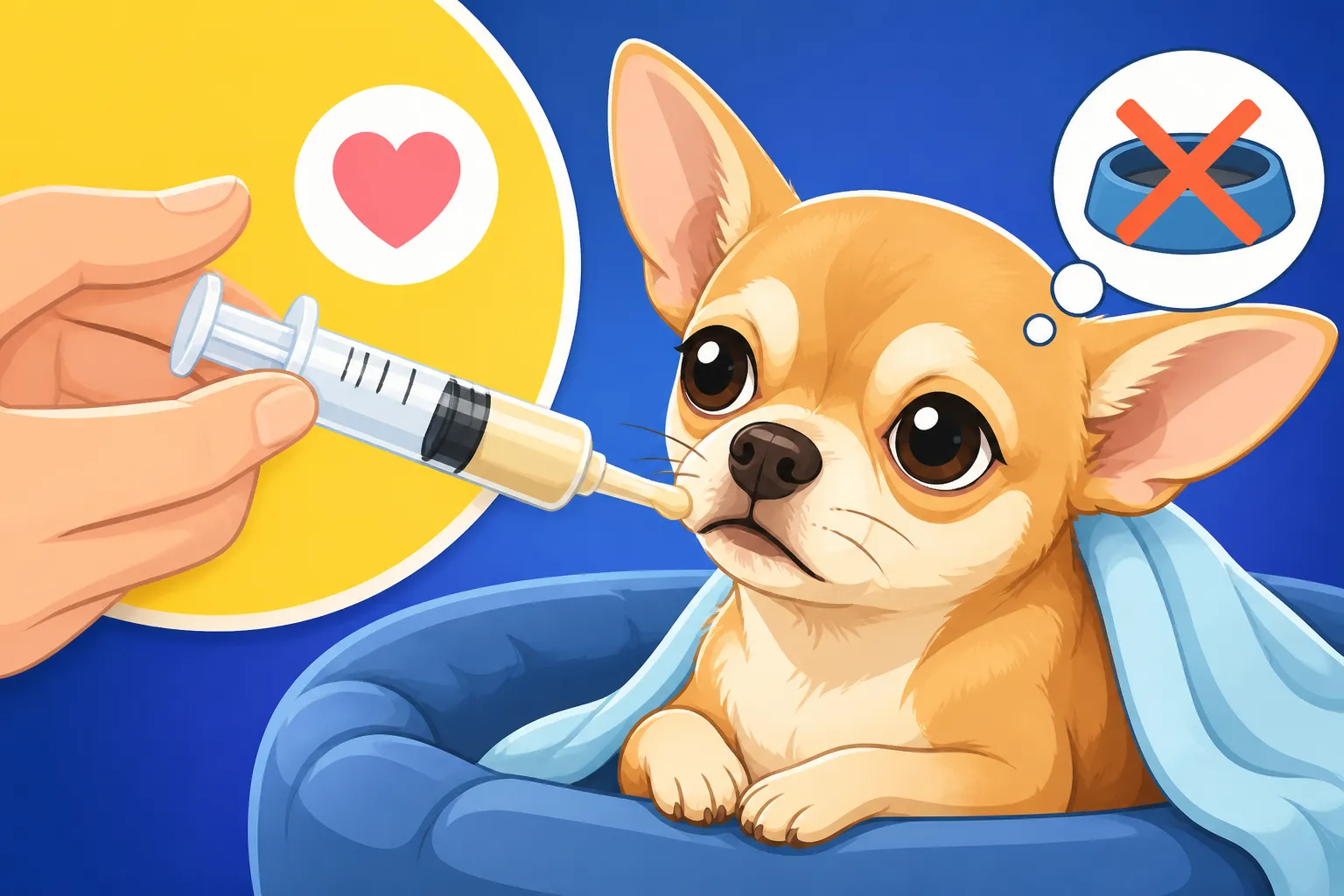
When you're ready to begin, insert the tip of the syringe into the side of your Chihuahua’s mouth, gently sliding it behind their canine teeth and aiming towards the back of their tongue, but not so far back that it triggers a gag reflex. You're aiming for the cheek pouch area, not directly down their throat.
Now, here’s the crucial part: dispense the food very slowly and in tiny increments. We're talking pea-sized amounts at a time. A Chihuahua’s tiny throat and propensity to choke mean you absolutely cannot rush this. After each small squirt, pause. Allow them time to swallow. You might gently stroke their throat to encourage swallowing. Watch for signs of swallowing – their tongue might move, or you’ll see a slight gulp. If they cough, stop immediately, let them clear their airway, and wait a moment before trying again with an even smaller amount.
It’s often helpful to offer a few drops of plain water from a separate syringe between food increments, especially if the food is thick, to help them clear their mouth and encourage swallowing. Keep the sessions short – perhaps 5 to 10 minutes at a time. It’s better to do several small, stress-free feedings throughout the day than one long, traumatic one. Aim for frequent, small meals. You might be feeding every 2-4 hours, depending on their condition and your vet’s advice, similar to how you would approach How Often a Chihuahua Puppy Must Eat.
After feeding, gently wipe their mouth clean with a soft cloth. Offer praise and cuddles to end the experience on a positive note. Remember, consistency and patience are your best friends here.
Syringe Feeding Checklist & Tips
| Do This | Avoid This |
|---|---|
| Consult your vet first | Force-feed or rush the process |
| Use veterinary recovery diets or vet-approved food | Use food that is too thick or lumpy |
| Aim syringe to the side of the mouth | Aim syringe directly down the throat |
| Dispense very small amounts slowly | Squirt large amounts at once |
| Allow time for swallowing between increments | Administer more food if they are still chewing/swallowing |
| Keep sessions short and frequent | Attempt one long, exhaustive feeding session |
| Maintain a calm and soothing demeanor | Get frustrated or raise your voice |
| Offer water between food if needed | Forget to clean their mouth afterward |
| Monitor for signs of choking or distress | Ignore coughing or gagging |
| Clean syringes thoroughly after each use | Reuse dirty syringes |
Knowing When to Call the Vet (And What to Feed)
Syringe feeding is a critical supportive measure, but it is not a cure. It's designed to keep your Chihuahua stable and nourished while the underlying issue is being diagnosed and treated. Knowing when to escalate your concerns to your veterinarian is paramount for their safety and recovery.
When to Seek Immediate Veterinary Care
If your Chihuahua is refusing food, you should already be in contact with your vet. However, certain signs warrant immediate, emergency attention:
- Extreme Lethargy or Weakness: If your Chihuahua becomes unresponsive, extremely weak, or can barely stand, this could indicate severe hypoglycemia or another critical condition. This is especially true for puppies or very small adults.
- Vomiting or Diarrhea: If they are also experiencing severe or persistent vomiting or diarrhea, dehydration can set in very quickly in a small dog. Syringe feeding might not be enough to counter fluid loss, and they may need subcutaneous fluids or intravenous hydration.
- Difficulty Breathing: Any signs of labored breathing, excessive panting, or blue-tinged gums are emergencies. These can be related to conditions like Collapsing Trachea and the Chihuahua Honking Cough or heart issues.
- Continued Refusal to Swallow: If your Chihuahua actively resists swallowing or seems unable to swallow, even tiny amounts of thinned food, it could indicate a neurological problem, severe throat pain, or an obstruction.
- No Improvement After 12-24 Hours: If your Chihuahua shows no improvement in appetite or overall condition after a day of syringe feeding, or if their condition worsens despite your best efforts, it's time for another vet visit.
Remember, The Emergency Bills That Reach Chihuahua Owners can be substantial, but acting quickly in these situations can be life-saving. Don't wait until it's too late.
Nutritional Choices and Transitioning Back to Self-Feeding
The type of food you syringe feed should be determined by your vet, but generally, it needs to be highly digestible, calorically dense, and able to be thinned sufficiently. Veterinary recovery diets like Hill's Prescription Diet a/d, Royal Canin Recovery RS, or Purina Pro Plan Veterinary Diets CN Critical Nutrition are formulated for this purpose. If your vet approves, blended high-quality wet food is also an option. For a Chihuahua that has A Chihuahua Missing Half Its Teeth or is completely toothless, like in the case of How a Toothless Chihuahua Eats, even after recovery, soft food will be a permanent staple.
As your Chihuahua starts to feel better, you’ll want to encourage them to eat on their own again. Start by offering small amounts of the syringe-fed food (slightly thicker now) in a shallow dish. You can also try adding a tiny bit of something highly palatable and tempting, like a few drops of low-sodium chicken broth, a tiny bit of cooked chicken, or a small amount of an appealing, gently cooked food like some options from Ollie, to their regular food. Warm the food slightly to enhance its aroma.
Don't be discouraged if they only take a few licks at first. Consistency is key. Offer food frequently in a calm environment. Gradually reduce the frequency of syringe feeding as they start to eat more on their own. This transition might take days, or even a week or two, depending on the severity of their illness and their individual recovery. Celebrate every little step forward – every lick, every nibble – as a victory on their road back to health.
Disclaimer
This article is for general informational purposes only and does not constitute professional advice. Laws, prices and regulations vary by location and change over time. Consult a qualified professional for guidance on your specific situation.