Kidney Disease in a Long-Lived Chihuahua
It’s a tough truth that even our incredibly long-lived Chihuahuas eventually face the challenges of old age. One of the most common and heartbreaking conditions that can emerge in their later years is kidney disease, a silent and progressive illness that can steal away their vitality long before their spirit is ready to give up. This guide aims to walk you through understanding, identifying, and managing kidney disease in your cherished senior Chihuahua, helping you provide the best possible care for their remaining golden years.
Understanding Kidney Disease in Your Long-Lived Chihuahua
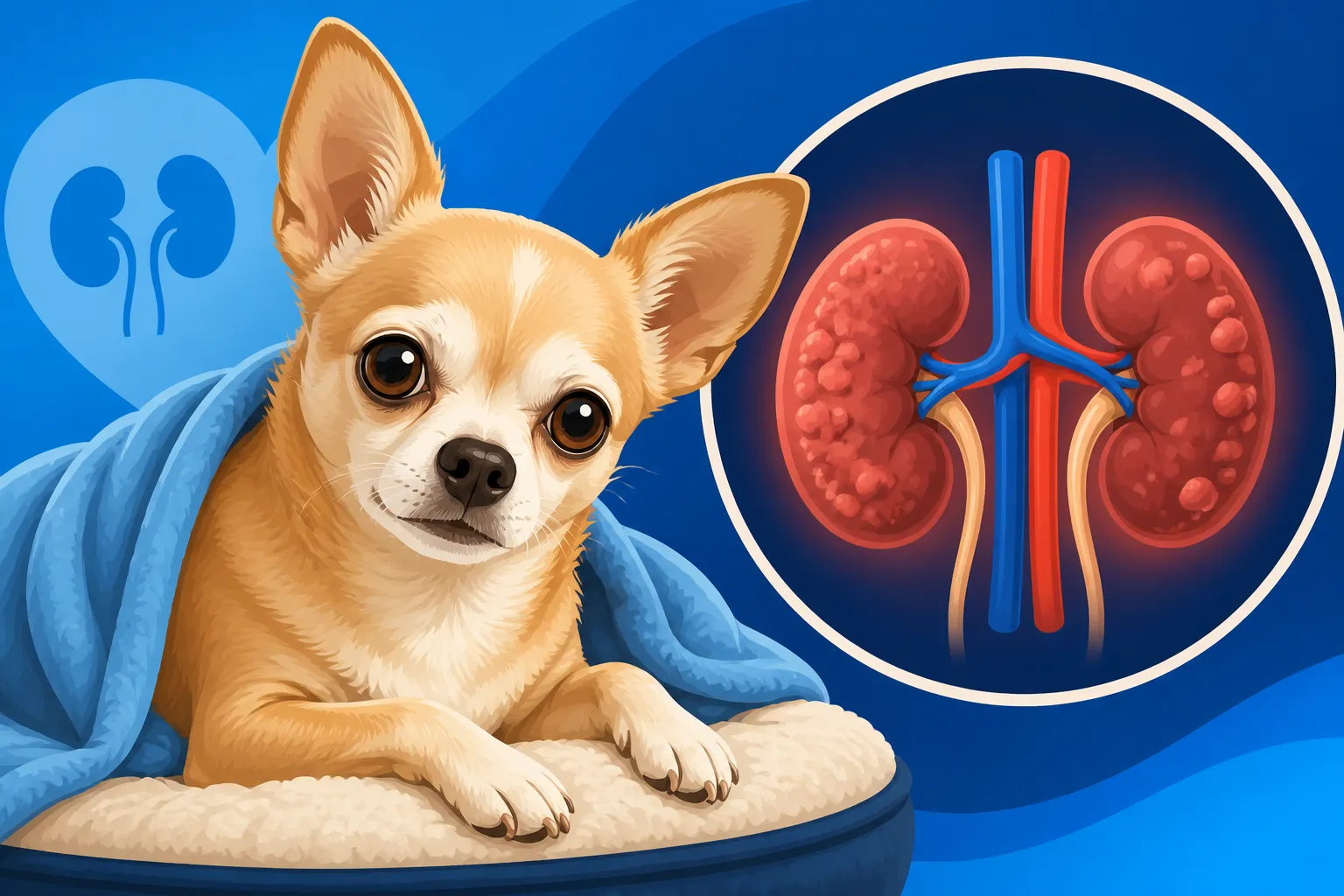
When we talk about kidney disease in Chihuahuas, especially those who have graced us with well over a decade of companionship, we're almost always referring to Chronic Kidney Disease (CKD). This isn't like an acute injury where the kidneys suddenly fail due to a toxin or infection. Instead, CKD is a slow, insidious decline where the kidneys gradually lose their ability to filter waste products from the blood, regulate blood pressure, and produce certain hormones. It’s a progressive condition, meaning it generally gets worse over time, even with the best management.
The kidneys are powerhouse organs, and they have a remarkable reserve capacity. This means that a significant portion of kidney function—sometimes up to 75%—can be lost before your Chihuahua starts showing obvious signs of illness. This makes early detection tricky, but also highlights why routine veterinary check-ups and Bloodwork on a Chihuahua Past Fourteen become absolutely critical as your little one ages. Think of it like a leaky faucet that slowly, imperceptibly gets worse over years, until one day it's a steady stream, and you realize how much water has been wasted. With CKD, it's not water, but the vital filtering capacity of the kidneys.
The Silent Progression of Kidney Damage
Chronic kidney disease doesn't just pop up overnight. It's often the result of years of wear and tear, genetic predispositions, or secondary conditions. While the exact cause can sometimes be hard to pinpoint in older Chihuahuas, common culprits include age-related degeneration, repeated kidney infections that weren't caught early, prolonged exposure to certain medications (like NSAIDs), or even dental disease that sends bacteria into the bloodstream. Yes, that Chihuahua Dental Disease in a Crowded Small Jaw isn't just about bad breath; it can have systemic impacts, including on the kidneys.
The insidious nature of CKD is what makes it so challenging. Your Chihuahua might just seem "a little off" for months, perhaps sleeping more, eating a bit less, or just not having their usual zest. You might attribute it to The Age a Chihuahua Counts as Senior or simply slowing down, which is a perfectly natural assumption. However, beneath that facade, their kidneys might be quietly struggling. Over time, the healthy nephrons (the tiny filtering units in the kidneys) that are still working get overworked trying to compensate for the damaged ones. Eventually, they too succumb to the stress, leading to a noticeable decline.
Common Underlying Causes in Small Breeds
While kidney disease in Chihuahuas often has an unknown origin (idiopathic), there are certain factors more common in smaller breeds that can contribute. These can include congenital abnormalities, though these usually manifest much earlier in life. More relevant for our long-lived companions are conditions that affect blood flow or create chronic inflammation. Things like chronic bladder infections that travel up the ureters to the kidneys, or even certain types of cancer, can silently contribute to kidney damage.
Sometimes, kidney issues can even stem from other major organ systems. For example, severe Chihuahua Heart Disease as the Breed Ages can impact kidney function by reducing blood flow to the kidneys. The body is an intricate system, and a problem in one area can cascade to another. This is why a holistic approach to senior Chihuahua care is so vital, ensuring all systems are regularly checked. It's not just about one issue; it's about how everything works together to support your little dog's overall well-being.
Recognizing the Subtle Signs of Kidney Trouble
Because Chihuahuas are such stoic little creatures, and because kidney disease progresses so gradually, spotting the signs can be incredibly difficult. They might try to hide their discomfort, a survival instinct that makes our job as their caregivers even harder. You need to be a super-sleuth, noticing even tiny deviations from their normal behavior. This is not about paranoia, but about keen observation and understanding what's normal for your dog.
One of the earliest and most common signs you might notice is increased thirst and urination. Your Chihuahua might be asking to go outside more often, or you might find them drinking from their water bowl with unusual frequency. This happens because the damaged kidneys can't concentrate urine effectively, leading to more dilute urine and a need for the body to replace lost fluids. However, if your Chihuahua also has Chihuahua Hypoglycemia and the Puppy Emergency tendencies, increased thirst can sometimes be confused with diabetes, making proper diagnosis essential. It’s easy to dismiss this as “just getting older” or a minor inconvenience, but it's a critical clue.
Key Symptoms to Watch For
Beyond increased thirst and urination, there's a range of other symptoms that can indicate kidney disease. These signs tend to become more pronounced as the disease progresses:
- Changes in Appetite and Weight Loss: Your Chihuahua might become picky about food, eat less, or even refuse meals altogether. This often leads to noticeable weight loss, even on their already tiny frame.
- Lethargy and Weakness: A general lack of energy, reluctance to play or go for walks, and increased sleeping are common. They might seem weaker on their legs or struggle with stairs.
- Nausea and Vomiting: The buildup of toxins that the kidneys can't filter out can make your dog feel sick to their stomach, leading to vomiting.
- Poor Coat Quality: Their usually vibrant coat might become dull, dry, or brittle.
- Bad Breath (Halitosis): A distinct, often metallic or ammonia-like odor from their mouth, known as uremic breath, can be a sign of advanced kidney disease.
- Mouth Ulcers: In severe cases, ulcers can form on the gums or tongue due to toxin buildup.
- Pale Gums: Anemia can be a complication of kidney disease, leading to pale gums.
- Changes in Behavior: They might seem disoriented, restless, or anxious. Sometimes, you’ll just notice a general "not quite right" feeling about them.
It's important to remember that many of these symptoms can overlap with other age-related conditions. This is why a veterinary diagnosis is paramount. Don't self-diagnose based on a checklist; use these observations to prompt a conversation with your vet.
The Diagnostic Process: What Your Vet Will Do
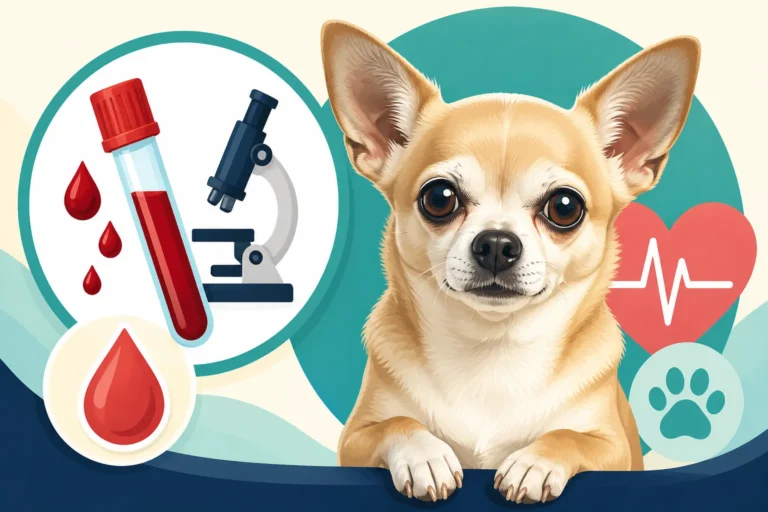
When you bring your senior Chihuahua in with concerns about kidney disease, your veterinarian will start with a thorough physical examination, feeling their kidneys, checking their hydration, and assessing their overall body condition. The crucial next step will be blood and urine tests.
Bloodwork:
- BUN (Blood Urea Nitrogen) and Creatinine: These are the primary markers for kidney function. Elevated levels indicate that the kidneys aren't filtering waste effectively.
- SDMA (Symmetric Dimethylarginine): This is a newer, more sensitive marker that can detect kidney disease much earlier, sometimes when only 25-40% of kidney function is lost, long before BUN and creatinine rise significantly. This early detection is a game-changer for long-lived breeds like Chihuahuas.
- Phosphorus and Calcium: Kidney disease can disrupt the balance of these minerals.
- Red Blood Cell Count: To check for anemia, a common complication.
Urinalysis:
- Urine Specific Gravity (USG): This measures how concentrated your Chihuahua's urine is. Dilute urine (low USG) is a hallmark of kidney disease, as the kidneys lose their ability to conserve water.
- Protein in Urine: The presence of protein in the urine can indicate kidney damage.
- Bacteria/Crystals: To rule out or identify urinary tract infections or Chihuahua Bladder Stones and Diet which can exacerbate kidney issues.
Based on these results, your vet can stage the kidney disease, typically using the International Renal Interest Society (IRIS) guidelines. This staging helps determine the best course of action and provides a clearer prognosis. For example, a dog in IRIS Stage 1 might only need minor dietary adjustments and regular monitoring, while a dog in Stage 3 or 4 will require more aggressive intervention.
It's also worth considering pet insurance like Healthy Paws early in your Chihuahua's life. While they won't cover pre-existing conditions, having a policy in place before a diagnosis like kidney disease can make a substantial difference in affording the ongoing care and specialized treatments your Chihuahua might need.
Managing Kidney Disease: Extending Quality of Life
Receiving a kidney disease diagnosis for your beloved Chihuahua can feel devastating. It’s natural to feel overwhelmed, but remember, a diagnosis is the first step toward effective management. The goal isn't necessarily to "cure" the disease, as chronic kidney disease is typically irreversible, but rather to slow its progression, alleviate symptoms, and maintain your Chihuahua's quality of life for as long as possible. This often involves a multi-faceted approach focusing on diet, medication, and supportive therapies.
The Power of a Kidney-Friendly Diet
Dietary management is perhaps the cornerstone of kidney disease treatment. The right food can significantly impact how your Chihuahua feels and how quickly the disease progresses. The primary goals of a kidney-friendly diet are:
- Reduced Phosphorus: High phosphorus levels can be toxic to damaged kidneys and contribute to disease progression. Kidney diets are formulated with significantly lower phosphorus content.
- Controlled Protein: While protein is essential, too much can produce waste products that stress the kidneys. Kidney diets contain high-quality, easily digestible protein in controlled amounts, just enough to maintain muscle mass without overworking the kidneys.
- Increased Omega-3 Fatty Acids: These can help reduce inflammation in the kidneys.
- Controlled Sodium: To help manage blood pressure, which often goes hand-in-hand with kidney disease.
- Increased B Vitamins: These are often lost in the urine with increased urination.
Your veterinarian will recommend a specific prescription kidney diet, such as those from Royal Canin, Hill's, or Purina Pro Plan Veterinary Diets. It's vital that your Chihuahua eats this special food, and only this special food. No more sneaky table scraps! Given that Feeding a Chihuahua on Two Hundred Calories a Day is already a precise task, carefully measuring their kidney diet portion is crucial. It can be challenging to switch a picky Chihuahua to a new food, so be patient and follow your vet’s advice on transitioning. Sometimes warming the food or adding a tiny bit of low-sodium broth can make it more palatable.
| Dietary Component | Importance in Kidney Disease | Typical Changes in Kidney Diet |
|---|---|---|
| Phosphorus | Toxins kidneys can't remove | Reduced |
| Protein | Waste products, muscle support | Controlled, high-quality |
| Sodium | Blood pressure management | Controlled |
| Omega-3 Fatty Acids | Anti-inflammatory | Increased |
| B Vitamins | Replenish lost nutrients | Increased |
Medications and Supportive Care
Beyond diet, your vet will likely prescribe several medications and therapies to manage symptoms and complications of kidney disease:
- Phosphate Binders: If dietary phosphorus restriction isn't enough, these medications are given with food to bind excess phosphorus in the gut, preventing its absorption.
- Blood Pressure Medication: High blood pressure is common in kidney disease and can further damage the kidneys. Medications like ACE inhibitors (e.g., benazepril) can help.
- Anti-Nausea Medication: To help reduce vomiting and encourage appetite.
- Appetite Stimulants: For Chihuahuas who are refusing to eat, these can be a lifesaver.
- Fluid Therapy: Subcutaneous (under the skin) fluids can be given at home to help rehydrate your Chihuahua and flush out toxins. This might sound intimidating, but many owners quickly become adept at giving fluids, and it can make a significant difference in how their dog feels.
- Supplements: Your vet might recommend specific vitamin supplements, especially B vitamins, which are water-soluble and easily lost when kidneys are compromised and urination increases.
- Pain Management: If your Chihuahua is experiencing discomfort, appropriate pain relief can be integrated. For a Senior Chihuahua Care Past the Age of Twelve, managing chronic pain is often a key component of maintaining a good quality of life.
Remember, consistent communication with your veterinarian is key. Regular check-ups, follow-up bloodwork, and urine tests will be necessary to monitor the disease's progression and adjust treatments as needed. Don't hesitate to call your vet if you notice any sudden changes in your Chihuahua's condition.
Navigating the Advanced Stages and End-of-Life Decisions
Even with the most dedicated care, chronic kidney disease is a progressive condition. There will likely come a point where the disease starts to win, and your Chihuahua's quality of life begins to decline despite your best efforts. This is perhaps the hardest part of having a long-lived companion: making difficult decisions when What Actually Ends a Chihuahua's Sixteen Years starts to become clear.
Recognizing Declining Quality of Life
It's agonizing to watch your beloved dog struggle. You might notice their good days become fewer and further between, or that even on a "good" day, they're not really themselves. Signs that quality of life is severely declining can include:
- Persistent Anorexia: Refusing to eat, even their favorite treats, for extended periods.
- Severe Lethargy and Weakness: Barely moving, struggling to stand, or showing no interest in interaction.
- Uncontrolled Vomiting: Frequent vomiting that isn't managed by medication, leading to dehydration and discomfort.
- Increased Disorientation: Appearing confused, bumping into things, or getting lost in familiar surroundings.
- Chronic Pain or Distress: Showing signs of constant discomfort, restlessness, or vocalizing in pain, despite pain medication.
- Withdrawal and Lack of Joy: No longer greeting you, avoiding interaction, or showing no enjoyment in activities they once loved.
Keeping a Health Records Worth Keeping Across Sixteen Years can be incredibly helpful here. By looking back, you can see their baseline health and notice the gradual changes, rather than relying solely on recent memory. This helps you objectively assess the decline.
Making End-of-Life Decisions
This is undoubtedly the most painful discussion any pet owner faces. The decision of when to say goodbye is deeply personal and often fraught with guilt and sadness. It's crucial to have open and honest conversations with your veterinarian about your Chihuahua's Quality of Life in a Chihuahua's Final Year. They can help you understand the medical realities and what to expect.
Many owners find it helpful to create a "quality of life" checklist. This isn't a definitive measure, but a tool to help you objectively assess their daily experience. Consider things like:
- Can they still eat and drink comfortably?
- Are they free from chronic pain?
- Can they move around and relieve themselves without extreme difficulty?
- Do they still show interest in their favorite people, toys, or activities?
- Are they having more good days than bad days?
When the bad days consistently outweigh the good, and medical interventions are no longer providing comfort or extending meaningful life, it might be time to consider euthanasia. This is an act of love, sparing your loyal companion from further suffering. Organizations like Lap of Love, which provide in-home euthanasia, understand the unique bond we have with our pets and can help make this difficult transition as peaceful as possible for your Chihuahua and your family. These moments, while heartbreaking, are a final testament to the deep care and love you've provided throughout their incredibly long life. Remember, resources like Healthy Paws can sometimes offer support for final expenses, providing a small comfort during a monumental loss.
Ultimately, your goal throughout your Chihuahua's journey with kidney disease is to prioritize their comfort and dignity. They've given you so many years of joy, and your final act of love is to ensure their peace.
Disclaimer
The information provided in this guide is for informational purposes only and does not constitute veterinary medical advice. Always consult with a qualified veterinarian for any health concerns or before making any decisions about your Chihuahua's medical care.