Mitral Valve Disease in an Older Chihuahua
It’s a truly heartbreaking moment when you realize your vibrant, feisty little Chihuahua, who has been your shadow for years, isn't quite as spry as they used to be. For many owners of older Chihuahuas, this often manifests as a subtle cough, a bit more lethargy, or just a general sense that something isn't quite right. These seemingly minor changes can often be the first whisper of a significant health concern: mitral valve disease, a common and progressive heart condition that disproportionately affects our small companions as they age. This comprehensive guide will walk you through what mitral valve disease is, how to spot its signs, understand the diagnosis, and most importantly, how to manage and support your beloved senior Chihuahua through this challenging journey.
Understanding Mitral Valve Disease and Why Chihuahuas Are Susceptible
Mitral valve disease, often abbreviated as MVD, is one of the most prevalent heart conditions in small breed dogs, and Chihuahuas, given their remarkable longevity, are certainly no strangers to it. It’s a degenerative condition, meaning it worsens over time, and it specifically targets the mitral valve, a crucial component of your dog's heart.
The Mechanics of the Mitral Valve
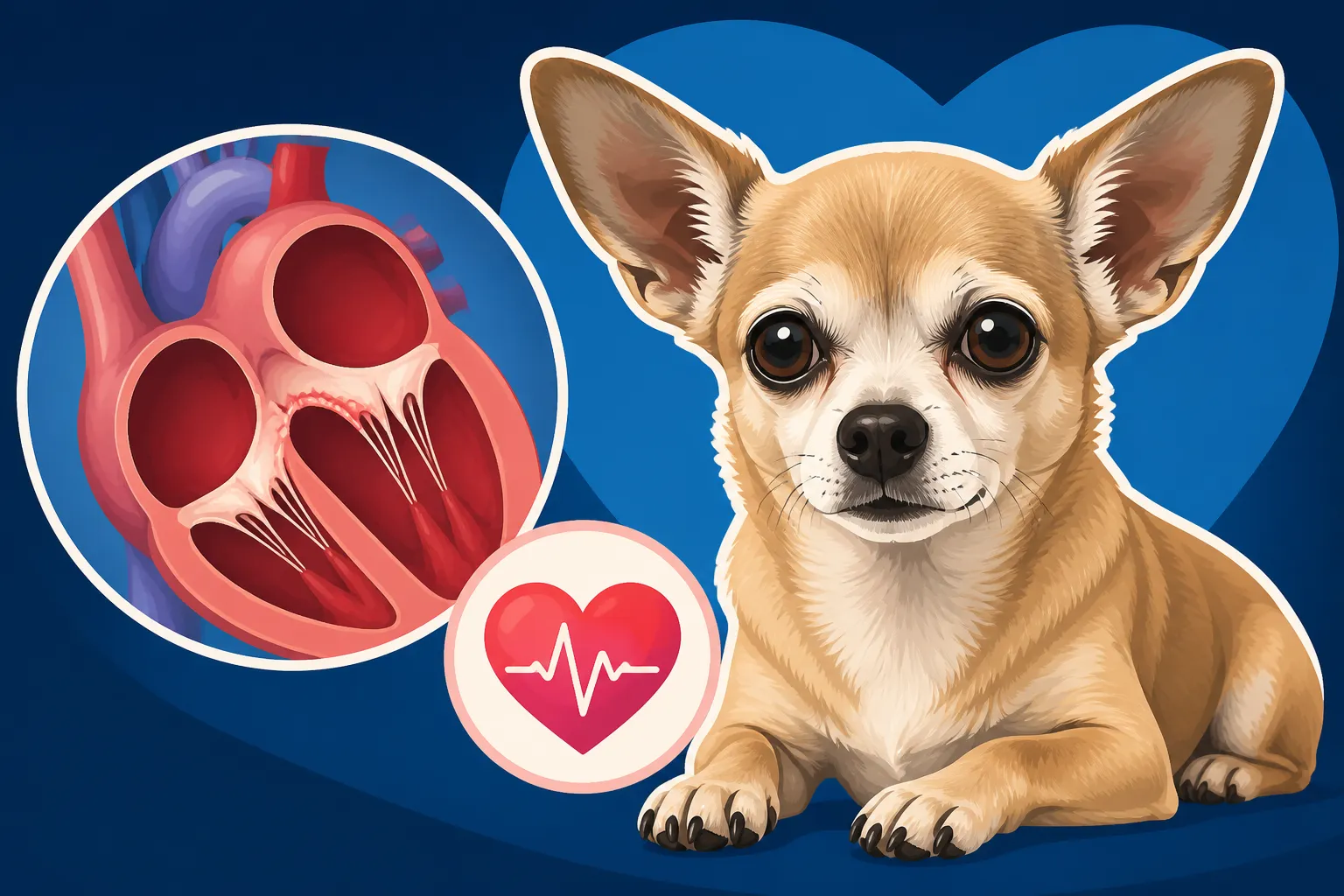
To really grasp what goes wrong with MVD, let's take a quick peek at how a healthy heart works. Imagine your Chihuahua's heart as a finely tuned pump, divided into four chambers. The mitral valve acts like a one-way door between the left atrium (the chamber that receives oxygen-rich blood from the lungs) and the left ventricle (the chamber that pumps that blood out to the rest of the body). When the heart contracts to push blood forward, the mitral valve is supposed to snap shut tightly, preventing any blood from leaking backward into the left atrium. It's an incredibly efficient system designed to keep blood flowing in one direction, ensuring that every beat is as effective as possible.
However, in dogs with mitral valve disease, this little door starts to wear out. The leaflets of the valve, which are normally thin and flexible, become thickened, nodular, and deformed. Think of it like a door that's become warped and no longer closes flush with its frame. Instead of sealing perfectly, a small gap appears, and with each contraction, a small amount of blood regurgitates or leaks backward into the left atrium. This backward flow is what veterinarians refer to as mitral regurgitation, and it's the hallmark of MVD.
Why Small Breeds, Especially Chihuahuas, Are Susceptible
It’s a bit of a cruel twist that the very breeds known for their long lives, like Chihuahuas, often face this particular challenge. While larger breeds tend to suffer more from dilated cardiomyopathy, small breeds are highly predisposed to MVD. In fact, studies suggest that over 80% of dogs diagnosed with heart disease have MVD, and the incidence significantly increases with age and in smaller breeds. Chihuahuas are particularly prone, with many showing signs of a heart murmur—the sound of that turbulent, leaking blood—as early as middle age.
The exact reasons aren't fully understood, but genetics certainly play a role. There's a strong hereditary component, meaning if your Chihuahua's parents or grandparents had MVD, your dog is at a higher risk. This is why responsible breeders will often have their breeding dogs undergo cardiac evaluations, including echocardiograms, to try and reduce the prevalence of this disease in their lines. It's a silent threat that can slowly progress, sometimes for years, before outwardly noticeable symptoms appear.
The Progressive Nature of the Disease
Mitral valve disease isn't a sudden onset condition; it's a slow, insidious progression. Initially, the leak in the valve might be tiny, causing only a faint heart murmur that a vet might pick up during a routine check-up. This early stage is often asymptomatic, meaning your Chihuahua acts completely normal. As the valve degenerates further, the leak becomes more significant. The heart has to work harder to compensate for the blood that's flowing backward. This extra workload causes the heart chambers, particularly the left atrium and ventricle, to enlarge.
Eventually, the heart can no longer compensate effectively, leading to a backup of pressure in the blood vessels surrounding the lungs. This increased pressure can force fluid out of the blood vessels and into the lung tissue, a condition known as pulmonary edema, which is essentially fluid in the lungs. When this happens, your Chihuahua transitions from having asymptomatic MVD to developing congestive heart failure (CHF). This is the point where those noticeable symptoms—like coughing, difficulty breathing, and exercise intolerance—typically become apparent, marking a much more advanced stage of the disease. This progression highlights why early detection of a heart murmur, even in an otherwise healthy Chihuahua, is so incredibly important for long-term management. You can learn more about Chihuahua heart murmurs and what grade matters for a better understanding of what your vet might be listening for.
Recognizing the Early Signs of MVD in Your Older Chihuahua
One of the most frustrating aspects of mitral valve disease is how subtly it can begin. As pet parents, we often attribute a slight slowdown or a new little cough to "just getting old," when in reality, these could be crucial early indicators of heart trouble. Being vigilant and knowing what to look for can make a world of difference in your Chihuahua’s prognosis and quality of life.
The Subtle Cough: When to Pay Attention
The cough associated with heart disease is often distinct from other types of coughs, like those caused by a collapsing trachea, which is also common in Chihuahuas. While a collapsing trachea often produces a characteristic "honking" sound, a heart-related cough tends to be softer, more moist, and sometimes described as a hacking or gagging cough. It's typically worse at night or when your Chihuahua first wakes up, after lying down for an extended period. This is because when a dog lies flat, fluid in the lungs can pool more easily, exacerbating the irritation that triggers the cough.
You might notice your Chihuahua coughing more when they are excited, after a bit of exercise, or even when they're drinking water. This cough isn't just an annoyance; it's a sign that fluid might be accumulating in their lungs due to the heart's inability to pump blood efficiently. If your older Chihuahua develops any new cough, especially one that persists for more than a day or two, it's absolutely vital to schedule a vet visit. It's easy to dismiss, but it could be the earliest warning sign your dog is giving you. Understanding the difference can be critical, as discussed in Telling a Heart Cough From a Trachea Cough.
Changes in Energy and Breathing Patterns
Another significant red flag for MVD is a noticeable change in your Chihuahua's energy levels and breathing. You know your dog best; you know what their normal energy is like. If they used to greet you at the door with excited wiggles and now they just slowly raise their head, or if their walks are cut short when they used to bound along, pay attention. This lethargy or reduced exercise tolerance happens because their heart isn't delivering enough oxygen-rich blood to their muscles and organs. They simply don't have the stamina they once did.
Beyond lethargy, observe their breathing. Are they breathing faster than usual, even at rest or when asleep? Is their breathing shallow or labored? This is often referred to as increased respiratory rate or effort. A normal resting respiratory rate for a dog is generally between 15-30 breaths per minute. If you notice your Chihuahua consistently breathing much faster, or if their chest is heaving, or they seem to be struggling to get air, these are urgent signs. Rapid or difficult breathing, especially combined with pale or bluish gums, indicates a potential respiratory crisis due to fluid in the lungs and requires immediate veterinary attention. These signs are often more pronounced with Coughing at Night in a Chihuahua With Heart Disease.
Other Less Common but Important Symptoms
While coughing and changes in energy/breathing are the most common early signs, MVD can manifest in other ways that you should also be aware of. Some Chihuahuas might experience a decreased appetite or even weight loss, though this can sometimes be masked by fluid retention, making them appear "puffy" despite losing muscle mass. Fainting or collapsing episodes, known as syncope, can occur when the heart isn't pumping enough blood to the brain, especially during excitement or physical exertion. While terrifying to witness, these episodes are a clear indicator of advanced heart disease.
You might also notice a distended belly, which could be ascites, a buildup of fluid in the abdomen. This happens when severe heart failure leads to fluid retention throughout the body. Additionally, some Chihuahuas might experience a loss of interest in play, a general malaise, or even behavioral changes due to discomfort or low oxygen levels. Because Chihuahuas are prone to a range of health issues as they age, it's easy to mistake these signs for other problems, so a thorough veterinary workup is crucial whenever you observe any persistent changes in your senior dog.
Diagnosing Mitral Valve Disease: What to Expect at the Vet
When you bring your Chihuahua to the vet with concerns about their heart, your veterinarian will embark on a systematic diagnostic process to confirm MVD, assess its severity, and rule out other potential issues. This isn't a one-and-done appointment; it's a careful layering of observations and specialized tests.
The Initial Vet Exam and Auscultation
The diagnostic journey almost always begins with a comprehensive physical examination. Your vet will listen to your Chihuahua's heart with a stethoscope – an act called auscultation. This is where the characteristic heart murmur associated with MVD is typically first detected. A murmur is caused by turbulent blood flow, in this case, the blood leaking backward through the faulty mitral valve. Your vet will grade the murmur, usually on a scale of I to VI, with higher numbers indicating a louder murmur. It’s important to remember that a louder murmur doesn’t always correlate directly with the severity of the disease, but it's a significant indicator.
During the physical exam, your vet will also listen to your Chihuahua's lungs for any abnormal sounds like crackles or wheezes, which could indicate fluid accumulation. They'll check their pulse for strength and rhythm, examine their mucous membranes (gums) for color, and feel their abdomen for any distension. They'll also assess your Chihuahua's overall body condition, looking for signs of muscle wasting or fluid retention. This initial exam provides vital clues and guides the next steps in the diagnostic process.
Further Diagnostics: X-rays, Echocardiograms, and Blood Tests
Once a heart murmur is detected and MVD is suspected, your vet will likely recommend further diagnostic tests to get a clearer picture of your Chihuahua's heart health. These tests are critical for staging the disease and formulating an appropriate treatment plan.
Chest X-rays (Radiographs): These are invaluable for assessing the size and shape of the heart and, crucially, for looking for signs of fluid in the lungs (pulmonary edema) or an enlarged left atrium. The X-rays can show if the heart is significantly enlarged or if there's any congestion in the pulmonary veins. They can also help differentiate a heart-related cough from a cough caused by other conditions, such as bronchitis or collapsing trachea in a Chihuahua and its triggers.
Echocardiogram (Cardiac Ultrasound): This is considered the gold standard for diagnosing MVD and assessing its severity. An echocardiogram uses sound waves to create real-time images of your Chihuahua's heart. A board-certified veterinary cardiologist will be able to visualize the mitral valve directly, observe the leak (regurgitation) in action, measure the size of the heart chambers, assess heart muscle function, and estimate pressures within the heart. This allows for precise staging of the disease and is essential for guiding treatment decisions. It's worth noting that a specialized heart workup, including an echocardiogram, does have a cost associated with it, which can be significant, but it provides the most accurate information.
Electrocardiogram (ECG/EKG): While not typically used to diagnose MVD itself, an ECG measures the electrical activity of the heart. It can detect abnormal heart rhythms (arrhythmias) that might occur secondary to heart enlargement or disease.
Blood Tests: Routine bloodwork, including a complete blood count (CBC) and a biochemistry panel, is often performed to assess your Chihuahua's overall health and organ function. This is especially important before starting any heart medications, as some drugs are processed by the kidneys or liver. Additionally, a specific blood test called a NT-proBNP can be very helpful. This test measures a hormone released when the heart muscle is stretched or stressed, providing a valuable indicator of heart disease, especially in earlier, asymptomatic stages, or to confirm heart failure.
This combination of tests allows your vet to accurately diagnose MVD, determine its stage, and develop a tailored management plan for your individual Chihuahua. For more on this, you might find information on Chihuahua Heart Disease as the Breed Ages helpful.
Managing MVD: Treatment Options and Long-Term Care
Once your older Chihuahua has been diagnosed with mitral valve disease, especially if they are symptomatic or in heart failure, management becomes a long-term commitment. The goal of treatment isn't to cure the disease (as it's degenerative), but to slow its progression, alleviate symptoms, and significantly improve your Chihuahua's quality of life.
Medication Management: Common Drugs and Their Roles
For most Chihuahuas with MVD, medication will become a cornerstone of their daily routine. The specific drugs and dosages will depend heavily on the stage of the disease and your dog's individual response, but there are a few common players:
- Diuretics (e.g., Furosemide, Torsemide): These are crucial for Chihuahuas experiencing congestive heart failure (fluid in the lungs). Diuretics help the body eliminate excess fluid, reducing pulmonary edema and making it easier for your dog to breathe. They are often given multiple times a day.
- ACE Inhibitors (e.g., Enalapril, Benazepril): These medications work by relaxing blood vessels and reducing the workload on the heart. They can help prevent further heart enlargement and improve blood flow, making them a common choice for managing MVD even before clinical signs of heart failure develop.
- Pimobendan (Vetmedin): This drug is a game-changer for MVD. It has a dual action: it strengthens heart muscle contractions (positive inotrope) and dilates blood vessels (vasodilator), significantly improving the heart's pumping efficiency. Studies have shown Pimobendan can dramatically extend the lives of dogs with MVD, often delaying the onset of congestive heart failure. It's now commonly prescribed once a dog has an enlarged heart due to MVD, even if they aren't yet showing symptoms.
- Spironolactone: This is another type of diuretic that helps remove excess fluid, but it also has beneficial anti-fibrotic effects on the heart, helping to counteract some of the harmful changes that occur with chronic heart disease.
- Cough Suppressants: If your Chihuahua's cough is very persistent and bothersome, your vet might prescribe a cough suppressant. However, it's important to understand that treating the underlying fluid in the lungs with diuretics is the primary way to reduce a heart-related cough.
Administering these medications consistently and precisely is vital. Many Chihuahua owners find creative ways to hide pills in small bits of cheese, peanut butter, or specialty pill pockets. It can be a challenge to remember multiple medications multiple times a day, so setting reminders on your phone or using a pill organizer can be incredibly helpful. Always follow your vet's instructions carefully regarding dosage and frequency, and never stop or change medications without consulting them. Chihuahua Heart Medication and Daily Dosing provides more details on this daily challenge.
Dietary Adjustments and Lifestyle Changes
Medication isn't the only tool in your arsenal. Lifestyle adjustments and careful dietary management play a significant role in supporting a Chihuahua with MVD.
Diet: While there isn't a single "heart disease diet" for all dogs, certain modifications can be beneficial. Many vets recommend a low-sodium diet, especially for dogs in congestive heart failure. Excess sodium can lead to fluid retention, exacerbating pulmonary edema. Your vet may recommend a prescription cardiac diet (like those from Hill's, Royal Canin, or Purina) which are specifically formulated with controlled sodium levels and other heart-supportive nutrients like taurine and L-carnitine. Even if not on a prescription diet, avoiding high-sodium treats, table scraps, and processed human foods is essential.
Weight Management: Maintaining an ideal body weight is paramount. Obesity puts extra strain on the heart, worsening MVD. If your Chihuahua is overweight, your vet will work with you to create a safe weight loss plan. Conversely, if your Chihuahua is losing weight due to the disease, ensuring they receive adequate nutrition is critical. For more on this, check out Chihuahua Obesity on a Six Pound Frame.
Exercise: While rigorous exercise might be off-limits, appropriate, gentle exercise is still important for overall health and muscle tone. Short, frequent walks at a comfortable pace are usually recommended, avoiding extreme heat or cold which can stress the heart. Monitor your Chihuahua closely for any signs of fatigue, coughing, or difficulty breathing, and stop immediately if you observe them. Indoor play can also be a great option.
Stress Reduction: Try to keep your Chihuahua's environment as calm and stress-free as possible. Stress can elevate heart rate and blood pressure, placing additional strain on an already compromised heart.
Regular Monitoring and Follow-Up Visits
Living with MVD means regular check-ups and close monitoring are part of the new normal. Your vet will schedule frequent follow-up appointments, especially when starting new medications or adjusting dosages. These visits will typically involve:
- Physical Exams: Listening to the heart and lungs, checking pulse, and assessing overall condition.
- Weight Checks: Crucial for monitoring fluid retention or unexpected weight loss.
- Blood Pressure Monitoring: Important for assessing the effectiveness of some heart medications and overall cardiac health.
- Blood Tests: To monitor kidney function and electrolyte levels, especially when diuretics are used, as these drugs can impact kidney health.
- Chest X-rays: Periodically to assess heart size and lung fluid.
- Echocardiograms: Less frequent than other tests, but a cardiologist might recommend follow-up echocardiograms to reassess heart structure and function as the disease progresses.
Your role in daily monitoring at home is also vital. Keep a log of your Chihuahua's resting respiratory rate (breaths per minute when they are calm and sleeping), note any changes in coughing frequency or intensity, and report any new or worsening symptoms to your vet immediately. Early intervention for worsening heart failure can often prevent a crisis. Having pet insurance, like a plan from Healthy Paws, can be incredibly beneficial for managing the ongoing costs of these frequent vet visits, medications, and specialized diagnostics.
Living with MVD: Quality of Life and Prognosis
Discovering your Chihuahua has mitral valve disease can be overwhelming, but it's important to remember that many dogs live happy, comfortable lives for years with proper management. The focus shifts to maximizing their quality of life for as long as possible.
Maintaining Quality of Life
Maintaining a good quality of life means more than just extending lifespan; it means ensuring your Chihuahua is comfortable, engaged, and free from distress. This involves a holistic approach:
- Comfortable Environment: Provide a warm, draft-free place for your Chihuahua to rest. Elevated beds or ramps to access furniture can reduce strain on their joints, especially if they also have conditions like Chihuahua arthritis in the teenage years.
- Consistent Routine: Chihuahuas thrive on routine. Stick to regular feeding, medication, and exercise schedules to minimize stress.
- Gentle Affection: Continue to offer plenty of love and affection. Chihuahuas are deeply bonded to their people, and your presence and comfort are invaluable.
- Mental Stimulation: Even if physical exercise is limited, mental stimulation is important. Puzzle toys, short training sessions, or gentle massage can keep their minds sharp and engaged.
- Monitoring for Discomfort: Be observant for any signs of pain or discomfort. Heart disease can sometimes lead to muscle weakness or other issues.
- Open Communication with Your Vet: Don't hesitate to call your vet if you have concerns about your Chihuahua's comfort or happiness. They can offer advice on pain management, anti-anxiety medications if needed, or adjustments to the treatment plan.
The goal is to ensure your Chihuahua still enjoys their favorite activities, even if modified, and remains a cherished member of your family. Many owners find peace in focusing on these daily joys.
Understanding Prognosis and End-of-Life Considerations
The prognosis for a Chihuahua with MVD varies greatly depending on the stage of the disease at diagnosis and how well they respond to treatment. In the early, asymptomatic stages (Stages B1 and B2), many Chihuahuas can live for years without developing clinical signs. Once they enter congestive heart failure (Stage C), the average survival time, with proper medication, can range from 6 months to 2 years, though some dogs defy these statistics. For those with advanced, refractory heart failure (Stage D), the prognosis is generally guarded, often measured in weeks to a few months.
It's a tough topic, but as a responsible pet owner, it’s vital to think about your Chihuahua's quality of life as the disease progresses. There may come a point when medications are no longer effective, and their discomfort outweighs their joy. This is where honest conversations with your veterinarian about End-of-Life Decisions for a Long-Lived Chihuahua become incredibly important. Your vet can help you assess their current quality of life, considering factors like pain, appetite, breathing comfort, mobility, and overall happiness.
There are various quality of life scales available that can help you objectively evaluate your Chihuahua's daily experience. Making the decision to say goodbye is one of the hardest parts of pet ownership, but it is also the ultimate act of love, sparing your beloved companion from prolonged suffering. Having a plan in place, even if it's just a conversation, can help ease the burden during an emotionally charged time.
Supporting Heart Health and Preventing Related Issues
While MVD is largely a genetic and age-related condition that can't be entirely prevented, there are certainly steps you can take to support your Chihuahua's overall heart health and potentially delay the onset or progression of the disease.
The Role of Early Detection
This cannot be stressed enough: early detection is key. Regular veterinary check-ups, ideally twice a year for senior Chihuahuas, are paramount. During these visits, your vet will listen to your Chihuahua's heart. Catching a heart murmur early, even if your dog is asymptomatic, allows your vet to monitor the heart closely and consider starting medications like Pimobendan at the appropriate time to potentially slow the disease progression.
If your Chihuahua is already past eight years old, it's wise to be extra diligent. Mitral Valve Disease in a Chihuahua Past Eight is a serious consideration for all owners of older Chihuahuas. Don't wait until symptoms are severe to schedule an appointment. A proactive approach means potentially adding years of good quality life. Furthermore, if you are considering getting a Chihuahua puppy, inquire about the cardiac health of the parents and their lineage. Reputable breeders will be transparent about health screenings and genetic predispositions.
Weight Management and Exercise
As we touched on earlier, maintaining an ideal body weight throughout your Chihuahua's life is crucial for heart health. Every extra pound puts additional strain on their tiny heart, making it work harder than necessary. Talk to your vet about your Chihuahua's ideal weight and ensure their diet and exercise regimen keep them in optimal body condition. Weighing their food precisely with a kitchen scale, rather than relying on measuring cups, can make a huge difference for such small dogs where every calorie counts.
Consistent, appropriate exercise is also vital. While Chihuahuas might be small enough to fit in a purse, they still need daily activity. Short, brisk walks (weather permitting), indoor playtime, and mental stimulation keep their muscles strong, their minds active, and their cardiovascular system healthier. Always ensure they are not overexerted, especially as they age, and observe for any signs of fatigue.
Regular Dental Care
It might seem unrelated, but excellent dental hygiene is surprisingly important for heart health, especially in small breeds like Chihuahuas. Chihuahua Dental Disease in a Crowded Small Jaw is a widespread problem, and severe periodontal disease can lead to bacterial infections in the bloodstream. These bacteria can travel to the heart and, in rare cases, infect the heart valves, worsening existing conditions or even causing new ones like bacterial endocarditis.
Establishing a routine of daily tooth brushing from a young age is the best preventative measure. If daily brushing isn't feasible, discuss other dental care options with your vet, such as dental chews, water additives, or professional dental cleanings under anesthesia. While anesthesia always carries a slight risk, the benefits of preventing severe dental disease often outweigh these risks, particularly when considering its potential impact on heart health. A pet insurance plan from a provider like Healthy Paws can also help cover routine dental care or unforeseen dental issues that can sometimes arise in Chihuahuas.
By focusing on these preventative and supportive measures, you can give your beloved Chihuahua the best possible chance at a long, healthy life, even in the face of conditions like mitral valve disease.
Comparing MVD Stages and Management Approaches
To help visualize the progression and management strategies for Mitral Valve Disease, here's a table summarizing the different stages:
| MVD Stage | Description | Clinical Signs | Diagnostic Findings | Management Approach |
|---|---|---|---|---|
| A | High risk for MVD, but no structural heart changes | None | None (normal exam, but breed predisposition) | Genetic counseling for breeders, weight management, regular vet check-ups. |
| B1 | Murmur present, structural heart changes not yet sufficient to warrant medication | None (asymptomatic) | Murmur present, normal heart size on X-ray, no significant enlargement on echo | Annual to semi-annual vet checks. Monitor resting respiratory rate at home. |
| B2 | Murmur present, structural heart changes are sufficient to warrant medication | None (asymptomatic) | Murmur present, enlarged heart (left atrium/ventricle) on X-ray and/or echo. No signs of congestive heart failure. | Start Pimobendan. Continue regular monitoring (X-rays every 6-12 months, vet checks every 3-6 months). Weight management, low-sodium diet advised. |
| C | Past or current signs of congestive heart failure due to MVD | Coughing, difficulty breathing, lethargy, exercise intolerance, fainting. | Murmur present, significantly enlarged heart, fluid in lungs (pulmonary edema) on X-ray. | Start Diuretics (e.g., Furosemide), ACE Inhibitors, and Pimobendan. +/- Spironolactone. Strict low-sodium diet. Hospitalization for acute crisis. Frequent vet visits and medication adjustments. |
| D | End-stage MVD, refractory to standard treatment | Severe, persistent signs of heart failure despite maximal medication. | Significant heart enlargement, persistent pulmonary edema, signs of ascites (abdominal fluid). | Aggressive combination of multiple diuretics and other cardiac drugs. Focus on maintaining comfort and quality of life. Discussions about palliative care and end-of-life options. Sometimes specialist referral for advanced treatments if applicable. |
Disclaimer
The information provided in this article is for educational purposes only and is not a substitute for professional veterinary advice. Always consult with your veterinarian for any health concerns or before making any decisions related to your Chihuahua's health and treatment plan.