Xylitol and the Danger to a Small Dog
It’s a terrifying moment for any dog owner: you turn your back for a second, and your tiny Chihuahua has managed to snatch something it shouldn't have. For Chihuahua parents, this scenario often comes with an added layer of panic, especially when that "something" contains xylitol. This guide will walk you through exactly what xylitol is, where it lurks in your home, and why it poses such a grave and immediate threat to our small, delicate companions.
What Exactly is Xylitol and Why is it Dangerous for Chihuahuas?
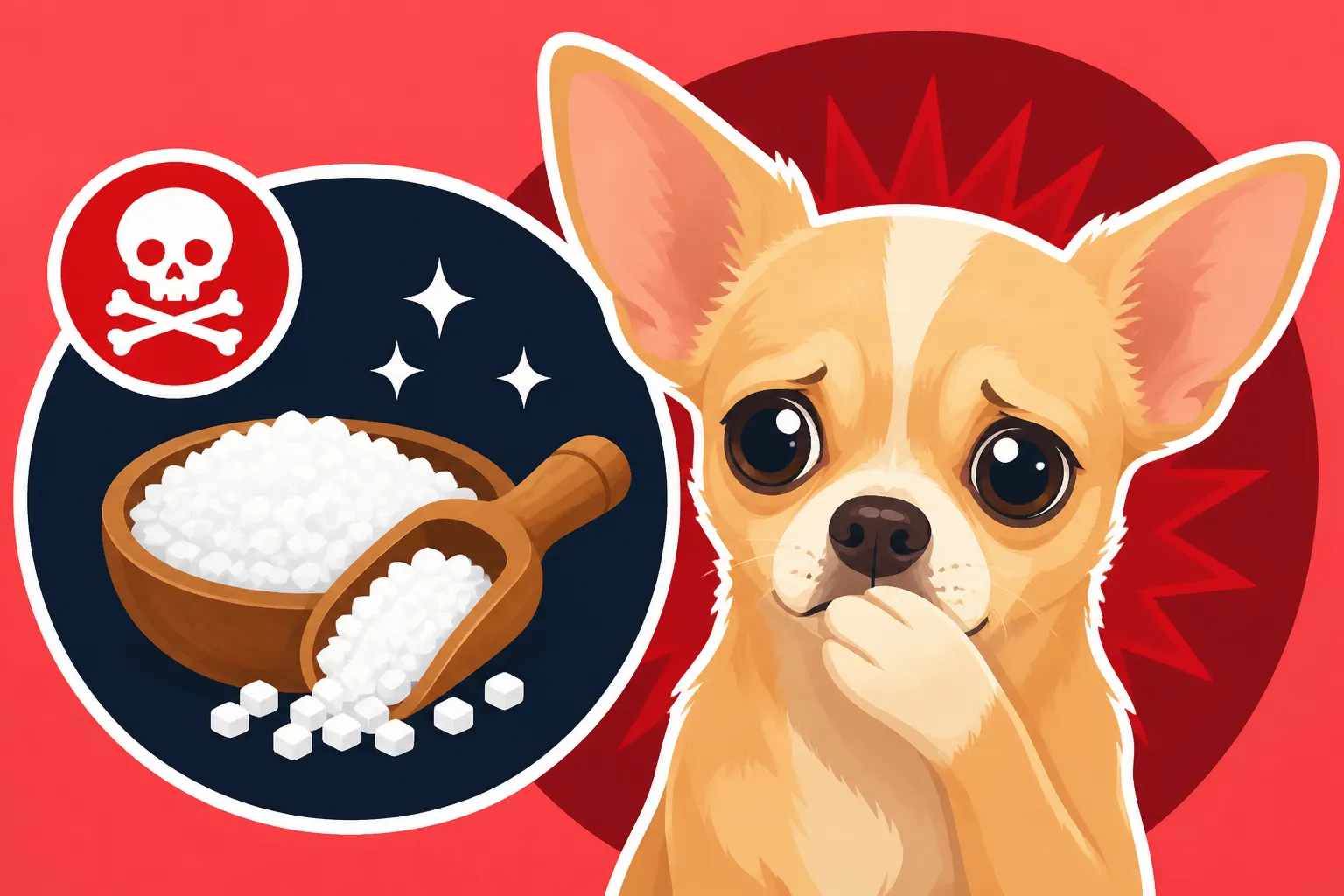
Xylitol is a natural sugar alcohol that’s found in many plants, including fruits and vegetables. For humans, it's a popular sugar substitute, often used in "sugar-free" products because it looks and tastes like sugar but has fewer calories and a lower glycemic index. It even has some dental benefits for people. But for dogs, especially a tiny Chihuahua with its unique physiology, xylitol is a profoundly dangerous toxin. Understanding why it's so lethal is the first step in preventing a terrible accident.
Xylitol's Sweet Deception for Dogs
When a human consumes xylitol, their pancreas releases insulin, but it's a slow, controlled response. For dogs, however, it's a completely different story. Their bodies mistake xylitol for actual sugar, triggering a massive and rapid release of insulin from the pancreas. This isn't just a minor fluctuation; it's a dramatic, uncontrolled flood of insulin that quickly removes all the actual sugar from their bloodstream. Imagine your Chihuahua's body suddenly thinking it has an extreme sugar overload and aggressively trying to fix it, even when there was no sugar to begin with.
This overreaction means that even a small amount of xylitol can cause a rapid and severe drop in blood sugar, known as hypoglycemia. Because Chihuahuas are already predisposed to blood sugar issues, especially as puppies, their tiny systems are even less equipped to handle this kind of metabolic shock. It's a cruel trick of chemistry that turns a seemingly harmless human treat into a deadly poison for our beloved dogs.
The Insulin Surge: A Chihuahua's Unique Vulnerability
The most immediate and life-threatening effect of xylitol ingestion in dogs is this sudden, profound hypoglycemia. A Chihuahua's small body mass means that even a minuscule amount of xylitol, an amount barely noticeable to a human, can be enough to send their blood sugar plummeting to dangerously low levels within minutes to a few hours. This is why even a single piece of sugar-free gum, accidentally dropped and quickly gobbled up, can be an emergency for a two-pound Chihuahua. Their delicate systems simply cannot cope with the extreme insulin response.
This extreme blood sugar drop can manifest very quickly. You might see your energetic little dog become suddenly weak, start stumbling, or even collapse. This is very similar to the symptoms seen in Chihuahua Hypoglycemia and the Puppy Emergency, where young Chihuahuas can crash from lack of food or stress. With xylitol, the cause is different, but the terrifying outcome of dangerously low blood sugar is the same. The speed at which this happens is what makes xylitol so particularly terrifying for toy breed owners.
Liver Damage: A Silent and Serious Threat
While hypoglycemia is the most immediate danger, xylitol can also cause severe liver damage, or even liver failure, at higher doses. This is a separate and often delayed complication that can be even more devastating. The mechanism isn't fully understood, but it's believed that xylitol directly harms liver cells. The signs of liver damage might not appear for a day or two after ingestion, long after the immediate hypoglycemia crisis has passed. This makes follow-up care and monitoring absolutely crucial after any known xylitol exposure.
When liver damage occurs, the prognosis can be quite grim. Symptoms can include vomiting, lethargy, jaundice (yellowing of the skin and whites of the eyes), and dark urine. The insidious nature of this secondary effect means that even if your Chihuahua recovers from the initial blood sugar crash, they might not be out of the woods. It's a reminder that xylitol is not just a sugar-reducer; it's a profound systemic toxin for dogs.
Where Xylitol Hides: Common Household Products to Watch Out For
The biggest challenge with xylitol is its prevalence. It's not just in obscure health products; it's in many everyday items we might not even think twice about. As a Chihuahua owner, you absolutely must become a meticulous label reader, because what's perfectly safe for you could be lethal for your tiny companion.
Everyday Culprits: From Gum to Peanut Butter
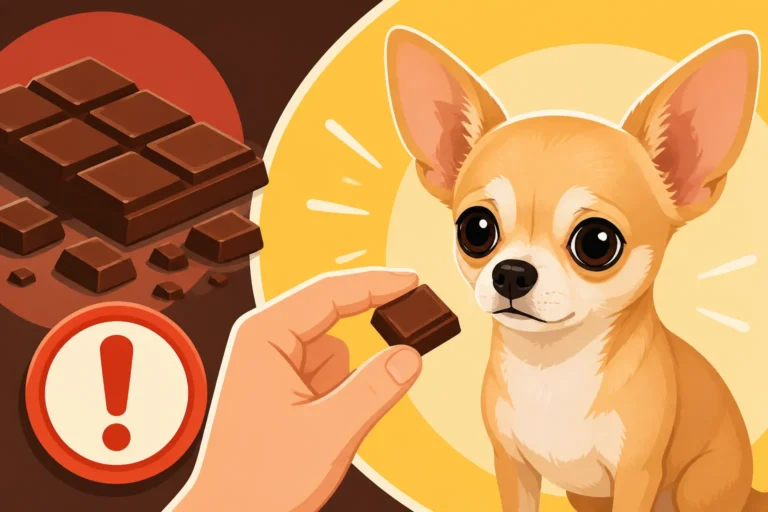
The most well-known culprit, and often the source of emergency vet visits, is sugar-free chewing gum. Many brands contain xylitol as their primary sweetener. Imagine a pack of gum sitting on a coffee table, easily within reach of a curious Chihuahua who loves to investigate. One piece, and you're in a crisis. Mints are another big one. Beyond these, you'll find xylitol in:
- Candies and Chocolates: Especially "sugar-free" varieties.
- Peanut Butter: This is a huge one, as many dog owners use peanut butter for treats or to administer medication. Always check the label of your peanut butter for xylitol, even if it doesn't explicitly say "sugar-free." Some brands started adding it without obvious labeling. When you're looking for dog-safe treats, trusted pet retailers like Chewy or the pet supply section on Amazon offer a wide variety of xylitol-free options.
- Baked Goods: Sugar-free cookies, muffins, or other diet-friendly treats.
- Oral Hygiene Products: Toothpaste and mouthwash designed for humans. If you're brushing your Chihuahua's teeth, always use a dog-specific toothpaste; human toothpaste is definitely off-limits.
- Multivitamins and Supplements: Chewable vitamins for humans, particularly those marketed for children or as "sugar-free."
It really is an exhaustive list, and it requires constant vigilance. The moment you bring something new into your house, particularly anything sweet-tasting or marketed as "diet" or "sugar-free," make it a habit to check the ingredients list.
Unexpected Sources: Medications, Dental Care, and More
Beyond the obvious, xylitol can pop up in truly surprising places, making prevention even harder. This is why a "sugar-free" label should always trigger an alert for a Chihuahua owner.
Consider these less common, but equally dangerous, sources:
- Over-the-Counter Medications: Some liquid medications, chewable tablets, or even nasal sprays can contain xylitol to make them more palatable. If you take any regular medication in a chewable or liquid form, ensure it's kept securely away.
- Sugar-Free Cough Syrups: Again, the sweet taste often comes from xylitol.
- Dietary Supplements: Protein powders, meal replacement shakes, and even some fiber supplements can use xylitol.
- Pet Products NOT Made for Dogs: While rare, occasionally products for other pets (like certain bird or small animal treats) might contain xylitol, so stick to products clearly labeled for canine consumption. Even with fresh food services like Ollie, you can rest assured that all ingredients are carefully selected and safe for dogs, a peace of mind not always available with human foods.
- Moisturizers and Lotions: Some personal care products, especially those with a sweet scent, might contain small amounts, though ingestion risk is lower unless a curious Chihuahua licks it directly.
The lesson here is clear: anything labeled "sugar-free," "zero sugar," or boasting low calories should be treated with extreme caution and carefully checked for xylitol. Assume nothing is safe until you've verified the ingredients list yourself.
The "Sugar-Free" Trap for Chihuahua Owners
For many years, "sugar-free" was considered a healthy option for human diets, especially for those managing blood sugar or trying to reduce calorie intake. This marketing can be incredibly deceptive for dog owners. What’s beneficial for us becomes a critical hazard for our Chihuahuas. The perception that something sugar-free is inherently "better" or "healthier" can lead to a false sense of security.
It’s easy to instinctively think, "Oh, it's sugar-free, so it won't hurt my dog's teeth or contribute to obesity." But with xylitol, the opposite is true for dogs. Instead of health benefits, it delivers a potentially fatal blow. This makes it challenging, as owners often have these items in their homes for their own dietary reasons. It's not about being careless; it's about navigating a world where human and canine health needs diverge dramatically at the ingredient level. Every time you see that "sugar-free" label, train yourself to see it as a warning sign for your Chihuahua, prompting an immediate check of the ingredients.
Recognizing Xylitol Poisoning: Symptoms and Immediate Action
Because xylitol poisoning can progress so rapidly in a tiny dog like a Chihuahua, knowing the symptoms and what to do immediately is absolutely critical. There's no time to waste debating or observing; swift action can be the difference between life and death.
Early Warning Signs: When Every Minute Counts
The first signs of xylitol poisoning are typically related to the sudden drop in blood sugar (hypoglycemia). These can appear as quickly as 10-60 minutes after ingestion, but sometimes take a few hours, especially if the xylitol was in a slower-release form. For a Chihuahua, watch for:
- Vomiting: This is often one of the first signs, as the body tries to expel the toxin.
- Lethargy or Weakness: Your normally spunky Chihuahua might seem unusually tired, unwilling to play, or struggle to get up.
- Difficulty Standing or Walking: They might stumble, stagger, or appear uncoordinated, almost as if they are drunk. Their hind legs might seem particularly weak.
- Trembling or Shaking: Uncontrolled shivering or muscle tremors are a classic sign of low blood sugar. This can look similar to the shivering Chihuahuas do when cold or scared, but in this context, it's a medical emergency.
- Disorientation: Your dog might seem confused, stare blankly, or not respond to their name.
If you observe any of these symptoms and suspect xylitol ingestion, consider it an immediate emergency. Do not wait to see if they get better.
Severe Symptoms and Liver Failure
As the hypoglycemia worsens, or if the dose of xylitol was particularly high, more severe and life-threatening symptoms can develop. This can happen very quickly in a small dog.
- Seizures: Uncontrolled full-body tremors, frothing at the mouth, and loss of consciousness. This is a terrifying sight and indicates profound neurological distress due to severe low blood sugar.
- Collapse and Coma: Your Chihuahua might lose consciousness entirely.
- Jaundice: If liver failure begins to develop, you might notice a yellowing tint to their gums, skin (especially inside the ears), or the whites of their eyes. This typically appears later, often 24-48 hours after ingestion, and indicates severe liver damage.
- Bruising or Bleeding: Liver failure can also impair blood clotting, leading to unusual bruising or bleeding from the gums or nose.
These severe symptoms are often irreversible without aggressive veterinary intervention, and even then, the outcome can be poor, especially if liver damage is extensive.
What to Do Immediately: The Race Against Time
If you suspect your Chihuahua has eaten anything containing xylitol, this is not a wait-and-see situation. Time is of the essence.
- Call Your Veterinarian or Emergency Vet IMMEDIATELY: This is the single most important step. Do not waste time trying to find information online or calling poison control yourself first (though they are excellent resources, your vet needs to know right away). Tell them exactly what happened, what product your Chihuahua ate, and how much you think they ingested. Even if you're unsure, tell them your suspicion.
- Gather Information: Bring the product packaging with you to the vet. This allows them to quickly determine the exact ingredients and concentration of xylitol.
- DO NOT Induce Vomiting Unless Advised: While inducing vomiting is sometimes recommended for other toxins, with xylitol, the blood sugar drop is so rapid and severe that inducing vomiting at home might worsen the situation or delay life-saving treatment. Your vet might decide to induce vomiting under controlled conditions, or they might prioritize intravenous sugar and other supportive care.
- Administer Emergency Sugar ONLY If Advised and Directed: If your vet instructs you to, they might tell you to rub a small amount of corn syrup, maple syrup, or honey on your Chihuahua's gums on the way to the clinic. This is a temporary measure to try and raise blood sugar slightly, but it is NOT a cure and should only be done if specifically directed by a veterinary professional. This advice might sound familiar if you've ever dealt with Emergency Sugar for a Collapsing Chihuahua Puppy, but remember, the underlying cause is different here.
- Get to the Vet: Even if your Chihuahua seems fine, get them to the clinic. The effects can be delayed, and early intervention is crucial for monitoring blood sugar and preventing liver damage.
Vets will typically monitor blood glucose levels, administer IV fluids with dextrose (sugar) to counteract hypoglycemia, and provide supportive care for the liver. The sooner treatment begins, the better the chances of a positive outcome.
Prevention is Key: Safeguarding Your Chihuahua from Xylitol
Given the extreme danger and rapid onset of xylitol poisoning, prevention is truly the only reliable strategy for Chihuahua owners. It demands a proactive, mindful approach to everything in your home.
Diligent Label Reading: A Lifelong Habit
This isn't just about checking a few things once; it's about forming a lifelong habit of scrutinizing ingredient labels. Anytime you buy a new food item, medication, or personal care product, especially if it's marketed as "sugar-free," "diet," or has a sweet taste, turn it over and read the ingredients. Look specifically for "xylitol," but also be aware of other sugar alcohols like "sorbitol" or "erythritol," which while generally safer, can cause gastrointestinal upset in larger quantities.
Teach yourself to scan for keywords. If it says "sweetened with X," investigate what X is. This vigilance applies not just to what you eat, but to things your kids might bring home, or even samples you receive. Make it second nature. For dog-specific products, you'll find plenty of safe options on online retailers like Amazon, ensuring your pup's treats are always free from dangerous ingredients.
Secure Storage: Out of Sight, Out of Paw's Reach
Chihuahuas are small, but they are incredibly resourceful and curious. What might seem like a safe spot to you could be an enticing challenge for a determined little dog.
- Countertops aren't safe: A Chihuahua can jump, or something could fall. Keep all human foods and medications stored in cupboards, pantries, or drawers that latch securely.
- Purses and backpacks: These are prime targets for curious noses. Never leave a purse containing gum, mints, or other medications on the floor or a low hook.
- Bedside tables: Often home to medications, chapsticks, and water bottles – all potential risks. Keep these clear or secured.
- Garbage cans: If your Chihuahua is a known trash diver, invest in a lidded, foot-pedal bin that they cannot open. Even discarded wrappers from xylitol products can contain enough residue to be dangerous.
- Kids' rooms: If you have children, educate them thoroughly about the dangers and ensure their sugar-free candies, gum, and even some toothpastes are stored where your Chihuahua cannot possibly reach them. This is especially true for items purchased from Chewy or similar sites that might contain dog-safe versions of human products.
Think like a Chihuahua: if there's a way to get to it, they might find it. Err on the side of extreme caution when it comes to storage.
Educating the Household and Guests
You can be the most diligent owner in the world, but if others in your home or visitors aren't aware of the danger, accidents can still happen.
- Family members: Ensure everyone living in your home, from your spouse to your children, understands the extreme toxicity of xylitol for your Chihuahua. Explain why it's dangerous, not just that it is. Highlight key products to watch out for, like gum and peanut butter.
- Guests: When you have guests over, politely inform them about your Chihuahua's sensitivity. You could say something like, "Just a quick heads-up, my little guy is super sensitive to a common sweetener called xylitol, which is in a lot of sugar-free gum and candy. Would you mind keeping any of those items in your bag or purse out of his reach? He's quite the little scavenger!" Most people will be understanding once they realize it's a serious health concern for your dog.
- Pet sitters/dog walkers: If anyone else cares for your Chihuahua, ensure they are fully briefed on xylitol awareness. Provide written instructions with a list of dangerous items and emergency contact information.
This collective awareness is a crucial layer of protection for your tiny companion.
Safe Alternatives for Treats and Chews
To avoid the temptation of sharing human foods, or to ensure that everything your Chihuahua consumes is genuinely safe, focus on dog-specific products.
- Dog-specific treats: Stock up on treats specifically formulated for dogs. These will not contain xylitol. Brands available through retailers like Chewy or on Amazon have a vast selection of dog treats, chews, and dental products that are safe.
- Xylitol-free peanut butter: If you use peanut butter for toys or medication, always, always buy a brand that explicitly states it is xylitol-free, or better yet, one marketed specifically for dogs. Many human brands now carry "natural" peanut butter that often only contains peanuts and salt, making it a safer option, but always double-check.
- Fresh food services: Services like Ollie provide carefully balanced, human-grade food for dogs, with ingredients that are fully disclosed and safe. This eliminates the guesswork of hidden toxins.
- Homemade dog treats: If you enjoy baking, consider making your own dog treats using dog-safe ingredients like pumpkin, oats, or apple, ensuring you know exactly what goes into them.
By providing plenty of appropriate and safe alternatives, you reduce the likelihood of your Chihuahua getting into something dangerous meant for humans. Your tiny friend relies on you to be their guardian against these silent, sweet dangers.
Disclaimer
This article is for general informational purposes only and does not constitute professional advice. Laws, prices and regulations vary by location and change over time. Consult a qualified professional for guidance on your specific situation.