Chihuahua Reverse Sneezing and Whether to Worry
Few things can send a Chihuahua parent into a panic quite like that sudden, alarming sound – a series of violent, snorting gasps that make it seem like your tiny companion can't catch their breath. It's truly scary to witness, especially with such a small dog, and it leaves many of us wondering if we should rush to the emergency vet or if it's just one of those peculiar Chihuahua quirks. This guide is here to demystify reverse sneezing, help you understand what's happening, and empower you with the knowledge to respond calmly and effectively.
What Exactly Is Reverse Sneezing in a Chihuahua?
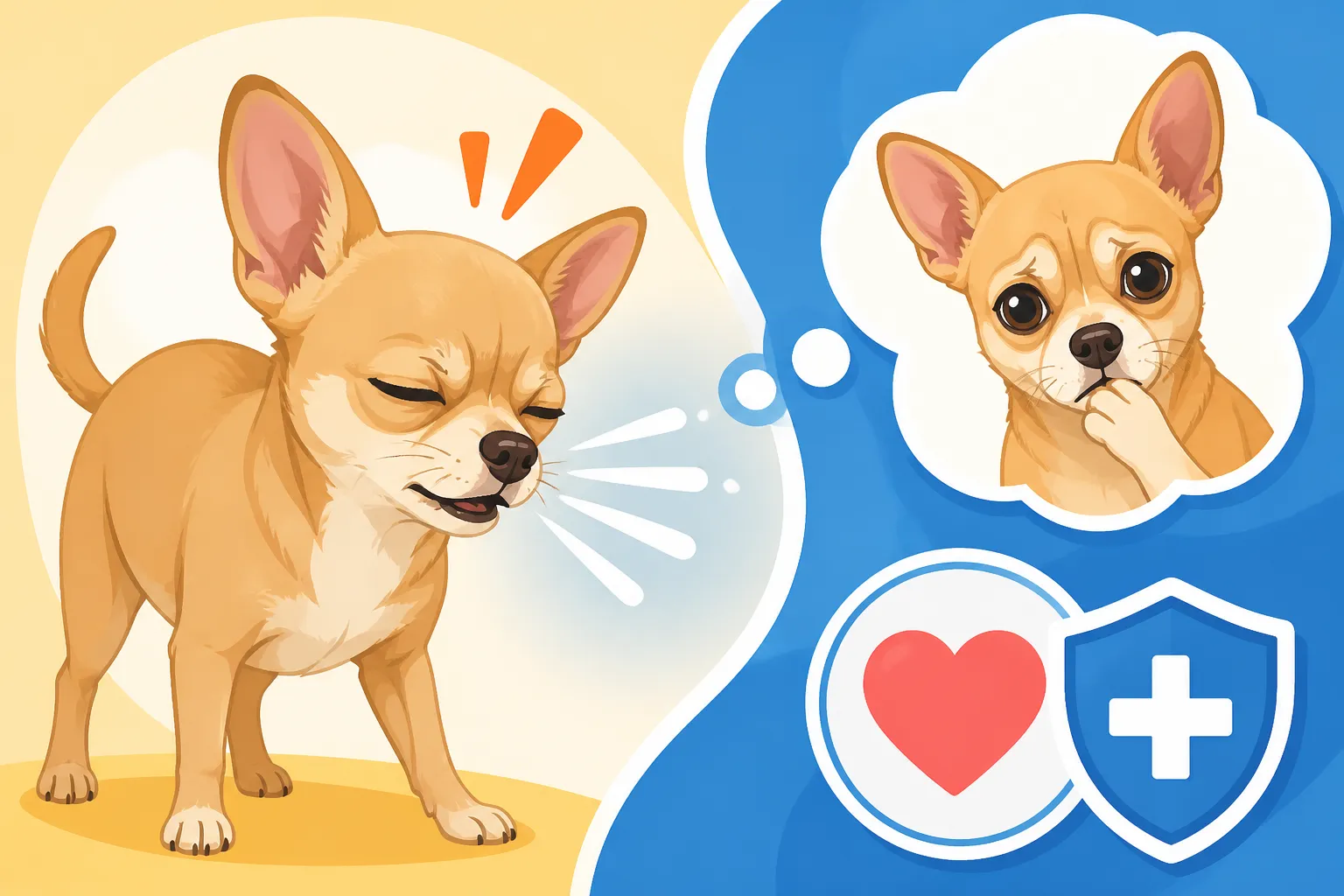
You're enjoying a quiet evening, perhaps scrolling through a feed of cute Chihuahuas, when suddenly your own little buddy starts making a noise that sounds like a pig snorting or a goose honking. It's often accompanied by their chest heaving inwards, their neck extending, and their eyes bulging slightly. This isn't a regular sneeze where air is expelled outwards; it's the exact opposite, hence the name "reverse sneeze" or paroxysmal respiration. Instead of forcing air out of the nose, your Chihuahua is rapidly and forcefully inhaling air into their nose and throat, often in quick, successive bursts. It's a reflex, just like a sneeze, designed to clear an irritant from the nasopharyngeal area, which is the space at the back of the nasal cavity, above the soft palate.
The Physiology Behind This Startling Event
Think of it this way: when something irritates the lining of your dog's throat or nasal passages – maybe a piece of dust, pollen, or even just an accumulation of mucus – the body's natural response is to try and dislodge it. For a regular sneeze, the irritation is usually in the front of the nose, and the dog expels air with force. With a reverse sneeze, the irritation is further back, closer to the pharynx (the part of the throat behind the mouth and nasal cavity, and above the esophagus and larynx). To clear this area, the soft palate (the fleshy, flexible part at the back of the roof of the mouth) spasms, and your dog takes a series of rapid, exaggerated inhalations. This creates a vacuum-like effect, pulling air inward and hopefully dislodging whatever is causing the irritation. While it looks and sounds incredibly distressing, it's generally not dangerous and the dog is still getting oxygen; it just looks like they aren't.
Why Chihuahuas Seem More Prone to Reverse Sneezing
It's a common observation among veterinarians and Chihuahua owners that these small dogs, along with other brachycephalic (short-nosed) breeds and toy breeds, seem to experience reverse sneezing more frequently. There are a few reasons why this might be the case. Firstly, their unique facial anatomy plays a significant role. Chihuahuas often have smaller, more compressed nasal passages and softer palates that are relatively long for the size of their mouth. This anatomical predisposition means there's less space for air to move freely, making them more susceptible to irritation and spasms in the nasopharyngeal area. Anything that slightly obstructs this already tight space can trigger a reverse sneeze.
Secondly, their proximity to the ground means they are constantly sniffing up dust, grass, pollen, and other irritants that larger dogs might not encounter as directly. Imagine your little four-pound companion walking nose-first through a field – they're practically vacuuming up everything! Lastly, their excitable nature can sometimes contribute. Intense joy or anxiety can sometimes cause a temporary swelling or constriction of the airways, which can then trigger an episode. This doesn't mean something is wrong with their temperament, it just means their physiology is a bit more sensitive to sudden changes. If you’re ever worried about their overall health or if it is something more serious, pet insurance plans like those offered by Healthy Paws can provide peace of mind.
Triggers and Common Causes of Chihuahua Reverse Sneezing
Understanding the common triggers can help you anticipate episodes and, in some cases, even prevent them. It's rarely one single thing but often a combination of environmental factors and your Chihuahua's daily activities. Identifying these can be a bit like detective work, but it's worth the effort to help your little one breathe easier.
Environmental Factors and Irritants
Just like humans, Chihuahuas can be sensitive to things floating in the air. Environmental irritants are a major culprit for triggering reverse sneezing. Common offenders include dust, pollen (especially during allergy season), strong perfumes, air fresheners, cleaning chemicals, and even smoke from fireplaces or cigarettes. Imagine how overwhelming these smells and particles can be for a dog with an incredibly sensitive nose and tiny airways. Dry air, particularly during winter months when indoor heating is on full blast, can also dry out nasal passages and make them more susceptible to irritation.
When your Chihuahua is walking, their low stature means they're inhaling everything at ground level. This could be grass seeds, tiny bits of leaves, or even fine dirt. Keeping your home clean and well-ventilated, using air purifiers, and avoiding harsh chemical cleaners or strong scents can make a big difference. If you suspect allergies, discussing this with your vet is a good idea. Sometimes, a simple antihistamine might be recommended for seasonal triggers, though always consult a professional before administering any medication to your tiny dog.
Excitement, Eating, and Leash Pressure
Beyond environmental factors, your Chihuahua's daily life, and even their emotional state, can bring on a reverse sneeze. Many owners notice episodes when their dog is overly excited, such as when greeting a beloved family member after a long day or during enthusiastic playtime. The rapid, deep breathing associated with excitement can sometimes cause the soft palate to briefly spasm. The same goes for intense exercise, although for a Chihuahua, "intense exercise" might just mean a spirited sprint across the living room!
Eating and drinking too quickly can also trigger a reverse sneeze. When they gulp down food or water, especially from a bowl on the floor, they can inhale some particles or liquid into the back of their throat, which then causes the reflex. Raising their food and water bowls slightly can help them eat and drink more comfortably, reducing the chance of aspiration.
Perhaps one of the most common and preventable triggers is pressure on the neck. If your Chihuahua wears a collar and you pull on the leash, that pressure can compress their delicate windpipe and trigger not only a reverse sneeze but also a more serious issue like a collapsing trachea. This is why it is so critical for a Chihuahua to be walked on a harness. A good harness distributes pressure across their chest and shoulders, completely bypassing their throat. You can read more about Why a Harness Matters for a Chihuahua Windpipe to truly understand the importance of this simple switch.
Other Health Considerations
While reverse sneezing is typically benign, it's always wise to rule out other underlying health issues, especially if the episodes are frequent, prolonged, or accompanied by other symptoms. Occasionally, conditions like a collapsing trachea (which can cause a similar honking cough), nasal mites, or even growths in the nasal passages or throat can mimic or exacerbate reverse sneezing. While uncommon, it is something to consider if episodes are persistent.
For instance, your Chihuahua might be experiencing Collapsing Trachea and the Chihuahua Honking Cough, which requires specific management. It's crucial to differentiate between these conditions, as the treatments vary significantly. If your Chihuahua also exhibits symptoms like persistent coughing, wheezing, lethargy, loss of appetite, or difficulty breathing between episodes, a vet visit is absolutely necessary. This is where having comprehensive pet insurance, like a plan from Healthy Paws, can be incredibly beneficial, covering diagnostic tests like X-rays or even endoscopies if needed, to pinpoint the true cause.
How to Respond When Your Chihuahua Has a Reverse Sneeze Episode
Seeing your little one struggle to breathe can be truly terrifying. Your first instinct might be to panic, but staying calm is the most important thing you can do for your Chihuahua. They pick up on our emotions, and your calm demeanor can help them relax, which in turn can shorten the episode.
Gentle Techniques to Shorten an Episode
Most reverse sneeze episodes are over within a few seconds, or at most, a minute or two, and your Chihuahua will return to normal as if nothing happened. However, if an episode seems particularly long or distressing, there are a few gentle techniques you can try to help them clear their airway and shorten the event:
- Gently massage their throat: Lightly stroking or massaging your Chihuahua's throat, just under their chin and down their neck, can help relax the spasm of the soft palate. This encourages them to swallow, which can help clear the irritant.
- Cover their nostrils briefly: Very gently, for just a second or two, cover your Chihuahua's nostrils. This will encourage them to swallow. When they remove their mouth from your hand, they will be forced to breathe through their mouth and take a deeper, calmer breath. Be careful not to hold it for too long or apply too much pressure.
- Offer a treat or water: If they are calm enough, offering a small, soft treat or a sip of water can encourage them to swallow, which often breaks the cycle of reverse sneezing. This is often the easiest and most effective method.
- Distract them: Sometimes, simply calling their name in a cheerful voice or offering a favorite toy can distract them enough to break the spasm. The slight shift in focus can interrupt the reflex.
Remember, the goal is to encourage a swallow or a deep breath, not to forcefully intervene. Patience and a soothing voice go a long way.
When to Be Concerned and Seek Veterinary Advice
While reverse sneezing is usually harmless, there are times when it warrants a trip to the vet. As a Chihuahua parent, it's vital to know the difference. You should definitely contact your veterinarian if:
- The episodes become more frequent or severe: If your Chihuahua starts having reverse sneezes multiple times a day, or if the episodes last longer than a few minutes.
- Your Chihuahua shows other symptoms: This is perhaps the most important indicator. If the reverse sneezing is accompanied by lethargy, appetite loss, nasal discharge (especially if it's thick, colored, or bloody), pawing at the face, persistent coughing, wheezing, blue-tinged gums, or genuine difficulty breathing between episodes.
- It starts suddenly in an older dog: While puppies and young Chihuahuas often have these episodes, if an older Chihuahua suddenly starts reverse sneezing frequently, it could indicate a new underlying issue that needs investigation.
- You suspect foreign body aspiration: If you saw your Chihuahua inhale something unusual, or if they seem to be in pain or constantly clearing their throat.
Never hesitate to call your vet if you're concerned. They can provide professional guidance and determine if further investigation, such as X-rays or other diagnostics, is necessary. Having a plan with Healthy Paws or similar pet insurance can help manage any unexpected diagnostic or treatment costs.
Differentiating Reverse Sneeze from Other Respiratory Issues
It can be really tough to tell the difference between a scary-sounding reverse sneeze and other more serious respiratory problems, especially because they can sometimes sound similar. Here's a quick guide to help you distinguish between reverse sneezing and a few other common Chihuahua respiratory concerns:
| Symptom / Condition | Reverse Sneeze | Collapsing Trachea | Kennel Cough | Asthma/Allergies (Respiratory) |
|---|---|---|---|---|
| Sound | Sudden, loud, snorting, honking, gagging, gasping inwards. | Dry, harsh, persistent "goose honk" cough. Often worse with excitement or leash pull. | Hacking, dry cough, sounds like something caught in throat, often followed by gagging. | Wheezing, open-mouthed breathing, chronic coughing, sometimes labored breathing. |
| Breathing Direction | Primarily forceful inhalation through the nose. | Forceful exhalation through the mouth, then struggling for air. | Forceful exhalation (cough). | Can be both inhalation and exhalation difficulties. |
| Duration | Usually short (10 seconds to 1-2 minutes), ends abruptly. | Can be prolonged, especially with triggers; often recurrent. | Can be sustained for minutes; worse when excited or exercising. | Chronic, persistent, can last hours or days; may be seasonal. |
| Associated Symptoms | Often none, dog returns to normal immediately. | May see panting, distress, reluctance to exercise, blue gums in severe cases. | May have mild nasal discharge, lethargy, reduced appetite. | May have runny eyes, sneezing, itchy skin, pawing at face. |
| Triggers | Excitement, eating/drinking quickly, leash pull, environmental irritants, sudden temperature change. | Leash pressure, excitement, exercise, obesity, heat/humidity, smoke. | Exposure to other dogs (dog parks, boarding, grooming). | Pollen, dust mites, mold, certain foods. |
| Severity | Generally harmless, self-limiting. | Can be mild to severe, chronic, and progressive. Requires vet management. | Highly contagious, usually self-limiting but can lead to pneumonia. | Chronic, requires ongoing management to prevent severe attacks. |
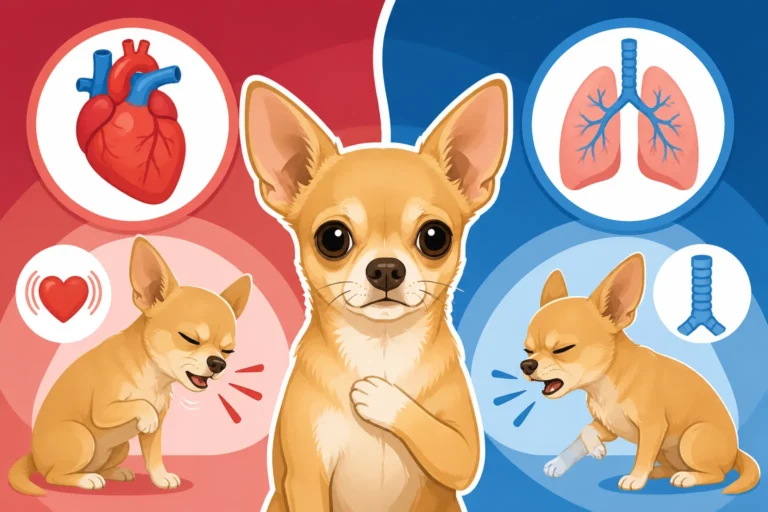
It's clear that while reverse sneezing sounds dramatic, it's typically a temporary, non-threatening event. Other conditions, particularly Chihuahua Heart Disease as the Breed Ages or a serious case of collapsing trachea, can present with similar respiratory distress but require urgent veterinary attention. If you're ever in doubt, a vet visit is the safest bet. Remember that a good pet insurance provider like Healthy Paws can often alleviate the stress of unexpected veterinary bills for these diagnostic investigations.
Long-Term Management and Prevention Strategies
While you can't completely eliminate reverse sneezing, especially in a breed predisposed to it like Chihuahuas, you can certainly take steps to reduce the frequency and severity of episodes. It's all about making their environment and routine as comfortable and airway-friendly as possible.
Environmental Modifications for Sensitive Chihuahuas
Creating an "airway-friendly" home environment is probably the most effective long-term strategy. Start by identifying and minimizing airborne irritants in your home. This means regularly dusting and vacuuming (using a vacuum with a HEPA filter if possible) to reduce dust and dander. Consider an air purifier, especially in rooms where your Chihuahua spends a lot of time. Many Chihuahuas also benefit from a humidifier, particularly in dry climates or during winter when indoor heating can dry out their nasal passages.
Beyond household chores, be mindful of scents. Strong air fresheners, scented candles, perfumes, hairsprays, and even certain cleaning products can be highly irritating to a Chihuahua's sensitive respiratory system. Opt for unscented or naturally scented products whenever possible. If you or someone in your home smokes, it's crucial to ensure your Chihuahua is never exposed to secondhand smoke, as this is a significant irritant and long-term health risk for any dog, but especially a small breed like a Chihuahua. These tiny lungs are simply not designed to handle such harsh chemicals.
Harnesses and Hydration for Better Airway Health
We've touched on it already, but the importance of a proper harness cannot be overstated for a Chihuahua. Why Collar Pressure Damages a Chihuahua Trachea is a critical piece of information for all small dog owners. A collar, even if used gently, places direct pressure on the trachea and larynx, which can easily trigger a reverse sneeze, a coughing fit, or even long-term damage like a collapsing trachea. Instead, invest in a well-fitting, comfortable harness that distributes pressure across their chest and back. There are many options available, from step-in harnesses to vest-style harnesses, so you're sure to find one that suits your Chihuahua's tiny frame.
Hydration is another simple yet effective preventative measure. Ensure your Chihuahua always has access to fresh, clean water. Good hydration helps keep their mucous membranes moist and healthy, making them less susceptible to irritation. Sometimes, adding a little bit of low-sodium broth to their water can encourage them to drink more. Consider elevating their water bowl slightly to prevent them from gulping air along with their water, which can sometimes trigger a reverse sneeze. This also ties into preventing Chihuahua Dental Disease in a Crowded Small Jaw, as good hydration contributes to overall oral health.
Proactive Veterinary Check-ups and Discussion
Regular veterinary check-ups are essential for all Chihuahuas, but especially for those prone to reverse sneezing. These routine visits provide an opportunity to discuss any changes in your dog's respiratory patterns with your vet. They can rule out more serious conditions and offer specific advice tailored to your Chihuahua's health. For instance, if allergies are suspected, your vet might suggest specific allergy testing or prescribe antihistamines.
If your Chihuahua frequently reverse sneezes and shows other signs of upper respiratory irritation, your vet might recommend a deeper look. This could involve an examination of their soft palate or even specialized imaging. For any serious investigations or treatments, having a robust pet insurance plan, such as one from Healthy Paws, can be incredibly reassuring. It means you can make decisions based on your Chihuahua's health needs, rather than solely on financial concerns. Regular check-ups are also crucial to monitor for other common Chihuahua health issues like Patellar Luxation, the Chihuahua's Commonest Joint Problem or signs of Senior Chihuahua Care Past the Age of Twelve, ensuring a holistic approach to their well-being throughout their long lifespan.
Disclaimer
The information provided in this guide is for general educational purposes only and should not be considered a substitute for professional veterinary advice. If your Chihuahua is experiencing severe respiratory distress, or if you are concerned about their health, please consult with a qualified veterinarian immediately.