End-of-Life Decisions for a Long-Lived Chihuahua
Watching your beloved Chihuahua age can be a bittersweet journey, filled with memories and the quiet understanding that their tiny paw prints won't last forever. As these incredible little dogs often bless us with fifteen, sixteen, or even seventeen years of companionship, facing the ultimate end-of-life decisions for a long-lived Chihuahua can feel overwhelming and heartbreaking. This guide is here to walk you through those incredibly tough conversations, offer practical advice for their final chapter, and help you navigate the profound grief that comes with saying goodbye.
Assessing Your Chihuahua's Quality of Life
One of the hardest parts of having a senior Chihuahua is figuring out when they’re truly suffering versus just experiencing the normal slowdowns of old age. It's a question that keeps so many of us up at night, fraught with guilt and the desperate hope we're not making a mistake. You want to make the right choice, but the lines can feel so blurry.
The Hard Reality of Subjective Well-being
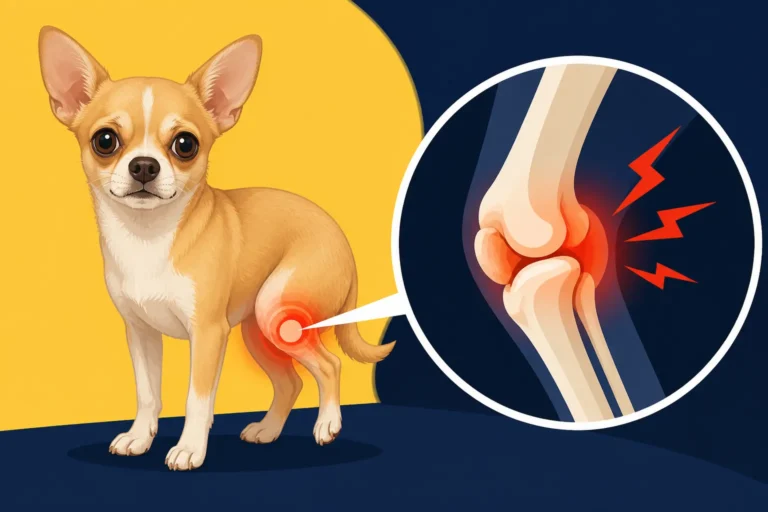
It's tempting to project our own feelings onto our tiny companions, isn't it? We see them struggling a bit and think, "Oh, they're just having a bad day," or "They still wag their tail sometimes, so they must be okay." But a Chihuahua’s definition of a good life might be very different from ours. For a long-lived Chihuahua, it might boil down to simple pleasures: a favorite blanket, a specific treat, a sunny spot to nap, or the comfort of your lap. When these core elements of joy or even basic bodily functions become consistently difficult or painful, their "well-being" begins to diminish significantly. It’s not about just surviving; it’s about thriving, even in their golden years, and knowing when that thriving stops being possible. This can be especially true if they are dealing with issues like Chihuahua Arthritis in the Teenage Years, which can significantly impact their comfort and mobility.
Using a Quality of Life Checklist
To help bring some objectivity to an incredibly emotional situation, many veterinarians and pet owners find a quality of life checklist immensely helpful. These aren't meant to be rigid pass/fail tests, but rather tools to track trends over time. You might notice, for example, that your Chihuahua used to greet you at the door every day, but now struggles to get up, or perhaps they no longer enjoy their favorite toy. Consistency is key here. One bad day isn't a crisis, but a week of bad days, or a clear downward spiral over a month, can be a strong indicator.
Here's a simplified table to help you think through different aspects:
| Category | Good Quality of Life | Diminished Quality of Life |
|---|---|---|
| Appetite & Hydration | Eats and drinks eagerly, maintains weight. | Refuses food or water consistently, significant weight loss. |
| Pain Management | Comfortably rests, moves with minimal or no signs of pain. | Cries out, trembles, avoids movement, constant restlessness. |
| Hygiene | Able to maintain cleanliness, minimal accidents. | Frequent accidents, soiled fur, unable to groom themselves. |
| Happiness/Engagement | Interacts with family, enjoys toys, seeks attention. | Withdrawn, uninterested in surroundings, hides, avoids touch. |
| Mobility | Walks, stands, navigates home with reasonable ease. | Struggles to stand, falls, cannot navigate, unable to get comfortable. |
| Breathing | Normal, quiet breathing. | Labored breathing, coughing, gasping, distress. |
This kind of daily or weekly tracking allows you to see patterns, rather than reacting to isolated incidents. It helps frame the conversation when you next speak with your vet about their Quality of Life in a Chihuahua's Final Year.
When Daily Joys Fade
Chihuahuas, despite their small size, have huge personalities and a deep capacity for joy. They live for belly rubs, sunbathing, snuggling under blankets, and those tiny bursts of energy that make them spin in circles. When these daily joys—the things that truly make life worth living for them—start to disappear, that's a critical sign. Maybe they used to bark excitedly at the mail carrier, but now just lay still. Perhaps they've always loved car rides, but now tremble with anxiety in their carrier. These aren't just minor inconveniences; they reflect a fundamental shift in their emotional and mental well-being. It's about more than just physical health; it's about whether your Chihuahua still feels like a Chihuahua, still finds pleasure in their world, and still actively participates in the life they've always known. If they're showing signs of Cognitive Decline in a Fifteen Year Old Chihuahua, this can further impact their ability to experience joy and engage with their environment.
Recognizing Signs of Decline
It's often the subtle shifts that sneak up on us first. With a tiny dog like a Chihuahua, changes can be hard to spot because they’re so good at hiding discomfort, a survival instinct that runs deep. You have to become an expert observer of your own pet.
Subtle Behavioral Changes
One day, your Chihuahua might stop greeting you at the door with the same enthusiasm. Another day, they might choose to sleep in a different room than usual, or perhaps they start pacing at night when they've always been a sound sleeper. These are not necessarily dramatic events, but when they accumulate or become consistent, they paint a picture. A Chihuahua who suddenly becomes withdrawn, irritable when touched, or anxious in familiar situations might be signaling chronic pain or discomfort. They might stop playing with their favorite toys, or even growl softly when you try to pick them up, which is very out of character. This isn’t "being a grumpy old dog"; it's often their way of saying, "Something isn't right, and I don't know how to tell you." Changes in their sleep patterns, increased vocalization (like crying or whining), or a sudden reluctance to engage in activities they once loved are all red flags that deserve attention from your vet.
Physical Deterioration and Pain Cues
Physical signs can be a bit more obvious, but again, Chihuahuas are tough little cookies. They don't always limp dramatically or yelp when in pain. Instead, you might notice a subtle change in their gait, a stiffness after lying down, or difficulty getting onto the sofa, even with their beloved ramp. Chronic pain from conditions like severe Chihuahua Dental Disease in a Crowded Small Jaw can make them reluctant to eat hard food, leading to weight loss. Labored breathing, a persistent cough (which could indicate something like Mitral Valve Disease in an Older Chihuahua or Collapsing Tracheea and the Chihuahua Honking Cough), or changes in their coat quality can all be indicators. Keep an close eye on their eyes, too; excessive tearing, discharge, or redness could point to discomfort. Swelling in their joints, or a consistent tremor that isn't related to cold or excitement, might also signal underlying issues. Don’t dismiss these as simply "getting old." These are often signs that their body is struggling and that pain management, or deeper medical intervention, is needed. Regular check-ups become even more crucial as they reach the Senior Chihuahua Care Past the Age of Twelve milestone, as early detection of these physical changes can make a big difference.
Loss of Interest in Food and Water
This is one of the most concerning signs for any pet owner, but especially for a tiny Chihuahua. Chihuahuas, even in their old age, generally love food. When they start refusing meals, picking at their kibble, or showing no interest in treats they once adored, it's a serious alarm bell. This can be due to a variety of factors: dental pain, nausea, organ failure (such as Kidney Disease in a Long-Lived Chihuahua), or simply a profound loss of appetite due to overall malaise. Similarly, a drastic decrease in water intake can quickly lead to dehydration, which exacerbates other health problems. Conversely, an increase in thirst can also be a sign of illness, like kidney disease or diabetes. Track how much they're eating and drinking, not just whether they're accepting food. Even a slight reduction over several days can have a significant impact on their small bodies. If you notice persistent changes, contact your vet immediately.
Making the Euthanasia Decision
This is undoubtedly the most agonizing decision any pet owner will ever face. The weight of it is immense, and it’s a moment no one ever truly feels ready for, no matter how long or how full a life your Chihuahua has lived.
The Gut-Wrenching Conversation with Your Vet
Your veterinarian is your most valuable ally in this difficult time. They can offer an objective medical perspective and help you understand the full picture of your Chihuahua's health. Don't be afraid to ask every single question, no matter how small or silly it feels. Ask about their prognosis, about all possible pain management options, and what their professional opinion is regarding your Chihuahua's current quality of life. Sometimes, hearing a vet say, "It's time," is both devastating and a strange form of relief, confirming what your heart already suspected. They can help you explore options for palliative care, which focuses on comfort rather than cure, or discuss the specifics of euthanasia. Remember, this conversation is not about giving up; it's about choosing compassion and preventing prolonged suffering. Many vets will discuss the ethics of the decision, helping you feel confident that you are acting in your Chihuahua's best interest. It’s a decision born of love, not abandonment.
Understanding the Process and Your Options
Once the decision is made, understanding the euthanasia process can help ease some anxiety. Most vets strive to make it as peaceful and pain-free as possible. Typically, your Chihuahua will receive a sedative first, which helps them relax and fall into a deep sleep, much like an anesthetic. This ensures they are calm and comfortable before the final step. Then, an overdose of an anesthetic drug is administered, which gently stops their heart and breathing. This is usually done intravenously, often in a leg vein. You will almost always have the option to be present, to hold and comfort your Chihuahua as they drift away. Many clinics offer options for at-home euthanasia, where a vet comes to your home, allowing your Chihuahua to pass peacefully in their most familiar and comforting environment. Discuss these choices with your vet. Aftercare options, such as cremation (private or communal) or burial, will also be presented. Knowing these details beforehand can help you feel more prepared for an incredibly difficult moment. Organizations like Lap of Love specialize in in-home pet euthanasia, offering a compassionate service that many find provides immense peace.
Dealing with Guilt and Second-Guessing
Guilt is a heavy burden that often accompanies this decision. Did I wait too long? Did I do it too soon? Could I have done more? These questions are natural and excruciating. It's important to recognize that this guilt stems from the profound love you have for your Chihuahua. You are making an impossible choice out of compassion. No matter how much logic and veterinary advice you apply, the emotional toll is immense. Remember that your Chihuahua trusts you implicitly to protect them, and sometimes, that means protecting them from prolonged pain and discomfort. Allow yourself to feel these emotions. Talk to trusted friends, family, or a pet loss support group. Understand that there is no "perfect" time, and you are acting from a place of love. Your vet can also reassure you that you're making the right choice, but the internal battle is often yours alone. For some, having pet insurance like Healthy Paws can ease the financial burden of advanced care, potentially extending comfortable time and lessening financial guilt, but the emotional journey remains profound.
Supporting Your Chihuahua's Final Days
Even when you know the end is near, these final days are precious. They offer an opportunity to shower your Chihuahua with love and comfort, making their last chapter as peaceful and joyful as possible.
Creating a Comfort-Focused Environment
Think about what truly makes your Chihuahua happy and comfortable. This might mean setting up a cozy "nest" of their favorite blankets and pillows in a quiet corner of the house, away from busy foot traffic. Ensure they have easy access to food and water bowls, perhaps even elevated ones if they struggle to bend down. Ramps or steps can become invaluable if they have difficulty jumping onto the sofa or bed, preventing falls and unnecessary strain on aging joints. Keeping the house at a consistent, warm temperature is crucial for Chihuahuas, who are prone to feeling the cold due to their small size and minimal body fat. Consider a soft, heated pet bed for extra warmth and comfort. Minimize loud noises and sudden movements, creating a serene and predictable environment. Sometimes, simply moving their bed into the room where you spend the most time provides immense comfort, allowing them to be near you without having to exert themselves. You can find useful ideas and products for this in articles discussing Ramps and Steps for a Chihuahua Sofa or Heated Beds and Whether They Are Safe.
Managing Pain and Discomfort at Home
Working closely with your veterinarian on a pain management plan is paramount. This might involve prescribed medications for arthritis, anti-inflammatory drugs, or other supportive therapies tailored to their specific conditions. Always administer medications exactly as directed and never give human pain relievers. You might also explore complementary therapies like gentle massage, warm compresses on sore joints, or even acupuncture with a vet certified in the practice. Discuss supplements with your vet; things like glucosamine and chondroitin can help joint health, while omega-3 fatty acids might reduce inflammation. Pay close attention to your Chihuahua's body language; they will often tell you if something is uncomfortable. Even something as simple as a soft sling to help them walk outside for potty breaks can make a huge difference in their daily comfort. Remember that managing pain is an ongoing process, and your vet can adjust dosages or medications as needed to keep your Chihuahua as comfortable as possible.
Cherishing Last Moments and Memories
These final days are for making memories. Take photos and videos, even if it feels difficult. Spend extra time snuggling, offering their absolute favorite treats (within veterinary guidelines, of course!), and simply being present. Let them guide the activities. If they want to nap on your lap all day, let them. If they have a sudden burst of energy and want to go for a short, gentle walk, embrace it. Many people consider a "bucket list" for their senior pet: a special meal, a visit to a favorite quiet park, or just an afternoon of uninterrupted cuddles. Remember to collect paw prints or a lock of fur if that's something you'd like to have to remember them by. These gestures, though small, become incredibly meaningful keepsakes after they are gone. The goal is to fill their last moments with as much love, peace, and comfort as you possibly can, reinforcing the bond you share. This precious time is a profound expression of your lifelong commitment.
Coping with Grief and Loss
The loss of a pet, especially a long-lived Chihuahua who has been a constant presence for so many years, is a deeply personal and often misunderstood grief. It’s important to acknowledge its validity and allow yourself to mourn.
The Profound Impact of Losing a Tiny Companion
For many of us, our Chihuahuas are not just pets; they are family members, confidantes, and constant sources of unconditional love. They are there through life's ups and downs, silently offering comfort and joy. Losing that presence leaves an immense void. The routines change, the quiet in the house is deafening, and every corner holds a memory. It's not "just a dog"; it's a significant loss that can impact your emotional, mental, and even physical well-being. Don’t minimize your pain, and don’t let others do so either. The bond with a Chihuahua is unique – their small size means they are often carried, held, and interact in ways that bigger dogs don't, deepening the connection and making their absence even more profound. You've shared years of your life, countless moments, and a love that is pure and unwavering.
Seeking Support and Processing Emotions
Grief is a complex process, and there's no right or wrong way to experience it. Allow yourself to feel the anger, sadness, guilt, and despair. Talk about your Chihuahua, share stories, and acknowledge the pain. Reaching out to a support system is vital. This could be friends, family, or a dedicated pet loss support group, either online or in person. Many veterinary clinics also offer resources or refer to counselors who specialize in pet bereavement. Don't hesitate to seek professional help if your grief feels overwhelming or prolonged. Remember that everyone grieves differently, and that's okay. Some people find solace in quiet reflection, while others need to talk constantly about their lost companion. Be kind to yourself through this challenging time.
Honoring Your Chihuahua's Memory
Finding ways to remember and honor your Chihuahua can be an important part of the healing process. This could involve creating a physical memorial, like planting a tree in their honor, setting up a special shelf with their collar and a photo, or commissioning a piece of pet portrait art. Many people carry a small memorial item, like a paw print charm or a locket with a lock of fur. You might consider donating to a local Chihuahua rescue or animal charity in their name, helping other small dogs find loving homes. Some find comfort in writing letters to their lost pet, journaling about their memories, or creating a photo album. The way you choose to honor them is deeply personal, but the act itself can help channel your grief into a tangible expression of love and remembrance. This process allows their memory to live on, continuing the love story you shared.
Financial Considerations for End-of-Life Care
While unthinkable, the financial aspect of end-of-life care is a practical reality. Being prepared can alleviate additional stress during an already emotionally charged time.
Costs of Palliative Care vs. Euthanasia
Palliative care, which focuses on providing comfort and managing symptoms for chronic conditions, can involve ongoing expenses. This might include regular vet visits (perhaps with increased Vet Visit Frequency for a Chihuahua Past Twelve), medications for pain, heart conditions, or kidney disease, special prescription diets, and even alternative therapies. These costs can add up over weeks or months. Euthanasia itself has a cost, which typically includes the procedure, sedation, and potentially a house call fee if performed at home. Prices can vary significantly based on location and clinic. Aftercare, such as cremation services (private or communal) and urns, also adds to the total. It’s wise to discuss these potential costs with your vet during your initial quality of life discussions so you can budget accordingly. Having a clear understanding of financial implications doesn't make the emotional decision any easier, but it does remove a layer of practical worry when you're most vulnerable.
Pet Insurance and End-of-Life Coverage
If you have pet insurance, check your policy details regarding end-of-life care. Many comprehensive plans, like those offered by Healthy Paws, may cover aspects of palliative care, diagnostics related to age-related illnesses, and even a portion of euthanasia costs, particularly if it's deemed medically necessary due to an illness or injury. However, pre-existing conditions are generally not covered. It's crucial to understand your deductible, reimbursement percentage, and any annual limits. If you've been consistent with your pet insurance since your Chihuahua was younger, it's more likely to provide significant financial support during their senior years. Don't wait until the last minute; review your policy now or call your provider to understand what might be covered when your Chihuahua needs it most. While insurance can't cover all costs, it can certainly lighten the financial load during an already stressful time.
Planning for Aftercare Expenses
Beyond the immediate veterinary costs, there are decisions to be made about your Chihuahua's remains, and these come with their own expenses. Cremation is a popular choice, with options for communal (where ashes are scattered or buried with other pets) or private (where you receive your Chihuahua's ashes back in an urn). Private cremation is naturally more expensive. The cost often includes a basic urn, but you might choose a more personalized urn or memorial item. If you prefer burial, you'll need to consider if you have space on your own property (and if local ordinances allow it), or if you'll use a pet cemetery, which involves plot fees and potentially headstone costs. Factor these aftercare expenses into your overall budget. Many people find comfort in knowing these plans are in place, allowing them to focus entirely on their grief and remembrance when the time comes.
Disclaimer
The information provided in this article is for general informational purposes only and is not a substitute for professional veterinary advice. Always consult with a qualified veterinarian for any health concerns or before making any decisions about your Chihuahua's care.