What Actually Ends a Chihuahua’s Sixteen Years
It's a heartbreaking reality that even our longest-lived companions eventually face their final days. While Chihuahuas are known for their incredible longevity, often reaching well into their teens, understanding what common health challenges typically bring their journey to a close can help us better prepare, manage their care, and ensure their comfort in those precious senior years. This guide aims to shed light on the primary health issues that often lead to the end of a Chihuahua's long and cherished life, offering insights into what to watch for and how to provide the best possible support.
The Inevitable Decline of an Aging Heart
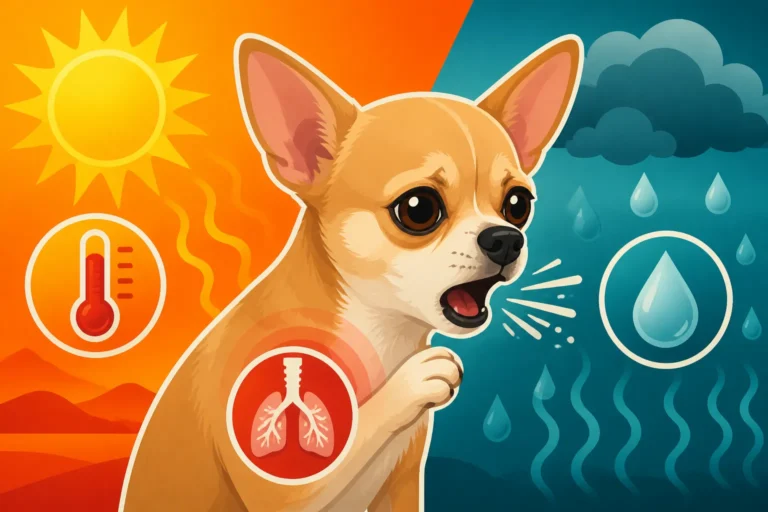
One of the most common culprits behind a senior Chihuahua's eventual decline is heart disease, particularly mitral valve disease (MVD). This condition is remarkably prevalent in small breeds as they age, and while it can often be managed for years, it ultimately progresses to a point where it significantly impacts their quality of life. Watching your little companion struggle with something as fundamental as breathing is incredibly distressing, and it’s a reality many Chihuahua parents unfortunately face.
Mitral Valve Disease Progression in Older Chihuahuas
Mitral valve disease isn't a sudden onset issue; it's a slow, insidious progression. The mitral valve, located on the left side of the heart, gradually thickens and degenerates, becoming leaky. This means that with each heartbeat, some blood flows backward into the atrium instead of being pumped forward into the body. Initially, your vet might detect a heart murmur during a routine check-up, perhaps linking it to the article on Chihuahua Heart Murmurs and What Grade Matters. At this early stage, many Chihuahuas show no outward symptoms, leading owners to breathe a sigh of relief. However, over time, the heart has to work harder to compensate for this inefficiency, eventually leading to enlargement and less effective pumping.
As the disease advances, the heart's ability to pump blood effectively diminishes, leading to symptoms that become increasingly noticeable. You might start to observe subtle changes: your Chihuahua might tire more easily on walks, pant more, or seem less eager to play. The cough, which often starts as a soft, dry hack, can become more frequent, especially at night or when they're excited. This cough isn't always from a collapsing trachea, though that's another common Chihuahua issue; it's often a sign of fluid accumulating in the lungs. Regular check-ups, including echocardiograms, are vital for monitoring the progression of Mitral Valve Disease in an Older Chihuahua and adapting treatment plans as needed.
Managing Congestive Heart Failure in Senior Years
When MVD progresses to the point where the heart can no longer compensate, it leads to congestive heart failure (CHF). This is often the stage where the disease begins to drastically affect a Chihuahua's daily life and eventually becomes a leading cause for end-of-life decisions. The fluid buildup in the lungs (pulmonary edema) is what causes that persistent, sometimes frightening, cough and difficulty breathing. You might notice their gums look pale or even bluish during a coughing fit, or they might seem unusually restless and unable to get comfortable, especially when lying down.
Managing CHF typically involves a multi-drug regimen aimed at reducing fluid retention, improving heart function, and dilating blood vessels to ease the heart's workload. Medications like diuretics (e.g., furosemide), ACE inhibitors (e.g., enalapril), and sometimes pimobendan can significantly extend a Chihuahua's comfortable life. However, these medications require diligent administration and regular vet visits to monitor their effectiveness and adjust dosages. The financial and emotional toll of managing chronic CHF can be substantial, making comprehensive pet insurance from providers like Healthy Paws a wise consideration early in your Chihuahua's life. Even with the best care, there comes a point where breathing becomes too difficult, and the medications no longer provide sufficient relief, leading to the difficult conversation about compassionate euthanasia to prevent suffering.
The Silent Threat of Advanced Dental Disease
It might seem counterintuitive to list dental disease as a cause of death, but for Chihuahuas, it's a very real and often underestimated threat. Their tiny mouths are prone to severe overcrowding, making them highly susceptible to plaque and tartar buildup from a young age. What starts as bad breath can, over years, become a deeply entrenched infection that silently erodes their health from the inside out.
When Untreated Infections Spread Beyond the Mouth
Chihuahuas are notorious for developing significant Chihuahua Dental Disease in a Crowded Small Jaw early in life. The small space means teeth are often rotated or crooked, creating perfect traps for food particles and bacteria. Without diligent daily brushing, which is admittedly challenging for many owners, tartar quickly hardens, leading to gingivitis and then periodontitis. Periodontal disease is an infection of the gums and supporting structures of the teeth. While the pain is considerable, dogs are masters at hiding it, so you might not even realize how much your Chihuahua is suffering until the disease is very advanced.
The real danger comes when these chronic bacterial infections fester beneath the gum line. The constant presence of bacteria can spread through the bloodstream to other vital organs, primarily the heart, kidneys, and liver. This is a significant concern for small breeds. A low-grade infection constantly circulating can exacerbate existing conditions, making a struggling heart work even harder or putting extra strain on aging kidneys. This systemic inflammation and infection can significantly shorten a Chihuahua's overall Chihuahua Lifespan and Why the Breed Reaches Sixteen, leading to a general decline in health and ultimately contributing to organ failure in their senior years. This is why addressing Gum Disease in a Five Year Old Chihuahua is so critical.
Jaw Fractures and Anesthesia Risks in the Elderly
Another severe complication of advanced dental disease in Chihuahuas is pathological jaw fractures. The roots of their teeth are surprisingly long relative to their tiny jawbones. When periodontal disease destroys the bone surrounding a tooth root, especially in the lower jaw, it can leave the jawbone incredibly thin and fragile. A seemingly innocuous event, like chewing on a slightly too-hard treat or even a sneeze, can result in a painful jaw fracture. The pain is excruciating, and the repair often requires specialized surgery.
For a senior Chihuahua, the risks associated with dental procedures, which often involve extractions and sometimes bone grafting, increase. While modern veterinary anesthesia is far safer than in years past, the tiny size and underlying health conditions (like heart or kidney disease) common in older Chihuahuas mean every anesthetic event carries a heightened risk, as detailed in Anesthesia Risk During a Chihuahua Dental. Owners are often caught between the rock and a hard place: leave the infection and risk systemic disease, or undertake surgery with its inherent risks. The cumulative effect of chronic dental pain, systemic infection, and the stress of multiple procedures can severely impact a Chihuahua's quality of life in their later years, ultimately leading to decisions about their comfort and well-being.
Kidney Disease: The Unseen Deteriorator
Kidney disease is another silent killer that often claims the lives of Chihuahuas in their golden years. Like heart disease, it's typically a progressive condition, meaning it worsens over time. The kidneys are vital for filtering waste products from the blood and maintaining fluid balance, and when they start to fail, the entire body suffers. It’s particularly heartbreaking because the signs often don't become obvious until a significant portion of kidney function is already lost.
Early Signs and Progression of Renal Decline
In the early stages, kidney disease in Chihuahuas, much like in larger breeds, often presents with very subtle signs that are easy to miss or dismiss as normal aging. You might notice your Chihuahua drinking a bit more water than usual and, consequently, urinating more frequently. They might have a few more accidents in the house, or you might find their bladder seems to fill up faster, leading to constant requests to go outside. As the disease progresses, these signs become more pronounced. You might see a noticeable increase in thirst and urination, and their urine might seem very dilute.
Unfortunately, by the time clinical signs like increased thirst and urination are evident, a significant portion of kidney function (often around 75%) has already been lost. As the kidneys struggle to filter toxins, these waste products build up in the bloodstream, leading to symptoms like lethargy, loss of appetite, nausea, and weight loss. Your Chihuahua might start to look dull, their coat might lose its luster, and they may have bad breath due to toxins building up. Regular senior wellness checks, which should include blood and urine tests, are crucial for detecting Kidney Disease in a Long-Lived Chihuahua early, giving you a better chance to intervene and slow its progression.
Dietary Management and Comfort Care
Once kidney disease is diagnosed, management focuses on slowing its progression and making your Chihuahua as comfortable as possible. The cornerstone of treatment is often a prescription renal diet. These diets are specifically formulated with controlled protein levels (to reduce kidney workload), restricted phosphorus, and often supplemented with omega-3 fatty acids and antioxidants. Getting a picky Chihuahua to switch to a new diet can be a challenge, but it's one of the most impactful things an owner can do.
Beyond diet, your vet might recommend medications to manage specific symptoms, such as anti-nausea drugs, appetite stimulants, or phosphorus binders. Ensuring adequate hydration is also critical, sometimes requiring subcutaneous fluid administration at home if your Chihuahua isn't drinking enough on their own. While these measures can significantly extend a Chihuahua's quality of life for months or even a few years, kidney disease is ultimately progressive and irreversible. Eventually, the kidneys will fail to the point where toxins overwhelm the body, and despite all efforts, your Chihuahua will lose their appetite, become very weak, and experience a severe decline in well-being. At this stage, focusing on comfort and pain management becomes paramount, often necessitating difficult end-of-life discussions.
The Impact of Cancer and Neurological Conditions
While Chihuahuas are generally a robust breed, they are not immune to cancer, which can tragically cut short even the longest of lives. Additionally, neurological conditions, sometimes inherent or age-related, can severely diminish their quality of life, bringing about challenges that require profound compassion and tough decisions.
Common Cancers in Chihuahuas and Treatment Challenges
Cancer is a broad term, encompassing many different types of uncontrolled cell growth, and it can affect Chihuahuas just as it can any other dog. While specific types like lymphoma, mast cell tumors, or mammary tumors might be seen, there isn't one type that disproportionately affects Chihuahuas above all others compared to some larger breeds. However, their small size presents unique challenges for diagnosis and treatment. Finding a small lump on a tiny dog can sometimes be easier than on a large, heavily furred breed, but assessing its full extent or performing extensive surgeries can be more delicate.
Treatment options for cancer in Chihuahuas mirror those for larger dogs: surgery, chemotherapy, radiation, or palliative care. The decision to pursue aggressive treatment is deeply personal and complex, weighing the potential benefits against the risks and the impact on their quality of life. For instance, a course of chemotherapy might involve frequent vet visits, which can be stressful for a small, sometimes anxious Chihuahua, and side effects like nausea or fatigue can be more pronounced in a tiny patient. Managing these treatments, and the associated costs, is another area where a robust pet insurance plan like those offered by Healthy Paws can provide crucial support. Ultimately, when cancer is widespread or aggressive, it can lead to severe pain, organ dysfunction, and a rapid decline, prompting owners to consider compassionate euthanasia to prevent suffering.
Neurological Deterioration and Quality of Life
Neurological issues can also significantly impact a Chihuahua's later years and, in severe cases, necessitate end-of-life considerations. While conditions like hydrocephalus are typically identified in Hydrocephalus Signs in a Chihuahua Puppy, some Chihuahuas might develop age-related neurological problems or experience worsening of existing conditions. For instance, some older Chihuahuas might develop late-onset seizures, even if they never had them as puppies, requiring anticonvulsant medication and close monitoring, tying into understanding Chihuahua Epilepsy and Seizure Onset. Watching your beloved pet experience a seizure can be terrifying, and while medication can often control them, severe or untreatable seizures can drastically reduce their quality of life.
Beyond seizures, cognitive decline, often referred to as canine cognitive dysfunction (CCD), is essentially doggy dementia. It can affect Chihuahuas just like any aging dog. You might notice them getting disoriented in familiar surroundings, staring blankly at walls, changes in sleep-wake cycles, or a decrease in interaction. While not directly fatal, severe CCD can lead to a profoundly diminished quality of life where the dog no longer recognizes their surroundings or family, becoming anxious or distressed. It's a cruel reality, and managing Cognitive Decline in an Aging Chihuahua often involves environmental modifications, supplements, and sometimes medication, but there comes a point where their confusion and anxiety may become too profound, leading to difficult conversations about their comfort and dignity.
Quality of Life Considerations and End-of-Life Decisions
Ultimately, what brings a Chihuahua's sixteen years to a close is often a combination of age-related diseases and a progressive decline in their overall quality of life. While modern veterinary medicine can do wonders to extend and improve their senior years, there comes a point where the accumulated burdens of various conditions become too much for their tiny bodies to bear.
Assessing Overall Well-being in Senior Chihuahuas
When multiple health issues converge—perhaps mild heart disease, early kidney disease, and some arthritis—they create a cumulative effect on your Chihuahua's well-being. Even if no single condition is immediately life-threatening, the sum of their parts can greatly diminish their joy and comfort. As owners, we often focus on trying to fix individual ailments, but the larger picture is about how your Chihuahua feels day-to-day. Are they still enjoying their favorite activities, even if modified? Are they eating and drinking adequately? Are they comfortable, or are they experiencing chronic pain, nausea, or anxiety that can't be well-controlled?
It’s crucial to have open and honest conversations with your veterinarian about your Chihuahua’s overall quality of life. They can help you assess various factors using tools like quality of life scales, which consider things like pain, appetite, hydration, hygiene, happiness, mobility, and the presence of more good days than bad. This holistic approach is key, especially as you navigate Senior Chihuahua Care Past the Age of Twelve. It’s easy to focus on just one symptom, but stepping back to see the whole picture can help you make the best, most loving choices for your little one.
The Difficult Choice: Compassionate Euthanasia
When all medical interventions have been exhausted, and your Chihuahua's quality of life has irrevocably declined, the most compassionate decision an owner can make is often euthanasia. This is perhaps the most painful aspect of pet ownership, especially after such a long and devoted companionship. It's a decision born of love, to spare them from further suffering, and it’s a moment no pet parent ever truly feels ready for. Understanding End-of-Life Decisions for a Long-Lived Chihuahua involves recognizing when continued treatment would prolong suffering rather than extend comfort.
This final act of kindness is a way to ensure their passing is peaceful and pain-free, surrounded by the love they have known their entire lives. It allows them to avoid the potentially prolonged and distressing natural processes of organ failure or advanced disease. While the grief is immense, knowing you've done everything in your power to care for them, including making the hardest choice to prevent their suffering, can offer a measure of peace.
| Common End-of-Life Conditions in Chihuahuas | Key Symptoms | Progression & Impact | Management & Outcome |
|---|---|---|---|
| Mitral Valve Disease (MVD) | Cough, lethargy, difficulty breathing, restless nights | Slow, progressive heart failure, leading to fluid in lungs (CHF) | Medications (diuretics, ACE inhibitors); ultimately fatal as heart fails |
| Kidney Disease | Increased thirst/urination, lethargy, poor appetite, weight loss | Progressive loss of kidney function, toxin buildup, organ failure | Renal diet, fluids, medications; ultimately fatal when kidneys shut down |
| Advanced Dental Disease | Bad breath, pain, difficulty eating, loose teeth, jaw swelling | Systemic infection spread to organs, jaw fractures, chronic pain | Extractions, antibiotics; can contribute to organ failure; anesthesia risks in seniors |
| Cancer | Lumps, bumps, weight loss, lethargy, changes in appetite | Varies by type; can cause pain, organ dysfunction, rapid decline | Surgery, chemo, radiation, palliative care; often fatal if aggressive/widespread |
| Neurological Deterioration (e.g., severe CCD) | Disorientation, anxiety, altered sleep, staring, unresponsiveness | Progressive cognitive decline, severe anxiety or confusion | Environmental changes, supplements, medication; leads to poor quality of life |
Ultimately, what shortens a Chihuahua's life or brings it to its natural conclusion is often a complex interplay of genetic predispositions, environmental factors, and simply the inevitable wear and tear of a long life. While we can’t stop time, understanding these common conditions empowers us to provide the best care possible, ensuring our beloved Chihuahuas enjoy every moment of their precious, long lives.
Disclaimer
The information provided in this article is for educational purposes only and is not a substitute for professional veterinary advice. Always consult with a qualified veterinarian for any health concerns or before making any decisions about your Chihuahua's care.