Quality of Life in a Chihuahua’s Final Year
Watching your beloved Chihuahua enter their final year can bring a mix of emotions – immense gratitude for the time you've shared, but also a profound anxiety about their comfort and happiness as they age. It's heart-wrenching to witness the changes that come with seniority, from slower movements to shifts in appetite and personality, and knowing how to best support them can feel like an overwhelming responsibility. This comprehensive guide is here to walk you through understanding, assessing, and ultimately enhancing the quality of life for your cherished senior Chihuahua during this tender time.
Understanding the Nuances of Senior Chihuahua Health
As Chihuahuas are known for their impressive longevity, often reaching 16 years or more, their senior years can span a significant period. This means understanding the specific challenges they face as they gracefully age is crucial. It's not just about treating illnesses, but about recognizing the subtle shifts that indicate declining comfort or well-being.
Recognizing the Subtle Shifts in Behavior
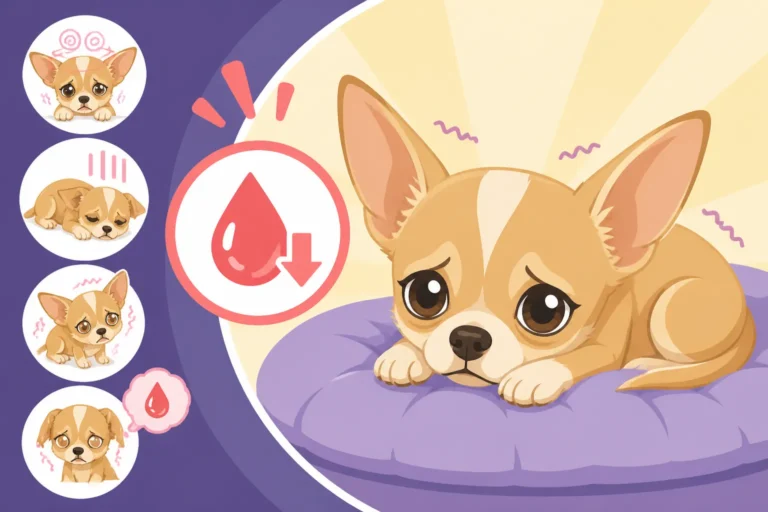
One of the first things you'll likely notice in an aging Chihuahua isn't a dramatic illness, but rather subtle changes in their daily routine and temperament. Your once spunky, energetic companion might start sleeping more, being less interested in walks, or becoming more withdrawn. They might start to lose their keen senses; their hearing might diminish, leading them to startle more easily, or their eyesight might worsen, causing them to bump into furniture or become hesitant in unfamiliar surroundings. These aren't just "old dog behaviors"; they can be indicators of underlying pain, discomfort, or cognitive decline. For instance, a Chihuahua that suddenly becomes irritable or snaps when handled might be experiencing pain from Chihuahua Arthritis in the Teenage Years rather than just being "grumpy."
It's vital to pay close attention to changes in their social interactions too. A Chihuahua who previously loved cuddling on the couch might now prefer to nap alone in a quiet corner. Or, conversely, a dog who was always independent might suddenly become clingier, seeking constant reassurance. These shifts often speak volumes about how they're feeling physically and mentally. Ignoring these cues can lead to unnecessary suffering, as your little friend might be trying to tell you something important but doesn't have another way to communicate. Keeping a small journal of these observations can be incredibly helpful for discussions with your vet, providing concrete examples rather than vague recollections.
Common Ailments Affecting Older Chihuahuas
Just like people, Chihuahuas are prone to certain health conditions as they age. While they are known for their hardiness, their tiny bodies can be susceptible to issues that significantly impact their quality of life. Chihuahua Dental Disease in a Crowded Small Jaw is an incredibly common and painful issue, often leading to difficulty eating, bad breath, and even systemic infections if left untreated. Many older Chihuahuas also grapple with Mitral Valve Disease in an Older Chihuahua, a heart condition that can lead to coughing, fatigue, and difficulty breathing. Early detection and management are key for these conditions, helping to slow their progression and maintain comfort.
Beyond these, joint issues like patellar luxation, which many Chihuahuas are predisposed to, can worsen into severe arthritis in their golden years, severely limiting mobility. Conditions like Kidney Disease in a Long-Lived Chihuahua become more prevalent, requiring dietary changes and ongoing medical management. Neurological issues, including seizures or even Cognitive Decline in a Fifteen Year Old Chihuahua, can also manifest, impacting their awareness and ability to navigate their world. This is why regular veterinary check-ups are non-negotiable for senior Chihuahuas. Many owners find that investing in pet insurance, from providers like Healthy Paws, early in their Chihuahua's life can significantly ease the financial burden of managing these chronic conditions in later years, allowing them to focus on care rather than cost.
Assessing Your Chihuahua's Daily Comfort and Happiness
Evaluating a senior Chihuahua's quality of life isn't always straightforward. It requires a holistic approach, looking beyond just whether they're eating or walking, and delving into their overall well-being. This ongoing assessment is a gift you give your loyal companion, ensuring their final chapters are filled with as much comfort and joy as possible.
The Importance of Pain Management
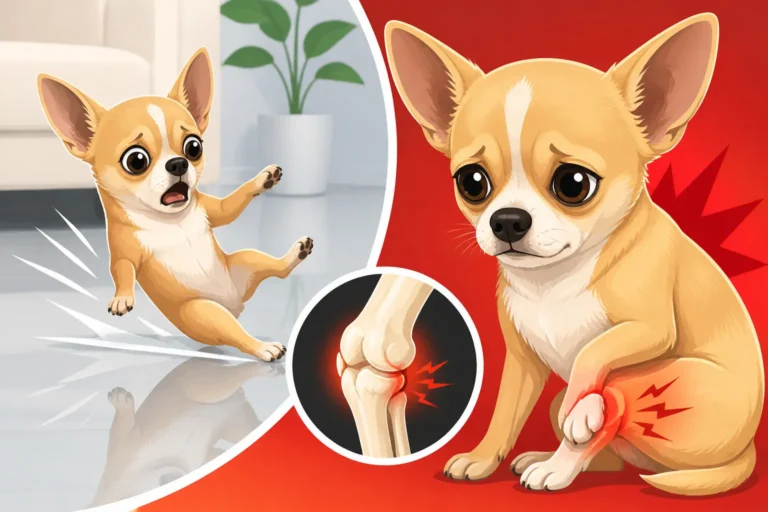
Pain is arguably the most significant factor impacting a senior Chihuahua's quality of life, yet it's often the hardest for owners to detect. Chihuahuas are notoriously stoic, and their small size means subtle signs of discomfort can be easily missed or misinterpreted as mere "old age." Chronic pain from conditions like arthritis, back problems, or dental disease can erode their happiness day by day. You might observe a reluctance to jump on the sofa, difficulty finding a comfortable sleeping position, a change in gait, or even increased panting or licking at a specific body part. They may withdraw from interaction or show aggression when touched in certain areas.
Effective pain management is transformative. It often involves a multi-modal approach, combining veterinary-prescribed anti-inflammatory medications (NSAIDs), joint supplements like glucosamine and chondroitin, and alternative therapies such as acupuncture, laser therapy, or even therapeutic massage. Your vet might also suggest specific Mobility Help for a Fifteen Year Old Chihuahua, like ramps or steps to prevent strenuous jumps. The goal isn't just to mask the pain, but to allow your Chihuahua to move more freely, sleep more soundly, and engage more joyfully with their world. Regular discussions with your veterinarian about their pain levels, and adjustments to their medication as needed, are crucial. Some pet insurance plans, including those from Healthy Paws, may help cover the ongoing costs of these pain management therapies, making consistent care more accessible.
Maintaining Mental Engagement and Emotional Well-being
Physical comfort is paramount, but a Chihuahua's mental and emotional health is equally important for a good quality of life. An aging dog can still thrive with appropriate mental stimulation. Gentle games, puzzle toys filled with small, soft treats, or even just short, sniff-focused walks can keep their minds sharp and prevent boredom or depression. These activities should be tailored to their energy levels and physical limitations; a short stroll around the block where they can sniff new smells might be more enriching than a longer, more strenuous walk.
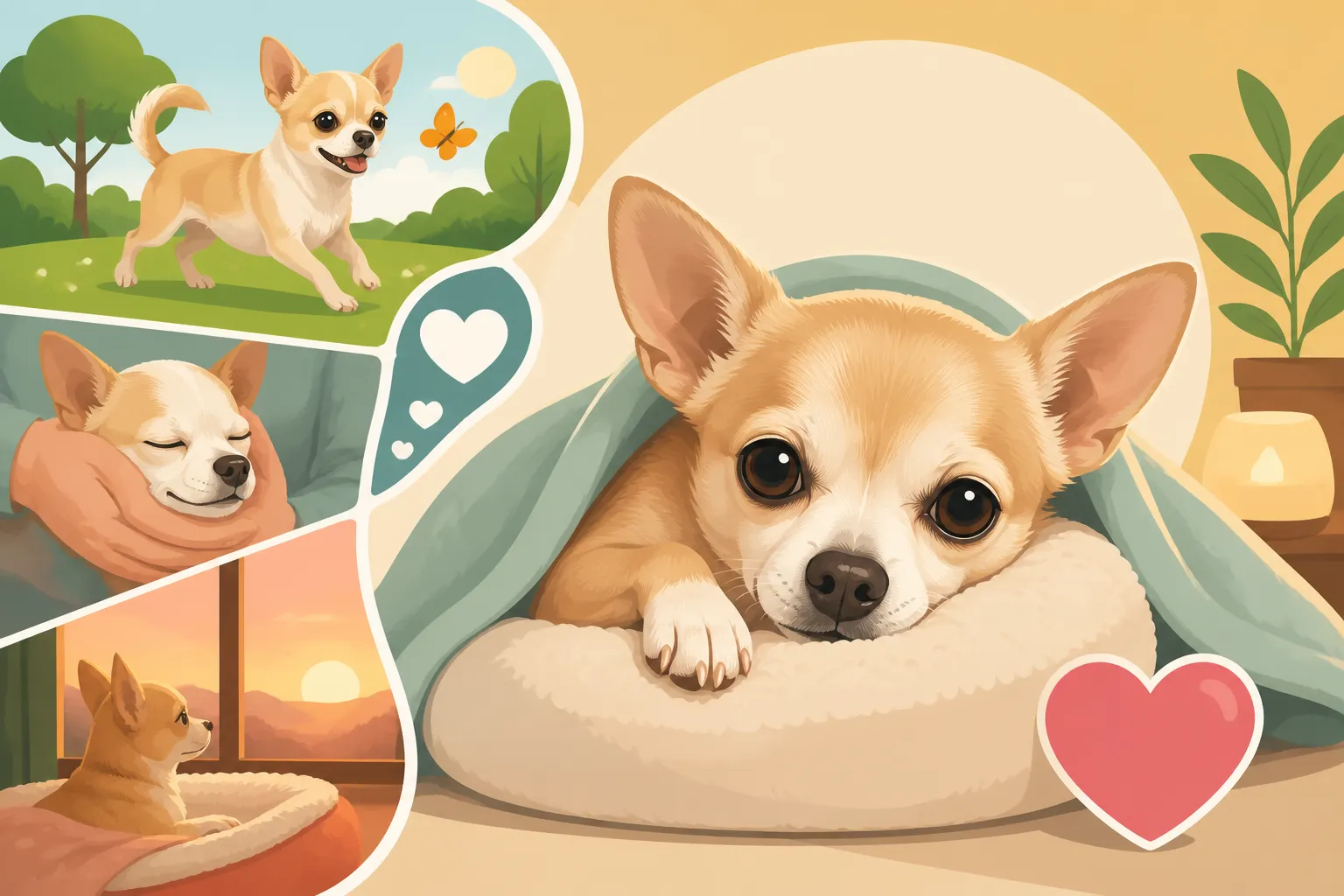
Emotional well-being means providing a secure, predictable, and loving environment. Senior Chihuahuas often benefit from routine, as changes can be disorienting, especially if they are experiencing Vision and Hearing Loss in an Old Chihuahua or cognitive decline. Create a comfortable, easily accessible "den" where they can retreat, equipped with soft bedding and familiar scents. Continue to offer affection and gentle interaction, respecting their boundaries if they prefer quiet time. Even if they don't seem as responsive, your presence and gentle touch provide immense comfort. It's about letting them know they are still cherished members of the family, even if their roles are shifting.
Evaluating Appetite, Hydration, and Elimination
These basic biological functions are fundamental indicators of a Chihuahua's health and comfort. A sudden decrease in appetite, or a complete refusal to eat, is always a red flag and warrants immediate veterinary attention. It could be due to painful teeth, nausea from kidney disease, or simply a lack of interest due to systemic illness. Conversely, a senior Chihuahua who is constantly hungry might be experiencing a metabolic issue. Discussing options like An Old Chihuahua That Stops Eating Breakfast or finding highly palatable prescription diets can make a huge difference.
Hydration is just as important. Ensure fresh water is always available in multiple, easily accessible locations. If your Chihuahua isn't drinking enough, you might need to try adding water to their food or offering low-sodium broths. Changes in elimination patterns – increased urination, difficulty urinating, accidents in the house, or changes in stool consistency – can signal various problems, from urinary tract infections to kidney disease or digestive issues. While occasional accidents can happen with older dogs, a consistent change needs investigation. Your vet will want to rule out medical causes before attributing it to "just old age." Keeping track of these patterns helps your vet pinpoint potential issues quickly.
Making Thoughtful End-of-Life Decisions
This is perhaps the most emotionally taxing part of sharing your life with a long-lived Chihuahua. The decision-making process during their final year should always prioritize their comfort, dignity, and overall quality of life. It’s about ensuring their remaining time is as good as it can be.
Open Communication with Your Veterinary Team
Your veterinarian is your most valuable partner in navigating your Chihuahua’s senior years. They can offer objective assessments, explain medical options, and help you understand the progression of various conditions. Don't hesitate to ask candid questions about prognosis, pain management strategies, and what to expect as their condition advances. Regular Vet Visit Frequency for a Chihuahua Past Twelve becomes even more important during this time, allowing your vet to monitor chronic conditions and adjust treatments.
It’s completely normal to feel overwhelmed and conflicted, and your vet understands this. They can help you differentiate between what is manageable and what is truly causing irreversible suffering. They can also guide you through the difficult conversations surrounding humane euthanasia, should that time come. Resources like the Ohio State University's "How Do I Know When It's Time?" questionnaire or similar quality of life assessment tools can be incredibly helpful in providing a structured way to evaluate your dog's daily well-being and initiate these crucial conversations. This open dialogue ensures you're making informed decisions that are truly in your Chihuahua's best interest. Many owners find peace of mind knowing they've explored every avenue for comfort and care.
Creating a Comfort-Focused Environment
As your Chihuahua enters their final year, adapting their living space to maximize comfort and minimize stress is paramount. This might mean making small changes that have a big impact. Provide extra soft bedding, ideally orthopedic beds that support aging joints. Ensure their food and water bowls are easily accessible without requiring them to stoop or stretch uncomfortably. Ramps for beds and sofas are vital to prevent painful jumps and falls, especially for dogs with arthritis or weakened legs.
Consider their temperature regulation. Chihuahuas have little body fat and can get cold easily, so ensure they have cozy blankets and perhaps a sweater, even indoors. Minimize loud noises and sudden movements that might startle them if their hearing or vision is failing. If they have accidents, consider using washable pee pads to maintain hygiene without causing them undue stress or embarrassment. The goal is to create a safe, warm, predictable sanctuary where they feel secure and loved, free from unnecessary physical or mental strain. This gentle approach helps them conserve energy and enjoy their remaining moments without added worry or discomfort.
Creating a Holistic Quality of Life Assessment
While our love for our Chihuahuas is boundless, emotions can sometimes cloud our judgment when it comes to assessing their comfort. A structured approach can help you objectively evaluate their well-being, providing clarity during a challenging time.
Using a Structured Approach to Evaluation
A quality of life assessment isn't a one-time event; it's an ongoing process. It involves regularly observing your Chihuahua's daily activities, behaviors, and physical state, and often involves scoring them on various parameters. Many veterinary practices and pet owner resources offer specific checklists or scales for this purpose. These typically cover key areas such as:
- Pain: Is their pain controlled? Do they show signs of discomfort (e.g., limping, restlessness, vocalization)?
- Appetite/Hydration: Are they eating and drinking adequately? Are they interested in treats?
- Hygiene: Are they able to groom themselves? Are they having frequent accidents?
- Happiness/Interest: Are they still engaging with family? Do they show interest in favorite toys or activities? Do they have "good days" vs. "bad days"?
- Mobility: Can they stand, walk, and eliminate without significant difficulty or pain?
- Breathing: Is their breathing easy and regular, or labored? (Especially relevant for Chihuahuas with Chihuahua Heart Disease as the Breed Ages or tracheal issues).
By consistently evaluating these areas, you create a clearer picture of your Chihuahua's overall well-being. This objective data helps you and your vet make the best decisions about their ongoing care, including when to adjust medication or consider other interventions. This data can also be invaluable when discussing End-of-Life Decisions for a Long-Lived Chihuahua.
Here's a simplified table you can use as a starting point to assess your Chihuahua's quality of life:
| Category | Score 0 (Poor) | Score 1 (Fair) | Score 2 (Good) | Notes / Observations |
|---|---|---|---|---|
| Appetite & Hydration | Refuses most food/water | Eats some, but with encouragement | Eats/drinks readily and with interest | |
| Pain Level | Constant, unmanaged pain | Pain managed with medication, occasional breakthrough | Appears pain-free or minimal discomfort with medication | |
| Mobility | Unable to stand/walk without help | Struggles, limited movement, needs assistance | Moves relatively freely, enjoys short walks | |
| Hygiene/Elimination | Frequent accidents, soiled | Occasional accidents, some self-care | Controls bladder/bowel, relatively clean | |
| Happiness/Interest | Withdrawn, no interest in surroundings | Shows intermittent interest, some good moments | Engages with family, shows joy in daily life | |
| Breathing | Labored, distressed | Occasional cough/pant, not always easy | Easy, regular breathing |
Total Score (out of 12): A score below 6-7 generally indicates a significantly diminished quality of life, prompting urgent veterinary discussion.
Prioritizing Comfort Over Cure
In their final year, the focus shifts dramatically from extending life at all costs to preserving quality of life. This means making decisions that prioritize comfort, minimize stress, and allow your Chihuahua to experience joy, even in small moments. Sometimes, this means choosing palliative care over aggressive treatments that might cause more distress than benefit. For example, instead of repeated invasive procedures for a severely impacted Chihuahua Dental Disease in a Crowded Small Jaw, it might be more humane to manage pain and offer soft, easy-to-eat foods.
It's a journey of balancing medical interventions with compassionate care. This balance is highly individual to each dog and family. What matters most is that your Chihuahua feels loved, safe, and as comfortable as possible. This might involve spoiling them with their favorite soft blanket, a special treat, or simply quiet cuddle time on your lap. The goal is to honor the incredible bond you share by ensuring their last year, however long it may be, is lived with dignity and peace. Remember, pet insurance plans like those offered by Healthy Paws can provide support for chronic conditions, helping you afford the best comfort care for your senior companion without added financial stress.
Disclaimer
The information provided in this guide is for general educational purposes only and should not be considered a substitute for professional veterinary advice. Always consult with a qualified veterinarian for any health concerns or before making any decisions about your Chihuahua's care, especially concerning their senior health and quality of life.