Cough Suppressants Used for a Chihuahua
Hearing your tiny Chihuahua struggle with a cough can be absolutely heartbreaking and, frankly, quite scary. Their small bodies and delicate systems make any persistent health issue feel magnified, and a cough can quickly become a major concern, leaving you wondering if they can even breathe properly. This comprehensive guide is here to walk you through understanding why your Chihuahua might be coughing and, more importantly, the various cough suppressants and management strategies available to help them find relief and comfort.
Unraveling the Mystery of Your Chihuahua's Cough
A cough in a Chihuahua is rarely just a cough; it's often a symptom trying to tell you something important about their health. Because of their unique physiology, particularly their small size and often compressed respiratory systems, Chihuahuas are susceptible to certain conditions that manifest as a cough. It's crucial not to dismiss it as a minor irritation, as it could point to something serious that requires veterinary attention. Understanding the potential causes is the first step toward getting your little one the right help.
Common Causes of Chihuahua Coughing
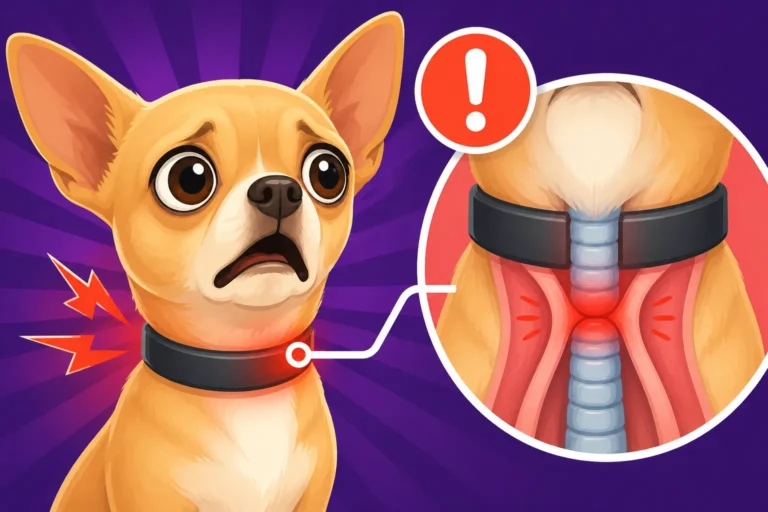
One of the most frequent culprits behind a Chihuahua's cough is a condition known as tracheal collapse. This occurs when the rings of cartilage that hold the windpipe open weaken and flatten, making it difficult for air to pass through. You'll often hear this as a distinct, dry, honking cough, almost like a goose, especially when your Chihuahua is excited, pulling on their leash, or even just drinking water. It can be quite alarming to witness, and while some cases are mild, others can severely impact their breathing. Understanding The Honking Cough of Chihuahua Tracheal Collapse is vital for many Chihuahua owners.
Beyond the trachea, heart disease can also be a significant cause of coughing in Chihuahuas, particularly as they age. Conditions like Mitral Valve Disease, where a valve in the heart doesn't close properly, can lead to fluid buildup in the lungs. This type of cough is often described as a soft, wet cough, sometimes accompanied by labored breathing or restlessness, especially at night. It's not uncommon for an older Chihuahua to develop Mitral Valve Disease in an Older Chihuahua, and distinguishing a heart cough from a trachea cough is a skill your vet will employ during diagnosis.
Other less common but still relevant causes include kennel cough, a highly contagious respiratory infection; allergies, which can cause irritation and inflammation; and even dental disease. Severe dental problems can sometimes lead to sinus infections that irritate the respiratory tract. Given how prone Chihuahuas are to Chihuahua Dental Disease in a Crowded Small Jaw, this is another area where symptoms can sometimes overlap.
Recognizing Different Cough Types and When to Act
Paying close attention to the characteristics of your Chihuahua's cough can give your veterinarian valuable clues. As mentioned, the dry, harsh, honking cough is highly suggestive of tracheal issues. This cough might worsen with activity, stress, or when pressure is applied to the neck, like from a collar. If you notice your Chihuahua making this sound, especially if it's accompanied by gasping or a bluish tint to their gums, it's an emergency.
Conversely, a wet, gurgling, or soft cough, particularly if it's accompanied by a decrease in energy, difficulty breathing, or a swollen belly, could indicate a cardiac problem. This cough might be more noticeable after exercise or during periods of rest. Any new, persistent cough, or a sudden change in an existing cough, warrants an immediate veterinary visit. Even if it seems minor, a Chihuahua's small lung capacity means respiratory distress can escalate quickly. Don't wait for it to get worse; early intervention can make a huge difference in their prognosis and comfort.
Veterinary-Prescribed Cough Suppressants for Chihuahuas
When it comes to providing genuine relief for a Chihuahua's persistent cough, prescription medications are often the most effective and safest route. Your veterinarian will conduct a thorough examination, which might include X-rays to assess the trachea and lungs, or an echocardiogram to check heart function, to pinpoint the exact cause of the cough. Only then can they prescribe the appropriate cough suppressant or treatment. It's incredibly important to stress that you should never give your Chihuahua human cough medicine without explicit veterinary guidance, as many ingredients can be toxic to dogs, especially at their tiny body weight.
Opioid-Based Cough Suppressants
For severe, non-productive coughs, especially those linked to tracheal collapse, veterinarians often turn to opioid-based cough suppressants. Medications like hydrocodone or butorphanol work by suppressing the cough reflex in the brain. They are incredibly effective at providing relief, allowing your Chihuahua to rest and reducing the irritation that perpetuates the coughing cycle.
Hydrocodone, for instance, is a narcotic cough suppressant and pain reliever. It can be given in very small, carefully calculated doses to Chihuahuas. While effective, it can cause side effects such as sedation, constipation, or gastrointestinal upset. Butorphanol is another opioid used for cough suppression and pain, often preferred for its shorter duration of action and less pronounced sedative effects compared to hydrocodone. It's commonly used when an acute cough needs to be managed quickly. The exact dosage will be meticulously determined by your vet based on your Chihuahua's weight and the severity of their condition. These medications are powerful and must be used exactly as prescribed.
Anti-Inflammatory Medications and Bronchodilators
Sometimes, a Chihuahua's cough is driven by inflammation in the airways rather than just a reflex. In such cases, corticosteroids like prednisone might be prescribed. These powerful anti-inflammatory drugs can reduce swelling in the trachea and bronchi, making breathing easier and lessening the urge to cough. They are particularly useful for conditions where inflammation is a key component, such as severe tracheal irritation or certain allergic reactions affecting the lungs. However, corticosteroids come with their own set of potential side effects, including increased thirst and urination, increased appetite, and long-term issues like adrenal suppression, so their use is carefully monitored.
Bronchodilators, such as theophylline or terbutaline, might be used in conjunction with cough suppressants, particularly if there's evidence of constricted airways or conditions resembling asthma. These medications work by relaxing the muscles around the airways, widening them and allowing for easier airflow. While not direct cough suppressants, by improving breathing, they can indirectly reduce the coughing effort. It's a bit like giving a congested person something to open up their chest – it helps them clear the air better without necessarily stopping the cough reflex entirely.
Diuretics and Other Heart Medications for Cardiac Coughs
If your vet determines that your Chihuahua's cough is a symptom of heart disease and fluid buildup in the lungs, cough suppressants alone won't solve the core problem. In these situations, diuretics like furosemide (often known by the brand Lasix) become a primary treatment. These medications help the body shed excess fluid, including fluid accumulated in the lungs, which directly alleviates the pressure causing the cough.
Alongside diuretics, other heart medications, such as ACE inhibitors (e.g., enalapril, benazepril) and pimobendan (Vetmedin), are crucial for managing heart failure. These drugs work to improve heart function, reduce the workload on the heart, and slow the progression of the disease. While they don't directly suppress the cough reflex, by treating the underlying cardiac condition, they effectively resolve the associated cough. This intricate approach highlights why correctly identifying the cause of the cough is paramount; simply suppressing a heart-related cough without treating the heart disease would be ineffective and dangerous.
Supportive Care and Environmental Management
While prescription medications are vital for acute or severe coughs, supporting your Chihuahua with thoughtful home care and environmental adjustments can make a significant difference in their comfort and recovery. These measures work in tandem with veterinary treatments to reduce irritants and make breathing easier for their tiny lungs.
Environmental Adjustments for Respiratory Health
One of the simplest yet most effective ways to help a coughing Chihuahua is to manage their environment. First and foremost, ensure the air quality in your home is excellent. If you smoke, it's absolutely crucial to do so outside and away from your pet, as secondhand smoke is a major irritant for sensitive airways. Similarly, strong chemical cleaners, air fresheners, and even some scented candles can irritate your Chihuahua's respiratory system. Opt for pet-safe cleaning products and good ventilation.
Humidity can also play a big role. Dry air can exacerbate a cough, especially one related to tracheal irritation. Using a humidifier in the room where your Chihuahua sleeps can help keep their airways moist and reduce irritation. You might also find that gentle steam, like from a steamy bathroom after a shower, provides temporary relief. Just be sure your Chihuahua isn't left unsupervised and doesn't get too hot.
For Chihuahuas with collapsing trachea, managing their excitement and avoiding anything that puts pressure on their windpipe is key. Switching from a collar to a well-fitting harness is non-negotiable. Not just any harness, but one that truly removes pressure from their neck and distributes it across their chest. This is why Harnesses That Spare a Chihuahua Windpipe are so important. Even gentle tugs on a collar can trigger a coughing fit, or worse, worsen the tracheal collapse over time.
Holistic and Over-the-Counter Cautions
While the internet is full of suggestions for natural remedies, extreme caution must be exercised with Chihuahuas. Their small size makes them particularly vulnerable to incorrect dosages or ingredients that are safe for larger dogs but toxic for them. For instance, while a tiny bit of honey might soothe a sore throat, it should never be given to a diabetic Chihuahua or as a primary cough treatment without vet approval.
It cannot be overstated: do not give your Chihuahua human over-the-counter cough suppressants or cold medicines. Ingredients like pseudoephedrine, acetaminophen, or dextromethorphan, commonly found in human cold remedies, are highly toxic to dogs and can cause severe illness, liver damage, or even death, especially in a dog as small as a Chihuahua. Always consult your veterinarian before administering any medication, even those marketed as natural or pet-safe. Your vet can advise on truly safe options, such as specific veterinary-formulated cough syrups or supplements, if appropriate for your dog's condition. They might recommend something to help manage the cough, but only after ruling out serious underlying issues.
Long-Term Management and Financial Planning for Chronic Coughs
Dealing with a chronic cough in a Chihuahua, whether it's due to collapsing trachea or heart disease, is often a journey of long-term management rather than a quick fix. This means ongoing veterinary care, potential medication adjustments, and careful financial planning to ensure your beloved companion receives the best possible quality of life.
Ongoing Veterinary Care and Lifestyle Adjustments
For conditions like tracheal collapse or heart disease, regular check-ups are essential. Your veterinarian will monitor your Chihuahua's condition, adjust medication dosages as needed, and keep an eye out for any progression of the disease. This might involve periodic X-rays, cardiac evaluations, or blood work. It's an ongoing partnership between you and your vet to manage the condition effectively.
Beyond medication, lifestyle adjustments play a huge role. Maintaining a healthy weight is paramount, especially for Chihuahuas with tracheal issues. Even a pound or two of excess weight puts additional pressure on their already compromised airways. Addressing Weight Loss as Chihuahua Trachea Treatment can make a significant impact on their breathing and overall comfort. Regular, gentle exercise that doesn't trigger coughing fits is also important for overall health, but it must be tailored to your Chihuahua's specific condition. Avoid extreme temperatures, as both very hot and very cold air can irritate airways.
The Role of Pet Insurance in Managing Chronic Conditions
The reality of managing a chronic condition like collapsing trachea or heart disease is that it can become quite expensive over time. The costs can quickly add up from diagnostics, specialist visits, daily medications, and emergency care. This is where pet insurance can be an absolute lifesaver. Companies like Healthy Paws offer comprehensive coverage that can help mitigate the financial burden of ongoing treatments for chronic conditions.
Enrolling your Chihuahua early, before any conditions manifest, is crucial because most insurance policies consider pre-existing conditions ineligible for coverage. However, for conditions diagnosed after your policy is active, a good plan can cover a significant portion of your vet bills, allowing you to make medical decisions based on what's best for your Chihuahua, rather than solely on your wallet. From daily heart medications to potential emergency visits for severe coughing fits, Chihuahua Pet Insurance and Its Low Premium can provide invaluable peace of mind, ensuring that when those unexpected bills arise, you have support.
It's a conversation worth having with your vet and an insurance provider to understand what's covered and how it can benefit your Chihuahua's long-term health. Knowing you have a safety net can reduce a lot of stress during already difficult times.
| Condition | Primary Symptom | Common Characteristics | Typical Treatment Approach |
|---|---|---|---|
| Collapsing Trachea | Dry, honking cough | Worsens with excitement/exertion; "goose honk" sound | Cough suppressants (opioids), anti-inflammatories, bronchodilators, weight management, harness use |
| Heart Disease | Soft, wet cough | Worse at rest/night; labored breathing, reduced stamina | Diuretics, ACE inhibitors, pimobendan, specific cardiac medications |
| Kennel Cough | Harsh, hacking cough | Highly contagious; often sudden onset; can sound like something stuck in throat | Rest, antibiotics (if bacterial), cough suppressants, humidifiers, good nutrition |
| Allergies/Irritants | Mild to moderate cough, sneezing | Often seasonal or related to specific environmental triggers | Antihistamines, corticosteroids (if severe), environmental control, air purification |
Disclaimer
The information provided in this guide is intended for educational purposes only and should not be considered a substitute for professional veterinary advice. Always consult with a qualified veterinarian for any health concerns or before starting any new treatment for your Chihuahua.