Color Dilution Alopecia in a Blue Chihuahua
Watching your gorgeous blue Chihuahua, with their unique, dilute coat, start to develop sparse patches or even full-blown bald spots can be incredibly disheartening and confusing. You might wonder if it's allergies, a dietary issue, or something more serious, feeling a knot of worry in your stomach every time you notice another thinning area. This guide is here to walk you through exactly what Color Dilution Alopecia (CDA) is in blue Chihuahuas, why this specific coat color makes them susceptible, how to recognize the symptoms, and most importantly, how to provide the best possible care for your beloved companion.
What is Color Dilution Alopecia and Why Blue Chihuahuas Are Prone?
Color Dilution Alopecia, often just called CDA, is a genetic skin condition that primarily affects dogs with "dilute" coat colors like blue (which is a dilute black) or fawn (a dilute red). It’s not just about a lighter shade; it's a specific genetic trait that, while creating beautiful and sought-after colors, can unfortunately also predispose a dog to hair loss and skin problems. For Chihuahua owners, especially those drawn to the striking blue coats, understanding this underlying genetic connection is crucial. It’s important to remember that this isn't a flaw in your dog's character or a sign of poor care; it's a roll of the genetic dice that happens to affect many breeds carrying the dilute gene.
The Genetics Behind Diluted Coats
At a very basic level, a dog's coat color is determined by a complex interplay of genes, with two main pigments: eumelanin (black) and phaeomelanin (red). Various genes then modify how these pigments are expressed. The "dilution" gene, specifically the d/d genotype, is responsible for taking a full-strength pigment like black and diluting it down to blue, or a full-strength red/yellow down to fawn or cream. While it sounds simple, this genetic process affects the melanocytes, the cells that produce and distribute pigment, and can disrupt the normal formation of hair follicles. It's a fascinating but sometimes frustrating consequence of selective breeding for specific aesthetics.
For a blue Chihuahua, this means that their striking steel-gray or slate-blue coat is essentially a diluted black. If a Chihuahua inherits two copies of the dilute gene (one from each parent), they will express a dilute color. Breeders who focus on producing blue Chihuahuas often unknowingly or knowingly propagate this gene. While a stunning coat color is the goal, the reality is that the same genetic mechanism that creates this beautiful dilution can also make the hair shaft itself weaker or malformed, leading to the problems seen in CDA.
Understanding the Blue Gene
The blue gene isn't just about color; it's about the very structure of the hair. In Chihuahuas with CDA, the pigment granules within the hair shafts are often irregularly clumped. Imagine tiny, perfectly formed paint pellets inside a straw; in CDA, those pellets might be misshapen or unevenly distributed, making the straw itself weaker and more prone to breakage. This structural weakness means the hair is less resilient, can easily break off, or simply fails to grow properly. It's not uncommon for owners to notice that their blue Chihuahua's coat feels somewhat brittle or sparse, even before obvious baldness appears. This fragility is a direct consequence of the genetic instructions for their unique color.
It's a subtle but significant difference from a typical black or fawn Chihuahua coat. The hairs on a blue Chihuahua, particularly those affected by CDA, are fundamentally different at a microscopic level, impacting their ability to grow long, strong, and dense. This is why you don't typically see CDA in black or tan Chihuahuas; their hair structure, while still small and fine, doesn't carry the same inherent fragility associated with the dilute gene.
Why Blue Isn't Just "Pretty"
While the blue coat is undeniably beautiful and captures many hearts, it's essential for potential owners to understand that it comes with a potential health predisposition. The blue color, achieved through the dilution gene, unfortunately carries a higher risk of not just CDA but sometimes other related issues like recurrent skin infections due to compromised skin barrier function. This isn't to say every blue Chihuahua will get CDA, but the genetic lottery means they are significantly more likely to experience it than their non-dilute counterparts.
It's a constant tension for breeders and owners: the desire for a unique aesthetic versus the responsibility of health. Reputable breeders will be transparent about the potential for CDA in blue lines and may even perform genetic testing, if available, though CDA itself is a complex polygenic trait and not always identifiable by a single test. The beauty of a blue Chihuahua is undeniable, but responsible ownership means acknowledging the potential health challenges that can come with such a distinct genetic trait.
Identifying the Signs: How CDA Manifests in Your Chihuahua
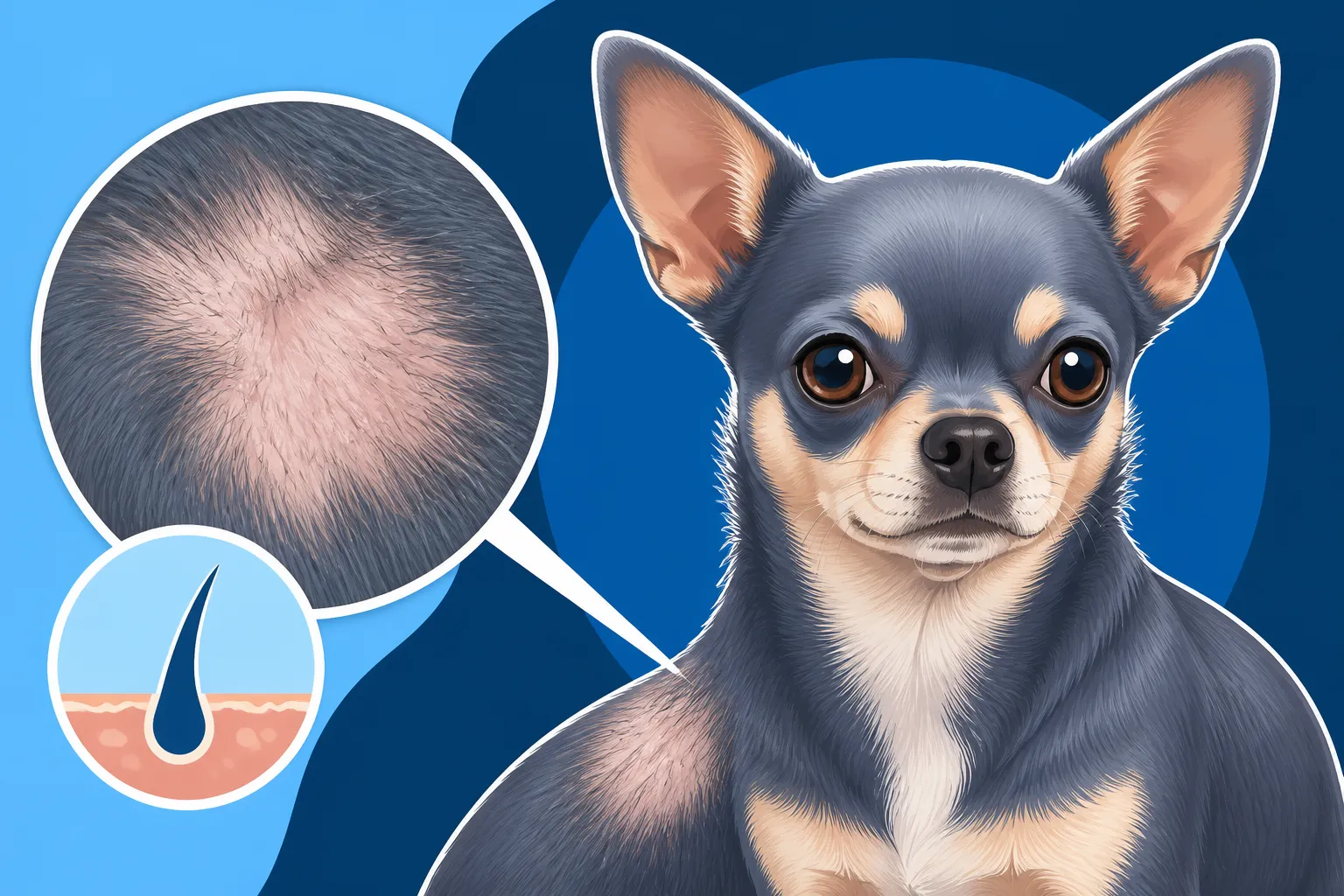
Recognizing CDA can sometimes be a gradual process, as hair loss often starts subtly before becoming more noticeable. It typically begins in puppyhood or early adulthood, usually between 6 months and 3 years of age, though it can manifest later. The hair loss is often symmetrical and tends to affect the trunk, ears, and flanks first. It's a disheartening thing to witness, especially when your Chihuahua's coat was initially so glossy and full. Many owners first notice a dullness to the coat, then a thinning, almost "moth-eaten" appearance, before the skin underneath becomes visible.
Early Warning Signs and Coat Changes
The very first indicators of CDA can be easy to miss if you're not specifically looking for them. You might notice that your blue Chihuahua's coat, once soft and uniform, starts to feel a bit rougher, or that individual hairs appear finer and more sparse. Often, the hair loss isn't outright baldness at first, but rather a progressive thinning that makes the coat look dull and somewhat "washed out" compared to its initial vibrant blue. You might see a slight increase in shedding, but it’s not always dramatic, as the problem is more about poor regrowth and fragile existing hair.
As the condition progresses, the most common areas to show significant thinning or complete alopecia (baldness) are the ears, chest, flanks, and along the back. The hair loss is usually non-itchy initially, which differentiates it from many allergic reactions, though secondary infections can definitely introduce itching later. It can be quite frustrating to see your dog’s beautiful coat diminish, and it's natural to feel a bit helpless when it seems like the hair just won't grow back.
Secondary Skin Issues to Watch For
Beyond just hair loss, the compromised skin in areas affected by CDA can become much more susceptible to secondary issues. Because the hair follicles are abnormal, they can become blocked or infected. Folliculitis (inflammation of the hair follicles) and pyoderma (bacterial skin infection) are common complications. You might notice small red bumps, pustules, or scaly patches on your Chihuahua's skin, particularly in the bald or thinned areas. These infections can be itchy and uncomfortable, leading your dog to scratch or lick, which only exacerbates the problem.
In some cases, the skin can also become dry, flaky, or even hyperpigmented (darkened) over time, a condition known as lichenification, as a result of chronic inflammation. Keeping a close eye on your Chihuahua's skin for any of these changes is really important. If you see redness, crusting, or if your dog starts scratching persistently, it's a clear sign that a secondary infection might be brewing and needs prompt veterinary attention. Early intervention can prevent a small issue from becoming a much larger, more painful problem for your tiny friend.
Ruling Out Other Causes of Hair Loss
It's crucial to understand that while CDA is a strong possibility for a blue Chihuahua with hair loss, it’s not the only possibility. There are many other conditions that can cause alopecia in Chihuahuas, and your vet will want to rule these out to ensure an accurate diagnosis. Conditions like hypothyroidism, Cushing’s disease, Demodex mites, ringworm, bacterial skin infections, or even allergies can all present with similar symptoms of hair loss and skin changes. For example, Chihuahua Skin Allergies and Hair Loss can cause intense itching and redness, which might look somewhat like a secondary infection from CDA but originates differently.
A thorough veterinary examination, which might include skin scrapes to check for mites, fungal cultures for ringworm, blood tests for hormonal imbalances, or even skin biopsies, is essential. The biopsy is often the definitive diagnostic tool for CDA, revealing the characteristic clumping of melanin pigment in the hair follicles. Don't be afraid to ask your vet for a full work-up, especially if the initial treatments for suspected secondary infections aren't working. Getting a precise diagnosis will save you a lot of worry and ensure your Chihuahua gets the most appropriate and effective care.
Living with CDA: Management and Care Strategies
Once your Chihuahua receives a confirmed diagnosis of Color Dilution Alopecia, the focus shifts to management. It's important to understand that CDA is a lifelong condition; there's no "cure" that will magically make all the hair grow back perfectly. However, with consistent care and attention, you can absolutely minimize discomfort, prevent secondary infections, and keep your blue Chihuahua happy and healthy. The goal is to manage the symptoms and protect their delicate skin, not to reverse the genetic predisposition.
Working with Your Veterinarian
Your veterinarian will be your primary partner in managing your Chihuahua's CDA. They will help establish a long-term care plan, which often includes regular check-ups to monitor skin health and address any flare-ups promptly. While there's no specific medication for the hair loss itself, your vet may prescribe treatments for secondary bacterial or yeast infections, which are common and can make your dog miserable. This might involve oral antibiotics or antifungals, or medicated shampoos and topical treatments.
It's also worth discussing supplements with your vet. Some Chihuahuas with CDA may benefit from supplements like melatonin or omega-3 fatty acids, which some anecdotal evidence suggests can help improve coat quality or reduce inflammation, though scientific proof specifically for CDA is limited. Always consult your vet before adding any supplements, as dosage is critical for small dogs. For instance, you don't want to accidentally overdose your Chihuahua on something that would be a normal dose for a larger dog, which could have serious consequences. Building a strong, trusting relationship with a vet who understands the unique challenges of toy breeds and chronic conditions is invaluable.
Specialized Skin Care Routines
A consistent and gentle skin care routine is paramount for Chihuahuas with CDA. Their skin is more vulnerable, so regular bathing with specific medicated or moisturizing shampoos can be incredibly beneficial. Your vet might recommend shampoos containing ingredients like chlorhexidine for antibacterial properties, miconazole for antifungal action, or oatmeal for soothing dry, irritated skin. These baths shouldn't be too frequent, as over-bathing can strip natural oils, but rather on a schedule your vet advises, perhaps every 1-2 weeks during flare-ups, and less often for maintenance. Always ensure you thoroughly rinse all shampoo out and dry your Chihuahua gently but completely to prevent chilling, especially important for a small dog that struggles to retain body heat.
Beyond baths, daily moisturizing can make a significant difference. Lotions or sprays designed for canine skin can help keep the bald patches hydrated and prevent dryness and flaking. Look for products that are non-comedogenic (won't block pores) and specifically formulated for sensitive skin. Remember, the goal is to protect and support the skin barrier, making it less hospitable for secondary invaders and more comfortable for your dog. For example, if your Chihuahua also suffers from Chihuahua Ear Infections and Big Open Ears, maintaining good skin health overall can contribute to their general well-being.
Environmental Adjustments and Protection
Because their skin is exposed due to hair loss, Chihuahuas with CDA need extra environmental protection. They are more susceptible to sunburn on their bald patches, so if they spend time outdoors, especially during peak sun hours, consider a dog-safe sunscreen applied to exposed areas or protective clothing. Similarly, their reduced coat means they are more prone to getting cold quickly, particularly in winter or in air-conditioned homes. You might find yourself needing to invest in sweaters or coats to keep them warm, a common practice for many Chihuahuas, as detailed in our guide on Keeping a Chihuahua Warm Through Winter.
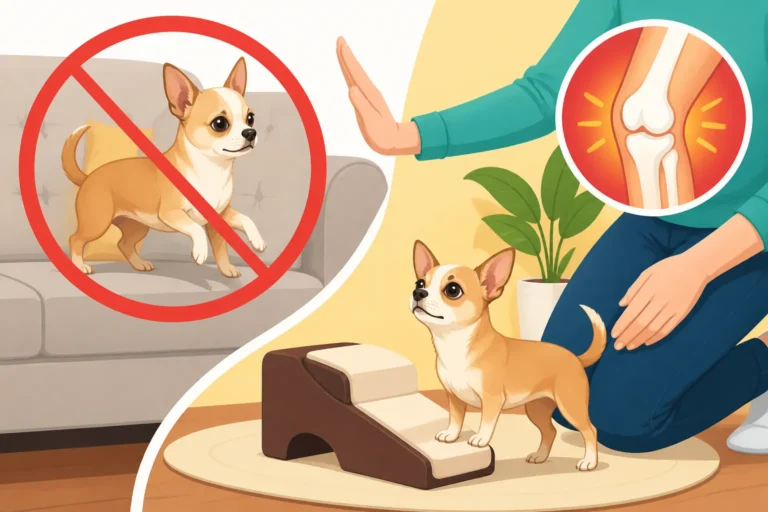
Protecting them from scrapes, scratches, and insect bites is also important, as any skin injury can easily lead to a secondary infection in compromised areas. This might mean supervised playtime, avoiding rough surfaces, and ensuring their bedding is soft and clean. Even something as simple as providing ramps or steps to furniture can protect their skin and joints, linking back to broader Ramps and Steps for a Chihuahua Sofa advice, minimizing impact if they have to jump down and scrape themselves.
Financial and Emotional Impact: Supporting Your Chihuahua
Living with a chronic condition like CDA means considering both the practical and emotional aspects of care. The beautiful blue coat might have initially drawn you in, but the reality of managing CDA can bring unexpected challenges, from the financial strain of ongoing vet visits to the emotional toll of seeing your beloved companion struggle with their skin. It’s a journey that requires patience, dedication, and a solid support system.
The Reality of Ongoing Vet Bills
Let's be realistic: managing a chronic skin condition often means ongoing vet bills. While an initial diagnosis might involve a few key tests, the real cost adds up over time with regular check-ups, medicated shampoos, topical treatments, and potentially courses of antibiotics or antifungals for secondary infections. These aren't one-time expenses; they are recurring costs that you need to factor into your budget. For a long-lived breed like the Chihuahua, whose Chihuahua Lifespan and Why the Breed Reaches Sixteen years is significant, these costs can accumulate over more than a decade.
It's not just the direct treatment costs either. You might find yourself investing in special bedding, clothing, or even humidifiers to help your Chihuahua's skin. Thinking about the long-term, from What You Pay for a Chihuahua and What Sets It initially to the cumulative expenses over many years, CDA adds another layer of financial consideration. It’s important to be prepared for this reality, as consistency in treatment is key to keeping your Chihuahua comfortable.
Considering Pet Insurance like Healthy Paws
This is where pet insurance can truly be a lifesaver for conditions like CDA. While most policies won't cover pre-existing conditions (meaning if your Chihuahua was diagnosed with CDA before you got insurance, it likely wouldn't be covered), if you enroll your blue Chihuahua as a puppy or before any signs of CDA appear, a good policy could significantly offset the costs of managing the condition. Companies like Healthy Paws are known for their comprehensive coverage, which often includes chronic conditions once the waiting periods are met.
Imagine the relief of knowing that recurring vet visits for skin infections, prescription medications, or even specialized dermatological consultations are largely covered. This can take a huge weight off your shoulders, allowing you to focus on your Chihuahua's well-being rather than stressing over every bill. When looking into pet insurance, always read the fine print regarding chronic conditions, hereditary conditions, and wellness plans to ensure it meets your specific needs. Understanding your options early can make a world of difference.
| Aspect of Care | Without Insurance | With Pet Insurance (e.g., Healthy Paws) |
|---|---|---|
| Initial Diagnosis | Full cost of exams, blood tests, biopsies (potentially $300-$1000+) | Deductible + co-pay |
| Medicated Shampoos | Full cost ($20-$50 per bottle, recurring) | Potentially covered if prescribed for covered condition |
| Oral Medications | Full cost of antibiotics/antifungals ($30-$100+ per course) | Deductible + co-pay |
| Dermatologist Visits | Full cost of specialist consults ($150-$300+ per visit) | Deductible + co-pay |
| Yearly Check-ups | Full cost of general exams ($60-$150) | Potentially covered by wellness add-on or general exam coverage |
| Total Annual Cost | Potentially $500-$1500+ (variable) | Deductible + co-pay + premium (more predictable) |
Emotional Support for Owners
Seeing your beautiful Chihuahua develop bald patches and deal with recurring skin issues can be emotionally challenging. You might feel guilty, even though you know it’s a genetic condition beyond your control. You might worry about how others perceive your dog, or simply feel sad that they aren't as "perfect" as you imagined. These feelings are completely valid. It's important to remember that your Chihuahua's worth isn't tied to their coat; they are still the same loving, spunky companion.
Connecting with other Chihuahua owners, especially those who have experience with CDA or other chronic conditions, can provide immense emotional support. Online forums, local breed clubs, or even support groups can offer a space to share frustrations, tips, and triumphs. Focus on the joy your Chihuahua brings into your life, regardless of their skin condition. With proper management, a blue Chihuahua with CDA can live a long, happy, and fulfilling life. Your love and commitment are the most important treatments of all.
Disclaimer
The information provided in this article is for educational purposes only and is not intended to be a substitute for professional veterinary advice, diagnosis, or treatment. Always seek the advice of your veterinarian or other qualified animal health provider with any questions you may have regarding a medical condition.