Chihuahuas Compared With Other Toy Breeds
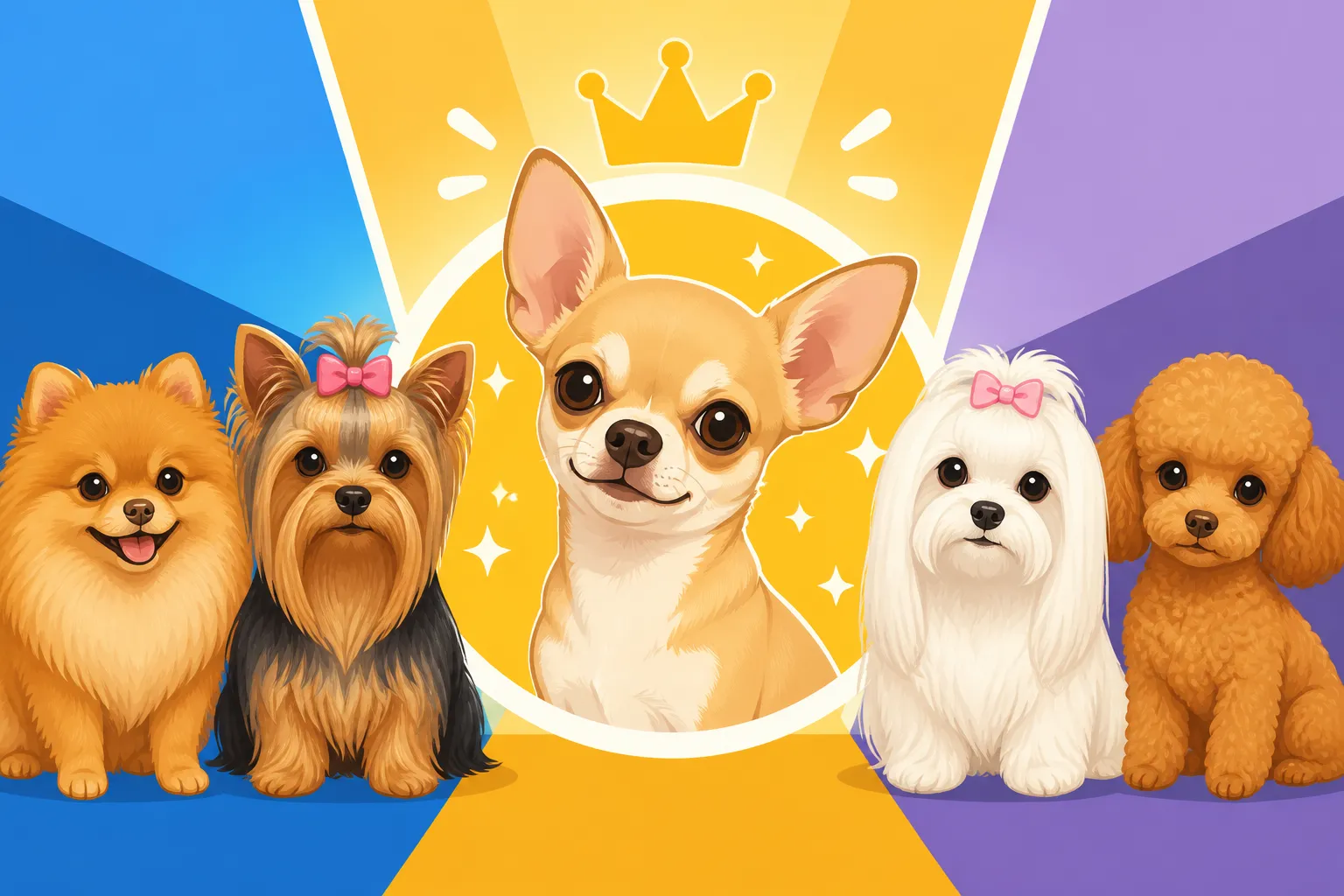
Choosing a new canine companion is exciting, but for those drawn to the world of toy breeds, it can also be incredibly overwhelming. You see these tiny, adorable dogs, and while they all fit into a purse, their personalities, needs, and health concerns can vary wildly, leaving many prospective owners scratching their heads about which little friend is truly the right fit for their home and lifestyle. This comprehensive guide is here to walk you through the nuances of Chihuahuas compared with other popular toy breeds, helping you understand their unique characteristics so you can make an informed decision and welcome the perfect pint-sized pal into your life.
Understanding the Chihuahua Temperament Against Other Toy Breeds
When you picture a Chihuahua, you might immediately think of a sassy, confident little dog with a huge personality. And you wouldn't be wrong! But that personality, while endearing to many, is distinct from the general demeanor of other toy breeds. It's crucial to look beyond their small stature and truly delve into their individual spirits.
The Chihuahua's Fierce Loyalty and Alert Nature
Chihuahuas are renowned for their intense loyalty, often forming an incredibly strong bond with one primary person. This isn't to say they don't love the whole family, but they tend to have a "person" they follow from room to room, curl up with on the sofa, and look to for reassurance. This deep attachment can manifest as a protective streak, making them excellent little alarm bells for anything they perceive as a threat – be it a stranger at the door, a squirrel in the yard, or even the mail carrier. They have a surprisingly loud bark for their size, and they're not afraid to use it. This contrasts with breeds like the Cavalier King Charles Spaniel, for instance, which are generally known for their universally friendly, outgoing nature, often eager to greet everyone they meet, family or stranger. A Cavalier might welcome a new guest with a wagging tail, while a Chihuahua might stand between you and the visitor, offering a stern, unwavering stare and a series of sharp barks until they're satisfied the threat has passed. This fierce loyalty, while heartwarming, also means they often need careful socialization from a young age to ensure they don't become overly suspicious or reactive towards new people or situations.
This terrier-like spirit means they’re often described as having a "big dog" personality in a small body. They possess a confidence that belies their size, often taking on challenges or larger dogs with surprising gusto. This can be a double-edged sword; it's admirable but requires vigilant supervision from owners to prevent them from getting into situations they can't handle. For a first-time owner, understanding that this loyalty comes with a need for consistent training and clear boundaries is key. You can’t just let a Chihuahua rule the roost because it’s cute; their behavior will quickly become less charming and more problematic. Training a Chihuahua Exactly Like a Big Dog is a concept many owners discover, often after some initial struggles.
It's also worth noting that this protective instinct can sometimes lead to resource guarding, especially of their chosen person, their food bowl, or their favorite bed. They might snap or growl if another pet or even a family member approaches their treasured item or person. This isn't out of malice, but a deeply ingrained instinct to protect what's theirs. Recognizing these early signs and implementing positive reinforcement training techniques can help manage this behavior.
Varying Energy Levels and Play Styles
While all toy breeds are small, their activity levels can differ significantly. Chihuahuas, despite their small size, can be surprisingly energetic. They love to play, zoom around the house, and engage in short, spirited walks. However, their stamina is often limited by their tiny lungs and short legs, meaning they typically don't require hours of strenuous exercise. A couple of short walks a day, combined with indoor play sessions, usually suffices. They often enjoy puzzle toys or games of fetch in the living room, allowing them to expend energy without overdoing it.
Compare this to a lively Miniature Pinscher, often called the "King of Toys," which has boundless energy and a more demanding exercise requirement, needing longer walks and more structured playtime to stay happy and prevent destructive behaviors. On the other end of the spectrum, a Pug might be content with much shorter strolls and more napping, due to its brachycephalic (short-nosed) nature which can make strenuous exercise difficult. Chihuahuas generally fall somewhere in the middle, capable of bursts of activity but also perfectly content to snuggle on a lap for hours. This balance makes them adaptable to various living situations, from active singles to more sedentary seniors, as long as their core needs for mental and physical stimulation are met.
Their play style can also be quite unique. Many Chihuahuas are keen on chase games or interactive play with their owners, often using their keen intelligence to figure out how to get a toy. Some can be surprisingly athletic, navigating obstacles or playing a vigorous game of tug. However, due to their delicate frames, play with larger dogs must always be supervised carefully to prevent accidental injury. Why Dog Parks Are Dangerous for a Chihuahua is a topic frequently discussed among Chihuahua owners, underscoring the need for careful consideration of their play environment.
Exercise Needs: Tiny Terror vs. Lap Dog
It's a common misconception that all small dogs are automatically "lap dogs" who require minimal physical activity. While Chihuahuas are certainly adept at being lap warmers, they, like all dogs, benefit from regular exercise. The key is understanding the type and amount of exercise that suits their unique physiology and personality, especially when compared to other toy breeds.
The Chihuahua's Daily Activity Requirement
For a Chihuahua, "exercise" doesn't necessarily mean miles of running or intense agility courses, though some certainly excel at the latter! Their small stature means that even a brisk 15-20 minute walk can be a significant workout for them. Twice a day, these walks are usually sufficient to meet their physical needs. They love to explore, sniff new scents, and mark their territory, just like bigger dogs. Beyond walks, indoor play is incredibly important. Games of fetch, hide-and-seek with treats, or just wrestling with their favorite squeaky toy can keep them mentally and physically stimulated. Remember, these little dogs have brains just as active as their larger counterparts, and they thrive on interaction and engagement.
Many owners find that interactive toys they can chase and pounce on are great for stimulating a Chihuahua's prey drive in a safe, indoor environment. You might think a small dog doesn't need much, but pent-up energy in any breed, no matter the size, can lead to undesirable behaviors. A well-exercised Chihuahua is a much calmer and happier companion. Consider ramps or steps for furniture if your Chihuahua loves to jump; this can protect their delicate joints from injury over time, a common concern in small breeds.
When compared to other toy breeds, Chihuahuas often have a higher energy output than, say, a French Bulldog, whose brachycephalic structure limits strenuous exercise. They might not have the stamina of a spirited Jack Russell Terrier (often classified as a small terrier rather than a toy breed, but sometimes considered for similar size reasons), but they definitely possess more get-up-and-go than many people assume. This is especially true of younger Chihuahuas, who can have surprising bursts of "zoomies" around the house.
The Importance of Safe Outdoor Exploration
Taking your Chihuahua outdoors requires a bit more thought than with a larger, more robust breed. While they enjoy walks, the environment needs to be safe and temperate. Due to their minimal body fat and thin coats (especially smooth-coated Chihuahuas), they are highly susceptible to cold weather. A cozy sweater or coat is often a necessity when temperatures drop, and walks should be shortened in extreme cold. Keeping a Chihuahua Warm Through Winter is a significant aspect of their care. Similarly, hot pavement in summer can easily burn their tiny paw pads, so always check the ground temperature before heading out.
When walking, a harness is almost always preferred over a collar. Chihuahuas are prone to Collapsing Trachea and the Chihuahua Honking Cough, and direct pressure from a collar can exacerbate or even cause this condition. A well-fitting harness distributes pressure across their chest, protecting their delicate windpipe. This is a critical consideration for breeds like Chihuahuas, as well as Yorkshire Terriers and Pomeranians, who also share this susceptibility. Always opt for a secure harness, especially when walking in areas with larger dogs, as even a friendly nudge can be dangerous for a Chihuahua. Many pet supply retailers, including Chewy, offer a wide array of harnesses specifically designed for tiny dogs, ensuring a comfortable and safe fit.
Furthermore, their small size makes them vulnerable to predators such as hawks, owls, and coyotes in some areas. Always supervise your Chihuahua closely, even in a fenced yard, and never let them off-leash in unfenced or unfamiliar environments. Their speed can be deceiving, and a sudden fright can send them running into danger.
Grooming Differences Across Small Breeds
Grooming might seem like a simple task, but the needs of toy breeds can vary dramatically depending on their coat type. Chihuahuas, with their two distinct coat varieties, offer a good example of this, contrasting sharply with the grooming demands of other popular small dogs.
Smooth Coat and Long Coat Chihuahua Grooming
Chihuahuas come in two official coat varieties: smooth coat and long coat. Both have relatively simple grooming needs compared to some other toy breeds.
Smooth Coat Chihuahuas: These little guys have a short, glossy coat that lies close to their body. Their grooming is incredibly low maintenance. A quick brush once or twice a week with a soft-bristled brush or a grooming mitt is usually all it takes to remove loose hairs and keep their coat shiny. They do shed, but because their hairs are so short, it's generally not as noticeable as with a longer-haired breed. Bathing is only needed as they get dirty, perhaps once a month or every few weeks, depending on their lifestyle. It’s important to dry them thoroughly after a bath, as their small size makes them prone to chilling.
Long Coat Chihuahuas: These beauties have soft, fine long hair that can be straight or slightly wavy, with feathering on their ears, legs, and tail. While still manageable, they require more regular grooming than their smooth-coated counterparts. Daily or every-other-day brushing is recommended to prevent mats and tangles, especially behind the ears, under the legs, and on their beautiful plumed tail. A slicker brush and a metal comb are essential tools. While they don't require professional trimming like a Poodle, occasional tidying of the feathering might be beneficial. Like smooth coats, they shed, but the longer hair can be more noticeable. Regular brushing helps to minimize shedding around the house. Smooth Coat and Long Coat Chihuahua Grooming provides an in-depth look at their specific needs.
Comparing Chihuahua Grooming to Other Toy Breeds
When you compare Chihuahua grooming to other popular toy breeds, their needs generally fall on the lower end of the spectrum.
- Yorkshire Terrier: A Yorkie's long, silky, human-like hair requires daily brushing to prevent tangles and often needs regular professional grooming or home trimming to keep it at a manageable length. Without diligent care, their coat can quickly become matted and uncomfortable.
- Pomeranian: With their thick double coat, Pomeranians shed significantly and require frequent brushing (several times a week) to remove loose undercoat and prevent matting. They benefit from occasional professional grooming to maintain their fluffy appearance.
- Shih Tzu: Shih Tzus are known for their luxurious long, flowing coats that reach the floor. They require daily brushing and often need a top knot to keep hair out of their eyes. Many owners opt for regular professional grooming to keep their coats clipped short, which reduces daily maintenance but adds to the cost.
- Poodle (Toy): Toy Poodles have a non-shedding, curly coat that grows continuously. This means they require professional grooming every 4-8 weeks for clipping and bathing to prevent matting. While low-shedding is a plus for allergy sufferers, the grooming commitment is substantial.
In contrast, even the long-coated Chihuahua's needs are relatively straightforward. You're not typically dealing with the intense matting issues of a Shih Tzu or the constant professional trims of a Poodle. This can be a significant factor for owners who want a beautiful companion but might not have the time or budget for extensive grooming routines. Basic grooming supplies for Chihuahuas, like brushes, combs, and gentle shampoos, are readily available from retailers like Chewy.
| Breed | Coat Type | Brushing Frequency | Professional Grooming Needed? | Special Considerations |
|---|---|---|---|---|
| Chihuahua (Smooth) | Short, fine | 1-2 times/week | Rarely | Prone to cold; thorough drying after bath |
| Chihuahua (Long) | Long, feathered | Daily/every-other | Occasional tidy | Feathering mats easily; prone to cold |
| Yorkshire Terrier | Long, silky | Daily | Yes (Trimming every 4-6 weeks) | Hair out of eyes; delicate coat |
| Pomeranian | Thick, double | Several times/week | Often | Significant shedding; undercoat mats if neglected |
| Shih Tzu | Long, flowing | Daily | Yes (Clipping every 6-8 weeks) | Eye irritation from hair; prone to heatstroke |
| Toy Poodle | Curly, non-shed | 3-4 times/week | Yes (Clipping every 4-8 weeks) | Ear hair removal; prone to matting if not clipped |
Health Concerns Unique to Toy Dog Physiology
While all breeds have predispositions to certain health issues, toy breeds, and Chihuahuas in particular, face a specific set of challenges largely due to their diminutive size and unique physiology. Understanding these can help you better prepare for the health journey with your tiny companion.
Common Chihuahua Health Challenges
Chihuahuas are known to be a long-lived breed, often reaching 15-20 years, but they are not without their specific health vulnerabilities. One of the most common issues is Patellar Luxation, the Chihuahua's Commonest Joint Problem, a condition where the kneecap slips out of place. This can range from a minor, occasional "skip" in their gait to a severe condition requiring surgery. Owners often notice a sudden limp or a moment where their Chihuahua holds a back leg up for a few steps before returning to normal. Careful breeding can reduce the incidence, but it's still prevalent.
Another significant concern is Chihuahua Dental Disease in a Crowded Small Jaw. Their tiny mouths often struggle to accommodate all 42 adult teeth, leading to overcrowding. This, combined with their tendency to form plaque and tartar quickly, makes them highly susceptible to severe dental disease, often starting at a surprisingly young age. Many Chihuahuas need annual professional dental cleanings, and tooth extractions are common. This is why daily tooth brushing is not just recommended, but practically essential for their long-term health.
Chihuahuas also have delicate windpipes, making them prone to Collapsing Trachea and the Chihuahua Honking Cough, as mentioned earlier. This condition can be exacerbated by collar pressure, excitement, or even allergies. Hydrocephalus, or "water on the brain," is another concern, particularly in apple-head Chihuahuas with their distinctive domed skulls and The Chihuahua Molera and What a Soft Spot Means. While many Chihuahuas have a soft spot (molera) that closes naturally, a persistent or unusually large one can sometimes be associated with hydrocephalus, especially if accompanied by neurological symptoms.
Health Differences Across Toy Breeds
When we compare Chihuahuas to other toy breeds, we see some overlap in conditions but also distinct breed-specific issues.
- Yorkshire Terriers: Share a susceptibility to patellar luxation and tracheal collapse. They are also prone to portosystemic shunts (a liver condition) and Legg-Calve-Perthes disease (a hip joint disorder), which Chihuahuas can also experience but perhaps less commonly. Their dental issues are equally as significant as a Chihuahua's.
- Pomeranians: Also face patellar luxation and tracheal collapse. They are known for alopecia X (a genetic skin condition causing hair loss) and sometimes have heart issues, like patent ductus arteriosus (PDA), though not as universally as the mitral valve disease seen in aging Chihuahuas.
- Pugs: Due to their brachycephalic (flat-faced) structure, Pugs are highly prone to respiratory problems, heatstroke, and various eye conditions (like corneal ulcers due to their prominent eyes, which Chihuahuas also experience to some extent). They also have a predisposition to hemivertebrae (malformed vertebrae) which can cause spinal cord issues.
- Cavalier King Charles Spaniels: While known for their sweet nature, Cavaliers are unfortunately prone to several serious genetic health conditions, notably mitral valve disease (nearly all will develop it eventually, often by middle age), syringomyelia (a neurological condition affecting the spinal cord), and patellar luxation. These can lead to significant vet bills and impact their quality of life.
The takeaway here is that while all toy breeds can bring joy, they also often come with a predisposition to certain health challenges that are sometimes more pronounced or different from those found in larger breeds. For Chihuahuas, preparing for potential dental work and being mindful of joint and tracheal health are paramount. Many reputable breeders will perform health clearances for conditions like patellar luxation on breeding stock, which is an important consideration when acquiring a puppy.
Training and Socialization Challenges in Small Dogs
It’s easy to look at a tiny dog and think they’ll be simpler to train or that their bad habits aren’t as big a deal. This mindset is unfortunately a recipe for disaster, especially with intelligent and spirited breeds like the Chihuahua. Toy breeds require just as much, if not more, dedicated training and thoughtful socialization as their larger counterparts, often presenting unique challenges due to their size.
The Myth of "Small Dog Syndrome"
Many people observe small dogs acting bossy, yappy, or aggressive and attribute it to "small dog syndrome" – as if it's an inherent genetic flaw in their character. The truth is, Small Dog Syndrome and Why It Is Not Genetic highlights that these behaviors are almost always learned, a direct result of owners inadvertently treating tiny dogs differently than they would a Labrador or a German Shepherd. Because a Chihuahua jumping up on a guest is "cute" (or at least less impactful) than a large dog doing it, owners often don't correct the behavior. Similarly, a yappy bark might be ignored or even tolerated because, well, it's just a little dog. This leniency sends a clear message to the small dog: "I don't have to follow the rules."
Chihuahuas, being highly intelligent and observant, quickly pick up on this. If they learn that barking gets them attention, or that growling makes an uncomfortable situation go away, they'll continue to do it. They need clear, consistent boundaries and positive reinforcement training, just like any other dog. The key difference is that their small size means you might need to adapt your training tools (e.g., tiny treats, specific harness types) and be extra vigilant about their safety in environments with larger dogs or boisterous children.
When you compare this to, say, a Poodle, which is often seen as highly trainable and eager to please, the "small dog syndrome" becomes less about breed and more about owner approach. A Toy Poodle's intelligence is often channeled into learning tricks and obedience, while a Chihuahua's might be used to cleverly manipulate their human if given the chance.
Socializing a Chihuahua Without Overwhelming It
Socialization is crucial for Chihuahuas, but it needs to be done carefully to avoid overwhelming them. Because they are so small, the world can feel like a very big, scary place. A large, boisterous dog can easily frighten them, and even a well-meaning human's clumsy hands can seem threatening. Socializing a Chihuahua Without Overwhelming It is a delicate balance.
Safe Introductions: Introduce your Chihuahua to new people, places, and other animals gradually and in controlled environments. Puppy classes specifically for small breeds or with carefully curated play groups can be invaluable. Always ensure interactions with larger dogs are supervised, and that the other dog has a calm, gentle temperament. A bad experience can quickly lead to fear reactivity, causing your Chihuahua to bark or snap out of fear.
Positive Reinforcement: Keep all socialization experiences positive. Carry high-value treats (tiny ones, often available from Chewy, that fit their small caloric budget) and reward calm behavior in new situations. If your Chihuahua seems overwhelmed, it's okay to pick them up and remove them from the situation. Letting them retreat and observe from a safe distance can build confidence.
Handling and Consent: Many Chihuahuas dislike being picked up without warning, especially by strangers. Teach children and guests to ask for consent, offering a hand for the Chihuahua to sniff before attempting to pick them up or pet them. This respect for their autonomy builds trust and reduces the likelihood of fear-based nips. Chihuahua Handling and Why Carrying Backfires illustrates how constant carrying can actually hinder their confidence and perception of the world.
Other toy breeds might have different socialization needs. A Bichon Frise, for example, is generally more outgoing and less prone to intense "one-person" bonding, often enjoying interactions with a wider variety of people and dogs. However, even the most confident toy breed needs proper socialization to prevent shyness or fear. The core principle remains: small dogs need big training and careful, respectful exposure to the world to become well-adjusted companions.
Living Arrangements: Apartment Life and Toy Breeds
One of the biggest draws of toy breeds is their suitability for apartment living. Their small footprint, minimal exercise needs, and often quiet nature make them ideal companions for urban dwellers or those with limited space. However, not all toy breeds are created equal, and even within the "apartment-friendly" category, there are distinctions that can make one breed a better fit than another.
Chihuahuas in Small Spaces
Chihuahuas are, without a doubt, excellent apartment dogs. They don't require a large yard and are perfectly content with indoor play and short daily walks. Their compact size means they don't take up much space, and a cozy bed in a corner is often all they need. However, their vocal nature can be a concern for apartment dwellers. If not properly trained, a Chihuahua's alert barking can quickly become a nuisance to neighbors. They are quick to alert to sounds outside the door, passersby, or even distant noises. This means early and consistent training to manage barking is crucial for harmonious apartment living. Chihuahua Barking and What Sets a Six Pound Dog Off is a topic many apartment-dwelling Chihuahua owners must tackle head-on.
Despite their small size, Chihuahuas are often active indoors, enjoying games of fetch in the living room or chasing toys. They thrive on companionship and being close to their people, which works perfectly in smaller living environments where they can easily follow you from room to room. Many also adapt well to indoor potty solutions like pee pads or grass patches, which can be a lifesaver on cold or rainy days, or for owners who can't take them outside frequently. Indoor Toilets for a Chihuahua That Hates Rain are a common solution for many owners.
They are generally adaptable to various climates, but their sensitivity to cold means they'll appreciate a warm, cozy apartment in winter. Heated beds or lots of blankets for burrowing are often treasured by these little dogs.
Comparing Toy Breeds for Apartment Suitability
When you weigh a Chihuahua's apartment suitability against other toy breeds, you'll find some interesting comparisons:
- Pugs & French Bulldogs: These brachycephalic breeds are also fantastic apartment dogs due to their low exercise needs and generally calm indoor demeanor. Their snoring can be an issue for some, but their barking tends to be less frequent and less piercing than a Chihuahua's. They are also prone to overheating, making air conditioning a must in warmer climates.
- Bichon Frise: Bichons are cheerful, playful, and generally good-natured, making them excellent apartment companions. They are intelligent and enjoy training but do require more grooming than a smooth-coat Chihuahua. Their barking can be a moderate concern, but often manageable with training.
- Shih Tzu: Known for their sweet and docile temperament, Shih Tzus are content with short walks and indoor play, making them perfect for apartments. Their luxurious coats require significant grooming, which can be a factor for owners. They are generally not excessive barkers, making them good choices for quiet buildings.
- Yorkshire Terrier: Like Chihuahuas, Yorkies are small and adaptable to apartments. However, they also share a reputation for being rather vocal, and their higher energy levels might require slightly more structured activity. Their extensive grooming needs also add to the ownership commitment.
Ultimately, the best apartment dog isn't just about size; it's about matching the breed's temperament, exercise, grooming, and vocal tendencies with your living situation and tolerance levels. While a Chihuahua is a strong contender for apartment living, understanding their potential for alert barking and cold sensitivity is key.
Cost of Ownership: Small Dog, Big Bills?
It’s easy to assume that a smaller dog will automatically be cheaper to own, but this isn't always the case, especially when it comes to long-term health and specialized care. While initial food costs are indeed lower, several factors can make toy breed ownership surprisingly expensive.
Unexpected Costs for Chihuahua Owners
While a Chihuahua's daily food intake is tiny – often just Daily Calories for a Three to Seven Pound Chihuahua – their potential health issues can lead to significant veterinary expenses. The biggest recurring cost many Chihuahua owners face is Chihuahua Dental Bills as the Biggest Recurring Cost. Due to their crowded mouths and propensity for tartar buildup, annual professional dental cleanings under anesthesia are often necessary. These procedures, which can include bloodwork, scaling, polishing, and potentially extractions, can add up quickly. A single tooth extraction can be quite costly, and it's not uncommon for Chihuahuas to need multiple teeth removed over their lifespan.
Beyond dental care, patellar luxation, tracheal collapse, and heart conditions like mitral valve disease in older age can necessitate expensive diagnostics, medications, and even surgery. For example, Chihuahua Kneecap Surgery Costs can be substantial per leg, and some Chihuahuas require bilateral surgery. Even emergency visits for conditions like Chihuahua Hypoglycemia and the Puppy Emergency can incur after-hours fees.
Other costs include quality food specifically formulated for small breeds, appropriate-sized harnesses and tiny collars, and essential preventative medications like flea, tick, and heartworm treatments, which are dosed by weight. Given their susceptibility to cold, a wardrobe of sweaters and coats is often a practical necessity, not just a fashion statement. These items, along with travel carriers for safe transport, contribute to the overall The Monthly Cost of Keeping a Chihuahua.
Comparing Costs Across Toy Breeds
The cost of ownership varies among toy breeds, often reflecting their specific health predispositions and grooming needs.
- Pomeranians & Yorkshire Terriers: Share many of the same health concerns as Chihuahuas (patellar luxation, tracheal collapse, dental disease), leading to similar vet costs. However, their more demanding grooming needs often mean higher ongoing professional grooming expenses, adding to their overall cost.
- Pugs & French Bulldogs: While food costs are low, their brachycephalic-related health issues (respiratory problems, eye conditions, heatstroke risk) can lead to frequent vet visits and potentially expensive surgeries (e.g., to open up airways). Pet insurance is often a wise investment for these breeds due to the likelihood of these issues.
- Cavalier King Charles Spaniels: Despite their charming demeanor, Cavaliers often come with higher potential health costs. The prevalence of heart disease, syringomyelia, and hip/patella issues means a strong likelihood of needing long-term medication and specialized veterinary care, which can be very expensive.
- Toy Poodles & Bichon Frise: While generally hardy, their non-shedding coats necessitate regular professional grooming, which is a significant recurring expense. Their smaller size can also make them susceptible to dental issues similar to Chihuahuas.
Choosing a toy breed means accepting that while they consume less food, their small, delicate bodies can sometimes require specialized and expensive medical care. Investing in Chihuahua Pet Insurance and Its Low Premium early on can be a smart move, especially for breeds prone to specific conditions, as it can help mitigate the financial impact of unexpected health issues. While Chihuahua premiums might be lower than those for giant breeds, they can still save you a fortune when a major health event occurs.
Suitability for Different Lifestyles
The beauty of toy breeds is their adaptability to a variety of living situations. However, each breed has nuances that make them a better or worse fit for certain lifestyles, family dynamics, or even first-time owners. Matching a Chihuahua's core traits to your own life is key for a harmonious relationship.
Chihuahuas and Family Dynamics
Chihuahuas generally thrive in quiet, stable environments with predictable routines. They can be wonderful companions for seniors, singles, or couples who can provide consistent attention and a calm home. Their fierce loyalty means they want to be with their person, and they often enjoy being carried or spending time on a lap. This makes them less suited for homes where they might be left alone for extended periods, as they can develop Chihuahua Separation Anxiety and Time Alone.
When it comes to children, caution is advised. While some Chihuahuas can coexist peacefully with older, respectful children, their delicate frames make them highly vulnerable to accidental injury from clumsy hands or rough play. A fall from a sofa or being stepped on can result in serious harm. For this reason, many breeders and rescues recommend Chihuahuas for homes with children over the age of 8 or 10, who have been taught how to interact gently and respectfully with a very small dog. They are not typically recommended for families with toddlers or very young children. Chihuahuas Around Toddlers and Rough Hands is a serious consideration.
Their interactions with other pets also need careful management. While some Chihuahuas do well with other dogs, especially other small, calm breeds, their protective nature can sometimes lead to tension. They might try to assert dominance over much larger dogs or become possessive of their owner. Introductions should always be slow and supervised. With cats, many Chihuahuas can learn to coexist, especially if raised together, but their terrier-like prey drive means some might try to chase.
Matching Chihuahuas to Owner Experience and Lifestyle
For first-time dog owners, a Chihuahua can be a wonderful choice, provided the owner understands the commitment to training and socialization. If approached with the same seriousness as training a larger breed, a Chihuahua can be incredibly well-behaved and rewarding. However, if an owner falls into the trap of excusing bad behavior because of size, they can quickly end up with a bossy, anxious, or reactive dog. Whether a Chihuahua Is Harder to Train Than a Labrador isn't about intelligence, but about owner perception and consistency.
Consider the following lifestyle matches:
- Busy, active families with young children: Likely not the ideal match for a Chihuahua, due to their delicate nature and potential for reactivity towards boisterous kids. A more robust toy breed like a Pug (known for patience) or even a small, sturdy terrier mix might be a better fit.
- Seniors or those with a quieter lifestyle: An excellent match! Chihuahuas thrive on companionship and enjoy a more relaxed pace. Their compact size makes them easy to manage, and their loyalty provides immense comfort. They can be great travel companions, easily fitting into airline-approved carriers.
- Apartment dwellers or urbanites: As discussed, Chihuahuas excel in small living spaces. Just be prepared to manage potential barking and protect them from urban hazards. Their small size makes them easy to transport via public transit or carry in busy areas.
- Experienced dog owners who appreciate a challenge: Owners who understand positive reinforcement and are willing to dedicate time to consistent training and careful socialization will find a Chihuahua to be an intelligent, loyal, and incredibly rewarding companion. They can even excel in dog sports like agility or obedience, proving their capabilities far beyond their size.
The true key to suitability isn't just about the dog, but about the honest self-assessment of the prospective owner. Understanding the breed's needs, both physical and emotional, and comparing them to your ability to provide for those needs, is the surest path to a happy, long-lasting relationship with your tiny companion.
Disclaimer
This article is for general informational purposes only and does not constitute professional advice. Laws, prices and regulations vary by location and change over time. Consult a qualified professional for guidance on your specific situation.