Indoor Toilets for a Chihuahua That Hates Rain
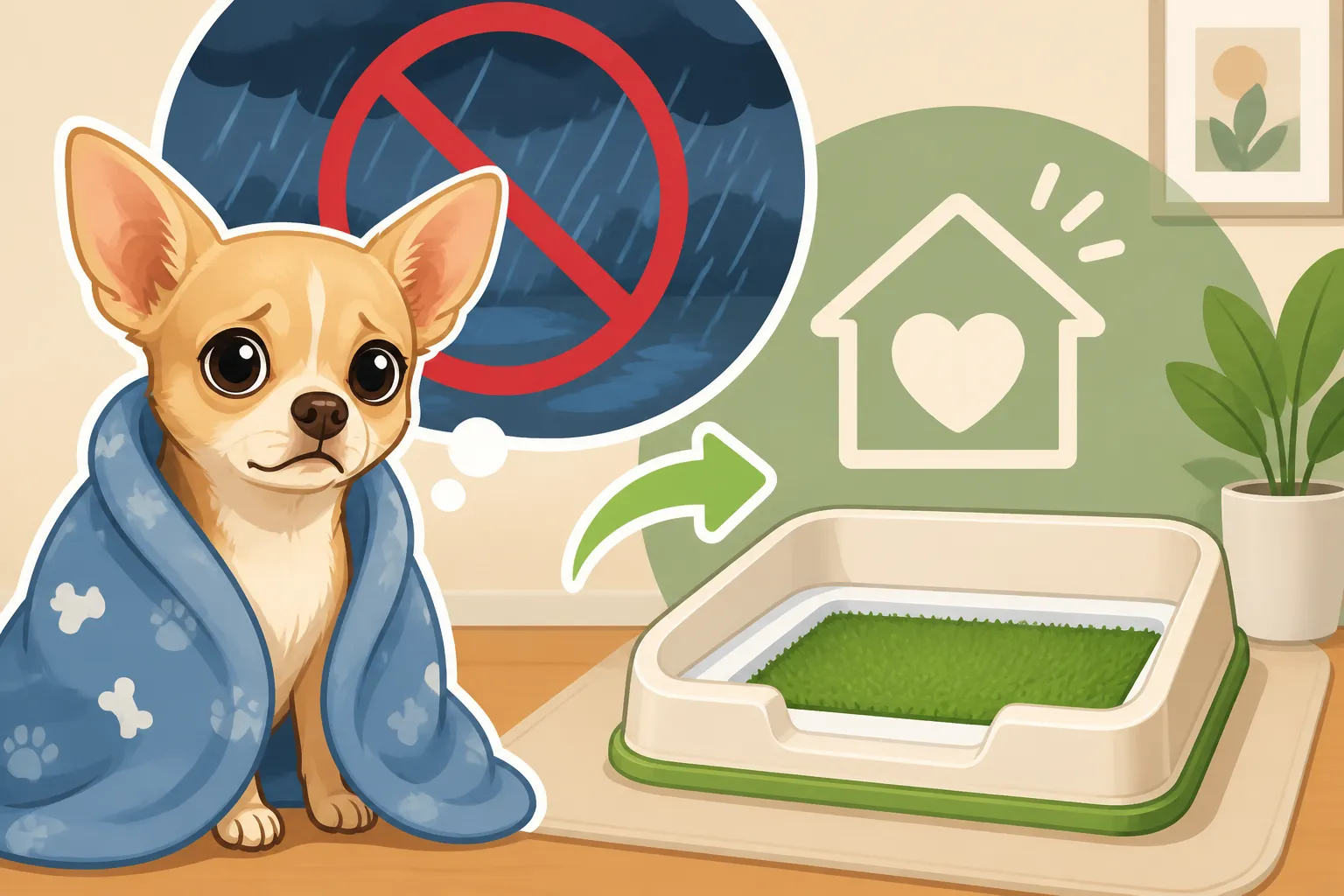
It's a familiar scenario for many Chihuahua parents: you open the door, a tiny deluge of rain hits, and your precious little one takes one look, shivers dramatically, and immediately retreats, stubbornly refusing to step paw outside. This guide is for you. We're going to dive deep into creating successful indoor toilet solutions for your Chihuahua, ensuring they have a comfortable, convenient, and dry place to relieve themselves, regardless of the weather outside.
Why Chihuahuas Often Turn Their Noses Up at the Rain
Let's be honest, it's not just "being dramatic" when your Chihuahua refuses to go out in the rain or snow. There are very real, very physical reasons why a tiny dog like a Chihuahua might find inclement weather utterly unbearable. Understanding these factors can help us approach indoor potty solutions with a lot more empathy and effectiveness.
Sensory Sensitivity to the Elements
Imagine being roughly six pounds and having the equivalent of a small hurricane whipping around you. For a Chihuahua, a light drizzle can feel like a downpour, and a brisk breeze can be a gale-force wind. Their tiny bodies are simply not built to withstand harsh weather in the same way a larger, more robust breed might. The sound of rain can be amplified, the sensation of wetness can be overwhelming, and the cold can penetrate their sparse fur almost instantly. It's not a matter of preference; it's often a matter of genuine discomfort and even fear. This heightened sensory experience makes an outdoor potty break a genuinely unpleasant ordeal, leading to that stubborn refusal we often see.
Their relatively shallow eye sockets, which are a breed trait, also mean that raindrops can hit their eyes more easily, causing irritation and making visibility difficult. A sudden gust of wind can literally blow them off balance. These aren't minor inconveniences; they are significant challenges that can make a simple walk outside feel like an adventure through an obstacle course designed for much larger creatures. When they shiver, it's not always just from cold; it can be a sign of genuine distress or even fear, especially if they've had a previous negative experience with a sudden downpour or strong wind.
Tiny Body, Big Temperature Regulation Challenges
One of the biggest struggles for a Chihuahua in cold or wet weather is regulating their body temperature. With very little body fat and a small surface area, they lose heat incredibly quickly. What might feel like a cool, refreshing rain to us can rapidly lead to hypothermia for a Chihuahua, even in temperatures that don't seem extreme. Their internal thermostat is working overtime just to stay warm indoors, let alone when exposed to cold rain or snow. This is why you'll often see them bundled up in sweaters or burrowing under blankets – it's instinctual self-preservation.
Their small size also means that even a little bit of wetness can soak them through to the skin in moments, stripping away any insulating qualities their fur might offer. This rapid cooling can lead to shivering, lethargy, and in severe cases, a dangerous drop in core body temperature. Understanding Why a Chihuahua Shivers Indoors can give you even more insight into how sensitive they are to temperature fluctuations. Providing an indoor potty option isn't just about convenience; it's a critical component of their health and comfort, especially in climates where harsh winters or frequent rainy seasons are common.
Exploring Your Chihuahua's Indoor Potty Options
Once you understand why your little companion might be less than enthusiastic about a rainy day potty break, the next step is to explore the various indoor toilet solutions available. Each option comes with its own set of pros and cons, and what works best for one Chihuahua might not be the ideal fit for another. It's often a process of trial and error to find the perfect match for your dog's habits and your lifestyle.
Traditional Puppy Pads
Puppy pads, sometimes called "pee pads" or "wee-wee pads," are perhaps the most common and accessible indoor potty solution. They are absorbent pads, usually with a waterproof backing, designed to soak up urine and sometimes contain odors. They come in various sizes and thicknesses, with some offering additional odor-neutralizing layers or attractants to encourage puppies to use them. You can find a vast array of options on platforms like Amazon, from basic disposables to more advanced, multi-layered designs.
The biggest advantage of puppy pads is their simplicity and disposability. They're easy to lay down, relatively inexpensive, and cleaning up involves simply rolling up the soiled pad and discarding it. This makes them a popular choice for busy owners or those with very young puppies who might need frequent, immediate potty breaks. However, their disposability also means ongoing environmental waste and recurring costs. Some Chihuahuas also develop a habit of tearing or playing with the pads, rendering them ineffective, or they might miss the pad entirely, leading to accidents on the floor. It's a common dilemma, as discussed in Puppy Pads Against Outdoor Only for a Chihuahua, balancing convenience with potential drawbacks.
Artificial Grass Potty Systems
Artificial grass potty systems offer a step up from basic puppy pads, aiming to mimic the feel of real grass without the mess. These systems typically consist of three layers: a synthetic grass mat on top, a drainage grid in the middle, and a collection tray or base underneath. The urine filters through the grass and grid into the tray, which then needs to be emptied and cleaned regularly. They are designed to be reusable, making them a more environmentally friendly option than disposable pads in the long run.
Many Chihuahuas take to artificial grass systems quite naturally because the texture feels more familiar under their paws than a slick plastic pad. This can be particularly helpful for dogs transitioning from outdoor potty habits. The turf provides a distinct "potty area" that they can associate with relief. On the downside, these systems require consistent cleaning to prevent odors and bacterial buildup, which involves rinsing the grass and emptying the tray. If not maintained diligently, they can become quite smelly. They also represent a higher initial investment than a pack of puppy pads, but can save money over time.
Real Grass Potty Patches
For Chihuahuas who are truly accustomed to the outdoors and resistant to synthetic alternatives, real grass potty patches can be a game-changer. These systems typically use trays of actual, living grass (or sometimes hydroponically grown grass) that can be delivered to your home on a subscription basis or purchased as one-off units. The natural grass absorbs urine and naturally neutralizes odors, much like a small patch of lawn.
The primary benefit of a real grass patch is that it provides the most natural potty experience possible indoors. The scent and texture are identical to what your Chihuahua is used to outside, making the transition incredibly smooth for many dogs. This can significantly reduce accidents and confusion. However, real grass patches require more hands-on care than artificial options. They need to be watered (though not too much, or they can get soggy and moldy), and they do eventually need to be replaced, usually every one to three weeks depending on usage and climate. They can also attract insects if not properly managed. Despite the maintenance, for a Chihuahua that absolutely refuses anything but grass, this option can be invaluable.
Setting Up Your Chihuahua's Dedicated Potty Space
Once you've chosen the right type of indoor toilet for your Chihuahua, the next crucial step is setting up the designated potty area. This isn't just about placing the pad or grass patch somewhere convenient; it's about creating a safe, inviting, and consistent environment that encourages your Chihuahua to use it reliably.
Choosing the Ideal Location
The location of your Chihuahua's indoor toilet is paramount. It needs to be a spot that is easily accessible to your dog, yet somewhat private and out of the main thoroughfare of your home. Think about areas with low foot traffic, perhaps a corner in a laundry room, a quiet bathroom, or even a section of a larger living space that can be sectioned off. Avoid placing it right next to their food and water bowls or their sleeping area, as dogs instinctively prefer to keep these areas separate from their elimination zones.
Consistency is key here. Once you choose a spot, stick with it. Moving the potty area around frequently can confuse your Chihuahua and disrupt their house-training progress. Consider factors like proximity to an outside door (if you still want to offer outdoor options on nice days), ease of cleaning the surrounding floor, and minimizing exposure to drafts. For a tiny dog, a drafty spot can be very uncomfortable, making them reluctant to spend time there. Ensuring the space is also well-lit can help your Chihuahua see the target clearly.
Ensuring Privacy and Comfort
Even for a quick potty break, Chihuahuas, like most dogs, appreciate a sense of privacy. Imagine trying to go to the bathroom with people constantly walking by or staring at you! Creating a slightly secluded space can make your Chihuahua feel more secure and willing to use their indoor toilet. This might involve using a small pet gate to create an alcove, placing the potty system behind a piece of furniture, or even investing in a dedicated dog potty enclosure.
Comfort is also a factor. While you don't want to make it too cozy (you want them to go, not settle down for a nap), ensuring the area isn't too cold, hot, or noisy will contribute to their willingness to use it. A small, washable mat under the potty system can help absorb any errant splashes and provide a non-slip surface. The goal is to make the indoor potty area a pleasant and predictable spot where your Chihuahua feels safe and unhurried when nature calls. Think about what might make you comfortable in a bathroom, and try to replicate that feeling of calm and security for your tiny friend.
Accessibility and Safety Considerations
For a Chihuahua, accessibility means more than just being able to walk to the potty. Their small stature means that even a slight lip or raised edge on a potty system can be a barrier, especially for puppies, seniors, or those with joint issues like Patellar Luxation, the Chihuahua's Commonest Joint Problem. Look for systems with low entry points or consider creating a gentle ramp if needed. The area around the potty should also be clear of clutter to prevent trips and slips.
Safety is paramount. Ensure there are no loose wires, toxic plants, or small objects nearby that your curious Chihuahua might ingest while in their potty zone. If using puppy pads, ensure they aren't placed on a slippery floor where your dog might lose traction. For real grass systems, ensure the tray is stable and won't tip over. It's also worth considering the temperature of the area – avoid direct sunlight that could cause overheating or an area that gets excessively cold. The indoor potty area should be a stress-free zone where your Chihuahua can focus solely on the task at hand.
Training Your Chihuahua to Use an Indoor Toilet
Having the perfect indoor potty setup is only half the battle; the other half is successfully training your Chihuahua to use it consistently. This requires patience, consistency, and a deep understanding of positive reinforcement. Remember, your Chihuahua isn't being stubborn; they're learning a new habit, and tiny bladders mean lots of practice!
Establishing a Consistent Routine
Consistency is the bedrock of any successful house-training program, especially with an indoor toilet. Chihuahuas thrive on routine, and a predictable schedule will help them understand when and where they are expected to relieve themselves. Start by identifying key "potty times": first thing in the morning, after naps, after playtime, about 15-20 minutes after eating or drinking, and right before bedtime. During these times, gently carry or lead your Chihuahua directly to their indoor potty spot.
When you take them to the spot, use a consistent cue phrase like "go potty" or "potty time." Keep these visits short and focused. If they don't go within a few minutes, take them back out and try again in another 10-15 minutes. The goal is to catch them before they have an accident elsewhere. Documenting their potty schedule for a few days can reveal patterns that help you fine-tune the routine. This method also ties into general Chihuahua House Training in Cold Weather strategies, as consistency builds confidence regardless of the conditions.
The Power of Positive Reinforcement
Positive reinforcement is absolutely essential for training a Chihuahua to use an indoor toilet. Whenever your Chihuahua successfully uses the potty in the designated spot, celebrate! Give them immediate praise, a high-value treat (something truly special that they don't get at other times), and a quick, happy play session. The timing of this reward is crucial – it must happen within seconds of them finishing their business so they clearly associate the reward with the act of eliminating in the correct spot.
Avoid scolding or punishing your Chihuahua for accidents. They don't understand punishment in the way we might think; it only teaches them to fear you and hide their accidents, making training much harder. If you catch them in the act of having an accident outside the potty area, a quick, calm interruption (a clap or "uh-oh!") might redirect them, and you can immediately take them to the indoor potty. If you find an old accident, simply clean it up thoroughly with an enzymatic cleaner and move on. Focus on rewarding the good behavior, and the desirable habits will eventually outweigh the undesirable ones. Many online training resources, like those offered by BAXTER & Bella, emphasize positive, force-free methods perfect for sensitive Chihuahuas.
Using Scent and Lure Techniques
Sometimes, Chihuahuas need a little extra encouragement to understand that the indoor potty is the place to go. Scent can be a powerful lure. If your Chihuahua has had an accident on a puppy pad, you can place that soiled pad (or a small piece of it) onto the new indoor potty system to transfer the scent, signaling to them that this is where they should eliminate. Some puppy pads even come with "attractant" scents already infused.
Another lure technique involves taking your Chihuahua to the potty spot and waiting patiently. If they seem hesitant, you can try gently guiding them onto the pad or grass. Some trainers suggest using a leash to walk them onto the spot, creating a familiar "potty walk" routine even indoors. However, always ensure your Chihuahua is comfortable and not being forced. The idea is to make the spot so appealing and obvious that they choose it naturally. Over time, as they consistently succeed, you can gradually reduce the overt luring, and they'll go to the spot independently. This gradual fading of assistance is a key component in successful training, whether you're trying Litter Box Training a Chihuahua or teaching them to ring a bell.
Troubleshooting Common Indoor Potty Problems
Even with the best intentions and a consistent routine, you might encounter some bumps in the road when training your Chihuahua to use an indoor toilet. Don't get discouraged! These issues are common, and with a little detective work and adjustment, you can usually overcome them.
Dealing with Accidents Outside the Potty Area
One of the most frustrating problems is when your Chihuahua consistently has accidents just off the pad or grass patch, or in a completely different spot in the house. The first step is to thoroughly clean any accident spots with an enzymatic cleaner designed to eliminate pet odors. Regular household cleaners might mask the smell for humans, but a Chihuahua's keen nose can still detect it, marking it as a previous potty spot and encouraging repeat offenses. Cleaning Chihuahua Accidents So They Do Not Repeat is crucial here.
Next, re-evaluate your routine. Are you taking your Chihuahua to the potty often enough? Are your potty breaks too short? Are you missing their subtle signals that they need to go? Chihuahuas are small and often have tiny bladders, meaning they need very frequent opportunities, sometimes every 2-3 hours for puppies or even adults if they've just had a big drink. You might also need to temporarily expand the potty area by surrounding your chosen indoor toilet with a few extra puppy pads, creating a larger target zone. Once they consistently hit the expanded area, you can gradually reduce the extra pads. If they're having accidents always in the same "wrong" spot, consider temporarily blocking access to that area or even placing the indoor potty there for a while before slowly moving it back to your preferred spot.
When Your Chihuahua Refuses the Indoor Potty
Sometimes, your Chihuahua might simply refuse to use the indoor potty, preferring to hold it or go elsewhere. This can happen if they find the texture unappealing, the location uncomfortable, or they simply haven't made the association yet. If they consistently refuse a particular type of indoor potty (e.g., artificial grass), it might be worth trying a different type, like real grass or even just a simple puppy pad. Remember, some Chihuahuas have very strong preferences about what they'll eliminate on.
Observe your Chihuahua closely. Do they seem hesitant to step onto it? Do they sniff it with suspicion? The problem could be the scent of cleaning products you're using on the potty system (too strong or unpleasant), or perhaps the area is too noisy or busy for them to feel secure. If they're holding it, make sure they aren't fearful of going in front of you. Some dogs prefer to eliminate in privacy. Try leaving them alone in the potty area for a few minutes (while supervising from a distance) to see if they are more comfortable. If your Chihuahua holds their urine for too long, it can lead to health issues, so addressing this refusal quickly is important.
Addressing Marking Behavior
Chihuahuas, particularly intact males, can sometimes exhibit marking behavior, where they spray small amounts of urine to claim territory. This is different from a full potty break and can be incredibly frustrating indoors, especially if they are targeting furniture or vertical surfaces. If your Chihuahua is marking, the first step is to consult your vet to rule out any underlying medical conditions like a urinary tract infection. If it's behavioral, neutering can often reduce marking in males, although it's not a guaranteed fix.
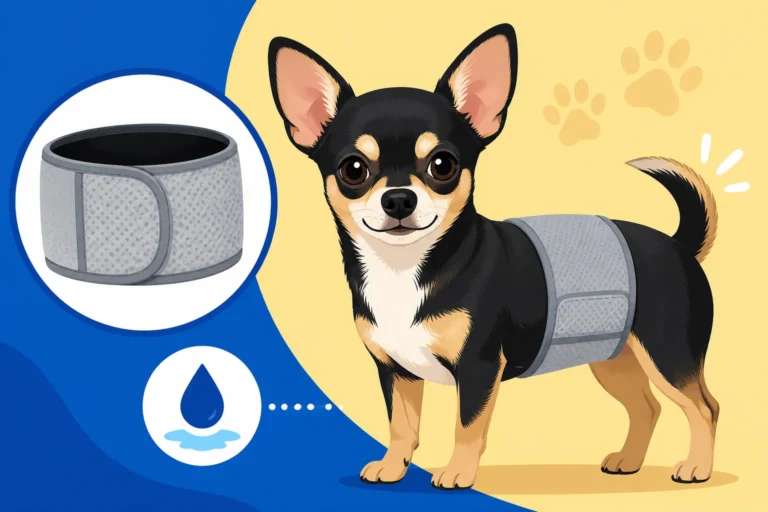
For existing marking behaviors, thorough enzymatic cleaning is critical to remove all traces of scent. Consider using belly bands for male Chihuahuas (a washable wrap that goes around their waist and covers their private parts) when indoors. This doesn't solve the behavior but catches the urine, protecting your home. For females, sometimes diapers are used. Increase your supervision significantly, taking them to the indoor potty more frequently. Interrupt any attempts to mark with a calm redirection. Positive reinforcement when they use the indoor potty for a full elimination (not just a mark) will also help reinforce the correct behavior. Remember, marking is often stress or anxiety-related, so ensuring your Chihuahua feels secure in their environment can also help. You can find more detail on this in A Chihuahua Marking on Furniture.
Maintaining Hygiene and Longevity of Your Indoor Potty
An indoor potty system, while convenient, requires diligent maintenance to remain sanitary and odor-free. Neglecting cleaning can quickly turn your helpful potty area into an unpleasant, unhygienic space that neither you nor your Chihuahua will want to be near.
Daily Cleaning Routines
For any indoor potty system, a daily cleaning routine is non-negotiable.
- Puppy Pads: These are generally designed for single use. Change soiled pads as soon as possible. Even if only a small portion is used, the lingering scent can be off-putting or attract your dog to mark.
- Artificial Grass Systems: The collection tray should be emptied and rinsed daily with warm, soapy water. The artificial grass mat should also be rinsed thoroughly, ideally daily or every other day, and allowed to air dry. A mild, pet-safe disinfectant can be used periodically to ensure bacteria are eliminated.
- Real Grass Patches: While the grass itself handles some odor neutralization, a daily visual check is necessary to remove any solid waste. The tray underneath should be checked for excess moisture and wiped down if needed. Follow the specific replacement schedule recommended by the supplier to ensure freshness.
Establishing a consistent cleaning schedule, perhaps as part of your morning or evening routine, will prevent odors from building up and ensure your Chihuahua always has a clean, inviting place to go.
Odor Control Strategies
Even with daily cleaning, odors can sometimes persist, especially with artificial systems. This is where dedicated odor control strategies come in.
- Enzymatic Cleaners: For all components of artificial grass systems and any surrounding floor areas, an enzymatic cleaner is your best friend. These cleaners break down urine at a molecular level, eliminating the odor rather than just masking it.
- Baking Soda: A sprinkle of baking soda on the bottom of the collection tray for artificial systems can help absorb odors before you put the grass back.
- Activated Charcoal: Placing small sachets of activated charcoal near (but out of reach of your Chihuahua) the potty area can also absorb airborne odors.
- Ventilation: Ensure the potty area is well-ventilated. If possible, open a window for a short period daily to air out the space.
For real grass systems, a fresh patch is the best odor control. If you notice a persistent smell, it might be time for a replacement sooner than anticipated. Remember, a clean-smelling potty area is more likely to be used correctly and consistently by your Chihuahua.
Health and Longevity Considerations
Beyond keeping your home fresh, maintaining a clean indoor potty is vital for your Chihuahua's health. Poor hygiene can lead to bacterial infections, skin irritation, and unpleasant odors clinging to their fur. Regular cleaning minimizes the risk of your Chihuahua stepping in old urine or feces and then tracking it through the house or, worse, ingesting it during grooming.
For artificial grass systems, inspect the turf regularly for signs of wear and tear or areas that are difficult to clean. Over time, the synthetic fibers can degrade or hold onto odors stubbornly, indicating it might be time for a replacement. For real grass, sticking to the replacement schedule is important to prevent mold or excessive wilting, which can also become unhygienic.
Ultimately, investing in a good quality indoor potty system and committing to its proper care will ensure it remains a safe, effective, and long-lasting solution for your Chihuahua's potty needs, especially on those days when going outside just isn't an option.
| Indoor Potty Type | Pros for Chihuahuas | Cons for Chihuahuas | Maintenance & Odor Control | Best Suited For |
|---|---|---|---|---|
| Puppy Pads | Simple, disposable, widely available | Can be torn/played with, not always absorbent enough | Change immediately after use, enzymatic cleaner for accidents | Training young puppies, very temporary solutions |
| Artificial Grass | Familiar texture, reusable, defines a potty area | Requires daily cleaning, can hold odors if neglected | Rinse grass & tray daily, enzymatic cleaners, baking soda | Dogs transitioning from outdoor, moderate rain aversion |
| Real Grass Patch | Most natural, absorbs odors, highly appealing | Requires watering, needs regular replacement (cost) | Remove solids daily, ensure good drainage, replace regularly | Chihuahuas who strongly prefer grass, highly rain-averse |
Disclaimer
This article is for general informational purposes only and does not constitute professional advice. Laws, prices and regulations vary by location and change over time. Consult a qualified professional for guidance on your specific situation.