The Age a Chihuahua Counts as Senior
Many Chihuahua owners often find themselves scratching their heads, wondering exactly when their spunky little companion officially crosses the threshold into their senior years. It’s a common frustration, especially when general dog age guidelines don't seem to fit a breed known for its exceptional longevity. This comprehensive guide aims to clear up that confusion, helping you understand the unique aging timeline of Chihuahuas, what physical and behavioral shifts to expect, and how to proactively adjust their care to ensure their golden years are as comfortable and happy as possible.
When Does a Chihuahua Officially Become a Senior?
Pinpointing the exact moment a Chihuahua becomes "senior" isn't as simple as marking a single birthday on the calendar. Unlike many larger breeds, Chihuahuas enjoy extended lifespans, meaning their aging process unfolds differently. Understanding this unique timeline is key to providing them with the best care as they mature.
Why the "Seven-Year Rule" Doesn't Apply to Small Breeds
The old adage that one human year equals seven dog years is a widely known, yet largely inaccurate, simplification. While it might hold a grain of truth for some larger dog breeds, it utterly fails when applied to tiny companions like Chihuahuas. Large and giant breeds, such as Great Danes or Saint Bernards, tend to age at an accelerated rate, reaching their senior years much earlier, often between 5 and 7 years old, simply because their bodies experience more rapid wear and tear. Their lives, though often full of love, are tragically shorter, making that 7-year mark quite significant for them.
For a Chihuahua, however, hitting seven years old is barely half their journey! At this age, most Chihuahuas are still in their prime, full of energy and playfulness, showing few, if any, signs of slowing down. Their smaller size and different metabolic rates contribute to a much more gradual aging process. So, if your Chihuahua is approaching its seventh birthday, don't fret about them being "old" – they're likely still enjoying a vibrant adulthood with many joyful years still ahead. It's crucial for owners to discard the generic "seven-year rule" and instead embrace the unique and wonderful longevity that defines the Chihuahua breed.
The Chihuahua's Unique Longevity
Chihuahuas are truly remarkable for their impressive longevity, frequently living into their mid-to-late teens, with some exceptional individuals even gracing us with their presence past the age of twenty. This incredible lifespan means that their senior years naturally commence much later than almost any other dog breed. While an 8-year-old Golden Retriever might be showing clear signs of old age, a Chihuahua of the same age is often still quite spry, perhaps just a tad less boisterous.
Most veterinarians and breed experts typically consider a Chihuahua to be entering their senior years somewhere between the ages of 10 and 12 years old. This is the period when you might start observing the subtle shifts that indicate their body is beginning its gradual slowdown. It's important to clarify that this 10-12 year range usually marks the beginning of their senior phase, not the end. Many Chihuahuas will continue to act relatively youthful during this time, but internally, the processes of aging are starting to become more pronounced. Recognizing this window allows you to proactively adjust their routine and care, setting the stage for comfortable and healthy twilight years. It’s truly amazing to delve into Why Chihuahuas Live Twelve to Twenty Years and understand the factors contributing to their long lives.
More Than Just a Number: Individual Variation and Early Signs
While the 10-12 year mark serves as an excellent general guideline for when a Chihuahua begins to count as senior, it's vital to remember that every single dog is an individual. Just like people, some Chihuahuas might start exhibiting signs of aging a bit earlier, perhaps around 9, while others might remain incredibly energetic and display a youthful exuberance well past their 12th birthday. A complex interplay of factors, including their genetic lineage, the quality of their diet throughout their life, their consistent exercise levels, and whether they've navigated any chronic health conditions, can all significantly influence their personal aging timeline. For instance, a Chihuahua who has managed severe Chihuahua Dental Disease in a Crowded Small Jaw for many years might show discomfort and a slower eating pace earlier than one who has enjoyed excellent oral health.
Instead of rigidly fixating on their birthday as the sole indicator, a more beneficial approach is to become a keen observer of subtle changes in their day-to-day behavior, energy levels, and overall physical capabilities. Are you noticing they're sleeping more frequently or for longer durations? Are their once-long walks now naturally shortening, or do they seem less enthusiastic about certain beloved activities? These nuanced early indicators are often far more reliable than a strict age benchmark. Identifying these changes promptly can facilitate crucial discussions with your veterinarian about beginning preventive Senior Chihuahua Care Past the Age of Twelve, allowing for early intervention and management of potential issues before they become advanced or debilitating.
Physical Changes to Anticipate in Your Aging Chihuahua
As your Chihuahua enters its senior years, you'll likely notice several physical changes. Some are a natural part of aging, while others are important indicators of health issues that require veterinary attention. Being aware of these common changes allows you to address them promptly and maintain your little one's quality of life.
Dental Disease Progresses with Age
Dental disease is, sadly, one of the most widespread and impactful health issues for Chihuahuas throughout their lives, but it becomes particularly aggressive and problematic in their senior years. Their tiny mouths and often crowded teeth create a perfect breeding ground for rapid accumulation of tartar and plaque. Over time, this leads to painful gum disease, infections, and ultimately, tooth loss. By the time a Chihuahua reaches senior status, if daily preventative care like brushing hasn't been a consistent routine, they often have significant dental problems. This isn't just about unpleasant breath; severe dental disease can open the door to systemic infections that can impact vital organs like the heart, kidneys, and liver.
You might notice your older Chihuahua becoming pickier about their food, dropping kibble, showing reluctance to chew harder treats, or exhibiting signs of pain when eating. They might even paw at their mouth or become unusually withdrawn. Regular professional dental cleanings under anesthesia are absolutely crucial throughout their life, but they become even more imperative as they age, to manage this chronic issue and alleviate pain. If your senior Chihuahua hasn't had a dental cleaning recently, it’s a critical discussion to have with your vet, regardless of their age, to prevent further discomfort and potential systemic health complications.
Joint Problems and Arthritis
While Chihuahuas are generally known for their agility and boundless energy, years of jumping, playing, and sometimes an inherent genetic predisposition can lead to the development or worsening of joint issues. Patellar Luxation, the Chihuahua's Commonest Joint Problem, where the kneecap slips out of place, is a primary concern for the breed. As they age, these existing conditions can progress, and new issues like general arthritis, or degenerative joint disease, can set in, causing chronic pain. You might start to observe a stiff gait, reluctance to jump onto familiar furniture like the sofa, difficulty navigating stairs, or perhaps a slight limp, especially after waking up or following a period of activity.
Managing joint pain is absolutely paramount for ensuring a senior Chihuahua's continued quality of life and comfort. This often involves a multi-modal approach, which can include veterinarian-prescribed anti-inflammatory medications, a regimen of joint supplements such as glucosamine and chondroitin, and in some cases, physical therapy. Simple modifications around your home can also make a profound difference: providing Ramps and Steps for a Chihuahua Sofa or a supportive, orthopedic dog bed can significantly ease their daily movements. Proactively addressing the signs of Chihuahua Arthritis in the Teenage Years is key to helping them manage their pain and remain mobile and comfortable.
Heart and Organ Health Concerns
As Chihuahuas gracefully enter their senior years, their internal organs, particularly the heart and kidneys, become increasingly vulnerable to disease. Chihuahua Heart Disease as the Breed Ages, with Mitral Valve Disease (MVD) being especially prevalent in small breeds, is a common concern. You might start to notice subtle signs like a persistent, soft cough, particularly at night or when excited, a general reduction in their stamina, or increased panting even after minimal exertion, all of which can be indicators of an developing heart condition. Regular veterinary check-ups are absolutely vital for the early detection of these issues, often beginning with your vet listening carefully for heart murmurs or recommending a more in-depth cardiac workup, such as an echocardiogram.
Kidney function can also gradually decline with age, potentially leading to Kidney Disease in a Long-Lived Chihuahua. Signs of kidney issues might include a noticeable increase in thirst, more frequent urination, a duller appearance to their coat, or a loss of appetite. Comprehensive blood and urine tests, routinely performed during their annual (or ideally, bi-annual) senior wellness examinations, are indispensable for monitoring the health of these vital organ systems. Early detection allows for timely intervention, which could include specialized diets or medications, to help slow the progression of the disease and maintain their well-being. Thinking ahead, investing in pet insurance like Healthy Paws early in your Chihuahua's life can be incredibly beneficial for helping manage the potentially significant costs associated with diagnosing and treating these long-term health challenges in a senior dog.
Vision and Hearing Loss
Just as with humans, Chihuahuas are susceptible to a gradual decline in their vision and hearing as they advance in years. You might begin to observe them bumping into familiar furniture, especially in dim lighting conditions, or appearing startled when approached unexpectedly from behind. They might also seem less responsive to commands or sounds they once knew perfectly. Beyond just normal age-related changes like nuclear sclerosis (a benign clouding of the eye lens), specific conditions related to Chihuahua Eye Problems in a Shallow Socket can also contribute to more significant visual impairment over time.
While some degree of sensory loss is a natural part of the aging process, any significant or sudden changes should always prompt a discussion with your veterinarian. Adapting your home environment can greatly assist an aging Chihuahua in navigating their world with increased confidence. This includes strategies like keeping furniture in consistent locations, utilizing scent cues to mark important areas, and ensuring they have a safe, quiet, and familiar space to retreat to. When approaching them, always do so gently and audibly, even if you suspect their hearing is diminishing, to avoid startling them and causing unnecessary stress. For more insights, learning about Vision and Hearing Loss in an Old Chihuahua can be really helpful.
Behavioral Shifts in an Aging Chihuahua
Beyond the physical changes, your senior Chihuahua might also exhibit shifts in their behavior and temperament. These changes are often linked to underlying physical discomfort, sensory decline, or cognitive changes. Recognizing these shifts is the first step in providing appropriate support and care.
Changes in Energy and Sleep Patterns
One of the most immediate and noticeable shifts you'll likely observe in a senior Chihuahua is a decrease in their overall energy levels and a corresponding increase in their need for sleep. The once relentless toy chaser who could play for hours might now much prefer a long, uninterrupted nap in a cozy sunbeam. You might find them less enthusiastic about embarking on extended walks, instead opting for shorter, more leisurely strolls around the block, taking their time to sniff and explore. This natural slowing down isn't inherently a cause for alarm; it's a completely normal and expected part of the aging process.
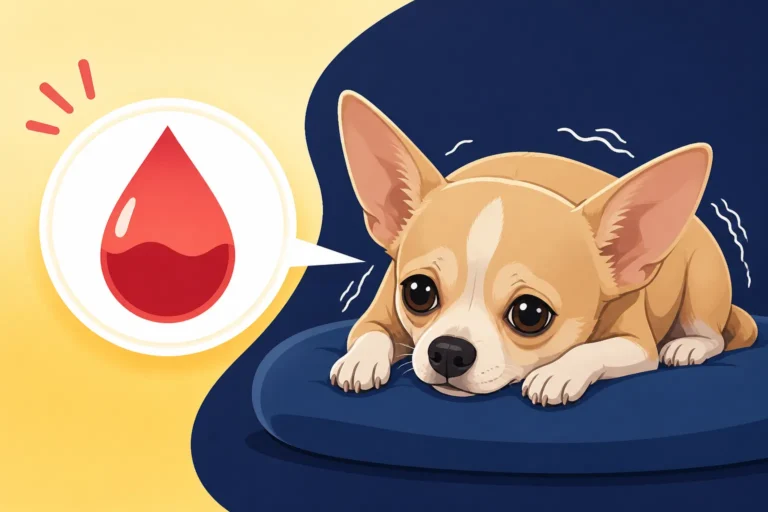
However, it is critically important to distinguish between this normal aging process and genuine lethargy that could be indicative of underlying pain or illness. If your Chihuahua suddenly becomes significantly less active, outright refuses to move, or displays clear signs of discomfort and weakness, it is absolutely time for an immediate veterinary visit. Otherwise, embrace their increased need for rest. Ensure they have access to comfortable, easily accessible beds placed in quiet, draft-free spots throughout your home, and always allow them to dictate the pace of their activity. Even gentle indoor games and light play sessions can still provide essential mental and physical exercise without over-exexerting their aging bodies.
Cognitive Decline and Confusion
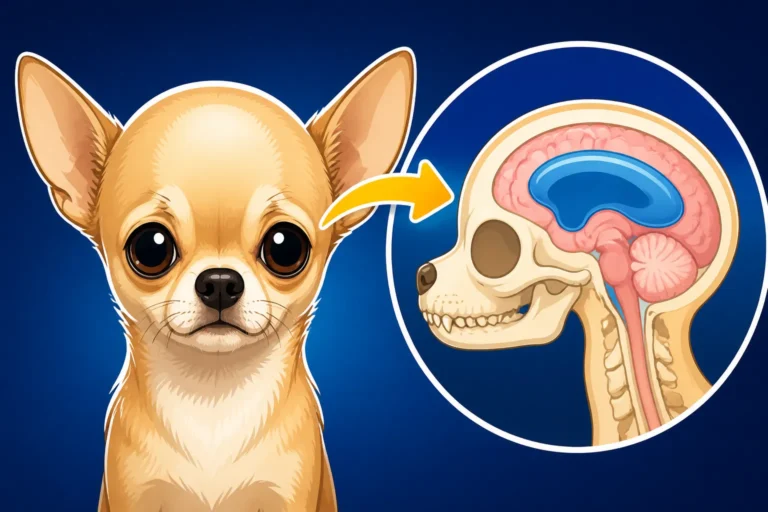
Just like their human companions, Chihuahuas are susceptible to experiencing age-related cognitive decline, a condition often referred to as Canine Cognitive Dysfunction (CCD) or more simply, "doggy dementia." This neurological change can manifest in a variety of ways, making it a challenging and often heartbreaking experience for owners. You might observe signs such as disorientation, where your Chihuahua appears confused or "lost" in familiar rooms, or changes in their typical sleep-wake cycles, leading to restless pacing at night and excessive sleeping during the day. Altered social interactions, where they might become less responsive, more irritable, or unusually clingy, are also common. Another distressing sign can be house-soiling accidents in dogs who were previously perfectly house-trained. Cognitive Decline in a Fifteen Year Old Chihuahua is a genuine condition that requires understanding and patience.
If you suspect your Chihuahua is experiencing symptoms of CCD, it is paramount to have an open and thorough discussion with your veterinarian. There are various interventions available, including specific medications, dietary supplements formulated to support brain health, and even specialized prescription diets, all of which can help manage the symptoms and significantly improve their overall quality of life. Establishing a consistent daily routine, minimizing sudden environmental changes, and providing gentle, constant reassurance can also play a crucial role in easing their confusion and reducing stress. It's vital to remember that these behaviors are not a reflection of your dog being "naughty" or deliberately disobedient; rather, they are manifestations of changes occurring within their aging brain.
Increased Anxiety or Irritability
An aging Chihuahua may, surprisingly, become noticeably more anxious, irritable, or even fearful than they were during their more youthful years. This shift in temperament can stem from a complex interplay of factors. Chronic pain from conditions like arthritis, diminished senses such as decreased vision or hearing making them feel more vulnerable and disoriented, or the overall confusion brought on by cognitive decline can all contribute to these behavioral changes. A Chihuahua who was once outgoing and eager to greet visitors might now become withdrawn or shy, or a previously sweet-natured companion might start to growl more readily when disturbed or handled unexpectedly.
It is absolutely crucial to first rule out any underlying medical causes for sudden or significant behavioral changes. A senior Chihuahua who snaps when you attempt to pick them up might simply be experiencing pain. Once any physical discomfort has been addressed by your veterinarian, it’s important to carefully consider their living environment. Provide them with designated safe havens, such as a cozy bed in a quiet corner, where they can retreat and feel secure. Minimize loud noises, sudden movements, and ensure that children and guests are taught to interact with your senior Chihuahua gently and respectfully, allowing the dog to initiate contact. Always approach your aging companion with care, speaking softly to let them know you are there before reaching out to touch them.
Adapting Your Care for a Senior Chihuahua's Needs
As your Chihuahua transitions into their senior years, their needs will evolve. Proactive adjustments to their diet, exercise, veterinary care, and home environment can make a profound difference in maintaining their comfort, health, and happiness.
Tailoring Diet and Exercise
As your cherished Chihuahua gracefully enters their senior years, you'll likely notice that their metabolic rate naturally slows down, and their overall activity levels typically decrease. This means that their caloric requirements will almost certainly drop, even if their appetite remains robust. Without appropriate adjustments to their diet, this imbalance can quickly lead to unwanted weight gain, which in turn places additional, unnecessary strain on their aging joints and vital internal organs. Transitioning to a high-quality senior dog food, which is often formulated to be lower in calories but still packed with essential nutrients, and frequently includes added joint support ingredients, is a very sensible and beneficial step. Always measure their food precisely; managing Feeding a Chihuahua on Two Hundred Calories a Day demands careful attention to detail.
Exercise, though modified, remains an incredibly important component of their daily routine for maintaining healthy muscle tone, preserving joint flexibility, and supporting their mental well-being. However, the type and intensity of their physical activity should definitely be adjusted. Instead of vigorous, high-impact play, opt for shorter, more frequent, and much gentler walks. Focus on low-impact activities, perhaps walking on softer surfaces like grass. Indoor games with interactive puzzle toys can be fantastic for keeping their minds active and engaged without over-stressing their bodies. Most importantly, always listen carefully to your Chihuahua – if they seem tired or winded, it's a clear signal that it's time for a well-deserved rest.
Ramping Up Vet Visits and Preventive Care
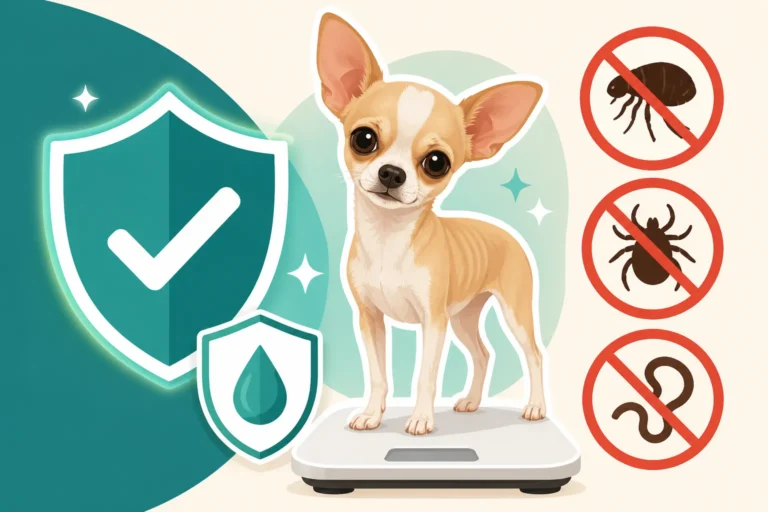
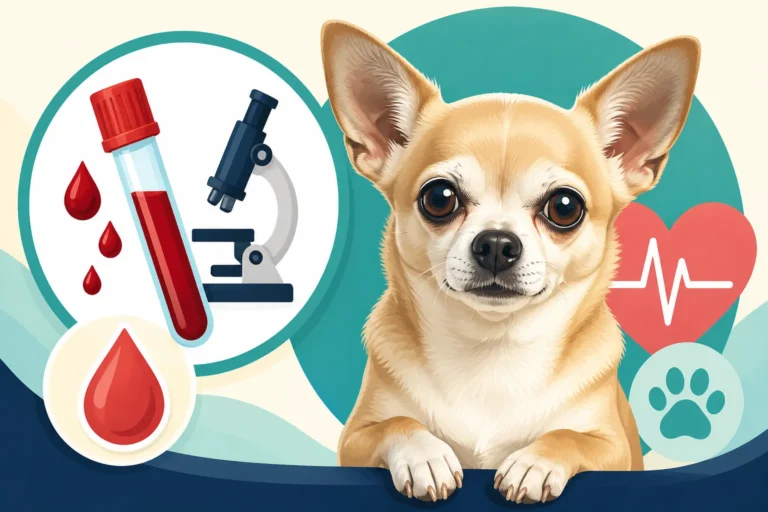
While younger, healthy Chihuahuas typically thrive on an annual vet check-up, senior Chihuahuas benefit enormously from more frequent veterinary visits, ideally every six months. This increased frequency allows your veterinarian to more closely monitor their health trajectory, catch subtle changes or emerging health issues much earlier, and implement timely interventions before problems become advanced or significantly impactful. These senior-specific visits often include a comprehensive senior bloodwork panel and urine analysis, which are invaluable tools for screening for a range of common age-related conditions such as kidney disease, liver disease, diabetes, and thyroid imbalances.
During these routine check-ups, your vet will conduct a thorough physical examination, paying close attention to their joints, heart, eyes, and teeth, and will also provide an excellent opportunity for you to discuss any behavioral changes or concerns you've observed. Proactive and consistent veterinary care truly is the best defense against the challenges of age-related decline. This is also where a robust pet insurance policy, such as one from Healthy Paws, can prove to be an invaluable asset, helping to alleviate the financial burden of increased diagnostic tests, necessary medications, and any specialized care that senior Chihuahuas often require. Being financially prepared for these ongoing needs can significantly reduce stress and allow you to fully concentrate on your beloved pet's well-being. Understanding Vet Visit Frequency for a Chihuahua Past Twelve is a crucial part of responsible senior ownership.
Creating a Comfortable and Safe Environment
Making thoughtful modifications to your home environment can dramatically enhance your aging Chihuahua's comfort, safety, and overall quality of life. Begin by considering their mobility: soft, orthopedic beds that are specifically designed to be easy to get into and out of can provide crucial support and alleviate pain in arthritic joints. Strategically placing Ramps and Steps for a Chihuahua Sofa or bed allows them to safely and easily access their favorite elevated resting spots without the risk of dangerous jumps or falls. For homes with slick flooring, ensuring non-slip rugs or runners are placed in high-traffic areas can prevent slips and falls, which are particularly hazardous for dogs with weaker legs or compromised vision.
Temperature regulation is another vital consideration, as older Chihuahuas often have less body fat and can be more sensitive to cold. Provide an abundance of warm blankets and ensure their sleeping areas are cozy and draft-free. For Chihuahuas experiencing vision or hearing loss, maintaining a consistent home layout is essential to reduce confusion and stress; avoid frequently rearranging furniture. Ensure their food and water bowls are easily accessible, perhaps slightly elevated to minimize neck strain. Consider using nightlights in hallways or common areas if they tend to wander during the night, offering a reassuring guide.
Mental Stimulation and Enrichment
Even though your senior Chihuahua may naturally experience a slowdown in physical activity, their minds still require consistent stimulation to remain sharp, engaged, and prevent cognitive decline. It's important not to underestimate the profound power of mental exercise! Continue to engage them with short, fun, and positive reinforcement-based training sessions, perhaps reviewing basic commands they already know or teaching them new, simple tricks that don't demand much physical exertion. Interactive puzzle toys that dispense treats can be excellent for keeping them entertained and challenging their problem-solving skills, turning mealtime into a mental workout.
Scent games, where you hide small, irresistible treats around the house for them to discover, are particularly effective as they engage your Chihuahua's powerful sense of smell, which often remains robust even if their vision or hearing begins to wane. Gentle interaction, comforting petting sessions, and even just quiet cuddle time on the sofa are incredibly important for their emotional well-being and strengthening your bond. Preventing boredom and fostering a sense of purpose can go a long way in combating Cognitive Decline in a Fifteen Year Old Chihuahua and keeping them happy, alert, and feeling valued. Don't forget that providing Mobility Help for a Fifteen Year Old Chihuahua can ensure they can access these enriching activities and continue to explore their world safely.
| Age Range (Years) | Chihuahua Senior Onset | Typical Large Breed Senior Onset | Key Health Considerations for Chihuahuas |
|---|---|---|---|
| 1-6 | Puppy/Adult | Adult | Regular dental care, Patellar Luxation screening |
| 7-9 | Middle-Aged | Senior | Early signs of dental disease, joint wear and tear, annual bloodwork begins |
| 10-12 | Early Senior | Geriatric | Intensified dental care, arthritis management, heart health monitoring, kidney function checks, cognitive changes |
| 13+ | Advanced Senior | – | Comprehensive geriatric care, managing vision/hearing loss, frequent veterinary check-ups, tailored nutritional support |
The journey into seniority for a Chihuahua is a unique and gradual process, typically commencing between 10 and 12 years of age. While their small stature blesses them with an extraordinarily long lifespan, it also means that specific age-related health concerns, ranging from pervasive dental problems to developing heart and kidney conditions, require diligent and proactive attention. By intimately understanding the distinct aging process of your tiny companion and lovingly adjusting their care to meet their evolving needs, you can ensure their golden years are not just comfortable, but also brimming with joy, security, and the profound love they so richly deserve. Regular veterinary visits and the invaluable peace of mind offered by pet insurance providers like Healthy Paws can make all the difference in navigating these precious later stages of their long and cherished life.
Disclaimer
This article is intended for informational purposes only and does not constitute veterinary advice. Always consult with a qualified veterinarian for any health concerns or before making any decisions about your Chihuahua's medical care or diet.