Joint Supplements for a Chihuahua With Bad Knees
It’s heartbreaking to see your little Chihuahua struggling with a limp, a hop, or even outright pain when they try to jump on the sofa for a cuddle. Those tiny knees, so prone to patellar luxation, can really take a toll as they get older, leaving many of us desperate for ways to bring them comfort. This guide is all about navigating the world of joint supplements for your Chihuahua with bad knees, helping you understand what might offer some relief and how to choose wisely.
Understanding Chihuahua Knee Issues and Joint Health
Chihuahuas, despite their mighty personalities, are incredibly delicate creatures, and their joints, especially their knees, are particularly vulnerable. Many Chihuahua owners become intimately familiar with the term "patellar luxation," which simply means a slipping kneecap. It's not just an inconvenience; it can cause real pain and lead to long-term arthritis. It's one of the most common issues we face with this breed, and it starts early for many.
The Reality of Patellar Luxation in Chihuahuas
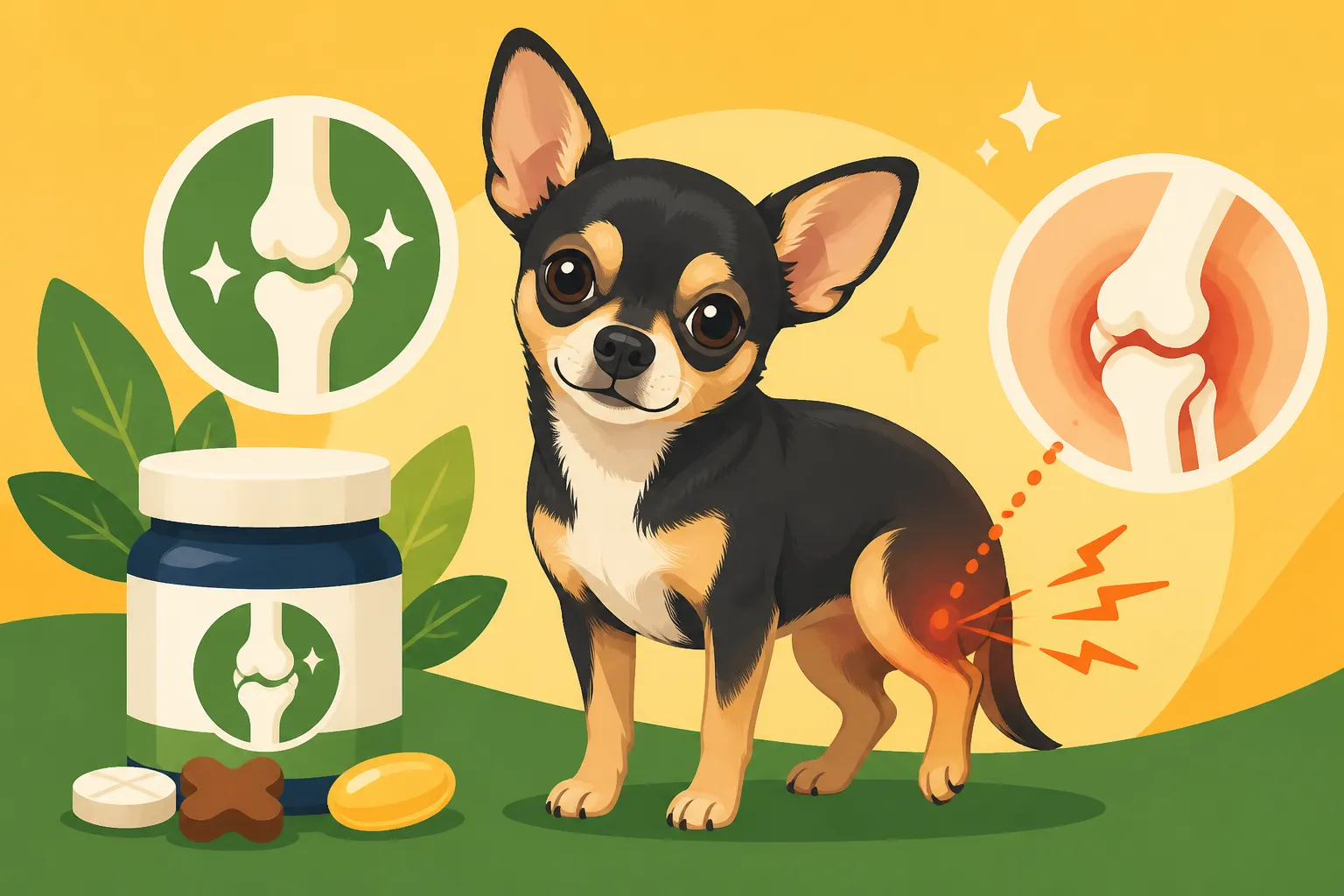
Imagine trying to walk when your kneecap keeps popping out of place – that's often what our Chihuahuas experience. This condition, where the patella (kneecap) dislocates or moves out of its normal groove, can range from mild, almost imperceptible shifts to severe, debilitating dislocations. You might notice a skipping gait, where your Chihuahua picks up a back leg for a few steps before putting it down again. Sometimes, they might even cry out in pain before shaking it off and continuing on. Over time, this constant friction and instability inside the joint can wear down the cartilage, leading directly to arthritis, even in relatively young dogs. It's a progressive problem, and understanding The Four Grades of a Slipping Chihuahua Kneecap can help you talk to your vet about what your dog is experiencing.
The frustration is real because you want to see your little companion run and play without a care in the world, and knowing they're constantly battling discomfort is tough. Even if surgery is an option or has already been done, the underlying tendency for joint wear and tear remains a concern. That's where diligent care and proactive measures, like considering joint supplements, come into play.
The Progression to Arthritis
Whether your Chihuahua has experienced patellar luxation for years or is just starting to show signs of stiffness, the end result is often the same: arthritis. This is particularly true as our Chihuahuas enter their senior years. Chihuahua Arthritis in the Teenage Years is a very common topic among long-time Chihuahua owners. Arthritis is the inflammation of a joint, and in dogs, it usually means osteoarthritis – the "wear and tear" kind. The smooth cartilage that cushions the bones in the joint gradually deteriorates, leading to bone-on-bone friction, pain, swelling, and reduced mobility.
For a tiny Chihuahua, even a small amount of arthritis can significantly impact their quality of life. Simple actions like climbing a small step, jumping onto a favorite bed, or even getting up after a nap become challenging. We start to notice them being less enthusiastic about walks, or perhaps they become more irritable when their sore joints are touched. It's a sad but common progression, and while we can't reverse it, we can certainly aim to slow it down and manage the pain to keep them as comfortable and happy as possible. This is why many owners look to supplements as part of a broader management plan.
Key Ingredients in Joint Supplements for Chihuahuas
When you start looking at joint supplements for your Chihuahua, the sheer number of options and ingredients can feel completely overwhelming. It's like trying to decode a scientific journal! But don't worry, there are a few core ingredients that pop up again and again because they've shown promise in supporting joint health. Understanding these can help you make a more informed choice for your little one's specific needs.
Glucosamine and Chondroitin Sulfate
These two are the dynamic duo of joint supplements, almost always found together. Think of them as the building blocks for healthy cartilage.
- Glucosamine: This is an amino sugar that occurs naturally in your dog's body. It plays a crucial role in maintaining the health and elasticity of cartilage, helping to build and repair it. In a Chihuahua with worn-down cartilage, providing extra glucosamine can help support the body's natural repair mechanisms and protect existing cartilage from further breakdown.
- Chondroitin Sulfate: This is another natural substance found in cartilage. It helps give cartilage its elasticity and acts as a shock absorber for the joints. Chondroitin also inhibits enzymes that can destroy cartilage and helps maintain the viscosity of the synovial fluid, which lubricates the joints.
Together, glucosamine and chondroitin work synergistically to slow down cartilage degradation, improve joint fluid quality, and reduce inflammation. Many owners report seeing a noticeable difference in their Chihuahua's mobility and comfort after consistent use. When you're browsing options on sites like Chewy or Amazon, you'll find these two ingredients in nearly every joint supplement formulation.
MSM Methylsulfonylmethane
MSM is a naturally occurring sulfur compound with potent anti-inflammatory and pain-relieving properties. It's often included in joint supplements because inflammation is a huge component of arthritis pain. When your Chihuahua's joints are inflamed, it causes discomfort, swelling, and limits their movement.
MSM works by supporting healthy connective tissues, reducing inflammation, and potentially helping to alleviate the pain associated with conditions like patellar luxation and arthritis. It's not a cartilage builder in the same way glucosamine is, but it's an excellent addition for addressing the pain and inflammation directly. For a small dog with chronic discomfort, this can make a world of difference in their daily comfort.
Omega-3 Fatty Acids DHA and EPA
You might know omega-3s from human health supplements, but they're incredibly beneficial for our Chihuahuas too, especially for joint health. The most important omega-3 fatty acids for dogs are EPA (eicosapentaenoic acid) and DHA (docosahexaenoic acid), which are primarily found in fish oil.
These powerful fatty acids are natural anti-inflammatories. They work by moderating the body's inflammatory response, which can significantly reduce joint pain and stiffness. Beyond joint health, omega-3s are fantastic for skin and coat health, and even cognitive function, especially in Senior Chihuahua Care Past the Age of Twelve. Many vets recommend a high-quality fish oil supplement not just for joints, but for overall well-being. Look for products that specify the amounts of EPA and DHA, as these are the active ingredients that provide the benefits. You can often find great quality fish oil from brands on platforms like Chewy, sometimes even those that come pre-portioned for smaller dogs.
Other Beneficial Ingredients
Beyond the main players, you'll often see other ingredients in joint supplements that can provide additional support:
- Hyaluronic Acid (HA): This naturally occurs in joint fluid and cartilage, providing lubrication and shock absorption. Supplementing HA can help improve the viscosity of joint fluid, making movement smoother and less painful.
- Green-Lipped Mussel (GLM): Hailing from New Zealand, GLM is a natural source of glucosamine, chondroitin, and omega-3 fatty acids, along with a complex array of vitamins, minerals, and amino acids. It's a powerhouse for joint support and inflammation reduction.
- Turmeric/Curcumin: Known for its anti-inflammatory and antioxidant properties, turmeric can be a natural way to reduce pain and swelling in arthritic joints. However, proper dosing and formulation are key, as curcumin isn't easily absorbed on its own.
- Vitamin C and E: These antioxidants can help protect joint tissues from damage caused by free radicals, supporting overall joint health.
It’s worth noting that while these ingredients are generally safe, it's always best to discuss any new supplement with your veterinarian, especially given the delicate nature of a Chihuahua's system. They can help you determine the right dosage and ensure there are no interactions with other medications your dog might be taking.
Choosing and Administering Joint Supplements
Selecting the right joint supplement for your Chihuahua isn't just about picking one off the shelf. Given their tiny size and sensitive systems, you need to be particularly careful about dosage, quality, and how you introduce it into their routine. It's not a one-size-fits-all situation, and what works for a Labrador certainly won't work for a six-pound Chihuahua.
What to Look for in a Supplement
When you're staring at a wall of joint supplements, it's easy to feel lost. Here’s what to prioritize for your Chihuahua:
- Quality and Purity: This is paramount for any supplement, but especially for a tiny dog. Look for brands that are transparent about their sourcing and manufacturing processes. Third-party testing for purity and potency is a huge plus. You want to ensure what's on the label is actually in the product and free from contaminants.
- Appropriate Dosage for Small Dogs: Many supplements are formulated for medium to large breeds, and trying to cut down a large chew can be inaccurate and frustrating. Seek out supplements specifically designed for small breeds or those that clearly provide dosing instructions for dogs under 10 pounds. Companies like Chewy often have filters for "small breed" or "toy breed" supplements.
- Active Ingredient Concentrations: Don't just look for "glucosamine"; look for how much glucosamine per serving. Compare the actual milligram amounts of glucosamine, chondroitin, and other key ingredients. Sometimes a cheaper product has significantly lower active ingredient levels, meaning you'd need to give more to achieve the same effect, which might not be practical or cost-effective.
- Formulation (Chew, Liquid, Powder): Consider what your Chihuahua will actually take. Some Chihuahuas are incredibly picky!
- Chews: These are often palatable and easy to administer, acting almost like a treat. Many brands, including those found on Amazon, offer soft chews that are easy for tiny mouths.
- Liquids: Can be measured precisely and mixed into food, which is great for picky eaters.
- Powders: Also mixable with food, but ensure it's not so potent-smelling that your Chihuahua refuses their meal.
- Avoid Unnecessary Fillers or Allergens: Check the ingredient list for common allergens like corn, wheat, or soy if your Chihuahua has sensitivities. Less is often more when it comes to fillers. Some fresh food delivery services like Ollie are known for ingredient transparency and could be a good source if you're looking for clean formulations.
Here’s a quick comparison of common supplement types:
| Supplement Type | Pros | Cons | Best For |
|---|---|---|---|
| Soft Chews | Palatable, easy to administer | May contain fillers, precise dosing can be hard for very small dogs | Chihuahuas who take treats readily |
| Liquid | Precise dosing, easy to mix in food | Can be messy, some Chihuahuas dislike taste | Picky eaters, very small Chihuahuas needing exact doses |
| Powder | Mixes with food, good for multiple ingredients | Can alter food texture/taste, may settle at bottom of bowl | Chihuahuas who aren't picky, good for custom blends |
| Capsules | High potency, no fillers | Hard to administer whole, often need to be opened and sprinkled | Owners comfortable with giving pills or sprinkling powder |
Introducing Supplements and Monitoring Effects
Once you've chosen a supplement, the way you introduce it and monitor your Chihuahua is crucial.
- Start Slowly: Don't just dump a full dose on day one. Introduce new supplements gradually over several days, especially if your Chihuahua has a sensitive stomach. Start with a quarter or half dose and slowly increase to the recommended amount. This helps prevent digestive upset and gives you time to observe any adverse reactions.
- Consistency is Key: Joint supplements aren't like pain medication that provides immediate relief. They work cumulatively over weeks or even months. You won't see an overnight miracle. Consistency is absolutely vital for them to have any chance of making a difference. Make it part of your daily routine, perhaps with a meal.
- Monitor for Changes: Keep a journal or simply make mental notes about your Chihuahua's mobility, energy levels, and comfort. Are they getting up more easily? Do they play more? Is their "skipping gait" less frequent? Pay attention to subtle cues. This might take 4-8 weeks to become apparent. Also, watch for any negative reactions like upset stomach, vomiting, or changes in appetite. If you see any, stop the supplement and consult your vet.
- Regular Vet Check-ups: Supplements are not a replacement for veterinary care. Continue regular check-ups with your vet, especially if your Chihuahua has a diagnosed condition like patellar luxation. Your vet can assess their joint health, adjust medication if needed, and give you professional advice on the efficacy of the supplements you're using. They can tell you if Whether a Chihuahua Knee Needs Surgery at All is still a question for your dog, or if management is the best path.
Remember, every Chihuahua is an individual, and what works wonders for one might have no effect on another. It's a journey of finding what best supports your beloved companion.
Beyond Supplements: A Holistic Approach to Joint Care
While joint supplements can be a fantastic tool in your Chihuahua's joint care arsenal, they are most effective when part of a broader, holistic approach. Think of it as building a strong foundation for their overall well-being, where supplements are just one important pillar. Neglecting other areas can undermine even the best supplement regimen.
Weight Management is Crucial
This cannot be stressed enough: maintaining a healthy weight is paramount for any Chihuahua with joint issues. Even one extra pound on a tiny six-pound frame is like a human carrying an extra 20-30 pounds relative to their size! That added weight puts immense pressure on already compromised joints, accelerating cartilage wear and increasing pain. What One Extra Pound Does to a Chihuahua is truly shocking when you break it down proportionally.
Work closely with your vet to determine your Chihuahua's ideal body weight and then stick to it like glue. This often means carefully measuring their food, limiting treats, and ensuring they get appropriate exercise. If your Chihuahua is overweight, discussing a safe weight loss plan is the single most impactful thing you can do for their joint health. Weight loss alone can often lead to a dramatic improvement in mobility and comfort, sometimes even more so than any supplement.
Appropriate Exercise and Physical Therapy
Just because your Chihuahua has bad knees doesn't mean they should become a couch potato. In fact, appropriate, controlled exercise is vital for maintaining muscle strength around the joints, which helps provide stability. It also prevents stiffness and promotes healthy circulation.
However, "appropriate" is the key word here. We're not talking about aggressive fetch games or long, strenuous hikes. Think short, gentle walks on soft surfaces, indoor playtime, or even swimming if your Chihuahua tolerates it (and stays warm!). Avoiding high-impact activities like jumping off furniture is also critical – consider providing Ramps for a Chihuahua Bed and Sofa to help them get around safely. If you have a Chihuahua with patellar luxation, you need to understand Exercise for a Chihuahua With a Bad Knee to prevent further injury.
In some cases, your vet might recommend physical therapy, which can include specific exercises, massage, hydrotherapy, or even laser treatments to reduce inflammation and strengthen supporting muscles. A certified canine rehabilitation therapist can design a tailored program that directly targets your Chihuahua's specific joint needs.
Environmental Modifications
Making your home a joint-friendly haven for your Chihuahua can significantly reduce the strain on their knees and spine.
- Ramps and Steps: As mentioned, investing in ramps or steps for beds, sofas, and even to help them get in and out of the car can prevent painful jumps and falls.
- Non-Slip Surfaces: Hardwood floors and tiles can be like ice rinks for a small dog with wobbly joints. Place rugs, runners, or yoga mats in high-traffic areas to provide better traction and prevent slips.
- Comfortable Bedding: Orthopedic beds, especially those with memory foam, can provide excellent support for aching joints and help them rest more comfortably. For Chihuahuas who tend to burrow, a self-warming bed or a pile of soft blankets can offer comforting warmth for stiff muscles.
- Warmth: Chihuahuas are notoriously prone to feeling cold due to their low body fat. Keeping them warm, especially in colder months, can help prevent joint stiffness. Sweaters and coats for outdoor walks are a good idea, and ensuring their indoor sleeping areas are draft-free and cozy.
Regular Veterinary Care and Pain Management
Even with the best supplements and environmental care, Chihuahuas with significant patellar luxation or arthritis will require ongoing veterinary oversight.
- Routine Check-ups: These are crucial for monitoring the progression of their joint disease and making adjustments to their care plan. Your vet can perform physical exams, assess their gait, and discuss any new symptoms you've observed.
- Pain Relief: There will likely come a time when supplements alone aren't enough to manage your Chihuahua's discomfort. Your vet can prescribe appropriate pain medication, such as NSAIDs (non-steroidal anti-inflammatory drugs), to provide relief during flare-ups or for daily management. It's essential to use these medications under strict veterinary guidance, as toy breeds can be sensitive to dosages.
- Acupuncture or Laser Therapy: For some Chihuahuas, complementary therapies like acupuncture or therapeutic laser treatments can offer additional pain relief and reduce inflammation without the side effects of oral medications. Discuss these options with your vet to see if they might be suitable for your little one.
Taking a truly comprehensive approach, addressing everything from their diet and environment to exercise and medical care, gives your Chihuahua the best possible chance at a comfortable, happy life, even with challenging joint conditions. It’s about being proactive and consistently advocating for their comfort and well-being. The First Year Mistakes Chihuahua Owners Make often revolve around not taking these issues seriously early on.
Disclaimer
This article is for general informational purposes only and does not constitute professional advice. Laws, prices and regulations vary by location and change over time. Consult a qualified professional for guidance on your specific situation.