The Honking Cough of Chihuahua Tracheal Collapse
There's nothing quite as alarming for a Chihuahua owner as hearing that distinctive, sudden honking cough that sounds like your tiny companion is trying to clear something massive from their throat. It's not just a cute quirk; this specific sound is often the tell-tale sign of tracheal collapse, a condition that can be incredibly distressing for both you and your little dog. This guide will walk you through what causes this peculiar cough, how to recognize it, and most importantly, how to manage and care for a Chihuahua living with tracheal collapse.
Understanding Tracheal Collapse in Chihuahuas
When you hear that sharp, dry, goose-like honk coming from your Chihuahua, it's natural to panic, thinking they're choking. But often, what you're actually witnessing is the physical manifestation of their windpipe, or trachea, momentarily flattening in on itself. This isn't just a random occurrence; it's a structural weakness common in toy breeds, and it's something every Chihuahua parent needs to understand deeply.
What Causes the Honking Cough
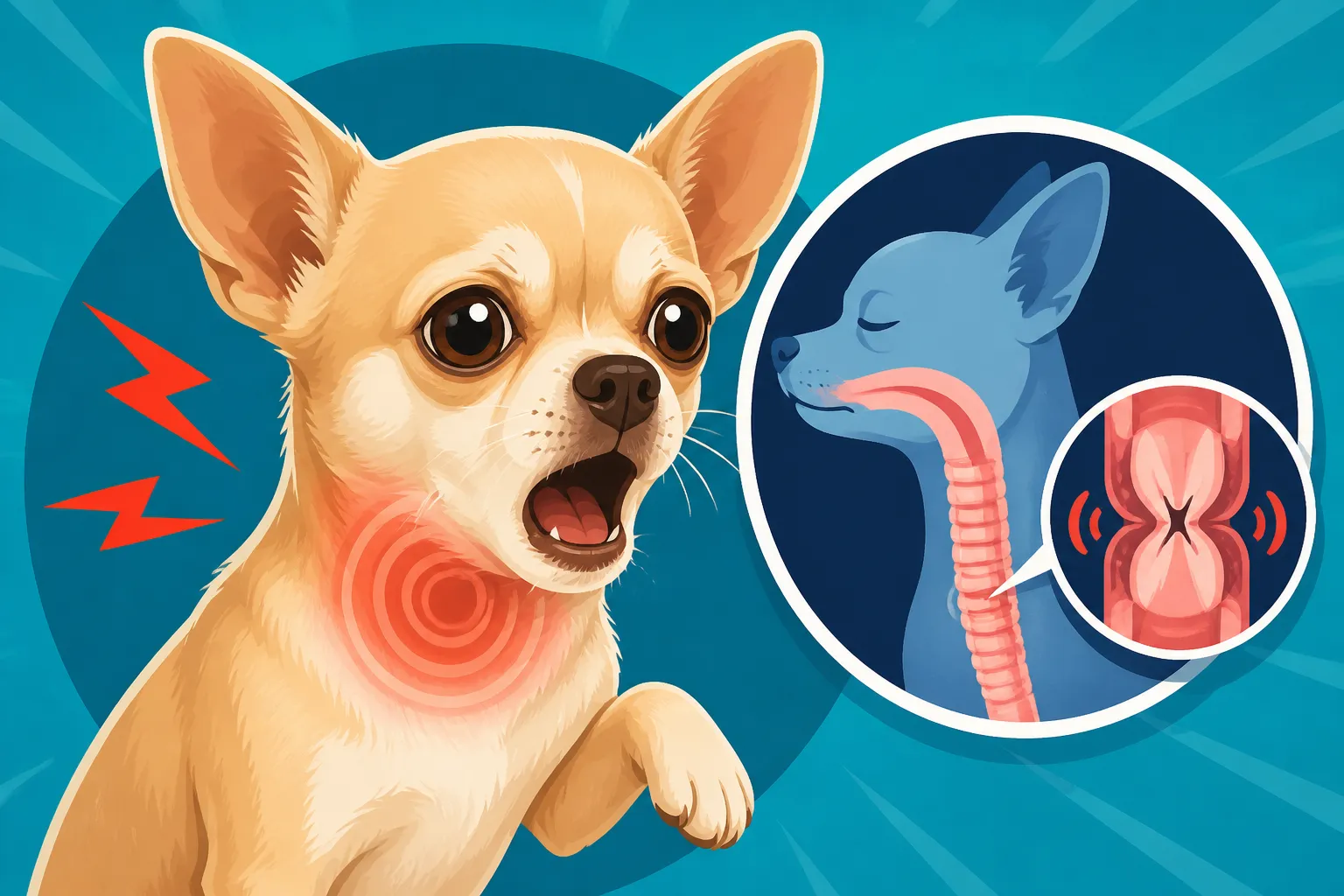
Imagine a series of tiny, C-shaped cartilage rings that form your dog's trachea, holding it open like the hose of a vacuum cleaner. These rings are supposed to be firm and rigid, ensuring a clear pathway for air to travel from the nose and mouth down to the lungs. In Chihuahuas prone to tracheal collapse, these cartilage rings are often weaker than they should be. Instead of maintaining a perfect 'C' shape, they can soften and lose their rigidity, especially when the dog inhales forcefully, exhales, or simply gets excited.
When these weakened rings give way, the trachea flattens, reducing the diameter of the airway. This partial obstruction causes the air to rush through a much smaller opening, creating that characteristic "honking" or "goose-like" cough. It's essentially the sound of air struggling to pass through a narrowed tube. The cough is a reflex, an attempt by your dog's body to clear the obstruction, much like when we cough after inhaling something the wrong way. Unfortunately, in tracheal collapse, the coughing itself can sometimes worsen the collapse, creating a vicious cycle of irritation and coughing.
Chihuahuas are particularly susceptible to this condition not just because of their diminutive size, but often due to genetics. While it can sometimes be a secondary issue caused by chronic respiratory irritation, for many Chihuahuas, it's a primary, inherited structural defect. Certain triggers can make the cough much worse, such as pulling on a collar, excitement, eating or drinking too quickly, exposure to smoke or allergens, and even sudden changes in temperature or humidity. Understanding these triggers is the first step in helping your little one breathe easier.
Grades of Tracheal Collapse
Vets classify tracheal collapse into different grades, from 1 to 4, based on the severity of the tracheal narrowing. This grading system helps your veterinarian understand how advanced the condition is and guides the treatment plan, though it's important to remember that even a lower grade can cause significant symptoms for a tiny Chihuahua.
-
Grade 1: At this stage, the tracheal lumen (the opening) is reduced by about 25%. Your Chihuahua might show very mild symptoms, perhaps just an occasional honking cough when excited or when pressure is put on their neck. You might not even realize anything is wrong, attributing it to a general small dog "quirk" or reverse sneezing. The internal link on Chihuahua Tracheal Collapse Grades on an X-Ray goes into more detail about how these grades are assessed visually.
-
Grade 2: Here, the tracheal opening is reduced by about 50%. The honking cough becomes more frequent and noticeable. Your Chihuahua might start to show some exercise intolerance, tiring out more quickly on walks, or having coughing fits after playing. They might also breathe more rapidly or heavily, especially after exertion. At this stage, many owners start to seek veterinary attention because the symptoms become harder to ignore.
-
Grade 3: This grade signifies a 75% reduction in the tracheal lumen. Symptoms are quite severe at this point. Your Chihuahua will likely experience persistent coughing, significant difficulty breathing, and potentially even episodes where their gums turn bluish (cyanosis) due to lack of oxygen. Exercise is very difficult, and they might become lethargic. This stage often requires immediate medical intervention to stabilize breathing and manage discomfort.
-
Grade 4: This is the most severe grade, with the trachea almost completely flattened, sometimes 90-100% collapsed. Chihuahuas at this stage are in critical condition, experiencing extreme respiratory distress, potentially collapsing, and requiring emergency veterinary care. They might struggle to get any air in, leading to panic and further exacerbation of the collapse. While X-rays can show the general state of the trachea, a dynamic imaging study like fluoroscopy, which shows the trachea in motion as your dog breathes, is often the gold standard for precisely grading the collapse and understanding its severity.
Identifying and Managing the Honking Cough
The honking cough of tracheal collapse is often unmistakable once you know what to listen for, but it can be confused with other small dog quirks. Knowing the specific sounds and accompanying symptoms, and how to react, is crucial for your Chihuahua's well-being.
Recognizing the Specific Sound and Other Symptoms
The cough associated with tracheal collapse is distinctive – a dry, harsh, sudden sound that many describe as a "goose honk." It's quite different from a wet, gurgly cough you might hear with kennel cough, or the soft, snorting sound of a Chihuahua Reverse Sneezing and Whether to Worry. A reverse sneeze often sounds like the dog is rapidly inhaling through its nose, almost like snorting, and is usually a temporary spasm, whereas the tracheal collapse cough is a sharp, forceful expulsion of air.
Beyond the sound itself, pay close attention to when your Chihuahua coughs. You'll often notice this honk occurring when they are excited, running around, or even just pulling slightly on their collar. The increased airflow and pressure during these activities can cause the weakened trachea to collapse more readily. This is why you might hear the dreaded honk right after they've greeted you at the door or during a spirited play session. The internal link Why a Chihuahua Coughs More When Excited explains this phenomenon in more detail.
Other symptoms can accompany the cough, especially as the condition progresses. You might observe difficulty breathing, characterized by rapid, shallow breaths or obvious effort involved in each inhale and exhale. Some Chihuahuas might wheeze, and in more severe cases, you could notice a blue tint to their gums or tongue, which is a sign of oxygen deprivation. They might also show reduced stamina, become easily tired, or even faint after a coughing fit or exertion. If your Chihuahua experiences any of these more severe symptoms, it's time to seek immediate veterinary attention.
Immediate Steps and Veterinary Diagnosis
If your Chihuahua suddenly launches into a severe coughing fit, your immediate response can make a difference. The most important thing is to remain calm, as your stress can further agitate your dog, potentially worsening their breathing. Gently try to soothe them and, if possible, move them to a quiet, cool area. Avoid putting any pressure on their neck, which means immediately removing a collar if they are wearing one. Some owners find that gently stroking their dog's throat or offering a small amount of water can help interrupt the spasm, but always prioritize reducing stress and observing their breathing.
Even if the coughing spells are mild or infrequent, a veterinary consultation is essential. Early diagnosis and intervention can significantly improve your Chihuahua's quality of life and potentially slow the progression of the condition. When you visit the vet, they will typically start with a thorough physical examination. They might gently palpate your Chihuahua's trachea along the neck, which can sometimes trigger a cough, helping them identify a tender or weakened area.
To confirm the diagnosis and assess the severity, your vet will likely recommend diagnostic imaging. The most common is a thoracic X-ray, which can show a narrowed trachea. However, X-rays are static images and might not always capture the dynamic nature of the collapse. For a more definitive diagnosis, especially in complex cases, your vet might suggest fluoroscopy. This is a real-time X-ray video that allows the vet to observe your Chihuahua's trachea as they breathe, identifying exactly where and when the collapse occurs. This is invaluable for accurate grading and treatment planning. Regarding the financial aspect of these diagnostics, many pet insurance plans, such as those offered by Healthy Paws, may help cover the costs of these tests, provided the condition isn't deemed pre-existing. It's always a good idea to check your policy specifics or discuss options with your insurance provider.
Long-Term Care and Prevention Strategies
Living with a Chihuahua diagnosed with tracheal collapse requires ongoing vigilance and a commitment to certain lifestyle adjustments. While it's a chronic condition, many Chihuahuas can lead comfortable lives with proper management. The goal is to minimize triggers, reduce symptoms, and maintain the best possible quality of life.
Environmental and Lifestyle Adjustments
One of the most impactful things you can do for your Chihuahua is to manage their environment and daily routine to reduce triggers. Stress and over-excitement are major culprits for exacerbating coughing fits. Try to maintain a calm and predictable household environment. Avoid situations that lead to excessive barking or intense play sessions. If you know certain activities reliably trigger a cough, try to modify them. For instance, rather than boisterous games of fetch, opt for gentler, shorter playtimes.
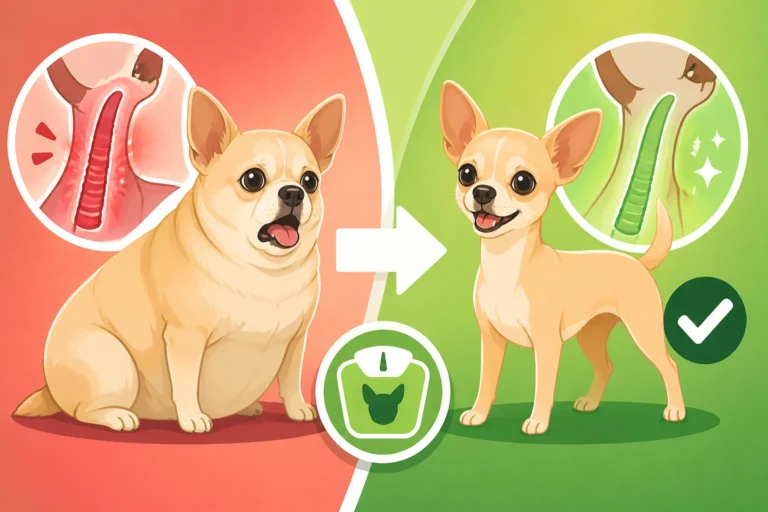
Weight management is another critical factor. Even an extra pound or two on a tiny Chihuahua can put significant pressure on their chest cavity and windpipe, worsening the collapse. Keeping your Chihuahua at an ideal, lean body weight is paramount. Discuss a suitable diet and exercise plan with your vet to help them achieve and maintain a healthy physique. You can find more detailed advice on this topic in our article, Weight Loss as Chihuahua Trachea Treatment.
Lastly, paying attention to air quality and humidity levels in your home can make a big difference. Dry air can irritate the respiratory passages, making coughing worse. Using a humidifier, especially in drier climates or during winter months when heating systems dry out the air, can be beneficial. Conversely, very humid conditions can also make breathing difficult for some dogs. Most importantly, eliminate all airborne irritants: absolutely no smoking around your Chihuahua, avoid strong chemical cleaners, air fresheners, or heavy perfumes. These can all trigger coughing spells and further irritate their delicate airways. Our post on Heat and Humidity Worsening a Chihuahua Cough offers additional insights here.
Harnesses as a Critical Tool
This point cannot be stressed enough: if your Chihuahua has even a hint of tracheal weakness, you must never use a collar for walks or to attach identification tags. A collar, even a seemingly loose one, puts direct pressure on the trachea every time your dog pulls, lunges, or even makes a sudden movement. This constant pressure is one of the quickest ways to worsen tracheal collapse and trigger severe coughing fits.
The solution is a well-fitting harness. But not just any harness will do. You need to select one that distributes pressure across your Chihuahua's chest and shoulders, completely bypassing the neck area. Look for Y-front or H-style harnesses that have straps that sit well below the throat, over the sternum. Avoid step-in harnesses or those that put any pressure near the front of the neck or armpits, as these can still inadvertently push against the trachea. It's an adjustment, both for you and your dog, but it's a non-negotiable step in protecting their airway. For more detailed information on selecting the right gear, check out Why a Harness Matters for a Chihuahua Windpipe and Harnesses That Spare a Chihuahua Windpipe. Investing in a good quality, comfortable harness will be one of the best decisions you make for your Chihuahua's respiratory health.
Medical and Surgical Interventions
Beyond environmental and lifestyle changes, many Chihuahuas with tracheal collapse require ongoing medical management to control symptoms. Your vet will work with you to find the right combination of medications to keep your dog comfortable and breathing easily.
-
Medications: Common medications include cough suppressants, which reduce the frequency and intensity of coughing fits. Drugs like hydrocodone or butorphanol might be prescribed. Anti-inflammatories, such as corticosteroids, can help reduce inflammation and swelling in the trachea, making it easier for air to pass. Bronchodilators might also be used to open up the airways, though their effectiveness specifically for tracheal collapse can vary. Antibiotics may be necessary if secondary bacterial infections arise due to irritation. Managing these medications, especially finding the right dosage for a tiny Chihuahua, can be a delicate balance. The costs associated with these long-term medications can add up, but a good pet insurance plan from a provider like Healthy Paws can be instrumental in managing these ongoing expenses, helping you focus on your Chihuahua's health without added financial stress. More information on managing medication can be found in Chihuahua Cough Medication and Long-Term Care.
-
Surgical Options: For severe cases of tracheal collapse that don't respond adequately to medical management, surgical intervention might be considered. The two main surgical approaches are external tracheal rings or intraluminal stents. External rings are placed around the outside of the trachea to hold it open. Intraluminal stents are mesh tubes placed inside the trachea to provide internal support. Both procedures have risks and benefits, and success rates can vary depending on the individual dog and the severity of the collapse. Stent surgery, for instance, requires a specialized veterinary surgeon and comes with its own set of considerations, which you can read about in Stent Surgery for a Chihuahua Trachea. These are complex procedures, and your vet will thoroughly discuss if surgery is a viable option for your Chihuahua.
Living with Tracheal Collapse: Support and Outlook
A diagnosis of tracheal collapse can feel overwhelming, but with dedicated care, many Chihuahuas continue to live full, happy lives. It's a journey that requires patience, consistency, and a close partnership with your veterinary team.
Maintaining Quality of Life
The cornerstone of living with tracheal collapse is consistent, proactive management. This means strictly adhering to your vet's recommendations regarding medication, diet, and lifestyle adjustments. Regular follow-up appointments are crucial to monitor your Chihuahua's condition, adjust medication dosages as needed, and catch any potential complications early. Remember, a tiny Chihuahua's body can respond differently to medications than a larger dog, making careful monitoring essential. You may also find it helpful to keep a journal of your Chihuahua's coughing episodes, noting triggers, frequency, and severity. This information can be incredibly valuable to your vet in fine-tuning their treatment plan.
It's also important to understand that tracheal collapse can sometimes present symptoms that mimic other serious conditions, such as heart disease. For example, a persistent cough can be a sign of both tracheal issues and Chihuahua Heart Disease as the Breed Ages. Distinguishing between these can be challenging, and sometimes both conditions can coexist. Your vet will perform comprehensive diagnostics to ensure accurate identification of all contributing factors, which is vital for effective treatment. A specific cough might signify a trachea issue, while a softer, more wet-sounding cough might point to a cardiac problem. Our guide Telling a Heart Cough From a Trachea Cough elaborates on these distinctions.
Emotional support and comfort are just as important as medical care. A Chihuahua experiencing breathing difficulties can become anxious or fearful. Providing a calm, loving environment, plenty of soft bedding, and ensuring they feel safe and secure can significantly improve their overall well-being. For owners, the peace of mind offered by pet insurance cannot be overstated. With a provider like Healthy Paws, you can manage the long-term financial burden of chronic conditions, ensuring your Chihuahua receives the best possible care throughout their life without compromise.
When to Seek Emergency Care
While routine management is key, there are specific situations where you need to act immediately and seek emergency veterinary care. Tracheal collapse can escalate rapidly, and for a small dog, even a short period of severe respiratory distress can be life-threatening.
You should rush your Chihuahua to the nearest emergency vet if you observe any of the following:
- Severe breathing distress: This includes open-mouthed breathing, rapid and shallow breaths, visible effort with each breath (e.g., abdominal heaving), or stretching their head and neck out in an attempt to get air.
- Blue or purple gums/tongue (cyanosis): This is a critical sign of oxygen deprivation and requires immediate intervention.
- Collapse or loss of consciousness: If your Chihuahua suddenly goes limp, falls over, or cannot be roused, it's an emergency.
- Prolonged or unrelenting coughing fits: If a coughing spell continues for an extended period (more than a few minutes) without relief, or if your dog seems to be panicking and unable to catch their breath.
- Extreme lethargy or weakness: If your Chihuahua suddenly becomes extremely weak, unresponsive, or appears to be in shock.
Don't hesitate in these situations. Time is of the essence. Call your emergency vet on the way to let them know you're coming and the nature of the emergency. While Chihuahuas are small and delicate, they are also incredibly resilient, and with prompt, appropriate care, even those with severe tracheal collapse can often have their symptoms managed effectively.
Disclaimer
This article is intended for informational purposes only and does not substitute for professional veterinary advice. Always consult with a qualified veterinarian for any health concerns or before making any decisions related to your pet's medical care.