Two Extra Pounds on a Chihuahua Explained
It’s a common scenario: you look at your beloved Chihuahua, who might only weigh five or six pounds, and think, "What's the big deal if they put on an extra pound or two?" The truth is, for a dog so tiny, two extra pounds isn't just a little bit of fluff; it can be a massive burden that significantly impacts their health, mobility, and overall quality of life. This guide is here to break down exactly why those seemingly small gains are so significant for your pint-sized companion and what you can do about it.
The Disproportionate Impact of Extra Weight on a Tiny Frame
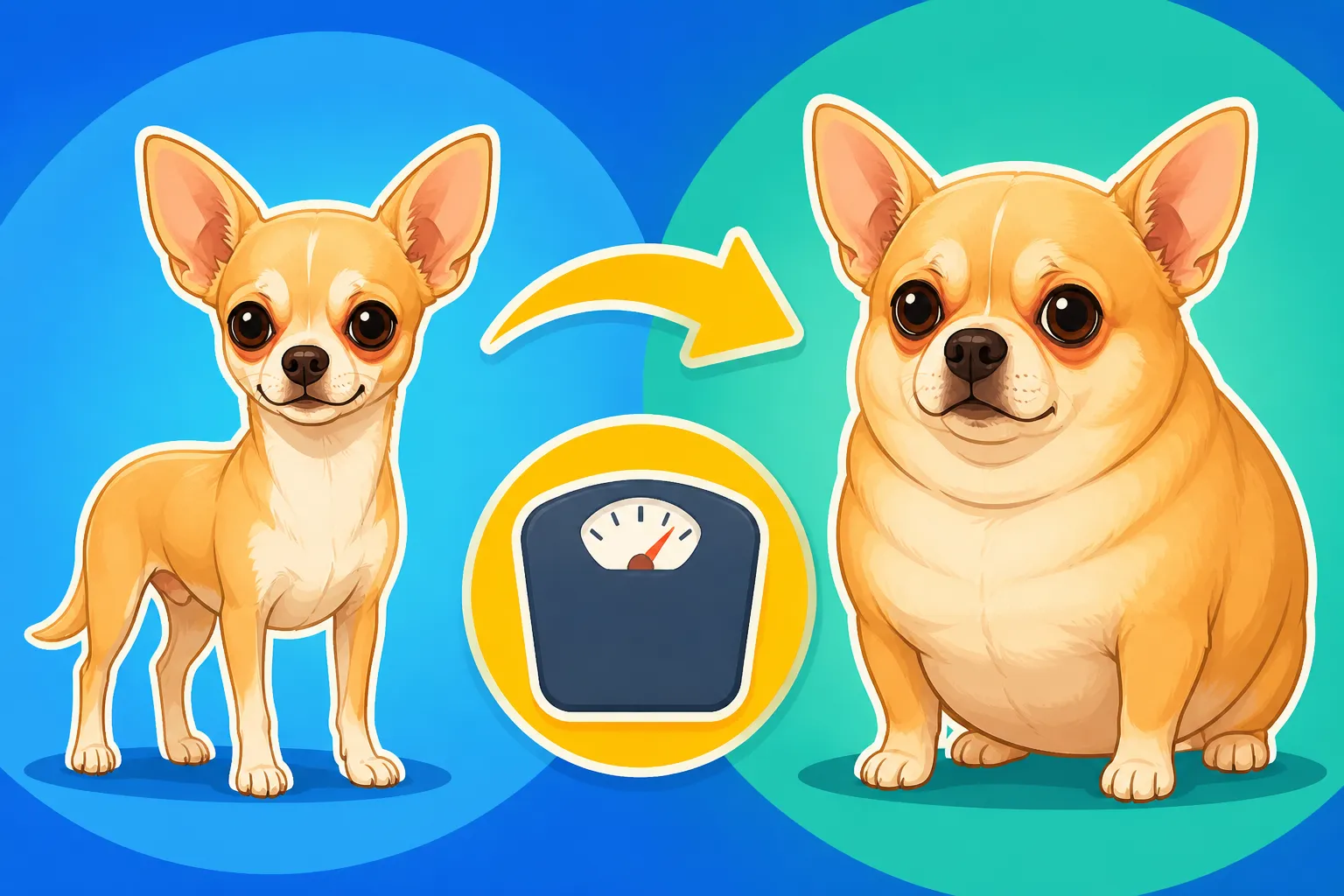
When we talk about weight gain in dogs, it’s easy to think in human terms. For us, two pounds might be a fleeting fluctuation. For a Labrador, a dog that weighs 60-80 pounds, two pounds is barely noticeable. But a Chihuahua, typically weighing between three and six pounds, experiences an entirely different reality. Adding two pounds to a five-pound Chihuahua is a staggering 40% increase in body weight! Imagine yourself gaining 40% of your body weight – the strain on your joints, heart, and lungs would be immense, and it's no different for our tiny friends.
Understanding Percentage-Based Weight Gain
To truly grasp the gravity of this, let's put it into perspective. If your Chihuahua, who should ideally be around five pounds, now tips the scales at seven pounds, they've gained 40% of their healthy body weight. For a human weighing 150 pounds, a proportional gain would be 60 pounds, pushing them to 210 pounds. This isn't just a mild adjustment; it's a significant shift that places enormous stress on every single system in their little body. Their skeleton, designed for a feather-light load, is suddenly under immense pressure. Their heart has to work harder to pump blood through a larger body mass, and their lungs have to cope with increased demand. It's a fundamental change that often goes underestimated because of their small stature.
| Initial Healthy Weight | Added Weight | Percentage Increase | Human Equivalent (150 lbs) |
|---|---|---|---|
| 5 lbs | 1 lb | 20% | 180 lbs (30 lbs gain) |
| 5 lbs | 2 lbs | 40% | 210 lbs (60 lbs gain) |
| 6 lbs | 1 lb | 17% | 175.5 lbs (25.5 lbs gain) |
| 6 lbs | 2 lbs | 33% | 200 lbs (50 lbs gain) |
This table really highlights why "What One Extra Pound Does to a Chihuahua" or even two, is such a critical concern for this breed.
The Strain on Joints and Mobility
Chihuahuas are already predisposed to certain orthopedic issues, most notably patellar luxation, often referred to as a "slipping kneecap." Their tiny joints are delicate, and even a slight increase in weight can exacerbate existing conditions or hasten the onset of new ones. Two extra pounds means constant, unrelenting pressure on those small knees, hips, and spines. What might have been a minor, intermittent skip in their gait from a Grade One Patellar Luxation that corrects itself, could escalate into a more severe and painful condition. The added weight makes it harder for the kneecap to stay in its groove, leading to more frequent slipping, increased inflammation, and ultimately, accelerated cartilage damage and arthritis. Imagine walking around all day with a backpack that's 40% of your weight – every step would be a chore, and your joints would ache. For a Chihuahua, this isn't an occasional burden; it's their constant reality. This excess weight can lead to a less active lifestyle, which then becomes a vicious cycle, making it even harder for them to shed those pounds. Over time, this chronic stress can also contribute to conditions like "Chihuahua Arthritis in the Teenage Years," making their senior years much more uncomfortable than they need to be.
Significant Health Risks Posed by Excess Weight
Those two extra pounds don't just affect mobility; they ripple through a Chihuahua's entire physiological system, significantly increasing the risk of a host of serious health problems. It's crucial for owners to understand that keeping their Chihuahua at a lean, healthy weight is one of the most proactive steps they can take for their long-term well-being.
Exacerbated Respiratory and Cardiovascular Issues
Chihuahuas, particularly the apple-head variety with their compact skulls and shorter snouts, can sometimes be prone to respiratory issues. Perhaps the most common and concerning is collapsing trachea, where the windpipe weakens and flattens, leading to that characteristic honking cough. Two extra pounds adds immense pressure on the chest and neck, making it harder for these tiny dogs to breathe, especially if their trachea is already compromised. The increased body fat can also line the airways, further narrowing them and exacerbating the "Chihuahua Honking Cough" or any existing breathing difficulties.
Beyond respiratory challenges, the cardiovascular system takes a significant hit. The heart has to work harder to pump blood through a larger body, increasing blood pressure and straining the cardiac muscle. This can worsen or accelerate conditions like Mitral Valve Disease in an Older Chihuahua, which is already a prevalent issue in the breed as they age. Overweight Chihuahuas are at a higher risk for congestive heart failure, and the fatty deposits can also impact blood vessel health, leading to other serious conditions. For these tiny dogs, every ounce counts when it comes to keeping their heart and lungs strong.
Increased Risk of Metabolic Diseases
Just like in humans, excess weight in Chihuahuas is a major contributing factor to metabolic diseases, primarily diabetes. While Chihuahuas are also prone to hypoglycemia (low blood sugar), especially as puppies, adult obesity can push them in the opposite direction, making their bodies less responsive to insulin. This results in persistently high blood sugar levels, which can lead to a myriad of complications, including kidney disease, cataracts, and nerve damage. Managing diabetes in such a small dog requires diligent monitoring, dietary changes, and often, insulin injections, which can be a stressful and costly endeavor.
Another metabolic concern is the increased likelihood of developing "Chihuahua Bladder Stones and Diet." Obesity can alter urine composition, making some Chihuahuas more susceptible to forming painful urinary calculi that may require surgery or specialized prescription diets to manage. The inflammation associated with obesity can also impact various organs, leading to a general decline in health and vitality. Owners might find themselves navigating frequent vet visits and specialized treatments, and it's in these moments that having pet insurance, such as from a provider like Healthy Paws, can be incredibly helpful in managing unexpected veterinary bills.
Dental Disease and Overall Inflammation
While Chihuahua Dental Disease in a Crowded Small Jaw is already a massive problem for the breed due to their small mouths and tightly packed teeth, obesity can actually worsen it. Excess body fat contributes to systemic inflammation throughout the body, including the gums. This chronic inflammation can accelerate the progression of periodontal disease, leading to more severe gum recession, bone loss around the teeth, and earlier tooth loss. An overweight Chihuahua might have a weakened immune response, making them more vulnerable to bacterial infections that stem from severe dental disease, potentially impacting their heart, kidneys, and liver.
Beyond dental issues, chronic inflammation from obesity puts a strain on the entire body. It can affect skin health, exacerbating conditions like "Chihuahua Skin Allergies and Hair Loss," and can generally reduce their ability to fight off other illnesses. This generalized inflammation makes them feel less comfortable and more prone to pain, impacting their desire to play and interact.
Practical Steps for Managing and Preventing Weight Gain
Recognizing that your Chihuahua has gained a couple of pounds is the first step, but the real work lies in implementing a safe and effective plan to help them return to a healthy weight. This isn't about crash dieting; it's about sustainable lifestyle changes tailored to their unique needs.
Precision Feeding and Calorie Control
The most critical aspect of managing a Chihuahua's weight is meticulous portion control. Because they are so small, their daily calorie needs are incredibly low, typically around 40-50 calories per pound of ideal body weight. This means a five-pound Chihuahua might only need 200-250 calories a day. When you consider that many standard dog treats can contain 10-20 calories each, it's easy to see how quickly those calories add up, blowing past their daily allowance with just a few extra snacks.
- Weighing Food, Not Measuring: Forget the measuring cup. For a Chihuahua, the difference between a healthy portion and an overweight one can be a mere few grams of kibble. Invest in a digital kitchen scale and weigh out your Chihuahua's food to the gram. This is the only way to truly ensure you're providing the correct "Feeding a Chihuahua on Two Hundred Calories a Day."
- Structured Meal Times: Free-feeding, where food is left out all day, is a recipe for weight gain in Chihuahuas. Instead, provide two to three small, scheduled meals a day. This helps you monitor intake, and also allows you to gauge their appetite and catch any changes quickly.
- Low-Calorie Treats: If you use treats for training or just because you love spoiling your pup (and who doesn't?), opt for extremely low-calorie options. Think tiny pieces of cooked plain chicken breast, green beans, or specially formulated low-calorie dog treats. Break them into pea-sized bits. Remember, those tiny portions are still a significant percentage of their diet.
Increasing Appropriate Exercise
While Chihuahuas are small, they are not fragile, and they do need regular exercise. Many owners underestimate "Chihuahua Exercise for a Dog That Fits in a Bag," assuming carrying them everywhere is sufficient. This couldn't be further from the truth.
- Daily Walks: Aim for at least 20-30 minutes of walking each day, broken into two or three sessions if needed. This isn't about intense cardio; it's about consistent movement, exploring their environment, and engaging their minds. Always use a well-fitting harness, never a neck collar, to protect their delicate windpipe.
- Indoor Play: On days with bad weather, or to supplement outdoor time, engage them with indoor games. Fetch with a soft toy, hide-and-seek, or even simple puzzle toys can provide mental and physical stimulation. The key is to make it fun and consistent.
- Stair and Jump Safety: Be mindful of jumping on and off furniture or tackling stairs, especially if they have existing joint issues. Ramps or pet stairs can protect their joints and encourage independent movement without high-impact stress.
Regular Veterinary Check-ups and Monitoring
Your veterinarian is your best partner in managing your Chihuahua's weight. Regular check-ups are essential for monitoring their progress, adjusting their diet, and catching any potential health issues early.
- Annual Exams: Even if your Chihuahua seems healthy, an annual veterinary exam allows your vet to assess their body condition score, weigh them accurately, and discuss any changes in diet or activity levels. They can help you calculate precise calorie needs and recommend specific food types.
- Addressing Underlying Issues: Sometimes, weight gain can be a symptom of an underlying medical condition, such as hypothyroidism (though less common in Chihuahuas) or even pain that limits activity. Your vet can rule out these possibilities.
- Utilizing Pet Insurance: Should your Chihuahua develop health issues related to their weight, such as severe arthritis or diabetes, the costs of ongoing care, medications, and specialized diets can add up. Having a comprehensive pet insurance plan, like those offered by Healthy Paws, can provide significant peace of mind and financial support during these times. It's smart to consider insurance early in your dog's life, before any conditions manifest and become "pre-existing."
Long-Term Management and Maintaining a Healthy Weight
Helping your Chihuahua lose two extra pounds isn't a temporary fix; it's a commitment to a healthier lifestyle that needs to be sustained for their entire lifespan. Since Chihuahuas can live a wonderfully long time, sometimes well into their late teens, consistency is key to ensuring those extra pounds don't creep back on.
Understanding Body Condition Scoring
Beyond the number on the scale, understanding your Chihuahua's body condition score (BCS) is crucial. Vets use a 9-point scale to assess fat reserves and muscle mass, giving a more accurate picture than weight alone. An ideal score is typically 4 or 5.
- Rib Check: You should be able to easily feel your Chihuahua's ribs with slight pressure, like feeling the back of your hand, but not see them protruding. If you can't feel them without pressing hard, they're likely overweight.
- Waistline: When looking down at your Chihuahua, you should see a distinct waist, an hourglass shape, behind their ribs. If they look more like a sausage, without a clear tuck, they have excess fat.
- Abdominal Tuck: From the side, their belly should tuck up slightly from their chest, not hang low or be parallel to the ground. A prominent, sagging belly is a clear sign of too much weight. Regularly performing these checks at home will help you stay on top of any subtle changes in your Chihuahua's body, addressing "Chihuahua Obesity on a Six Pound Frame" before it becomes a big problem.
Adapting to Life Stages and Challenges
Your Chihuahua's caloric needs and activity levels will change throughout their life. What worked for a spry five-year-old might not be appropriate for a senior Chihuahua past the age of twelve.
- Puppyhood: Growing puppies need more calories, but it's still vital to avoid overfeeding, which can lead to rapid growth and skeletal issues. Ensure they're eating "Feeding a Chihuahua Puppy Against Sugar Crashes" but not overindulging.
- Adulthood: Once they reach maturity, typically around 12 months, their caloric needs will stabilize. This is the prime time to establish consistent feeding and exercise routines.
- Senior Years: As Chihuahuas age, their metabolism often slows down, and they may become less active due to arthritis or other age-related issues. It’s important to adjust their food intake accordingly to prevent weight gain. Your vet might recommend specialized senior diets that are lower in calories but still provide essential nutrients. For more insights into how to keep your old friend comfortable, consider reading "Senior Chihuahua Care Past the Age of Twelve."
- Managing Illness: If your Chihuahua develops a chronic illness that limits activity or requires certain medications, consult your vet about how to manage their weight alongside their treatment plan. Sometimes certain medications can cause weight gain, requiring even stricter dietary control.
Building Sustainable Habits
The key to long-term success is integrating healthy habits into your daily routine that both you and your Chihuahua can maintain.
- Consistency is Crucial: Regular feeding times, consistent walks, and daily dental care (which is also easier on a lean, healthy dog) will become second nature. These routines provide structure and predictability for your Chihuahua, reducing stress and promoting overall well-being.
- Positive Reinforcement: Make healthy choices rewarding! Praise your Chihuahua for being active, reward them with attention or a favorite low-calorie toy instead of always food. Celebrate small victories, like when they show more energy on walks or maintain their ideal weight for several months.
- Educate Others: Make sure everyone who interacts with your Chihuahua understands their dietary restrictions. Explain to family members or pet sitters why those extra treats are so detrimental to a small dog. Politely decline extra food from well-meaning friends.
- Community Support: Connect with other Chihuahua owners or join online communities where you can share tips, challenges, and successes. Knowing you're not alone in the journey can be incredibly motivating.
Ultimately, taking care of those "two extra pounds" on a Chihuahua isn't just about aesthetics; it's about giving them the longest, happiest, and healthiest life possible. It requires dedication, attention to detail, and a deep understanding of their unique physiology, but the rewards of a vibrant, active companion are immeasurably worth it.
Disclaimer
This article is intended for informational purposes only and does not constitute veterinary advice. Always consult with a qualified veterinarian for any health concerns or before making any decisions about your Chihuahua's diet, exercise, or medical care.